
You May Have Missed
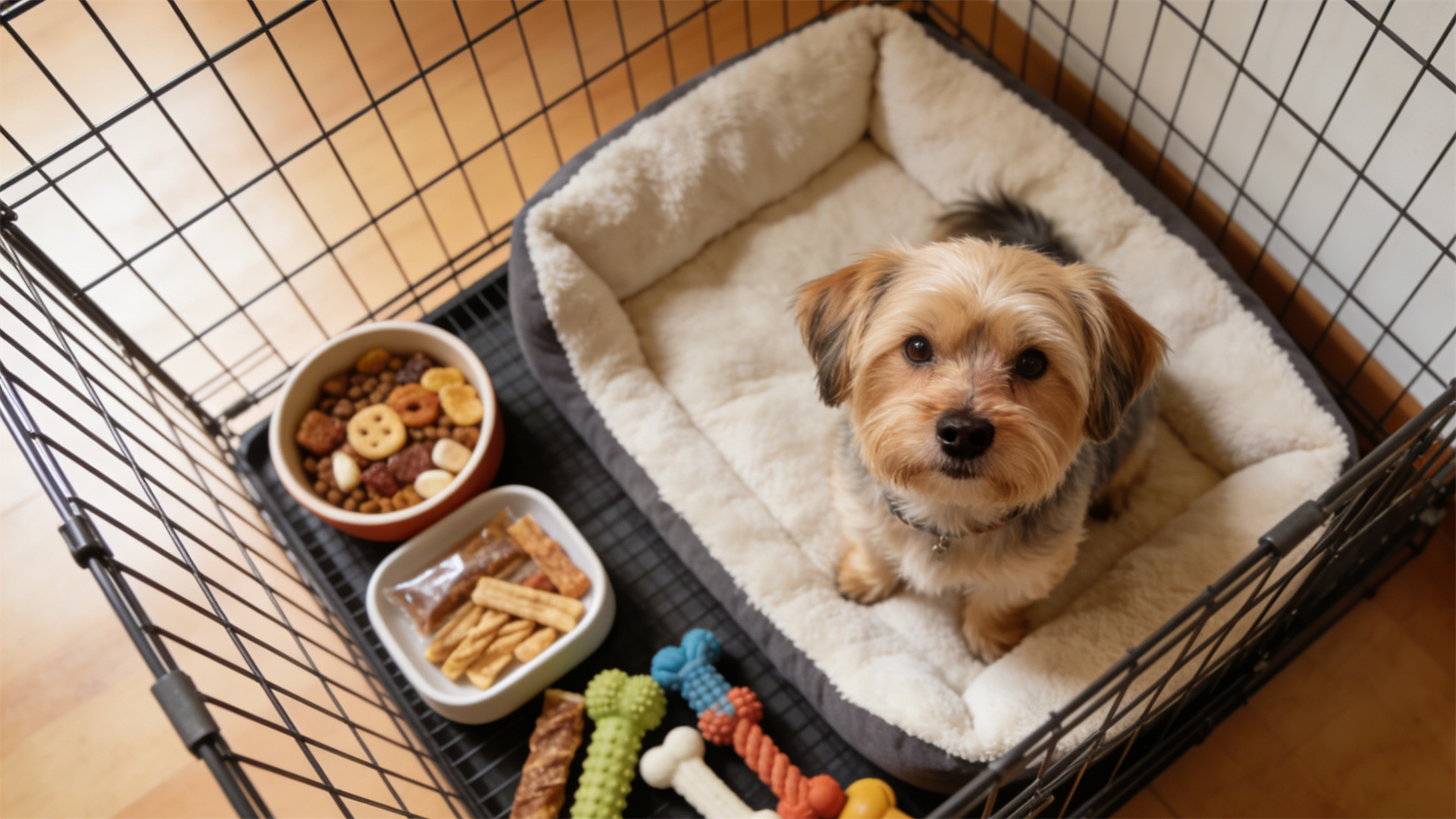
Crate training for puppies: Turn the crate into its favorite "safe house".
If the thought of crate training for puppies fills you with images of a sad, whining pup, you're not alone. Many new owners struggle with guilt, viewing the crate as a cage or a punishment. But what if we told you that, done correctly, your puppy's crate could become its most cherished sanctuary—a personal safe house where it feels completely secure and content? The key lies not in confinement, but in positive association. This guide will walk you through a compassionate, step-by-step process to transform that empty crate into your puppy's favorite nap spot and cozy den, alleviating your anxiety and building your dog's confidence.
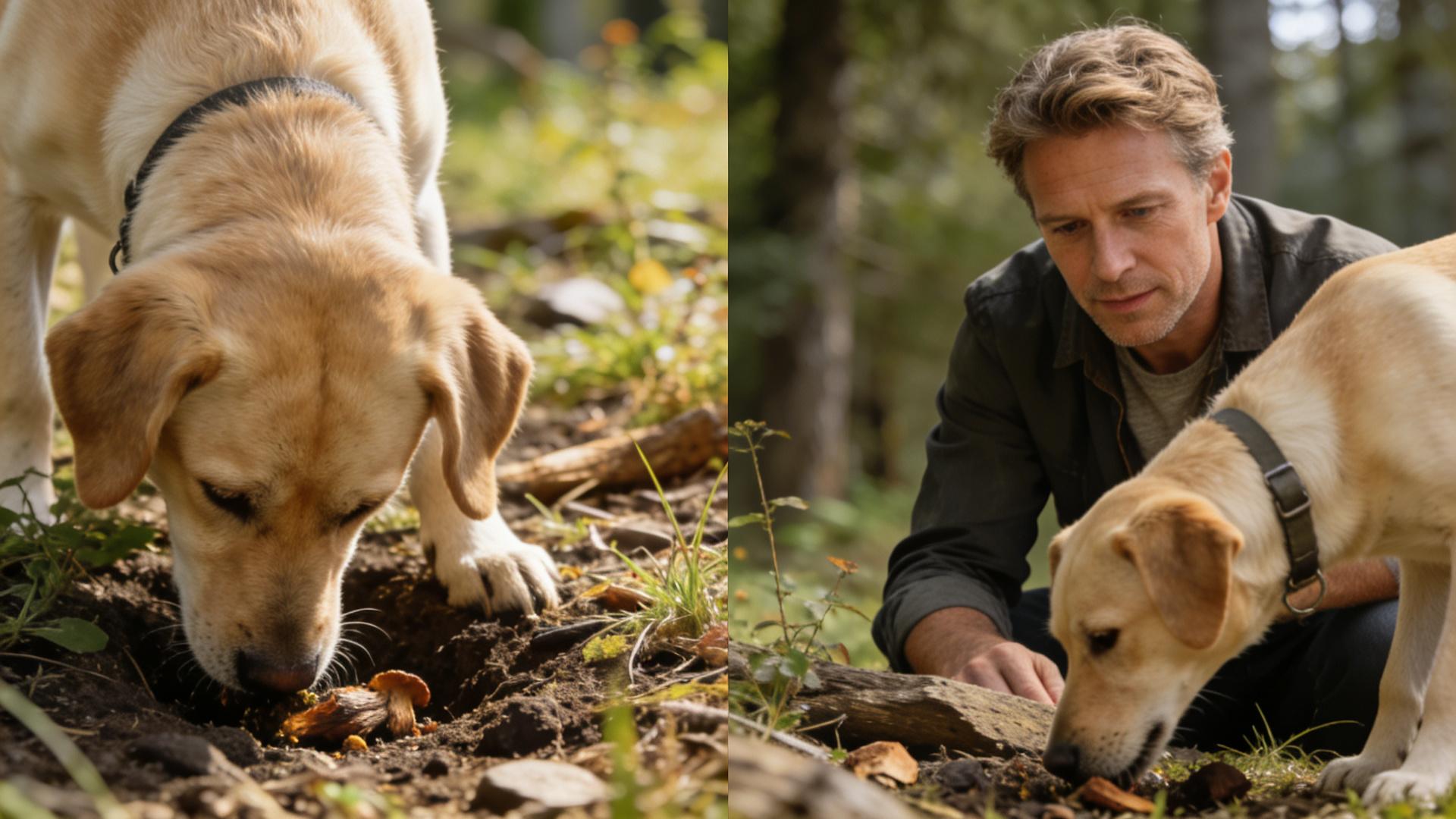
Refusal to eat: How to train your dog not to eat litter on the ground without a command
Every dog owner knows the heart-stopping moment: a split-second glance away, the sudden dip of the head, and the frantic, guttural “What is in your mouth?!” 🚨. Your dog has just vacuumed up a mystery morsel from the sidewalk—a discarded chicken bone, a moldy piece of bread, or something far worse. This scavenging crisis isn’t just a frustrating habit; it’s a direct threat to your dog’s health, risking poisoning, intestinal blockage, and severe illness. This guide is your definitive roadmap to building a reliable, automatic “refusal to eat” behavior, transforming your anxious walks into relaxed, safe partnerships.
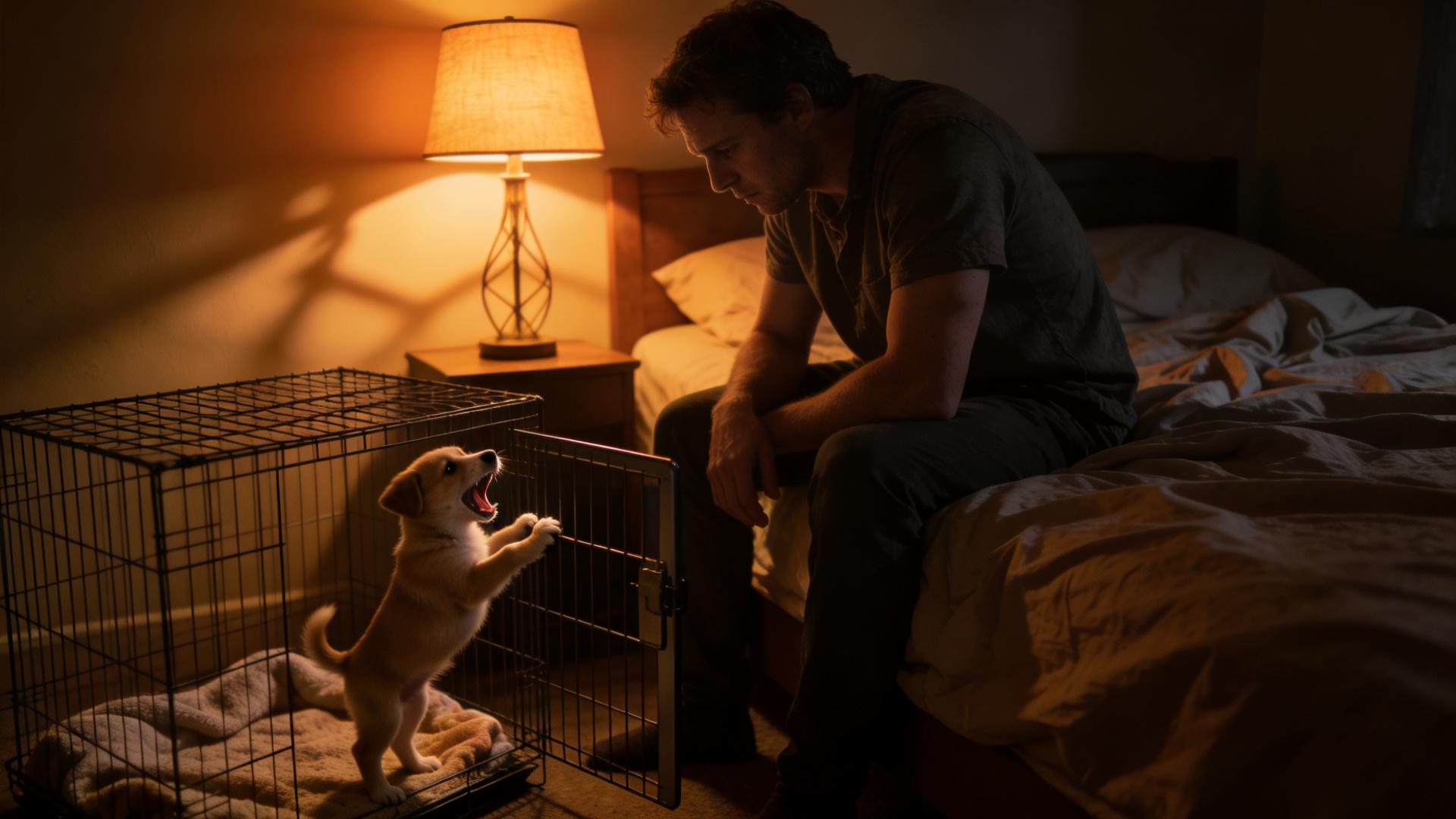
Puppy sleep habit training: solutions to nighttime barking and restlessness
Exhausted from puppy night waking? Our expert guide reveals the root causes of barking and restlessness and provides a proven, step-by-step training plan to finally get peaceful sleep for you and your new dog.
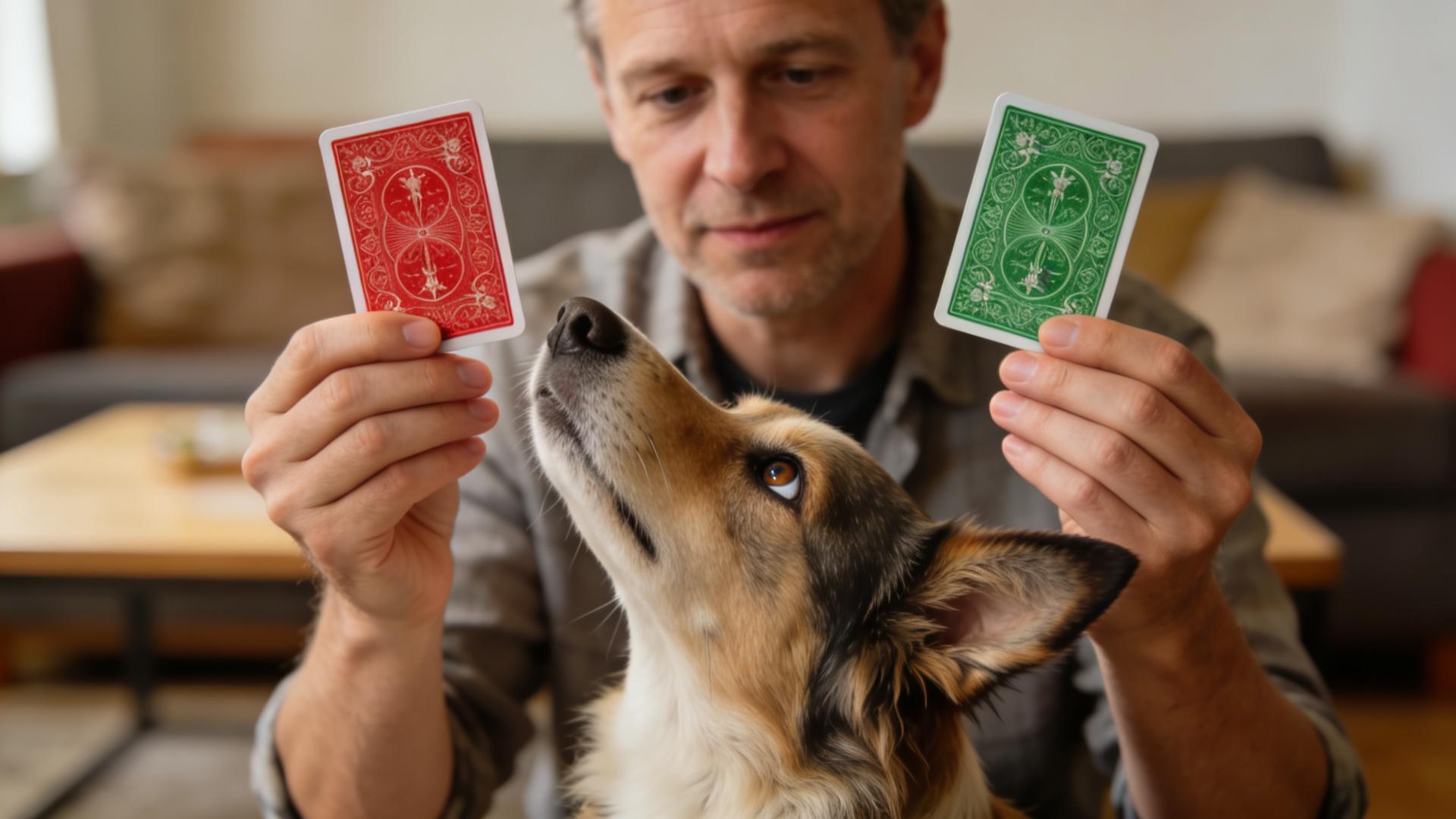
Traffic light training at intersections: Establishing visual signals for "stop" and "go".
Navigating busy urban intersections with your dog can transform a relaxing walk into a nerve-wracking game of chance. The honking cars, bustling pedestrians, and unpredictable movements create a minefield of distractions and dangers. What if you could introduce a common language of safety, one your dog understands as clearly as you understand a red or green light? This article delves into the powerful method of traffic light training for dogs, a system of visual signals that establishes crystal-clear "stop" and "go" cues. Our purpose is to provide you with a proven, step-by-step methodology to enhance your intersection safety for canines, forging not only a safer companion but a deeper bond built on communication and trust.
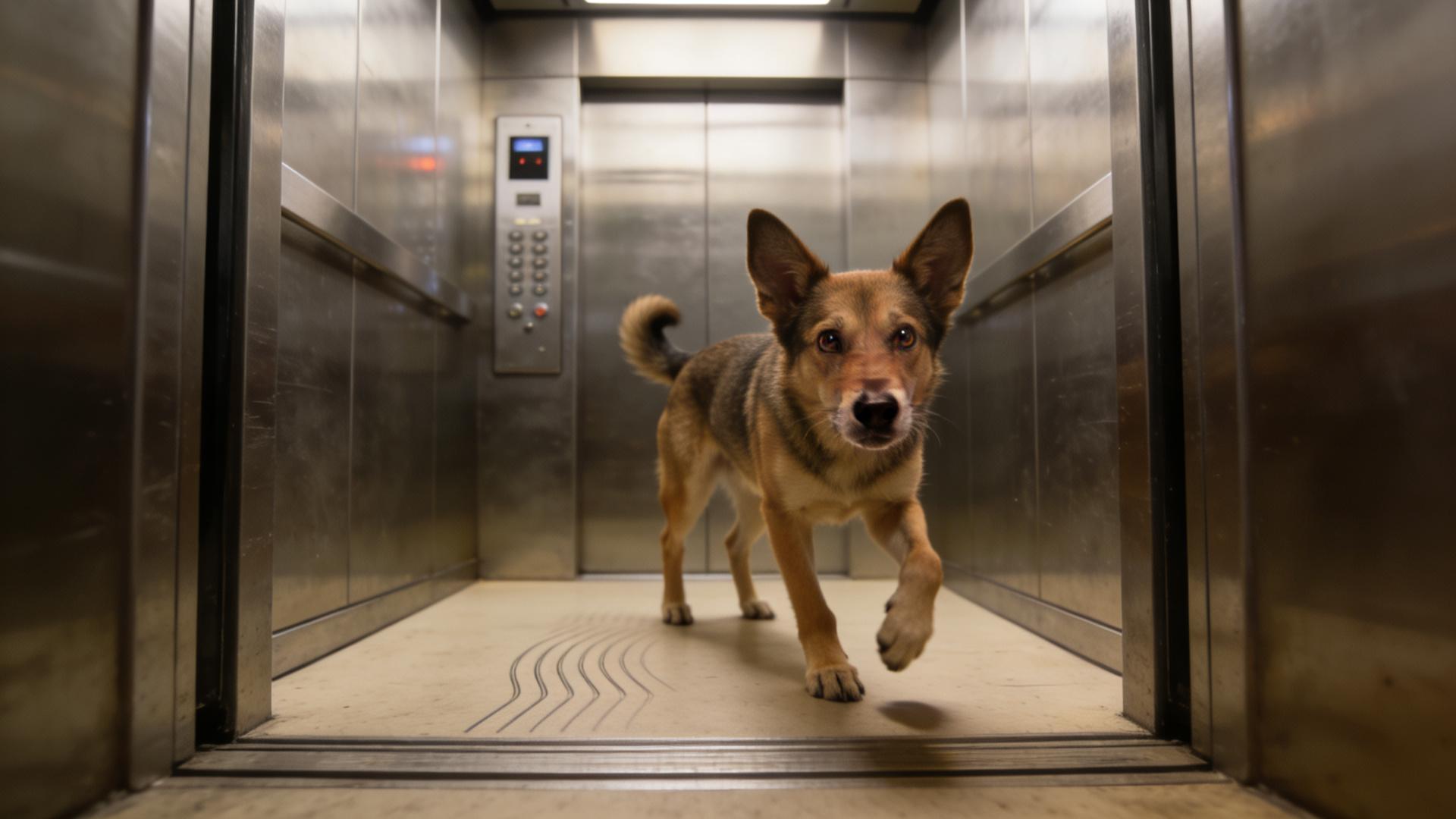
Elevator etiquette training: Calm control when entering confined spaces
The doors slide shut with a soft whoosh, the floor gives a slight lurch, and suddenly, the world feels very small. For many dogs, an elevator ride is a confusing cocktail of strange sounds, confined space, and unpredictable movement. Imagine your dog, panting heavily, pulling on the leash, or even trying to bolt as the doors open. This common scenario isn't just stressful—it can be a safety risk for everyone involved. Training your dog for elevator etiquette is not a luxury; it's a crucial skill for urban living that ensures safety and comfort for your pet, you, and fellow passengers. With patience and the right approach, you can transform this daunting experience into a calm, controlled routine.
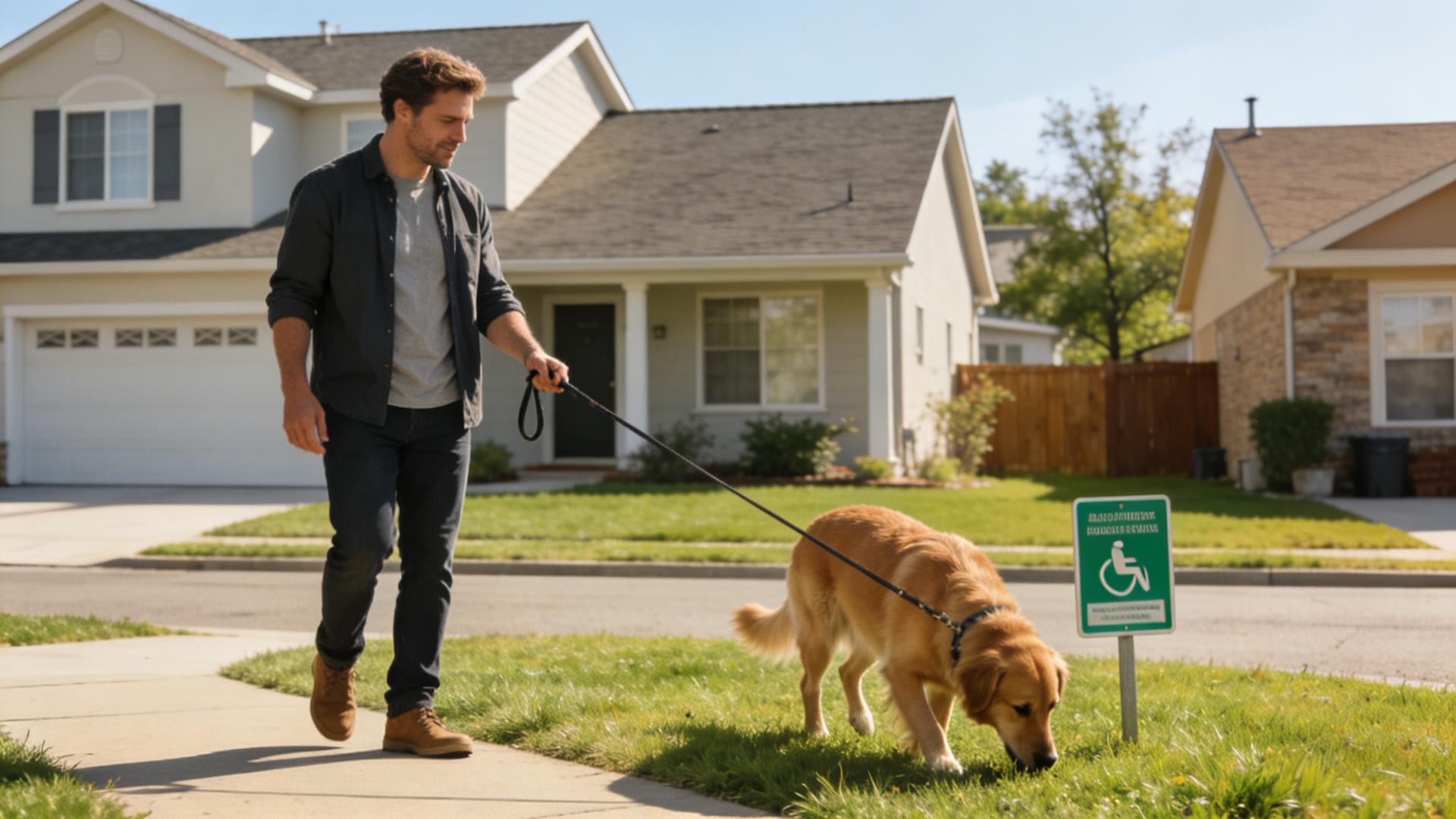
Civilized dog walking tips: Train your dog to relieve itself in designated grassy areas.
In the tapestry of community life, few threads are as common—or as potentially disruptive—as the daily dog walk. It’s a ritual of joy, exercise, and bonding. Yet, without mindful practice, it can fray into a source of neighborhood tension. The cornerstone of civilized dog walking is the simple, impactful act of guiding your dog to relieve itself in designated grassy areas. This isn't merely about convenience; it's a profound exercise in responsible dog ownership and community stewardship. This comprehensive guide will equip you with the actionable steps, scientific rationale, and nuanced understanding needed to master this essential skill, transforming your walks into a model of polite dog walking behavior.