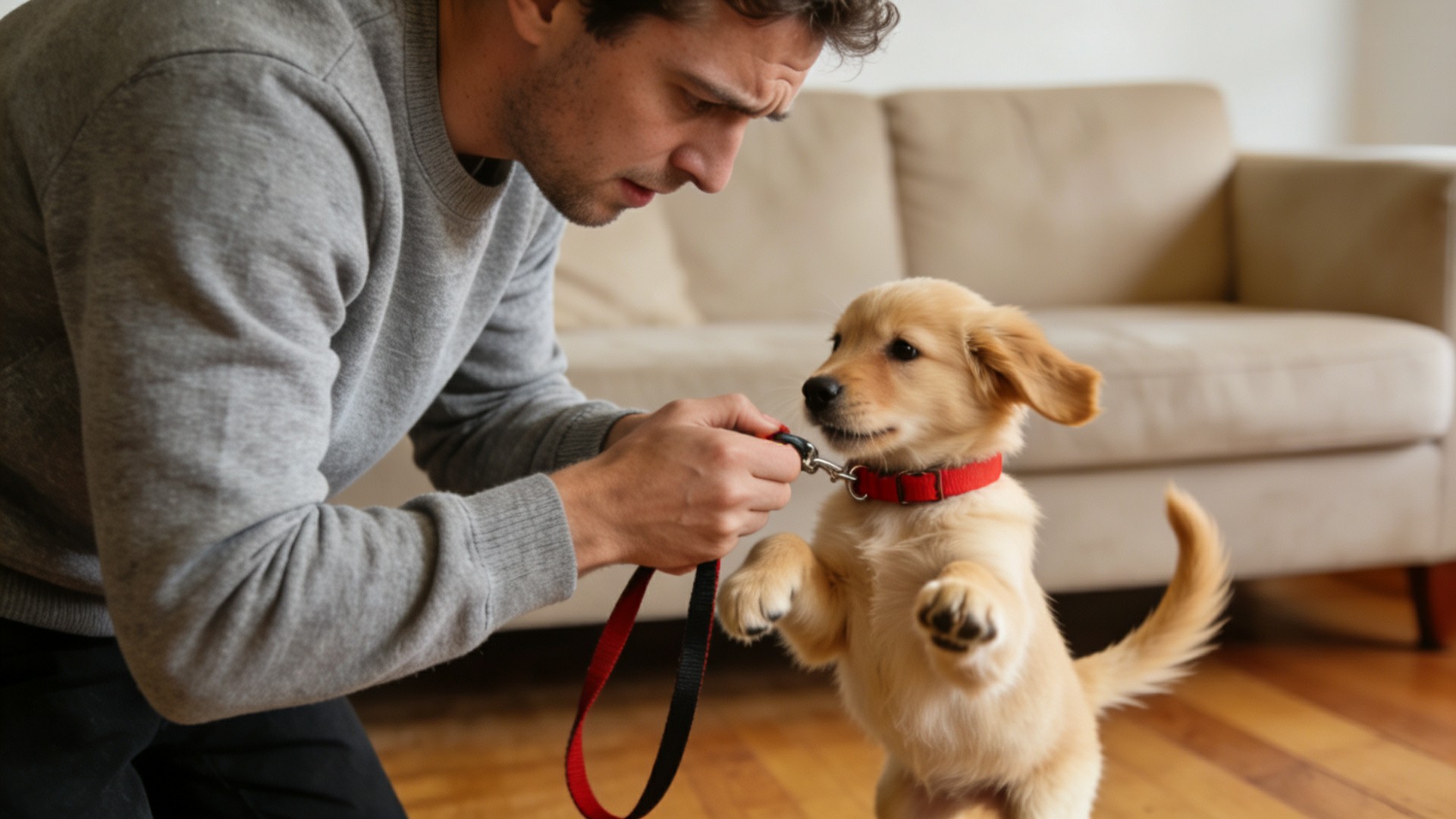
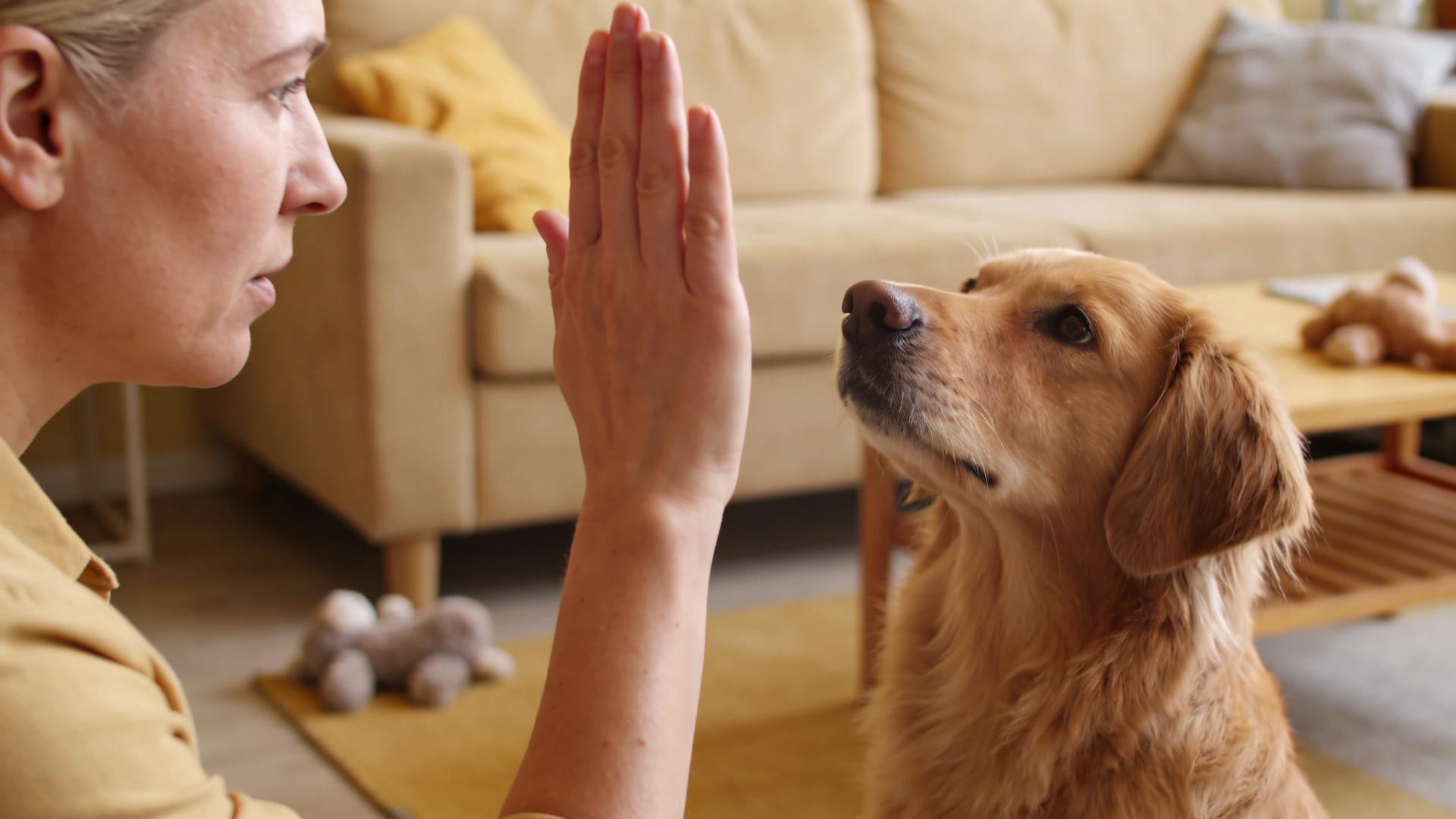
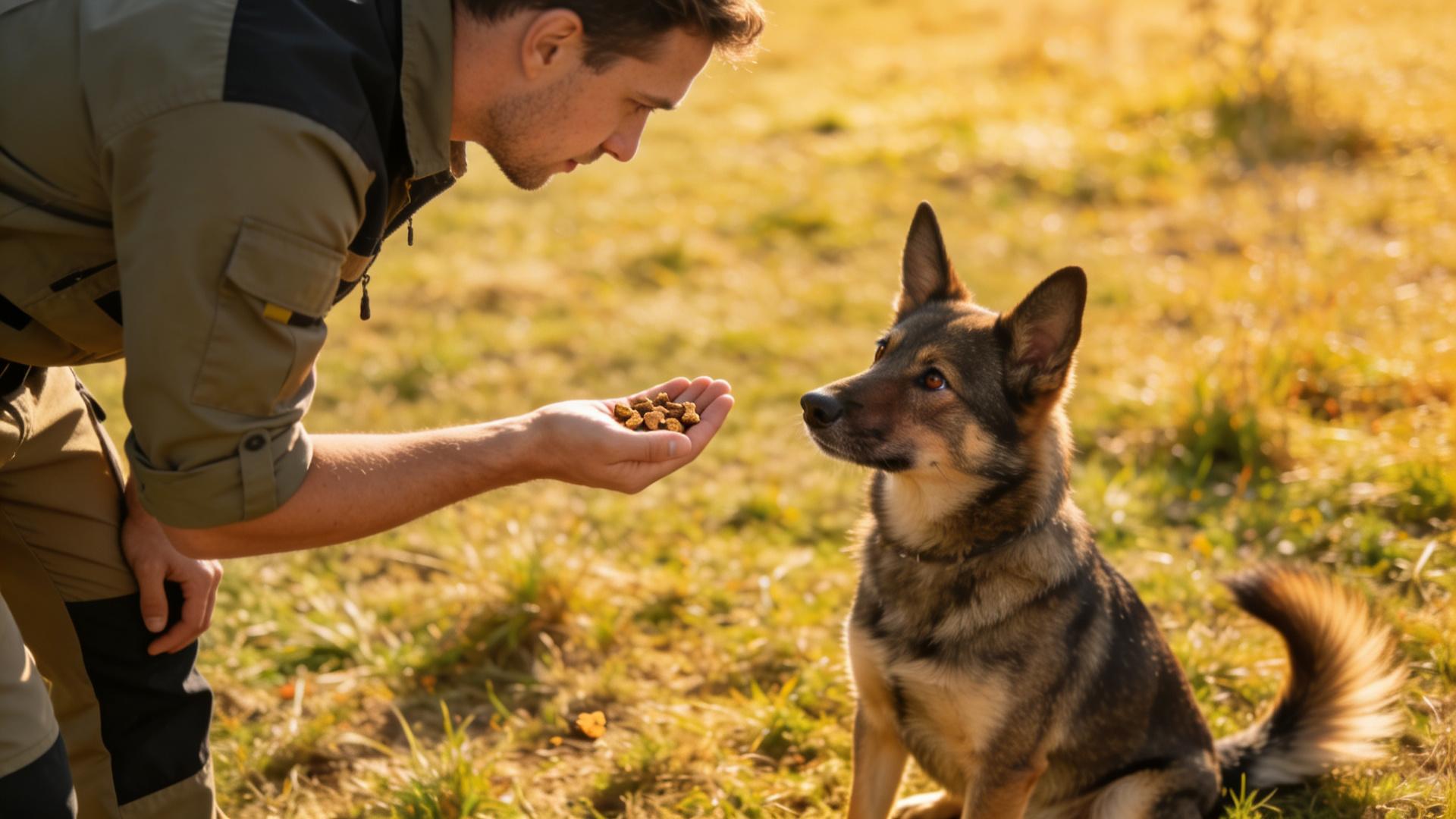
The joy of bringing home a new puppy is often quickly tempered by the sharp pinch of needle-like teeth on your fingers and toes. If you’ve found yourself asking, “Why does my puppy keep biting my hands and feet?” you are absolutely not alone. This is one of the most common and frustrating challenges for new dog owners. However, this behavior is a normal part of canine development, not a sign of an aggressive dog. The key lies in understanding the why behind the bites and implementing a consistent, positive strategy for preventing puppy biting. Timely and correct intervention is crucial for your safety, your puppy’s future social skills, and a harmonious home.
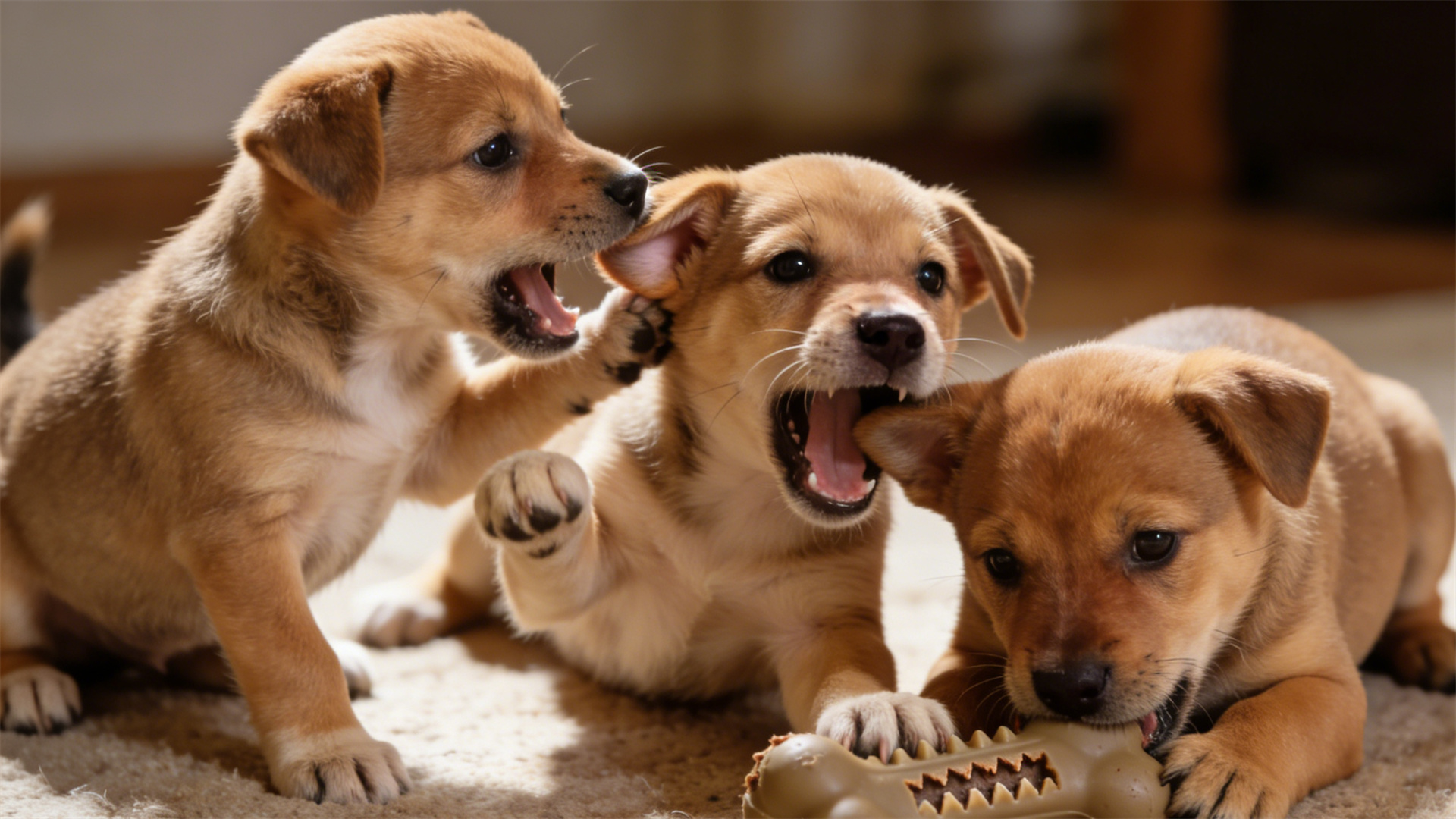
🐾 Understanding the "Why": Why Puppies Bite Hands and Feet
Before you can effectively stop the behavior, you must understand its root causes. Puppy biting is driven by instinct, development, and learning. Labeling it as "bad" misses the point; it's their primary way of interacting with the world.
The Three Core Motives for Puppy Biting:
1. Exploration and Play: A puppy’s mouth is like a human’s hands. They use it to explore textures, tastes, and objects—including your moving hands and wiggling feet. Play fighting with littermates also involves biting, and they naturally transfer this to you.
2. Teething Discomfort: Between 3 and 6 months, puppies lose their baby teeth. Their gums become sore and itchy, compelling them to chew on anything to relieve the pain. Your hands and feet become convenient, malleable chew toys.
3. Attention-Seeking and Communication: Puppies quickly learn that a gentle nip gets a reaction—a yelp, a push, even playful shouting. Any reaction can be interpreted as a reward. If biting gets you to engage, even negatively, the behavior is reinforced.
🛡️ Stage One: Proactive Prevention Strategies
Prevention is always better than correction. By managing your puppy’s environment and state of mind, you can drastically reduce the opportunities for puppy biting hands and puppy biting feet.
Managing the Environment and Energy:
A Tired Puppy is a Good Puppy: Ensure your puppy gets adequate physical exercise and mental stimulation through walks, training sessions, and puzzle toys. An under-stimulated puppy will use your limbs as entertainment.
Puppy-Proof Your Ankles: During peak biting times (like the evening “witching hour”), consider wearing tall boots or keeping your feet on the couch. This isn’t giving in; it’s preventing rehearsal of the unwanted behavior.
Hands Are Not Toys: Never use your hands to play wrestle or “box” with your puppy. This teaches them that skin is an appropriate plaything.
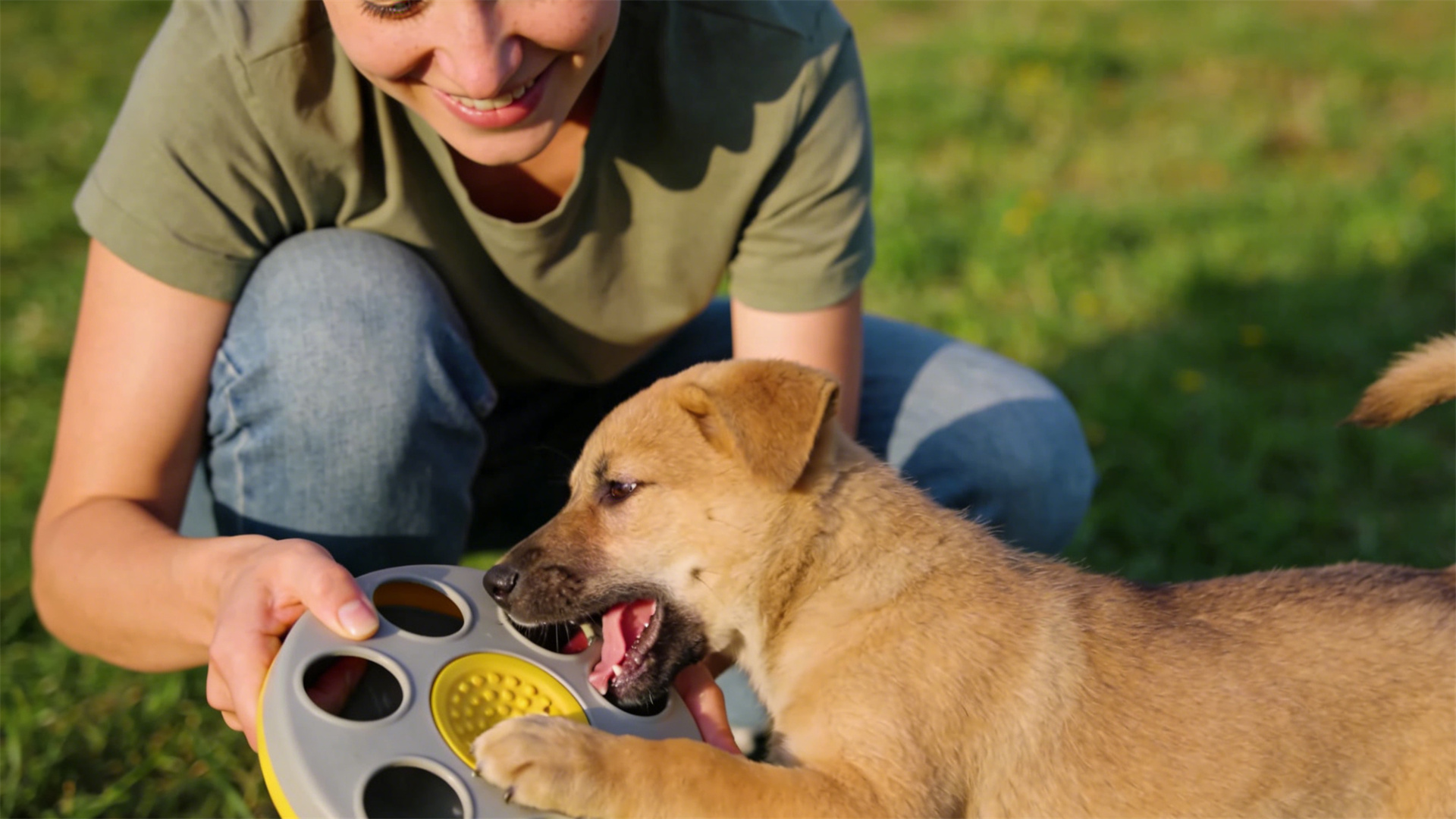
Essential Tools for Puppy Teething and Biting Solutions:
Always have an array of acceptable chew toys ready. Rotate them to keep them interesting. When you see your puppy getting mouthy, immediately offer a toy. Frozen rubber toys, cold carrots, or damp, frozen washcloths can provide tremendous relief for sore gums.
🎯 Stage Two: Correct Feedback and Redirection Techniques
When prevention fails and teeth meet skin, your response—your correct feedback for puppy biting—is the cornerstone of puppy bite inhibition training. The goal is to teach that human skin is ultra-sensitive, and that toys are the only acceptable target.
The Step-by-Step Guide to Correct Feedback:
Step 1: The "Ouch!" or Yelp. The moment you feel teeth, let out a sharp, high-pitched “Yip!” or “Ouch!”—similar to the sound a littermate would make. This communicates pain. Important: Your tone should be one of startled pain, not anger.
Step 2: Immediate Withdrawal. Follow the yelp by immediately becoming still and withdrawing your attention. Stand up, cross your arms, and look away for 10-20 seconds. This teaches that biting ends all fun and interaction.
Step 3: The Redirection. After the brief pause, promptly offer an appropriate chew toy. The sequence is: Bite skin = fun stops. Chew toy = fun continues and praise is given. This is the heart of redirecting puppy biting to toys.
Step 4: Consistent Repetition. Every person in the household must follow this exact sequence every single time. Inconsistency confuses the puppy and prolongs the biting phase.
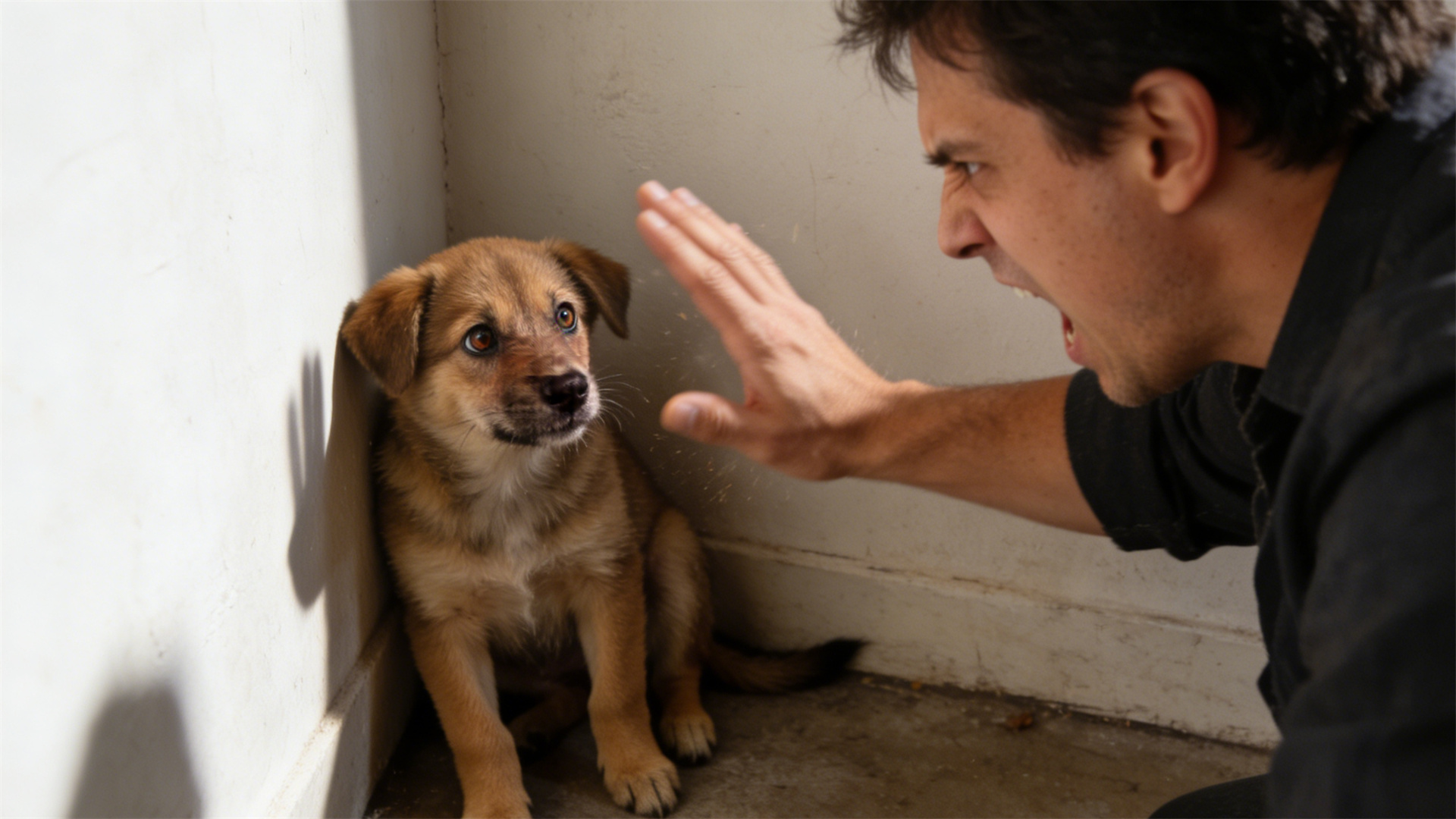
❌ Common Mistakes to Avoid in Correcting Puppy Biting Behavior
Even with the best intentions, owners often make errors that inadvertently encourage more biting.
The "Don'ts" of Puppy Biting Correction:
Special Reminder: Never punish physically. Slapping noses, holding mouths shut, or alpha rolls are outdated, fear-inducing methods. They can damage your bond and may lead to defensive aggression.
Avoid Prolonged Scolding or "Time-Outs" in Another Room. Your puppy lives in the moment. A long lecture is meaningless, and isolating them in another room can create separation anxiety. The 20-second attention withdrawal is sufficient.
Do Not Jerk Your Hands or Feet Away Rapidly. This can trigger your puppy’s chase instinct, turning your limbs into exciting, fast-moving prey. Move away calmly and deliberately.
Don't Give Mixed Signals. Laughing or saying “no” in a playful voice while being bitten tells the puppy you are enjoying the game. Ensure your verbal and physical feedback is clear and consistent.
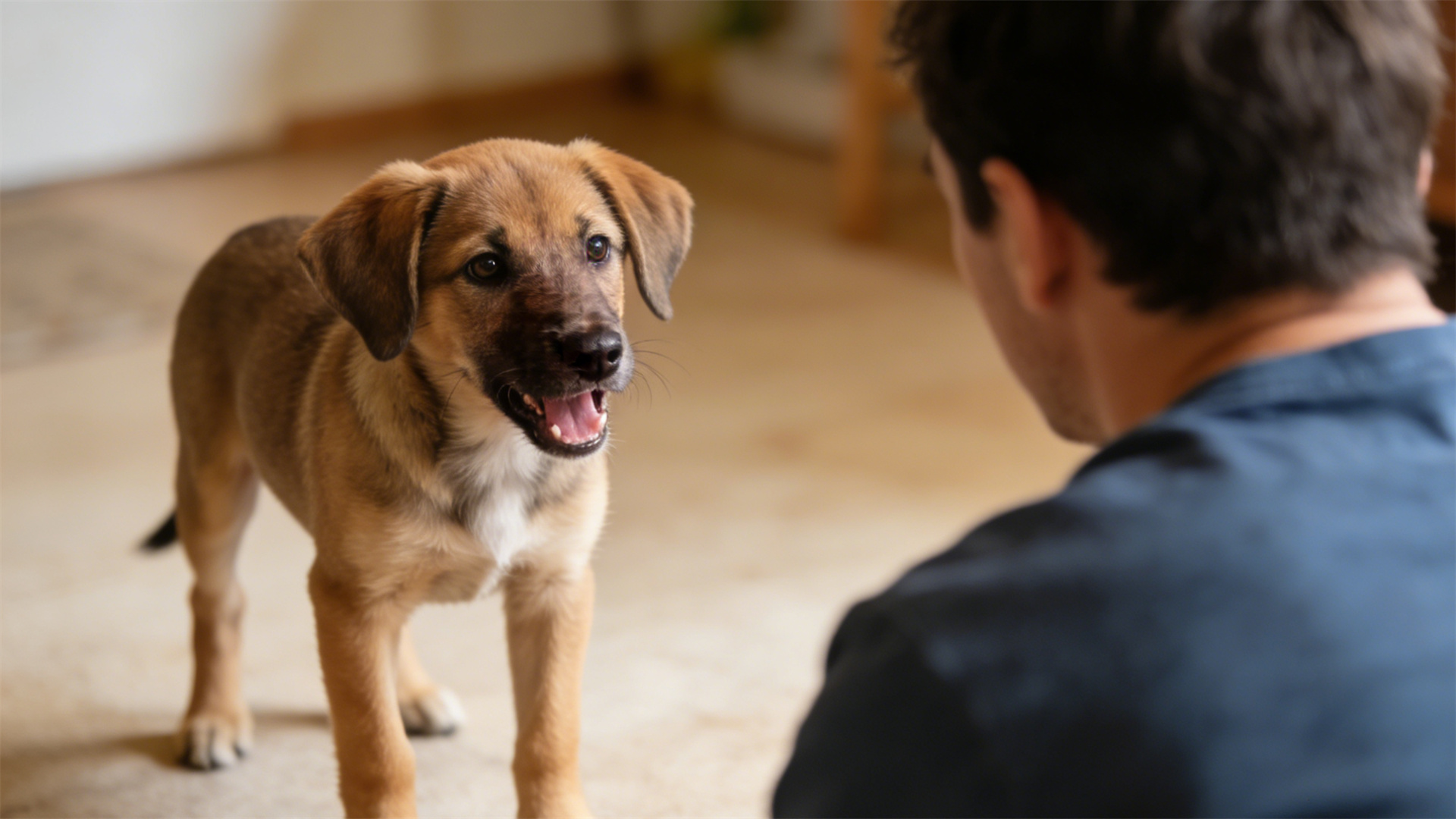
✨ The Power of Positive Reinforcement for Biting Correction
While correcting the bite is vital, rewarding the absencetraining puppies not to bite through positive reinforcement.
What to Reward:
Calmly praise and pet your puppy when they are chewing on their own toy. Lavishly reward them with treats and affection when they lick your hand instead of biting it. Catch them being good. This proactive approach shapes the behavior you want to see, making effective puppy biting correction a holistic process.
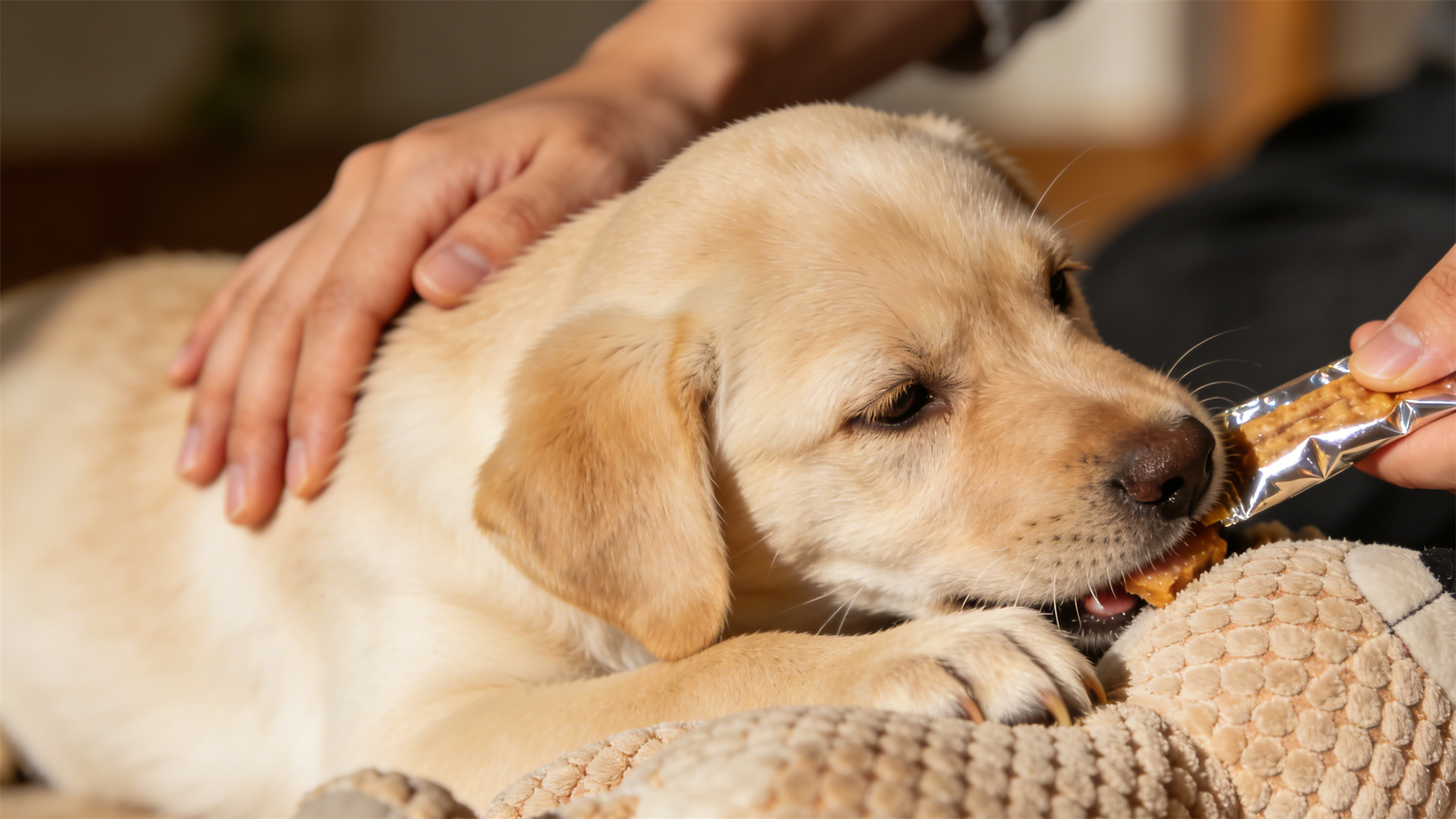
📈 The Journey: Patience and Consistency Are Key
Teaching puppies not to bite hands and feet is a process, not a one-time event. It requires immense patience. The biting phase is temporary, but the lessons learned about gentle mouths last a lifetime. Set your puppy up for success with proper management, respond with clear and calm feedback when they err, and generously reward desired behaviors.
Remember, you are not just stopping annoying nips; you are engaging in critical puppy bite inhibition training. This is how puppies learn to control the force of their jaws, a vital safety skill for their entire lives around people and other dogs.
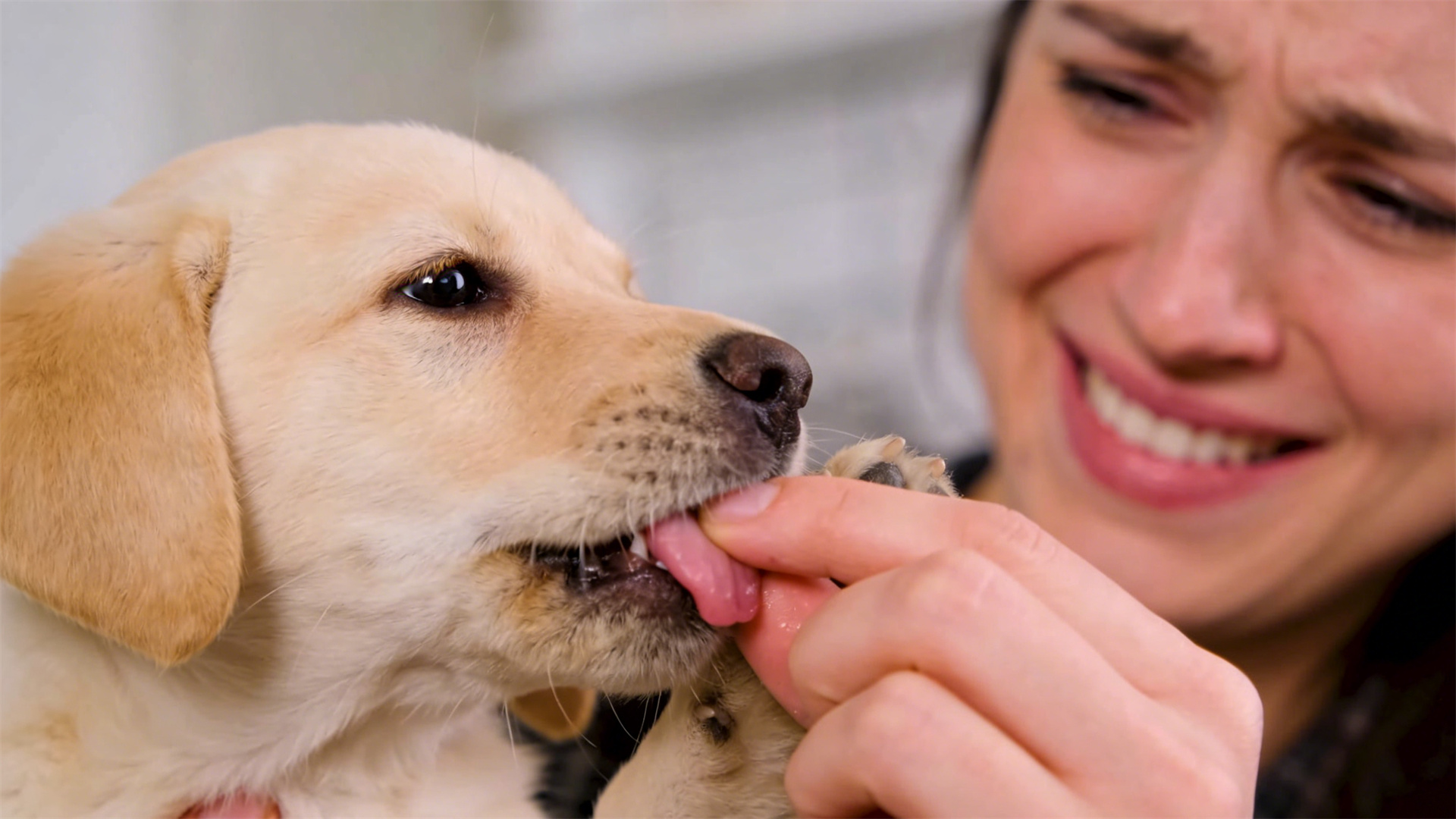
Conclusion: Building a Gentle Companion
Overcoming the challenge of preventing puppy bites is a foundational part of responsible dog ownership. By understanding the motives behind the behavior, implementing proactive puppy biting prevention tips, and applying consistent, positive correct feedback for puppy biting, you guide your puppy toward becoming a well-mannered, gentle adult dog. Celebrate the small victories—the first time they stop mid-bite, the first gentle lick instead of a nip. With time, consistency, and positive reinforcement, those sharp little teeth will learn their proper place—on toys, not on you. Your hands and feet will thank you, and you'll have forged a stronger, more trusting bond with your furry friend.