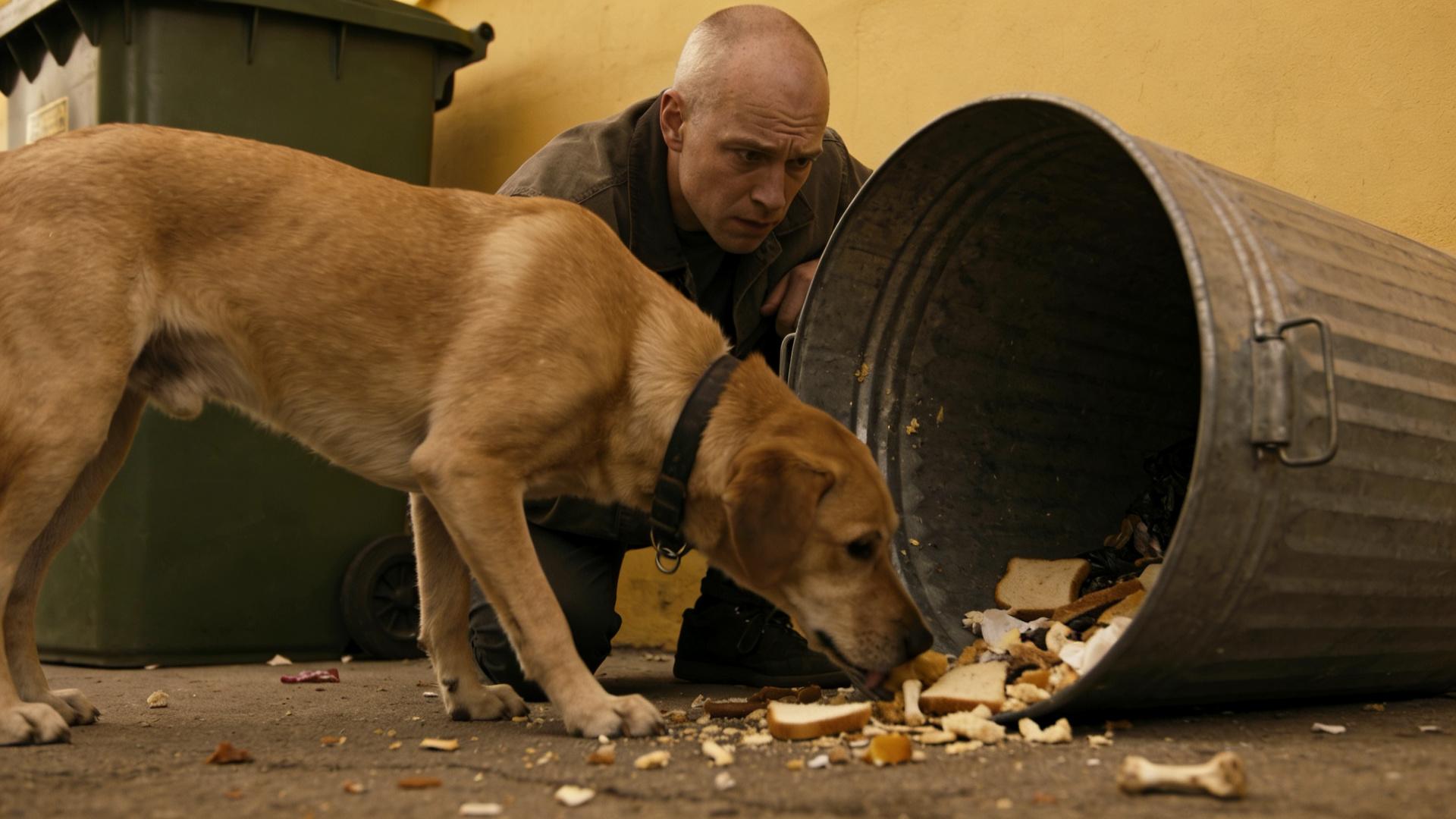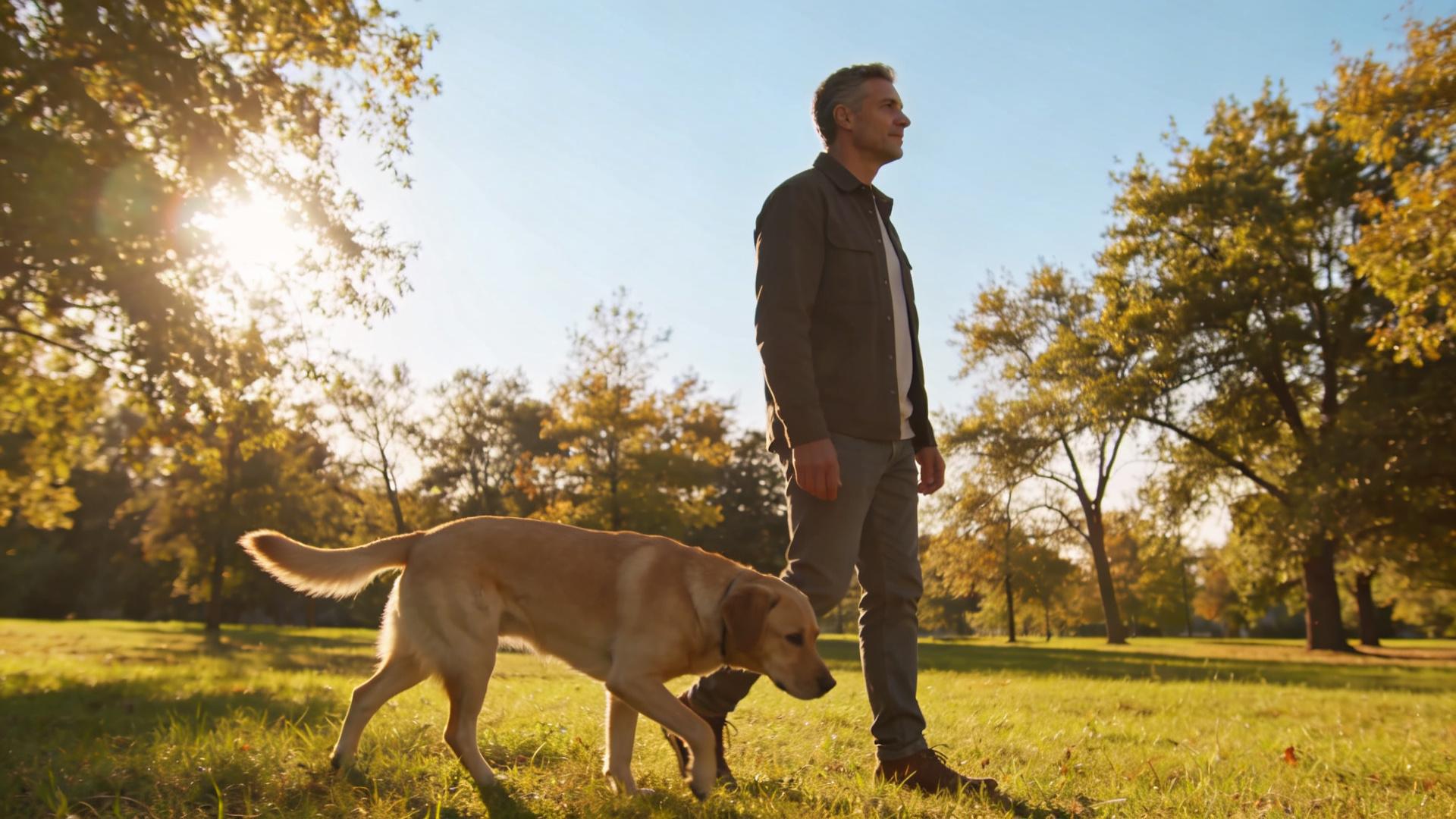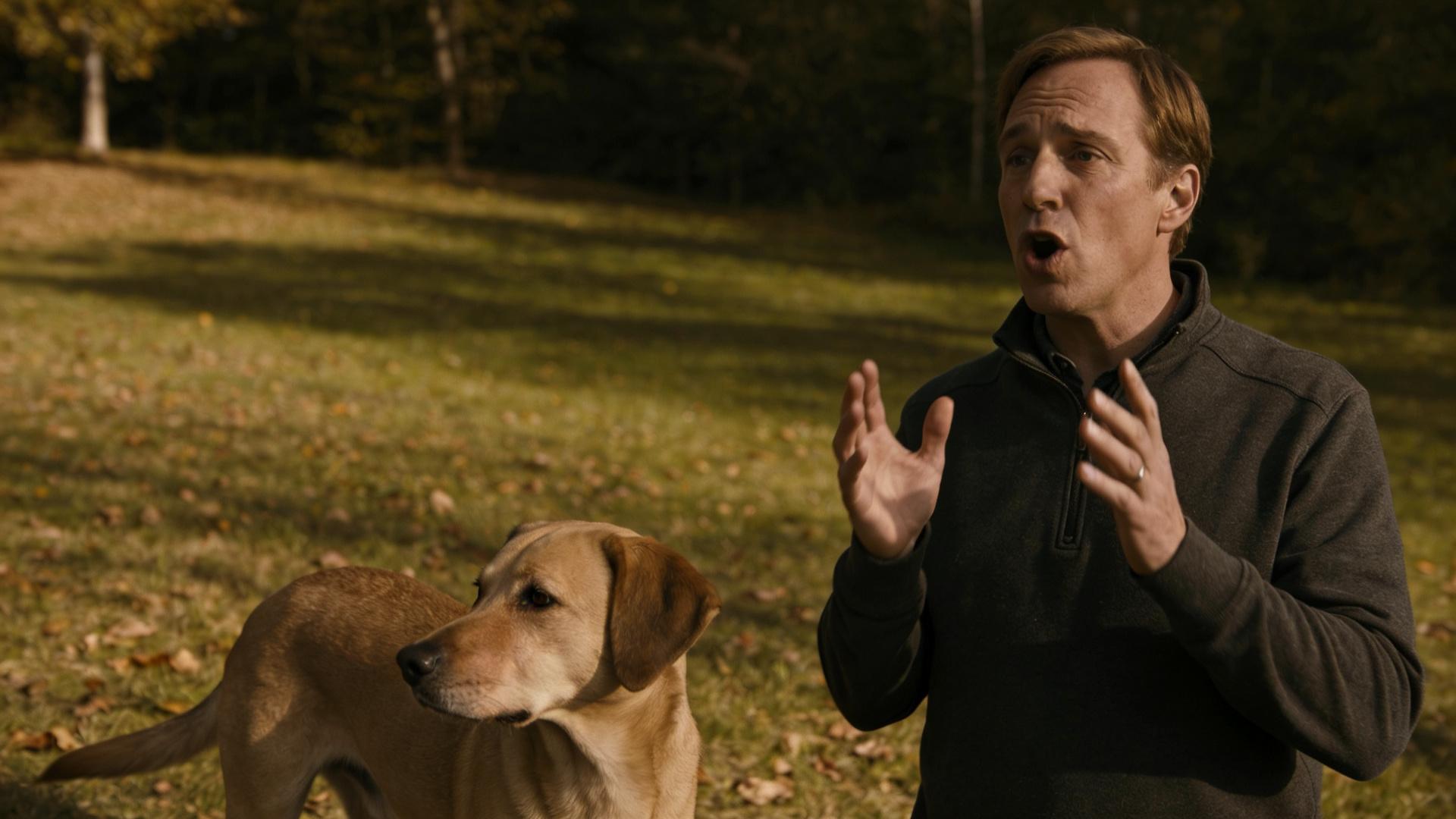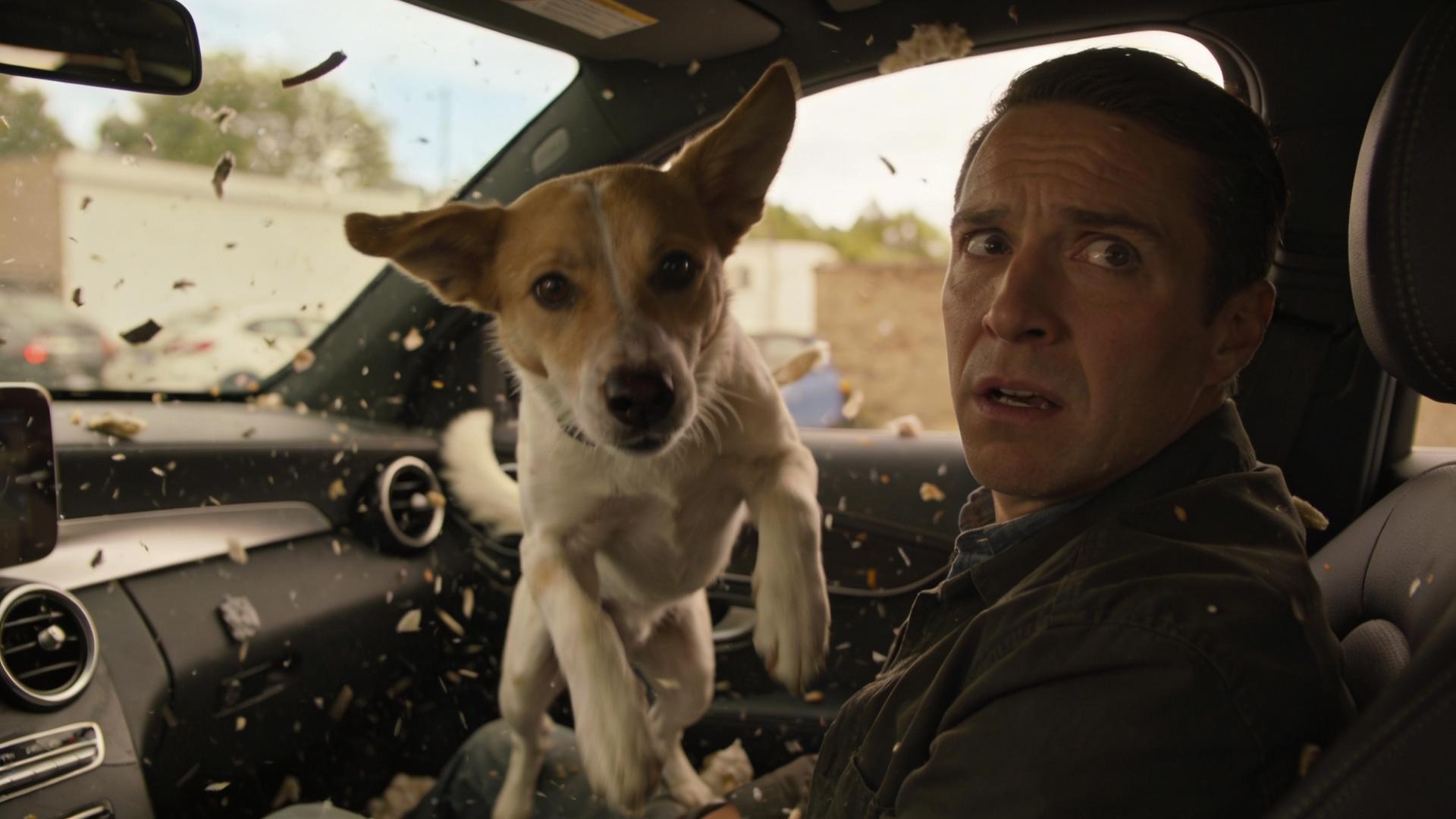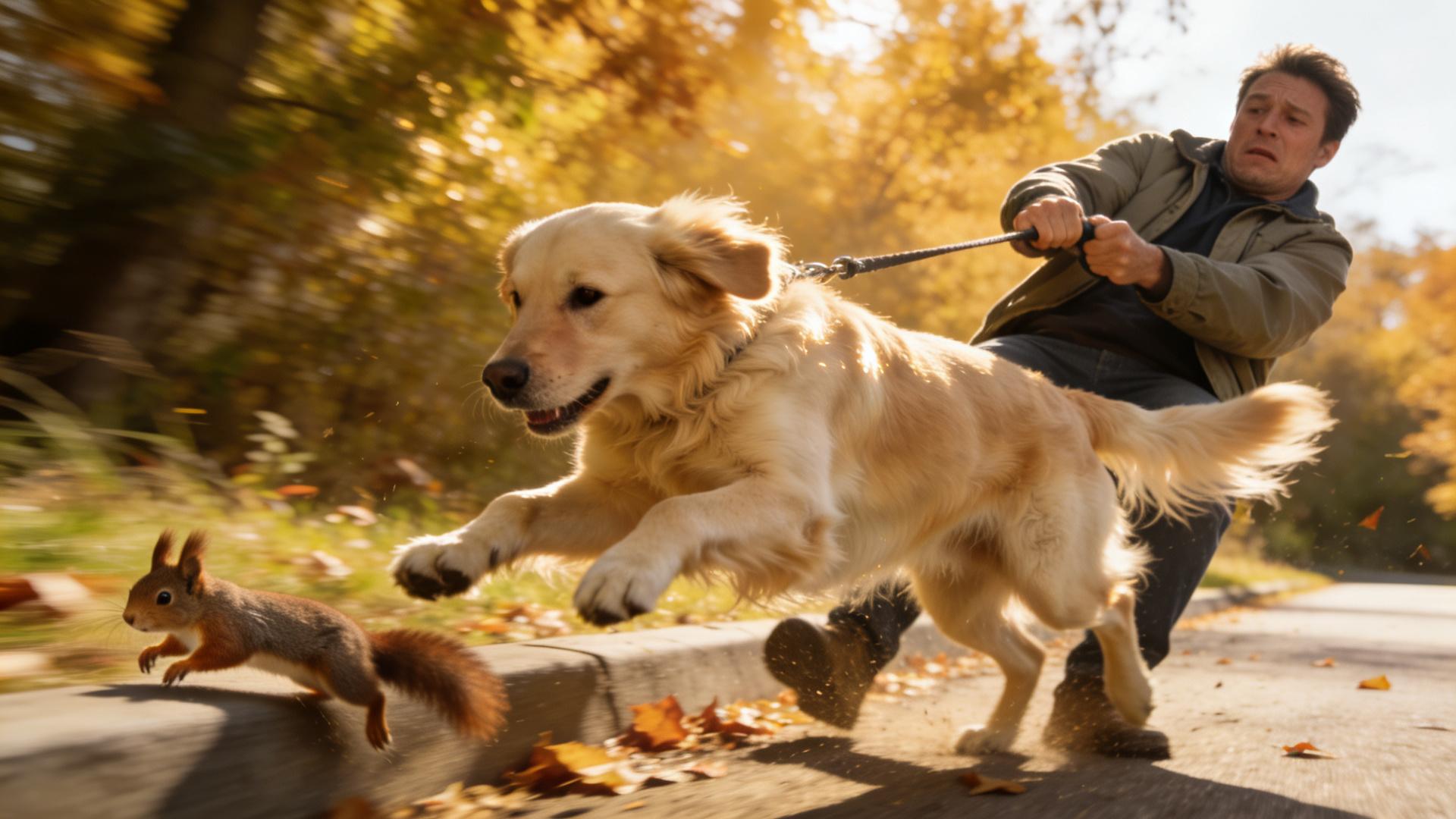
You’re enjoying a peaceful walk when a squirrel darts across the path. In a flash, your dog transforms into a sled dog, surging forward with such force that your shoulder aches. This sudden acceleration, also known as lunging or surging, is more than just an annoyance—it's a breakdown in communication and a potential safety hazard. Traditional "corrections" often create more tension, leading to a frustrating battle of wills. But what if the solution wasn't about holding tighter, but about creating intentional slack? Enter slack rope following and its powerful companion, the figure-eight movement. This sophisticated approach doesn't just manage pulling; it teaches your dog to actively seek a loose leash through intelligent handler movement.
🎯 Who This Guide Is For: Struggling Owners & Seeking Trainers
This article is designed for two primary groups. First, the everyday dog owner who dreads walks due to constant pulling and unexpected lunges. You’ve tried harnesses and basic "stop-and-go" methods with limited success. Second, the dedicated trainer or experienced owner looking for an advanced, nuanced technique to add to their toolkit. This method delves deep into leash communication and engagement dog training, making it ideal for working with reactive dog leash training or refining dog walking skills to an art form.
🤔 The Core Problem: Why Dogs Accelerate Suddenly
Sudden acceleration isn't "bad behavior" in the dog's mind. It's a natural response to high-value stimuli—prey, another dog, a fascinating smell. The leash becomes a barrier to that goal, triggering opposition reflex (pulling against pressure). The default human response—pulling back—creates a oppositional force that the dog instinctively fights against. We need to change the game entirely. The goal of slack rope following is to make maintaining a loose leash more rewarding and intuitive than pulling towards a distraction.
🔑 The Foundation: What is Slack Rope Following?
Slack rope following is a philosophy and a technical skill. It's the practice of the handler consciously managing leash tension to always provide and reward slack. Instead of using the leash as a steering or restraining tool, you use your own body movement and leash pressure release to guide the dog. The core principle is simple: tension on the leash limits freedom; slack on the leash enables movement and choice. When your dog feels steady, light slack, they understand they are in the "zone of permission." Any self-created tension (by pulling) causes that permission to temporarily vanish as you apply the figure-eight movement.
🌀 The Dynamic Tool: Mastering the Figure-Eight Movement
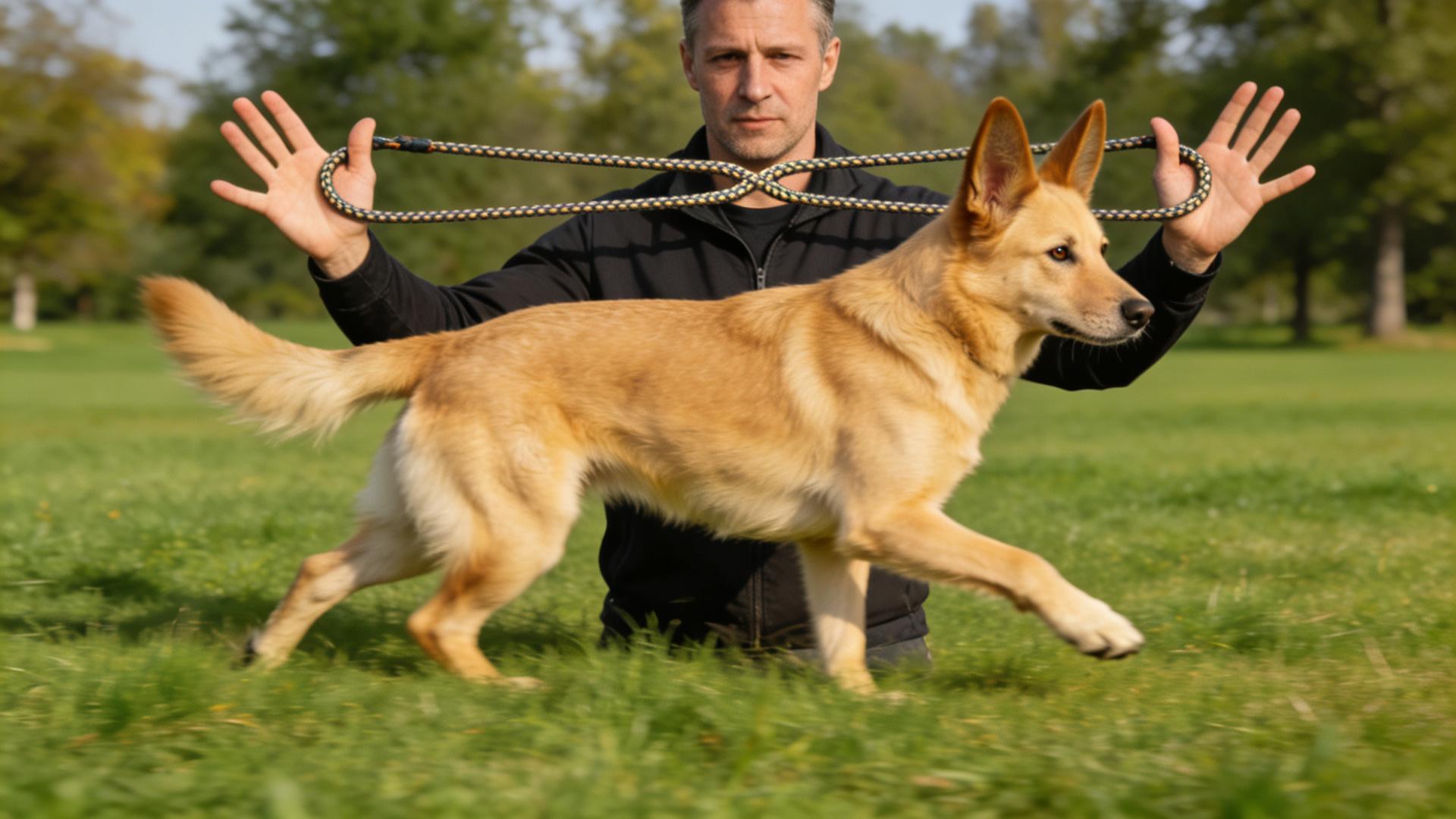
The figure-eight movement (or figure eight leash technique) is the physical engine that powers slack rope dog training. It is a non-confrontational, fluid maneuver used the moment your dog begins to accelerate or create tension. Its purpose is not to jerk or punish, but to disorient the dog's forward momentum and re-orient them back to you, all while maintaining a soft leash feel.
Step-by-Step: Executing the Figure-Eight for Sudden Acceleration
Step 1: Recognize the "Trigger" (The Build-Up). Watch for the signs: a hard stare, body freezing, leaning forward. The moment you feel the initial pressure on the leash—before the full lunge—is your cue to act.
Step 2: The Anchor and Pivot. Plant your outside foot (the side away from the distraction). This is your anchor. Hold the leash firmly but not tightly in both hands, close to your body.
Step 3: Create the "8". As the dog pulls, use your anchored stance to guide the leash in a smooth, horizontal figure-eight pattern in front of you. One loop goes away from the dog's direction of pull, the other loops back across. Your hands move in a small, infused infinity symbol (∞). This applies mild, confusing lateral pressure.
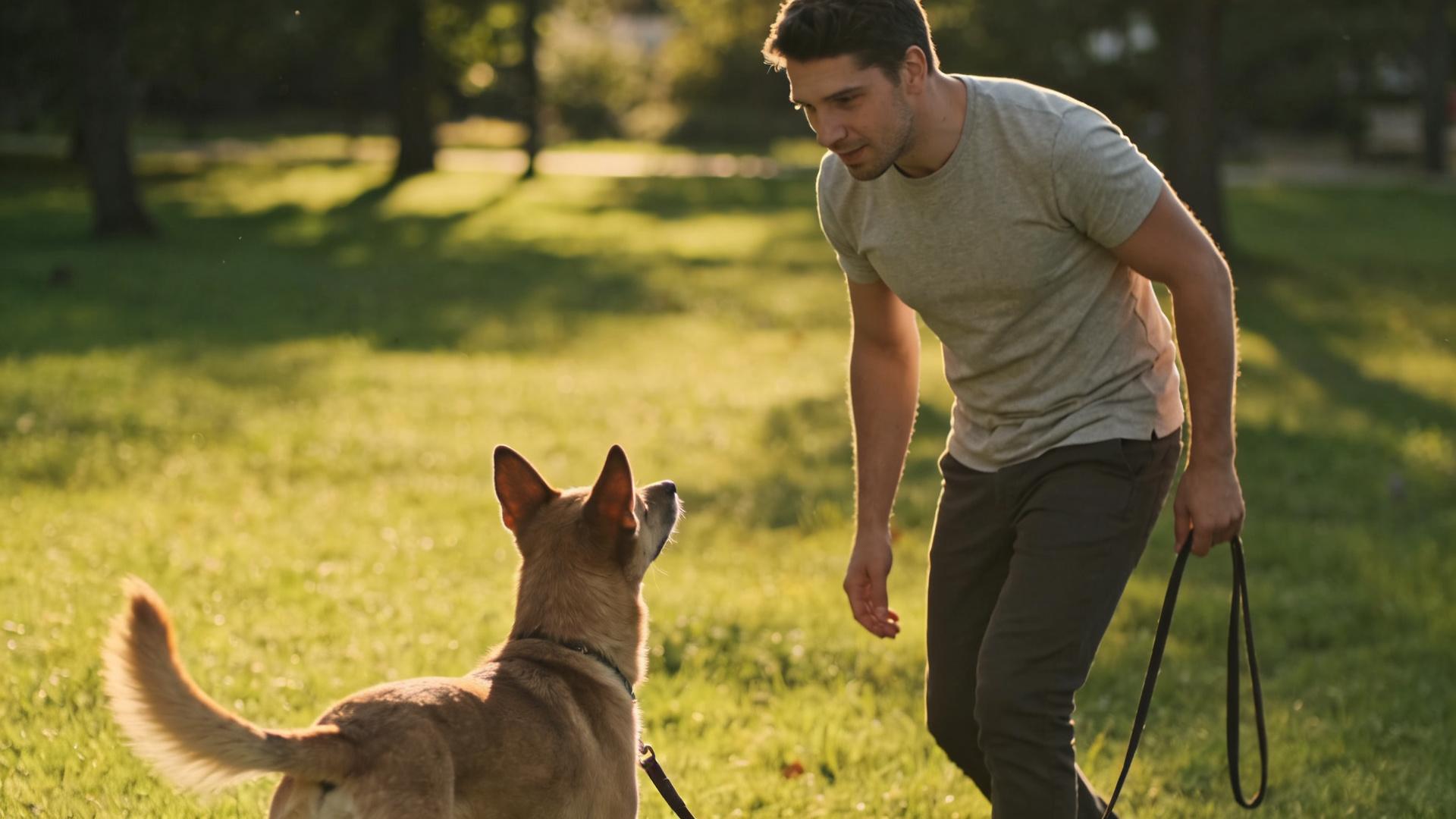
Step 4: The Release and Re-engagement. The instant the leash goes slack—which happens as the dog breaks their forward focus to rebalance—immediately stop the figure-eight, release all pressure, and take a cheerful step or two backward. Mark this with a "Yes!" or a click. You have now applied a positive leash correction: you created a problem (mild disorientation) that the dog solved by disengaging from the trigger, and you rewarded the solution with slack and retreat.
Step 5: Resume Walking. Begin walking again in your original direction or a new engaging one, encouraging your dog to follow the newly created slack. This completes the lesson: pulling creates confusing movement; staying near you maintains calm forward progress.
✨ Benefits of This Combined Method
- Builds Calm Engagement: It teaches the dog to check in with you amidst distraction, the heart of engagement dog training.
- Reduces Reactivity: By breaking the "stare-and-lunge" cycle, it helps reactive dog leash training by offering a clear behavioral alternative.
- Empowers the Handler: Provides a clear, calm action plan instead of a reaction of frustration.
- Preserves the Human-Dog Bond: It avoids intimidation, making it a trust-building no pull dog training method.
⚠️ Common Mistakes & How to Avoid Them
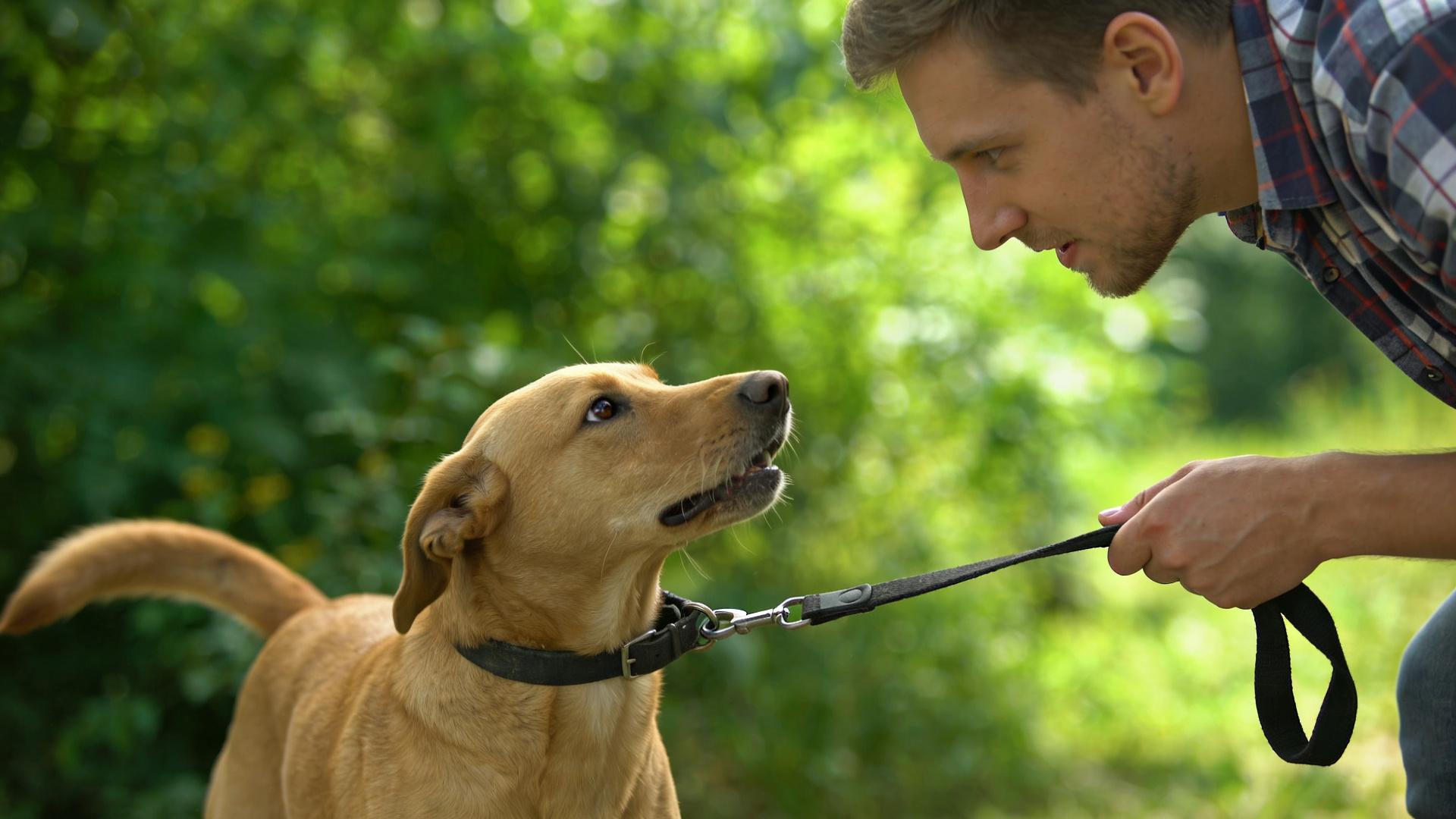
- Mistake 1: Using the "8" as a Jerk. The movement must be fluid and lateral, not a sharp vertical pop. Practice without your dog first.
- Mistake 2: Being Too Late. Timing is critical. You must act on the first ounce of pressure, not the full-body lunge.
- Mistake 3: Forgetting the Reward. The release of pressure and your happy retreat are the reward. Neglecting this step misses the teaching opportunity.
- Mistake 4: Using a Short, Tight Leash. You need a 6-foot leash to create meaningful slack. A taut leash gives you no room to work.
❓ Frequently Asked Questions
Q: Is this method suitable for very strong or large dogs?
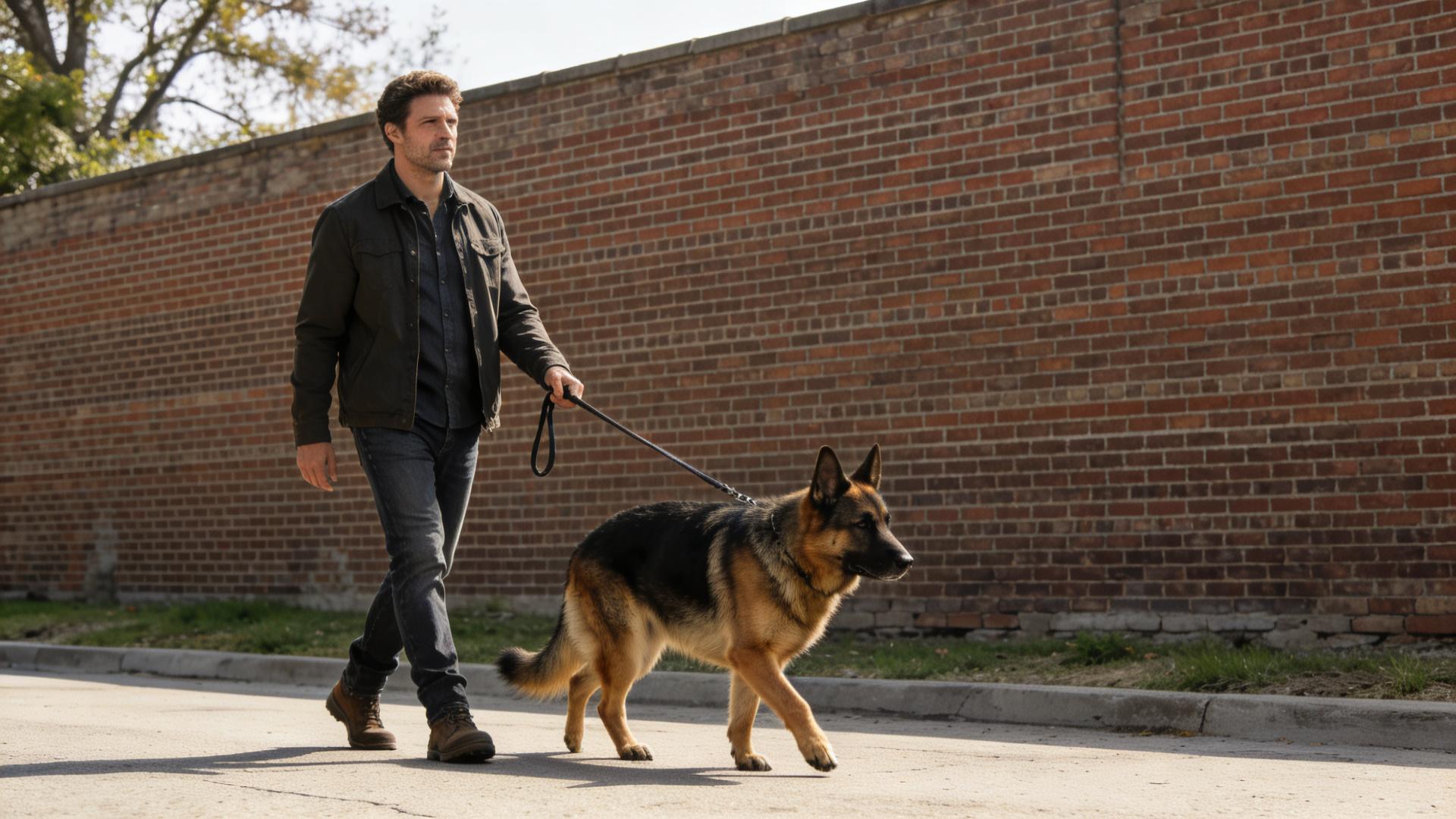
A: Yes, but safety first. The figure-eight movement works through leverage and surprise, not brute strength. For extremely powerful dogs, ensure you have a secure, well-fitted harness (like a front-clip or Y-harness) and practice in low-distraction environments first to build your skill and their understanding.
Q: How long does it take to see results?
A: Consistency is key. You may see a change in your dog's responsiveness within a few sessions, but for lasting dog loose leash walking habits, expect to practice diligently for several weeks. It's about building a new neural pathway: "See distraction -> feel confused lateral pressure -> choose to reorient to handler -> get rewarded with fun movement."
Q: Can I combine this with treats?
A: Absolutely. Pairing the moment of leash pressure release with a high-value treat supercharges the learning. The sequence becomes: Figure-eight -> Leash goes slack -> "Yes!" -> Treat + Backward Movement. This powerfully reinforces the desired choice.
🎬 Conclusion: Transforming Your Walks
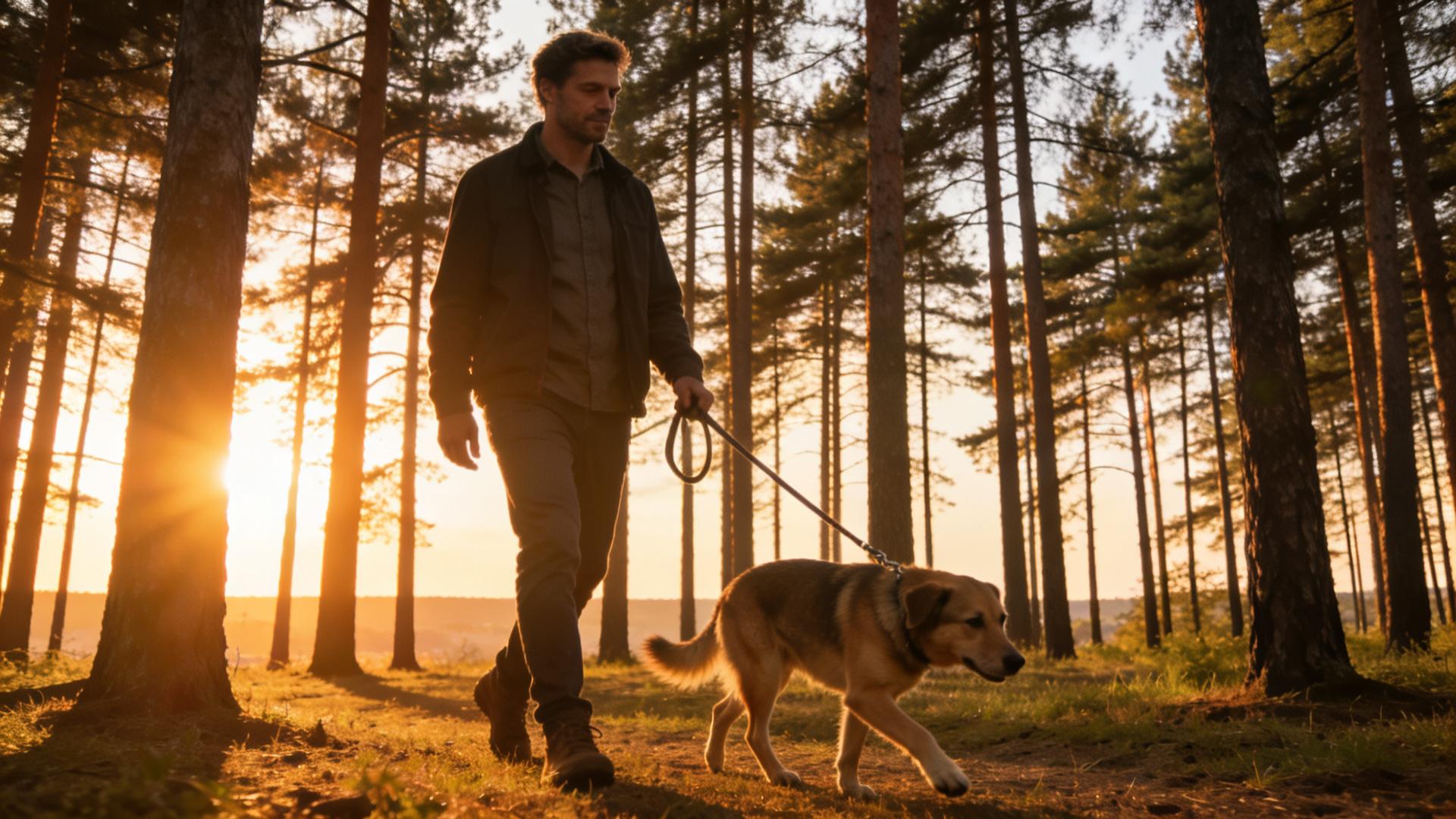
Slack rope following and the figure-eight movement offer a profound shift from controlling your dog to communicating with them on leash. This method directly answers the question of how to use figure eight movement for pulling by providing a clear, actionable technique. It transforms the leash from a source of conflict into a clear telegraph of connection. Remember, the ultimate goal is a dog who chooses loose leash walking not out of fear, but because staying connected to you is the most rewarding and interesting option available.