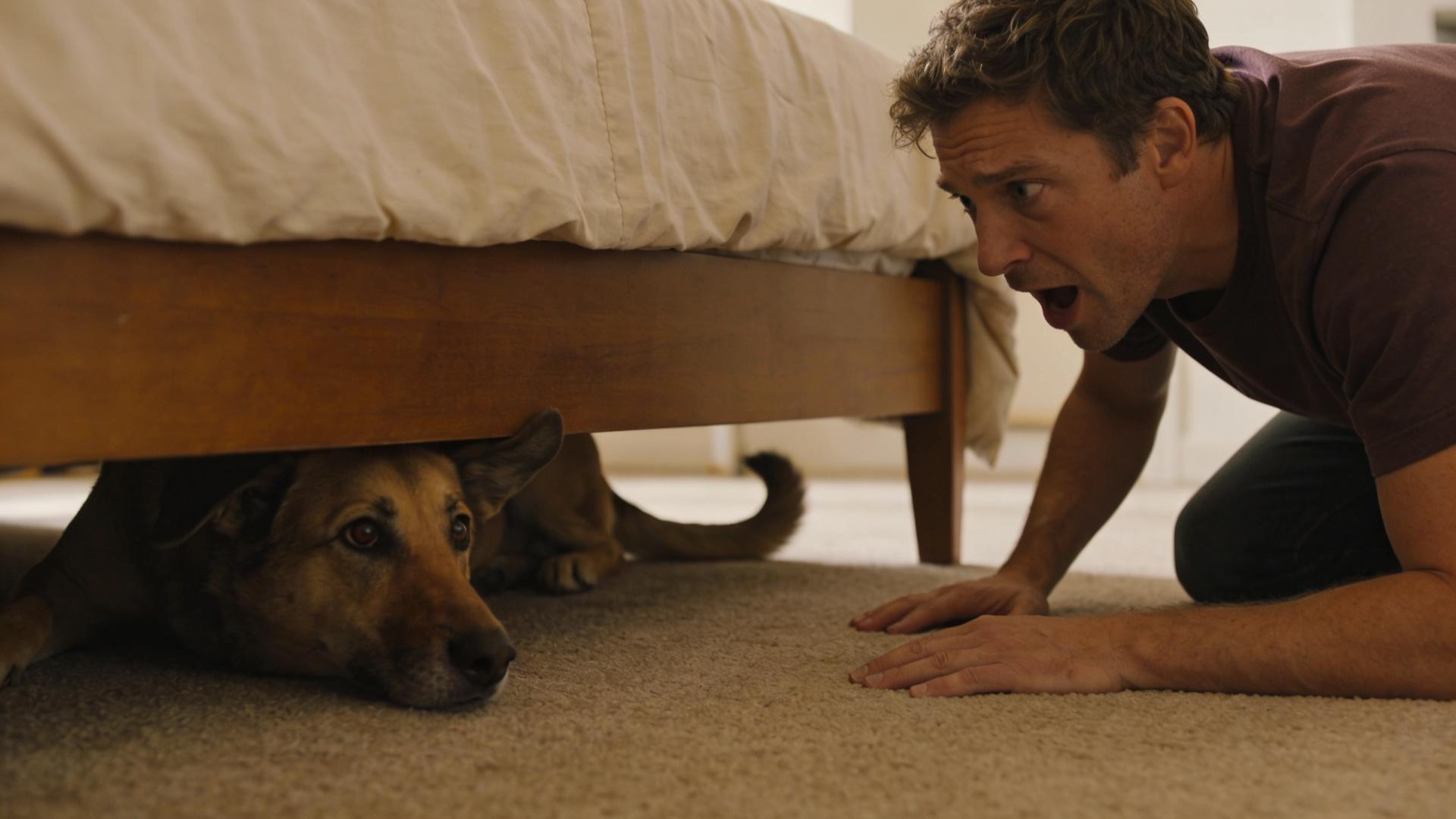
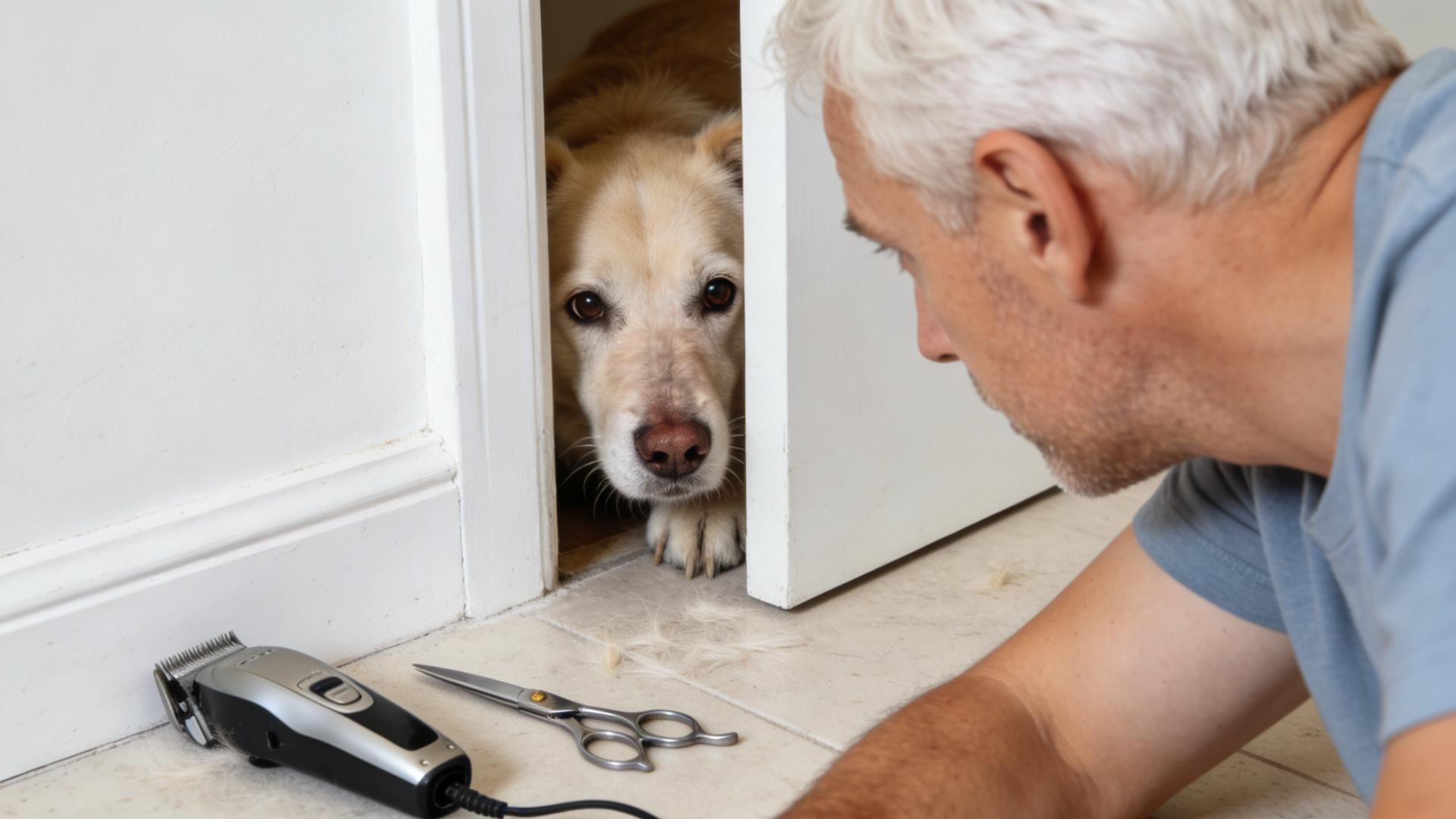
Watching your dog lick its paw for the hundredth time today is more than just annoying. It's deeply concerning. That persistent, rhythmic licking or chewing on a leg, flank, or paw can fray the nerves of any loving pet owner. What begins as a seemingly innocent habit can escalate into raw, hairless patches, open sores, and significant self-harm. The central question haunts you: Is this a physical health problem causing them agony, or a psychological compulsion they cannot control? Understanding the root cause—be it a canine skin disease or obsessive-compulsive disorder in dogs—is the critical first step on the path to relief. This article will guide you through the evidence, helping you decipher your dog's signals and take the right action.
🐾 Introduction: The Disturbing Habit of Excessive Licking
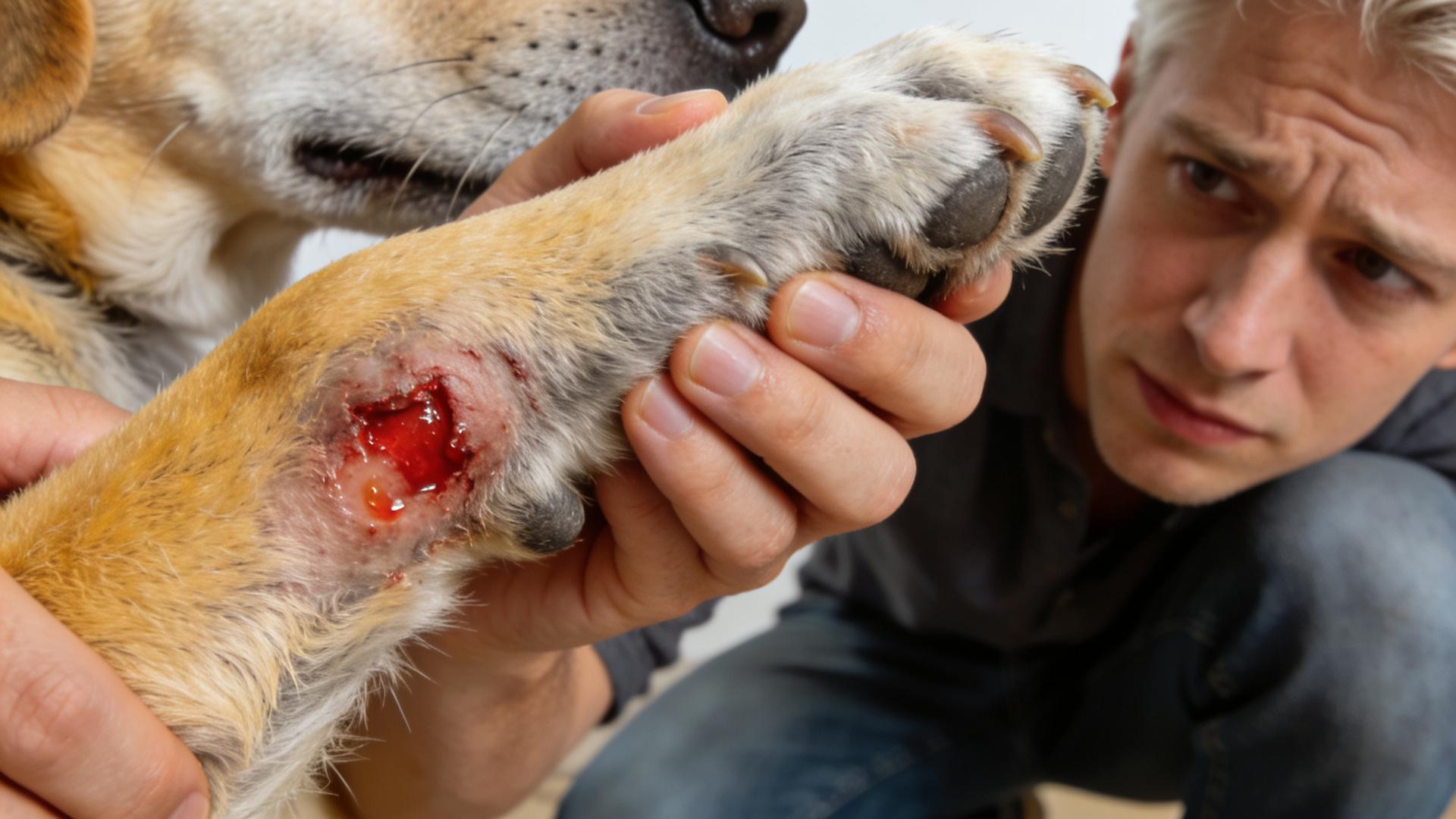
The act of licking is deeply ingrained in canine behavior. Mothers lick their puppies. Dogs lick to groom, to explore scents and tastes, and to show affection. However, when licking becomes excessive, focused, and relentless, it crosses a line from normal behavior into a symptom of a deeper issue. This often manifests as acral lick dermatitis or lick granuloma, a stubborn, raised lesion typically on the lower leg or paw. The cycle is vicious: licking causes irritation, which itches or hurts, prompting more licking. Breaking this cycle requires identifying the initial spark. Was it a physical itch or an internal anxiety? Misdiagnosis can lead to months of ineffective treatments and continued suffering for your pet.
🔬 Section One: Skin Diseases That Cause Licking and Self-Harm
Often, the body speaks first. A physical ailment creates discomfort, and the dog's logical response is to lick and chew at the source of the itch or pain. Treating the underlying medical condition is paramount. Here are the primary culprits.
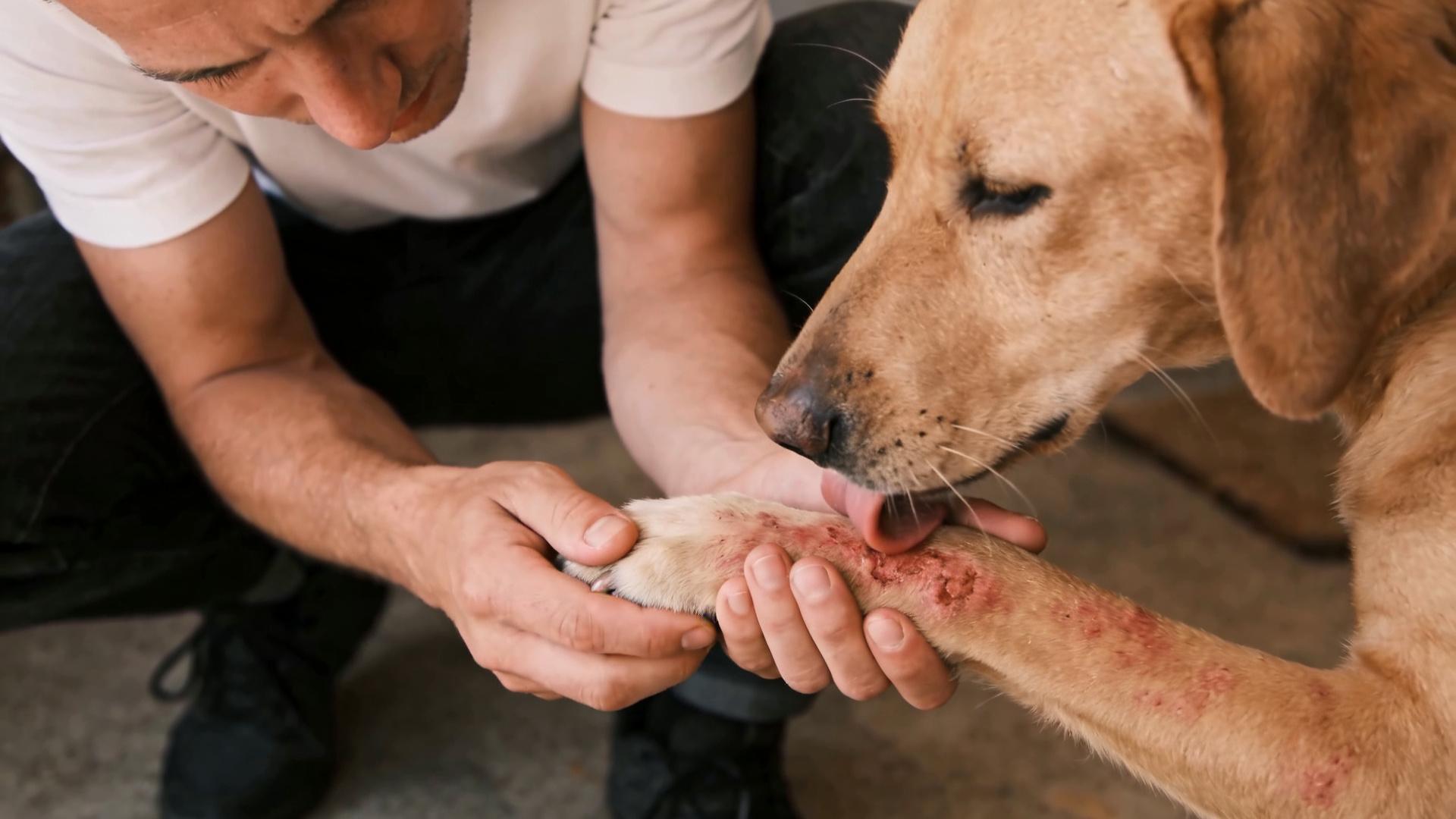
Allergic Dermatitis: The Itch That Starts It All
Allergies in dogs are a leading cause of excessive licking in dogs. The immune system overreacts to an allergen, releasing histamines that cause intense itching. Dogs will often target their paws, abdomen, and armpits.
Environmental Allergies (Atopy): Reactions to pollen, mold, dust mites, or dander. This is often seasonal but can be year-round. Look for licking paired with red skin, recurrent ear infections, and rubbing the face.
Food Allergies: An adverse reaction to a specific protein or carbohydrate in the diet. Dog licking paws and the anal area is common. Gastrointestinal signs like vomiting or soft stool may also occur.
Flea Allergy Dermatitis (FAD): An extreme reaction to flea saliva. Just one flea bite can trigger weeks of intense itching, often focused on the lower back and tail base.
Infections and Infestations
Secondary infections frequently develop in areas damaged by licking, creating a new source of irritation.
Bacterial Infections (Pyoderma): Appear as pustules, red bumps, or crusty, moist skin. The area often has an odor.
Yeast Infections: Caused by an overgrowth of Malassezia yeast. This leads to a distinct, musty smell, greasy skin, and hyperpigmentation (blackening of the skin). The paws, neck, and armpits are common sites.
Parasites: Beyond fleas, mites like Sarcoptes (scabies) or Demodex can cause severe, relentless itching and hair loss, often starting on the elbows, ears, and belly.
Pain and Orthopedic Issues
This is a critical and often overlooked cause. A dog with arthritis in a joint, a bone tumor, a previous fracture, or even a foreign body like a grass seed between the toes will often lick over the painful area. The licking is an attempt to soothe deep-seated pain, not just an itch. This is a key reason a full veterinary workup is essential.
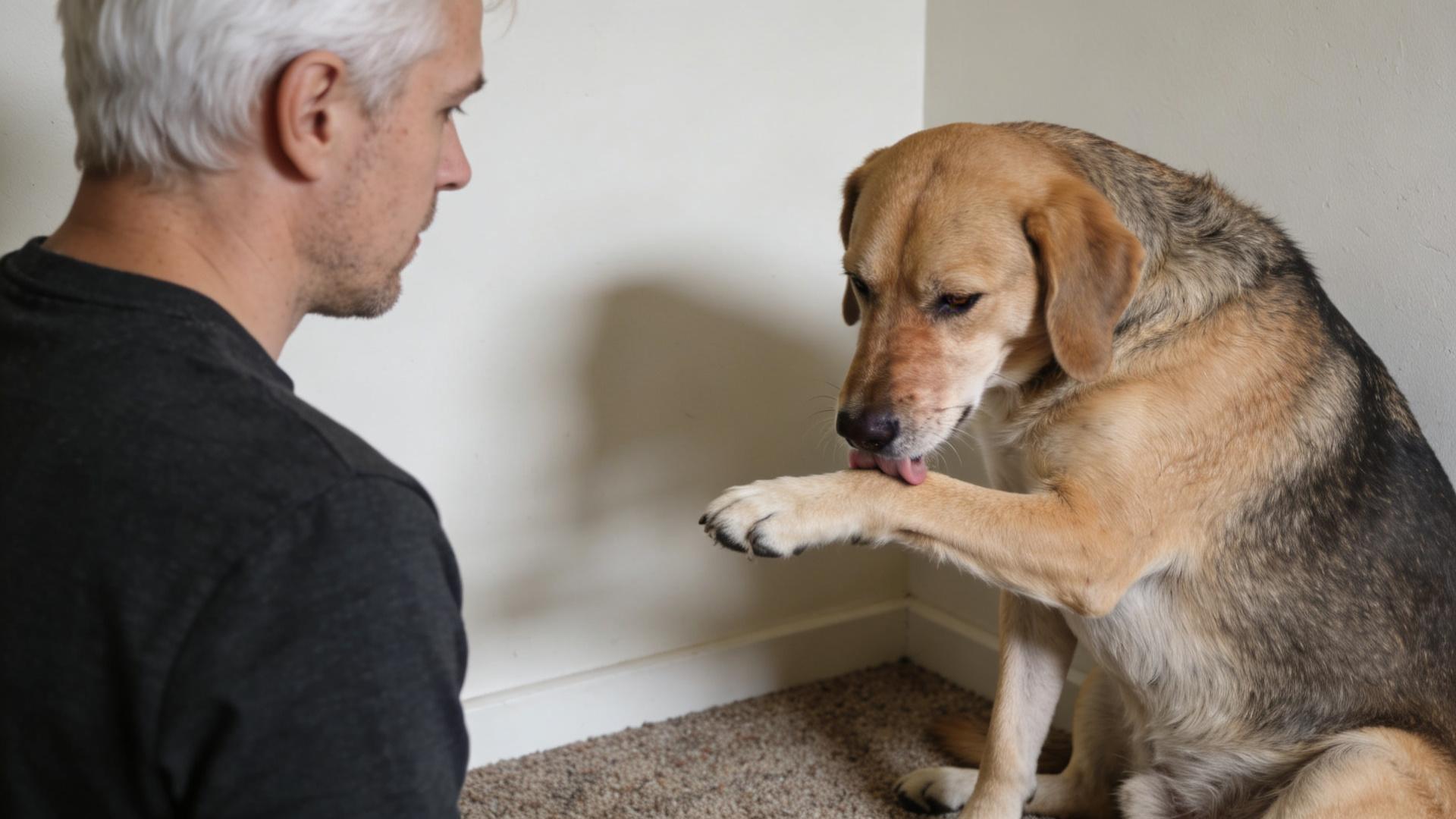
🧠 Section Two: Obsessive-Compulsive Disorder and Canine Behavior
When all medical avenues have been exhausted, the cause may lie in the mind. Canine compulsive disorder (CCD) is a behavioral condition akin to human OCD. The dog feels driven to perform a repetitive behavior (like licking) out of context, for prolonged durations, in a ritualistic way. This behavior interferes with normal life.
Understanding the Compulsive Cycle
The behavior often starts from a normal state (boredom, stress) or a legitimate cause (a minor injury). The act of licking releases endorphins, the body's natural "feel-good" chemicals. This provides temporary relief from anxiety or boredom. The dog learns that licking makes them feel better, so they repeat it. Over time, it becomes a hardwired, default response to any emotional discomfort, long after any original physical trigger is gone.
Common Triggers and Breed Predispositions
Dog anxiety symptoms are frequently at the root. Triggers include chronic stress (from separation, changes in routine, or a tense household), confinement, lack of mental/physical stimulation, or even genetic predisposition.
Certain breeds are more prone to compulsive licking behaviors, suggesting a genetic link. These include Doberman Pinschers (flank sucking), German Shepherds and Labrador Retrievers (tail chasing, lick granuloma), and Bull Terriers (spinning).

⚖️ Section Three: Diagnosing the Cause. When to See a Veterinarian.
Special Reminder: Do not attempt to self-diagnose. Distinguishing between a complex skin disease and a psychological disorder requires professional expertise. Your journey starts with a veterinarian, often a veterinary dermatology specialist.
The Veterinary Diagnostic Process
A thorough vet will take a multi-pronged approach.
1. Detailed History: Be prepared to describe everything: when the licking started, the pattern (time of day, after specific events), diet, home environment, and any changes.
2. Physical & Dermatological Exam: The vet will examine the entire skin, looking for primary lesions (like parasites or allergies) and signs of secondary infection.
3. Diagnostic Tests: This is the crux of ruling out medical causes.
- Skin Scrapings and Cytology: To detect mites, yeast, or bacteria.
- Allergy Testing: Either blood tests or intradermal skin testing to identify environmental allergens.
- Food Elimination Trial: The gold standard for diagnosing food allergies, involving a strict 8-12 week diet with a novel or hydrolyzed protein.
- Imaging (X-rays, Ultrasound): To rule out underlying pain from arthritis, trauma, or tumors.
Only after all plausible medical causes are ruled out or treated should a diagnosis of a primary behavioral disorder be made. This is where a certified veterinary behaviorist becomes an invaluable partner.

🌿 Conclusion: Finding the Right Path to Relief
The path from excessive licking to healing is seldom straight. It requires patience, careful observation, and a strong partnership with veterinary professionals. Remember, a skin disease can cause anxiety that leads to compulsive behavior, and anxiety can lower the itch threshold, making a minor skin issue feel unbearable. The two are often intertwined.
Your Clear Call to Action
Stop the guesswork. If your dog is engaging in self-harm in dogs through relentless licking or chewing, your first and most critical step is to schedule a comprehensive veterinary appointment.
Before you go, prepare:
1. Take videos of the behavior when you are not interacting with your dog.
2. Note a detailed history: timeline, diet, treats, recent changes.
3. List all medications and supplements.
4. Write down your questions: "Could this be pain?" "Should we see a dermatologist or a behaviorist?"
Effective treatment for excessive licking exists, whether it involves medicated shampoos, allergy immunotherapy, pain management, behavioral modification, anxiety medication, or a combination. By seeking expert guidance, you are giving your dog the best chance to break the cycle and find comfort. Your diligence is their relief.