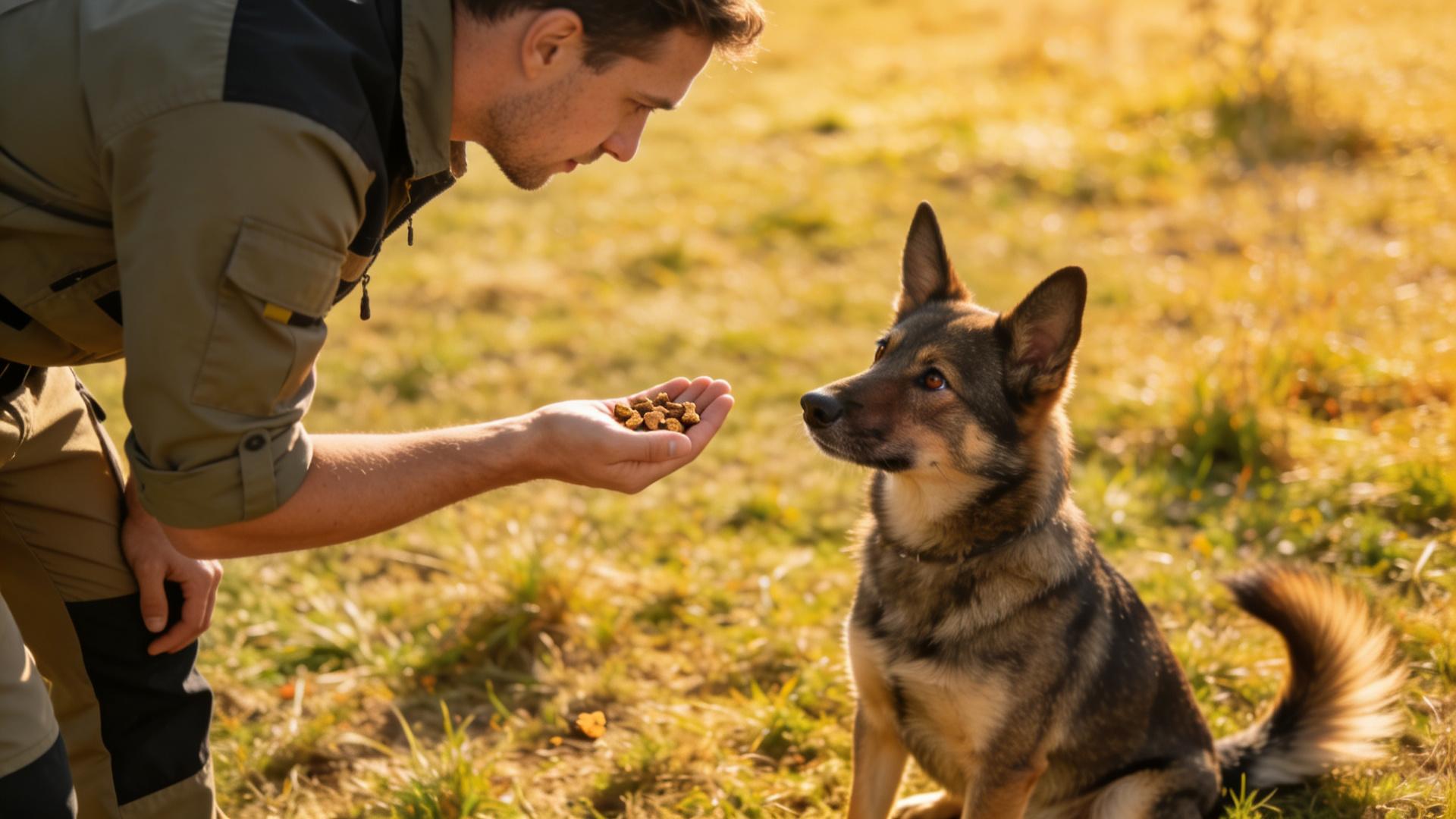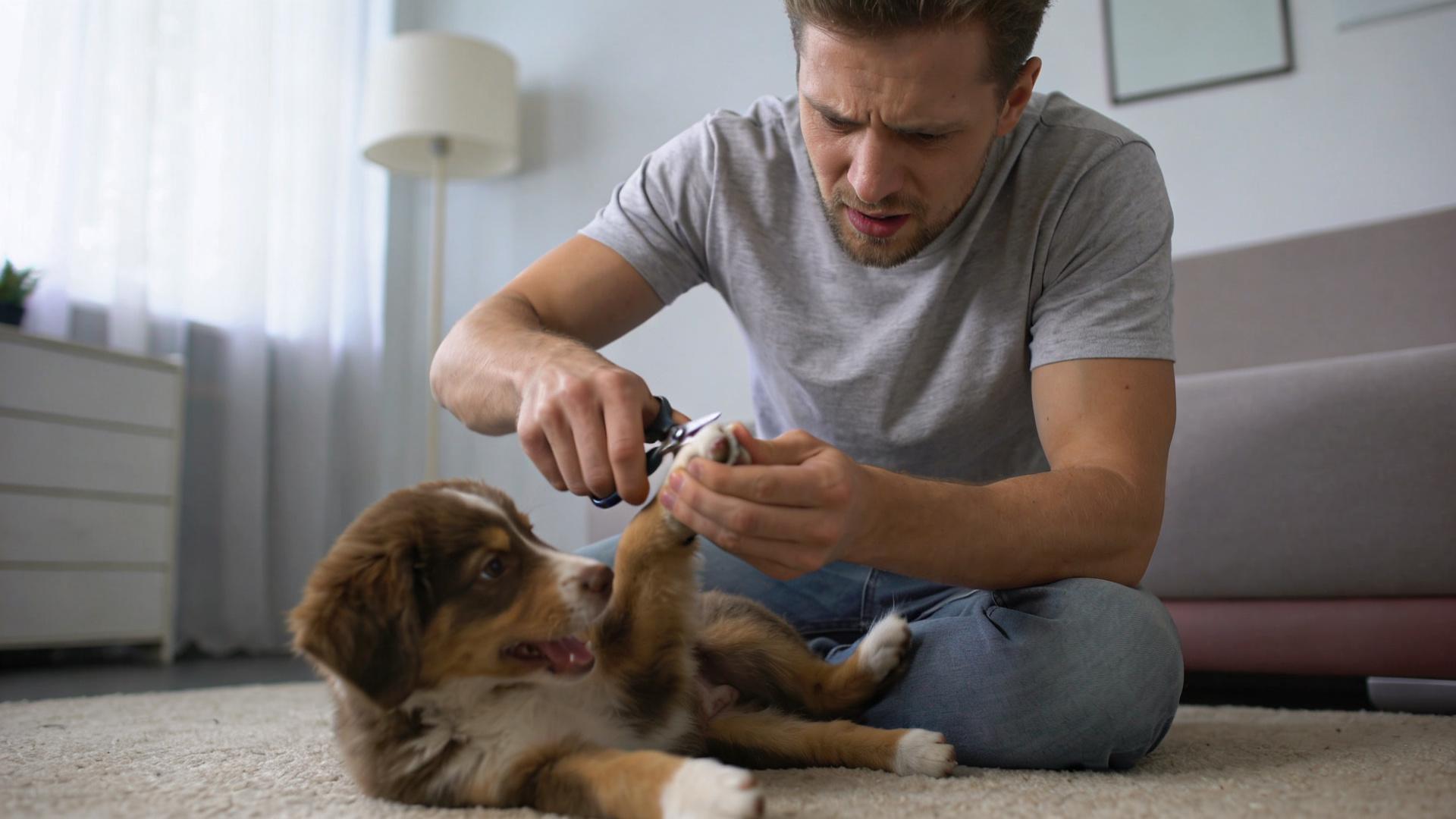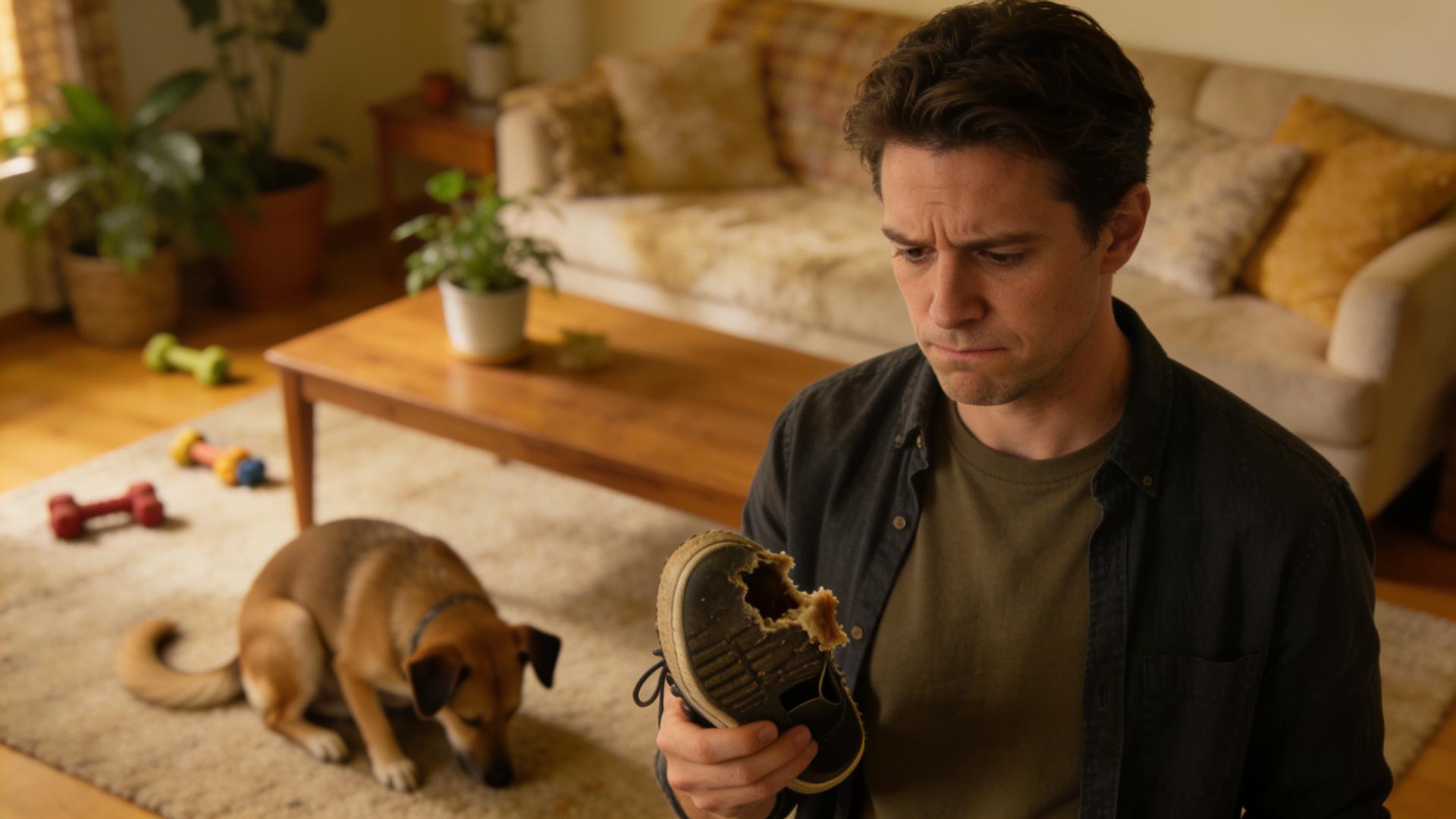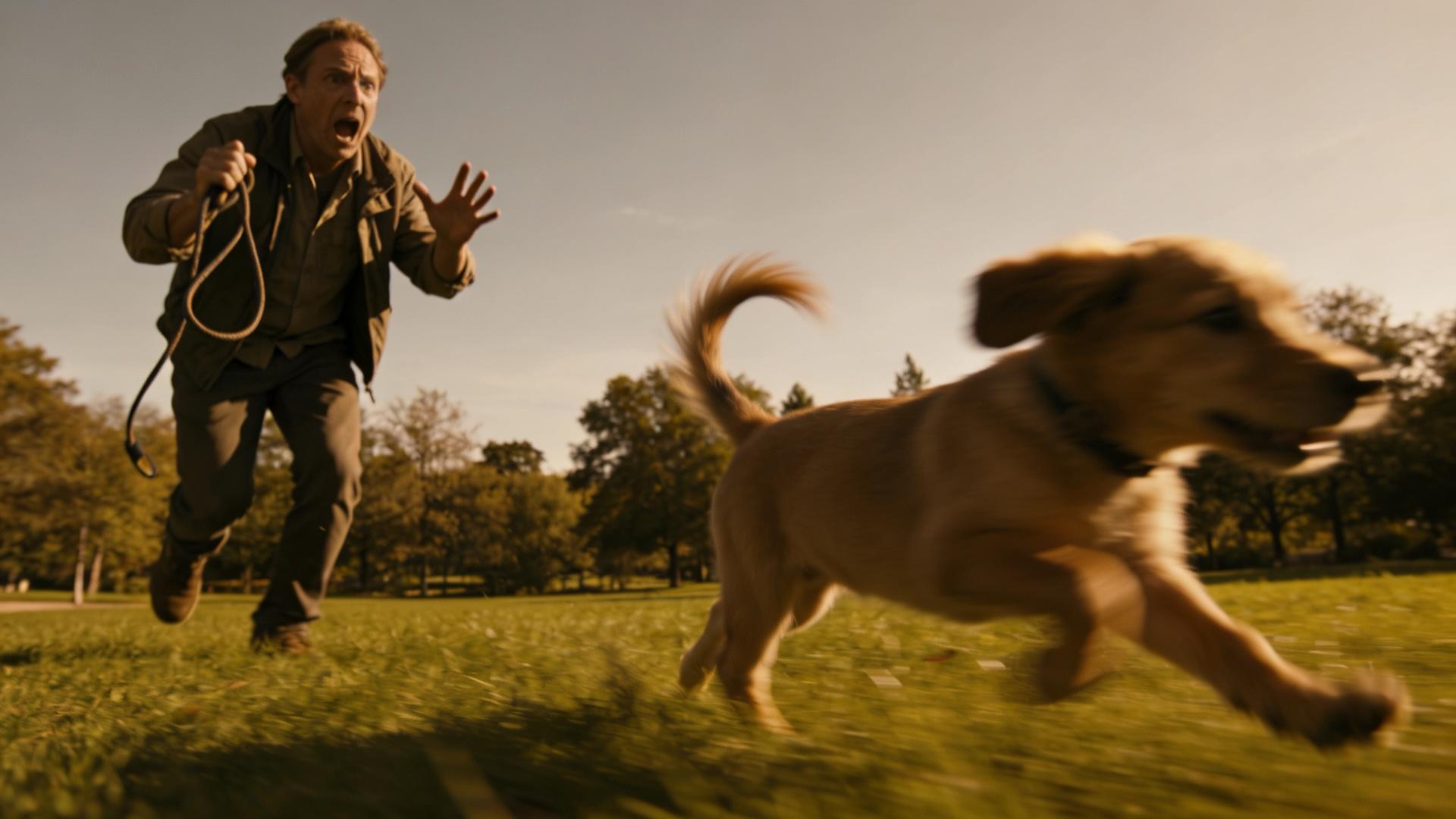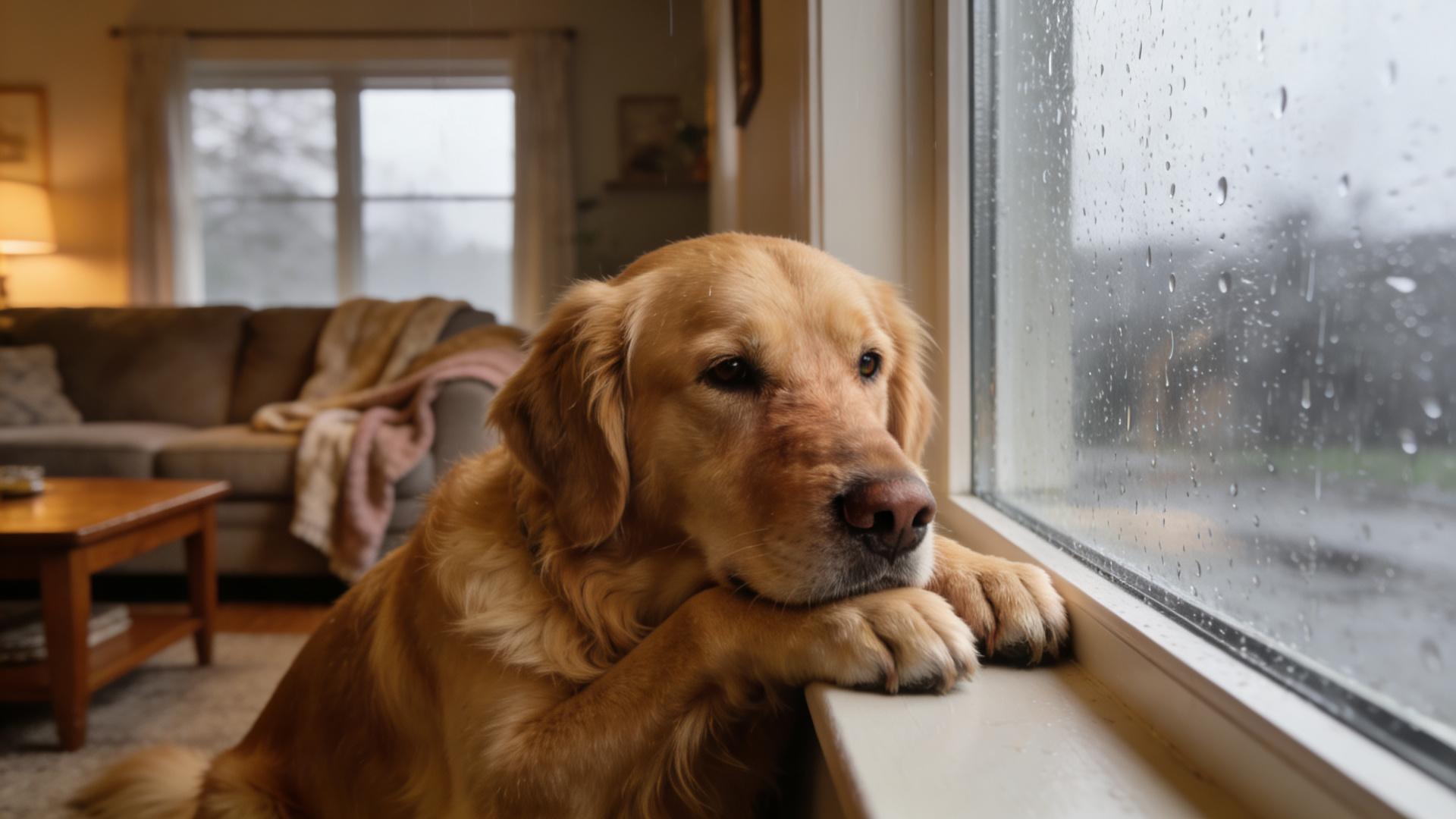
The sky opens up, the pitter-patter on the roof begins, and you see your dog's ears droop. Another walk cancelled, another day of pent-up energy. But what if rainy days became an opportunity rather than a limitation? For the modern canine, mental stimulation is not a luxury; it's a necessity. A bored dog is often a destructive dog, and physical exercise is only one piece of the well-being puzzle. Engaging your dog's brain can tire them out as effectively as a long run, curbing behaviors like excessive barking, chewing, and pacing. This guide delves into five sophisticated, no-travel-required games that will transform your home into a canine cognitive gymnasium, ensuring a happy, tired, and fulfilled companion, come rain or shine.
🐾 Why Brain Games Are Your Dog's Best Friend on a Rainy Day
Before we jump into the games, let's understand the "why." Canine cognitive health thrives on challenge and novelty. When you provide indoor mental stimulation for dogs, you're addressing their innate needs to forage, problem-solve, and work. Studies and expert behaviorists consistently show that 20 minutes of focused mental work can be as exhausting as an hour of physical play. This mental exertion releases dopamine, the "feel-good" neurotransmitter, promoting calmness and satisfaction. It's a powerful tool for managing anxiety and building confidence, especially in high-energy or reactive dogs who can't always venture out. Essentially, you're not just playing—you're enriching their environment and investing in their long-term behavioral health.
Setting Up for Success: The Golden Rules
To ensure your rainy day canine brain games are positive and productive, follow these core principles:
1. Start Simple: Always begin at an easy level to build confidence and avoid frustration. If a game is too hard, your dog may give up.
2. Keep Sessions Short & Sweet: 5-15 minutes per game is plenty. It's better to have two short, successful sessions than one long, tedious one.
3. Always End on a High Note: Finish the game while your dog is still engaged and successful. This builds eager anticipation for next time.
4. Supervise for Safety: Especially with puzzle toys or homemade setups, ensure your dog interacts safely and doesn't attempt to destroy or ingest non-food items.
5. The Reward is the Game: While treats are great motivators, the act of solving the puzzle and your enthusiastic praise are equally powerful rewards.
🧠 Game One: The Scent-tastic Hide and Seek
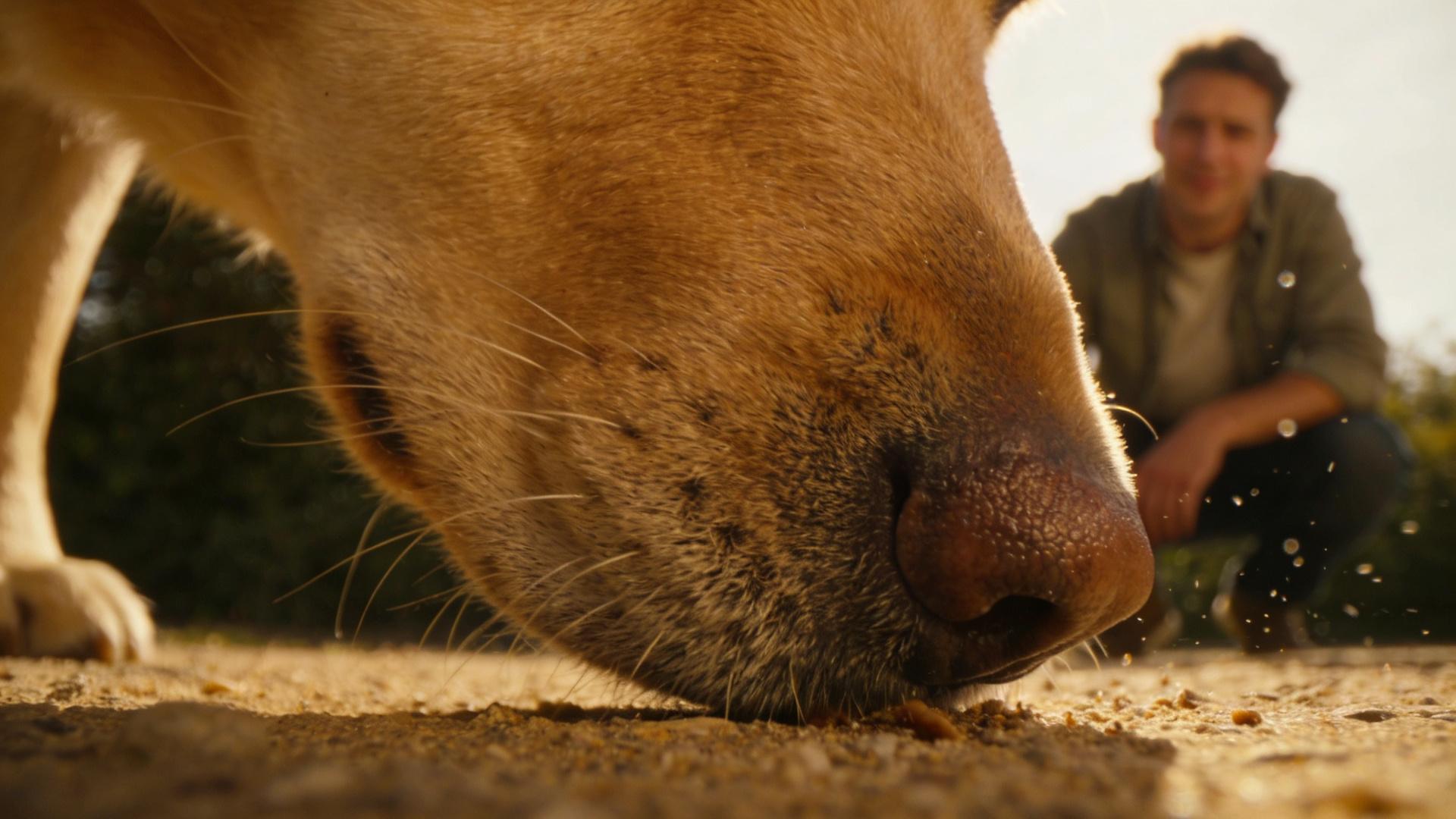
Tapping into your dog's most powerful sense—smell—is the ultimate brain teasing activity for canines. A dog's olfactory cortex is 40 times larger than a human's (proportionally), making scent work a deeply satisfying and tiring mental exercise.
Step-by-Step Advanced Play:
Phase 1: The Basic Hunt. As described, have your dog "stay" while you hide treats (high-value like freeze-dried liver) in obvious spots. Use a release cue like "Find it!".
Phase 2: Increase Difficulty. Hide treats under slightly moved cushions, inside empty cardboard tubes, or on low shelf edges. Introduce "hot/cold" verbal cues based on their proximity to the treat.
Phase 3: Object-Specific Searches. Teach your dog to find a specific scented object. Start by letting them play with a toy, then hide just that toy. Gradually introduce a second, identical-but-unscented toy to refine their discrimination skills.
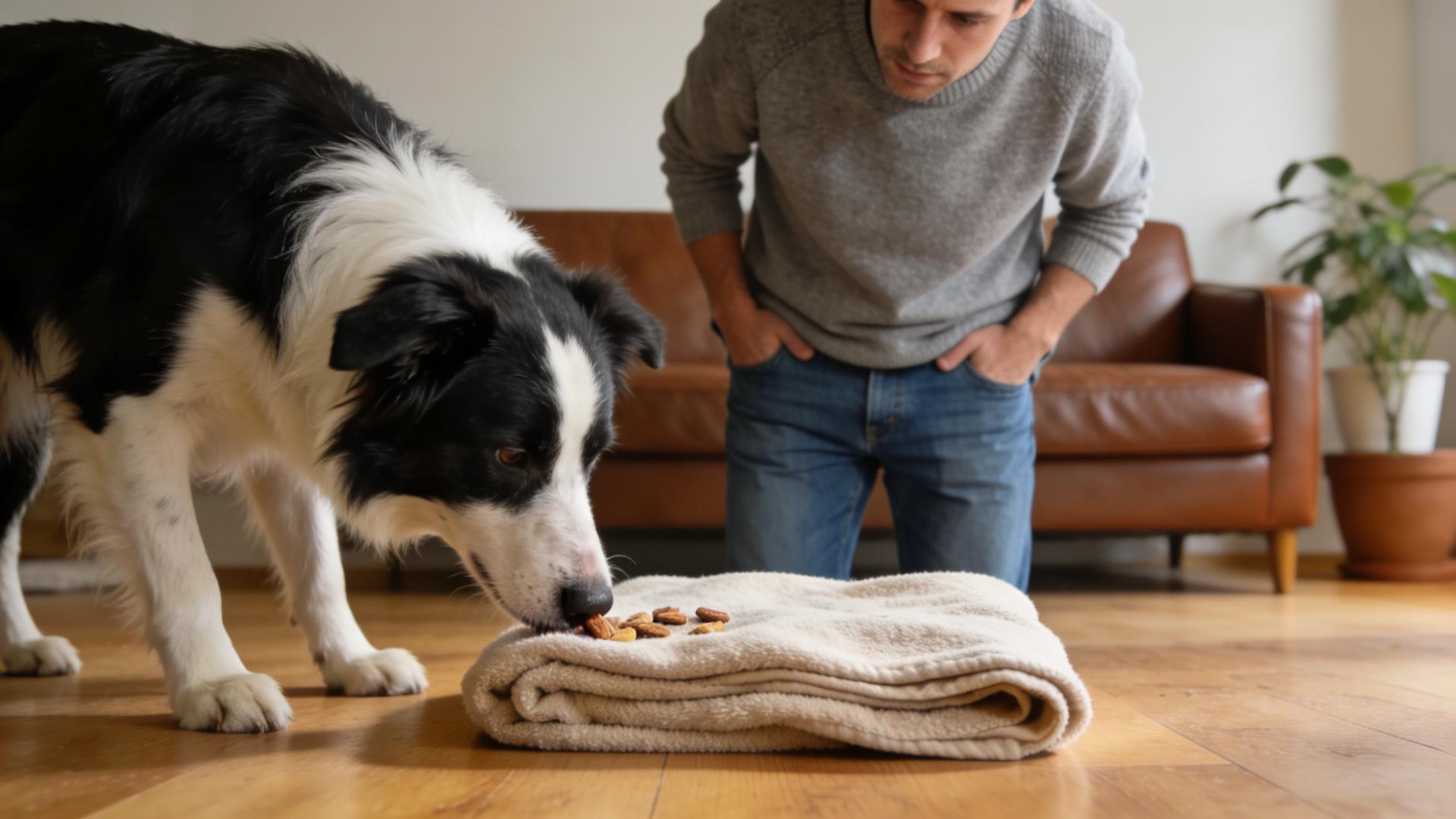
Pro Tip: For powerful sniffers like hounds or shepherds, try "blanket scrunchies." Scatter treats on a blanket, then scrunch and fold the blanket into a loose bundle. Your dog must use nose and paws to unravel the puzzle.
🎾 Game Two: The Ingenious Muffin Tin Puzzle
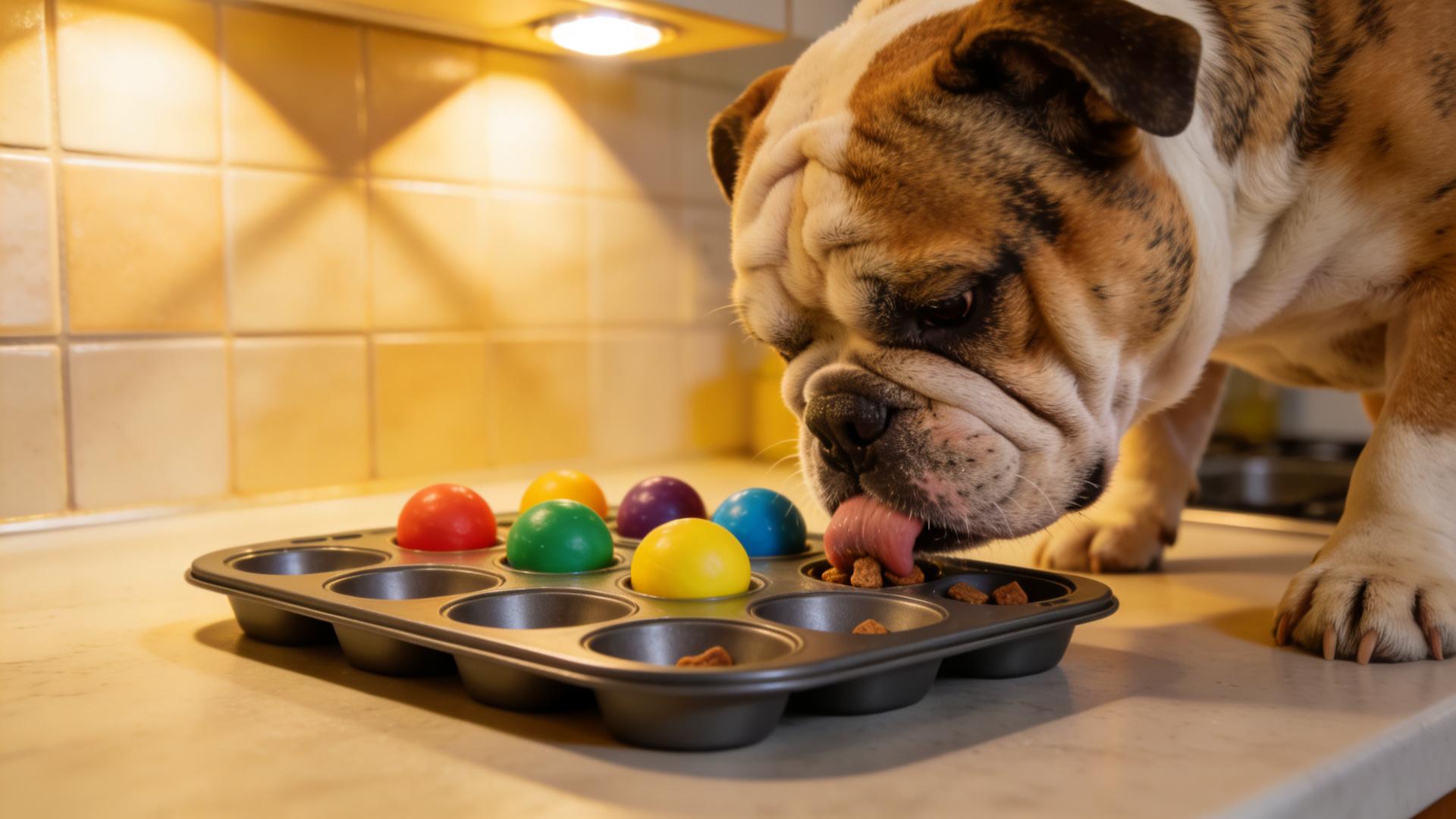
This is a quintessential homebound dog enrichment game that requires minimal supplies for maximum cognitive payoff. It challenges your dog's understanding of object permanence and their manipulative skills.
Evolution of the Challenge:
Level 1: Treats in open cups, balls placed loosely on top. Easy win!
Level 2: Treats in select cups, all cups covered with balls. Requires trial, error, and memory.
Level 3: Use a 12-cup tin. Place a treat under only 2-3 balls, but also place empty balls on the other cups. This teaches patience and precision.
Level 4: Secure some balls with low-tack painter's tape, requiring a different problem-solving approach (pulling or nudging).
Data Point: A study published in the journal Animal Cognition found that dogs who regularly engage in manipulative puzzle games show improved cognitive flexibility—the ability to switch thinking strategies when faced with new rules.
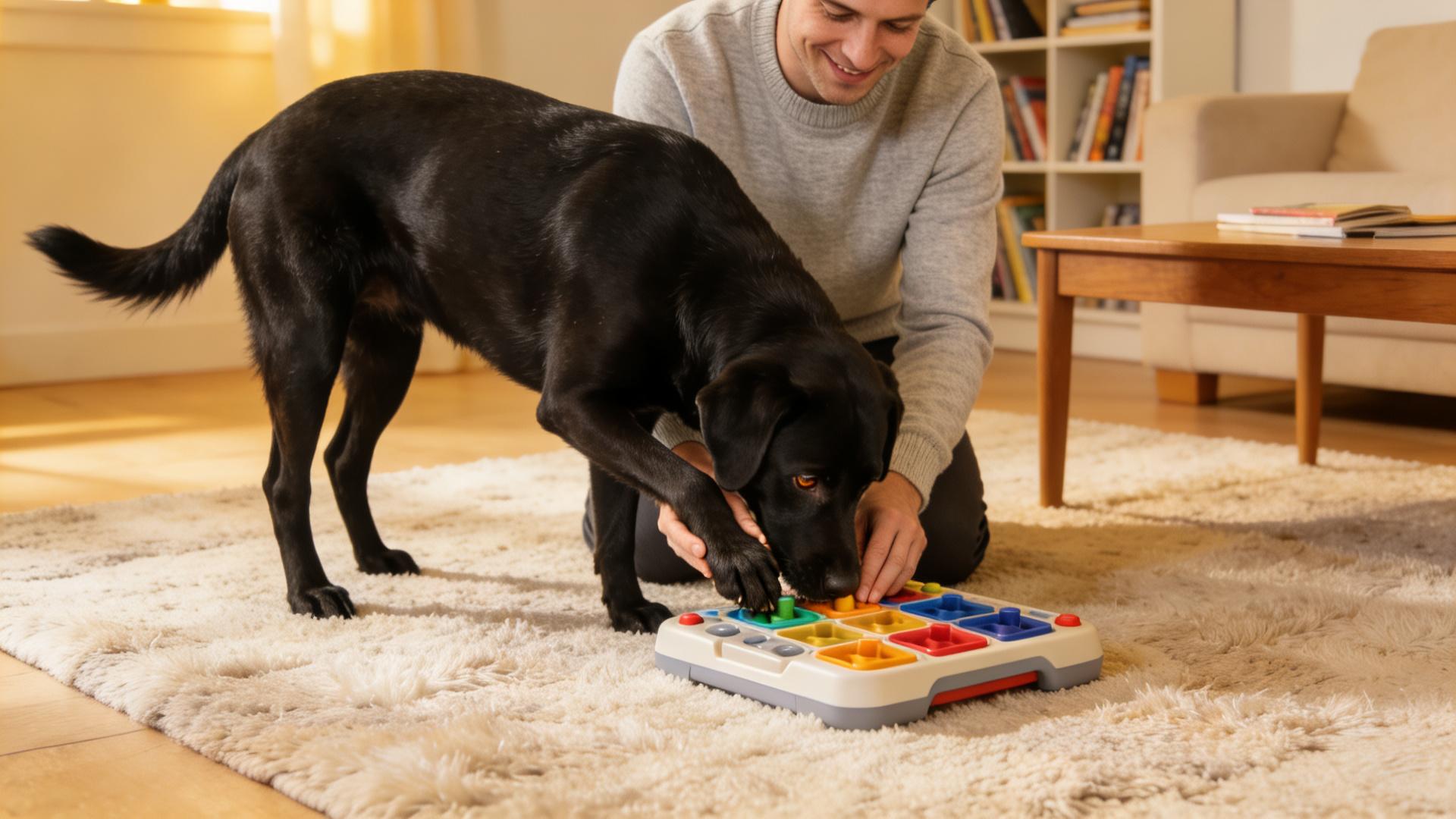
🧩 Game Three: The Interactive Puzzle Toy Marathon
The market for indoor dog puzzle games has exploded, offering a scalable way to provide sustained mental engagement. From simple slider puzzles to complex multi-step contraptions, there's a toy for every intelligence level.
Building a Puzzle Toy Arsenal:
For Beginners (Novice Solvers): Look for simple "roll-and-treat" balls or puzzles where treats are accessed by sliding a single cover.
For Intermediate (Strategic Thinkers): Multi-compartment toys where dogs must flip lids, spin disks, or pull drawers in a specific sequence are ideal.
For Advanced (Canine Einsteins): Invest in toys that require a chain of actions, like the ones where a dog must move a peg to unlock a compartment, which contains a key to another compartment.
Special Reminder: Always supervise your dog with new puzzle toys. Some dogs may become "frustrated chewers" and attempt to destroy the plastic. If this happens, remove the toy and revert to an easier level or a more durable material like rubber.
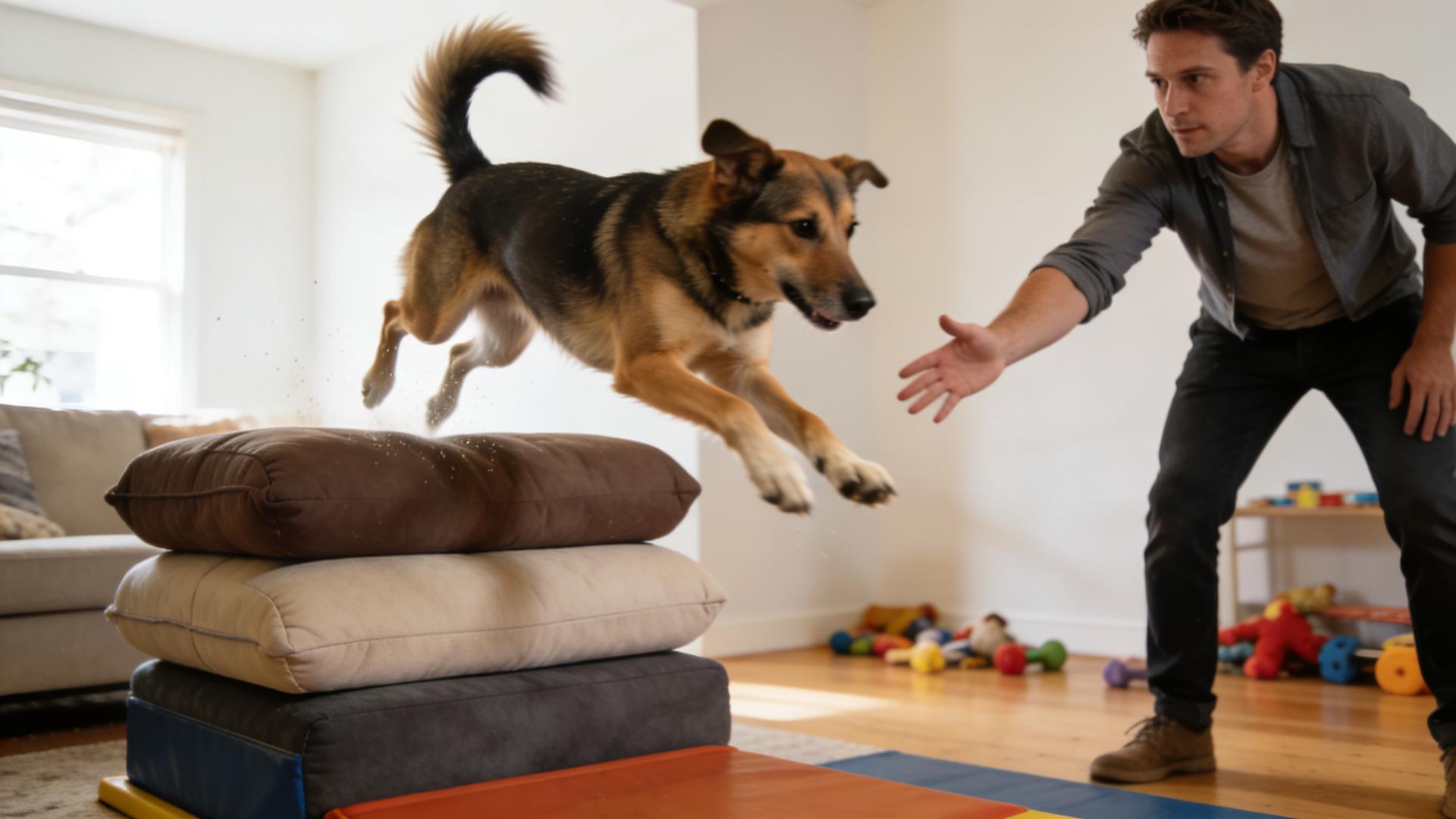
🔄 Game Four: The Obedience Training Relay Course
Turn mundane obedience into a dynamic, thinking game. This isn't just about repeating "sit"; it's about listening, processing, and executing commands in a flowing sequence, which burns tremendous mental energy.
Designing Your Home Agility-Lite Course:
Setup: Use couch cushions as "jump" barriers (to go over or around), a broomstick on two stacks of books for a low "hurdle," a blanket on the floor as a "place" mat, and a chair to weave around.
The Relay: Start with simple chains: "Sit" → "Down" → "Crawl" (under the chair) → "Go to your Place." Reward after the sequence. Gradually add complexity: incorporate a "stay" in the middle of the course, then call them to "come" from a distance. Use directional cues like "left" and "right" around markers.
This game sharpens focus, improves impulse control, and reinforces your bond through teamwork. It’s the ultimate bad weather dog activity that strengthens core obedience skills.
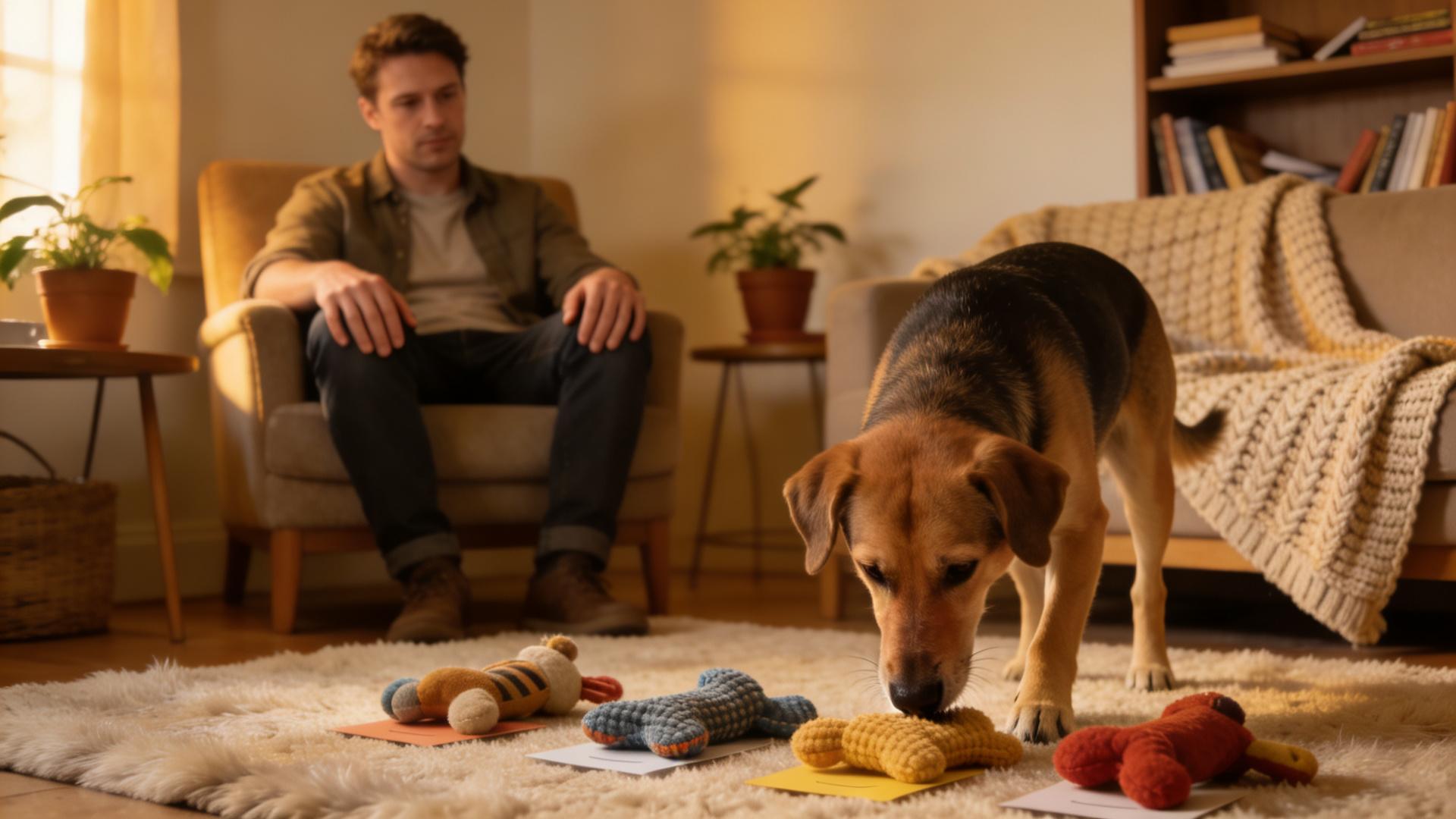
🧸 Game Five: Find the Toy by Name (Canine Vocabulary Bootcamp)
This is an advanced cognitive game for dogs at home that truly showcases your dog's language comprehension abilities. Renowned psychologists like Dr. John Pilley have demonstrated that dogs can learn hundreds of object names through dedicated play.
A Methodical Training Protocol:
Step 1: Name Association. Choose one distinct toy (e.g., a blue dragon). During play, say "Dragon!" repeatedly. When they touch or pick it up, reward with a treat or play.
Step 2: The Two-Toy Test. Place the "Dragon" and an unnamed toy on the floor. Ask, "Where's Dragon?" Reward only for interacting with the correct toy.
Step 3: The Memory Retrieval. Once they reliably fetch the named toy from a visible pair, hide "Dragon" in an adjacent room. Ask them to find it. This combines name recall with scent work.
Step 4: Building the Lexicon. Add a second named toy (e.g., "Bunny"). Practice with each separately before testing discrimination between the two. Proceed slowly, adding one new name at a time.
This game isn't just a party trick; it's a rigorous workout for the brain's hippocampus and temporal lobe, areas associated with memory and object recognition.
☔ Conclusion: Turning Gloom into Growth
Rainy days no longer signal boredom or behavioral challenges. With this arsenal of rainy day indoor dog games, you possess the tools to provide profound mental enrichment. Regularly integrating these activities creates a more balanced, calm, and intellectually satisfied dog. You’ll likely find that the focused time together deepens your connection in ways simple walks sometimes cannot. Remember, the goal is shared joy and challenge. Watch your dog's tail wag with the satisfaction of a problem solved, and celebrate their successes. So, next time the forecast calls for rain, see it as an invitation—an invitation to play, learn, and grow together, right in the comfort of your living room.
Happy playing, and may your home be filled with the satisfying click of puzzle pieces and the happy pants of a mentally-tired pup!