The journey of canine companionship reaches its most profound stage when we move beyond basic obedience and address the complex inner world of our dogs. Canine behavioral modification and dog psychological counseling represent this advanced tier of understanding and intervention. This stage is not about teaching commands. It is a dedicated therapeutic process focused on diagnosing and rehabilitating deep-seated emotional and psychological disorders. It addresses the root causes of behaviors like aggression, severe anxiety, phobias, and compulsive disorders. Engaging in this level requires a shift from viewing a dog as "disobedient" to recognizing it as an individual experiencing significant distress. This article serves as a comprehensive guide for dedicated owners and aspiring professionals. It delves into the principles, techniques, and compassionate framework necessary for true severe dog behavior rehabilitation.
🐾 Understanding the Scope: What Defines a Level Four Behavioral Issue?
Level four issues are characterized by their intensity, frequency, and profound impact on the dog's quality of life and household safety. These are not simple nuisances but significant psychological challenges.
Common Conditions Requiring Advanced Intervention:
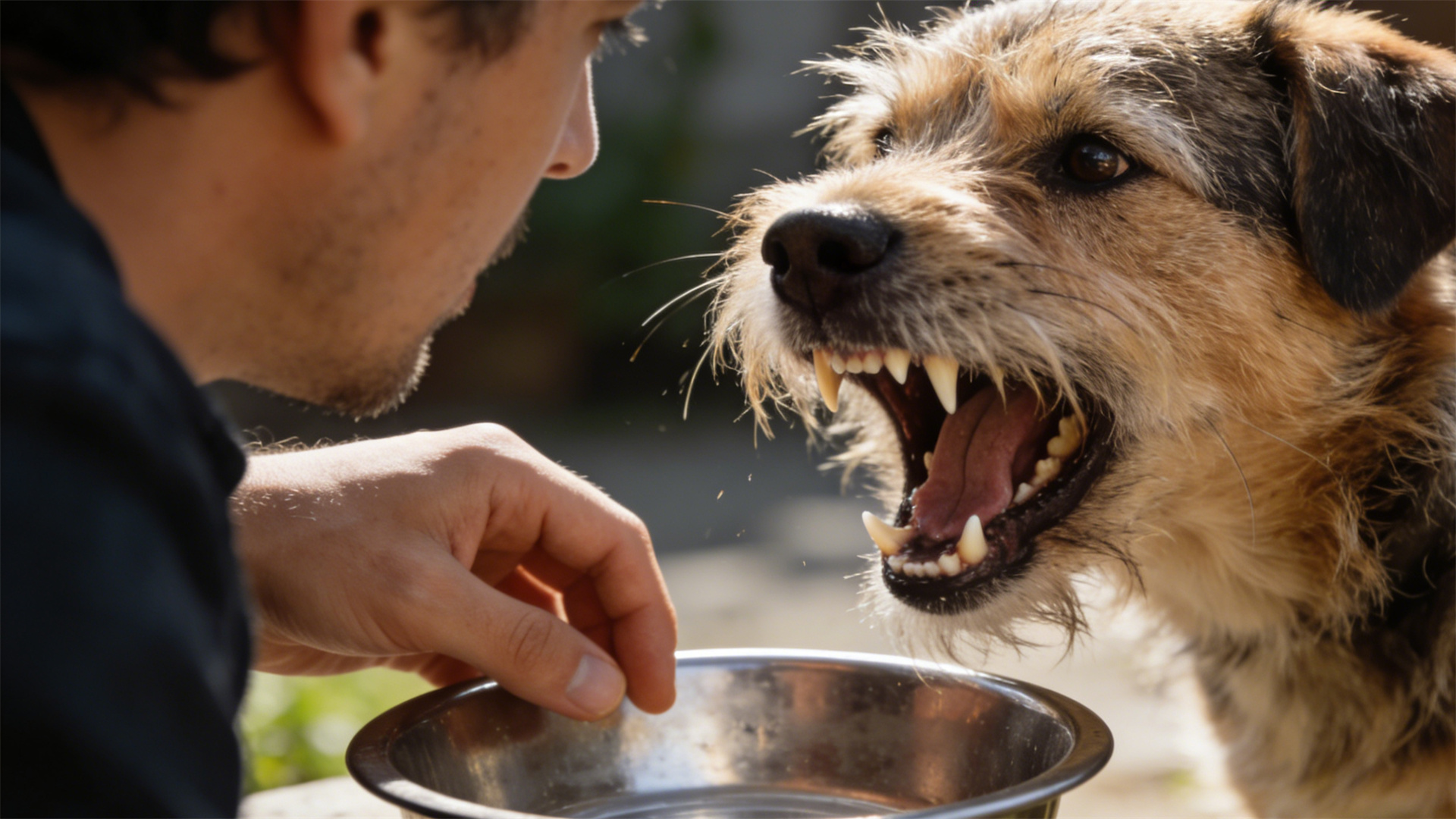
Aggression: This is a primary reason for seeking an advanced dog behaviorist. It includes fear-based aggression, territorial aggression, resource guarding, and idiopathic aggression where the trigger is not easily identifiable. The behavior poses a real risk of harm.
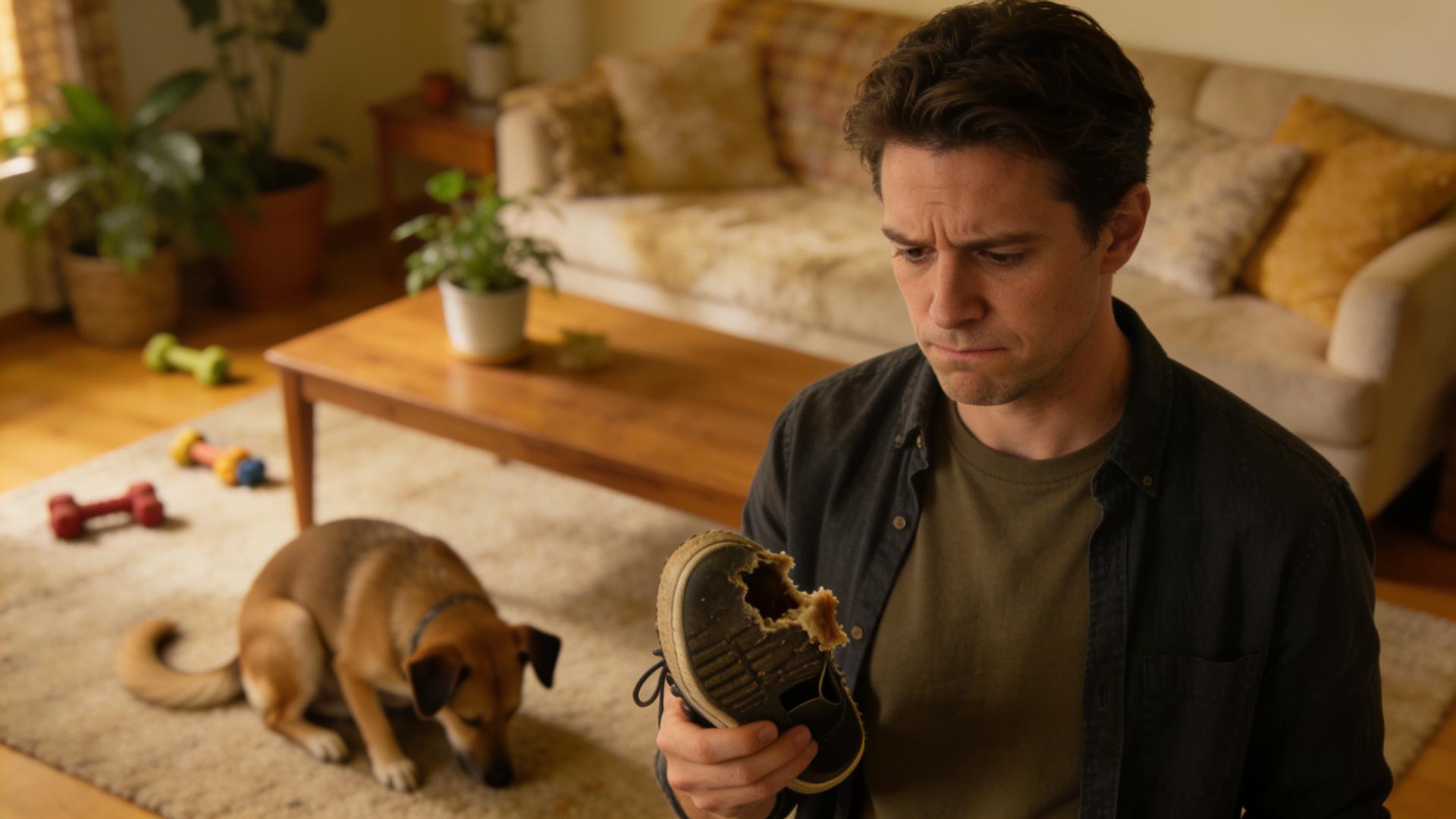
Severe Anxiety Disorders: This encompasses generalized anxiety, severe separation anxiety leading to self-injury or property destruction, and panic attacks. The dog is in a near-constant state of apprehension.
Pathological Phobias: Extreme, irrational fears of specific stimuli like thunderstorms, fireworks, or veterinary clinics that trigger panic, escape attempts, and loss of bodily control.
Compulsive Disorders (Canine OCD): Repetitive, ritualistic behaviors such as flank-sucking, tail-chasing, light/shadow chasing, or incessant barking performed out of context. These are often rooted in genetic predisposition and environmental stress.
Special Reminder: Any sudden onset of severe behavioral changes warrants an immediate veterinary examination. Medical issues like thyroid dysfunction, neurological pain, or cognitive decline can manifest as behavioral problems. A full health check is the non-negotiable first step in any canine behavioral assessment.
🔍 The Foundational Step: Comprehensive Canine Behavioral Assessment
Effective advanced canine behavior solutions begin with a meticulous assessment. A qualified professional does not just observe the problem behavior. They conduct a forensic investigation into the dog's life.
Key Components of a Professional Assessment:
1. Detailed History Taking: This covers the dog's lineage, early life, medical history, past training methods, and a chronological timeline of the behavior's development.
2. Antecedent-Behavior-Consequence (ABC) Analysis: Every incident is broken down. What happened immediately before (Antecedent). What the dog did exactly (Behavior). What happened immediately after (Consequence). This identifies patterns and reinforcing factors.
3. Trigger Identification and Threshold Mapping: Determining the specific stimuli that provoke the reaction and at what distance, intensity, or duration the dog can tolerate it before reacting. This is critical for designing a behavior modification training for dogs plan.
4. Emotional State Evaluation: Observing the dog's body language (ears, eyes, tail, posture, muscle tension) to discern the underlying emotion—fear, frustration, anxiety, or arousal—driving the behavior.
🧠 Core Methodologies in Behavioral Modification and Psychological Counseling
Therapeutic change at this level is built on scientifically-supported principles. It moves beyond simple reward-and-punishment models into the realm of emotional relearning and cognitive management.
Desensitization and Counter-Conditioning (DS/CC): The Gold Standard.
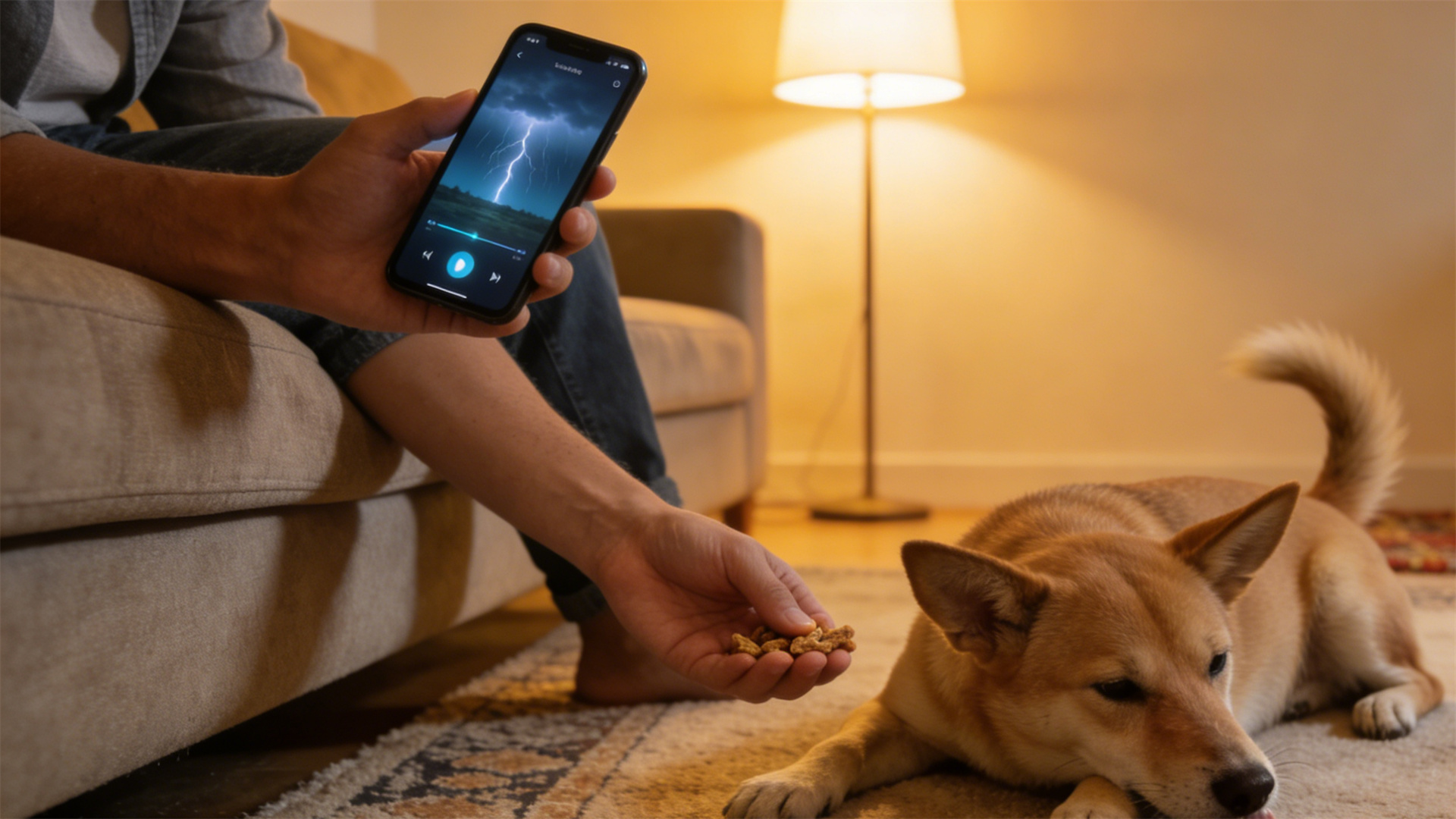
This combined approach is the cornerstone of canine anxiety treatment and fear rehabilitation. Desensitization involves the gradual, controlled exposure to a feared trigger at a level so low it does not elicit a fearful reaction (sub-threshold). Counter-Conditioning changes the dog's emotional response by pairing the presence of the trigger with something of extremely high value, like delicious food. Over time, the dog's association shifts from "trigger = danger" to "trigger = amazing things happen."
Example Implementation for Storm Phobia: Begin by playing a recording of thunder at a volume so low the dog shows no signs of stress. While the sound plays, offer a continuous stream of high-value treats or engage in a favorite game. The sound is the predictor of the good thing. Over many sessions, the volume is increased in minuscule increments, never pushing the dog over threshold. This process requires immense patience and precision.
Cognitive Management and Environmental Engineering.
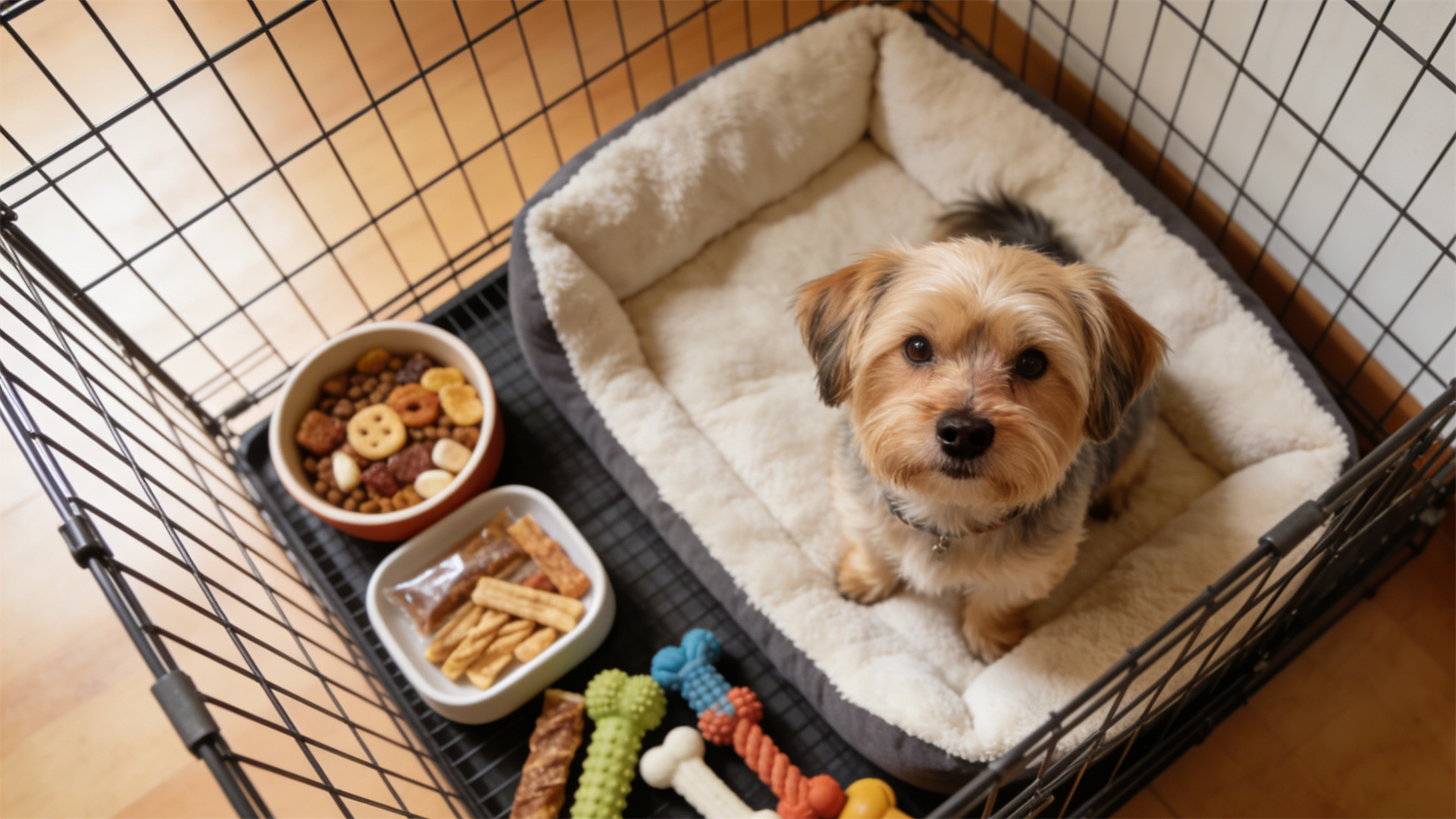
This involves restructuring the dog's environment and daily routine to prevent the rehearsal of unwanted behaviors and reduce overall stress. It is a proactive strategy. For a dog with separation anxiety, this might involve confining the dog to a safe space with engaging food puzzles before departures. For a dog reactive to passersby, it means using window film to block visual access. Management is not a solution. It is a crucial component that creates the calm foundation needed for learning and therapy to occur.
Differential Reinforcement of Alternative Behaviors (DRA).
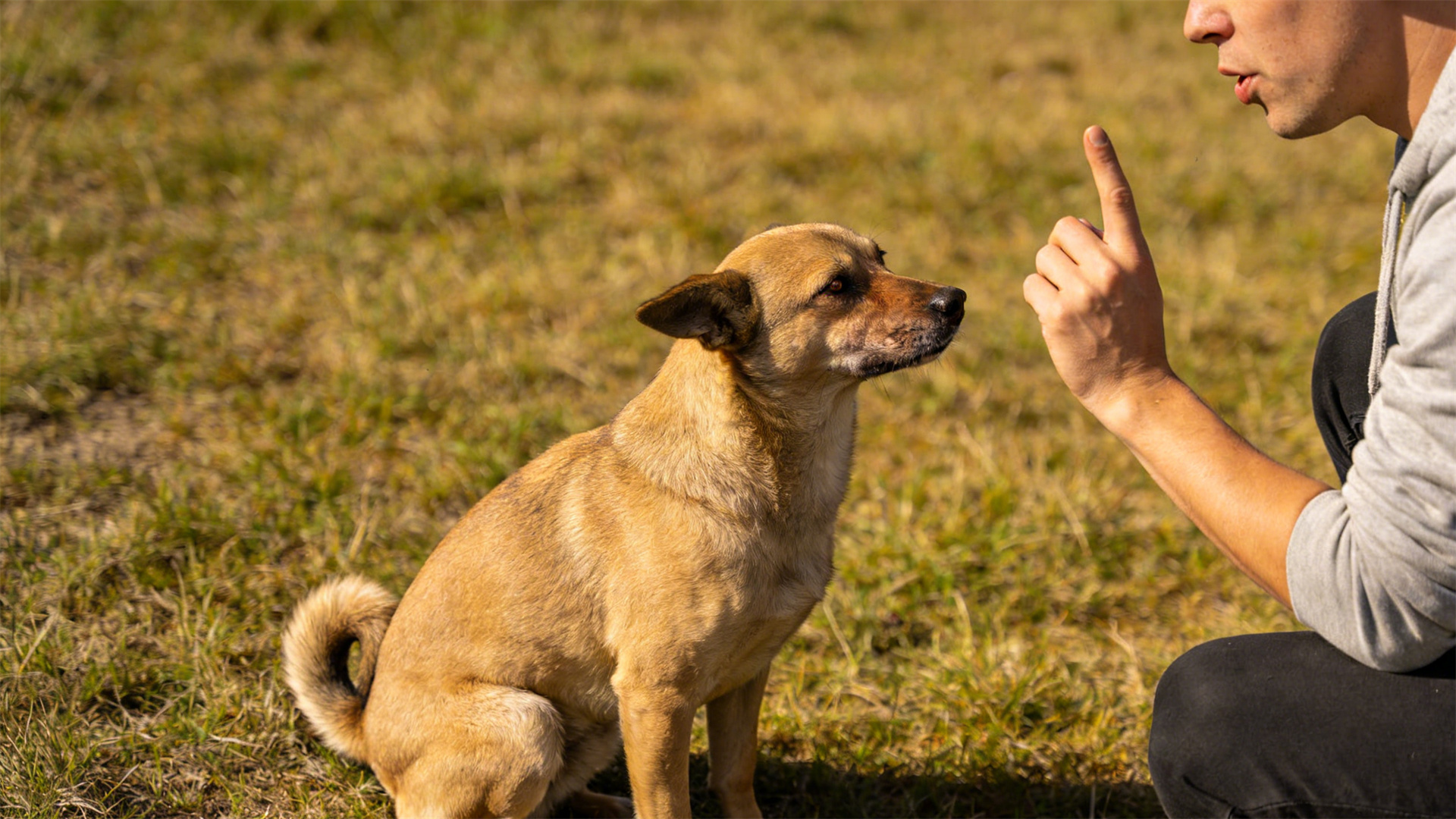
This technique teaches and heavily reinforces a behavior that is incompatible with the problem behavior. For a dog that jumps on guests for attention, the alternative behavior might be "go to your mat and settle." The dog cannot jump and be on its mat simultaneously. The professional canine behaviorist will identify a functional alternative that meets the dog's underlying need in an acceptable way.
📖 Case Study: Rehabilitation Pathway for Resource Guarding Aggression
Consider "Max," a rescue dog who growls and snaps when approached while eating or chewing a high-value bone. This is a dangerous but modifiable behavior through structured dog aggression counseling.
Phase 1: Assessment & Management. A thorough ABC analysis confirms the trigger is human proximity to guarded items. Management rules are established: Max eats alone in a quiet room. All high-value chews are given only in his crate.
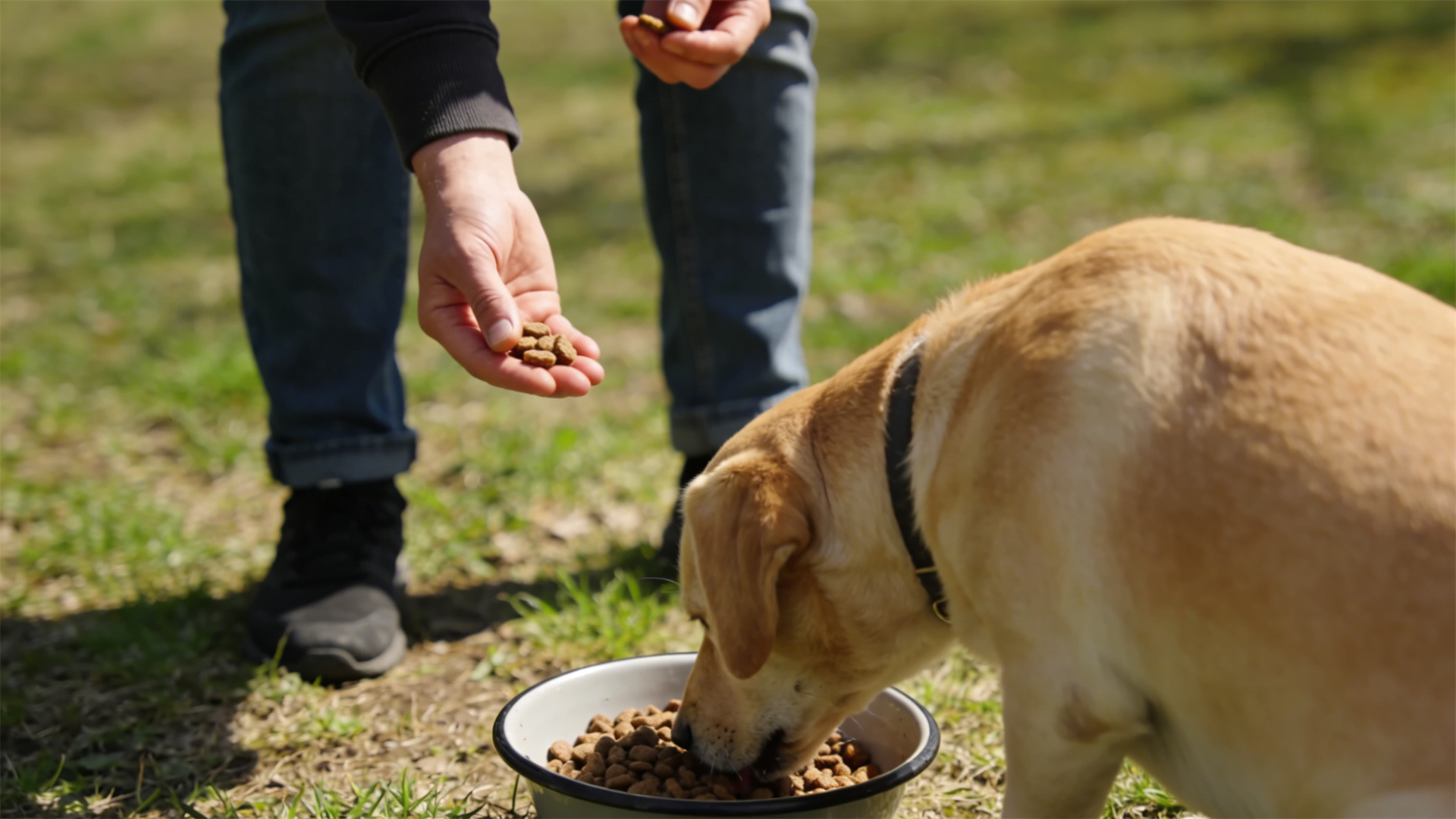
Phase 2: Counter-Conditioning the Emotional Response. The owner begins by standing at a distance from Max's empty food bowl where he is completely relaxed. The owner tosses an incredibly tasty treat (like chicken) toward the bowl and walks away. This repeats. The message: "A person approaching your bowl predicts delicious things, not loss."
Phase 3: Systematic Desensitization. Over many sessions, the owner decreases the distance of the treat toss. Then, they place the treat directly in the bowl while Max is at a distance, allowing him to approach. Gradually, they move closer during the drop. Eventually, the owner can stand near the bowl while Max eats kibble, periodically adding chicken.
Phase 4: Generalization and Maintenance. The protocol is repeated with different items, in different locations, and with different family members. Consistency is vital. The goal is not to test Max by taking things away, but to build a history of positive associations with human presence around valued resources.
👨👩👧👦 The Indispensable Role of Owner Involvement and Consistency
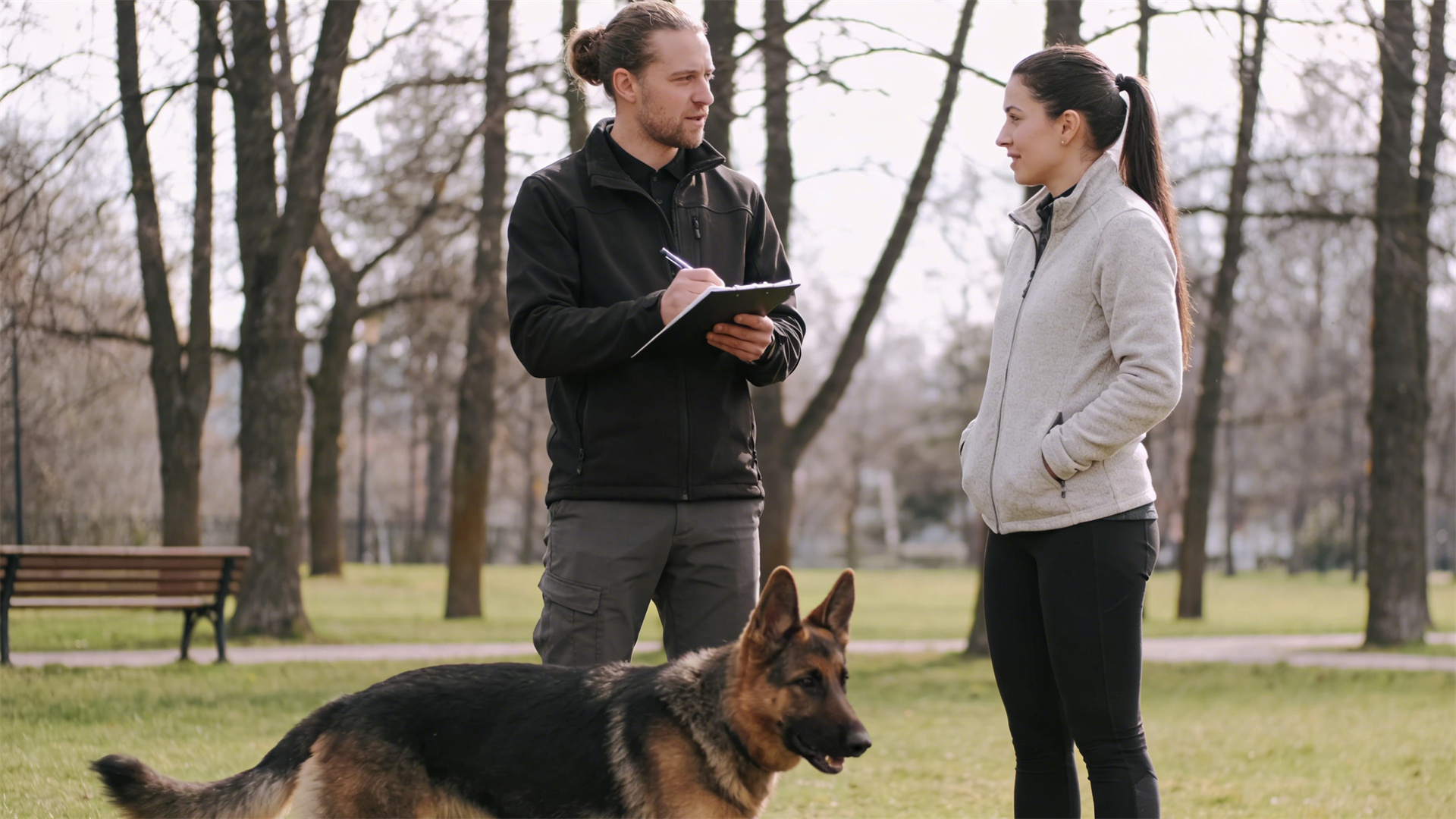
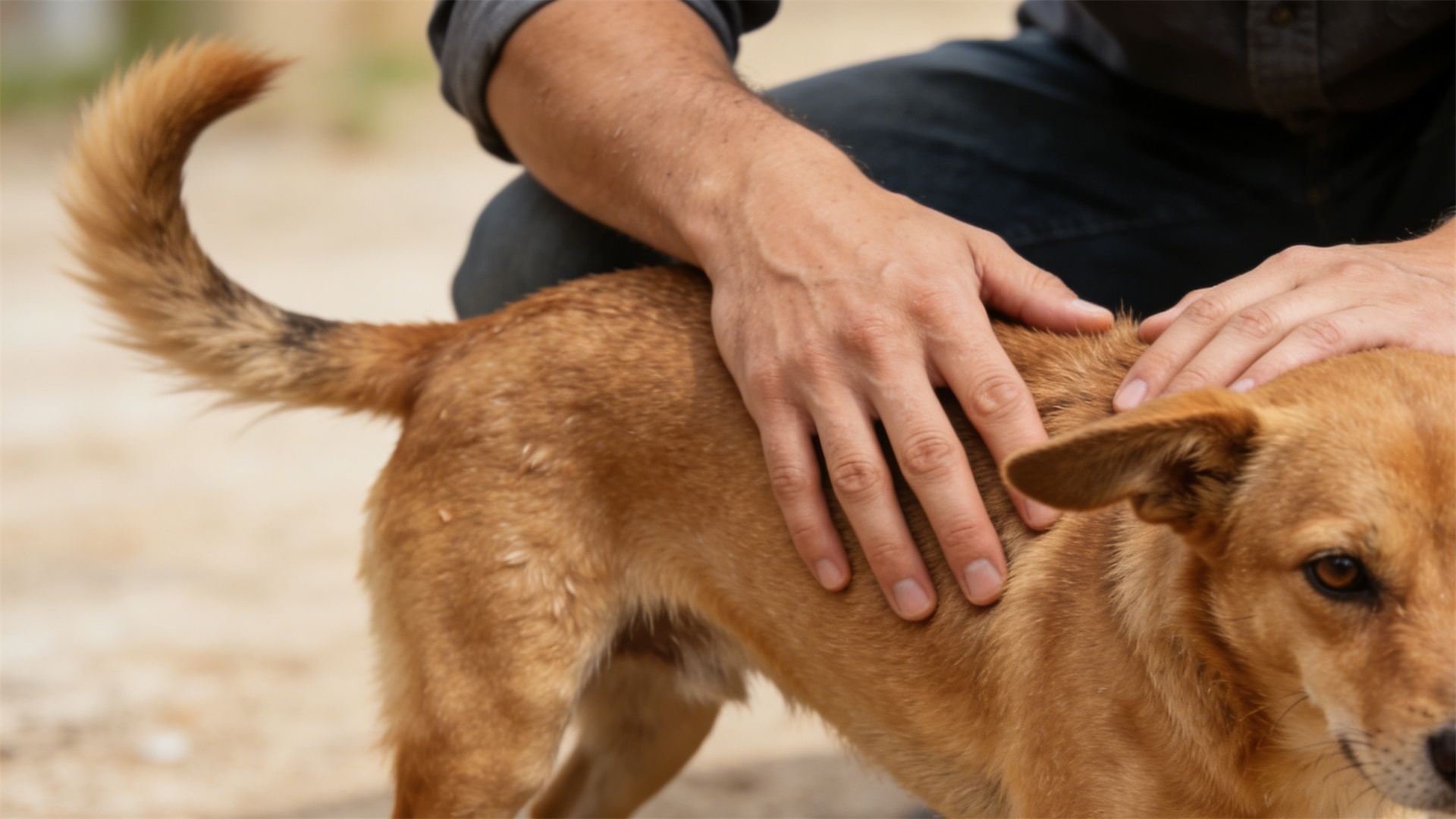
Comprehensive canine psychological care cannot succeed in a weekly trainer session alone. The owner is the primary agent of change, the daily therapist, and the source of safety. A professional's role is to educate, design a tailored plan, and coach the owner through its implementation.
Owner Responsibilities in a dog behavior modification program:
Emotional Regulation: Owners must learn to manage their own anxiety and frustration. Dogs are exquisitely sensitive to human emotion. A tense leash or anxious voice can sabotage progress.
Precise Record-Keeping: Maintaining a detailed journal of training sessions, incidents, and the dog's daily mood provides invaluable data to adjust the plan.
Lifestyle Commitment: Rehabilitation may require changes to walking routes, visitor protocols, and daily schedules for months. The owner's commitment to this new structure is paramount.
Patience and Realistic Expectations: Deep-seated issues were not created overnight and will not be resolved quickly. Celebrating micro-successes is essential for sustaining motivation in both human and dog.
🎥 Visual and Media Integration for Enhanced Learning
Complex concepts are best understood through demonstration.
Recommended Video Topic: "A Side-by-Side Comparison: Canine Fear vs. Aggression Body Language." This visual guide is crucial for owners to accurately assess their dog's emotional state, a foundational skill for any dog behavior consultation.
Recommended Infographic: "The Desensitization and Counter-Conditioning Ladder." A step-by-step flowchart showing how to break down a trigger (e.g., seeing another dog) into incremental steps, pairing each with reinforcement, visually mapping the path of correcting deep-seated dog behaviors.
🚨 Actionable Steps and When to Seek Expert Dog Behavior Counseling
If you recognize a Level Four issue in your dog, a structured approach is critical.
Step 1: Veterinary Consultation. Rule out pain, neurological, or hormonal causes.
Step 2: Seek a Qualified Professional. Look for credentials such as CAAB (Certified Applied Animal Behaviorist) or DACVB (Diplomate of the American College of Veterinary Behaviorists). These titles indicate advanced, science-based education in dog psychology and counseling.
Step 3: Commit to the Process. Follow the prescribed management and training plan with religious consistency. Understand that behavior rehabilitation therapy is a marathon.
Step 4: Prioritize Safety. Always use management tools (muzzles, baby gates, leashes) as recommended by your behaviorist to prevent incidents and protect all involved.

💚 A Final Note on Compassion and Canine Mental Health Counseling
Canine mental health counseling is an act of deep empathy. It requires us to listen to what a dog's behavior communicates about its internal suffering and to respond with knowledge and compassion. The goal of Level Four intervention is not merely to suppress a symptom. It is to heal the underlying emotional wound, to build trust, and to restore a dog's ability to experience the world with confidence and peace. This is the highest calling of the human-canine bond.
Call to Action: If your dog is exhibiting severe behavioral challenges, do not delay or attempt punitive fixes. The welfare of your dog and your family depends on expert guidance. Reach out to a certified professional today. For those interested in pursuing this field, seek education from reputable organizations like the International Association of Animal Behavior Consultants (IAABC) or the Animal Behavior Society (ABS) to begin your path toward becoming a provider of expert dog behavior counseling.