For many dog owners, the simple mention of "grooming day" can induce a wave of dread. What should be a routine part of canine care—vital for health, hygiene, and comfort—can devolve into a traumatic struggle of fear, restraint, and stress. Grooming phobia is a prevalent, complex issue where a dog perceives scissors, clippers, and the entire grooming process as a significant threat. Transforming this experience from a nightmare into a manageable, even positive, routine is not only possible but essential for your dog's lifelong well-being. This comprehensive guide delves into the roots of this fear and provides a structured, empathetic path forward, strengthening the bond between you and your pet.
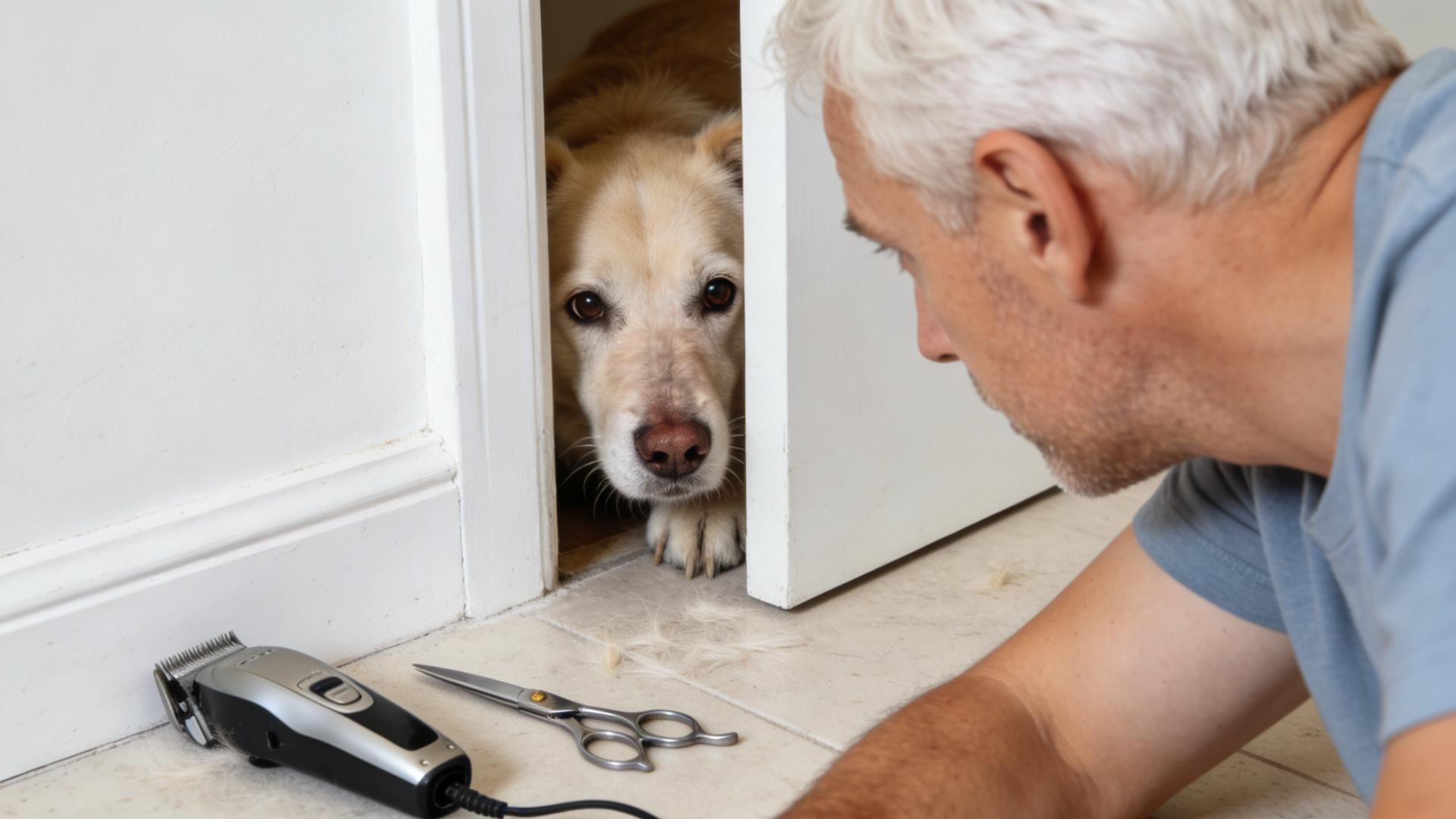
🐾 Understanding the Roots of Canine Grooming Fear
Before we can solve a problem, we must understand it. A dog's fear of grooming tools is rarely arbitrary; it's a conditioned response to specific stimuli they find threatening. Dismissing it as "stubbornness" or "bad behavior" misses the opportunity to help. Let's explore the common culprits:
The Sensory Onslaught
Grooming is a multisensory assault from a dog's perspective. The high-pitched whirr and vibration of clippers is unfamiliar and can be painful to sensitive canine ears. The sharp snip sound of scissors can startle. The sensation of tools pulling hair or touching sensitive areas (paws, ears, tail) can be uncomfortable or even painful if done incorrectly.
Negative Past Experiences
This is often the primary catalyst. A single incident of being nicked by scissors, having a mat painfully pulled, or experiencing the clipper blade becoming too hot can create a lasting traumatic association. Even a well-meaning but rushed groomer can inadvertently create this negative imprint.
Loss of Control and Restraint
Being held still on a slippery table, having limbs manipulated, and being unable to move away triggers a primal fear response. For a dog, restraint can equate to danger, escalating their anxiety and potentially leading to defensive aggression.
Owner Anxiety
Dogs are astute readers of human emotion. If you are tense, frustrated, or anxious about the grooming process, your dog will mirror that emotional state, confirming their suspicion that the situation is indeed scary.
🔬 The Science of Change: Desensitization & Counterconditioning
The proven methodology for overcoming grooming phobia is a combination of desensitization (gradually exposing the dog to the fear trigger at a low intensity) and counterconditioning (changing the dog's emotional response from fear to pleasure). This is not a weekend project but a commitment to slow, steady progress. Special Reminder: Rushing this process will reinforce the fear. Let your dog's comfort level set the pace.
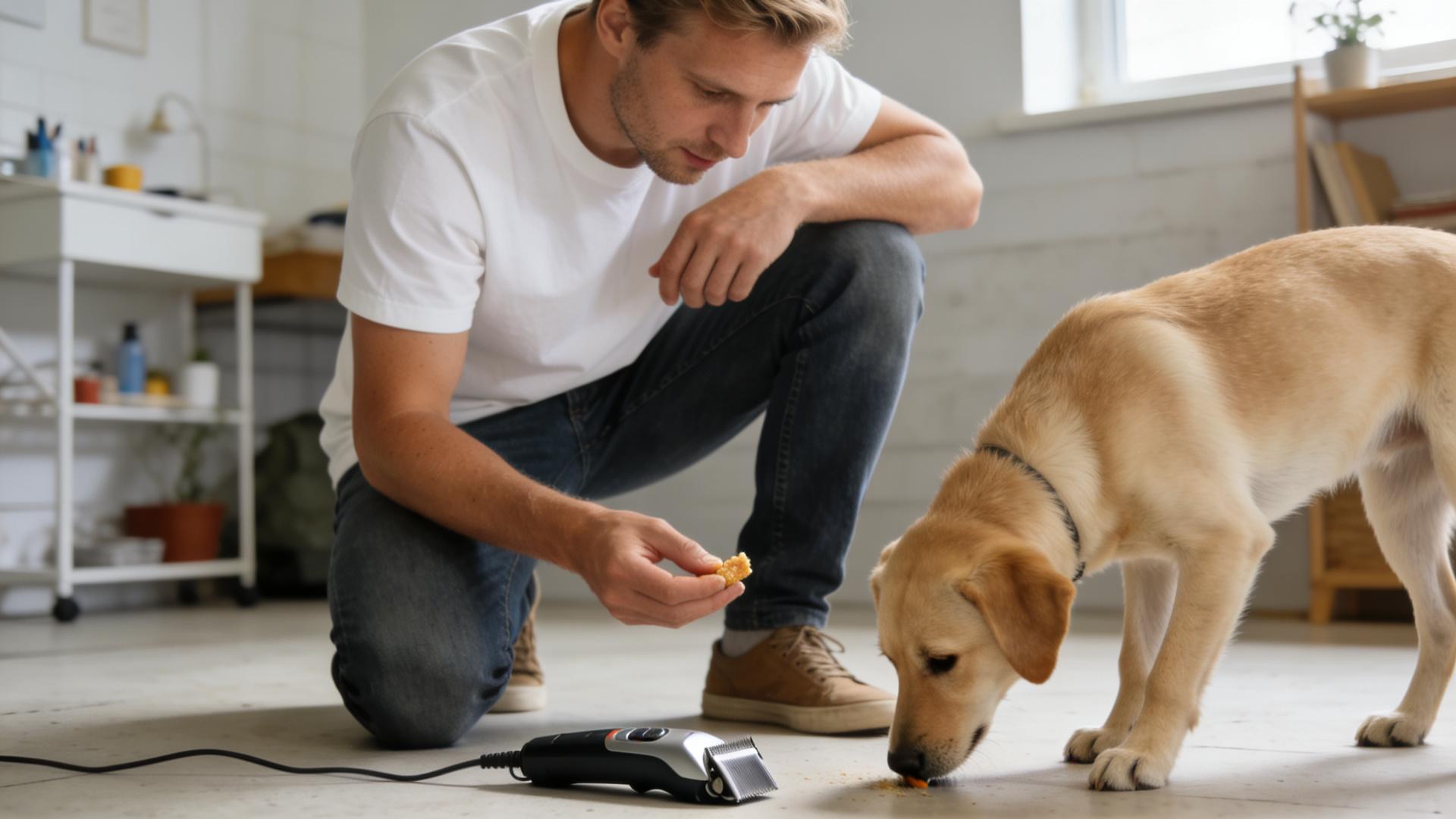
Stage 1: Creating Neutral Curiosity (Tools as Furniture)
Goal: Make the tools boring and non-threatening.
- Place the unplugged clippers and closed scissors on the floor in a common area during relaxed times.
- Absolutely no pressure to interact. Let your dog sniff and investigate on their own terms.
- When they show any casual interest (a glance, a sniff), calmly drop a high-value treat (boiled chicken, cheese) near the tools. The message: "The presence of these objects makes good things happen."
Stage 2: Introducing the Sound Dimension
Goal: Dissociate the sound from the scary experience.
- Start in another room. With your dog in their safe space (e.g., on a comfy bed with a chew), turn the clippers on for 2-3 seconds, then immediately off. Follow with a treat and praise.
- Gradually increase the duration of the sound only if your dog remains relaxed. Over multiple sessions, move the sound source closer.
- For scissors, practice opening and closing them softly at a distance, pairing the sound with treats.
Stage 3: The Power of Touch & Vibration
Goal: Associate the tool's physical sensation with pleasure.
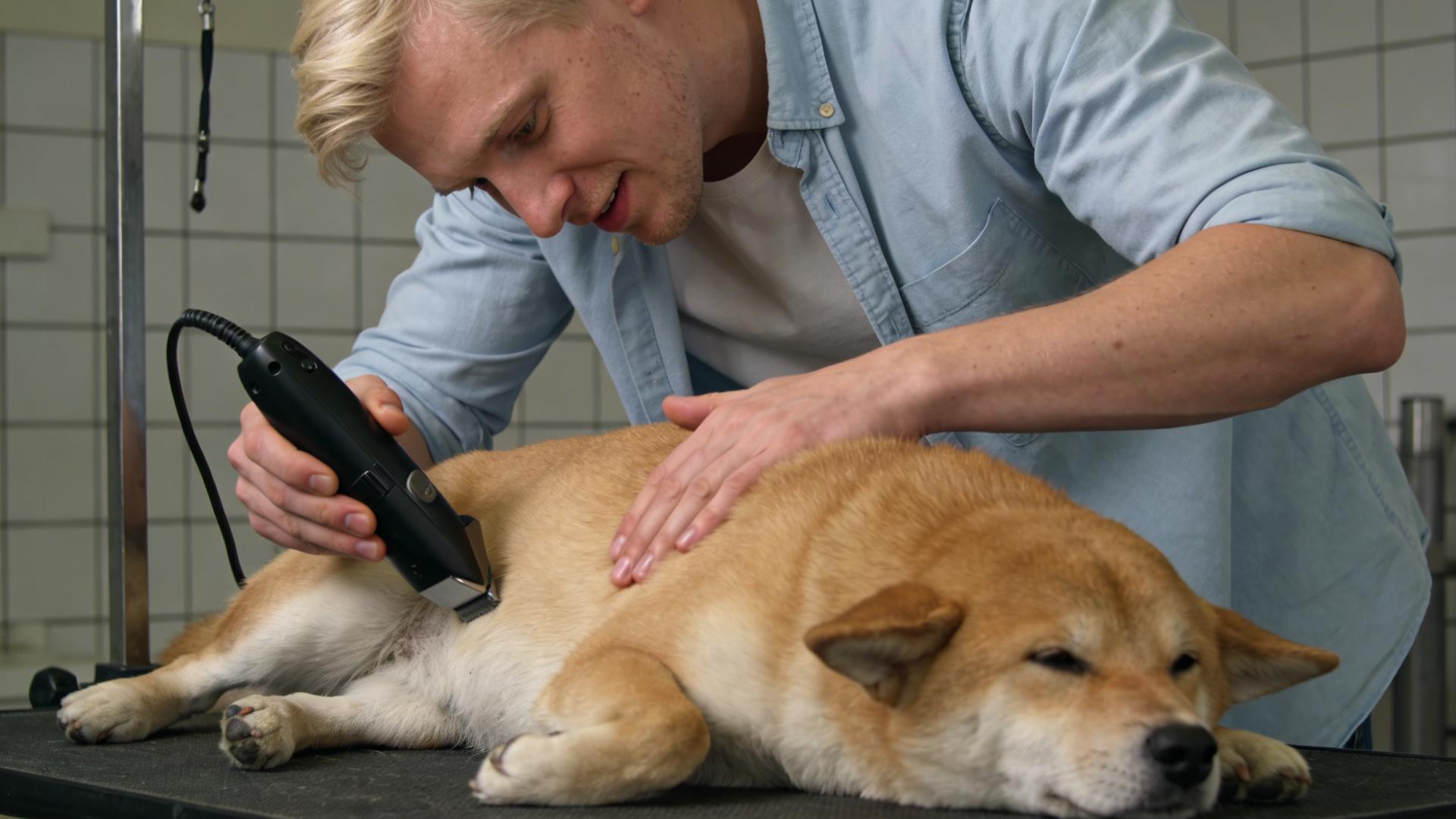
- With clippers off, gently touch your dog's shoulder or back with the side of the clipper body. Immediately treat.
- Progress to touching more sensitive areas (legs, paws, chin) as your dog accepts it.
- Next, repeat with clippers turned on but held away, then gradually bring the vibrating body (not the blade) to touch them. Keep sessions under 30 seconds.
Stage 4: Mimicking the Grooming Motion
Goal: Simulate grooming without removing hair.
- Use the back of closed scissors or the body of turned-off clippers to gently "comb" through your dog's coat, mimicking the motion of trimming.
- Practice holding a paw gently while touching it with the tool. Practice lifting the chin. Always follow with a reward.
Stage 5: The First "Real" Grooming Session
Goal: A successful, stress-free micro-session.
- Set a goal of trimming five hairs. Seriously. Use sharp, rounded-tip scissors.
- Pair each snip with a treat. Keep the session to 1-2 minutes max. End with a jackpot reward and play.
- For clippers, use a quiet model and a #10 blade (cool and safe) to make one slow, single pass on an easy area like the shoulder. Treat generously.
This gradual desensitizing dogs to grooming tools protocol rebuilds neural pathways, replacing panic with calm anticipation.
🍖 Building Unshakable Positive Associations
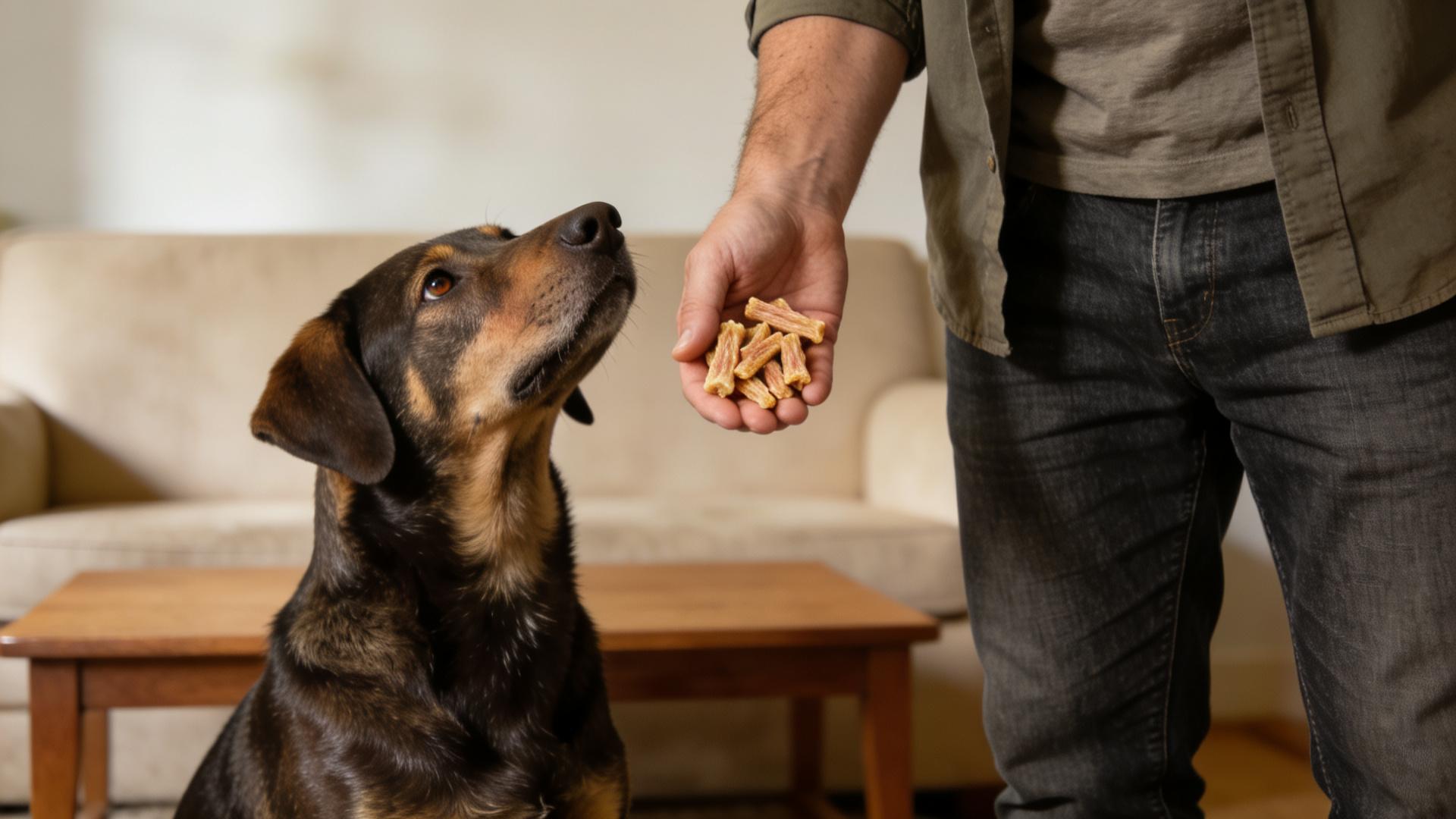
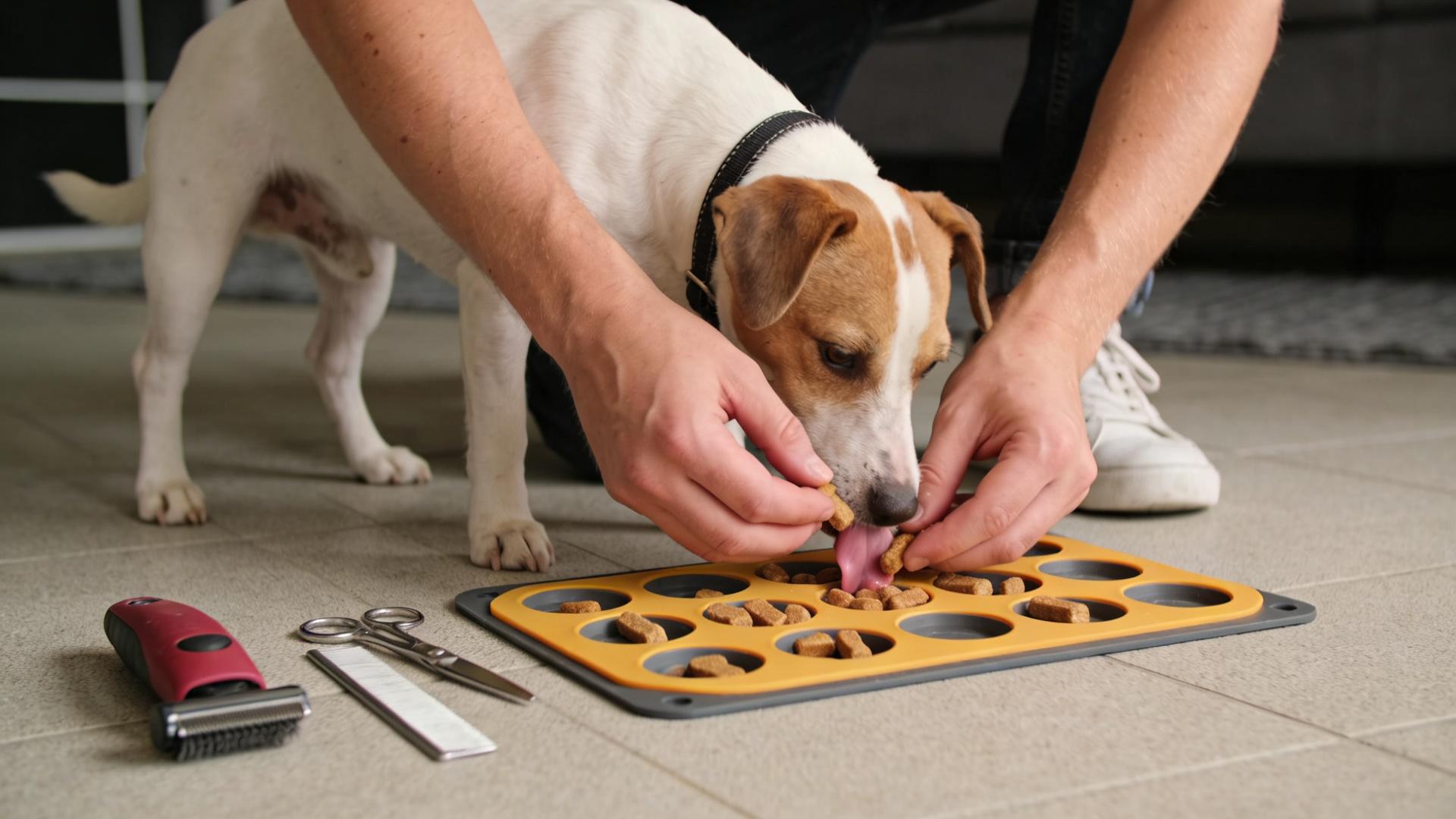
Throughout every stage, positive reinforcement is your most powerful tool. The treats used should be "grooming-only" superstars—something your dog goes wild for but rarely gets. Think: cream cheese on a lick mat stuck to the wall, frozen liver paste, or real meat. Combine this with soothing verbal praise and, if your dog enjoys it, gentle petting.
Creating a Calming Environment
- Non-Slip Surface: Use a rubber mat to provide secure footing, reducing anxiety.
- Calming Aids: Consider adaptil (DAP) diffusers or sprays, or a Thundershirt, which can apply gentle, calming pressure.
- Timing: Groom after exercise when your dog is naturally more relaxed.
👩⚕️ When to Seek Professional Guidance
If your dog shows extreme fear (panicked trembling, hiding, submissive urination), aggression (growling, snapping, biting), or makes no progress after consistent weeks of training, it's time to call in the experts.
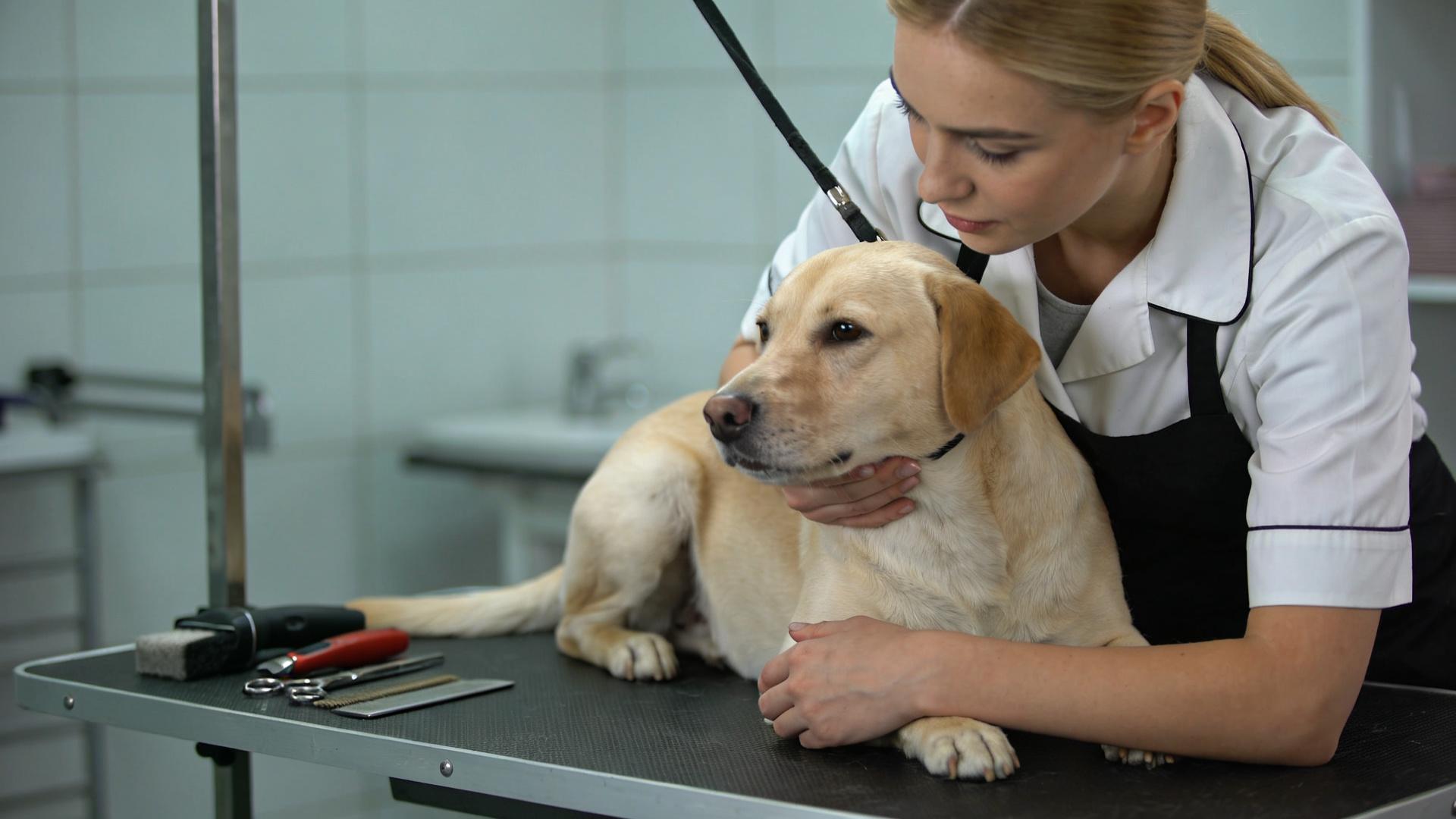
- Fear-Free or Certified Groomers: These professionals are trained in low-stress handling, know canine body language, and will work with you on a gradual introduction plan. They have access to specialized equipment like hydraulic, non-slip tables.
- Veterinary Behaviorist: For severe phobias, a vet behaviorist can diagnose underlying anxiety disorders and may prescribe short-term anti-anxiety medication to lower the fear threshold enough for training to be effective. This is a legitimate and compassionate tool in dog grooming behavior modification.
💡 Essential Tips for the Committed Owner
Your mindset and actions are the cornerstone of success. Implement these daily practices:
Patience is Not a Tactic, It's the Foundation
Some dogs may progress in weeks, others may need months. Celebrate microscopic victories. One calm moment with the clippers running in the same room is a huge win.
Handle with Care – Daily Touch Therapy
Incorporate gentle handling of paws, ears, muzzle, and tail into your daily cuddle routine. Pair it with treats. This builds a general tolerance for being touched anywhere.
Master Your Own Energy
Breathe deeply, speak softly, and maintain a calm, confident demeanor. If you become frustrated, end the session immediately on a positive note (just give a treat for nothing).
Never Punish or Force
Yelling, scolding, or physically forcing your dog only confirms that grooming is something to be feared and resisted. It destroys trust and escalates the problem.
✨ Conclusion: A Journey of Trust, Not Just a Trim
Overcoming grooming fear is one of the most profound investments you can make in your dog's quality of life. It moves grooming from a battleground to an act of mutual trust and care. This journey, built on understanding, positive reinforcement, and incremental progress, does more than just facilitate a neat haircut or a clean coat. It deepens your communication, bolsters your dog's confidence, and ensures that their essential care is free from terror. Remember, every treat given, every calm session completed, is a step toward a lifetime of health and happiness. Celebrate the milestones, and always prioritize your dog's emotional state—their well-being is the ultimate goal of any true safe dog grooming technique.