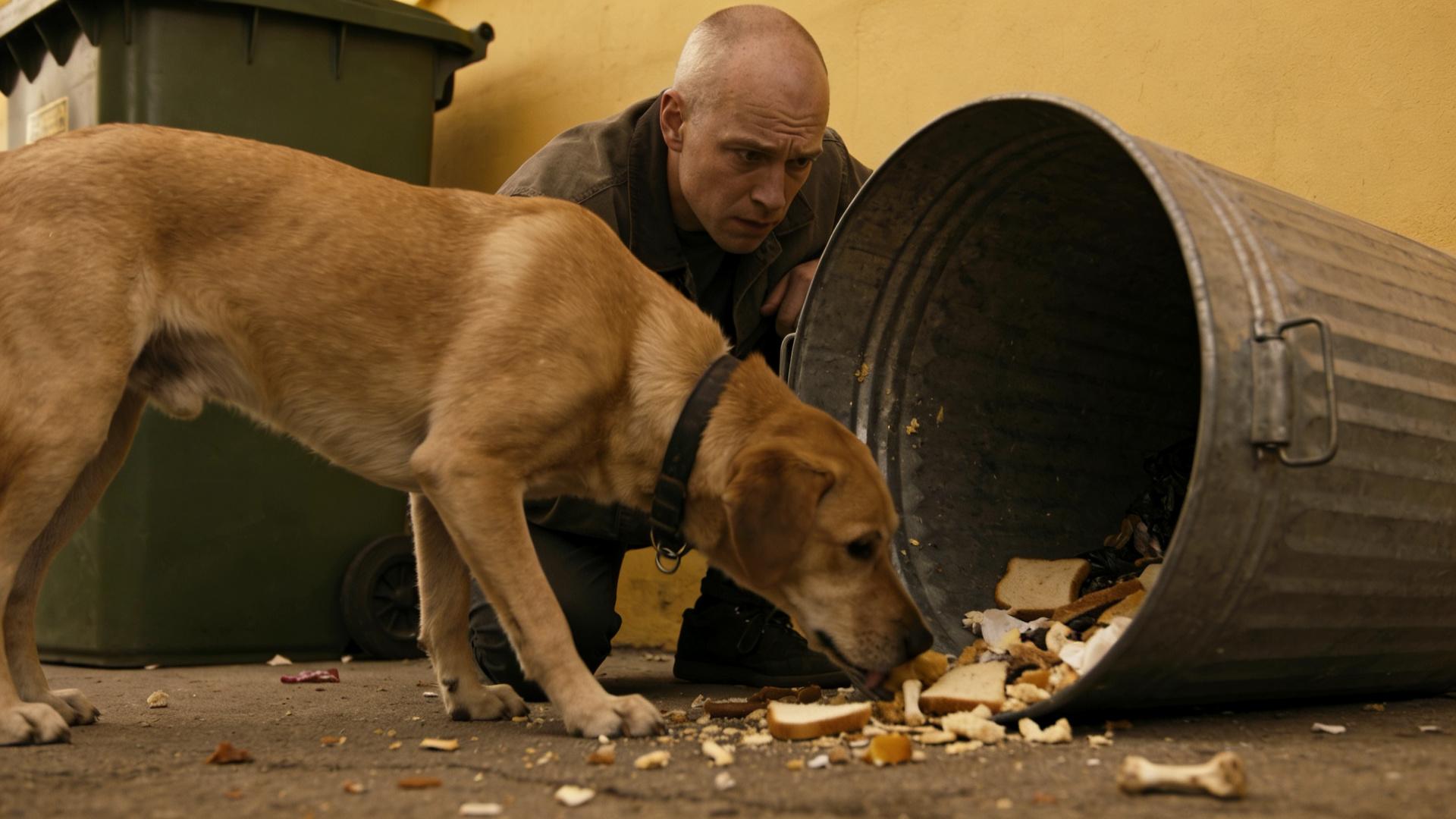
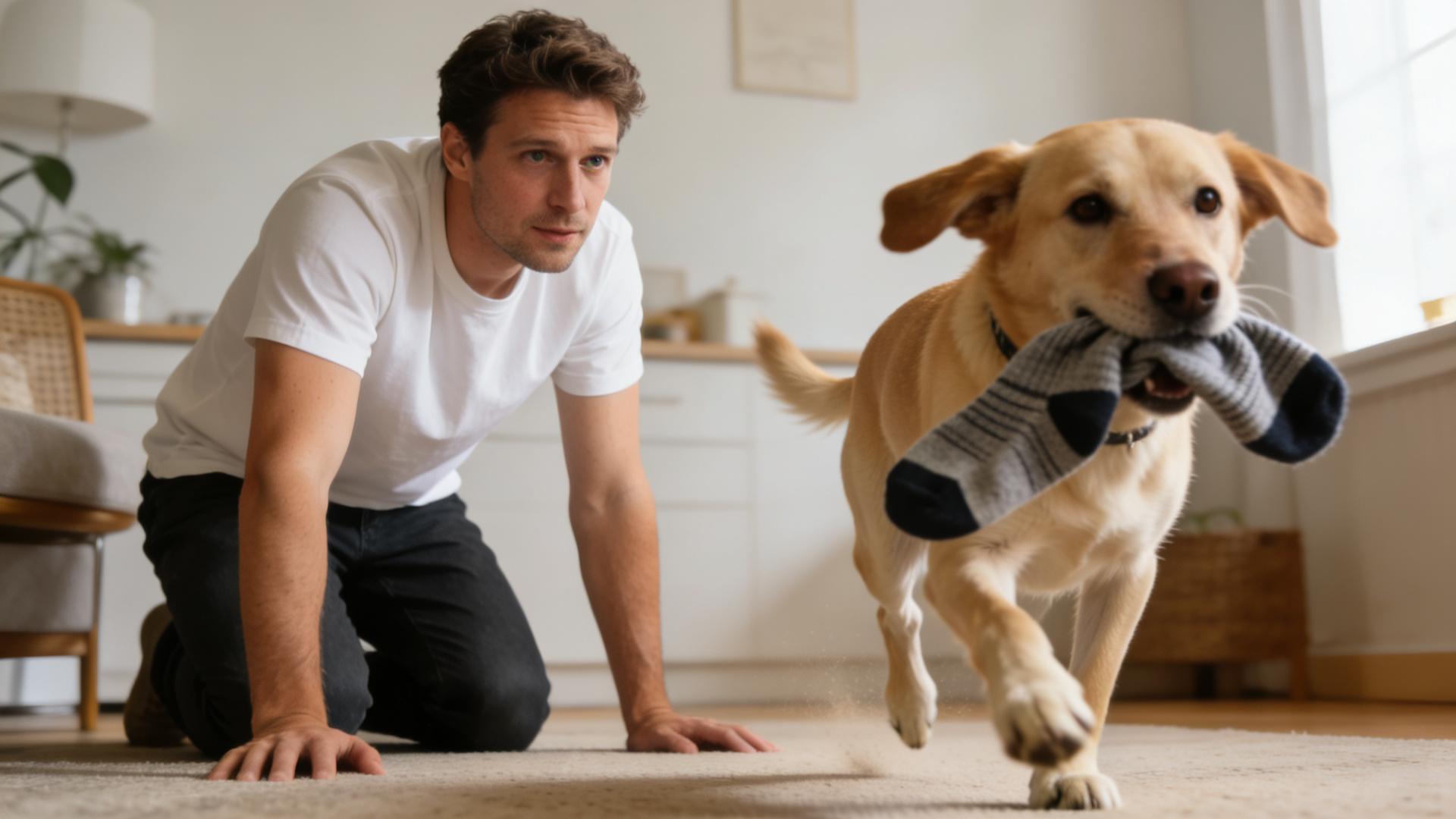
At the heart of all effective dog training lies one crucial element: motivation. 🎯 Finding what truly sparks your dog's desire to learn and comply is the key to unlocking a harmonious partnership. While food is often the go-to for many owners, relying on a single reward type is like trying to build a house with only a hammer. To create a resilient, joyful, and responsive learner, you need a full toolbox. This is where cultivating a diverse reward system becomes your superpower. By strategically using food, praise, petting, and play, you can maintain your dog's high interest, cater to any training environment, and deepen your bond. Let's explore these four pillars of positive reinforcement that will transform your training sessions from repetitive chores into engaging games.
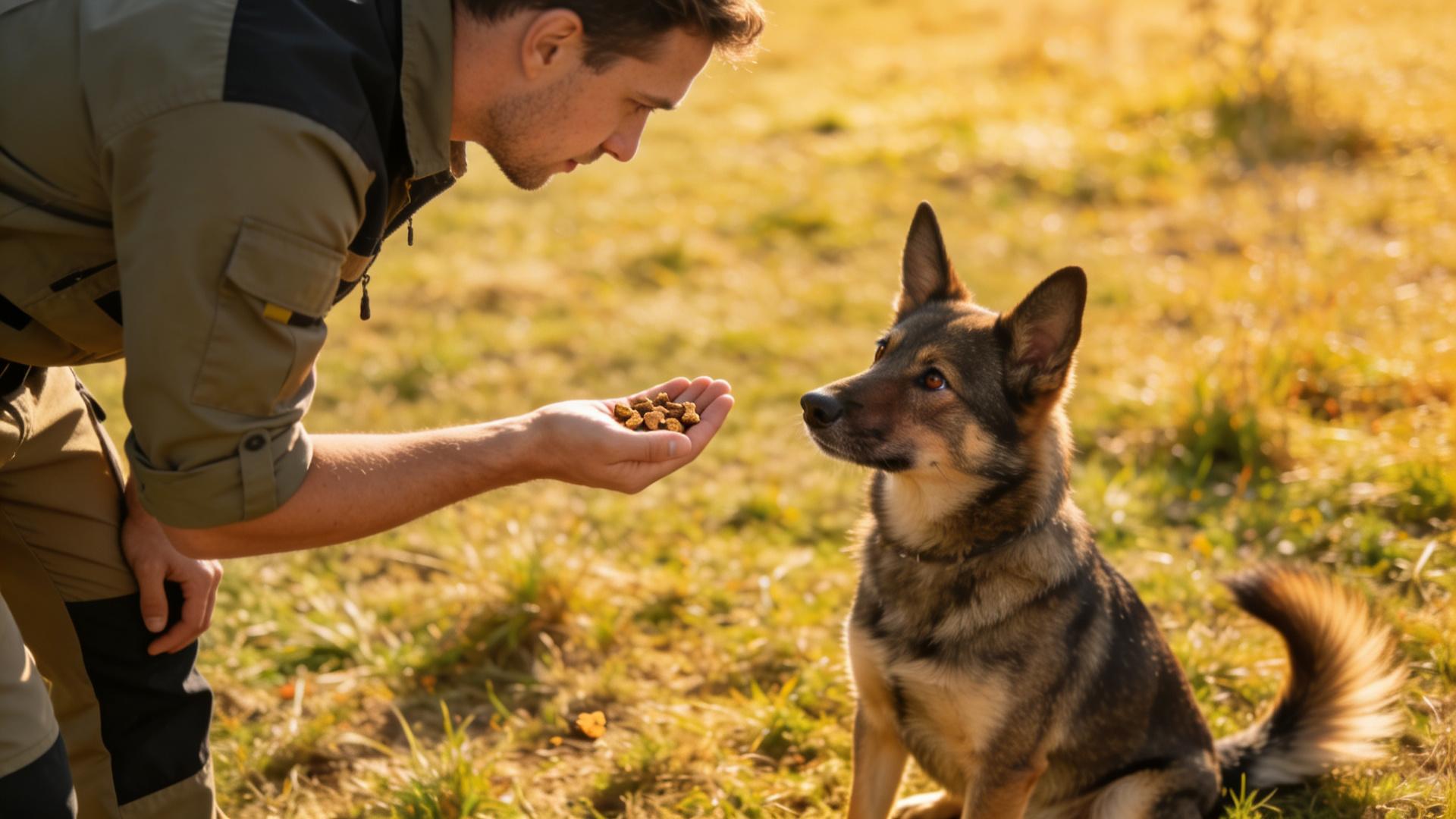
🍖 The Power of Food Rewards: The Primal Motivator
Let's start with the most obvious and powerful tool in your arsenal: food. Tapping into your dog's primal drive to eat is a cornerstone of positive reinforcement. Food is a primary reinforcer—it fulfills a basic biological need, making it an incredibly strong and clear message: "That behavior you just did? That leads directly to something you need to survive. Do it again!"
High-Value vs. Low-Value: The Strategic Treat Pouch
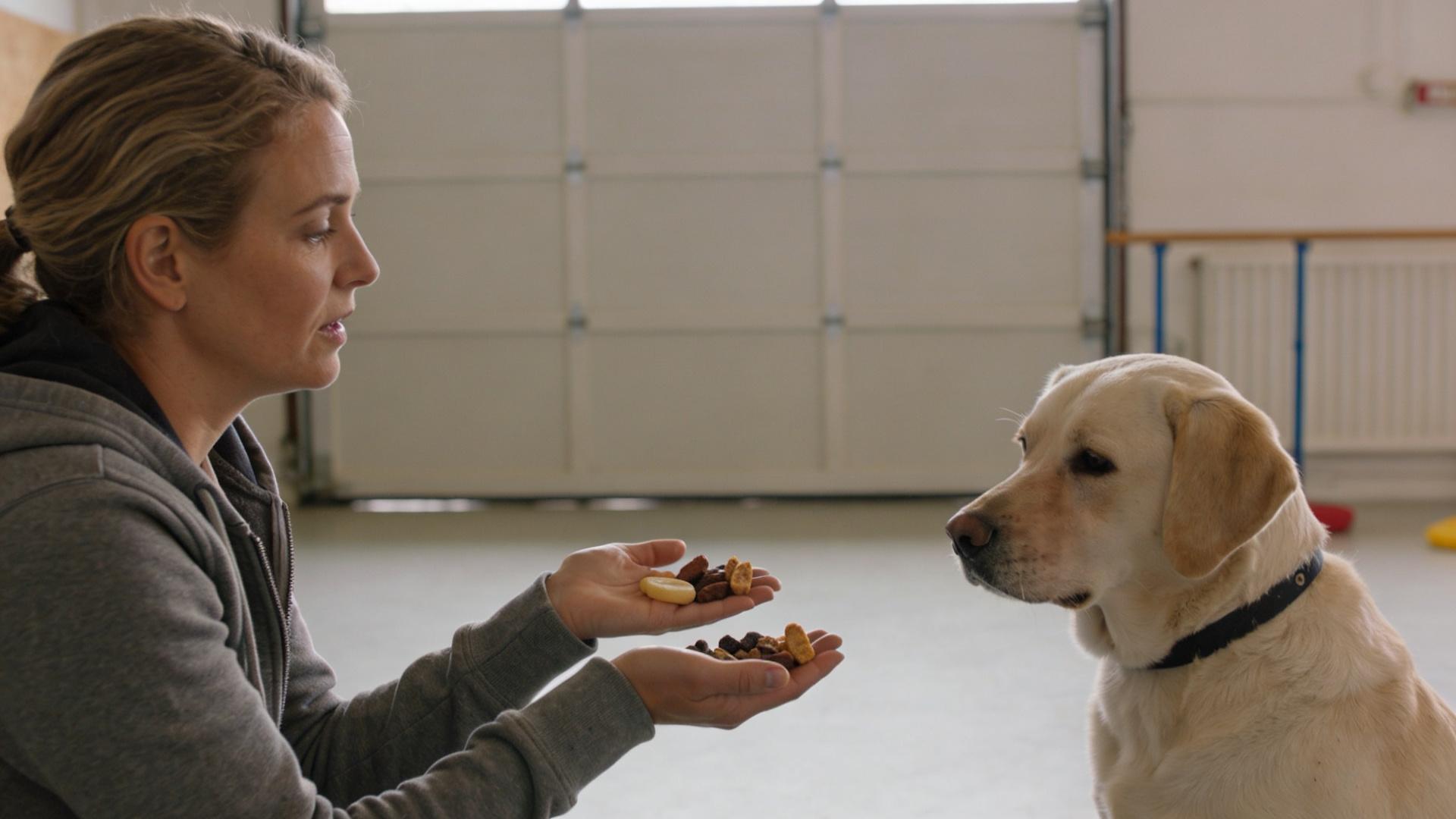
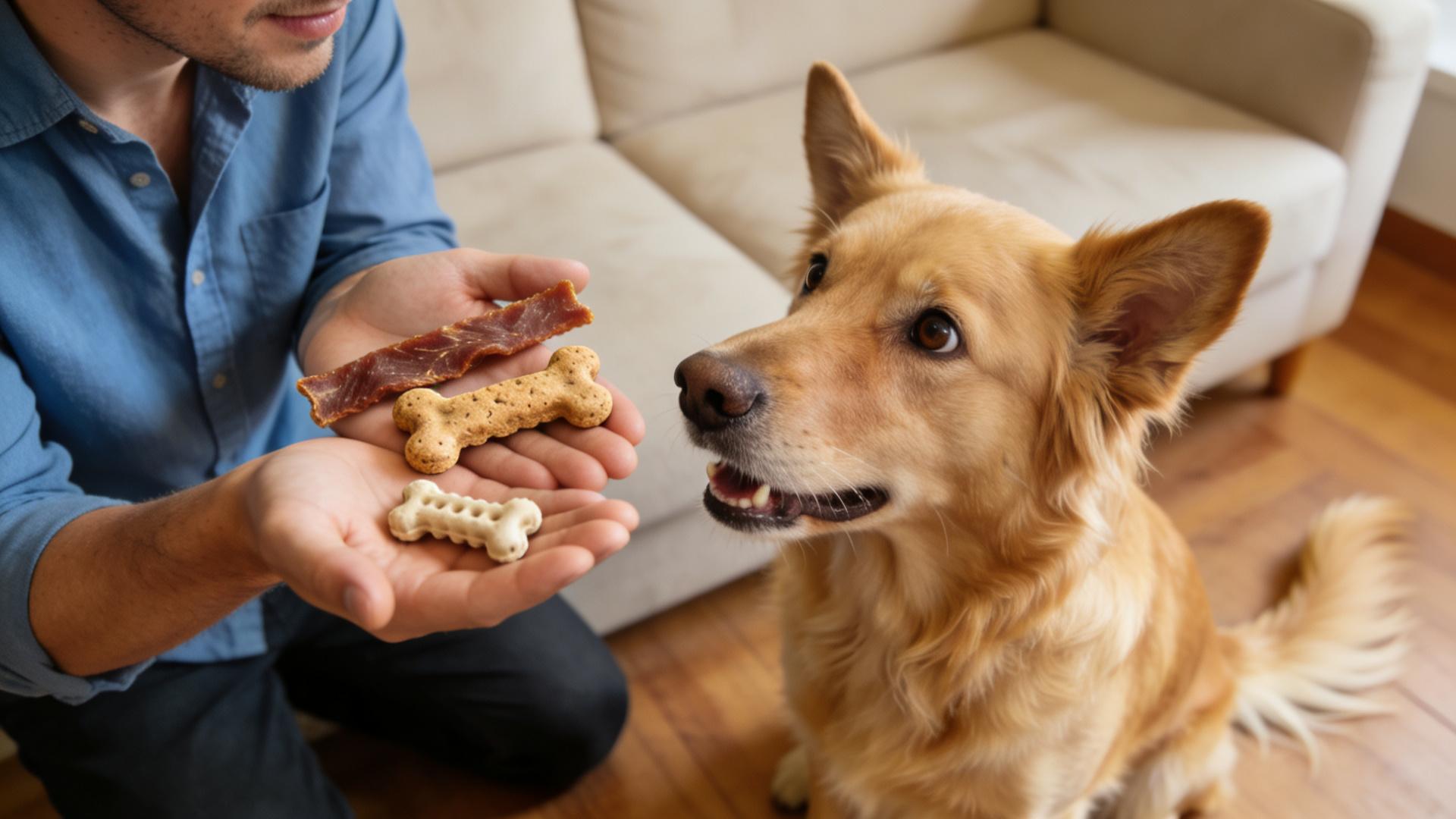
Not all treats are created equal. Smart trainers categorize rewards. Low-value treats are like loose change: kibble, plain cheerios, or small training biscuits. They are perfect for easy, familiar behaviors in low-distraction environments. High-value treats are the $100 bills: small pieces of boiled chicken, cheese, liverwurst, or freeze-dried liver. Reserve these for teaching brand-new skills, practicing in highly distracting places (like the park), or for exceptionally good responses. The contrast in value keeps your dog guessing and striving.
Practical Tips: Treats Without the Tubby Tummy
Concerned about overfeeding? Integrate training into mealtime. Use a portion of your dog's daily kibble ration for training sessions. For high-value rewards, use tiny, pea-sized pieces—it's the taste and the act of receiving, not the volume, that reinforces. Always account for treat calories by slightly reducing the next meal. Remember, the goal is to fade the frequency of food lures over time, using it as an intermittent surprise reward once a behavior is solid.
🎉 The Value of Verbal and Physical Praise: Your Voice as a Reward
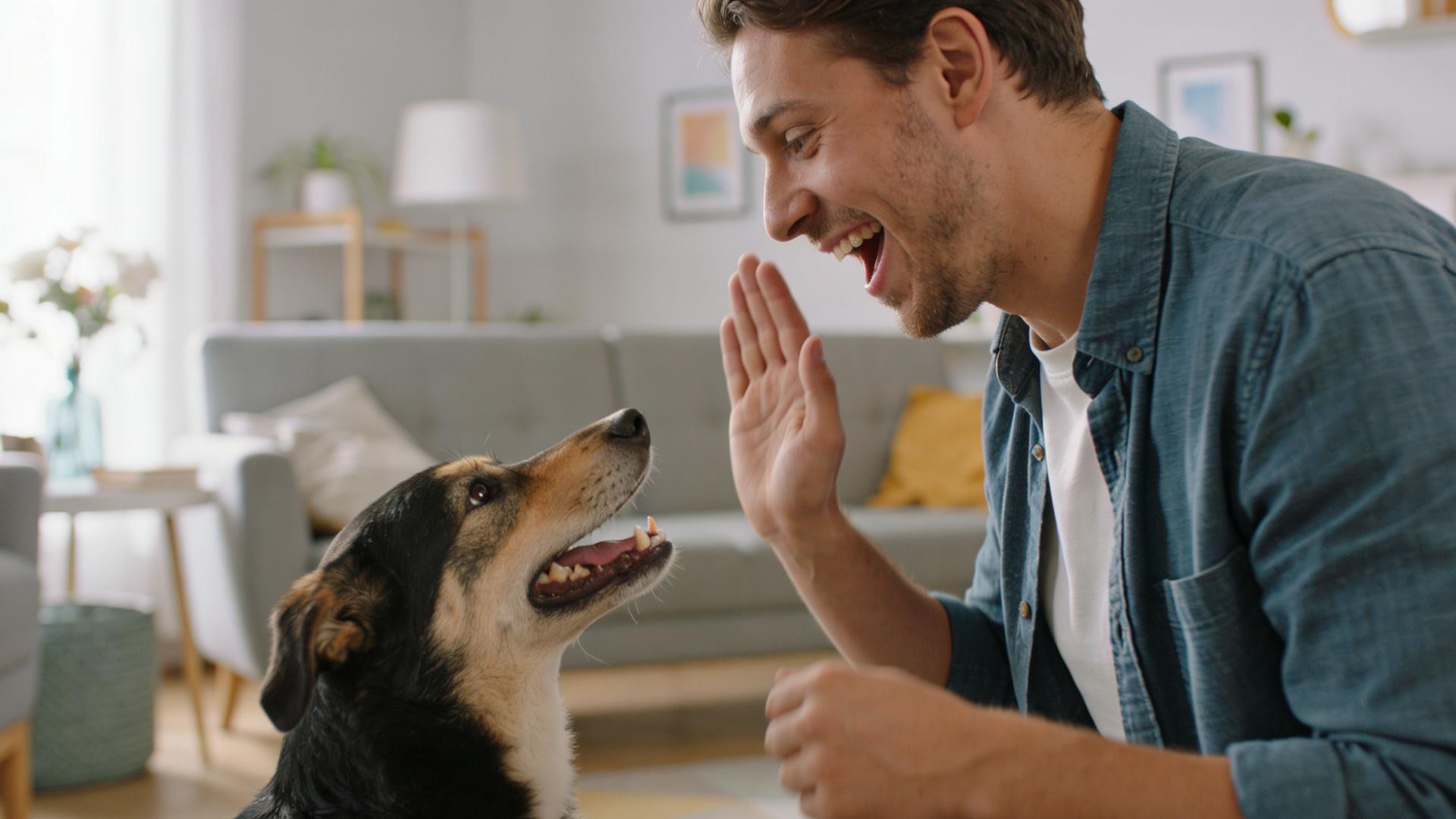
Your attention and approval are more valuable to your dog than you may think. Praise as a dog training reward bridges the gap between tangible rewards and builds a true working relationship. Effective praise isn't a passive "good boy." It's an event.
The Anatomy of Effective Praise
Dogs are exquisite readers of tone and energy. Effective praise is enthusiastic, immediate, and specific. Use a happy, higher-pitched voice. Pair your verbal marker (like "Yes!" or a clicker) with a joyful burst of praise—"Yes! What a good sit!"—followed by the treat or toy. Your body language matters too: a smile, open posture, and happy energy are all part of the reward package. Differentiate between casual praise (a calm pat at home) and focused reward praise (the excited celebration during a training session).
✋ The Reward of Touch and Petting: The Language of Affection
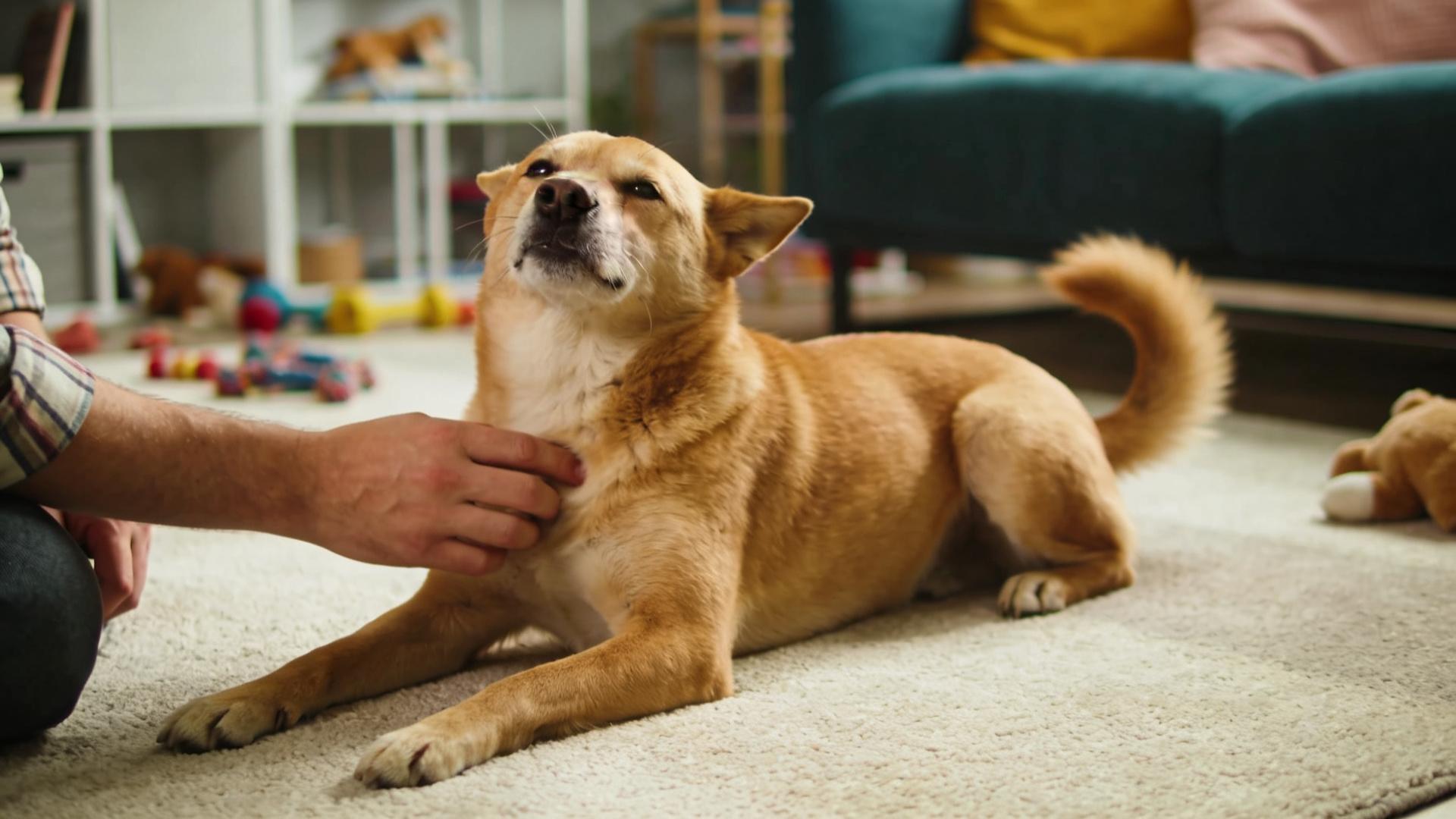
For many dogs, affection is a powerful currency. Petting for positive reinforcement can be incredibly effective, but it requires reading your individual dog's "love language."
Where and How: The Canine Petting Blueprint
Most dogs prefer being petted on the chest, shoulder, or the base of the tail (rump area), rather than pats on the top of the head. A good, firm scratch in these areas can be a fantastic reward after a successful recall or a calm "stay." The key is to make it intentional. A 3-5 second focused chest scratch as a direct consequence of a behavior tells your dog, "That was perfect, and this affection is your prize."
The Crucial Caveat: Read the Body Language
Special Reminder: Never assume all dogs find petting rewarding. A dog that leans away, licks its lips, yawns, or tenses up is not enjoying the interaction. For these dogs, petting is neutral or even punishing. Always observe. If your dog actively seeks out your hand after complying with a cue, you've found a goldmine non food rewards for dogs.
🎾 Using Toys and Play as Rewards: Tapping into Predatory Joy
Play is a primal reward channel that taps directly into your dog's natural prey drive and social bonds. Rewarding with toys builds incredible engagement and is perfect for high-energy dogs.
Toy Types and Their Roles
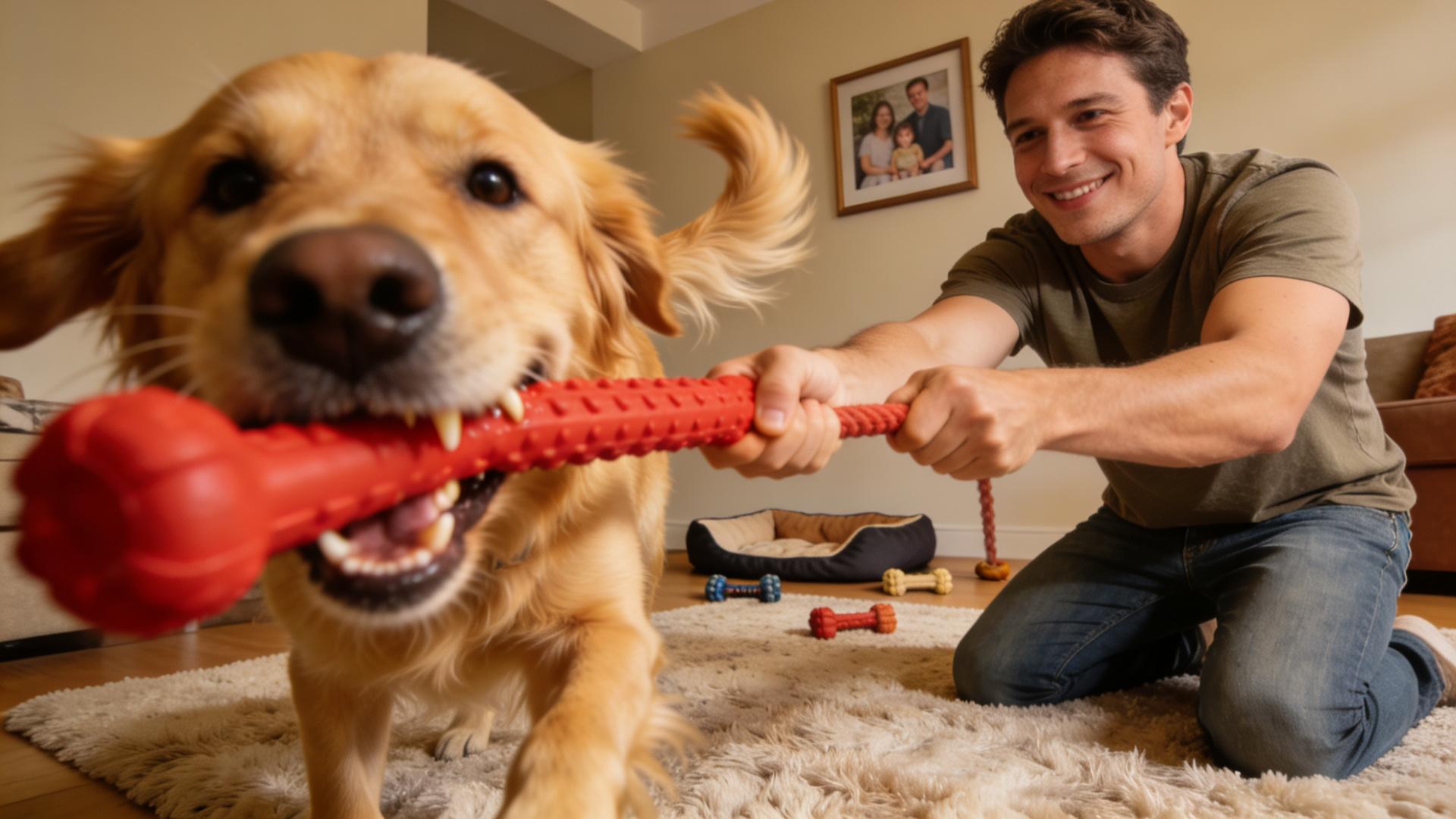
Understand the difference. Tug toys (like a sturdy rope or fleece tug) satisfy the bite-and-shake instinct and build focus and impulse control. Fetch toys (balls, frisbees) satisfy the chase and retrieve sequence. The toy itself becomes the coveted reward.
Controlled Play as a Reward
The critical concept here is that the toy is your tool, not just free access. Have the dog perform a behavior (like a "down"), then initiate a thrilling 20-second game of tug as the reward. End the game cheerfully with a cue like "Out" or "All done," and put the toy away. This maintains the toy's ultra-high value. This method of toy rewards in dog training teaches your dog that listening to you is the gateway to the most fun games imaginable.
Conclusion: Become a Versatile Reward Artist
The most successful trainers are those with a flexible, diverse reward system. By mastering food, praise, petting, and play, you equip yourself for any scenario. Need to train in a busy cafe? Silent praise and a subtle chest scratch might be your tools. Working on a lightning-fast recall in the yard? A game of tug is the perfect jackpot. This multifaceted dog reward methods approach builds reliability because your dog learns to work for the joy of connecting with you, not just for what you have in your pocket.