Welcome, dedicated dog owner. If the sound of snarling and the sight of clashing fur has replaced the peaceful coexistence you envisioned for your multi-dog home, you are not alone, and more importantly, there is a clear path forward. As a canine content creator and SEO expert, I have delved deep into the science of dog behavior and the art of creating harmony. The urgency you feel to restore peace is valid—chronic stress from conflict deteriorates the health and wellbeing of every being in the home. This comprehensive guide moves beyond vague advice to provide you with actionable, sequential strategies to dismantle conflict, rebuild a stable hierarchy, and foster lasting tranquility. Let's transform your home from a battleground back to a sanctuary.
🐺 Understanding the Canine Social Blueprint: It's Not Just "Dominance"
To effectively mend disputes, we must first understand the canine mind. Dogs are social animals with instincts honed over millennia of group living. Contrary to outdated and overly simplistic "alpha" theories, canine social structures are fluid and context-dependent, but they universally value clarity and predictability. A defined hierarchy provides structure, reduces anxiety, and tells each dog their role, which is a source of immense security.
Your Home as a "Pack": The Human's Role
In your household, dogs will naturally attempt to establish order amongst themselves. However, leaving this process entirely to them is where human guidance often falters. Without clear, consistent leadership from you, dogs feel forced to negotiate and contest status continuously, leading to instability and explosive disputes. Your role is not to be a brute-force "pack leader," but to be a calm, confident, and consistent guardian of resources and rules. You become the source of all good things, the arbiter of disputes, and the creator of routine.
Reading the Silent Language: Body Language Clues
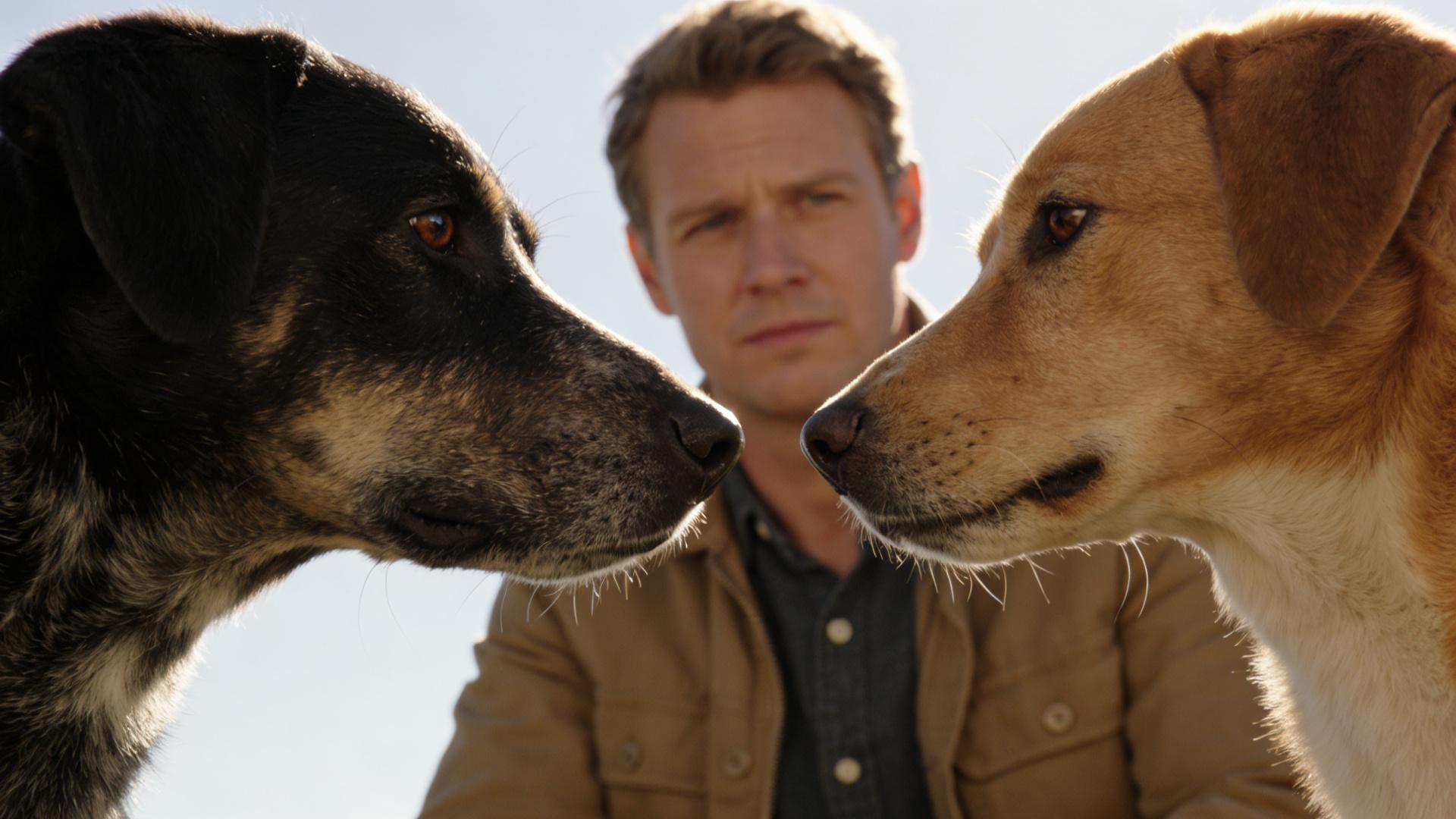
Status struggles seldom start with a full-blown fight. They are preceded by a silent conversation in body language. Becoming fluent in this language is your first tool in preventing fights between dogs. Key signs of tension include:
- Hard staring with a stiff body.
- Blocking access to spaces, people, or objects.
- "Standing over" another dog.
- Excessive mounting (often about status, not sexuality).
- Subtle lip licks, whale eye (showing the whites of the eyes), or tense, closed mouths when another dog approaches.
Observing these interactions helps you identify the flashpoints in your dogs' relationship long before teeth are bared.
⚡ The Triggers of Turmoil: Common Causes of Disputes
Conflict rarely occurs in a vacuum. It is typically sparked by specific, manageable triggers. Identifying which ones apply to your home is 80% of the solution for multi-dog household conflict resolution.
🛡️ Resource Guarding: The Primary Catalyst
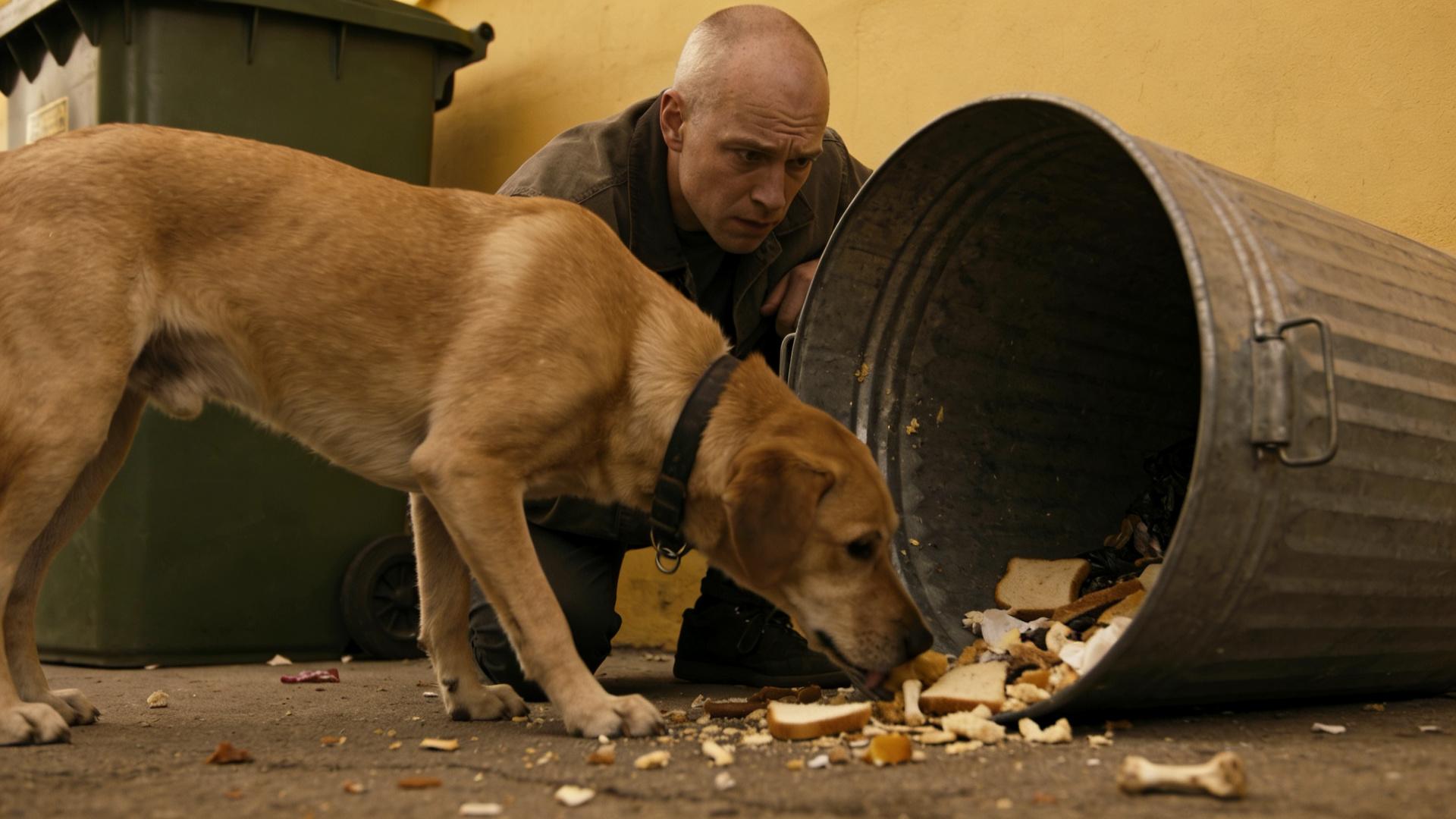
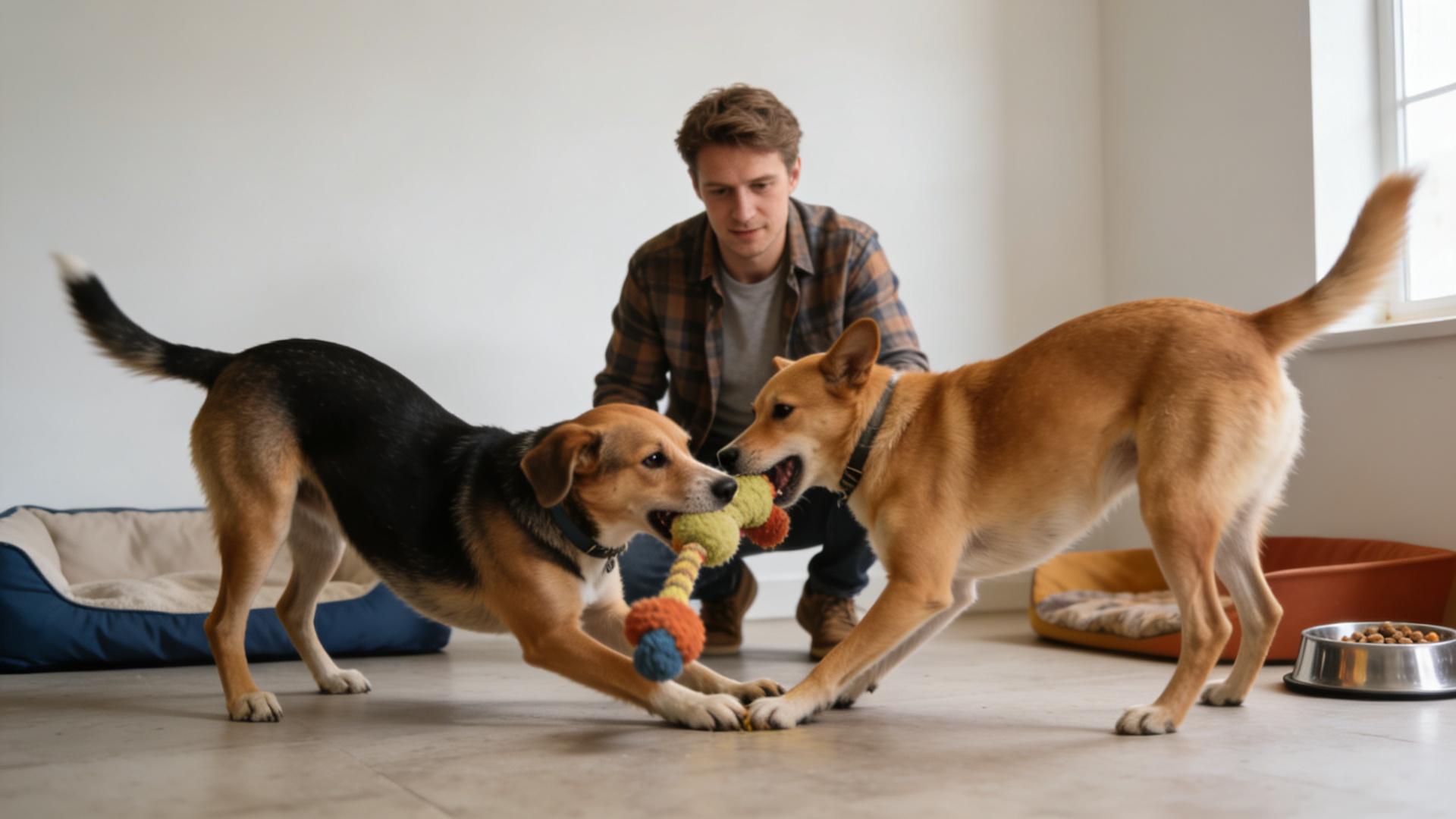
This is the #1 cause of fights in homes. Resources aren't just food and toys; they can be a prized bed, a favorite human, a doorway, or even a patch of sun on the floor. When a dog perceives a valuable resource as limited and feels the need to defend it, aggression can erupt instantly.
📉 Instability & Change
Dogs thrive on routine. A major change—a new family member, a move, a change in work schedule, the loss of a pet—can shatter the established social equilibrium, forcing a re-negotiation of roles that may turn violent.
⚡ Frustration and Pent-Up Energy
Insufficient physical exercise and mental stimulation create a ticking time bomb of frustration. This energy has to go somewhere, and it often manifests as hyperactivity, irritability, and a drastically lowered threshold for conflict. A bored dog will start trouble simply because it's something to do.
👴🏽👶 Age & Health Shifts
An older dog may become less tolerant of a young, bouncy housemate. A dog in pain (e.g., from liver issues, arthritis, or dental disease) may snap when approached or touched. Always rule out medical causes for sudden behavioral changes with your veterinarian.
🏗️ The Four-Pillar Framework: Rebuilding Hierarchy from the Ground Up
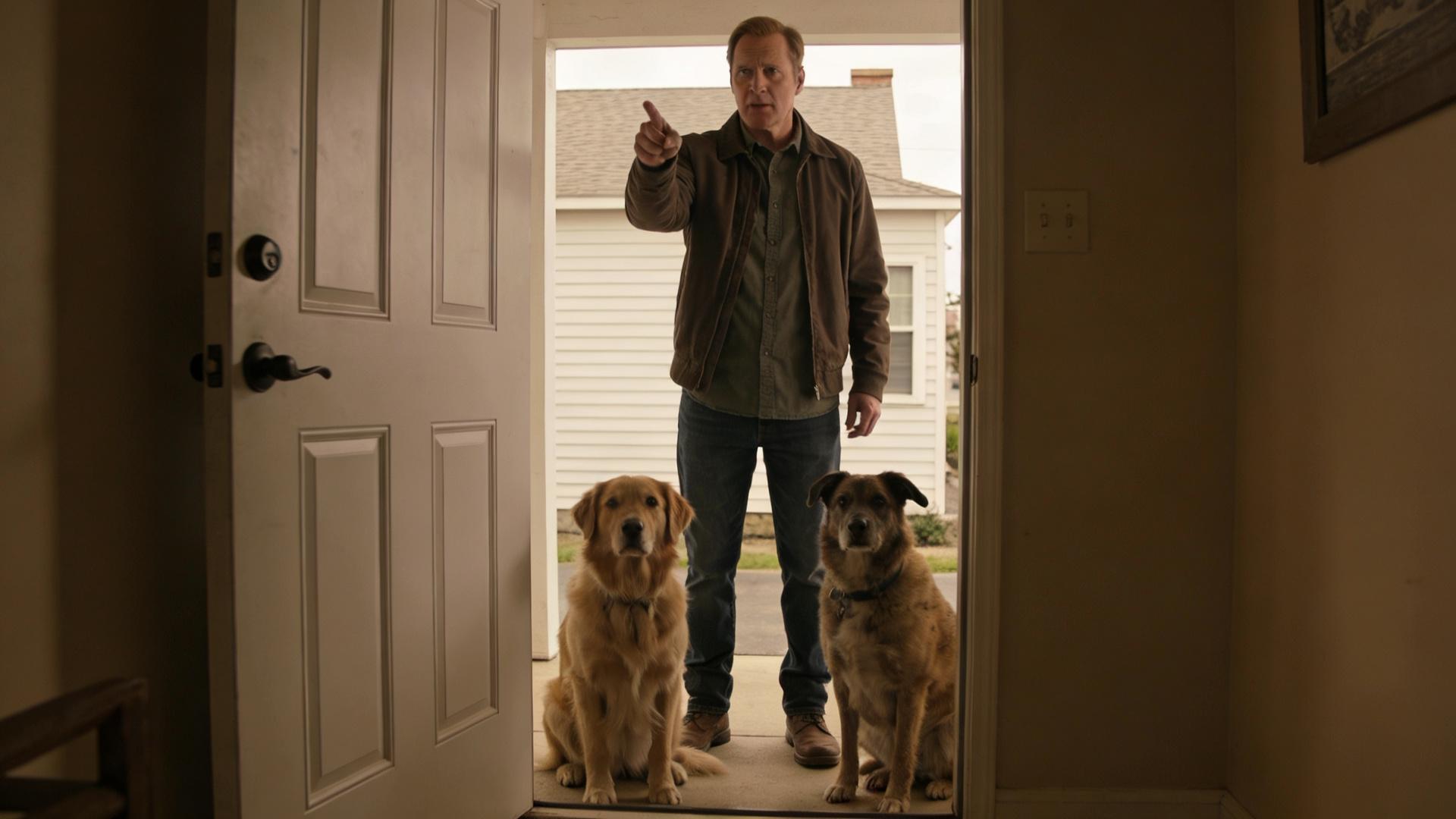
Rebuilding dog hierarchy is a systematic process. It requires patience and absolute consistency. Implement these pillars in order, as each builds upon the last.
Pillar One: Establish Calm, Consistent Leadership
Leadership is not about intimidation; it's about trust and predictability. Set simple, non-negotiable house rules for all dogs (e.g., no dogs on furniture, must sit before doors open, no crowding at meal times). Enforce them evenly and calmly. Use a neutral tone. Your emotional state sets the tone for the entire home—if you are anxious or loud, they will be too.
Pillar Two: Become the Guardian of All Resources
This is the most powerful tool for establishing pack order peacefully. You control the "currency." This means:
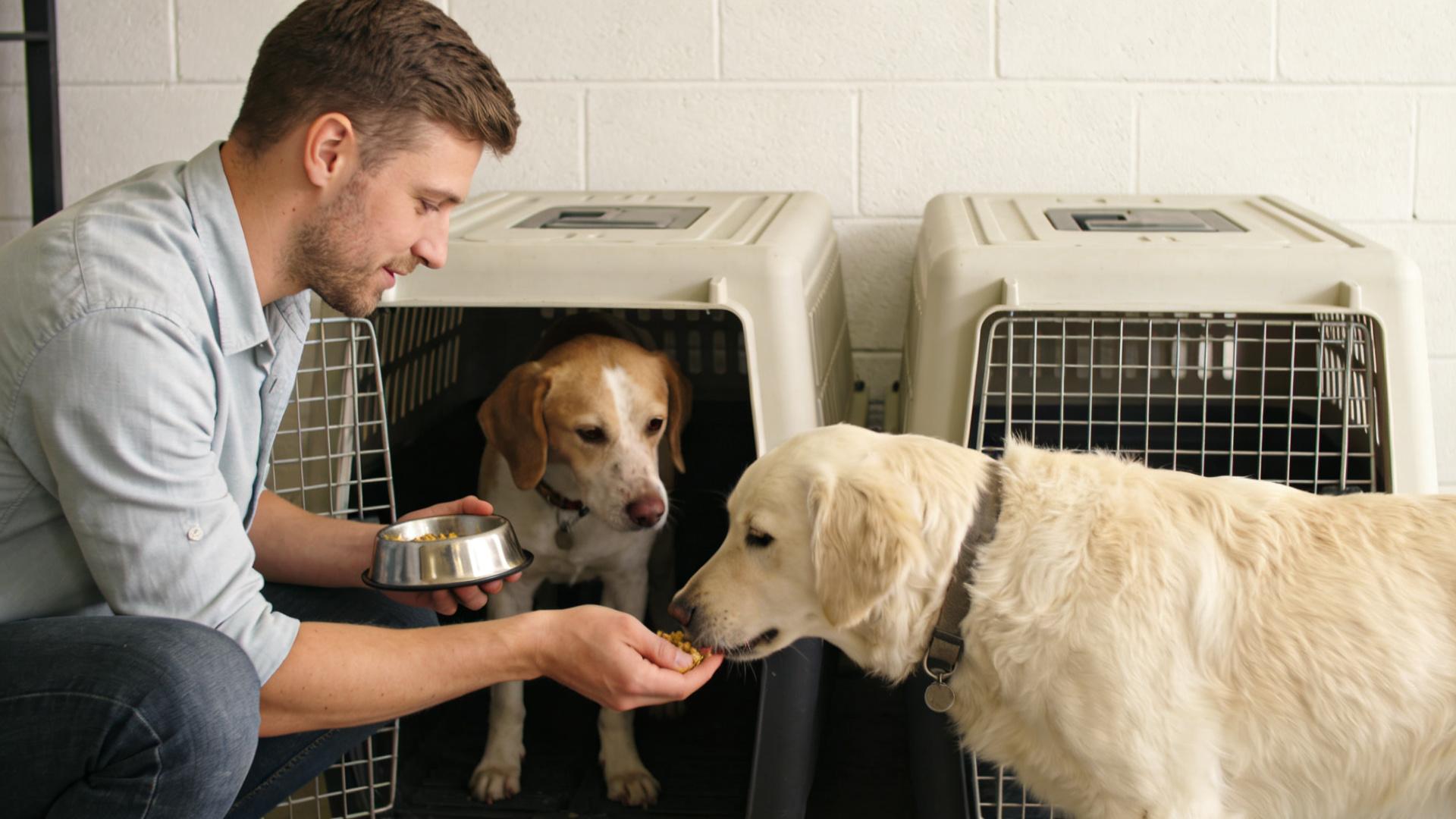
Feed dogs separately, in crates or different rooms, to eliminate food-based competition entirely.
Supervise and manage toy time. Toys are put away and only given during supervised play sessions. If tension rises, the toy disappears.
Manage space and attention. Pet and greet dogs individually. Teach them to wait their turn. Provide separate, equally valued resting areas.
Pillar Three: Implement a Structured Daily Routine
Predictability equals safety. Create a schedule for:
- Scheduled feedings (not free-feeding).
- Structured walks (more on this below).
- Individual training sessions.
- Mandated quiet/crate time.
This structure removes the anxiety of "what happens next?" and reinforces that all good things come through you, on a predictable schedule.
Pillar Four: Leverage Positive Reinforcement Strategically
Reward the behavior you want to see. Heavily reinforce calm, polite behavior and cooperation. If one dog calmly looks away from another who is passing by, mark and reward that! This is dog behavior modification at its finest—you are actively shaping their interactions to be peaceful.
🛠️ Practical Steps for Peace: Daily Techniques for Harmony
With the framework in place, these daily practices bring the theory to life for restoring peace in dog home.
🚪 The Power of Structured Walks
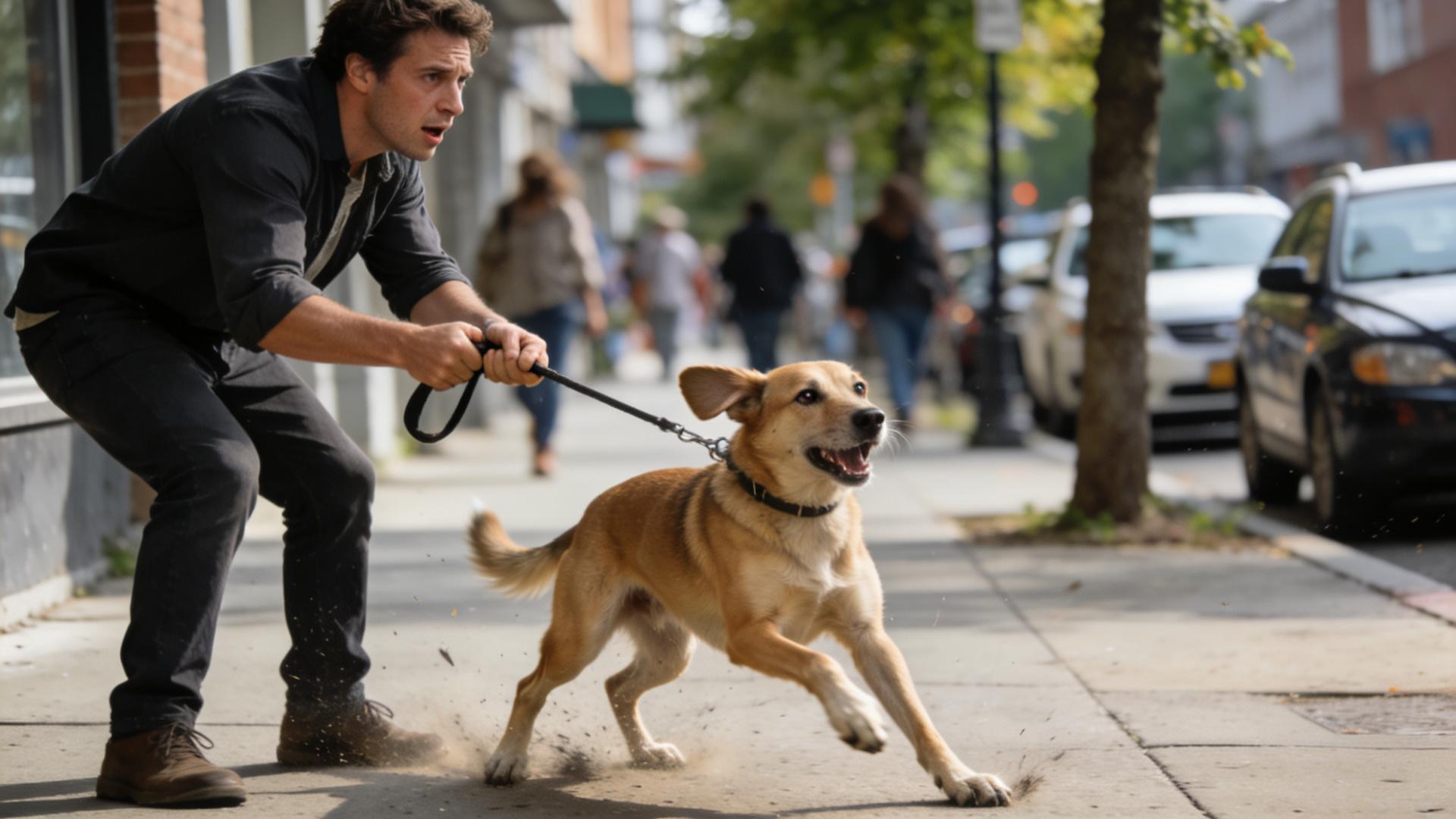
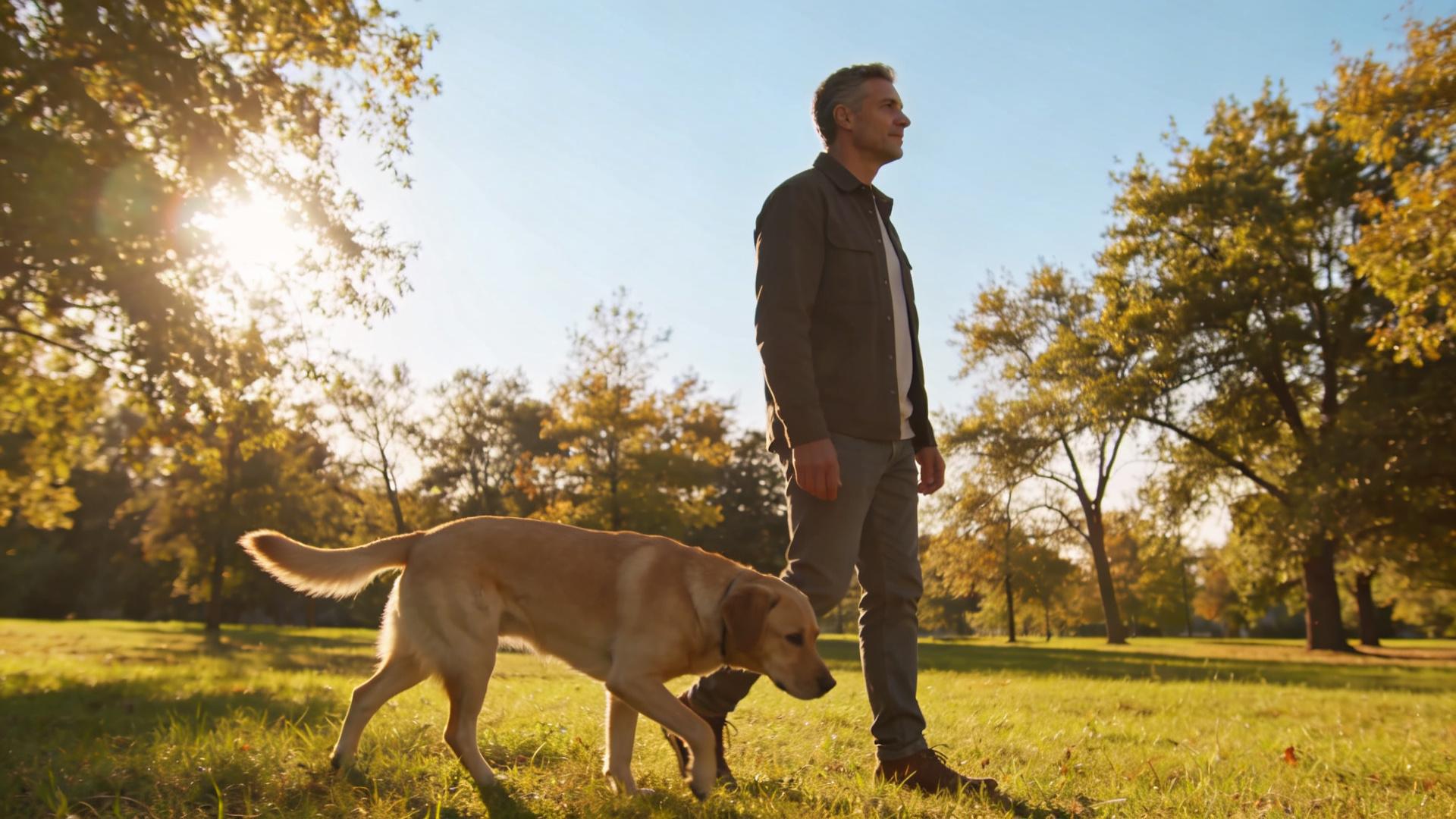
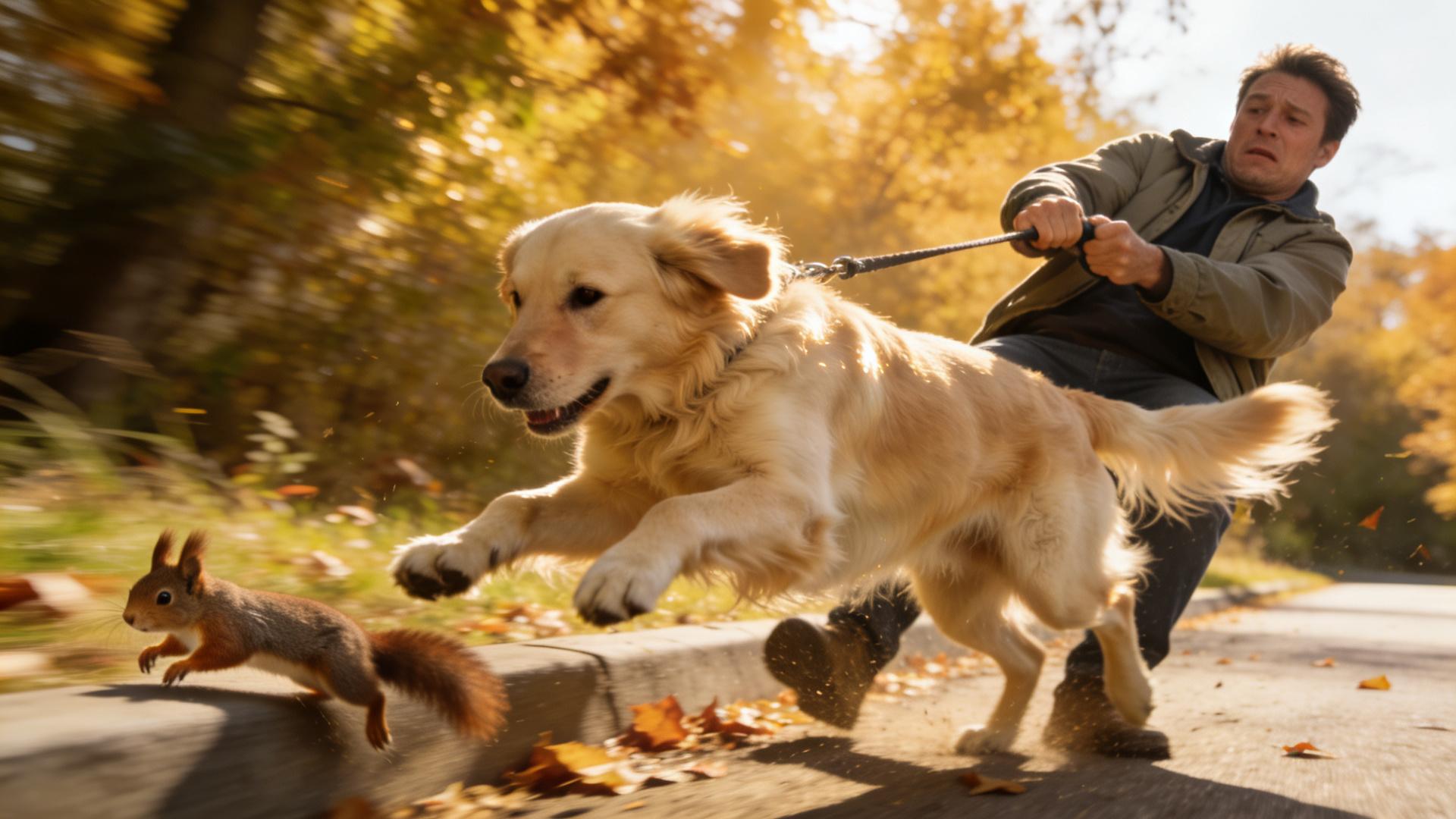
Walking all dogs together, with you clearly leading, is a profound bonding and hierarchy-building exercise. Start by walking each dog individually to train loose-leash walking. Then walk them together, with the more excitable dog closer to you. The shared, focused activity builds a team mentality and healthily drains energy.
✋ Obedience as a Management Tool
Practice core commands—sit, stay, place, leave it—with each dog individually and as a group. Use these commands to preemptively manage interactions. Before releasing dogs into the yard, have them all sit and wait. Use "place" commands to send dogs to their beds during exciting times (like when guests arrive).
🚨 Breaking Up Fights Safely & Effectively
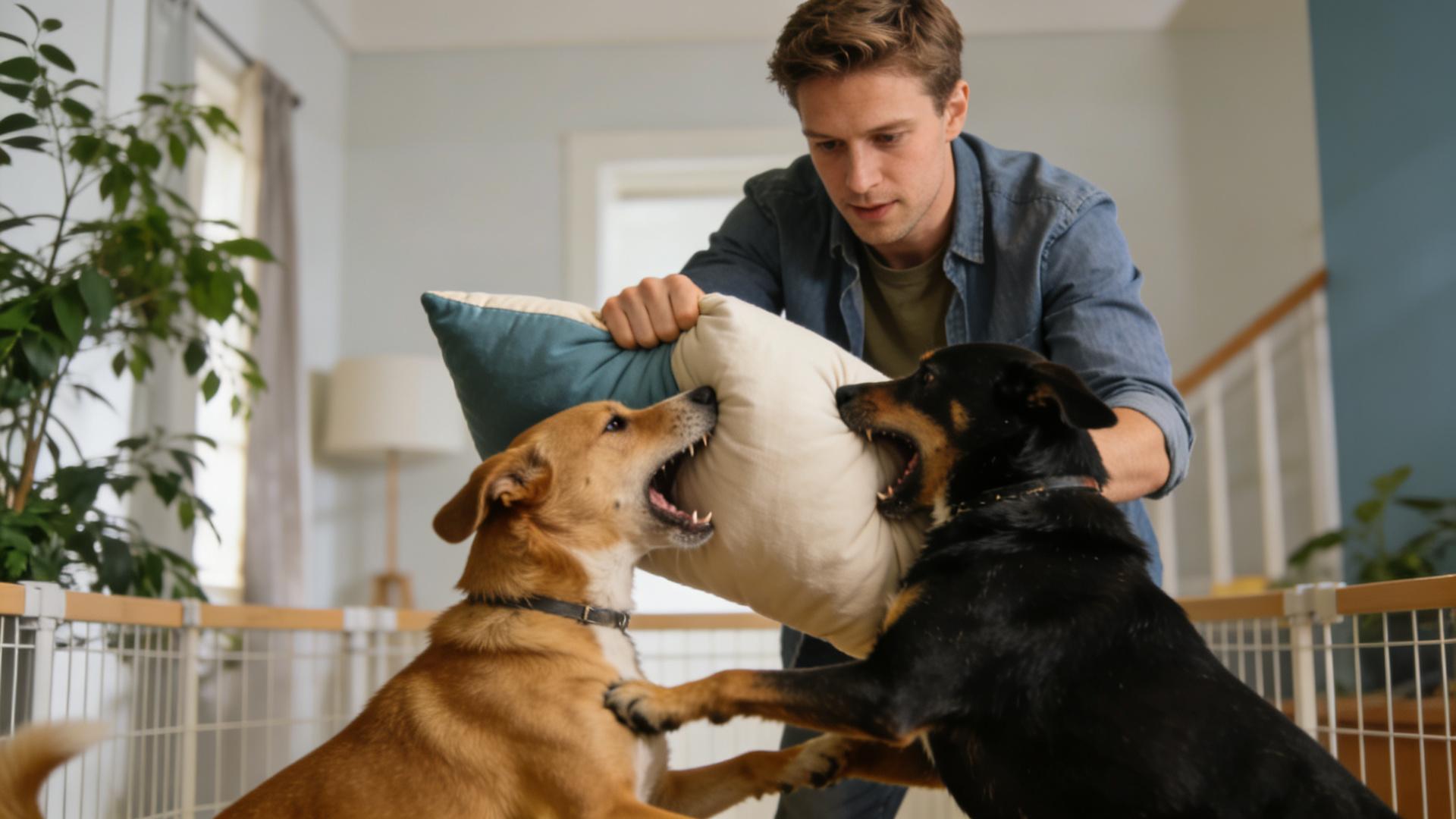
Special Reminder: Never reach into a dog fight with your hands. Instead, use a loud, startling sound (air horn, shaken can of coins, loud "HEY!"), a barrier (baby gate, pillow, board), or a distraction (spray of water). The goal is to interrupt, not punish. After a conflict, separate the dogs completely for at least an hour to let adrenaline subside, then reintroduce calmly on neutral ground, like during a walk.
🏠 Create Individual Safe Havens
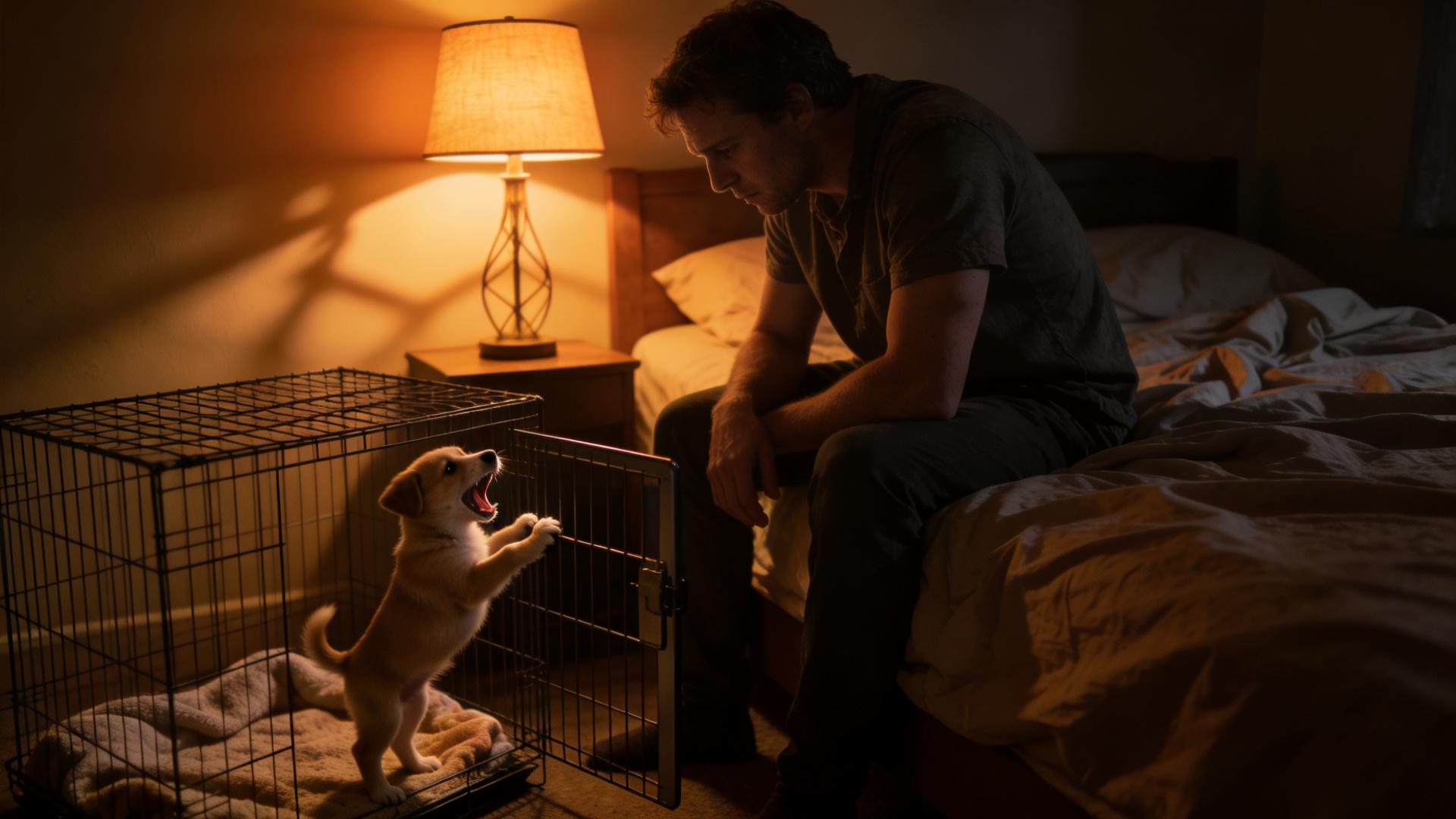
Every dog must have a safe, personal space where they can retreat and not be bothered—a crate, a separate room, or a designated bed. Teach children and other pets to respect these sanctuaries. This is crucial for rebuilding trust between dogs in home.
📈 Advanced Training and Long-Term Management
For lasting canine conflict management, integrate these advanced concepts.
🧠 Mental Stimulation is Non-Negotiable
A mentally tired dog is a peaceful dog. Use food puzzles, snuffle mats, frozen Kongs, and short, fun training sessions daily. This redirects mental energy away from conflict and into productive channels.
👀 Proactive Supervision
Until peace is solidly established, never leave dogs with a history of conflict together unsupervised. Use baby gates, crates, and rotations. Supervise all play, and initiate breaks before play gets too heated.
🆘 Knowing When to Call a Professional
If fights are severe, cause injury, or you feel overwhelmed, seek help from a certified professional dog behavior consultant or veterinary behaviorist. They can provide personalized plans for resolving dominance issues in dogs and ensure safety for all. This is a sign of responsible ownership, not failure.
🌈 Conclusion: The Journey to Lasting Harmony
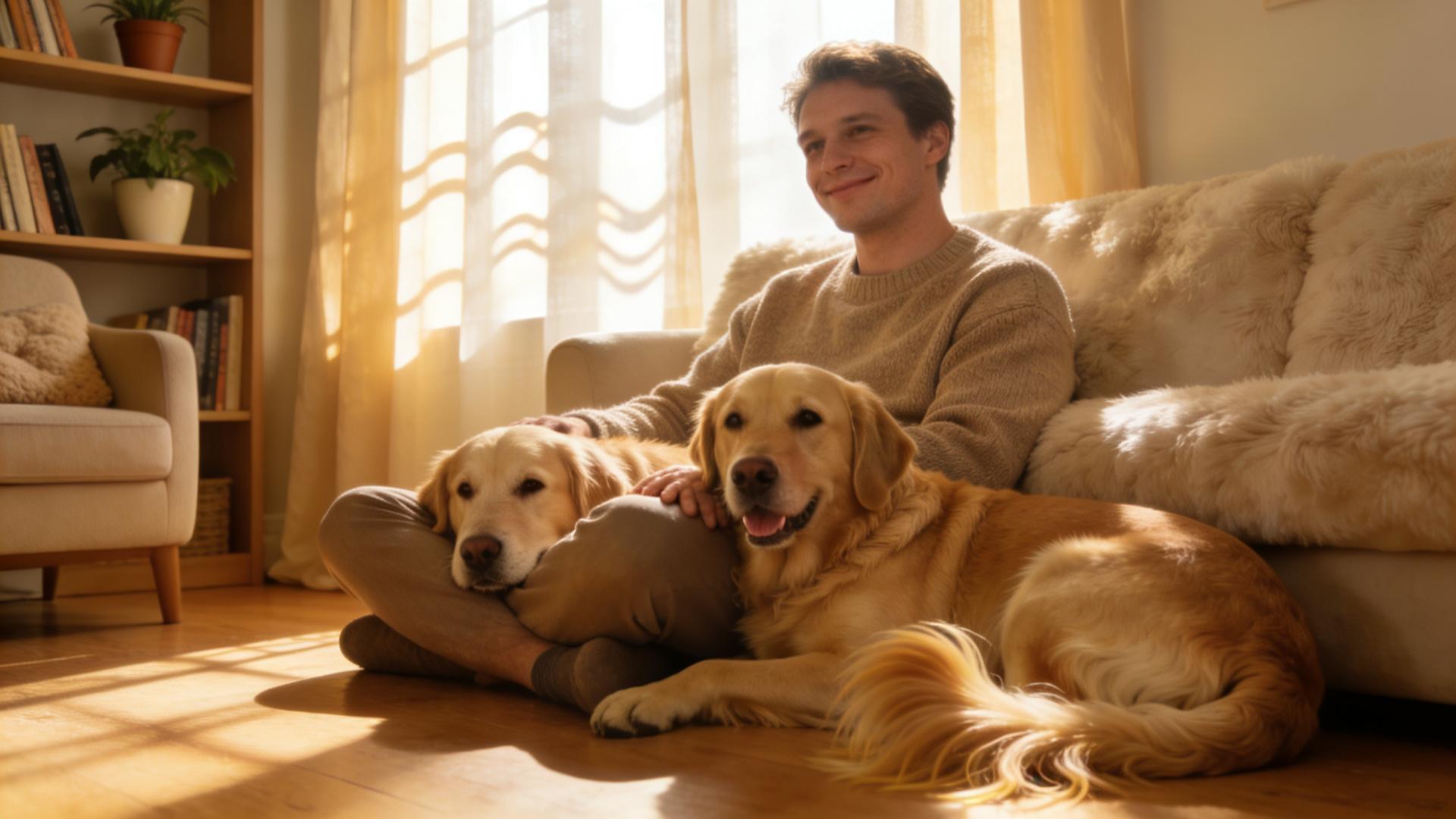
Rebuilding hierarchy and peace in a multi-dog household is indeed a journey, not a quick fix. It demands your patience, keen observation, and unwavering consistency. There will be setbacks, but by applying this structured approach—establishing calm leadership, controlling resources, enforcing routine, and reinforcing peace—you are not just stopping fights; you are creating a new, stable social architecture for your canine family. You are transforming conflict into cooperation, tension into trust. Embrace your role as the benevolent leader your dogs need, and you will witness the profound joy of creating harmony in a multi-dog household. Thank you for your dedication to your dogs' lifelong wellbeing and happiness.