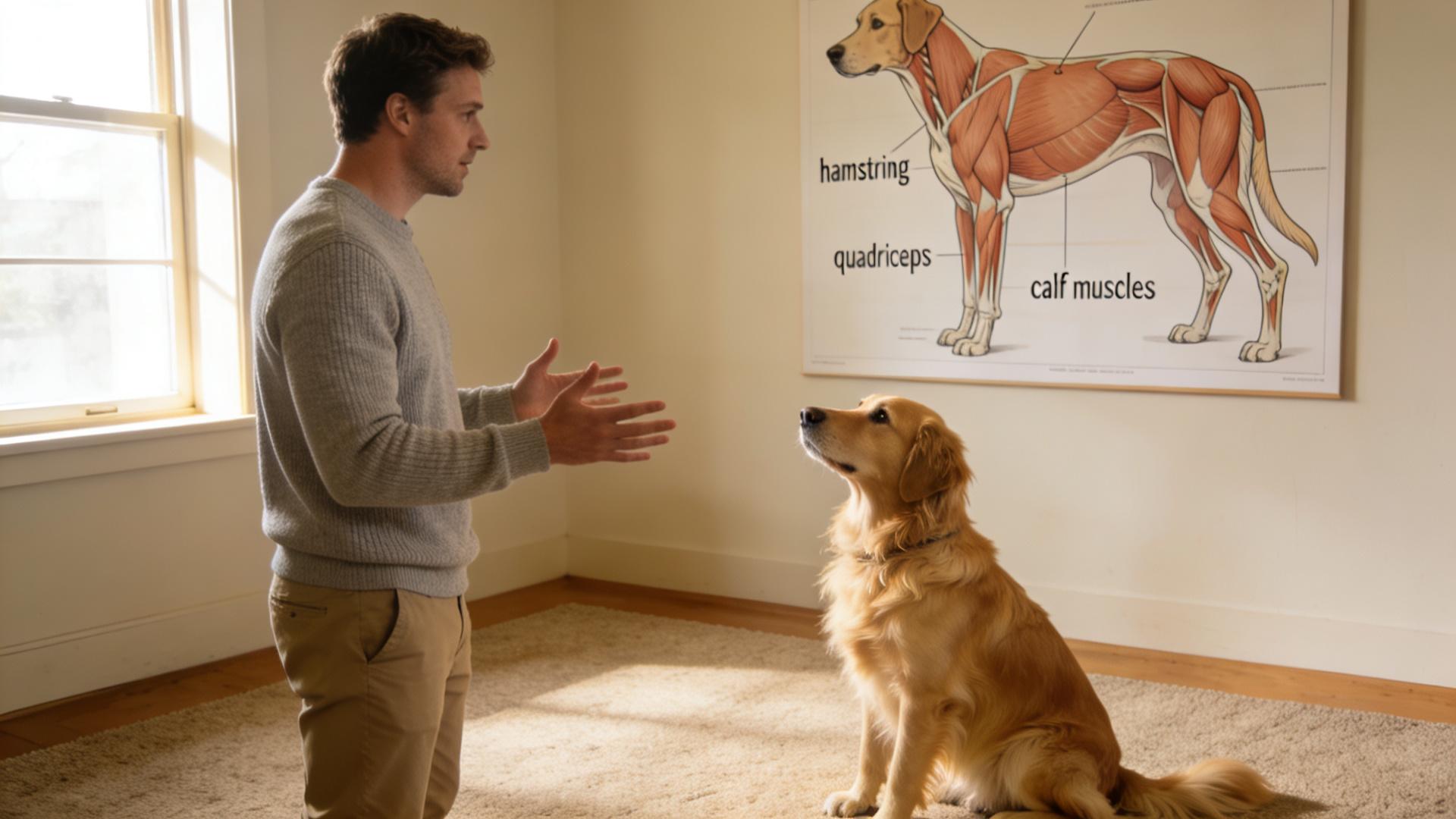
Does your dog inhale their dinner in seconds, only to look up with a bored, "What's next?" expression? 🐾 You're not alone. Rapid eating and under-stimulation are common canine complaints with potentially serious consequences. Enter the humble food-dispensing ball—a deceptively simple tool that can revolutionize your dog's daily routine. More than just a toy, it's a portal to enrichment, transforming a mundane meal into a rewarding, brain-engaging adventure. This comprehensive guide delves deep into practical, professional strategies to maximize this tool's potential. You'll learn to artfully slow down a speed-eater, provide essential mental exercise, and cultivate a happier, more fulfilled companion.
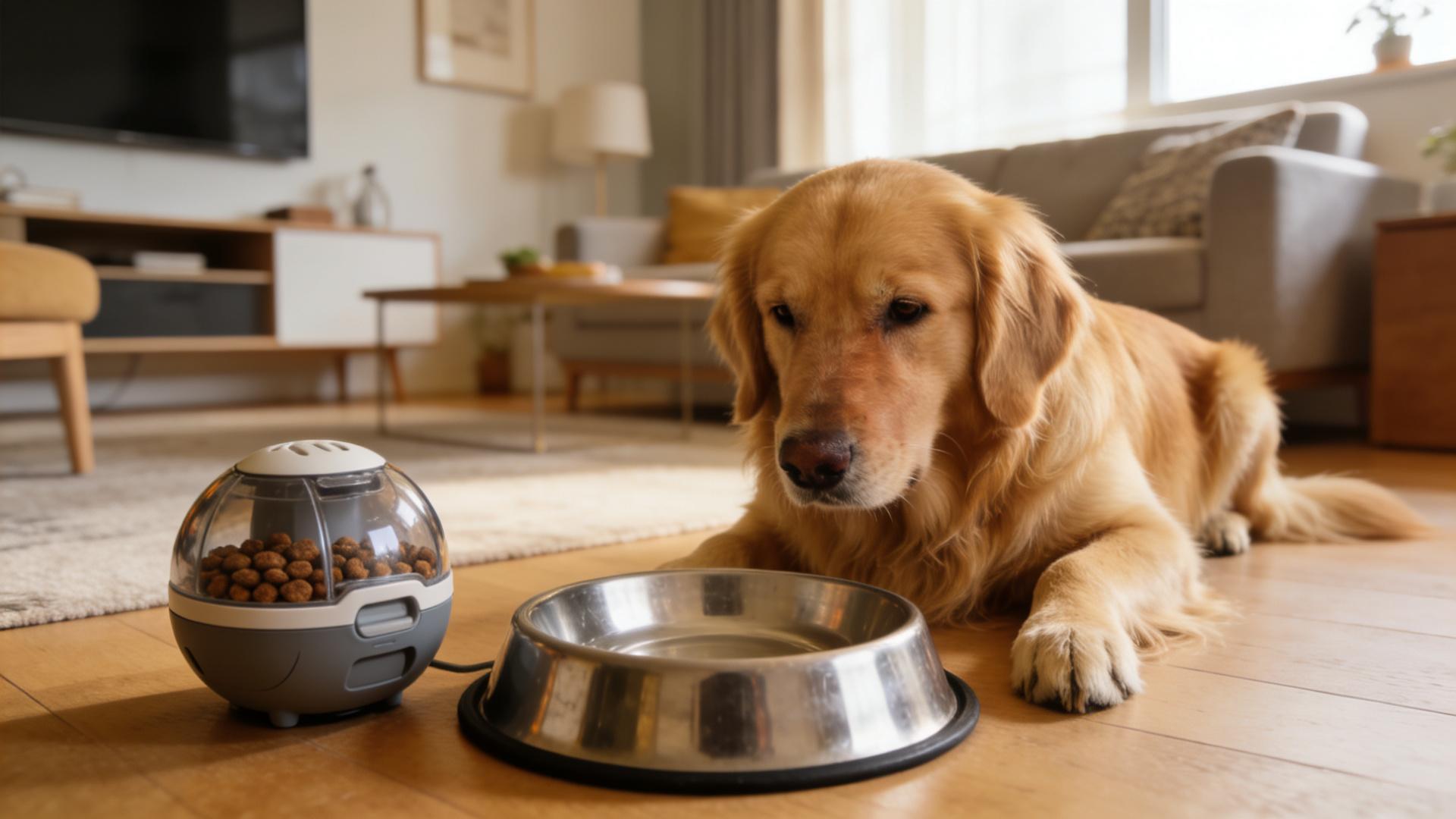
🐕 Why a Food Ball? The Problem & The Promise
Before we dive into the "how," let's understand the "why." Dogs are opportunistic scavengers and problem-solvers by nature. The modern domestic life of two predictable bowls of food a day strips away their need to work for sustenance. This can lead to:
- Physical Health Risks: Bloat (GDV), a life-threatening condition, is strongly linked to rapid food consumption. Slower eating promotes better digestion and nutrient absorption.
- Behavioral Issues: Boredom and pent-up mental energy are primary drivers of destructive chewing, excessive barking, and other nuisance behaviors.
- Wasted Potential: Dogs are intelligent creatures. Without cognitive challenges, they miss out on a key component of their well-being.
A food-dispensing ball directly addresses these issues by tapping into your dog's natural foraging instincts. It turns calorie intake into an active, thinking process.
🎯 Ten Pro Tips for Food Ball Success
Success with a puzzle ball isn't automatic. Implementing these strategic tips will ensure a positive, safe, and highly beneficial experience for both you and your dog.
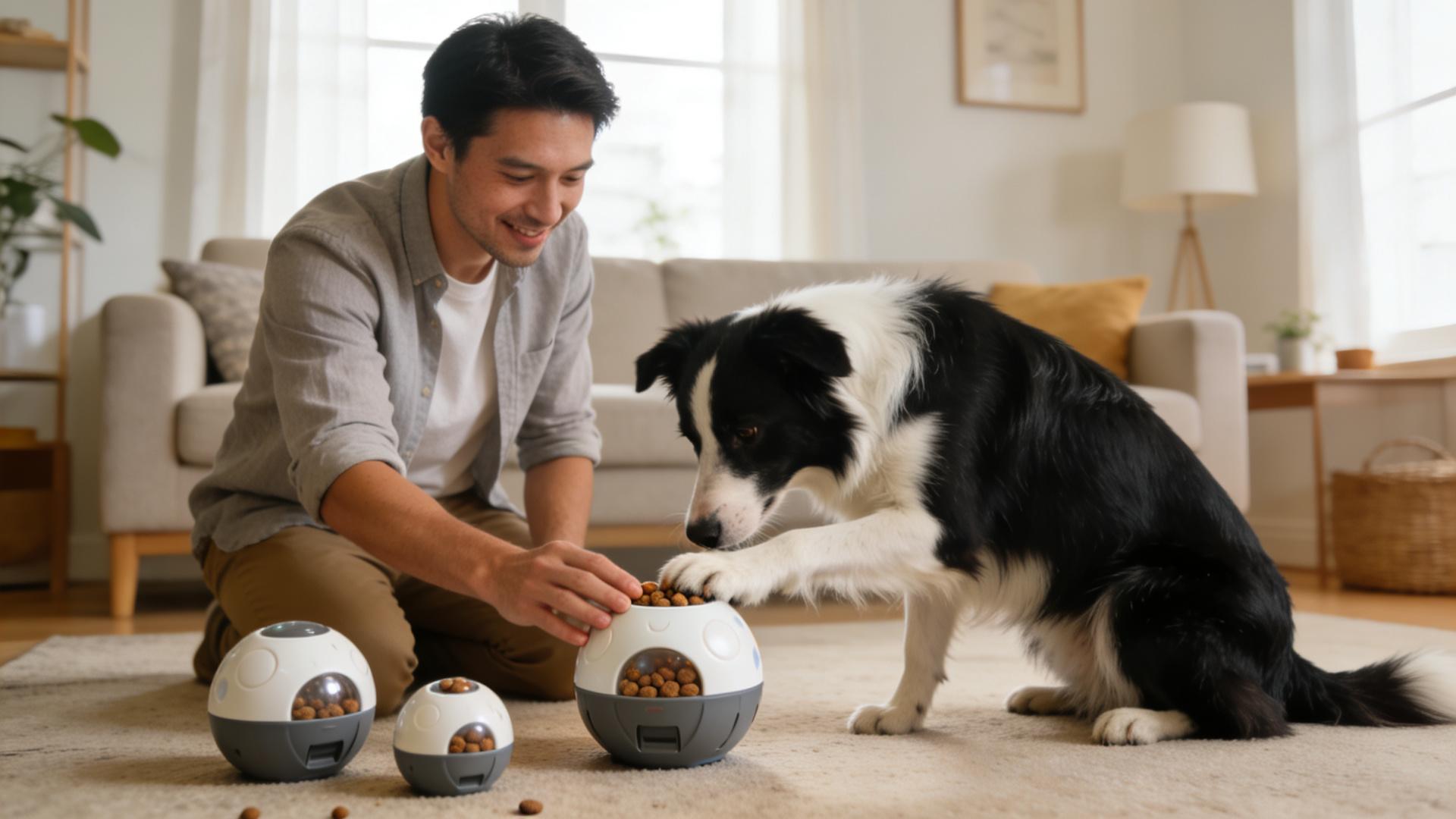
💡 1. Start Simple & Build Confidence
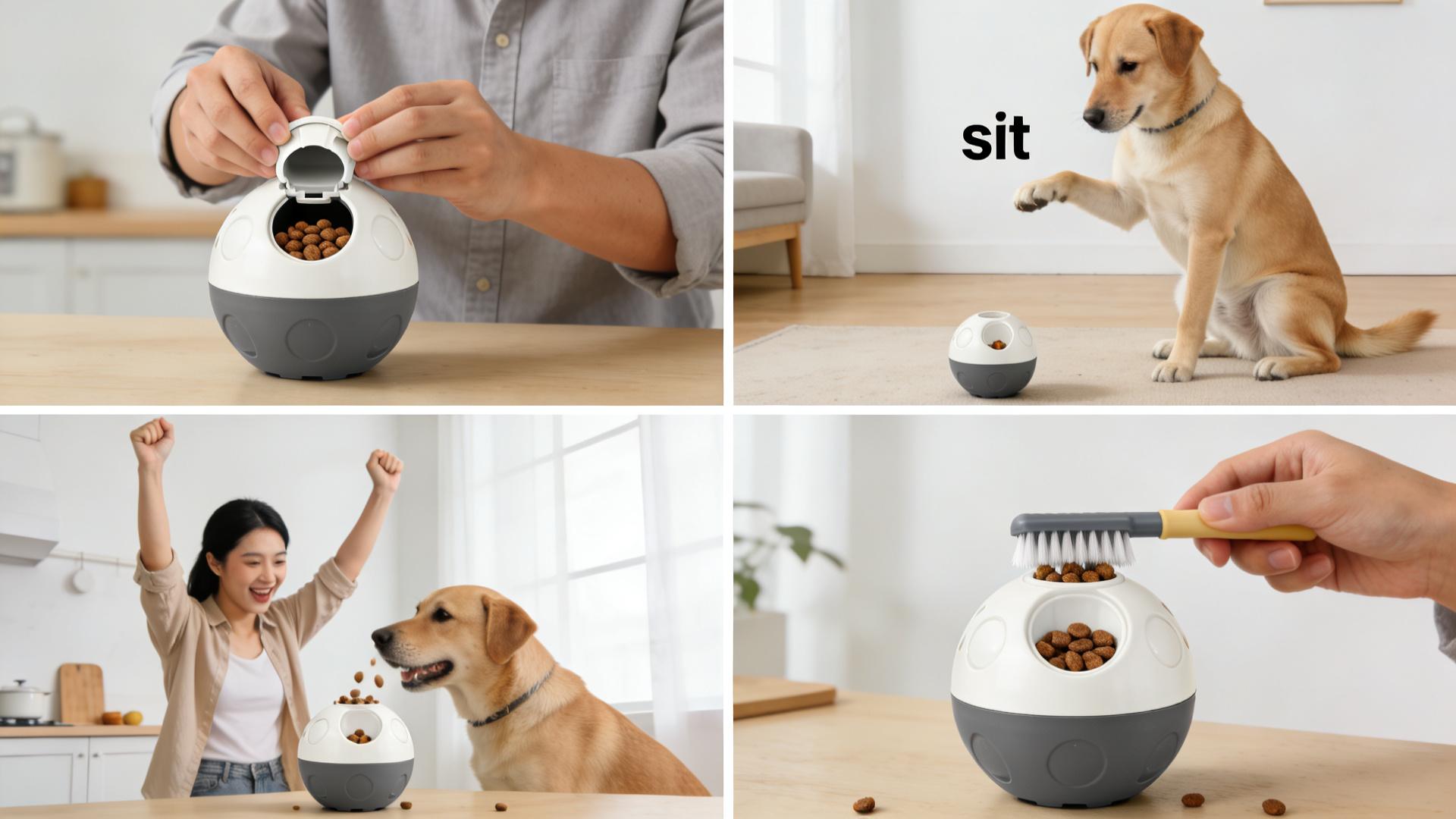
Special Reminder: The first experience is critical. Begin with the easiest possible configuration. Choose a ball with large openings or an adjustable model set to its widest setting. Fill it with highly enticing, low-calorie treats or a portion of your dog's regular kibble. The goal is for the dog to understand the cause-and-effect relationship (nudge ball = food falls out) within the first few minutes. An initial win builds excitement and confidence, turning the ball into a positive object. A frustrated dog who can't figure it out may reject the toy entirely.
👀 2. Supervise the Initial Sessions
Never leave your dog alone with a new puzzle toy during the introductory phase. Your presence allows you to:
- Ensure Safety: Monitor for any overly aggressive chewing that could damage the ball or your dog's teeth.
- Guide Learning: If your dog seems stuck, gently nudge the ball to demonstrate it moves and dispenses food.
- Gauge Frustration Levels: Learn your dog's tolerance. A little puzzle-solving is good; overwhelming frustration is counterproductive.
⚖️ 3. Choose the Right Tool for the Job
Not all dispensing balls are created equal. Selection is key:
- Size: The ball should be large enough that it cannot be easily picked up and carried off to a corner (which defeats the active play aspect) but not so large your dog can't nudge it with their nose or paw.
- Difficulty: Match the complexity to your dog's brain power and drive. A clever, persistent Border Collie will need a more challenging model sooner than a laid-back Bulldog. Look for balls with internal baffles, adjustable holes, or irregular weight distribution to increase the challenge.
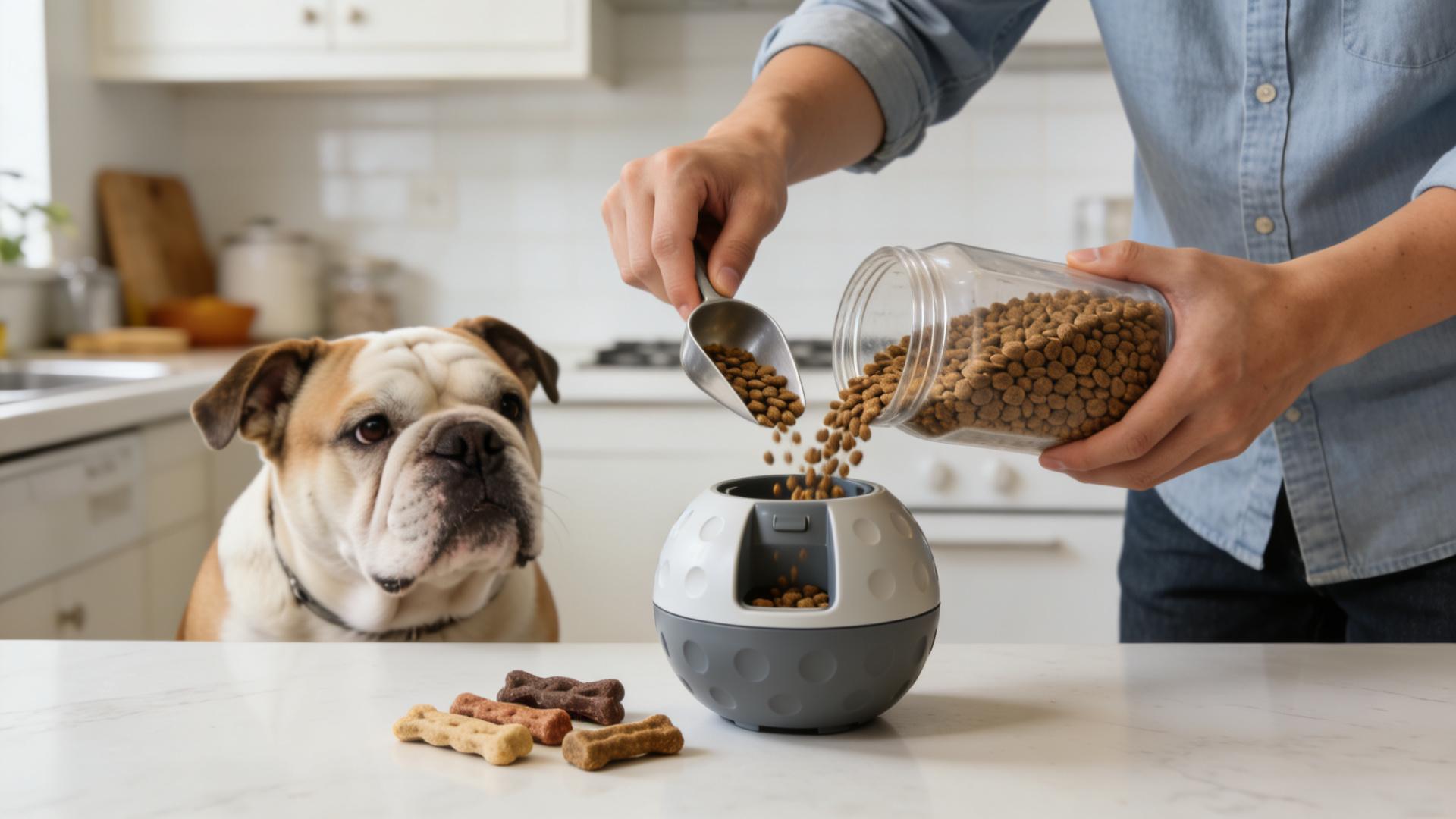
🍖 4. Use Only Dry Food & Appropriate Treats
This is a non-negotiable rule for hygiene and functionality. Only use:
- Your dog's regular dry kibble (this is the most practical and healthy option).
- Small, hard training treats.
- Special low-calorie dog food biscuits designed for treats.
📊 5. Measure the Meal, Manage the Calories
A food-dispensing ball is not an extra snack station. The food placed inside must be deducted from your dog's total daily caloric allowance. If your dog gets 1 cup of kibble per day, you might put ½ cup in their bowl and ½ cup in the ball. Failure to do this is a common pitfall leading to unintentional weight gain. Consider it a portion-controlled, active feeding method.
🏠 6. Create a Safe, Dedicated Play Space
Environment matters. Use the ball on a non-slip, hard surface like hardwood, tile, or low-pile carpet. Clear the area of:
- Fragile items (lamps, vases).
- Clutter where the ball could become lodged under furniture.
- Other pets during the session to prevent resource guarding.
An open, puppy-proofed room or a clear kitchen floor is ideal.
🧠 7. Progressively Ramp Up the Challenge
Once your dog is a pro at the basic roll-and-eat, it's time to level up! This mental stimulation must evolve to remain effective. Advanced tactics include:
- Using a ball with smaller or fewer openings.
- Adding internal dividers (if the model has them).
- Partially blocking some holes with dog-safe tape to create a more unpredictable dispense pattern.
- Using it on a slight incline or in a hallway to change the movement dynamics.
This gradual progression keeps your dog's brain engaged and prevents boredom with the toy itself.
🎓 8. Seamlessly Integrate Obedience Training
Turn mealtime into a training opportunity. Before releasing your dog to the ball, ask for a "sit," "down," or a solid "stay." This reinforces impulse control and manners. You can even hide the ball in another room, have your dog stay, then release them to "find it!" This combines nose work with the puzzle-solving element, providing an even richer cognitive workout.
😄 9. Prioritize Positivity & Fun
If your dog walks away or seems disinterested, don't force it. Instead, re-spark the joy. Pick up the ball, shake it enticingly, and help a few pieces fall out. Celebrate when they engage. The core objective is enrichment and fun, not creating a stressful exam. Keep sessions relatively short (10-20 minutes) to end on a high note.
🧼 10. Maintain Hygiene with Regular Cleaning
Saliva and food dust will accumulate inside. Special Reminder: A dirty ball is a health hazard. Weekly cleaning is a must. Wash with warm, soapy water, use a bottle brush for the interior, rinse thoroughly, and allow it to air-dry completely before refilling. This prevents mold and keeps the toy smelling fresh.
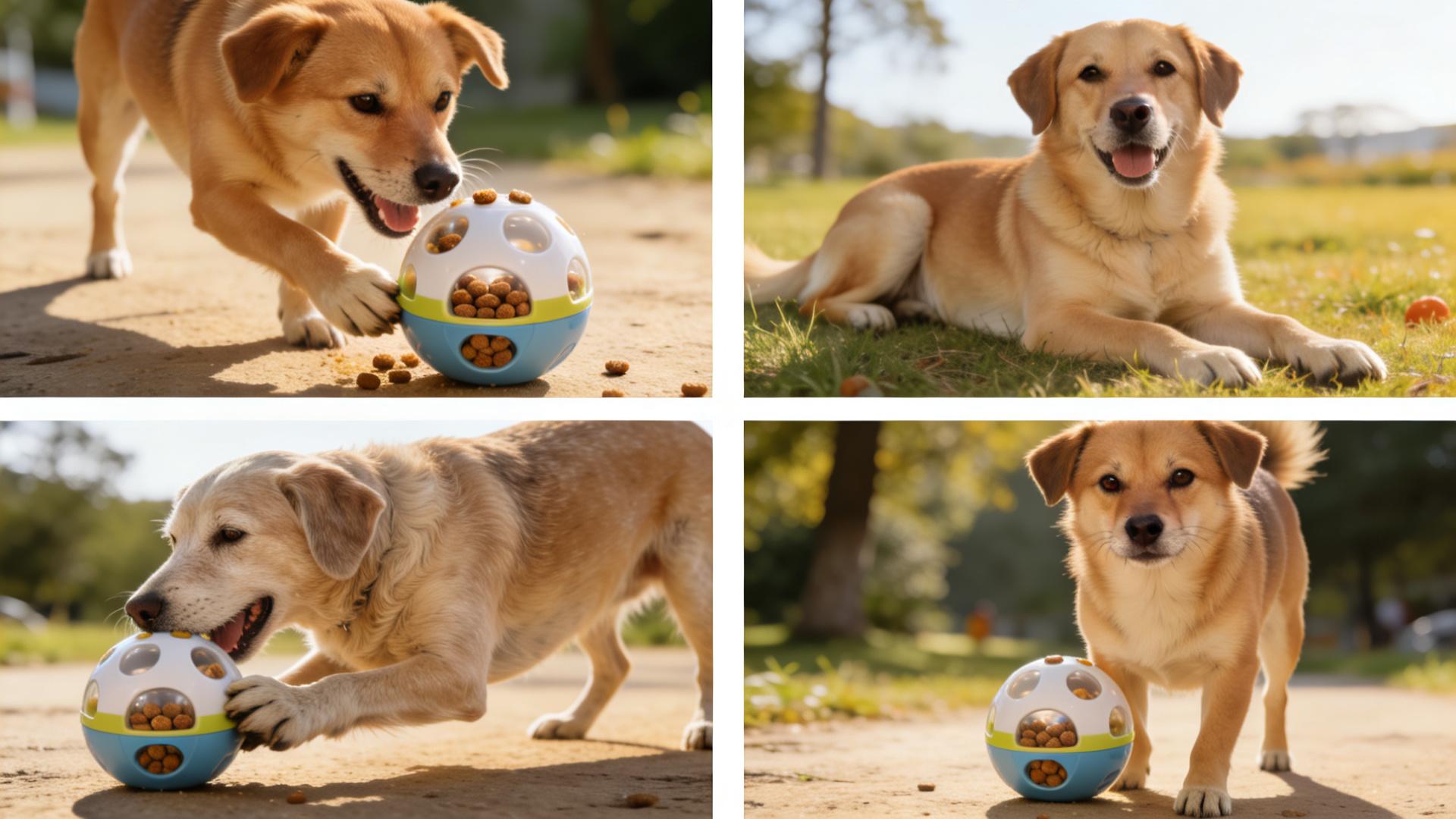
🌟 The Multifaceted Benefits: More Than Just a Slow Feeder
Consistent, correct use of a food-dispensing ball yields a impressive array of benefits that touch every aspect of your dog's life:
- Physical Health: Slows eating pace, significantly reducing the risk of bloat, improving digestion, and promoting a healthier weight by extending satiety signals.
- Mental Health: Provides essential mental exercise that tires a dog as effectively as physical activity. This is crucial for preventing and managing anxiety, boredom, and the destructive behaviors that stem from them.
- Behavioral Enrichment: Satisfies innate foraging and problem-solving drives, leading to a more calm and content dog post-session. A mentally tired dog is a well-behaved dog.
- Light Physical Activity: Encourages gentle movement, pushing, and chasing, which is excellent for older dogs, those recovering from injury, or during inclement weather when walks are shortened.
- Confidence Building: Successfully solving the puzzle provides a sense of accomplishment, boosting confidence, especially in shy or timid dogs.
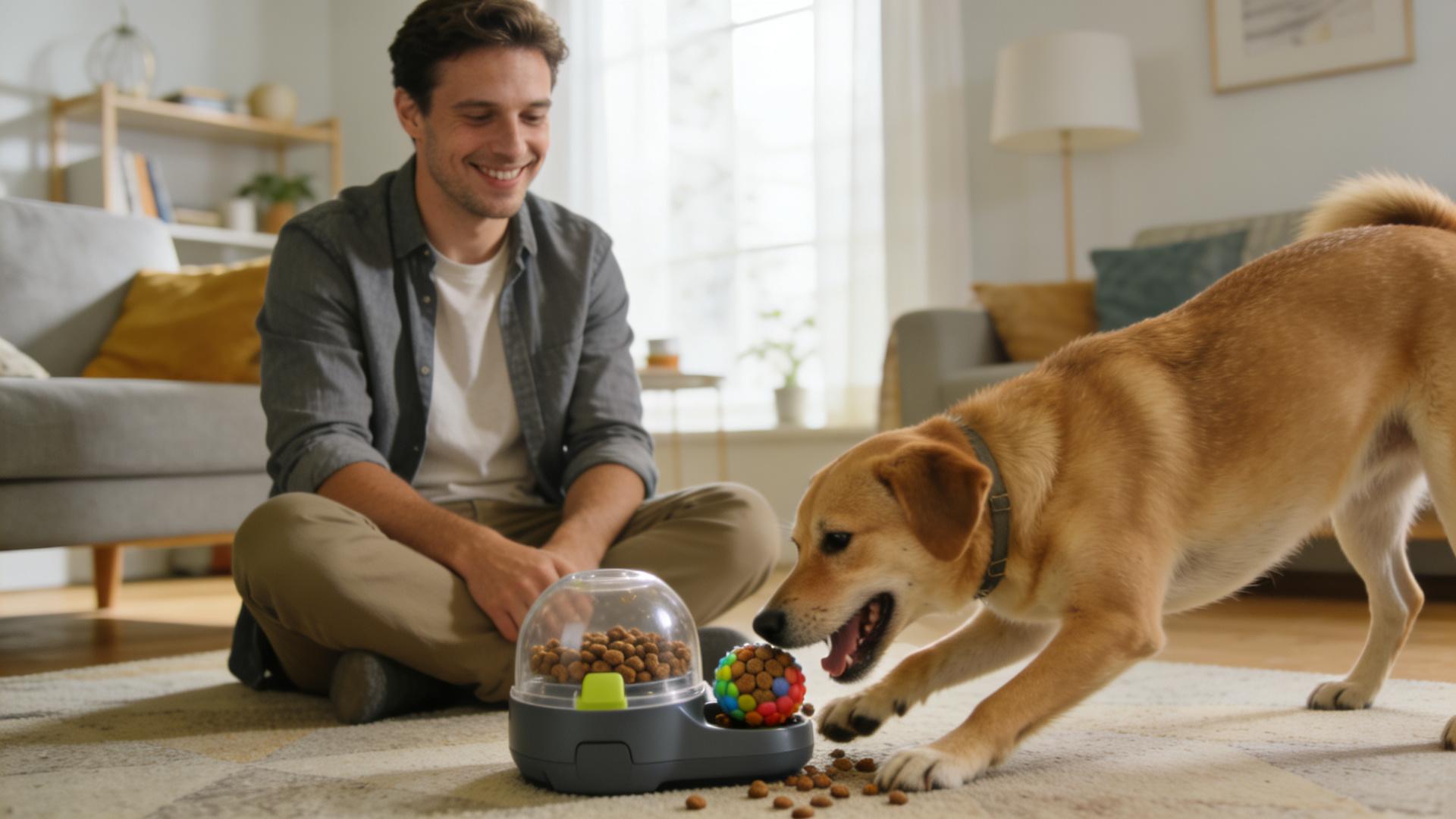
🎬 Conclusion: Your Gateway to Canine Enrichment
A food-dispensing ball is far more than a quirky pet accessory; it's a powerful, practical tool in your canine care arsenal. By strategically implementing these tips—starting simple, supervising, progressing challenges, and always prioritizing fun—you transform a daily chore into a cornerstone of your dog's mental and physical health. You're not just feeding your dog; you're engaging their brilliant mind, honoring their natural instincts, and promoting lasting well-being. The result? A happily tired dog, a peacefully quiet home, and the profound satisfaction of providing truly excellent care. Begin your dog's puzzle ball journey today, and watch the transformation unfold, one rolling kibble at a time. 🐕💭