
You May Have Missed
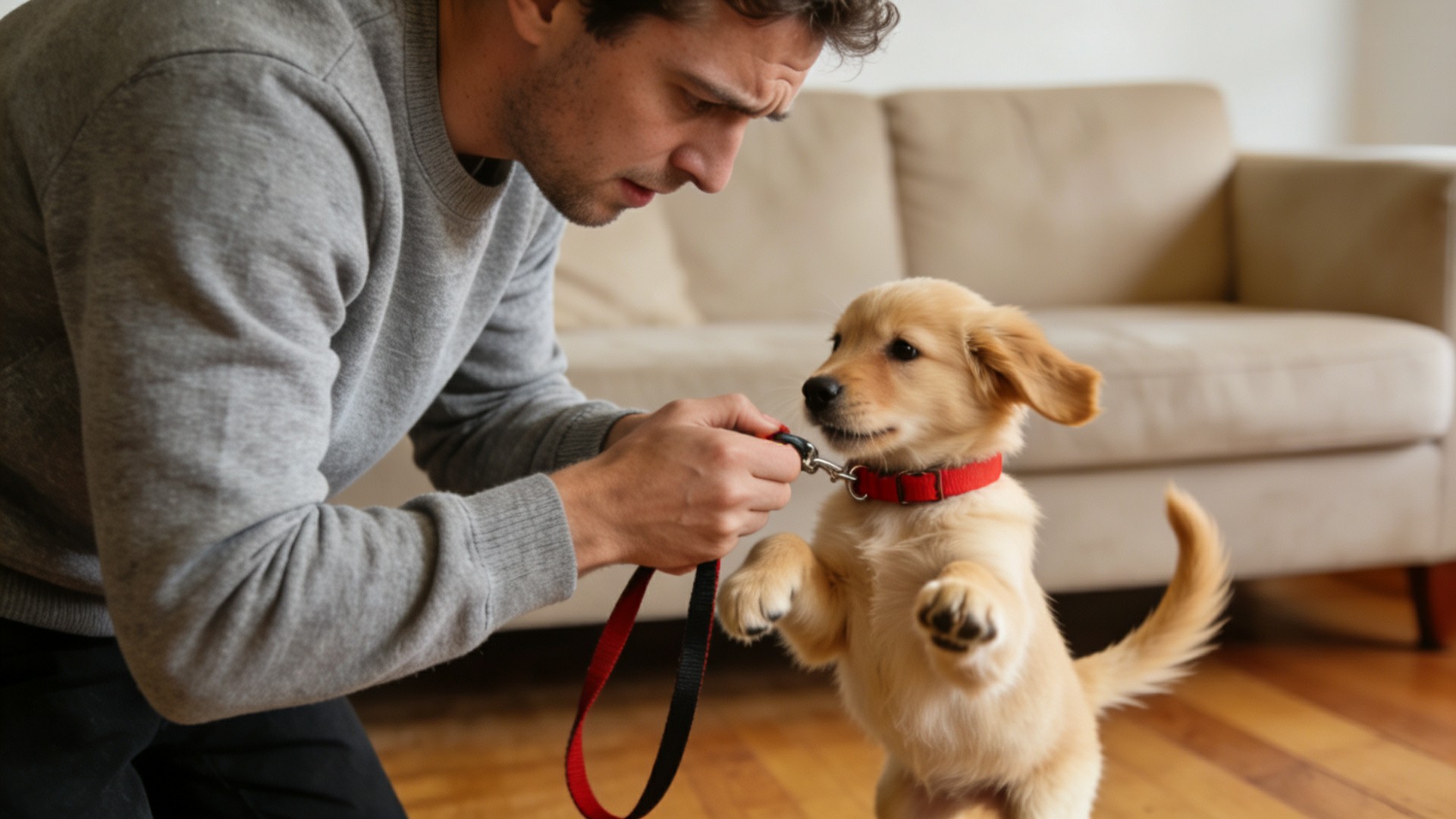
Early stages of leashing puppies: the nascent phase of saying goodbye to "dogs walking people".
The first clip of a leash onto your puppy’s collar is more than a simple act; it’s a profound, foundational moment in your lifelong journey together. This nascent phase is the critical genesis of communication, where the chaotic, instinctual pulls of a curious pup begin to transform into the structured, harmonious rhythm of a proper walk. It marks the intentional first step away from the frustrating and potentially dangerous era of "dogs walking people" and toward a partnership built on mutual respect, understanding, and gentle control. Success here sets the trajectory for all future outdoor adventures, turning the leash from a symbol of restraint into a tether of trust.
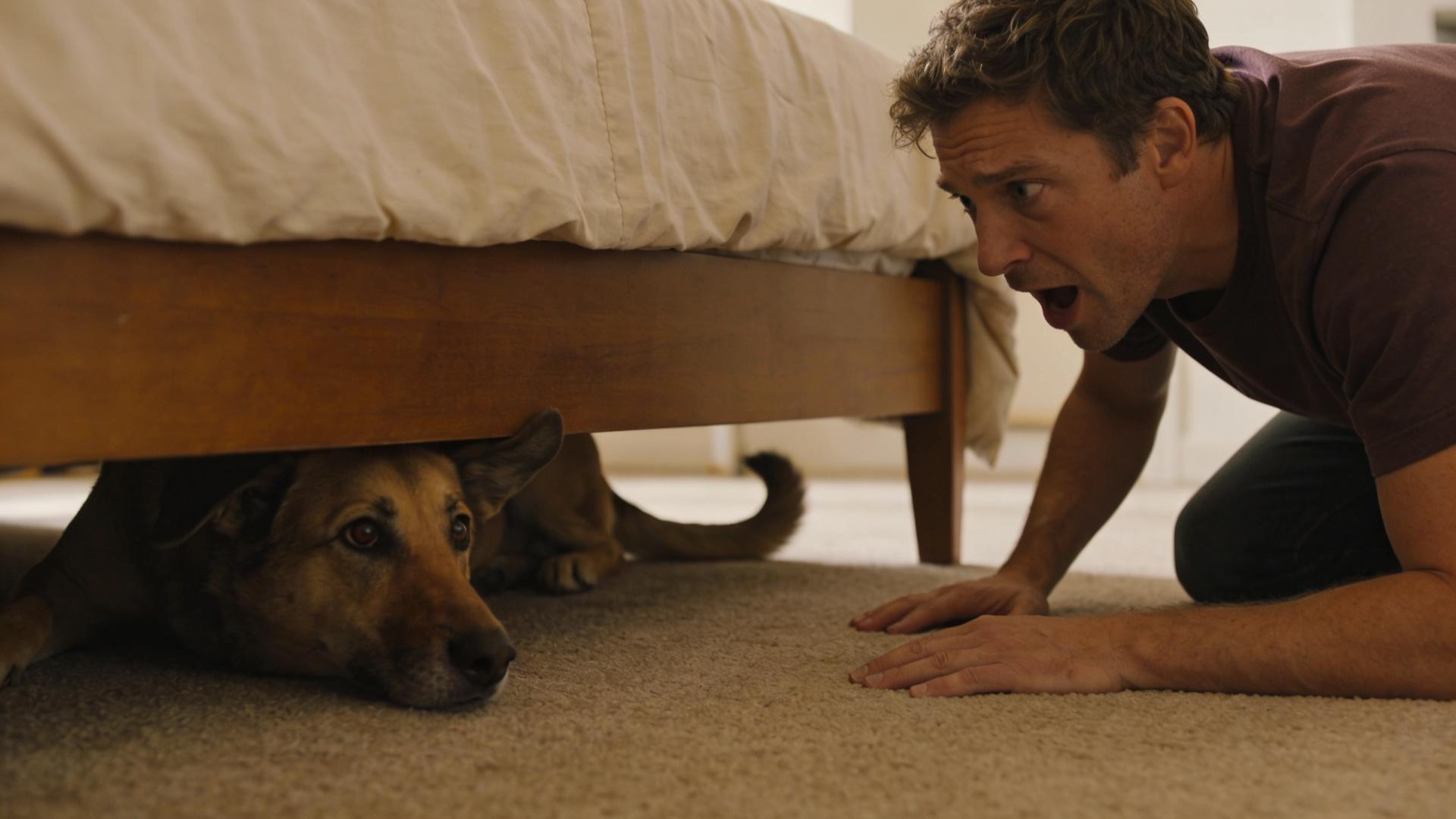
Happy Bath Training: Techniques to Make Your Dog Love Playing in Water and Blow-drying
Does your dog dive under the bed at the mere mention of a bath? You're not alone! But what if bath time could be filled with wagging tails and happy splashes? Welcome to the world of happy bath training—a systematic, positive approach designed to transform grooming from a stressful ordeal into a fun, trust-building activity. This comprehensive guide will equip you with proven techniques to help your dog not only tolerate but genuinely enjoy water and blow-drying. Embracing happy bath time is a game-changer for your dog's health and your peace of mind. Let's turn that fear into fun! 🐾
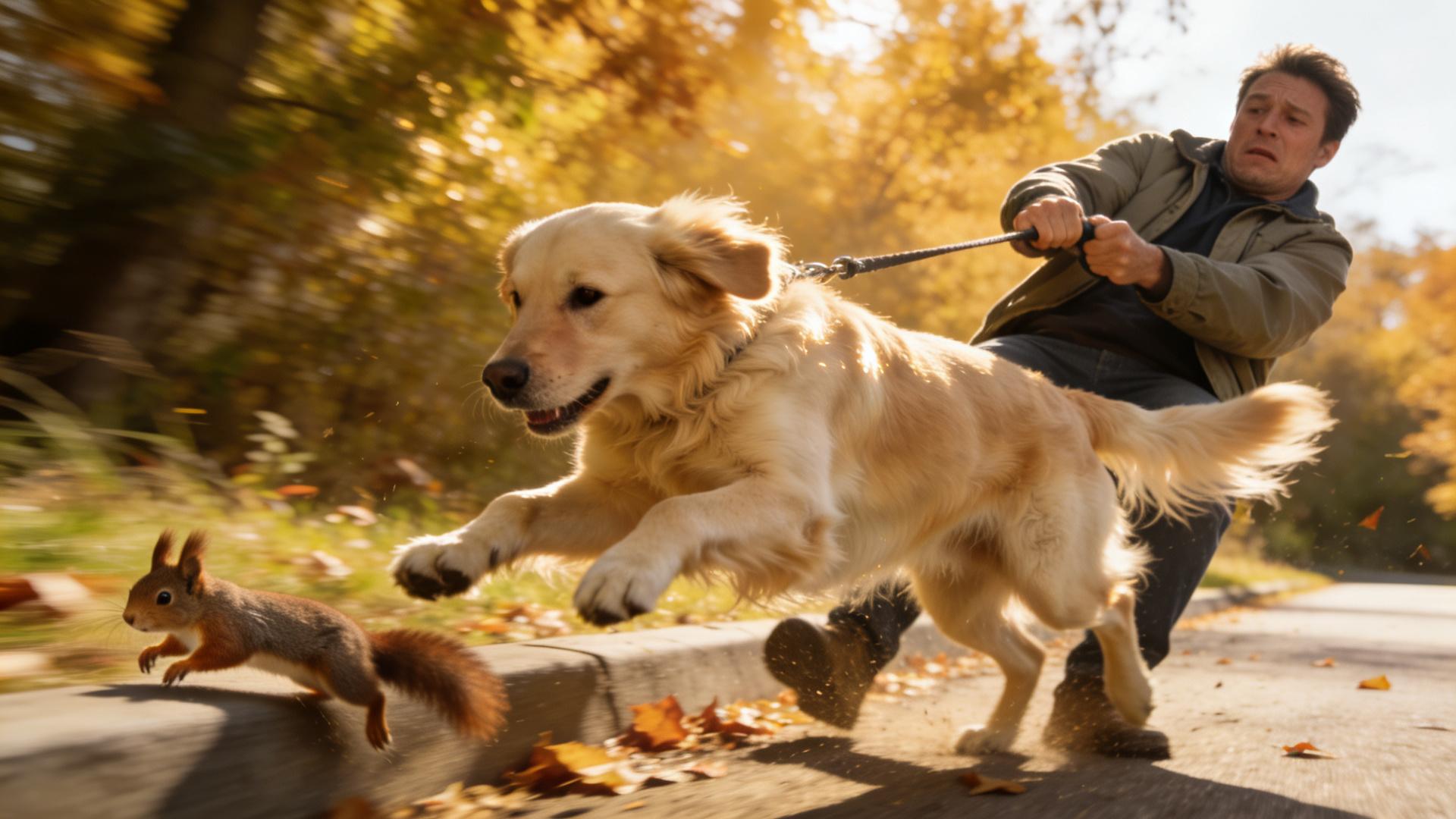
Slack rope following: Using "figure-eight movement" to correct sudden acceleration.
You’re enjoying a peaceful walk when a squirrel darts across the path. In a flash, your dog transforms into a sled dog, surging forward with such force that your shoulder aches. This sudden acceleration, also known as lunging or surging, is more than just an annoyance—it's a breakdown in communication and a potential safety hazard. Traditional "corrections" often create more tension, leading to a frustrating battle of wills. But what if the solution wasn't about holding tighter, but about creating intentional slack? Enter slack rope following and its powerful companion, the figure-eight movement. This sophisticated approach doesn't just manage pulling; it teaches your dog to actively seek a loose leash through intelligent handler movement.
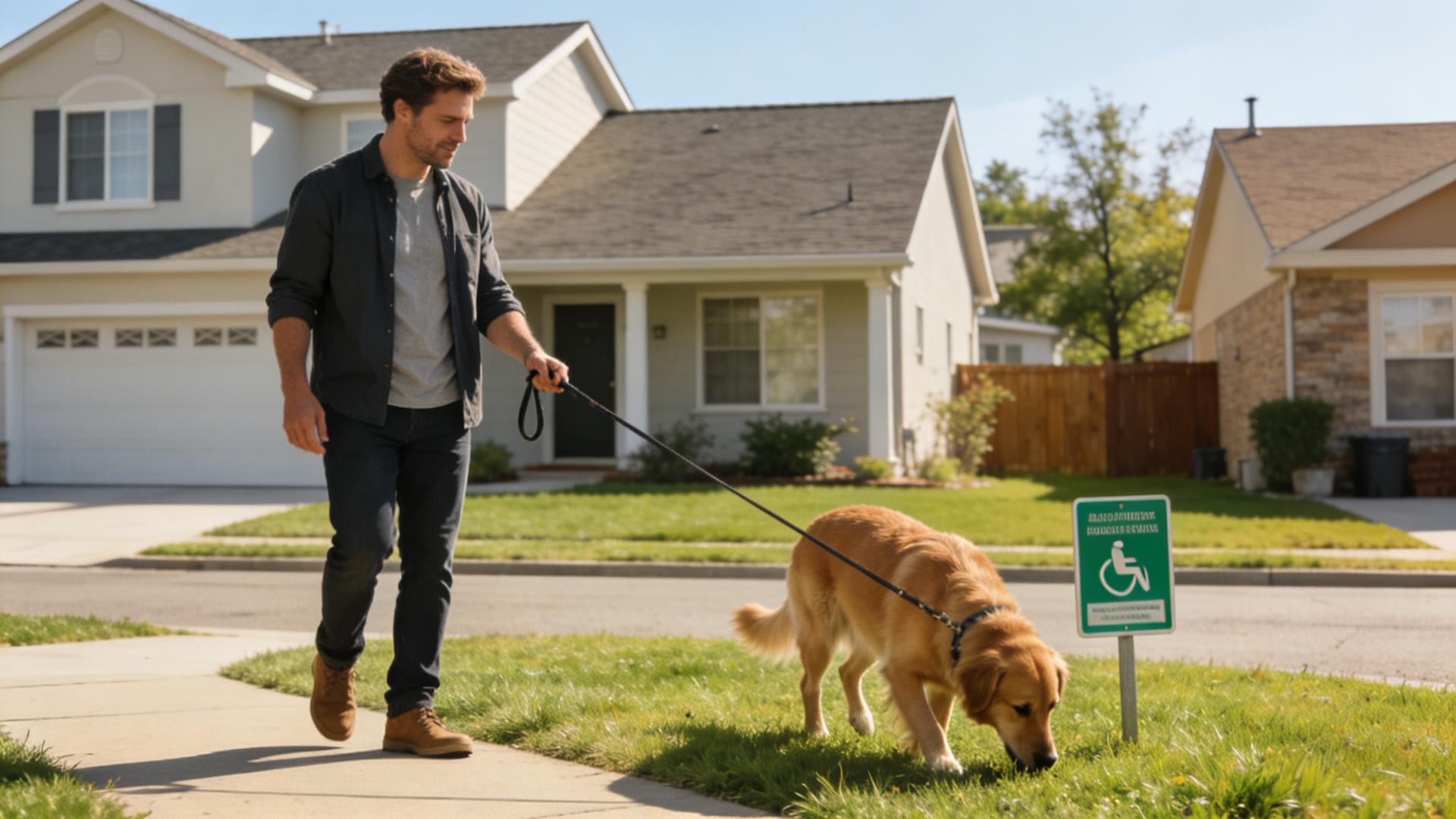
Civilized dog walking tips: Train your dog to relieve itself in designated grassy areas.
In the tapestry of community life, few threads are as common—or as potentially disruptive—as the daily dog walk. It’s a ritual of joy, exercise, and bonding. Yet, without mindful practice, it can fray into a source of neighborhood tension. The cornerstone of civilized dog walking is the simple, impactful act of guiding your dog to relieve itself in designated grassy areas. This isn't merely about convenience; it's a profound exercise in responsible dog ownership and community stewardship. This comprehensive guide will equip you with the actionable steps, scientific rationale, and nuanced understanding needed to master this essential skill, transforming your walks into a model of polite dog walking behavior.
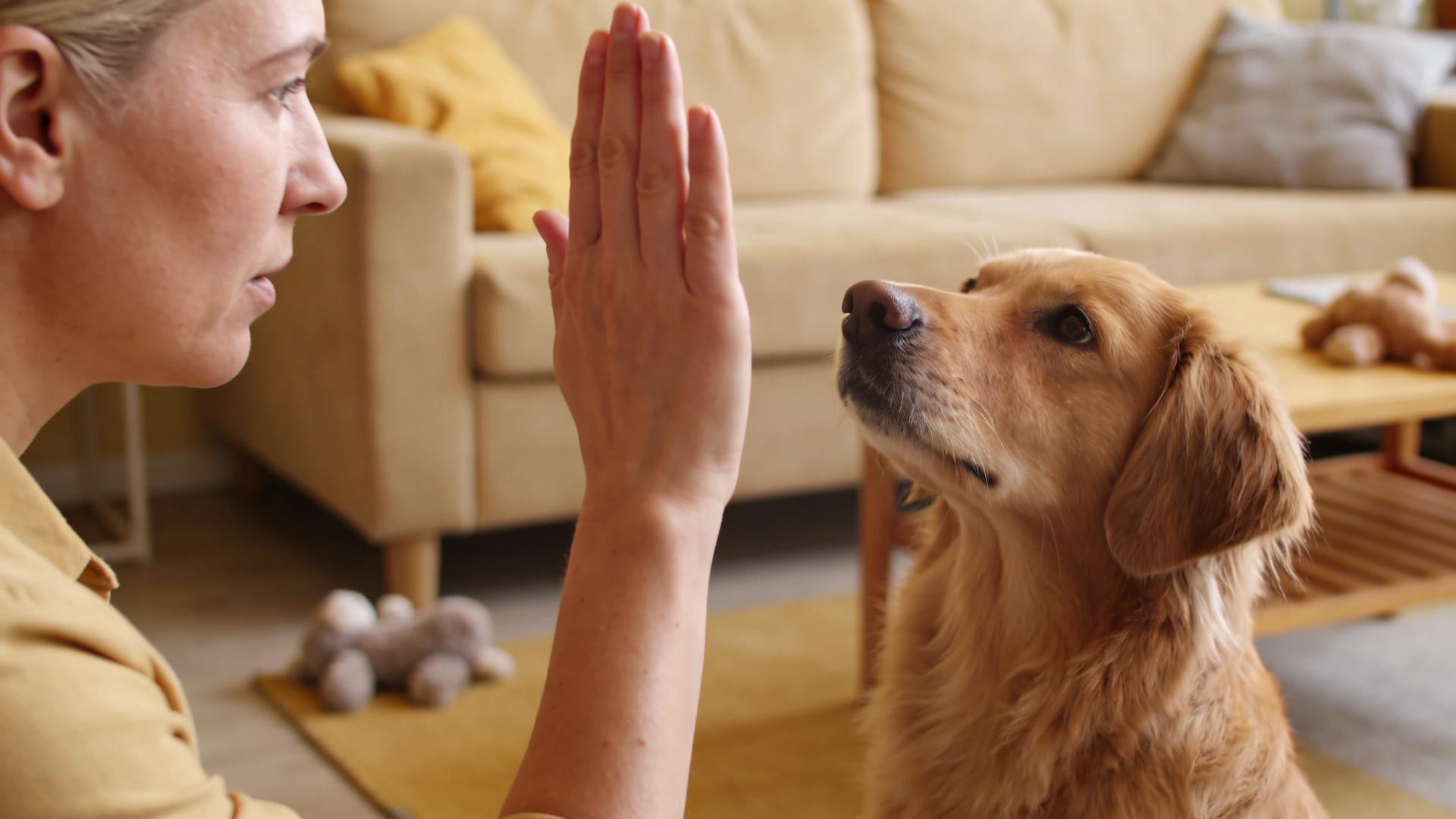
Mute Command: How to instantly quiet a barking dog using hand gestures
The doorbell rings, and your dog erupts into a frenzy of barking. A squirrel dashes past the window, setting off another vocal alarm. While barking is natural canine communication, excessive noise can fray nerves, disturb neighbors, and leave you feeling powerless. In fact, studies suggest that nuisance barking is one of the most common complaints in residential communities and a leading reason dogs are surrendered to shelters. For years, the solution has seemed to be shouting "Quiet!" over the din, often escalating the tension. But what if you could silence the barking with a simple, silent wave of your hand? Enter the Mute Command—a powerful, non-verbal technique that uses clear hand gestures to gain immediate control. This guide will transform you from a frustrated owner into a calm, confident leader, teaching you the precise method to instantly quiet a barking dog.
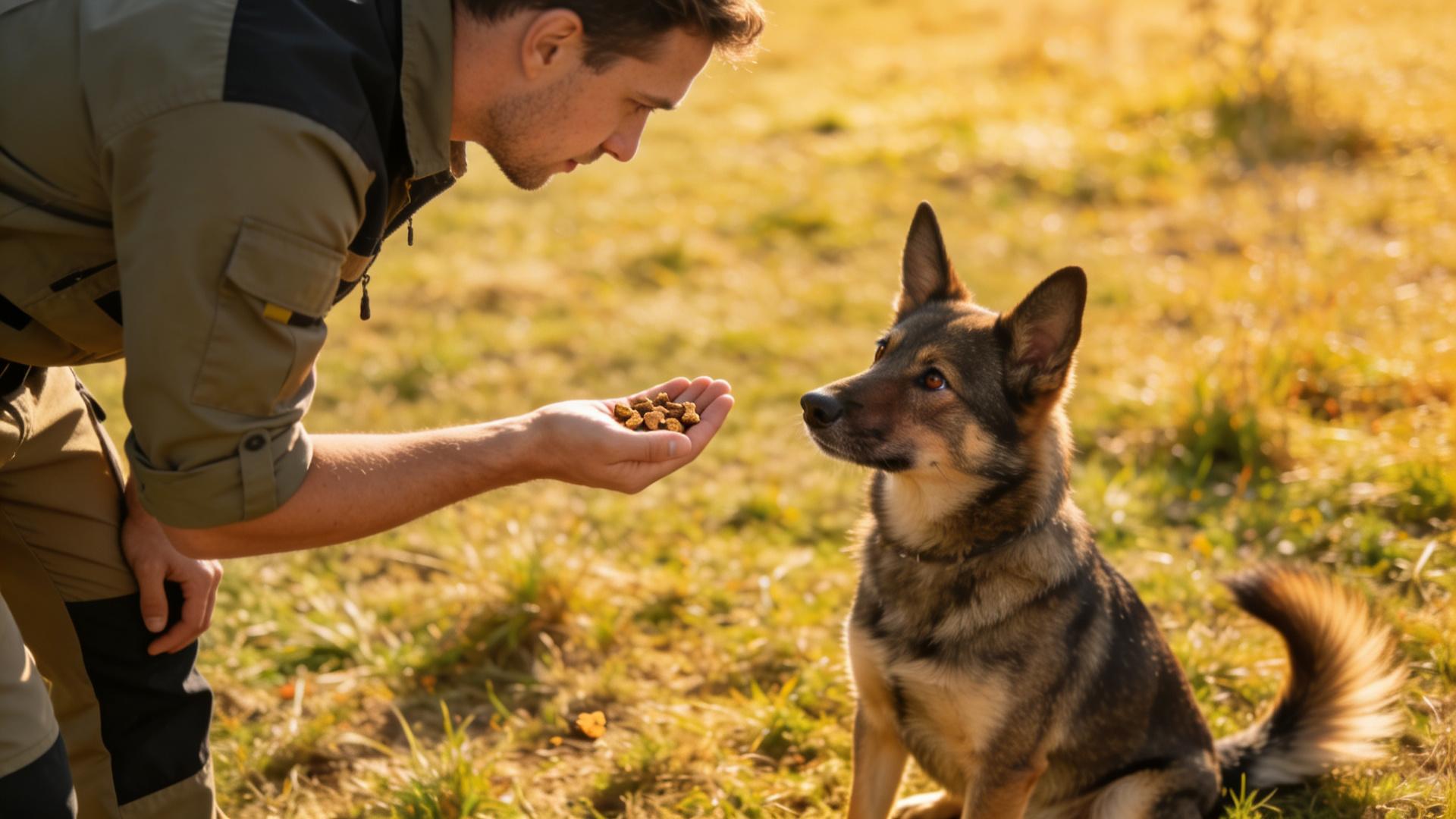
A diverse reward system: In addition to food, there are praise, petting, and toys.
At the heart of all effective dog training lies one crucial element: motivation. 🎯 Finding what truly sparks your dog's desire to learn and comply is the key to unlocking a harmonious partnership. While food is often the go-to for many owners, relying on a single reward type is like trying to build a house with only a hammer. To create a resilient, joyful, and responsive learner, you need a full toolbox. This is where cultivating a diverse reward system becomes your superpower. By strategically using food, praise, petting, and play, you can maintain your dog's high interest, cater to any training environment, and deepen your bond. Let's explore these four pillars of positive reinforcement that will transform your training sessions from repetitive chores into engaging games.