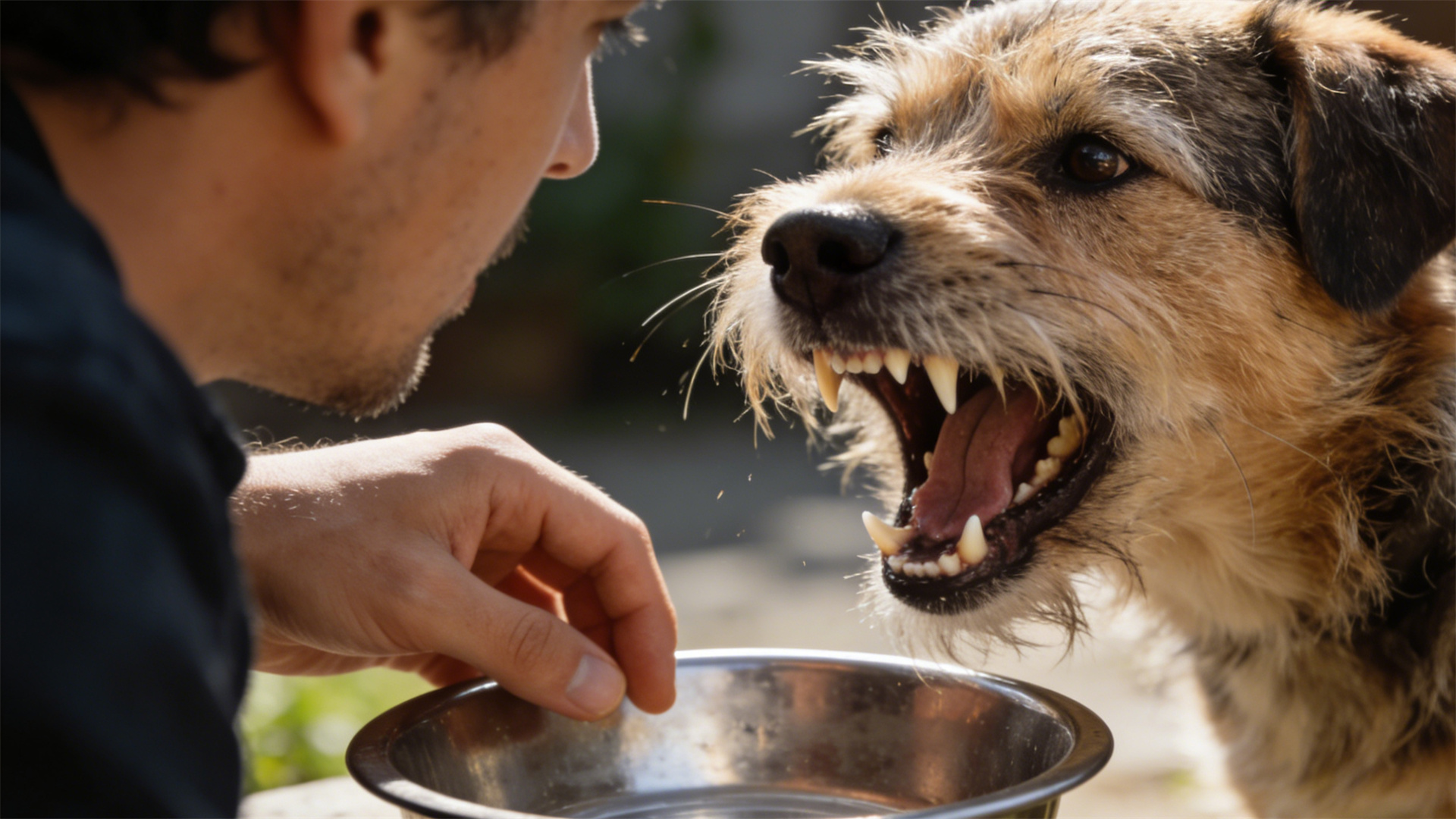
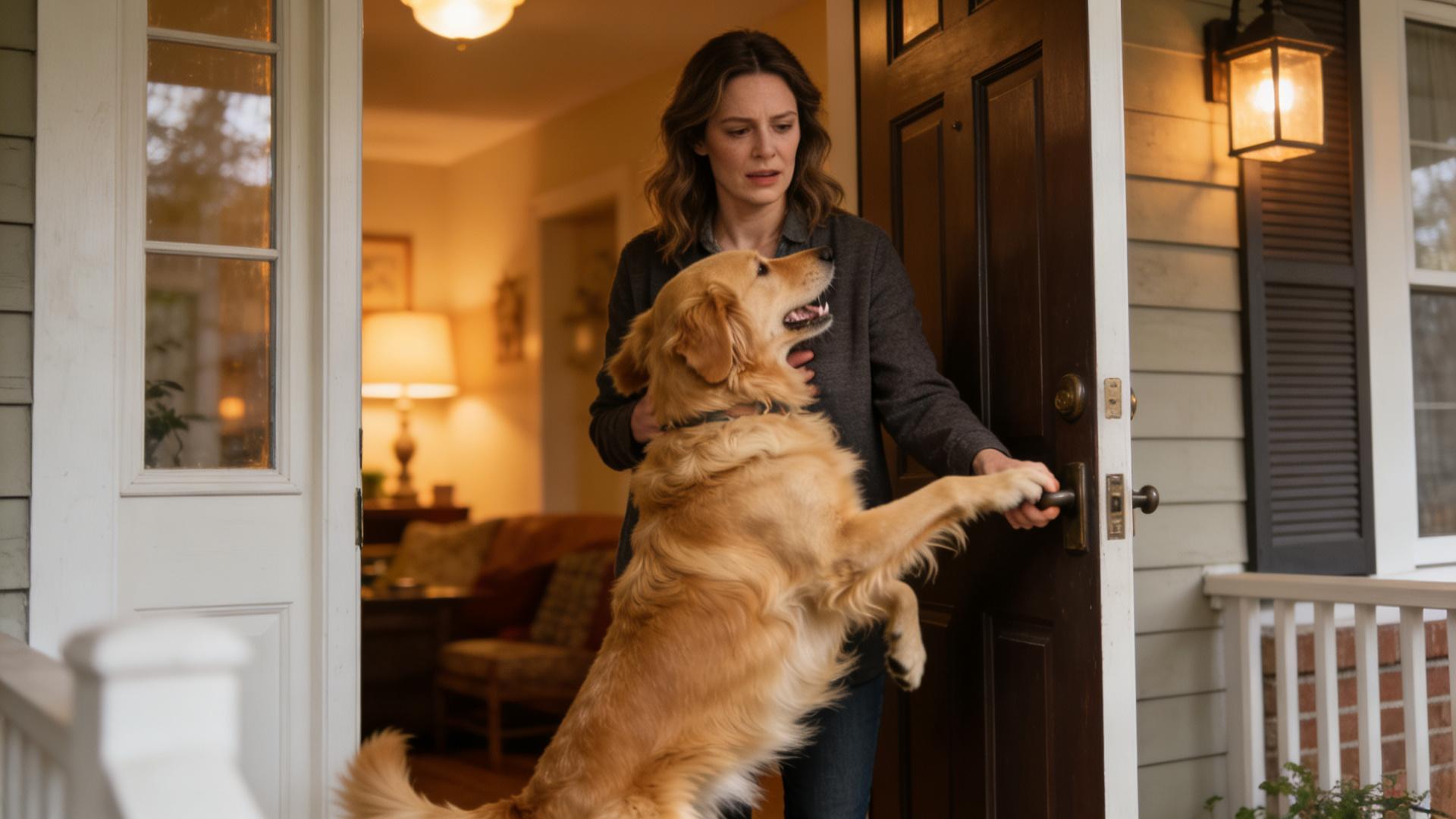
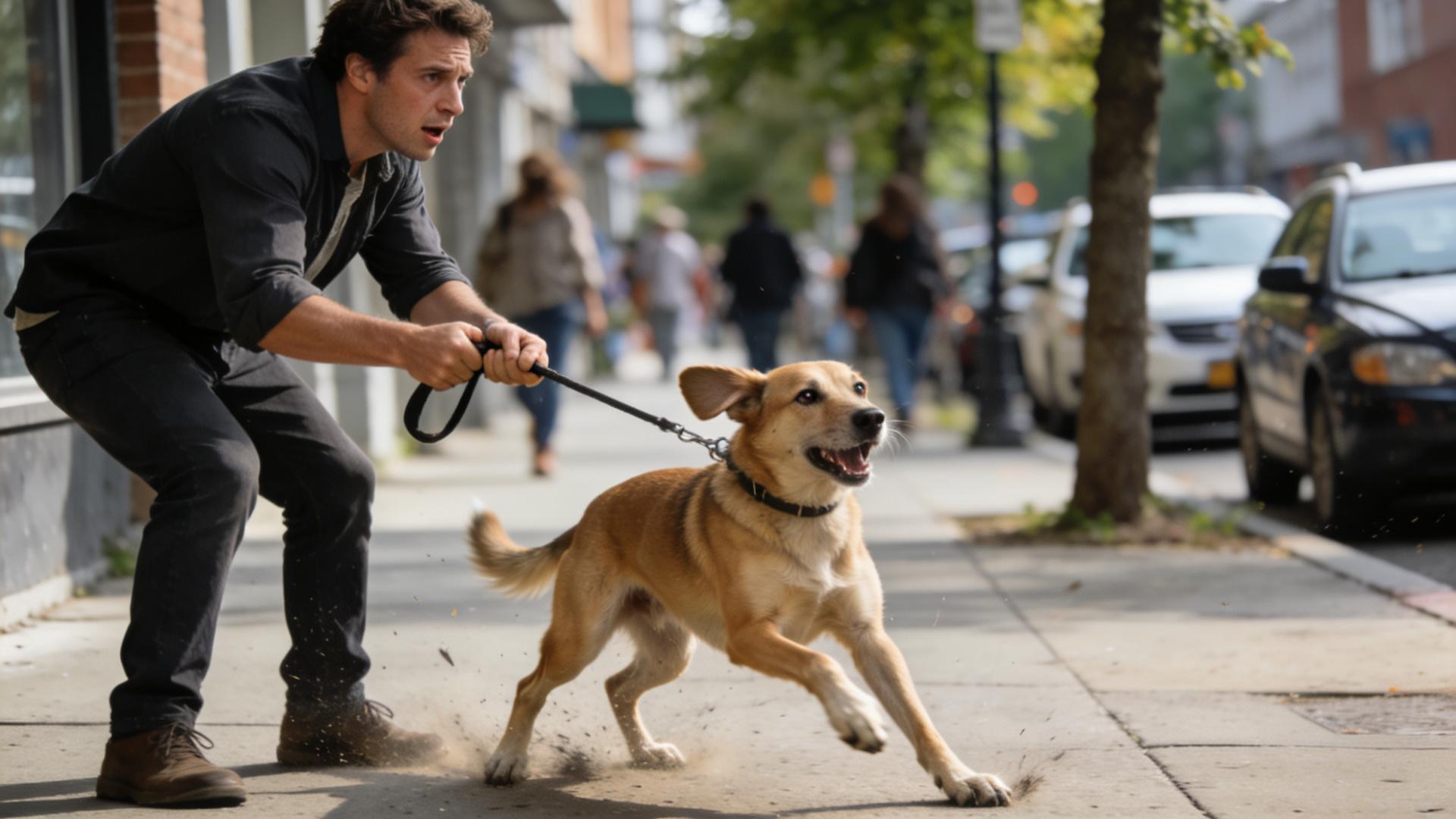
You’ve mastered the basics in your living room and backyard. Your dog is a star when it’s just the two of you. But the moment you step into the real world—a park buzzing with squirrels, joggers, and other dogs—their training seems to vanish. This gap between controlled obedience and real-world reliability is the single biggest challenge for dedicated dog owners. Closing it requires a systematic approach known as Outdoor High-Interference Resistance Training. This advanced methodology is designed to "proof" your dog's commands against the chaos of everyday life, transforming them from a pet that can listen into a partner you can always trust. This guide will provide you with the exact roadmap to achieve that unwavering focus and control.
🏆 Prerequisites and Safety: Laying the Unshakeable Foundation
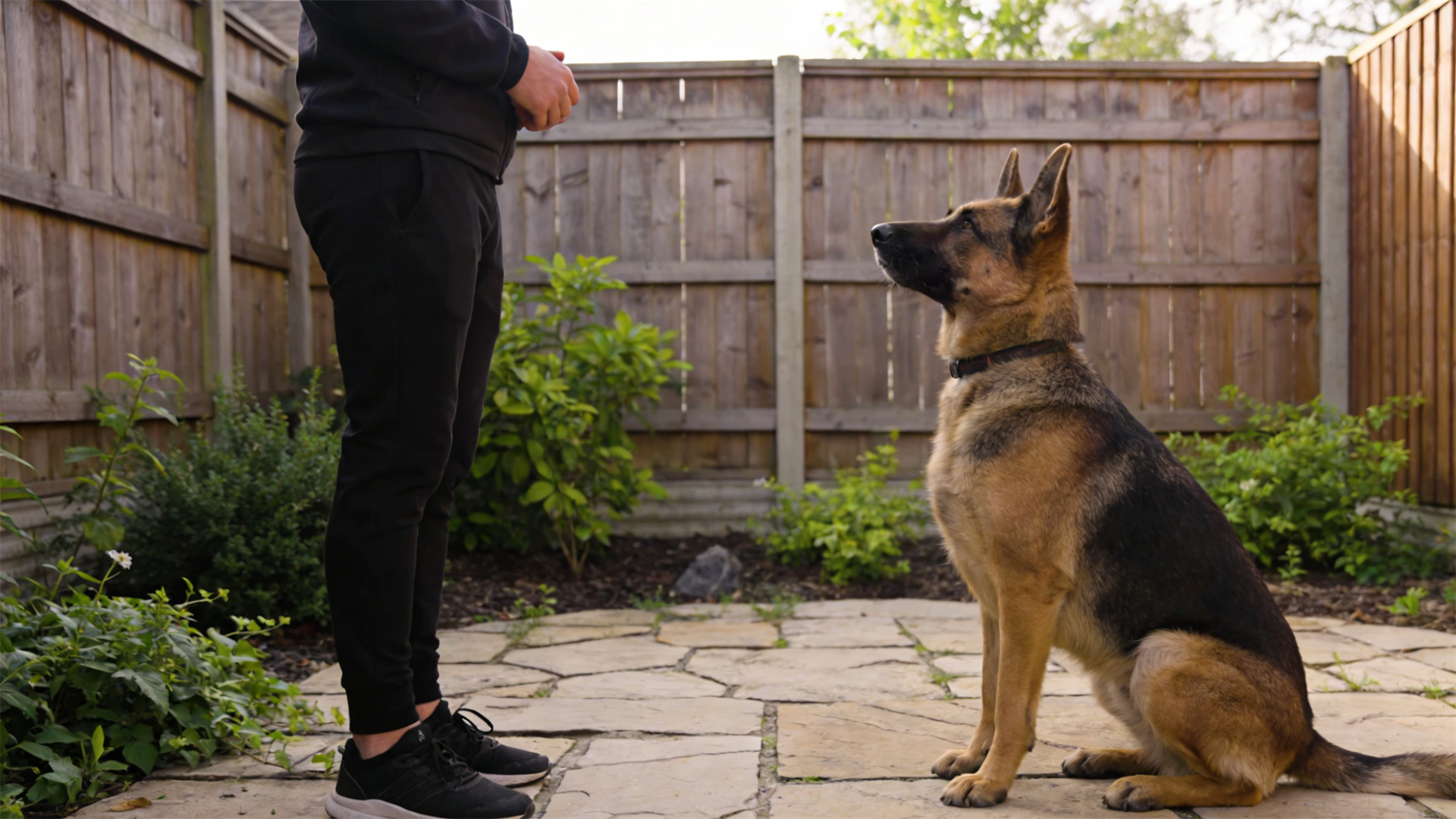
Before you challenge the distractions of the outside world, you must ensure your foundation is rock-solid. Attempting advanced dog distraction training without these prerequisites is like building a skyscraper on sand—it will crumble under pressure.
Non-Negotiable Foundational Skills
Your dog must respond reliably (9 out of 10 times) to the following in your low-distraction home and yard:
• A Rock-Solid 'Sit' and 'Down': Immediate response, without luring.
• A Stationary 'Stay': Held for at least 30 seconds with you at a short distance.
• A Focused 'Look' or 'Watch Me' Cue: This is your engagement lifeline.
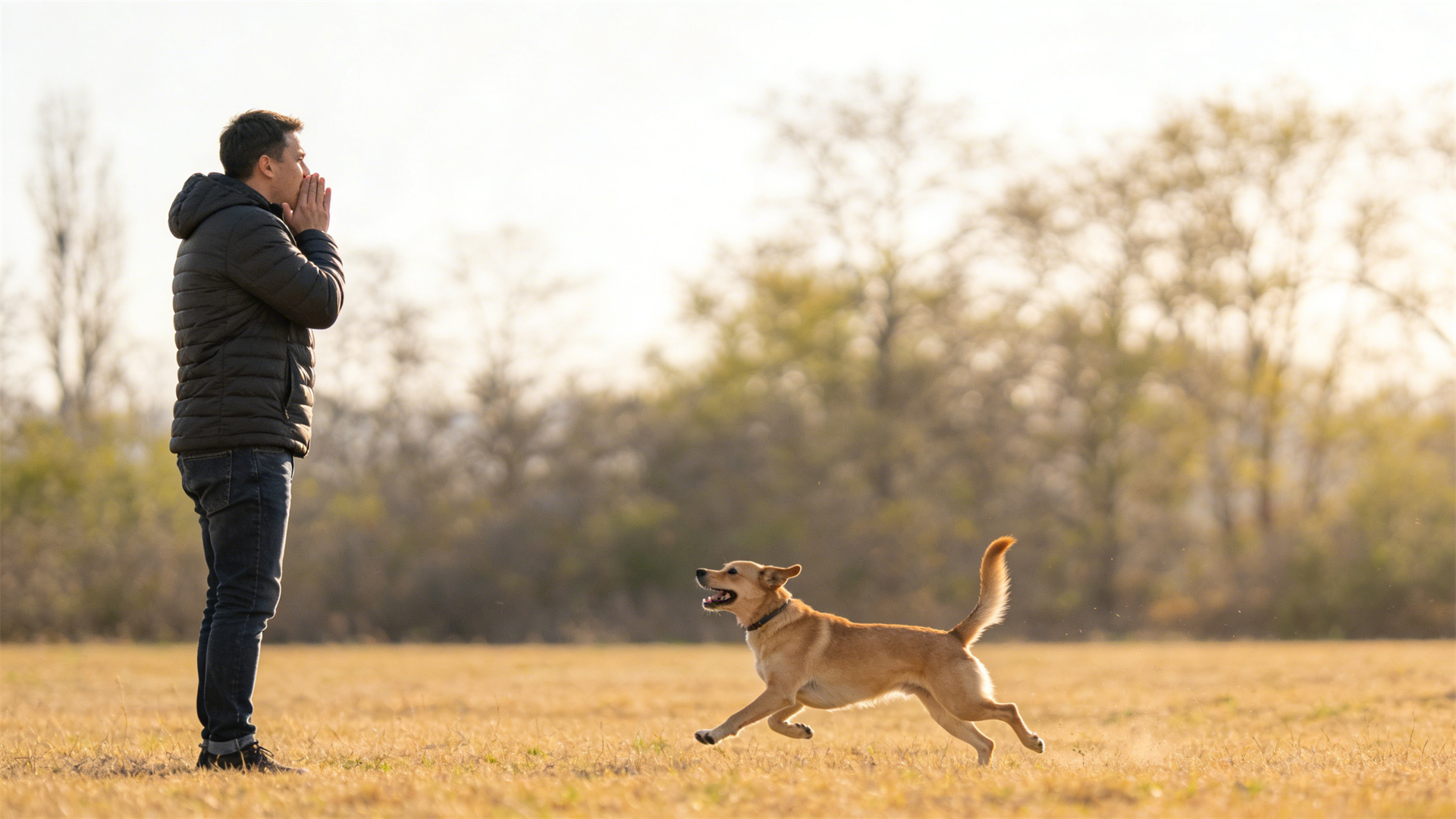
• A Motivated Recall ('Come' or Here'): The most critical safety command. It must be the best party your dog gets invited to, every single time.
Safety and Public Etiquette First
Special Reminder: Your training journey should never compromise safety or public goodwill.
• Know and obey all local leash laws. Use a 6-foot leash for most exercises; a 15-30 foot long line is essential for safe reliable dog commands outdoors practice.
• Respect space. Do not allow your dog to approach people, dogs, or wildlife without explicit permission. Your training session is your responsibility.
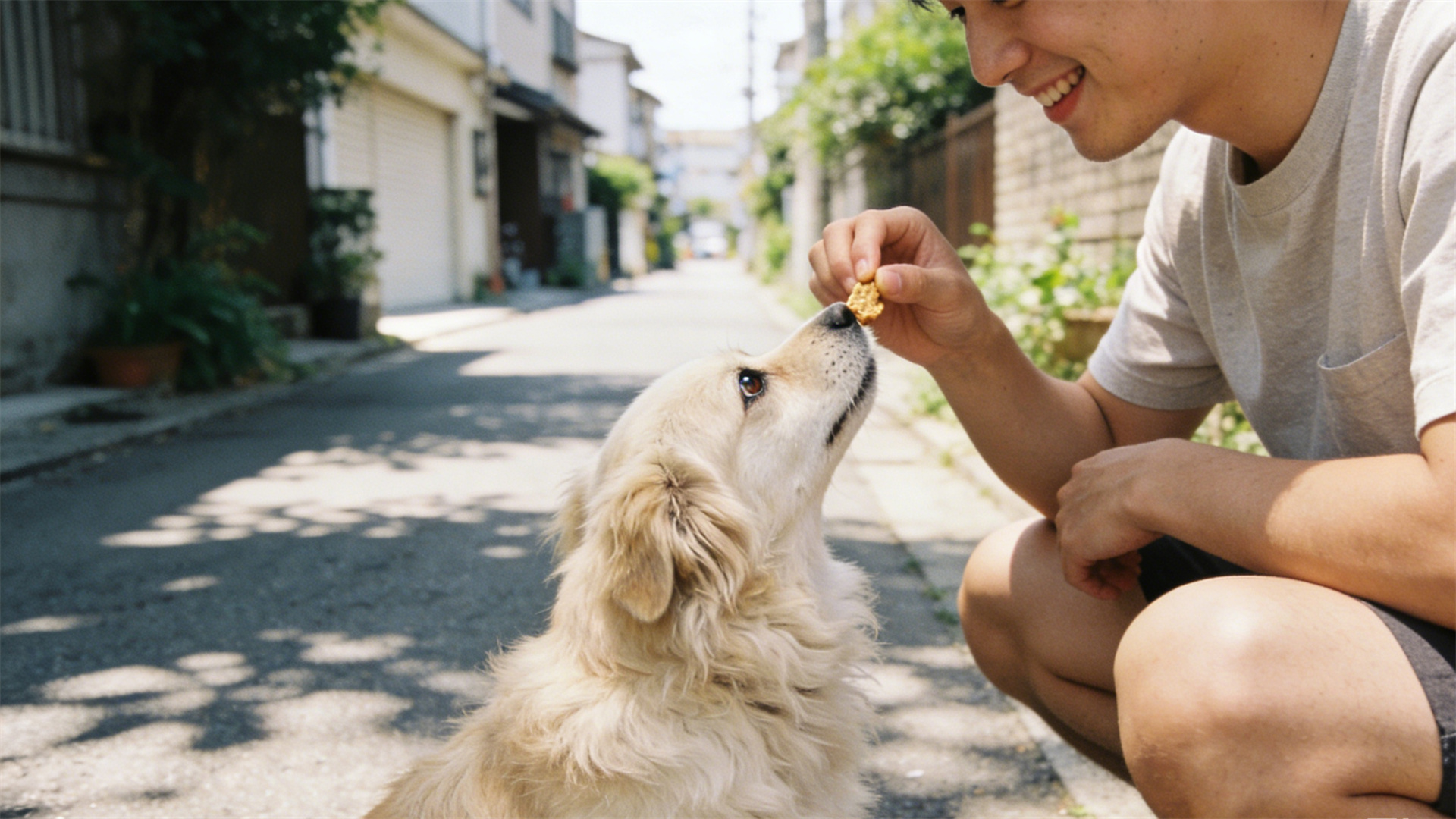
• Gear Up: A well-fitting harness (like a front-clip for pulling) or collar, a sturdy leash, and high-value treats (e.g., real chicken, cheese, liver) are mandatory. A treat pouch keeps you prepared.
🚀 Core Training Exercises: The Progressive Blueprint
The core principle of proofing dog training commands is progressive overload. You will methodically increase the "difficulty level" of the environment, just like an athlete trains. Always set your dog up for success. If they fail, the difficulty was too high—take a step back.
🧠 Exercise 1: The Engagement Game - Building a Bubble of Focus
Objective: Teach your dog that checking in with you is more rewarding than any environmental distraction.
Steps:
1. Start Dull: Begin in your driveway or a quiet street corner. Simply stand still.
2. Mark & Reward Spontaneous Engagement: The *moment* your dog voluntarily looks at you, mark with a "Yes!" or a clicker and give a high-value treat.
3. Add a Cue: After several repetitions, say "Watch me" just *before* you predict they will look. Mark and reward.
4. Increase Difficulty (The 3 D's): Gradually add Distance (you move), Duration (hold eye contact for 2, then 5 seconds), and Distraction (move to a busier area, like the edge of a park).
Pro Tip: Play this game passively on every walk. You are building the muscle memory for canine focus training.
🎯 Exercise 2: The Distanced Recall - Your Emergency Brake
Objective: Achieve a fast, joyful recall away from mild distractions.
Steps:
1. Low-Distraction Foundation: On a long line in a quiet field, call enthusiastically "Fido, Come!" and run backwards. Reward lavishly when they arrive.
2. Add a Mild Trigger: Find a location where a distraction is at a distance (e.g., a person 100 yards away). Practice your recall while your dog is aware of but not fixated on the trigger.
3. Decrease the Buffer: Over multiple sessions, slowly work closer to the distraction. If your dog hesitates, increase distance and use higher-value rewards.
4. Proof Against Movement: Practice recalls away from moving triggers like squirrels or joggers at a safe distance. This is the essence of outdoor dog obedience training for safety.
🚶 Exercise 3: Structured "Look & Heel" Past Triggers
Objective: Maintain loose-leash attention while walking past a known distraction.
Steps:
1. Identify the Trigger: Find a stationary, mild trigger (e.g., a parked bicycle, a empty bench).
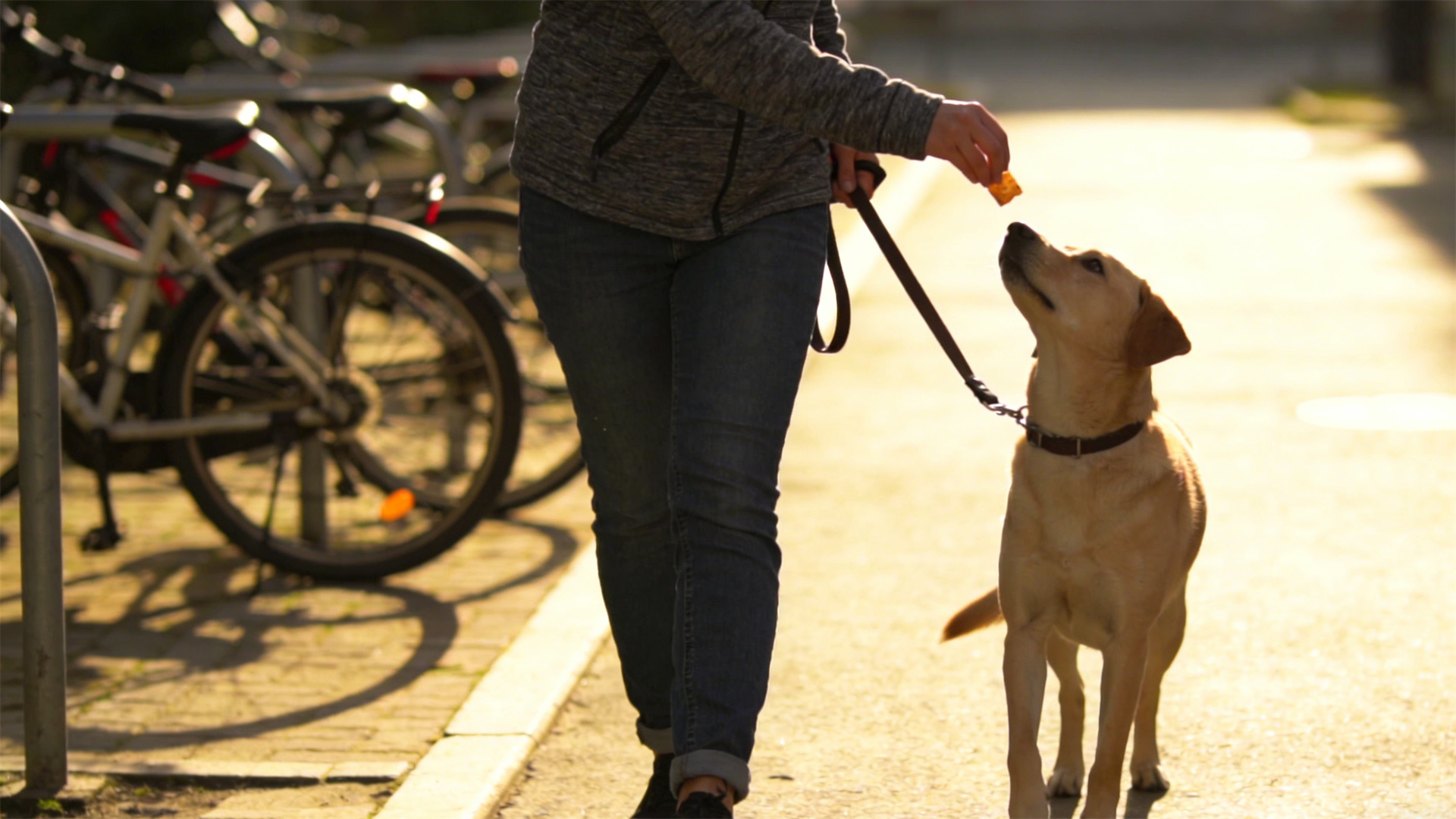
2. Set Up the Approach: Walk towards the trigger on a loose leash. Before your dog becomes fixated (this is key!), cue "Watch me" and reward heavily for eye contact as you pass.
3. The "Passing" Protocol: As you pass the trigger, feed treats in a rapid-fire manner ("treat treadmill") to keep their head oriented toward you.
4. Graduate to Bigger Challenges: Repeat with increasingly difficult static triggers (a person sitting, a dog in a car), then mild moving triggers. This systematic approach is your step by step guide to proofing dog commands outdoors.
⚠️ Troubleshooting Common Issues
Even with perfect planning, you'll hit snags. Here’s how to troubleshoot them.
❌ Problem: Heightened Arousal (Barking, Lunging, Whining)
Root Cause: The trigger is too close, too intense, and your dog is over threshold.
Actionable Solution: Immediately increase distance. Find the distance where your dog notices the trigger but can still look at you. Reward that calm notice. This is "counter-conditioning." Work at this manageable distance for the entire session. Progress is measured in feet over weeks, not days.
❌ Problem: Flat-Out Non-Compliance (Ignoring Commands)
Root Cause: The distraction is more valuable than your reward, or the skill isn't proofed at a lower level.
Actionable Solution:
1. Up Your Reward Value: Swap kibble for steak.
2. Increase Reward Rate: Reward faster and more frequently.
3. Lower the Difficulty: Go back to a less distracting environment to re-solidify the command. You moved too fast.
❌ Problem: Inconsistent Performance (Good one day, poor the next)
Root Cause: This is normal! Dogs have off days. Environmental factors (wind, new smells) change the difficulty.
Actionable Solution: Don't get frustrated. Treat each session as new. Always start with a few easy "win" repetitions in a lower-distraction area to boost confidence—for both of you.
🎉 Conclusion and Your Next Steps
Mastering Level 2: Outdoor High-Interference Resistance Training is a marathon, not a sprint. The key takeaways are: start boring, progress slowly, manage distance, and make yourself the most interesting thing in the park. Celebrate every small win—a glance away from a squirrel, a moment of loose leash near another dog. These are monumental victories in building canine focus in busy outdoor environments.
Commit to short, positive, and frequent sessions (5-10 minutes, 3-4 times a week) over long, frustrating ones. Consistency is your most powerful tool. As you and your dog conquer these challenges, you'll build a bond of communication and trust that transcends any distraction.
Ready for the next level? Level 3 concepts involve off-leash reliability, compound distractions (like recalling away from play with another dog), and formal distance and duration work in uncontrolled settings.