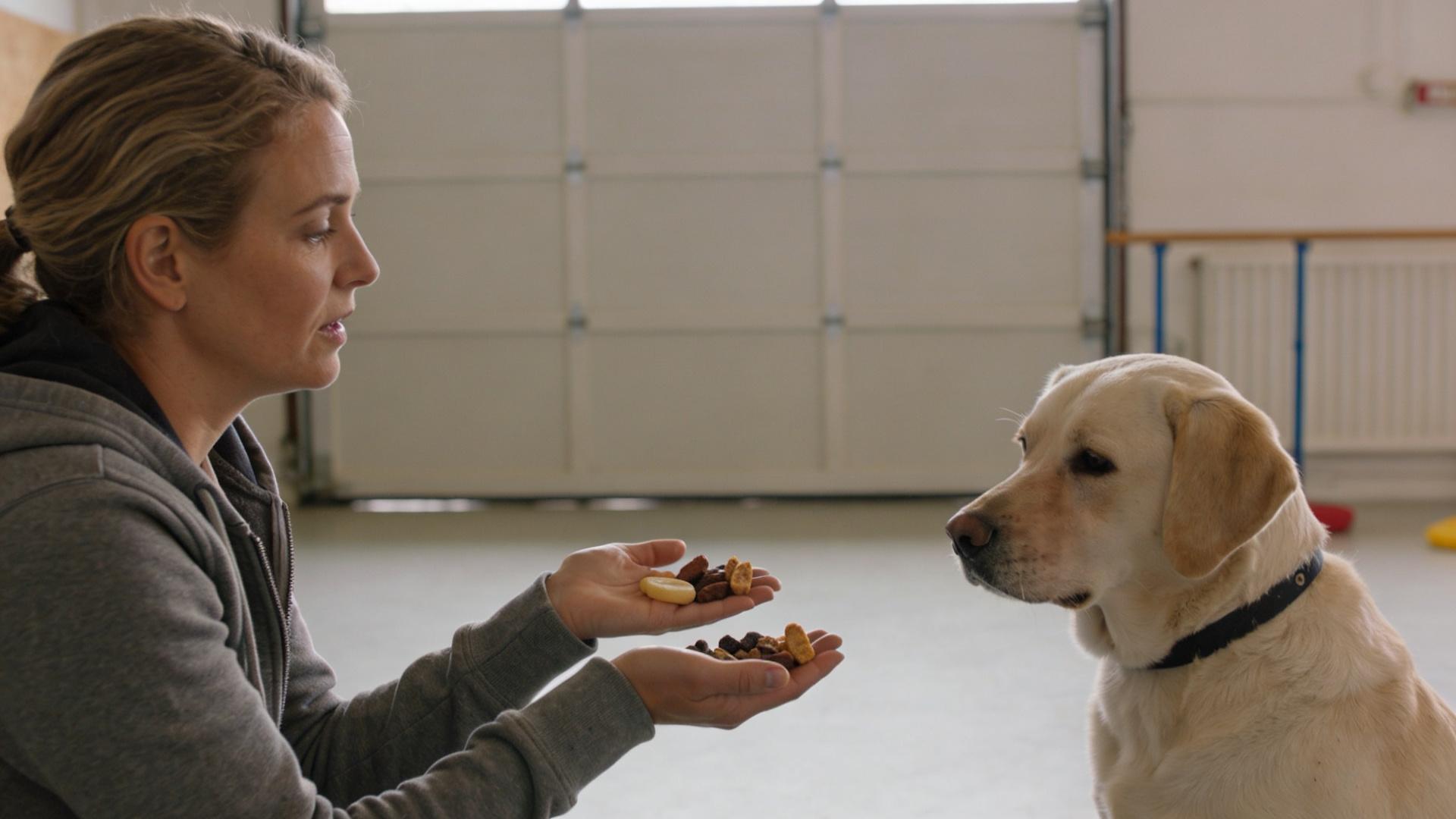
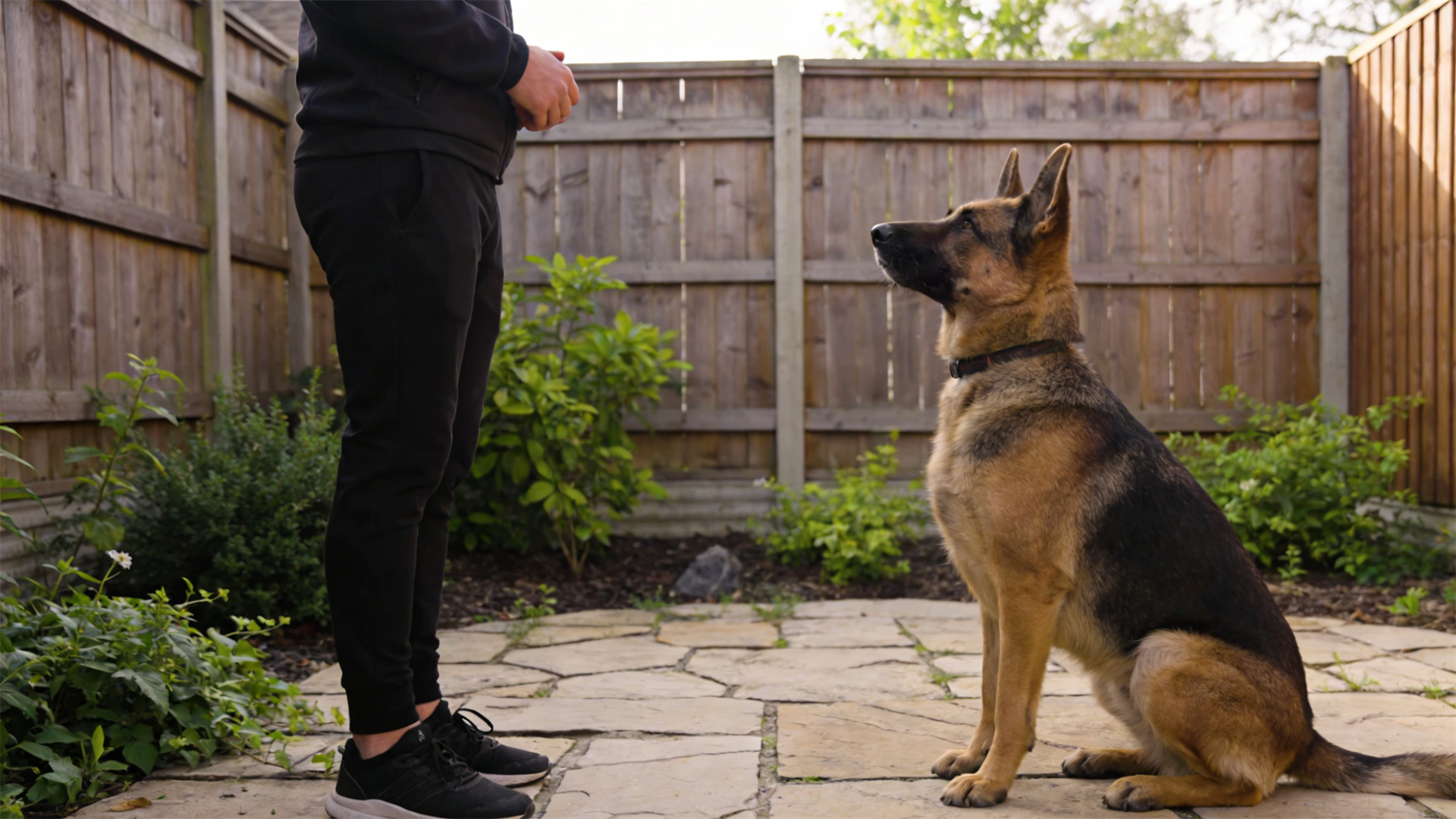
Does your otherwise perfect pup transform into a trash bandit the moment you turn your back? You're not alone. This frustrating, messy, and potentially dangerous behavior is one of the most common complaints among dog owners. The good news is that it's highly manageable—but not through scolding or punishment. Successfully reclaiming your garbage requires a smart, two-pronged strategy: environmental management and behavior modification. This comprehensive guide will walk you through exactly how to implement both, creating a cleaner home and a safer, happier dog.
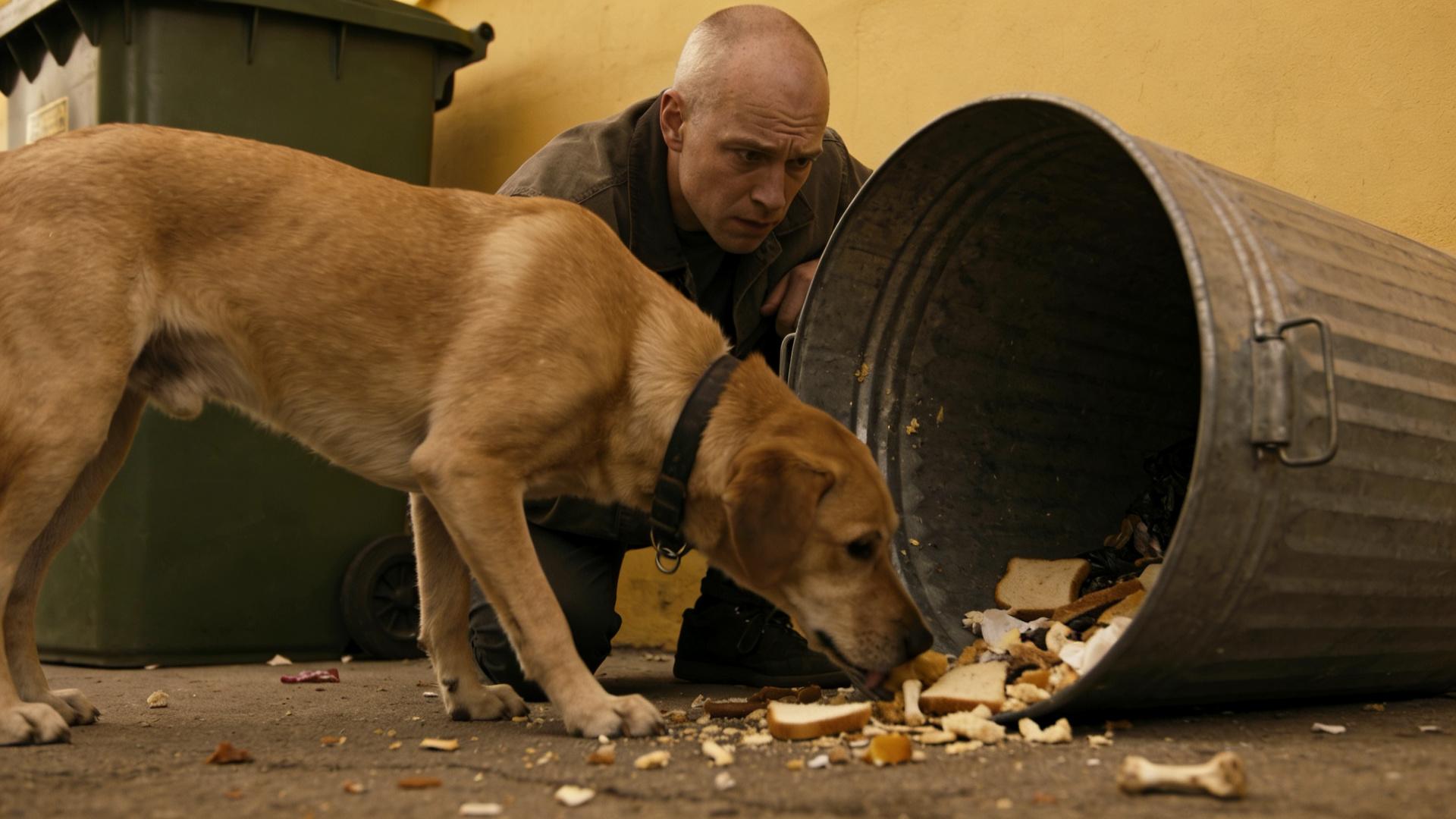
🦴 Why is My Dog Obsessed With the Trash? Understanding the Canine Scavenger
Before we can fix the behavior, we must understand it. Your dog isn't being "bad" or spiteful. Dogs are natural scavengers. Their evolutionary history is built on seeking out calorie-dense opportunities, and your kitchen trash can is a modern-day treasure trove. It's a symphony of enticing smells—meat wrappers, cheese remnants, yogurt cups, and expired leftovers. Each successful raid is self-rewarding: they get a delicious (to them) pay-off, which hardwires the habit. This makes simply yelling after the fact completely ineffective; in their mind, the crime was worth the consequence. Addressing this is crucial not just for your sanity, but for your dog's health—risks include gastrointestinal blockages, pancreatitis from fatty foods, and toxicity from ingested chemicals or spoiled food.
🛡️ Primary Strategy: Impervious Environmental Setup
This is your first and most critical line of defense. The goal is simple: make the trash physically inaccessible and utterly uninteresting. Management isn't cheating; it's responsible pet ownership that prevents the rehearsal of the unwanted behavior while you work on long-term training.
🔒 Step 1: Secure Your Trash Cans Like Fort Knox
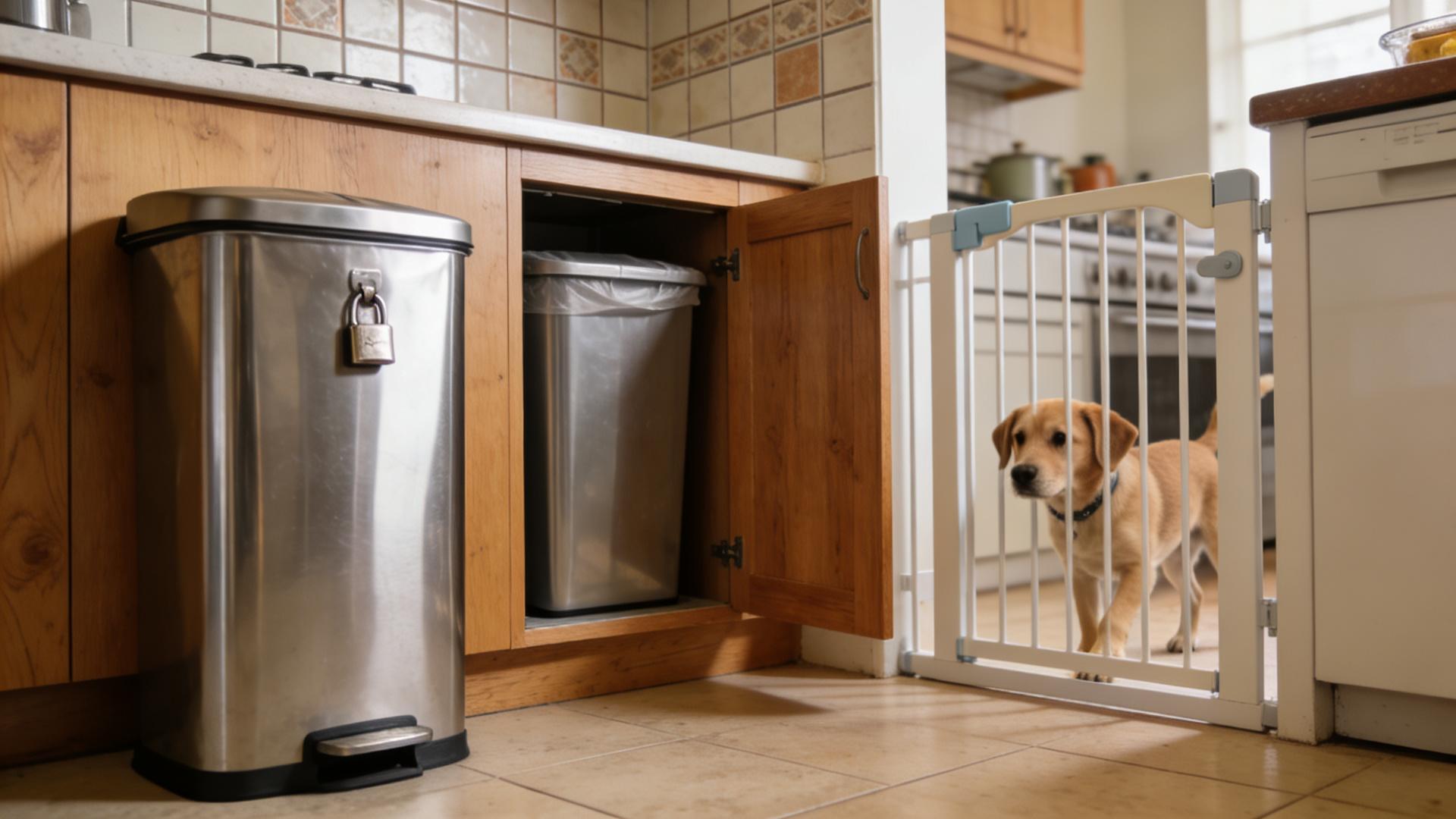
Generic flip-lid bins are mere puzzles for determined dogs. You need to upgrade your hardware.
- Invest in Locking Lids: Seek out heavy-duty stainless steel or durable plastic bins with secure, locking mechanisms operated by a foot pedal or a button release. Brands like Simplehuman offer models designed to be pet-proof.
- The Cabinet Solution: For the persistent pup, the most foolproof method is to place the trash can inside a latched cabinet. Childproof safety latches are inexpensive and highly effective.
- Spatial Barriers: If cabinetry isn't an option, use a baby gate to block access to the kitchen or utility room entirely. This is a clear, physical boundary they understand.
🧹 Step 2: Meticulous Kitchen & Trash Management
Your daily habits play a huge role in reducing temptation.
- Restrict Access During High-Risk Times: When you're cooking, eating, or unable to supervise, make it a routine to close the kitchen gate or door. Proactivity is key.
- Remove the Reward at the Source: Thoroughly rinse all food containers (cans, jars, yogurt cups) before tossing them. This drastically reduces odor. Take the trash out frequently, especially after preparing meat or discarding highly aromatic food.
- Consider a Countertop Compost/Scrap Bin: If you keep food scraps on the counter, ensure it has an absolutely airtight seal, or better yet, switch to freezing scraps until trash day.
⚖️ Secondary Strategy: Humane & Safe Aversion Therapy
While environmental management prevents the behavior, aversion therapy teaches your dog that the trash area is an unappealing place to be. Special Reminder: This is not about punishment or causing fear. It's about creating a consistent, surprising, but harmless consequence that encourages voluntary avoidance.
📡 Commercial Pet Deterrents: The High-Tech Approach
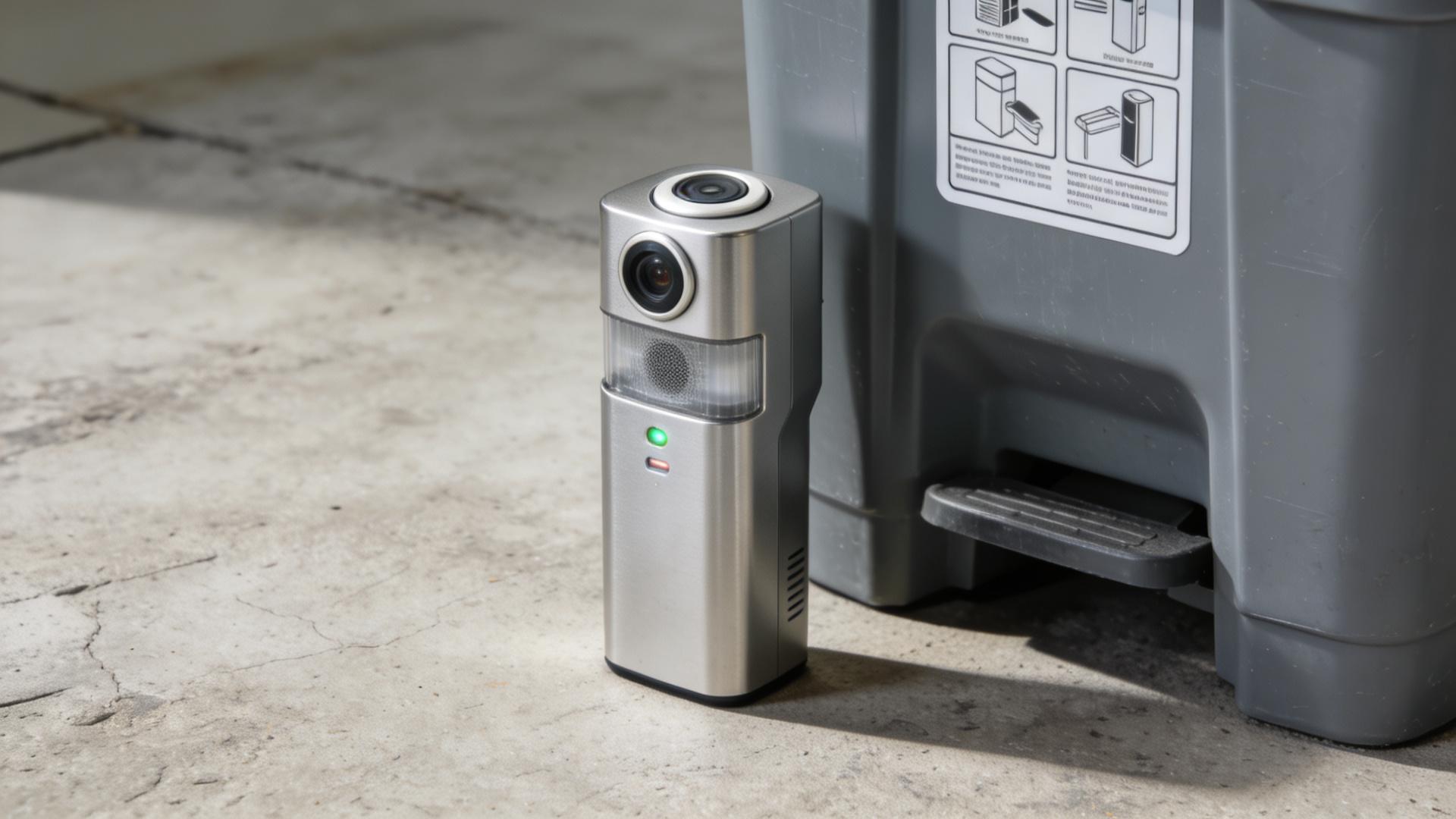
These devices provide consistent, automatic intervention.
- Motion-Activated Air Sprayers (Like PetSafe SSSCAT): Placed near the trash can, these emit a sudden, harmless burst of air and a hissing sound when motion is detected. The surprise interrupts the behavior and most dogs learn to steer clear after a few encounters.
- Ultrasonic Deterrents: Similar motion-activated devices emit a high-frequency sound audible (and annoying) to dogs but not humans. Effectiveness varies by dog.
🏡 Homemade & Sensory Deterrents: The DIY Tactics
You can create effective deterrents with household items.
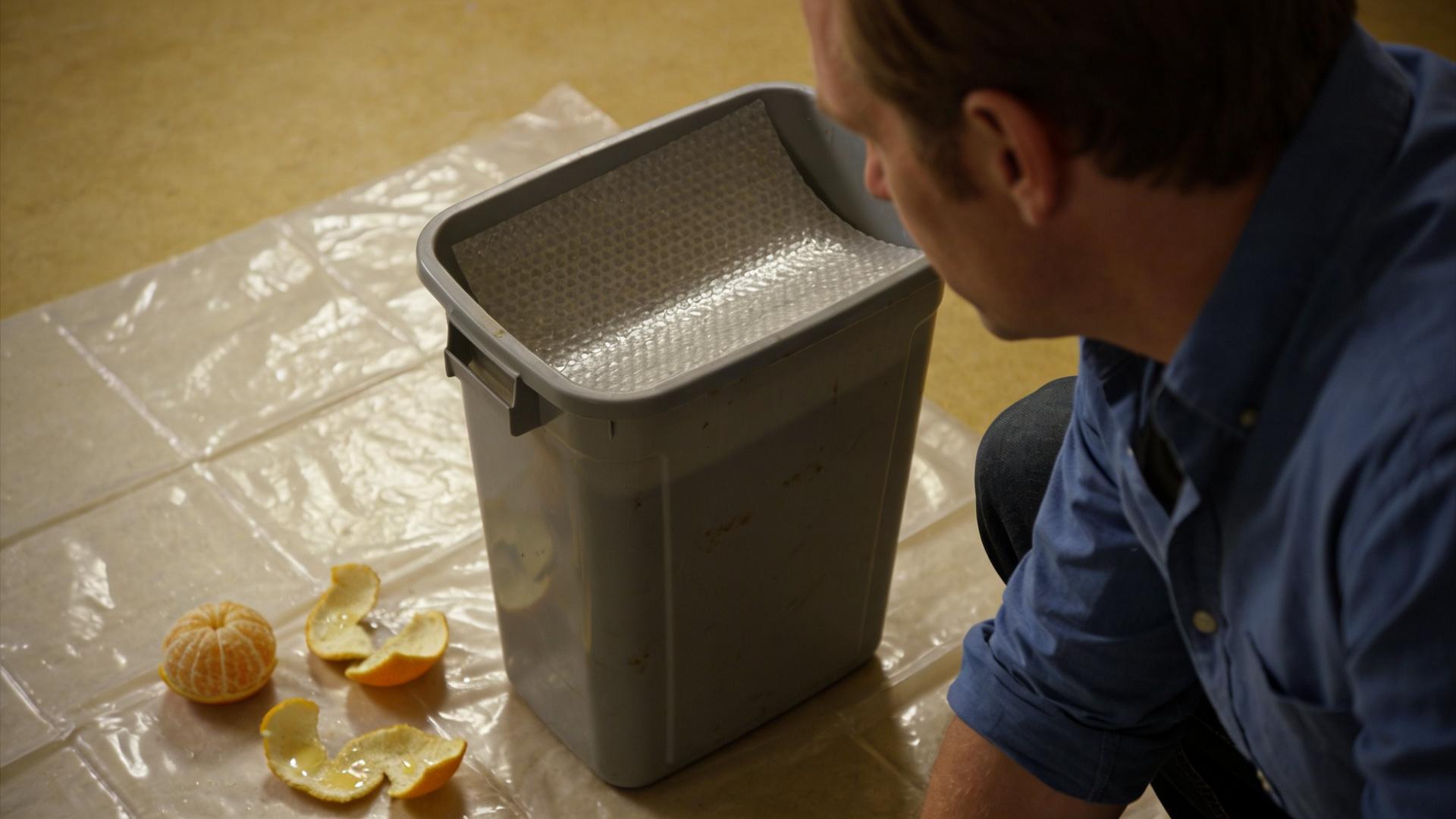
- Texture Aversion: Lay double-sided sticky tape or crinkly aluminum foil on the floor around the can. Many dogs hate the feel on their paws.
- Odor Aversion: Most dogs dislike the smell of citrus. Place fresh citrus peels (orange, lemon) on top of the trash bag or use cotton balls with a few drops of diluted citrus essential oil nearby. Never apply oils directly to your dog or surfaces they directly contact.
- Balanced Static Correction Mats: These mats deliver a very mild, static shock (like walking on carpet in socks) when touched. They are safe but provide a strong tactile deterrent.
⚠️ Crucial Notes on Implementing Aversion Therapy
- Rule #1: Do No Harm. Never use booby traps that could cause pain, injury, or intense fear (e.g., stacked cans that could fall, anything sharp).
- Consistency is Everything: The deterrent must activate every single time the dog approaches during the training phase for the association to form.
- Pair with Positive Alternatives: This is non-negotiable. While the trash becomes unappealing, you must provide approved outlets. Have a stuffed food puzzle toy or a chew ready to redirect their energy.
🚀 Combining Strategies for Lasting Success
Used alone, environmental management is a lifelong crutch. Used alone, aversion therapy is often circumvented. Together, they are a powerful, lasting solution. The environment prevents practice, and the aversion therapy changes the dog's desire to approach. As the behavior extinguishes over weeks, you can gradually reduce the deterrents, but your secure trash setup should remain as a permanent fixture.
🎯 Providing Fulfilling Alternatives: Channel the Scavenger Instinct
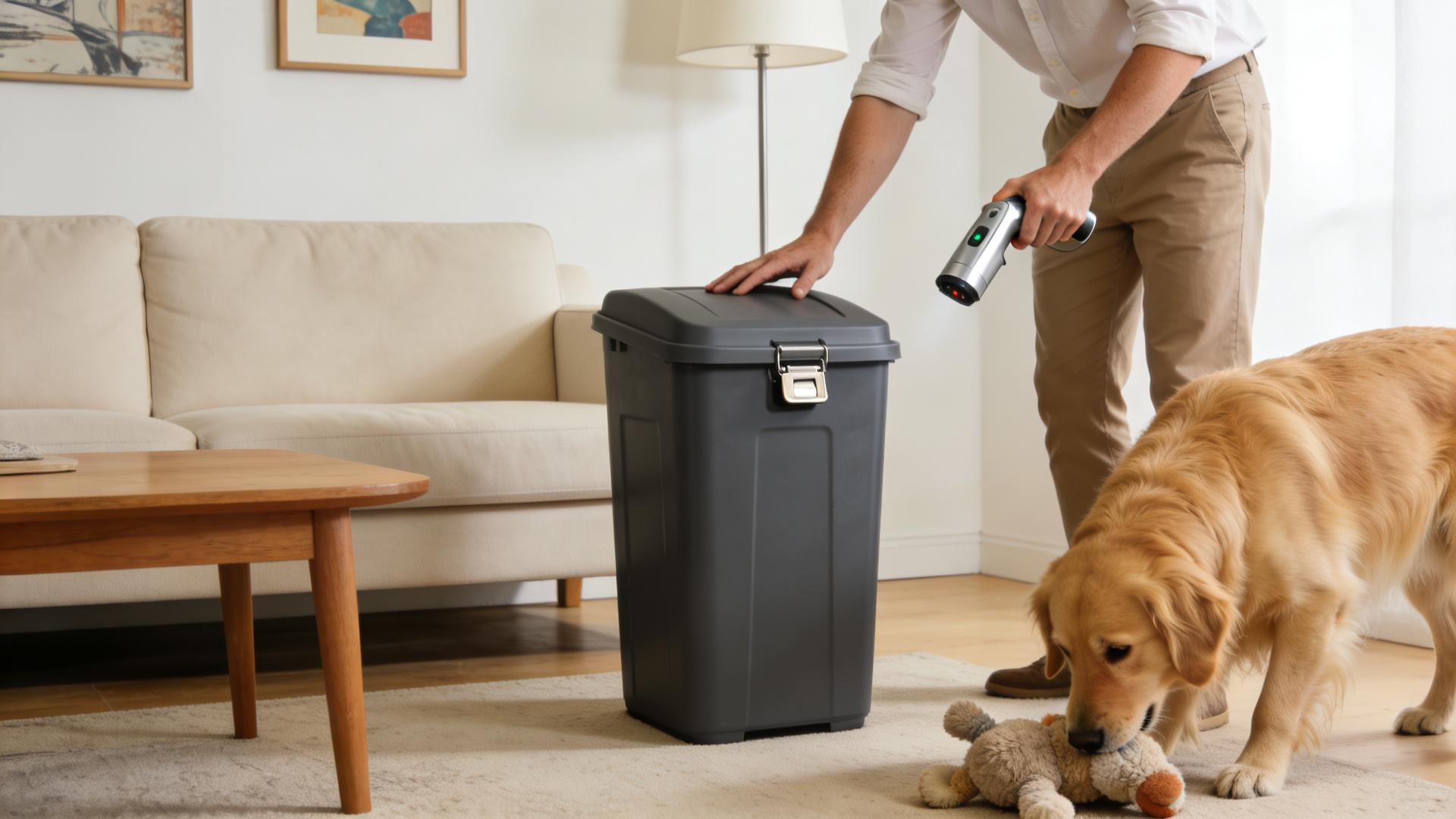
A bored dog is a destructive dog. Satisfy your dog's innate need to forage and chew in acceptable ways.
- Puzzle Feeders & Slow Bowls: Use these for every meal. A Kong Wobbler or snuffle mat turns dinner into a engaging brain game.
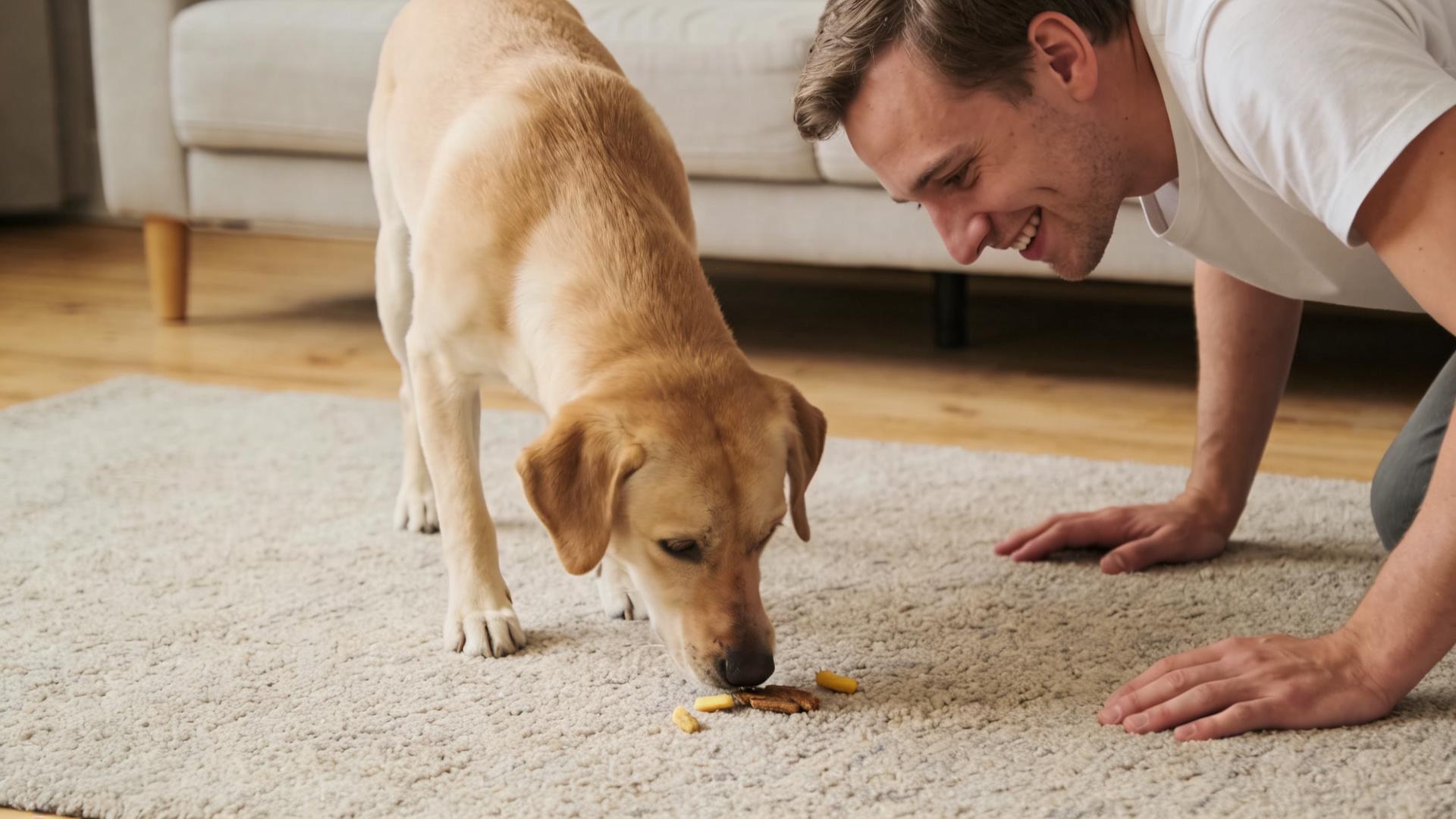
- Structured Scavenger Hunts: Hide your dog's daily kibble or healthy treats around the living room or in cardboard boxes for them to find. This directly satisfies the scavenging urge.
- Regular "Legal" Chews: Provide high-value, long-lasting chews like yak milk chews or bully sticks (under supervision) to give them an appropriate oral fixation.
A mentally and physically tired dog has little interest in getting into mischief.
✅ Conclusion: Patience, Consistency, and a Secure Lid
Correcting a habitual trash rummager is a test of your management and consistency, not your dog's stubbornness. Begin by perfecting your environmental setup—get that dog-proof trash can and use those baby gates. Concurrently, introduce safe, humane aversion techniques to teach the "leave it" lesson on a canine level. Remember, punishment after the fact is always ineffective and damages trust. Redirect your dog's natural instincts into positive activities. With this structured, dual-pronged approach, you can finally enjoy a cleaner, safer home and a dog who finds their rewards in places far more rewarding than the garbage.