
You May Have Missed
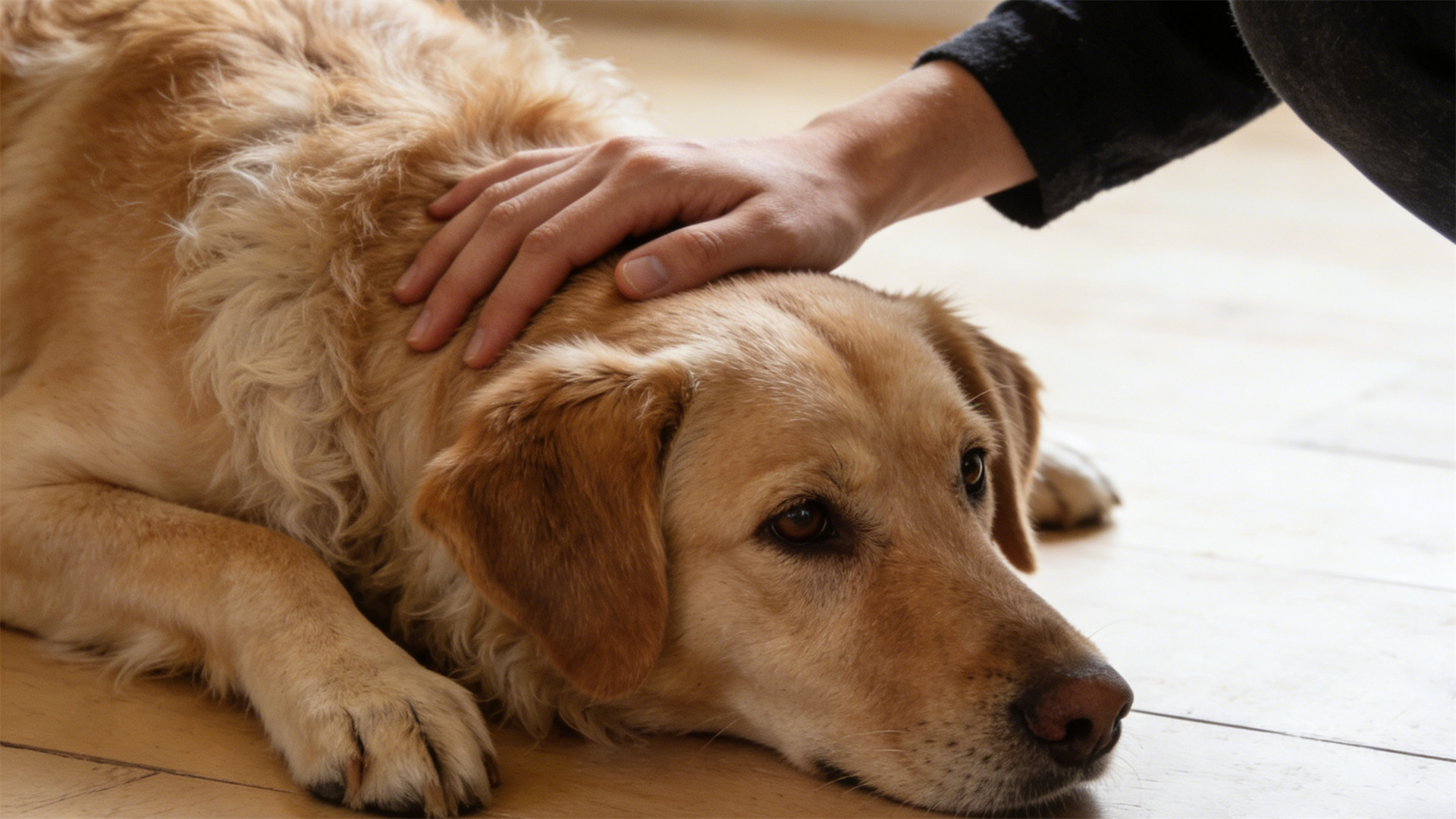
Early warning of infectious diseases
For every dog owner, the bond with their furry companion is built on love, trust, and a deep-seated responsibility for their health. Infectious diseases pose a silent but significant threat, capable of escalating from mild discomfort to life-threatening emergencies with alarming speed. Early detection is not just beneficial; it is critical. Recognizing the subtle, initial signs of illness can drastically improve treatment outcomes, reduce suffering, and prevent the spread to other animals. This comprehensive guide empowers you to become your dog's first and most important health advocate, detailing the key early warning signs you must monitor and providing actionable insights for superior canine care.
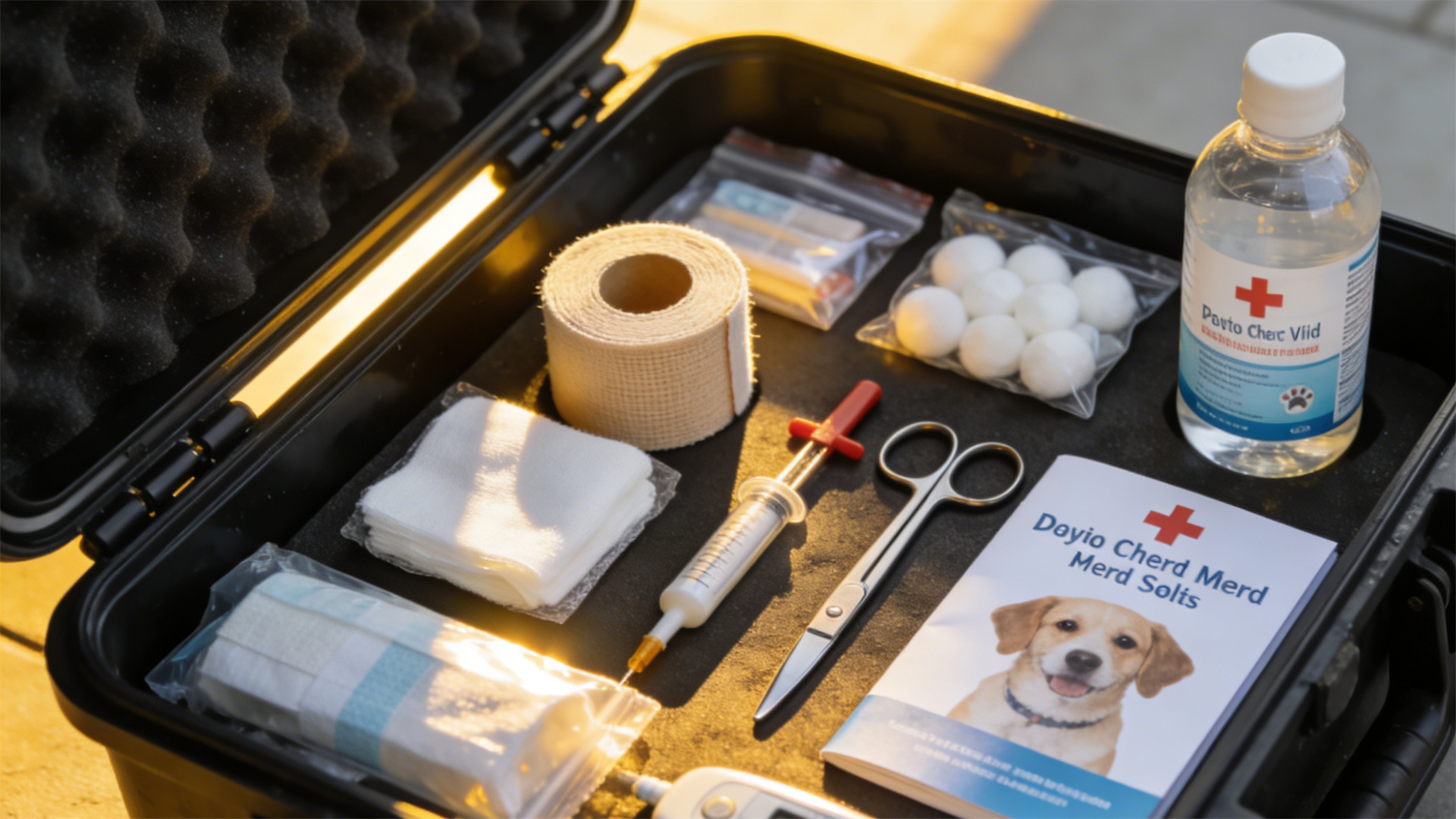
First aid kit and common medicines
As a loving dog owner, you provide the best food, cozy beds, and endless playtime. But what about when the unexpected happens? A sudden limp, a curious encounter with a bee, or an upset stomach can turn an ordinary day into a moment of panic. Preparedness is the cornerstone of responsible pet ownership. Having a well-stocked dog first aid kit and a clear understanding of common medicines for dogs can empower you to act swiftly and effectively in minor situations, bridging the gap between incident and veterinary care. This guide is your comprehensive, actionable resource to build your kit, understand safe medication basics, and always know when to call the vet.

Senior dog care: How to adjust home furnishings according to declining vision
Watching your faithful companion age is a journey filled with deep love and, sometimes, quiet concern. Noticing the first signs of vision decline—a hesitant step in dim light, a slight bump into a chair that’s always been there—can pull at your heartstrings. You want to help, to ensure their golden years are safe and comfortable. The wonderful news is that with some thoughtful, simple adjustments to your home, you can dramatically reduce your senior dog’s anxiety and risk of injury, transforming your shared space into a sanctuary of confidence. This guide will walk you through creating a vision-friendly home, an act of profound love that supports their independence and deepens your bond.
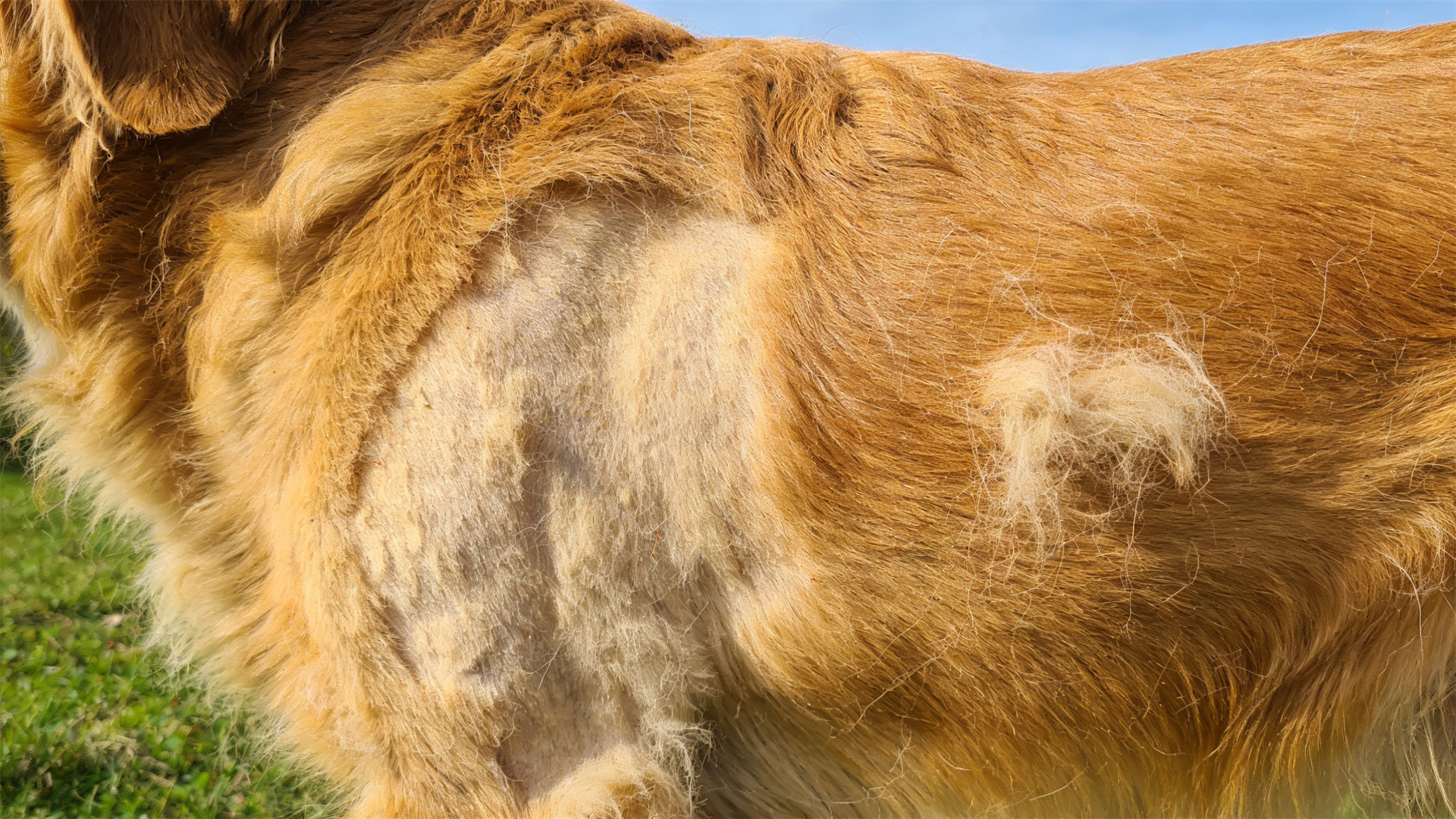
Seasonal hair loss vs. pathological hair loss: A simple trick to distinguish them
For every dog owner, the sight of tufts of fur clinging to the sofa, floating across the floor, or decorating your black pants is a familiar reality. While often jokingly called "dog glitter," this shedding can sometimes spark a wave of worry: Is this normal, or is my dog sick? Understanding the difference between a natural biological process and a sign of an underlying health issue is a cornerstone of responsible pet care. Not all hair loss is created equal. This guide will demystify canine seasonal shedding and pathological hair loss, arming you with the knowledge and a remarkably simple, hands-on trick to tell them apart with confidence.
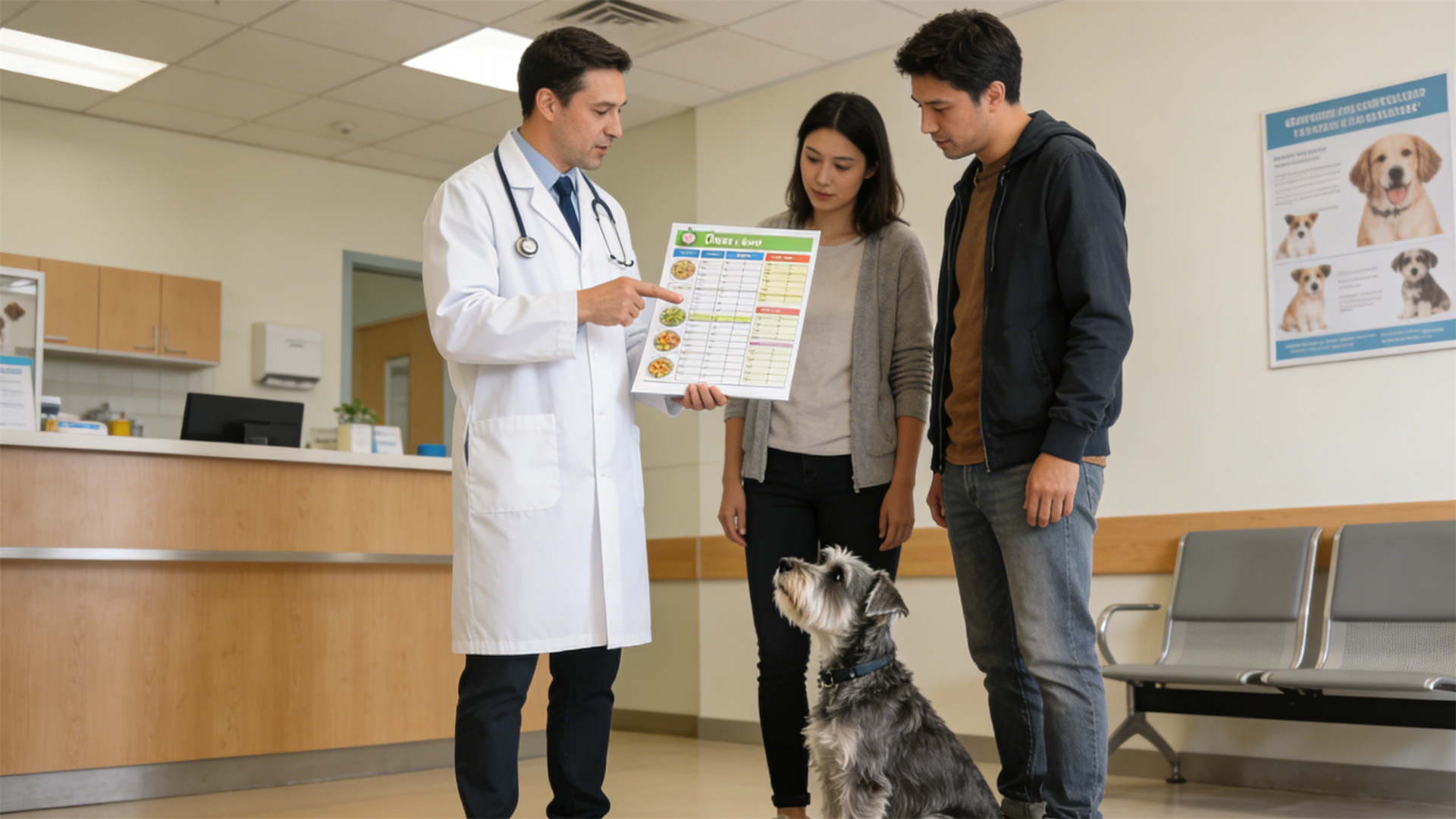
Schnauzer's hyperlipidemia: Why does this breed require a stricter diet with less oil?
With their iconic beards, bushy eyebrows, and spirited personalities, Schnauzers have captured the hearts of dog lovers worldwide. Whether it’s the spunky Miniature, the standard-bearer Standard, or the regal Giant, this breed family is renowned for its intelligence and loyalty. However, beneath that wiry coat lies a hidden, breed-specific metabolic quirk that demands vigilant attention from owners: a profound predisposition to hyperlipidemia. This condition makes a tailored, low-fat Schnauzer diet less oil not just a recommendation, but a critical component of lifelong health. This article delves into the genetic reasons, the potential health fallout, and the practical Schnauzer dietary requirements to manage this silent threat.

Corgi and Dachshund Spinal Insurance: Home Taboos for Protecting Intervertebral Discs (IVDD)
For the devoted owner of a Corgi, Dachshund, or similar short-legged breed, that joyful, wiggly gait is a constant source of delight. Yet, beneath that charming exterior lies a hidden vulnerability: a significant risk for Intervertebral Disc Disease (IVDD). This condition, where the cushioning discs between the vertebrae degenerate or herniate, can lead to pain, nerve damage, and even paralysis. The financial and emotional toll of treating IVDD can be overwhelming. This comprehensive guide addresses two critical pillars of proactive care: understanding the home taboos essential for prevention and demystifying the vital safety net of Corgi and Dachshund spinal insurance. By mastering both, you can dramatically improve your dog's quality of life and be financially prepared should a crisis arise.