Many dog owners operate under the pleasant misconception that their short-haired dog is a grooming-free zone. A quick brush here, an occasional bath there—surely that's enough? The truth is, a truly vibrant, glossy coat is not about the hair itself, but the skin beneath it. Healthy skin is the absolute foundation for coat vitality. This guide delivers a safe, effective routine focused on gentle dog exfoliation and techniques to amplify your dog's natural shine, transforming them from dull to dazzling.
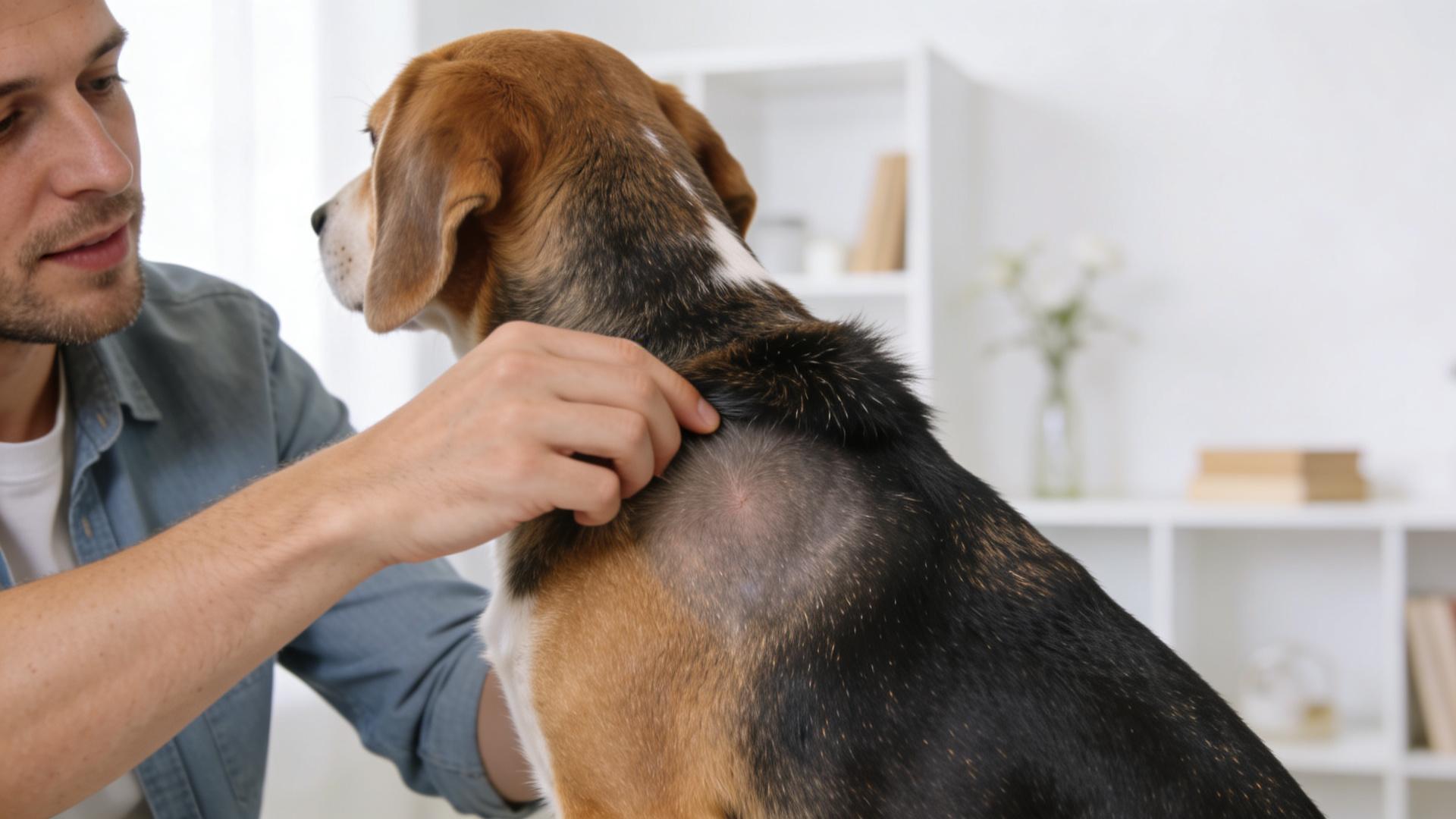
🩺 Why Skin Care is the Foundation of a Shiny Coat
Think of your dog's skin like the soil in a garden. If the soil is unhealthy, the plants (or hair) will never thrive. A shiny coat is a direct reflection of healthy skin. Each hair follicle resides within the skin, and its condition dictates the hair's strength, growth, and shine. When dead skin cells accumulate—a process known as desquamation—they can clog follicles and create a barrier that prevents natural oils (sebum) from distributing evenly along the hair shaft. This leads to a dry, flaky, and lackluster appearance. Regular, gentle exfoliation removes this buildup, allowing follicles to breathe and those precious oils to coat each hair for a natural, glossy coat.
🧰 Pre-Grooming Essentials: Gathering Your Tools
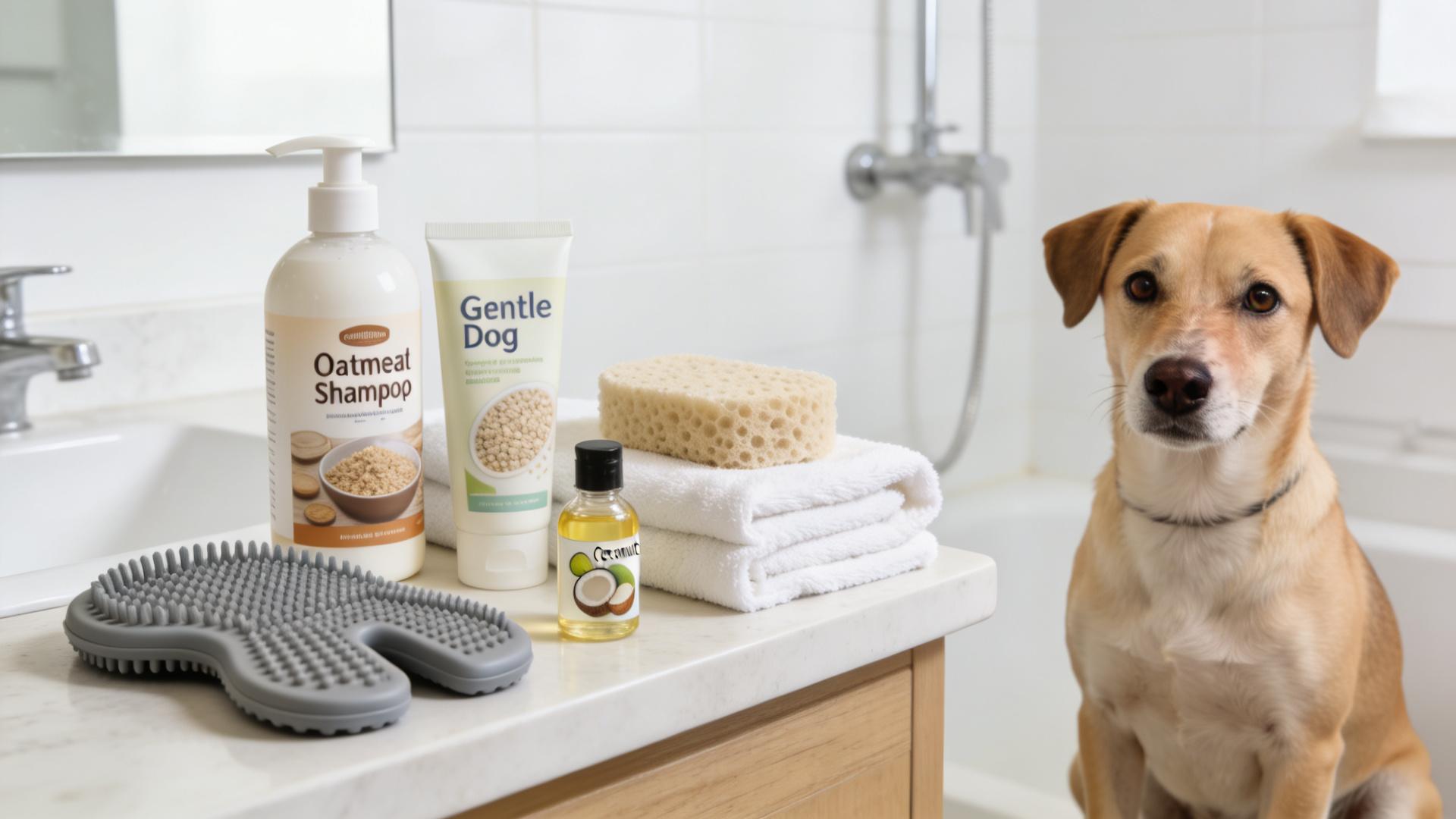
Success in skin grooming starts with the right tools. Using improper products can do more harm than good. Here’s your essential checklist:
- A Rubber Grooming Mitt or Soft Bristle Brush: The cornerstone tool for short-haired dog grooming. It’s perfect for lifting dead hair and skin cells without irritation.
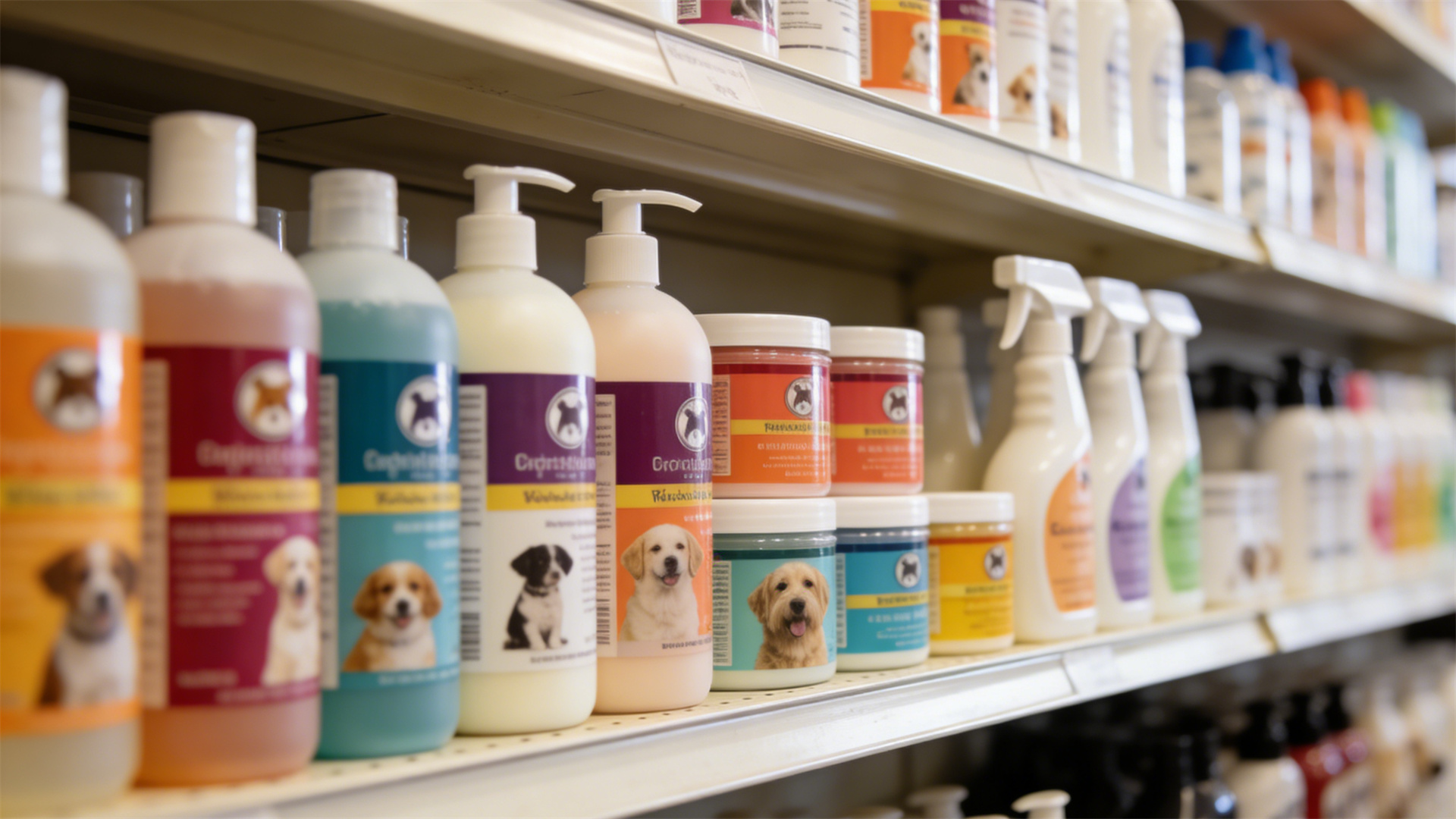
- A Moisturizing, Oatmeal-Based Dog Shampoo: Avoid harsh, detergent-based shampoos. Oatmeal is soothing and helps maintain the skin's moisture barrier.
- A Gentle, Dog-Specific Exfoliating Product or DIY Alternative: Never use human scrubs. Opt for a vet-recommended product or a simple paste made from colloidal oatmeal and water.
- Multiple Clean Towels: You’ll need them for pre-bath brushing, during the bath, and for drying.
- High-Quality Coconut or Jojoba Oil (Optional): A tiny amount acts as a superb natural conditioner to enhance coat shine.
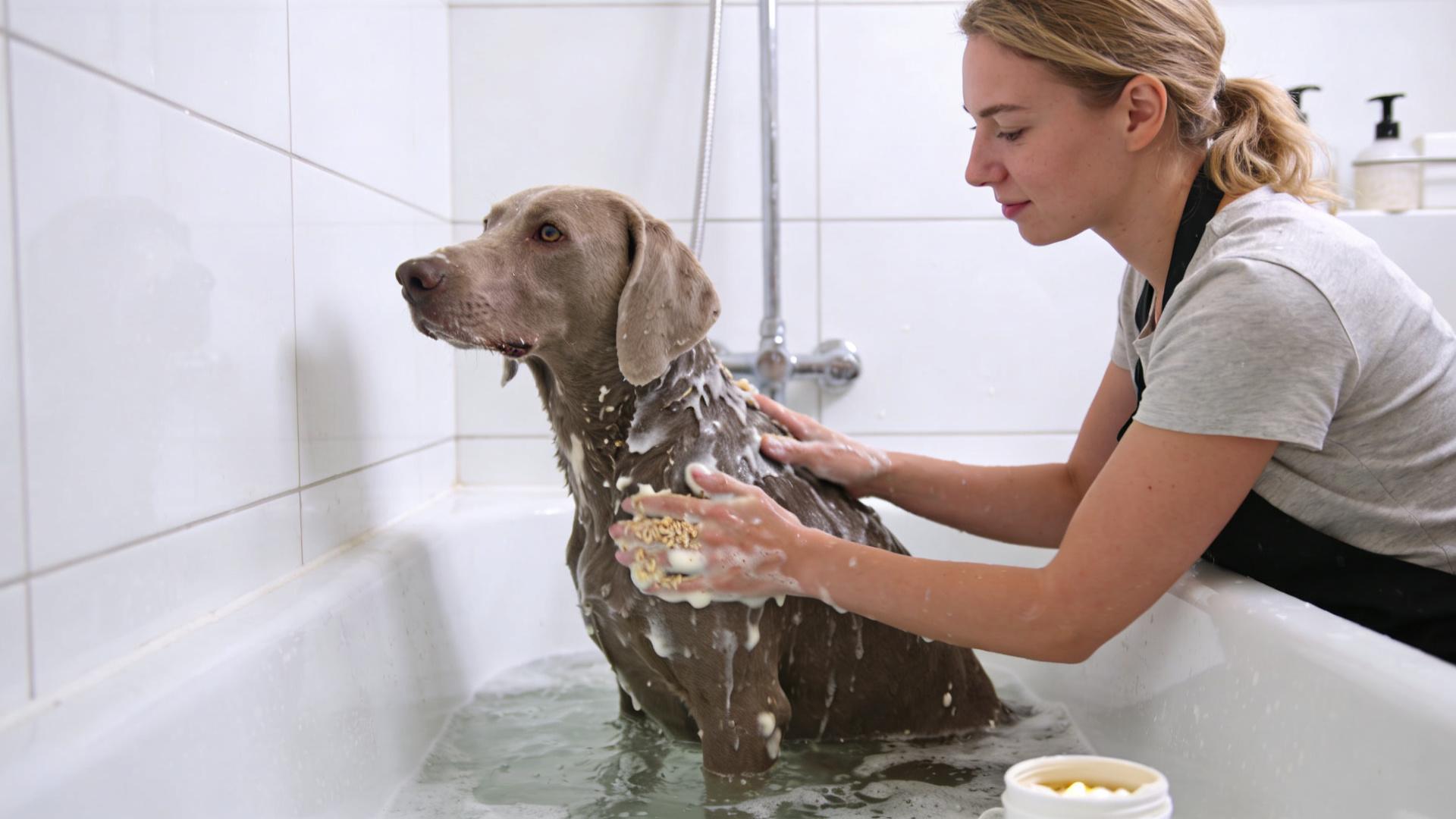
🚿 Step One: The Pre-Exfoliation Bath
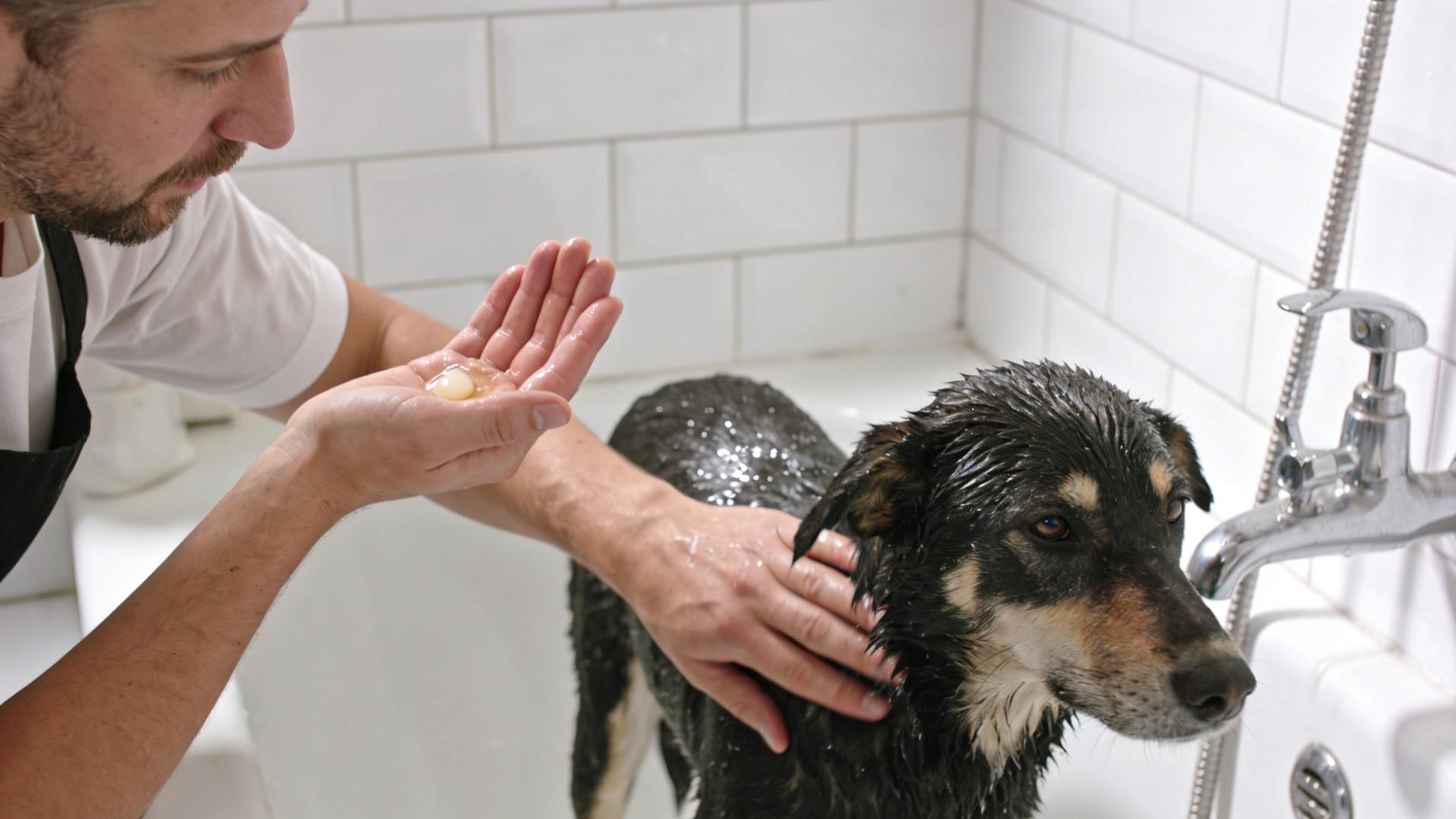
Never exfoliate on a dirty coat. Start by thoroughly brushing your dog with the rubber mitt to loosen and remove surface dirt, loose hair, and debris. This pre-brush makes the washing process more effective. Use lukewarm water—test it on your wrist—to completely wet your dog’s coat. Apply the moisturizing shampoo and massage it into a rich lather, working down to the skin. This cleanses the surface and prepares it for exfoliation. Rinse completely; any shampoo residue will block the exfoliant.
🌀 Step Two: The Gentle Exfoliation Process
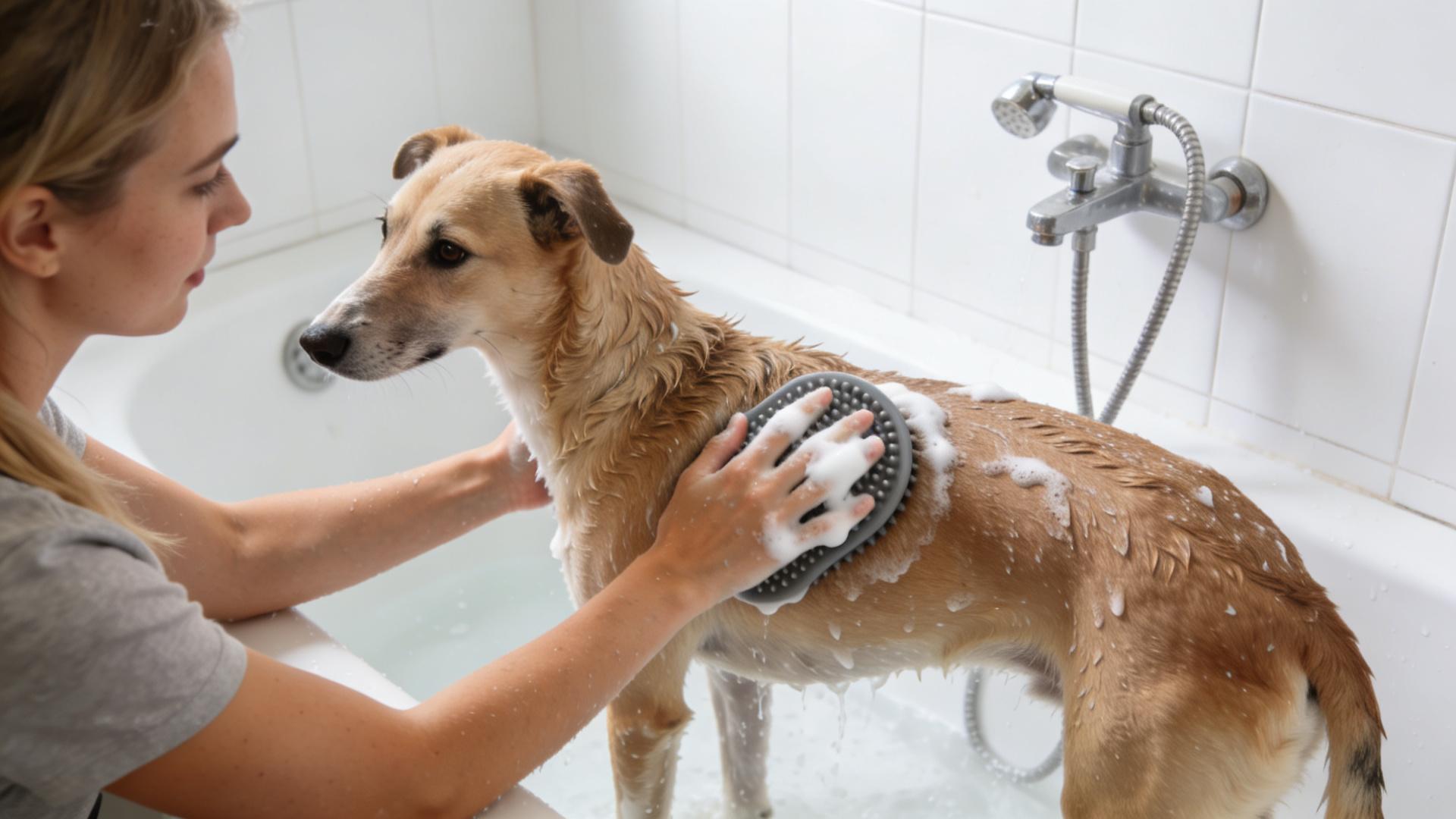
This is the core of your dog exfoliation routine. Caution is key—this is not a scrub-down. Apply your dog-safe exfoliant to their damp skin. Using the rubber mitt or your fingertips, massage the product in gentle, circular motions over their body. Focus on areas with thicker skin like the back and hindquarters, but avoid the sensitive skin on the face, belly, and genital areas. The entire process should be brief: 3-5 minutes maximum. Over-exfoliation can strip protective oils. Follow with a thorough rinse until the water runs absolutely clear.
✨ Step Three: Enhancing and Sealing in Shine
After the final rinse, it’s time to lock in moisture and boost that coat shine. If using oil, warm a pea-sized amount of coconut or jojoba oil between your palms. Lightly smooth it over the wet coat—this adds a subtle, healthy gloss and moisturizes the skin. Alternatively, you can use a conditioner specifically formulated for shine. Once done, towel dry your dog as much as possible to remove excess water.
🪮 Step Four: The Final Brush-Out
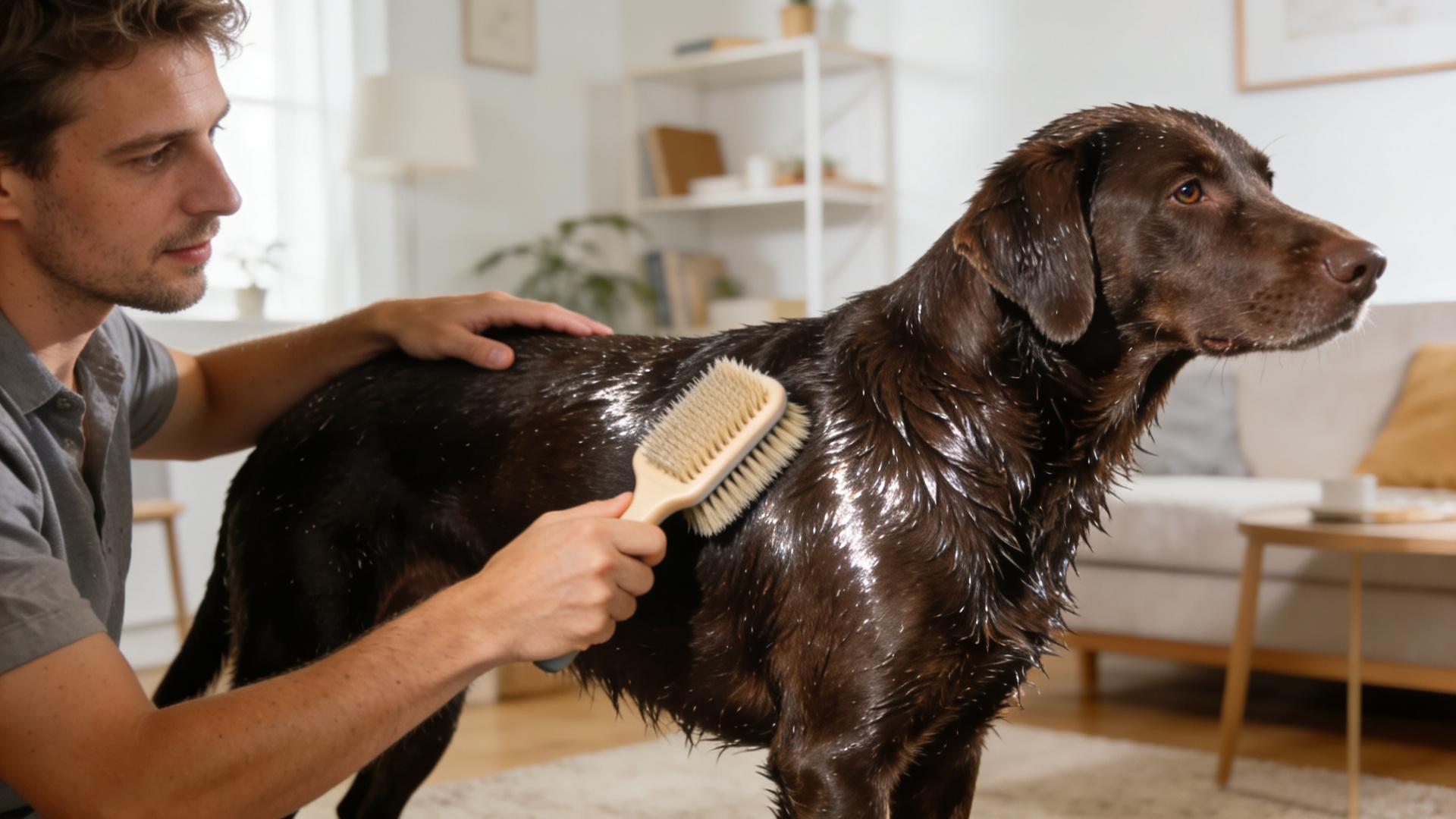
Patience is vital. Wait until your dog is completely dry. Then, using the soft bristle brush or rubber mitt, give them a final, full-body brush. This step removes any last loose hairs and skin cells freed during the bath. Most importantly, it evenly distributes those natural oils from the skin across the entire coat, resulting in a uniform, healthy, and dazzling shine.
📅 Post-Grooming Care and Frequency
This intensive skin grooming routine should be performed no more than once a month. Overdoing it can disrupt the skin's pH and strip away essential oils, leading to dryness. For maintenance, a weekly brushing session with your rubber mitt is highly recommended. Always observe your dog’s skin after grooming for any signs of irritation, such as redness or excessive scratching.
⛔ Common Mistakes to Avoid
Steer clear of these critical errors to ensure your dog's skin health and safety:
- Using Human Exfoliants: Dog skin has a different pH balance. Human products are often too harsh and can cause chemical burns or severe irritation.
- Over-Exfoliating: More is not better. Stick to the recommended monthly frequency and gentle pressure.
- Incomplete Rinsing: Product residue is a primary cause of itchiness and dermatitis.
- Using Poor-Quality Tools: Stiff brushes can scratch the skin. Invest in gentle, purpose-made tools.
- Neglecting Regular Brushing: The weekly brush is crucial for maintaining oil distribution and shine between deep grooming sessions.
❓ FAQ Section
Can I use my own facial scrub on my dog?
Answer: Absolutely not. As mentioned, dog skin has a different pH (around 7.5, compared to human skin's 5.5). Human scrubs contain fragrances, acids, and microbeads that can be toxic or severely damaging to canine skin.
What are signs I am over-exfoliating my dog?
Answer: Watch for increased dryness, flakiness, redness, hot spots, or itching. If you see any of these signs, stop exfoliation immediately and consult your veterinarian.
How often should I brush my short-haired dog?
Answer: For optimal coat shine and skin health, aim for at least once a week. This regular practice is the single most effective maintenance task you can do.
Are there dietary supplements for coat shine?
Answer: Yes. Omega-3 and Omega-6 fatty acids (found in fish oil, flaxseed) are renowned for supporting skin and coat health from the inside out. However, always consult your vet before adding any supplement to your dog's diet to ensure proper dosage and suitability.
🎯 Conclusion
A radiant, head-turning shine on your short-haired dog is not a mystery—it's a matter of dedicated skin grooming. By understanding the link between skin and coat, and incorporating gentle dog exfoliation and proper finishing techniques into your routine, you actively promote health and comfort. The process is simple, safe, and profoundly effective when done correctly. We encourage you to try this routine and observe the positive change in your dog's comfort and appearance. Share your results or your own glossy coat tips in the comments below!