Your dog's paws are the foundation of their entire world. They are complex shock absorbers, traction providers, and sensory tools that carry your companion through every adventure. Dog paw health grooming is not a mere Grooming luxury; it is a critical component of preventative healthcare that safeguards their mobility, comfort, and overall wellness. Proactive paw care prevents a cascade of potential problems, from acute pain to chronic joint issues. This guide will empower you with the knowledge and techniques to master the two pillars of canine foot care: nail trimming and paw pad maintenance. By integrating these simple rituals into your routine, you actively contribute to your dog's long-term vitality and happiness.
🛠️ The Complete Guide to Dog Nail Trimming
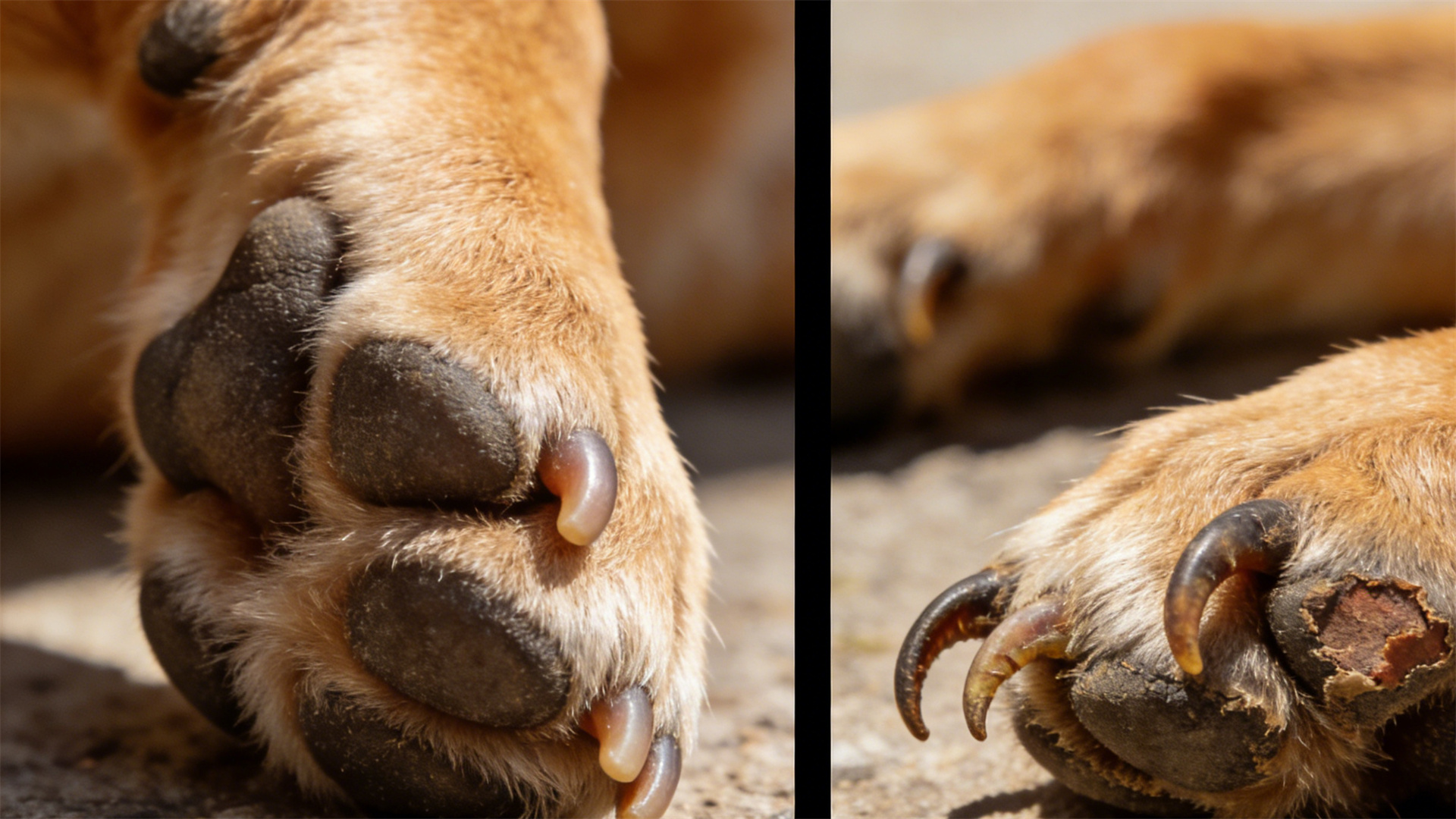
Neglecting your dog's nails is one of the most common, yet easily corrected, oversights in pet care. Overgrown nails are more than an aesthetic issue; they are a source of constant discomfort and a threat to your dog's skeletal health.
Why It Matters: The Hidden Dangers of Long Nails
When a dog's nails contact the ground, it forces the toe to twist and the foot to splay unnaturally. This alters their natural gait, much like a person wearing shoes that are several sizes too long. Over time, this abnormal posture can lead to:
Chronic Joint Pain and Arthritis: The constant pressure and altered angle strain the tendons and joints in the foot and leg.
Splayed Feet: The toes spread apart to compensate, weakening the structure of the foot.
Risk of Torn or Split Nails: Long nails are prone to catching on surfaces, leading to painful, bloody tears that often require veterinary attention.
Reduced Traction: Nails hitting the floor first can cause slipping, especially on hard surfaces like tile or hardwood.
Tools of the Trade: Choosing Your Equipment
Having the right tool for the job builds confidence for both you and your dog. The main options are:
Guillotine-Style Clippers: Best for small to medium dogs with nails of moderate thickness. A blade slides across to slice the nail. Keep the blade sharp for a clean cut.
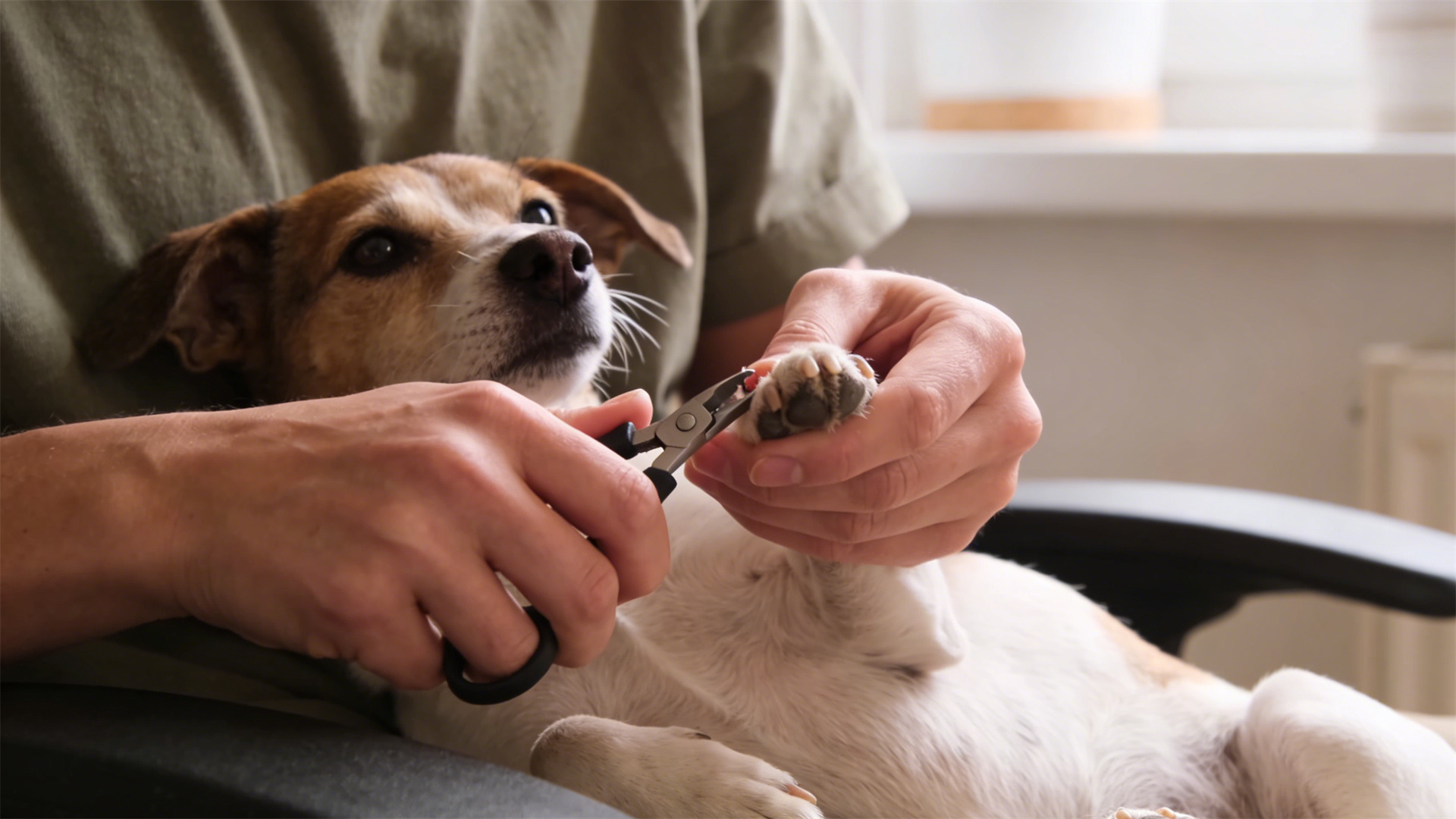
Scissor-Style Clippers: These work like pliers and are excellent for medium to large dogs with thicker nails. They provide good leverage.
Rotary Grinders (Dremel-type): These tools sand the nail down rather than cutting it. They are ideal for dogs with thick, dark nails where the quick is hard to see, as they allow for gradual shortening. They also create a smooth edge. Note: The noise and vibration can require acclimation.
Special Reminder: No matter your tool choice, you must have styptic powder or a styptic pencil on hand. This clotting agent is essential for instantly stopping bleeding if you accidentally cut the quick.
Step-by-Step Trimming Technique: A Calm and Safe Approach
Follow this methodical process for a stress-free experience.
1. Create a Calm Environment: Choose a well-lit, quiet space. Have your clippers, styptic powder, and some high-value treats ready.
2. Position Your Dog Comfortably: For small dogs, place them on a stable table. For larger dogs, sit on the floor with them. Gently hold the paw firmly but without squeezing.
3. Identify the Quick: This is the pink, blood vessel and nerve inside the nail. In white nails, it's visible. For dark nails, look from the underside; you may see a greyish or oval center. The goal is to cut about 2-3mm in front of it.
4. Make Small, Angled Cuts: Hold the clippers perpendicular to the nail (for a straight-across cut) or at a slight 45-degree angle. Take off tiny slices, checking the nail's cross-section after each cut. You'll see a whitish, chalky center; stop just before you see a black dot or pinkish core, which indicates the quick is near.
5. If You Quick the Nail: Stay calm. Your dog may yelp. Immediately apply styptic powder with firm pressure for 30 seconds. Comfort your dog with a treat. The bleeding will stop quickly.
Frequency and Pro Tips for Success
Most dogs need a trim every 3-4 weeks, but active dogs who walk frequently on pavement may wear their nails down naturally. Listen for the tell-tale "click-click" sound on your floors.
Building a Positive Association: Never make nail trimming a punishment. Start by simply handling your dog's paws and giving treats. Let them sniff the clippers or grinder while they eat. Progress to touching the tool to one nail and treating. Keep initial sessions very short and always end on a positive note with praise and play.
🩹 Essential Paw Pad Care and Maintenance
While nails need clipping, the paw pads themselves require inspection, cleaning, and protection. These tough, yet sensitive, cushions are your dog's first line of defense against the elements.
Paw Pad Inspection: Your Weekly Health Check
Make a habit of examining all pads and between the toes weekly. Gently spread the toes and look for:
- Cracks or Dryness: Rough, callused, or split skin.
- Cuts, Abrasions, or Blisters: Look for any breaks in the skin.
- Foreign Objects: Pebbles, burrs, seeds, or ice balls lodged between toes.
- Discoloration or Swelling: Redness, unusual dark spots, or swelling can indicate infection, allergy, or injury.
- Limping or Licking: These are behavioral signs of paw pad issues.
Cleaning and Wiping: The Post-Walk Ritual
After every walk, especially in urban areas or during seasonal extremes, wipe your dog's paws. This removes harmful agents like road salt, chemical ice melts, pesticides, fertilizers, and allergens. Use a damp cloth or pet-safe wipes. This simple step prevents irritation and stops your dog from ingesting toxins when they lick their paws.
Moisturizing for Health: Balms and Butters
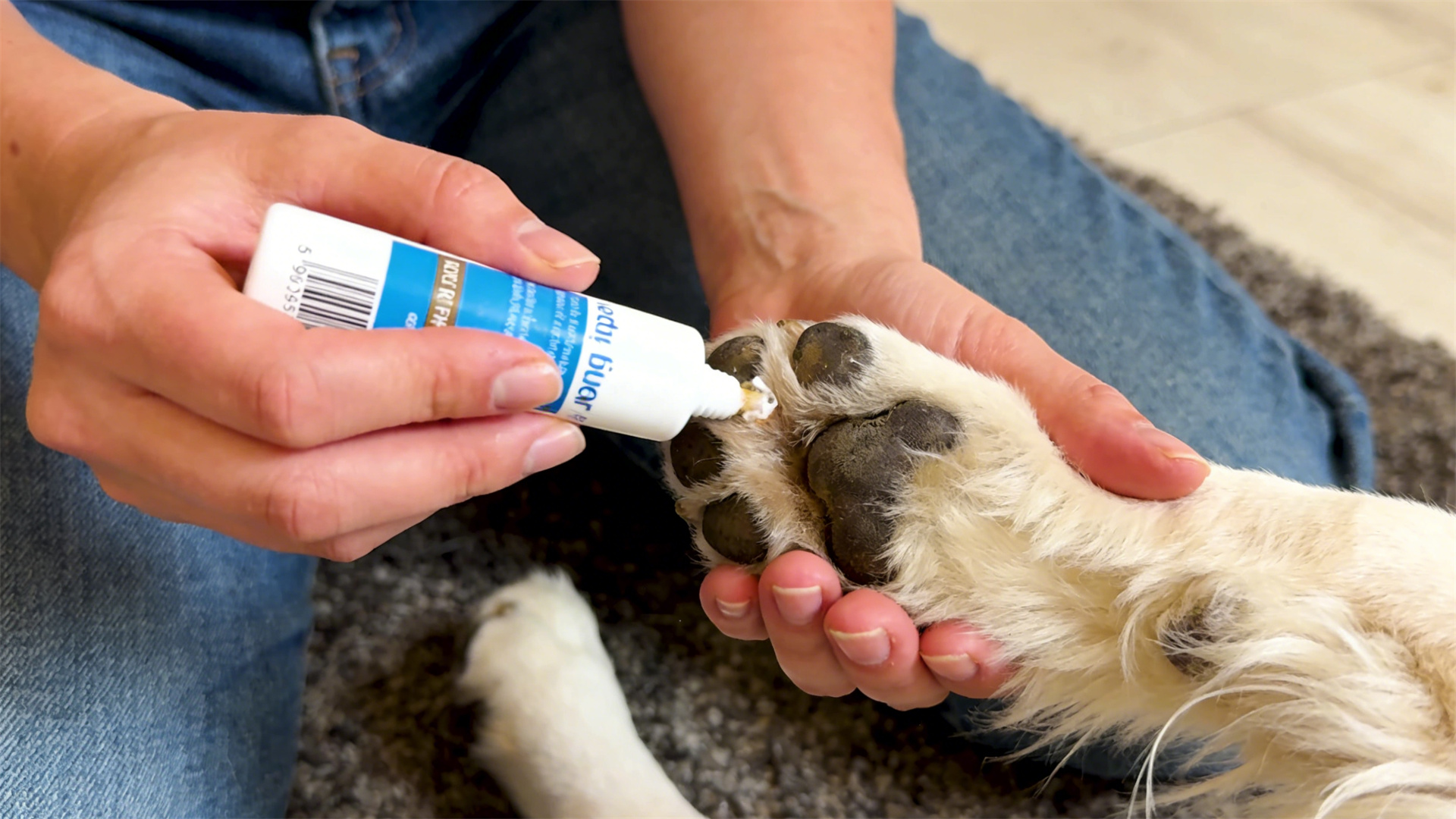
Paw pads can become dry, cracked, and painful, much like human heels. In dry climates or during seasonal changes, apply a pet-specific paw pad moisturizer or balm. These products are designed to be safe if licked and contain healing ingredients like shea butter, coconut oil, or beeswax. Critical Warning: Never use human lotions, which often contain alcohols, fragrances, or other chemicals that can soften the pad too much or be toxic if ingested.
Protecting Paw Pads from Environmental Hazards
Prevention is the best medicine. Be aware of these common threats:
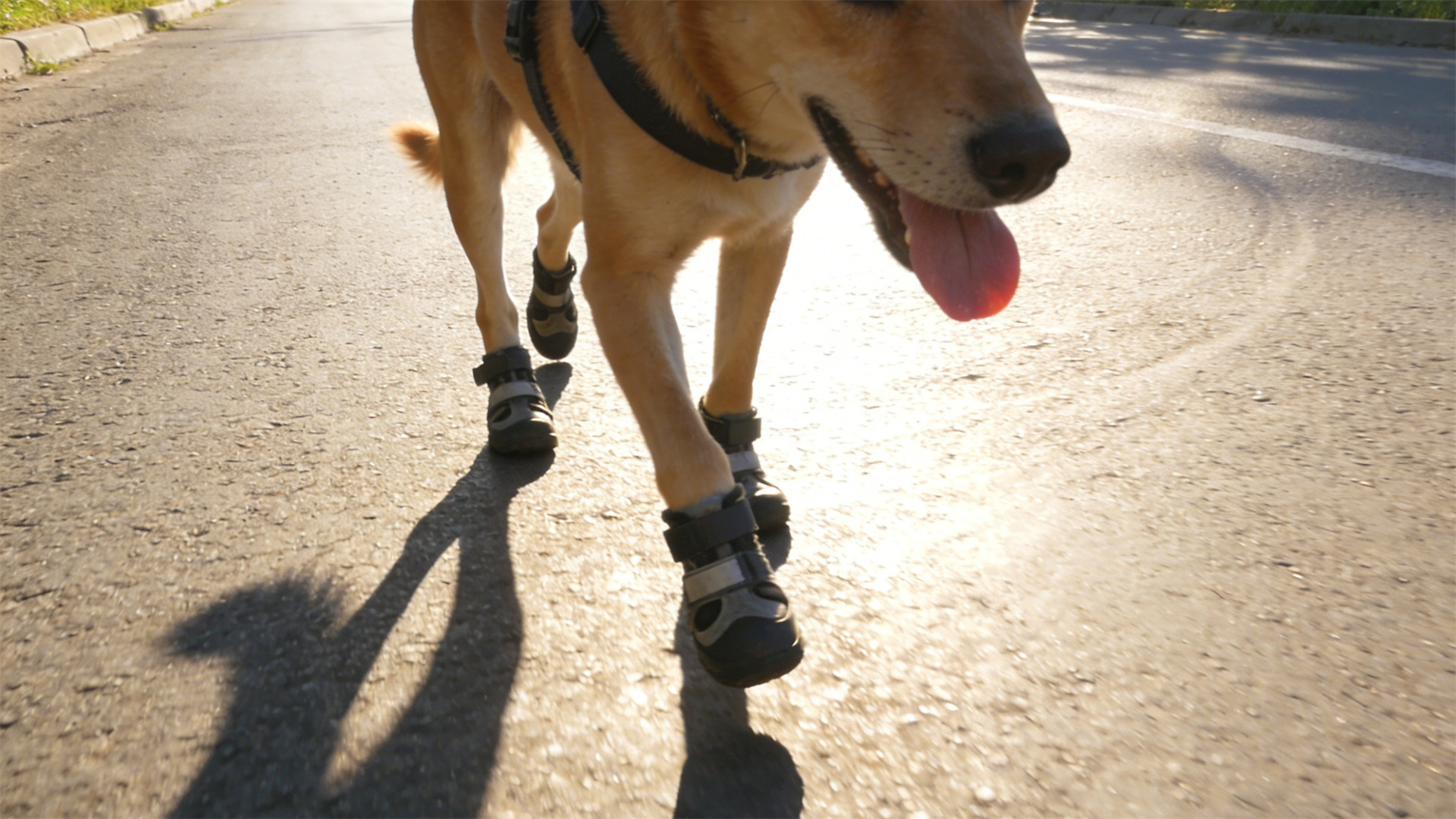
Summer: Hot pavement, asphalt, and sand can cause severe burns in minutes. Use the 7-second test: place the back of your hand on the surface. If it's too hot for you, it's too hot for your dog. Seek grass, walk during cooler hours, or use protective dog boots or a protective paw wax that creates a barrier.
Winter: Ice, snow, and chemical ice melt products are major hazards. Ice can cut pads, and salt causes chemical burns and is poisonous. Rinse and wipe paws after outings. Dog boots are excellent, or apply a generous layer of protective wax before walks.
Rough Terrain: Hiking on rocky or sharp trails can cause abrasions. Condition your dog's pads gradually and consider boots for extended adventures.
Addressing Common Injuries: First-Aid and Vet Care
For minor cuts or cracks:
1. Clean: Gently rinse the wound with lukewarm water or a saline solution.
2. Disinfect: Apply a pet-safe antibacterial spray or ointment.
3. Protect: Lightly bandage the paw with a non-stick pad and vet wrap (not too tight!) to keep it clean. Prevent your dog from licking it by using an Elizabethan collar.
Seek veterinary care immediately if the injury is deep, won't stop bleeding, shows signs of infection (pus, extreme redness, swelling, heat), or if your dog is severely limping or non-weight bearing.
Conclusion: Paws for a Healthy, Happy Life
Consistent dog paw health grooming is a profound act of love and a cornerstone of responsible pet ownership. It requires minimal time but yields immeasurable rewards in your dog's comfort, mobility, and zest for life. Mastering nail trimming for dogs and diligent paw pad care for dogs are not complicated tasks; they are simple, nurturing rituals that fortify your dog's foundation against the world. By incorporating weekly inspections, post-walk wipe-downs, timely trims, and seasonal protection, you ensure your best friend is always ready for the next adventure, pain-free and confident with every step they take. Start today—your dog's paws will thank you for a lifetime.