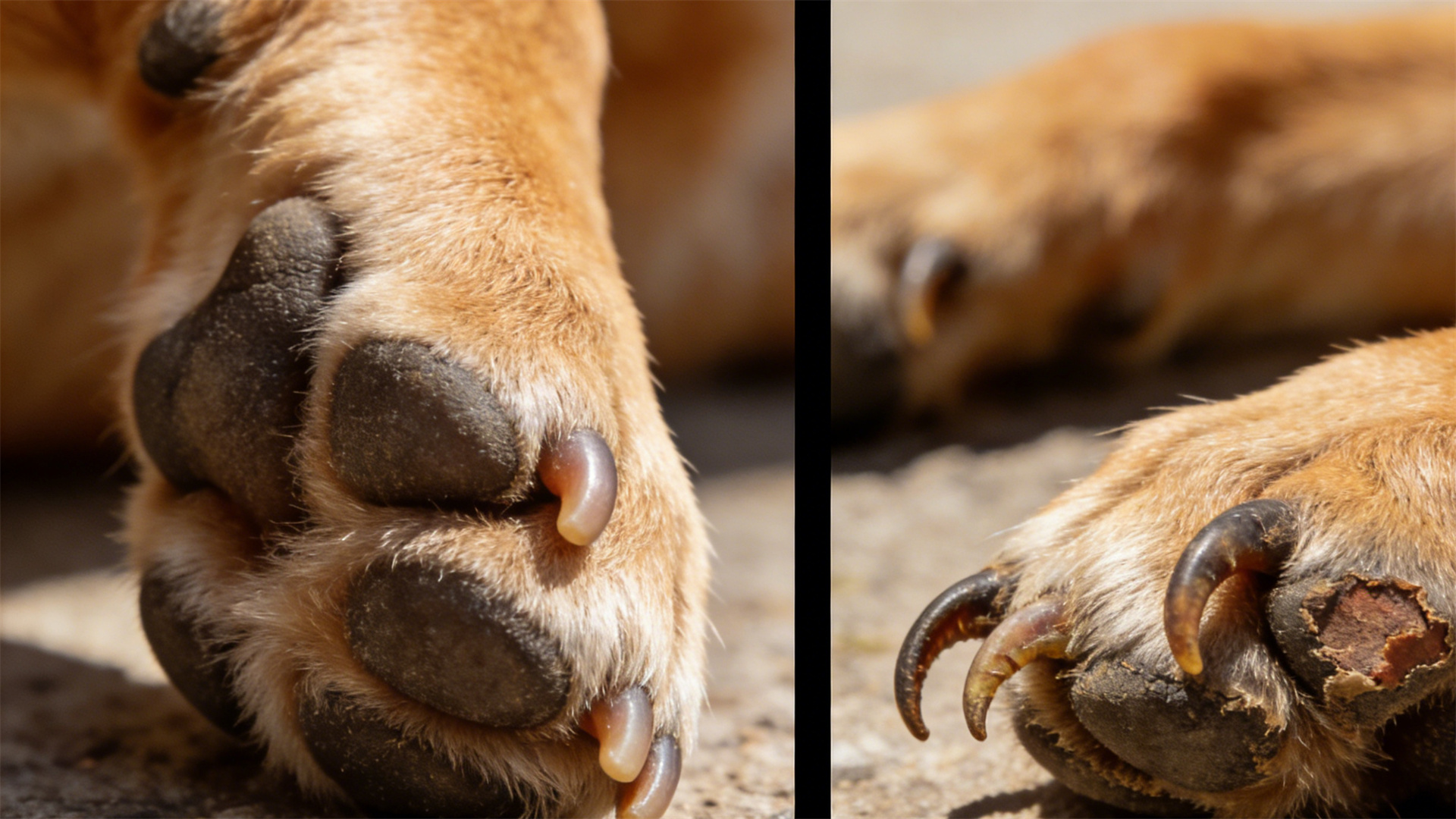
For many pet parents, grooming at home is an act of love and a way to bond. However, that serene picture can quickly turn stressful at the first sign of a nick or cut. Safe dog trimming is not just about achieving a pretty look. it is a fundamental aspect of pet grooming safety that protects your canine companion from pain, infection, and lasting anxiety. The risks are real. from accidental cutting dog skin while grooming with dull scissors to painful clipper burns and razor rash. This guide, crafted with expertise in canine care, will provide you with the essential dog grooming safety guidelines you need. Master these safe grooming practices to transform grooming from a chore into a confident, safe, and enjoyable routine for you both.
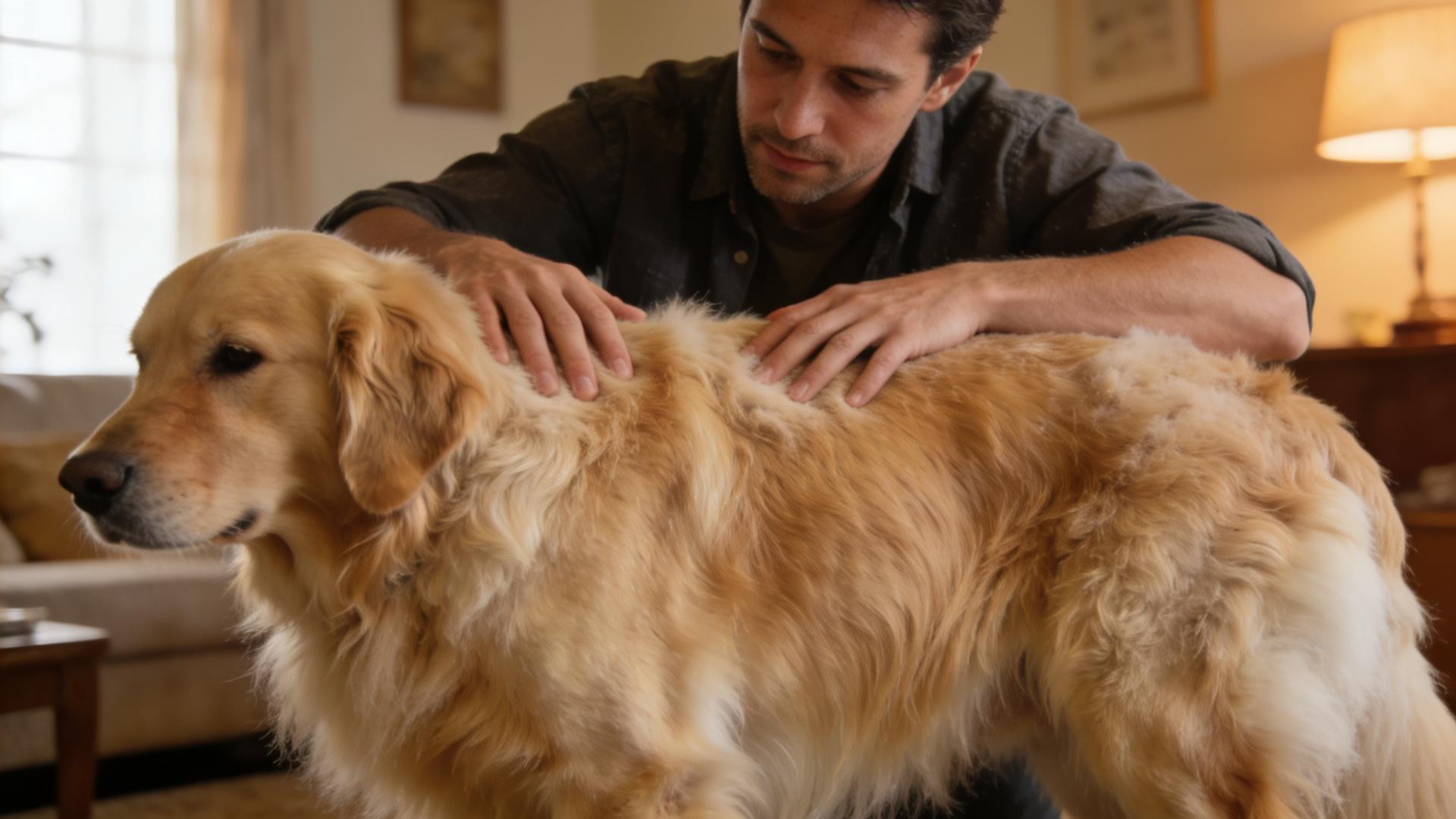
🐶 Essential Tools for Safe Trimming: Your First Line of Defense
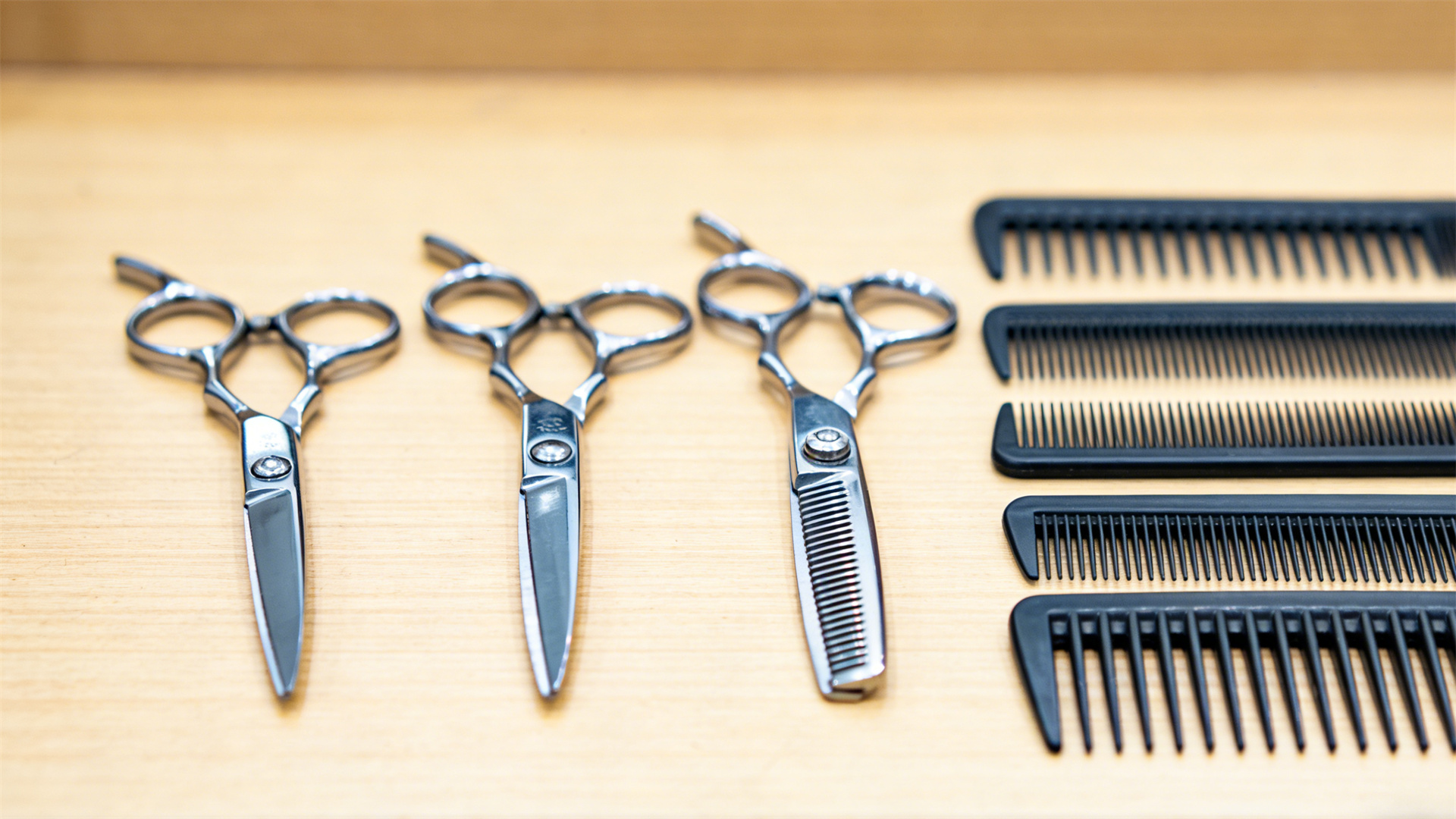
Using the correct, well-maintained tools is the cornerstone of home grooming safety. Improvised or poor-quality equipment is a leading cause of dog grooming accidents. Investing in the right gear is non-negotiable for preventing nicks and cuts.
Critical Tools and Their Safety Functions:
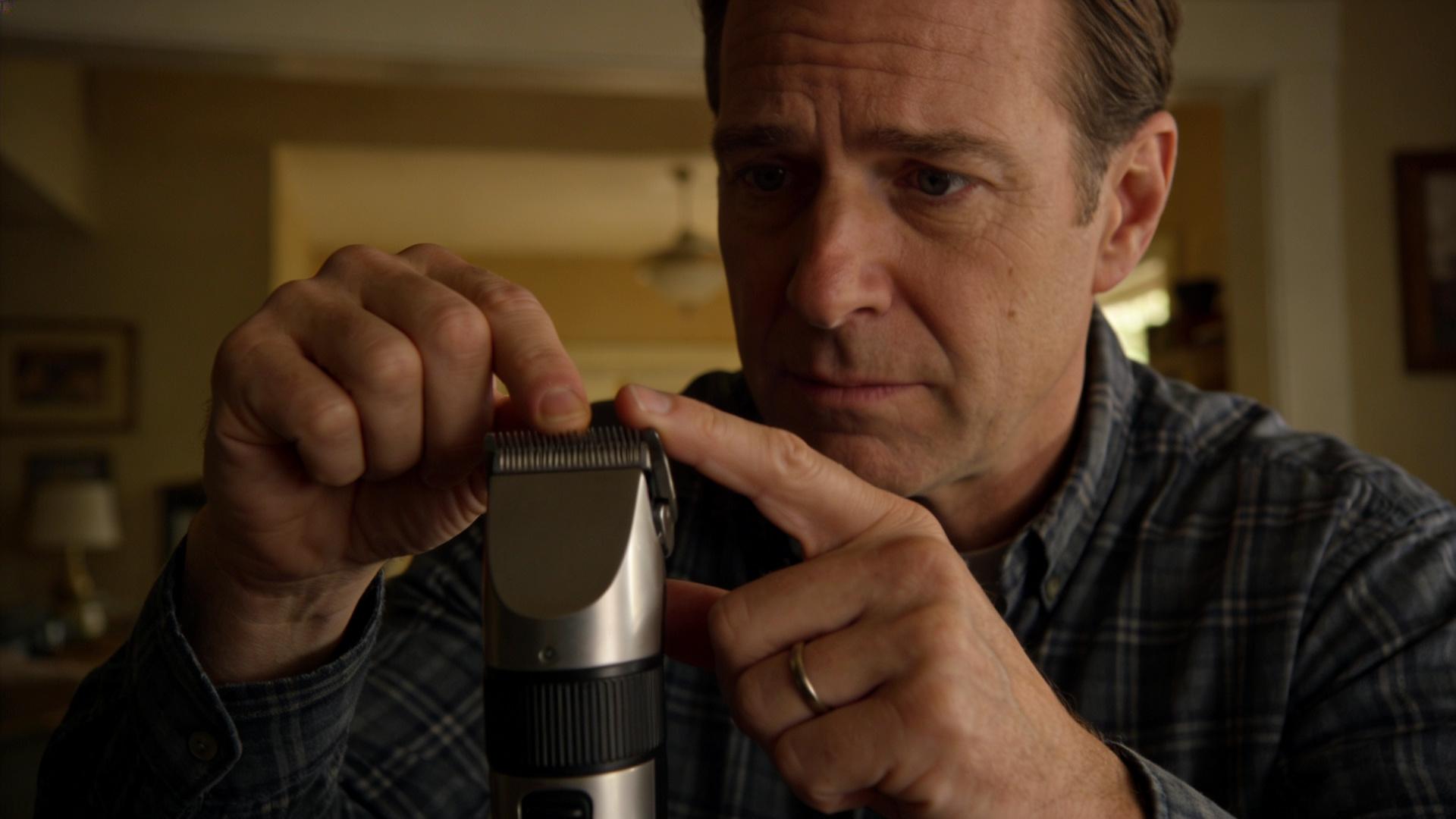
1. Clippers: Not all clippers are equal. Choose safe dog clippers designed for pets, as they have the appropriate motor speed and blade options. Human clippers can pull hair and overheat. Always use the correct clipper guard recommendations for the desired hair length. A #ff2626 Special Reminder: Dull blades tug and cut skin. Keep blades sharp and clean them regularly.
2. Scissors: This is where most injuries occur. Always use blunt tipped grooming shears for trimming around sensitive areas like the face, paws, and sanitary regions. Sharp, high-quality shears make clean cuts. dull scissors crush the hair and require more force, slipping easily. Grooming scissors safety is paramount.
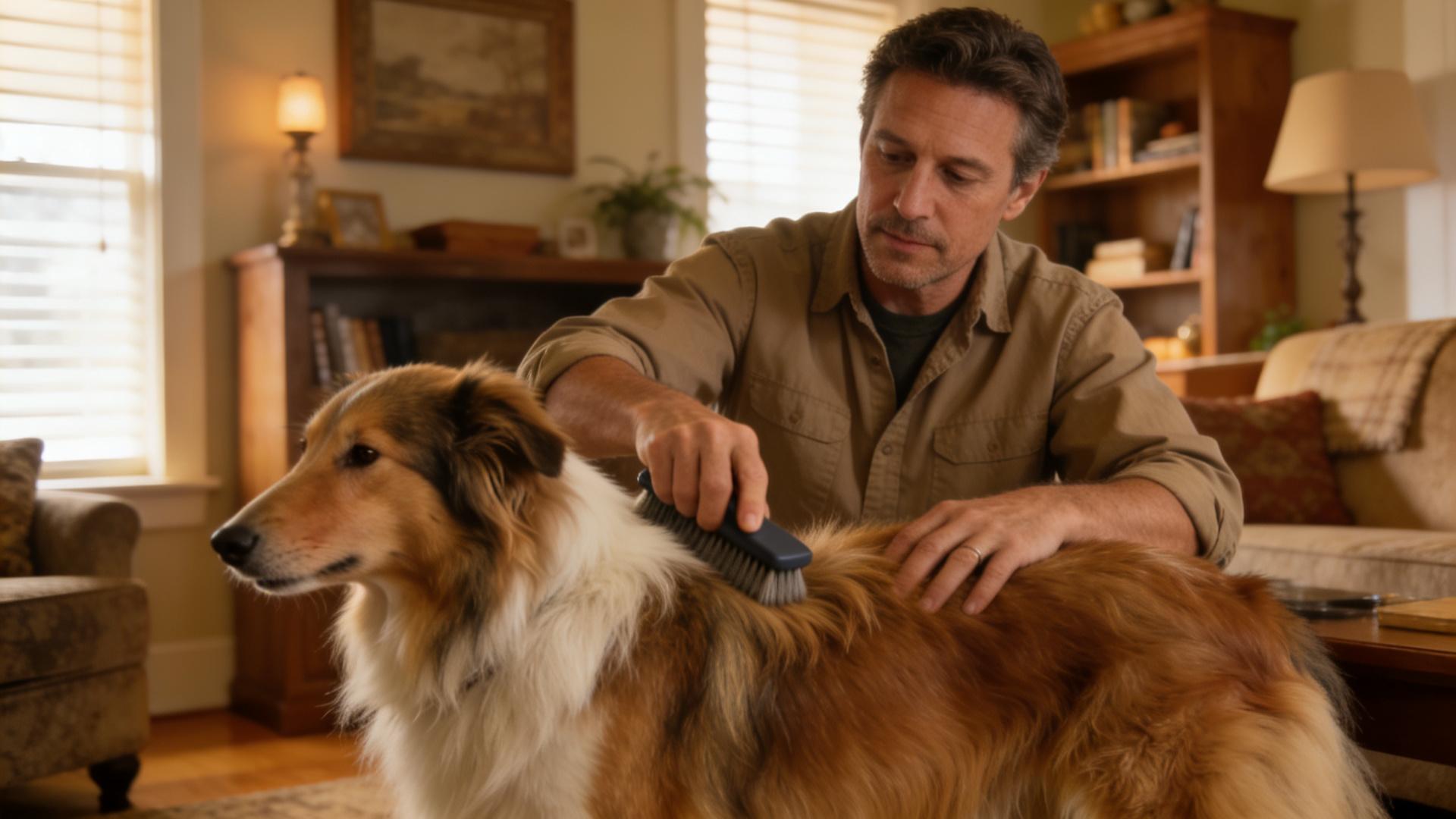
3. Combs and Brushes: These are your pre-trimming detectors. A fine-toothed comb helps you find hidden mats close to the skin and tangles. Brushing thoroughly before any trim prevents clippers and scissors from catching on knots, which can jerk the skin into the blade.
4. Styptic Powder or Pencil: An absolute must-have in your dog first aid grooming kit. This powder quickly stops minor bleeding from small nicks. Having it on hand provides peace of mind.
5. Grooming Table with Secure Arm and Loop: For optimal safe dog trimming, a non-slip table at waist height allows you to maintain proper posture and control. The arm and loop safely secure your dog, preventing sudden movements that lead to slips.
✨ Preparing Your Dog and Workspace: Setting the Stage for Success
Rushing into a trim is a recipe for mistakes. Proper preparation minimizes stress for your dog and sets you up for a safe, efficient session. This step is crucial for grooming anxious dog safely and is a key part of any at home pet grooming guide.
A Step by Step Preparation Protocol:
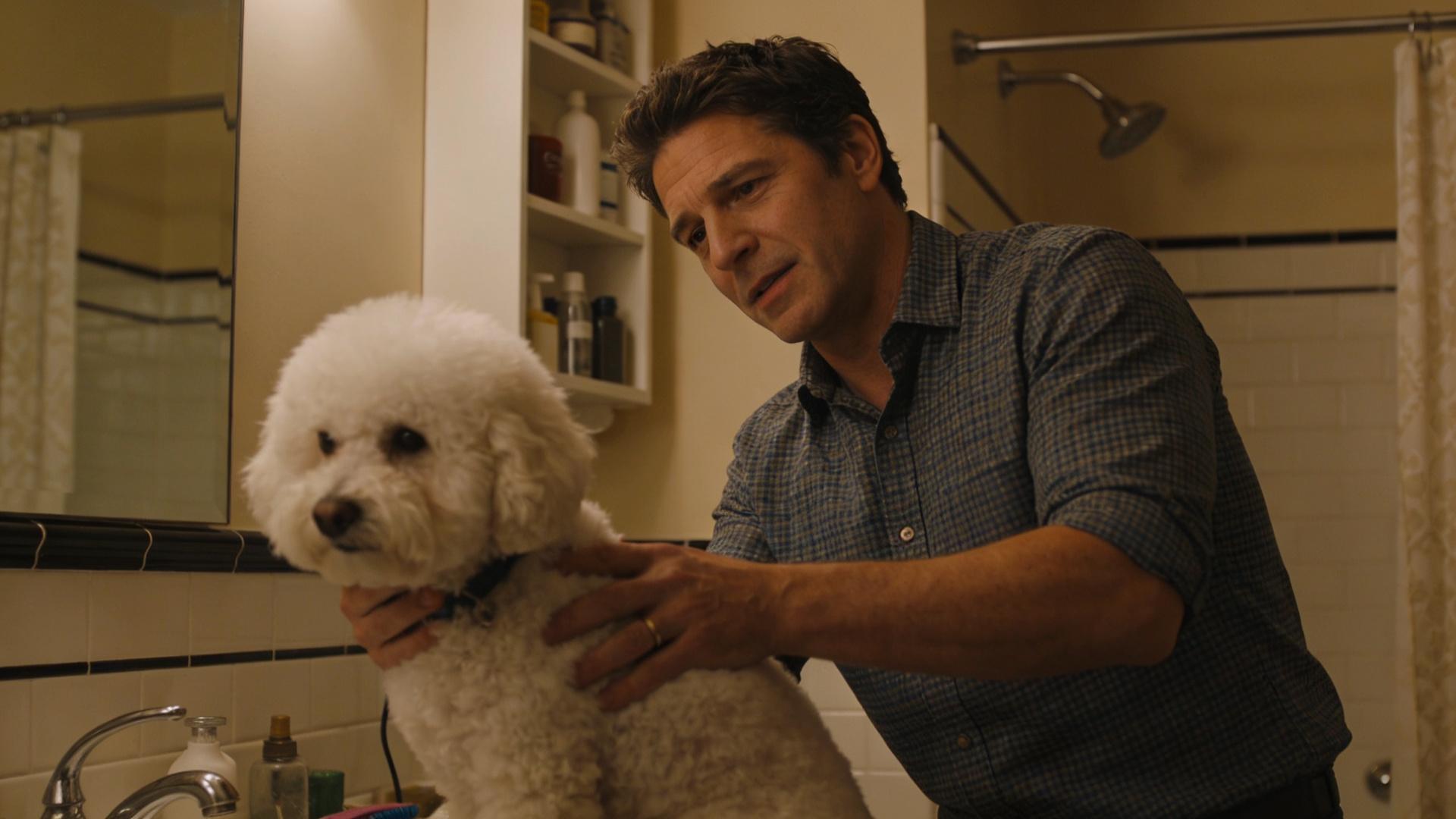
1. Brush and Comb Thoroughly: Never trim a dirty or matted coat. Remove all tangles and loose hair. For severe mats, consider professional help to avoid cutting dog skin while grooming.
2. Bathe and Dry Completely: Clean hair is easier to cut evenly. Ensure the coat is fully dry before using clippers, as damp hair can gum up blades and cause uneven cutting.
3. Calm Your Canine: Exercise your dog beforehand to expend energy. Use positive reinforcement with treats and praise. For nervous dogs, break the grooming into multiple short sessions. This is the heart of grooming anxious dog safely.
4. Organize Your Workspace: Ensure good lighting so you can see the skin clearly. Have all your tools within reach to avoid turning away from your dog. Lay down a non-slip mat if not using a table.
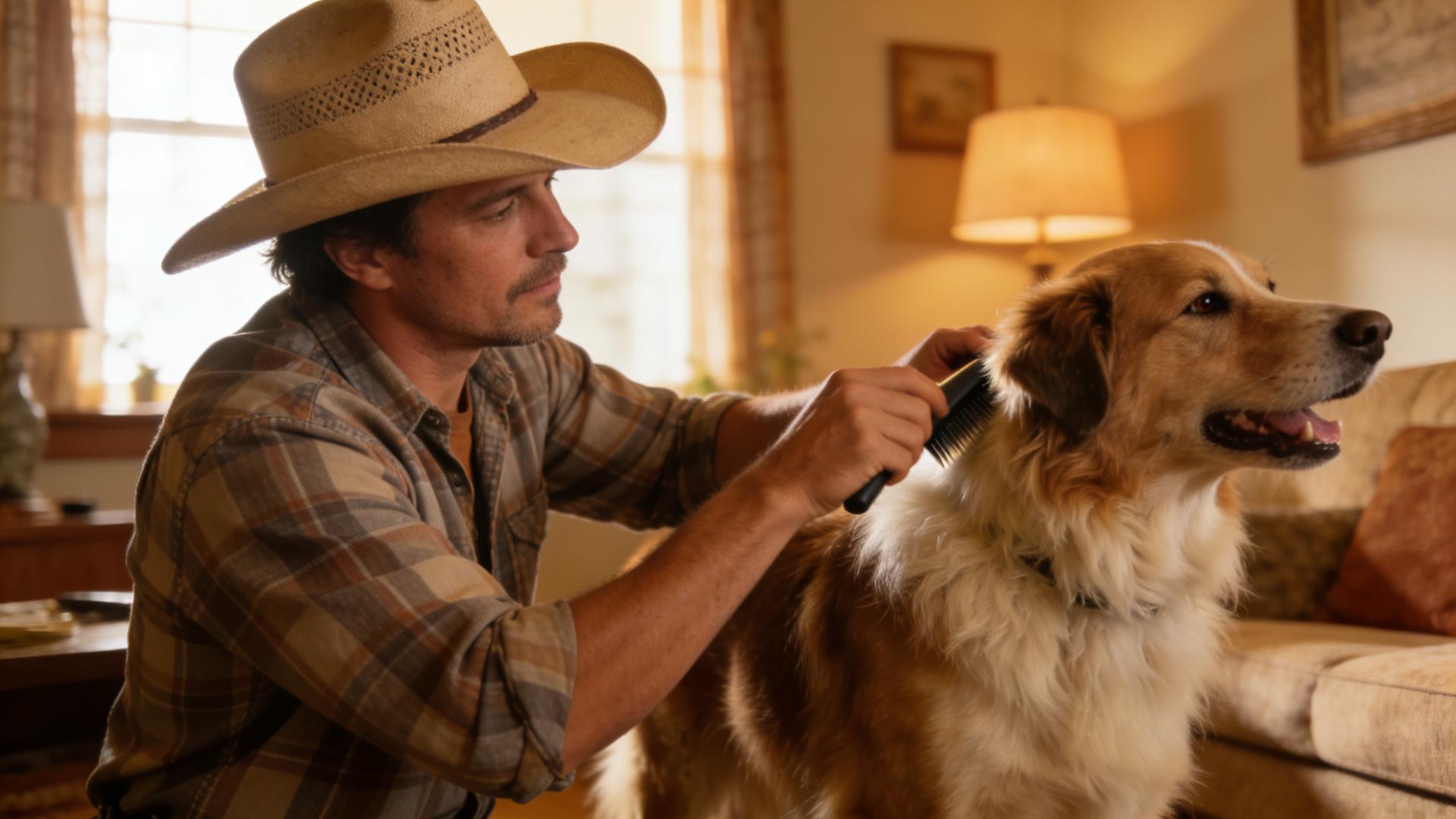
✂️ Proper Trimming Techniques to Prevent Injury: The Art of Safe Handling
With the right tools and a prepared dog, technique is your final safeguard. Proper posture, tool handling, and awareness of anatomy are what separate a safe groom from a risky one. Follow these beginner dog grooming tips for technique mastery.
Core Techniques for Safe Execution:
Hand Positioning and Skin Tension: Use your free hand to stretch the skin taut gently. This creates a flat, even surface for the clipper or scissors and helps keep loose skin away from the blades. Always be aware of skin folds, especially in breeds like Bulldogs or Shar-Peis.
Direction of Trim: For clippers, always go in the direction of hair growth. Going against the grain increases the risk of irritation, clipper burn, and cutting the skin. Use slow, steady, overlapping strokes.
Scissor Safety: When using scissors, especially around curves, keep the tips pointed away from the dog. Use the blunt tips to guide you. Cut small amounts at a time. never try to cut a thick mat or a large chunk of hair in one snip.
Check for Heat: Clipper blades can get very hot. Frequently touch the blade with your fingers. If it's warm to the touch, stop and switch to a cool blade or use blade coolant. A hot blade can burn skin instantly.
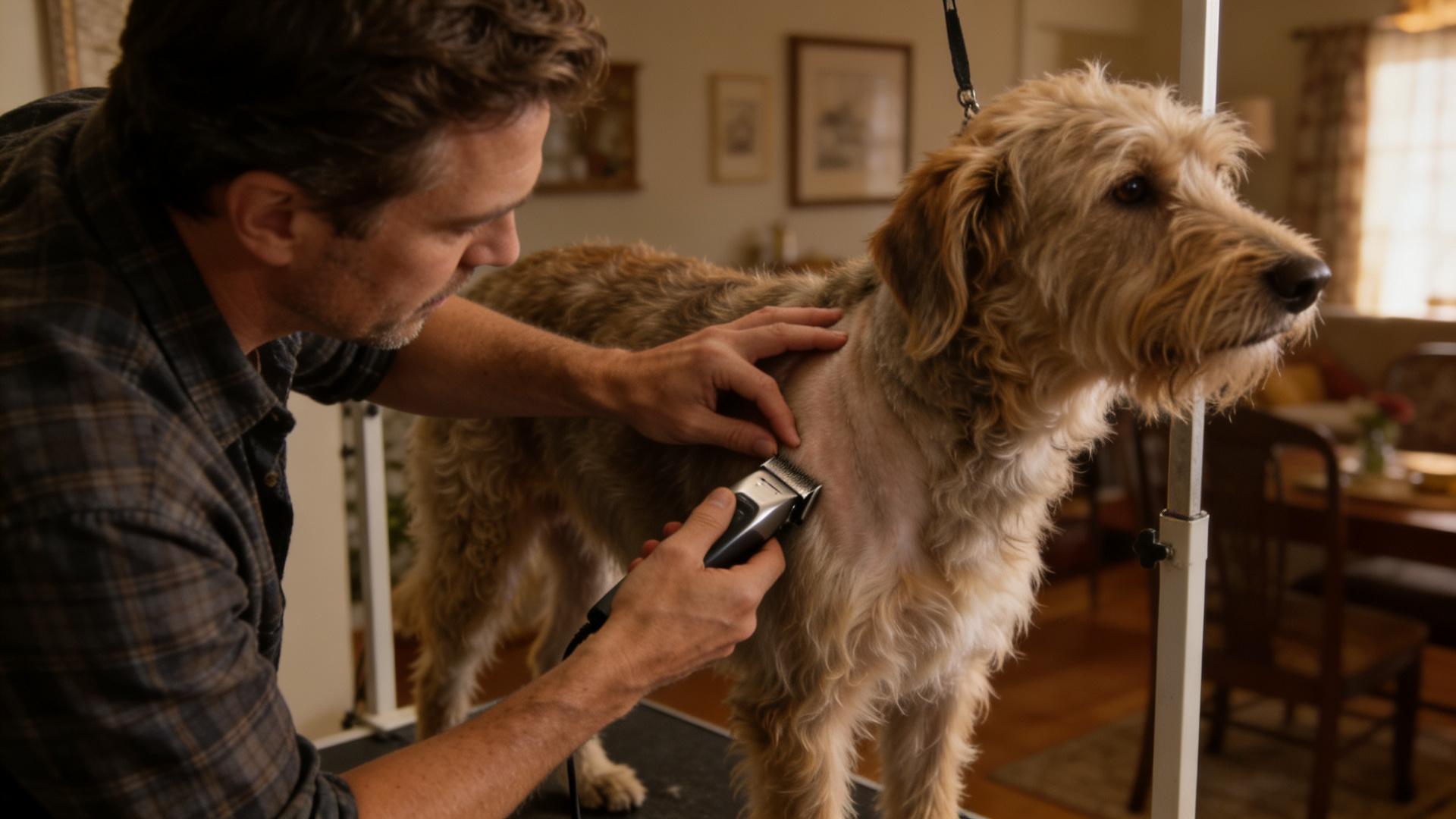
⚠️ Common Mistakes and How to Avoid Them: Learning from Errors
Even with good intentions, common pitfalls can lead to dog grooming accidents. Recognizing these mistakes is the first step in dog grooming injury prevention.
Critical Errors and Their Solutions:
Mistake 1: Using Dull or Wrong Tools. Dull tools require excessive force and slip. Solution: Invest in quality tools and maintain them. Use blunt tipped grooming shears for delicate areas.
Mistake 2: Trimming a Dirty or Matted Coat. This ruins your tools and hurts your dog. Solution: Always brush and bathe first. For severe mats, seek a professional groomer. do not attempt shaving dog matted fur yourself.
Mistake 3: Rushing the Process. Hurrying causes careless errors. Solution: Schedule ample time. Take breaks. If you or your dog get frustrated, stop and resume later.
Mistake 4: Improper Restraint. Allowing too much movement is dangerous. Solution: Use a grooming loop calmly and securely. Have a helper if needed, especially for small dog grooming safety.
🎯 Problem Area Protocol: Navigating High Risk Zones
Certain areas of your dog's body require extreme caution and specialized techniques. These zones are where the majority of cutting dog skin while grooming incidents occur.
Step by Step Guides for Sensitive Areas:
Trimming Around Dog Eyes and Ears: Use only blunt tipped grooming shears. Hold the skin on the forehead or cheek taut with one hand. Gently place the blunt tip of the closed scissors against the skin as a guard, and carefully trim the hair that extends past the tip. Never point scissors directly at the eye.
Grooming Dog Paws Safely: Spread the toes apart. Use small, blunt-tipped scissors to carefully trim hair between pads and around the nails, cutting parallel to the pads. Check for clipper guard recommendations for paw pads. a #10 or #15 blade is often used with extreme care.
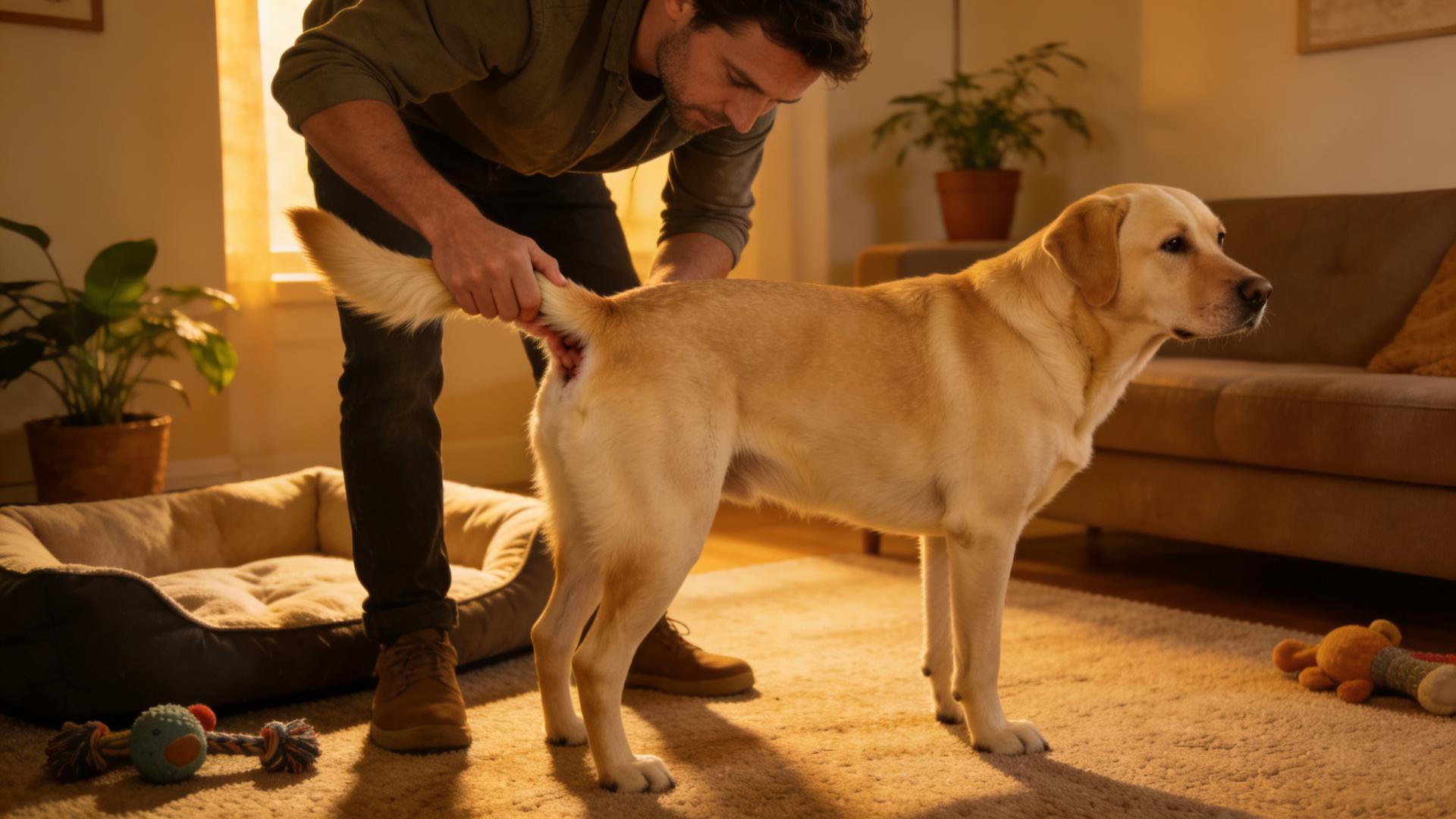
Trimming Dog Sanitary Areas: Hygiene is important, but the skin here is very thin. Use a very short guard comb or a #10 blade, and hold the skin extremely taut. Work slowly in the direction of hair growth. For sensitive skin dog grooming, consider using scissors for more control.
💖 Post Trimming Skin Care: Soothing and Monitoring
Your job is not done when the last hair is cut. Post-grooming care ensures the skin remains healthy and identifies any minor issues before they become problems. This is a vital part of dog grooming safety guidelines.
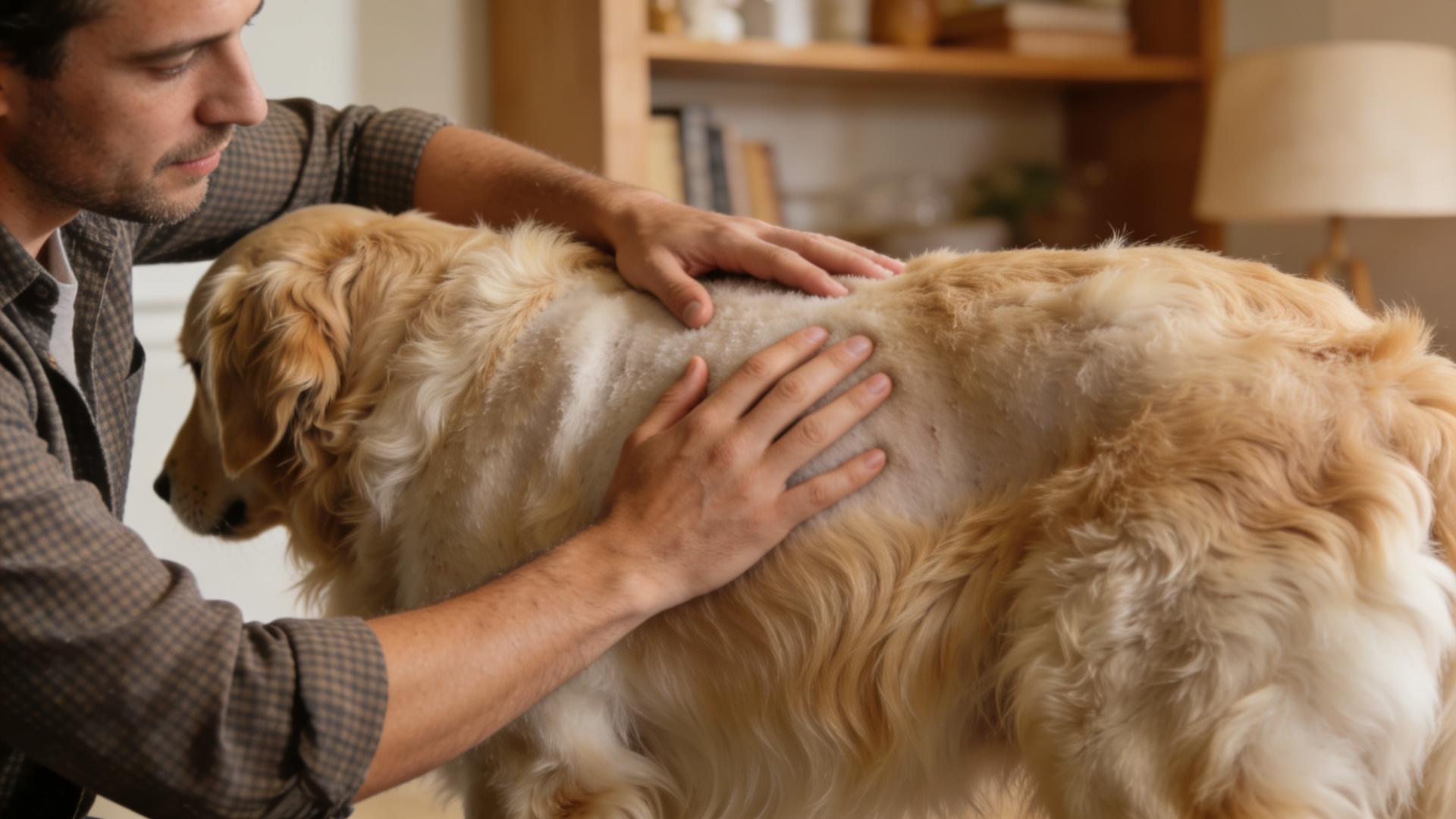
1. Inspect the Skin: Run your hands over your dog's entire body. Feel for any small nicks, red spots, or areas of irritation you may have missed.
2. Give a Warm Bath or Wipe Down: A gentle bath with a soothing oatmeal shampoo can remove loose hairs and calm the skin. Alternatively, use a damp cloth to wipe your dog down.
3. Apply Soothing Products: For dogs with sensitive skin, a vet-recommended lotion or spray can alleviate any potential irritation from the trimming process.
4. Praise and Reward: End every session with positive association. lots of praise, a favorite treat, or a fun play session. This builds trust for next time.
Conclusion: Confidence Built on Caution
Mastering home grooming safety is a journey that prioritizes your dog's health and comfort above all else. By investing in the right grooming tools for dogs, preparing meticulously, employing careful techniques, and giving extra attention to high-risk areas, you can effectively minimize the risk of dog skin injury. Remember, the goal of DIY dog grooming safety is not perfection. it is a safe, positive, and bonding experience. Consistency, patience, and a commitment to these safe grooming practices will make you and your dog more confident with every session.