You bathe your dog faithfully, lathering them with what you believe is a gentle, loving cleanse. Yet, instead of a glossy coat and happy wags, you're met with constant scratching, flaky skin, and uneasy whimpers. If this scenario sounds familiar, the culprit might be hiding in plain sight, not in the frequency of baths, but in a single, critical number on your shampoo bottle: the pH value. 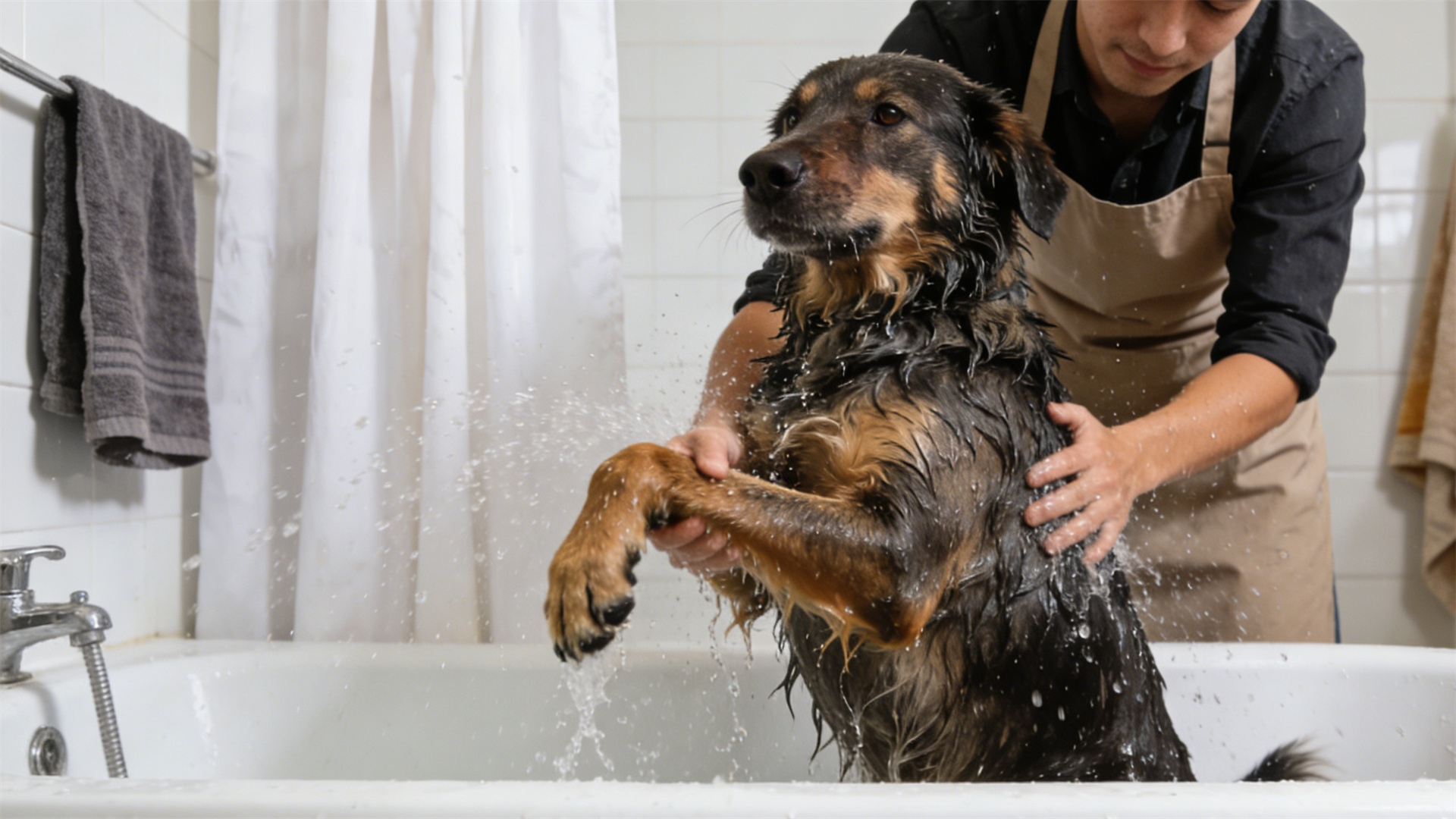
🔍 Introduction: The Hidden Factor in Canine Skin Health
For responsible dog owners, choosing a shampoo often revolves around appealing scents, promises of shine, or claims of natural ingredients. However, the most scientific and vital aspect of canine skincare is frequently overlooked. This article delves deep into the chemistry of dog shampoo, revealing why pH balance is not just a marketing buzzword but a physiological necessity. We will explore the acid mantle, contrast canine and human biology, and provide you with the knowledge to become an advocate for your dog's skin health.
🧪 The Science of Skin: Canine pH vs Human pH
To understand why pH matters, we must first define it. pH is a scale from 0 to 14 that measures how acidic or alkaline a substance is. A pH of 7 is neutral. Anything below 7 is acidic, and anything above is alkaline. The skin of every mammal is protected by a thin, hydrolipidic film known as the acid mantle, and its effectiveness is directly tied to its specific pH level.
Here lies the crucial divergence between species. Healthy human skin maintains a moderately acidic pH, typically between 4.5 and 5.5. This acidity helps combat environmental bacteria and fungi. In stark contrast, healthy dog skin has a pH range of 6.5 to 7.5, which is neutral to very slightly acidic. 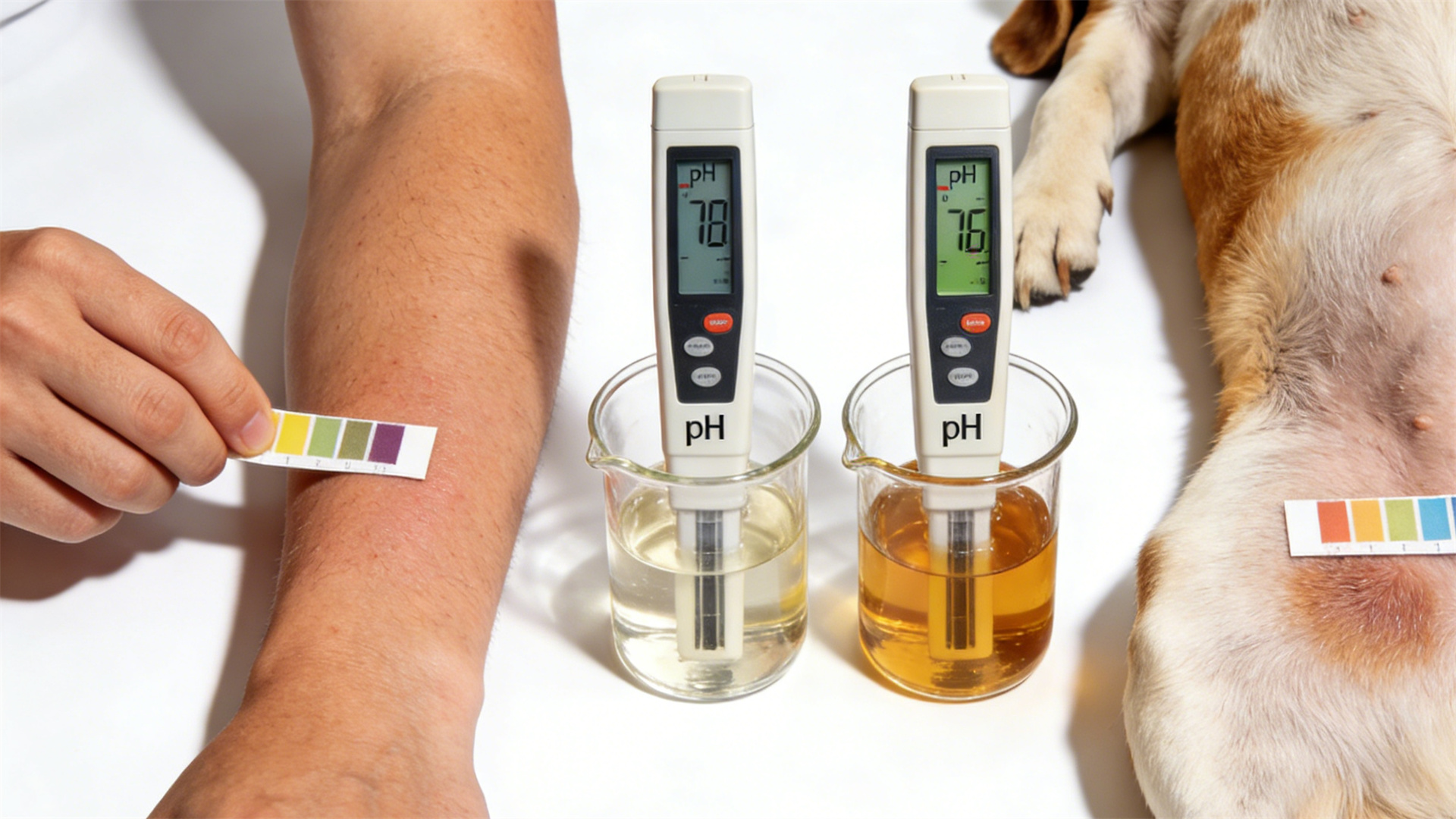 This fundamental difference is why reaching for your own shampoo or a human baby shampoo is one of the most common and damaging mistakes in pet care. Using a product formulated for the acidic human skin barrier on a dog can swiftly disrupt their delicate ecological balance.
Why This Number is a Dog's Best Friend
The canine pH range of 6.5-7.5 is not arbitrary. It is the optimal environment for the skin microbiome, the community of beneficial bacteria and yeast that live on the skin's surface. This microbiome is essential for processing sebum (natural oils), preventing pathogenic overgrowth, and supporting overall skin health. Deviating from this range compromises this entire system.
🛡️ The Canine Acid Mantle: Your Dog's Invisible Shield
Think of the acid mantle as your dog's invisible weatherproof jacket. This thin film, composed of sebum and sweat, sits on the epidermis. Its primary functions are threefold. First, it acts as a barrier against environmental allergens, pollutants, and harmful microbes like bacteria and fungi. Second, it is crucial for retaining moisture, preventing transepidermal water loss that leads to dryness. Third, it maintains the ideal environment for the skin microbiome to thrive.
When the pH of this mantle is balanced within the 6.5-7.5 range, it performs these duties flawlessly. The skin barrier is intact, the coat is resilient, and your dog is comfortable. 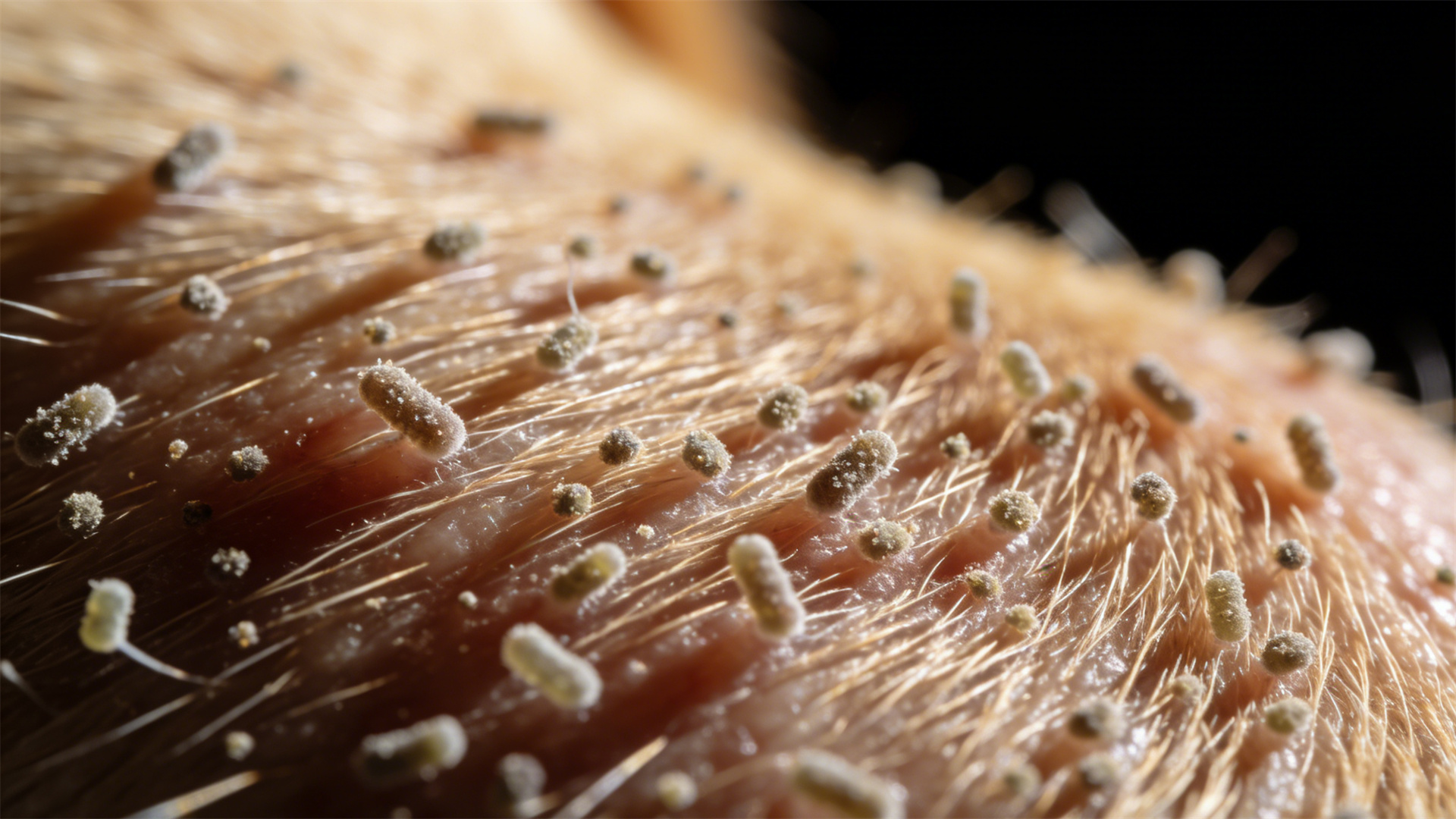
⚠️ Consequences of Ignoring pH: From Itch to Infection
Using a shampoo with an inappropriate pH, especially one that is too alkaline, is like washing that weatherproof jacket with a harsh detergent. It strips away its protective qualities. The results are a cascade of skin problems. The immediate effect is the stripping of essential lipids and sebum, leading to dry, tight, and itchy skin. This dryness causes your dog to scratch, which further damages the skin's surface.
This breach in the skin barrier opens the door for more severe issues. Look for these symptoms of high pH shampoo on dogs. Persistent itching and redness. Flaky skin or dandruff. A dull, brittle coat. The development of hot spots, which are moist, inflamed, and infected lesions. Secondary bacterial or yeast infections (dermatitis) due to the disrupted microbiome. Chronic issues can lead to a cycle of skin irritation where the skin, in trying to repair itself, overproduces oils, leading to greasiness and odor, prompting more frequent washing with the wrong product, and worsening the problem. 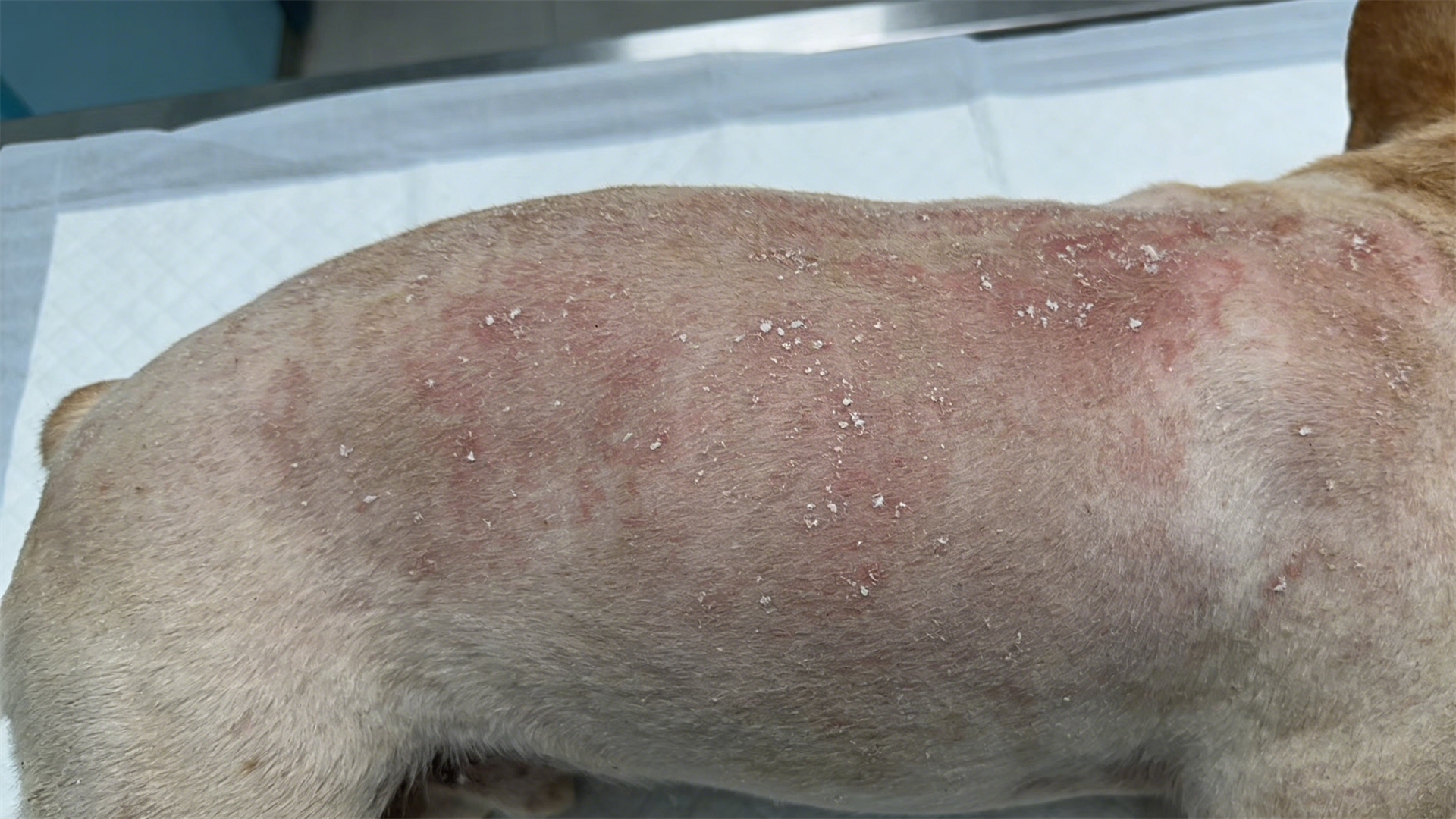
⚗️ Ingredient Interplay: How pH Affects Shampoo Formulation
A pH balanced dog shampoo is not just about adding an acid to lower the pH. It is a sophisticated formulation where every ingredient's performance is optimized for the target pH. Key components include surfactants, which are cleansing agents. Soap-based surfactants are highly alkaline and should be avoided in dog shampoos. Modern, soap-free surfactants like glucosides or sarcosinates are milder and can be formulated to work within the correct pH window.
Furthermore, the efficacy of beneficial additives is pH-dependent. For instance, moisturizers like oatmeal or aloe vera soothe best when the skin's pH is balanced. Certain antibacterial or antifungal agents used in medicated shampoos require specific pH levels to be active. Therefore, a truly balanced dog shampoo is a symphony of ingredients where pH is the conductor, ensuring each component works in harmony for gentle cleansing and support.
📚 How to Choose and Test a Truly Balanced Shampoo
As an informed pet parent, you can take proactive steps to ensure your grooming routine supports, rather than harms, your dog. Your selection process should be meticulous. First, read the label diligently. Reputable brands will often state "pH balanced for dogs" or specify a pH within the 6.5-7.5 range. Be wary of vague terms like "gentle" or "natural" without a pH claim.
Second, understand the ingredient list. Look for these features. A clear pH balance statement on the label. Soap-free and sulfate-free surfactants. Natural moisturizers like oatmeal, aloe vera, or ceramides. The absence of harsh alcohols, parabens, and artificial dyes. 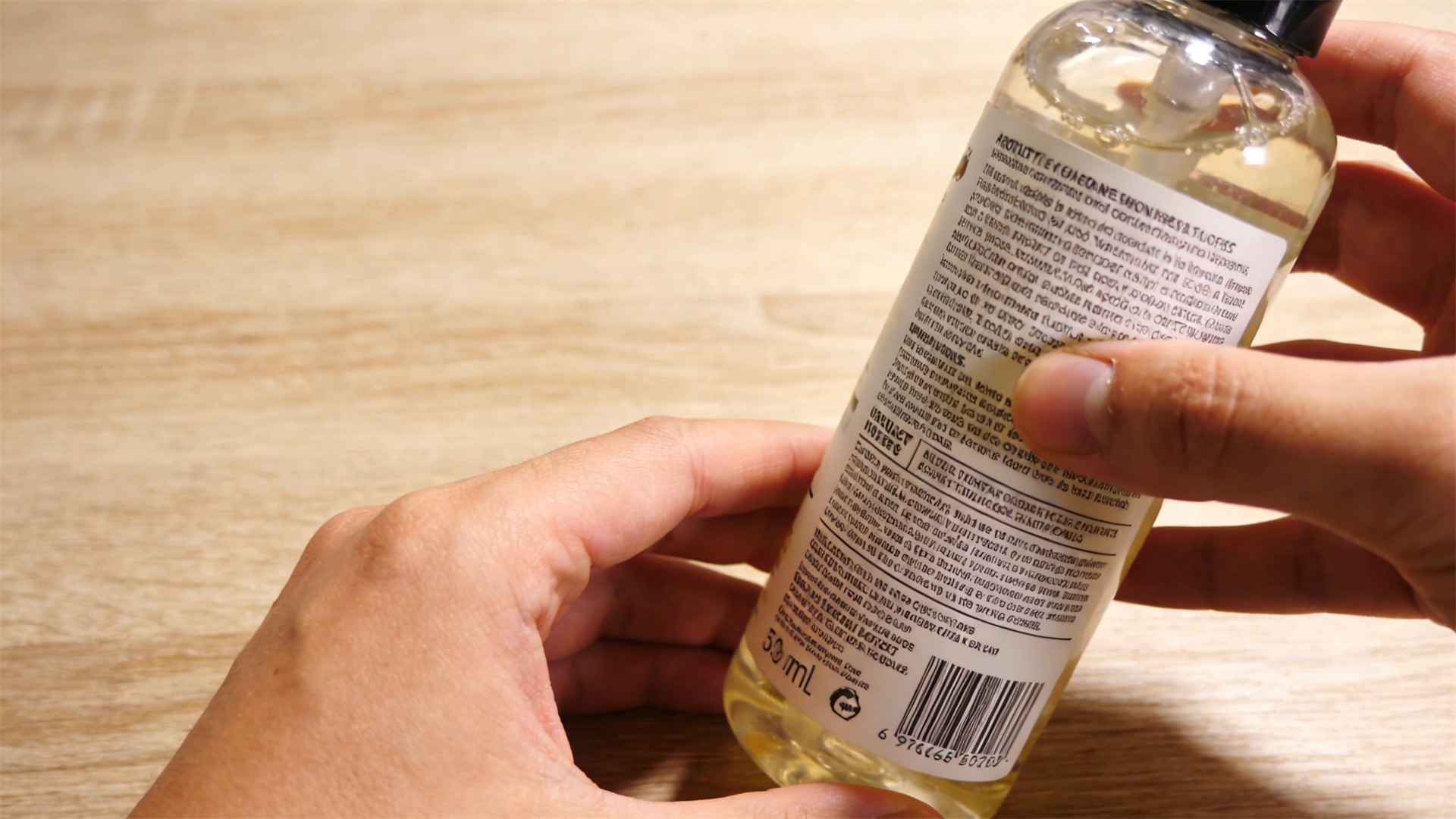
Third, you can become a home scientist. Invest in a pack of pH test strips. To test your current dog shampoo, dilute a small amount in distilled water as you would for bathing, dip the strip, and compare the color to the chart. This simple test can be eye-opening. Finally, when in doubt, consult your veterinarian. They can recommend therapeutic or hypoallergenic shampoos specifically formulated for skin allergies and proper skin health.
Special Reminder: The Bathtub Experiment
Special Reminder. Do not test the pH of shampoo straight from the bottle, as it is often concentrated. Always dilute it as per instructions for an accurate reading that reflects what actually touches your dog's skin. 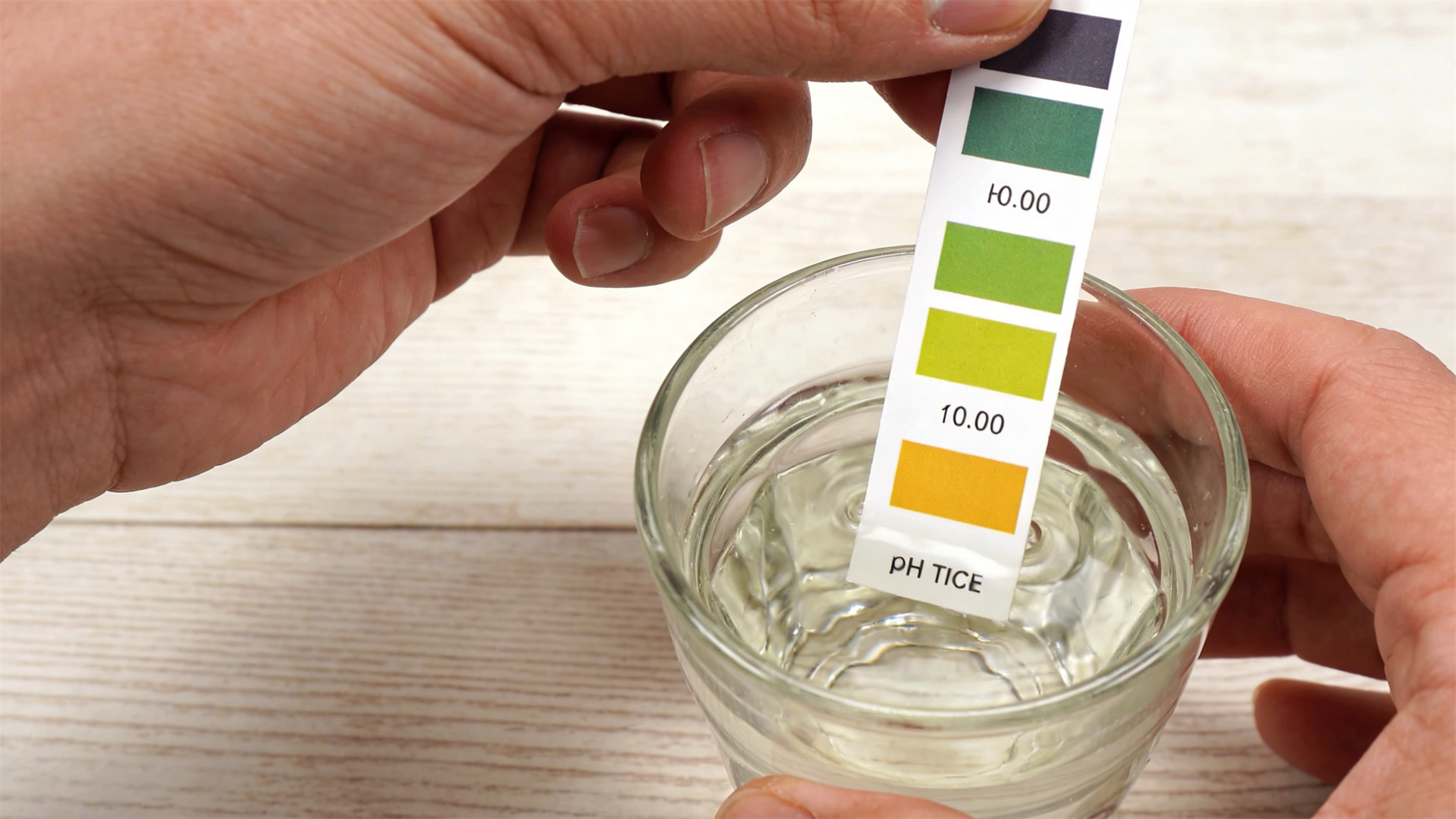
✅ Conclusion: pH Balance is Non-Negotiable
In the journey of responsible dog ownership, understanding the science behind everyday products is empowering. The insistence on a dog shampoo pH of 6.5 to 7.5 is grounded in the fundamental biology of your canine companion. It is the cornerstone of preserving their acid mantle, protecting their skin barrier, and maintaining a healthy microbiome. Ignoring this factor can unknowingly contribute to a cycle of discomfort and dermatitis for your pet.
Your call to action is simple. Go check your current dog shampoo. Look for the pH claim, examine the ingredients, or test it with strips. Make the switch to a truly balanced dog shampoo. Your dog's comfort, coat, and overall health will thank you with every scratch-free, joyful romp. The right pH is not just a number. it's a promise of care.