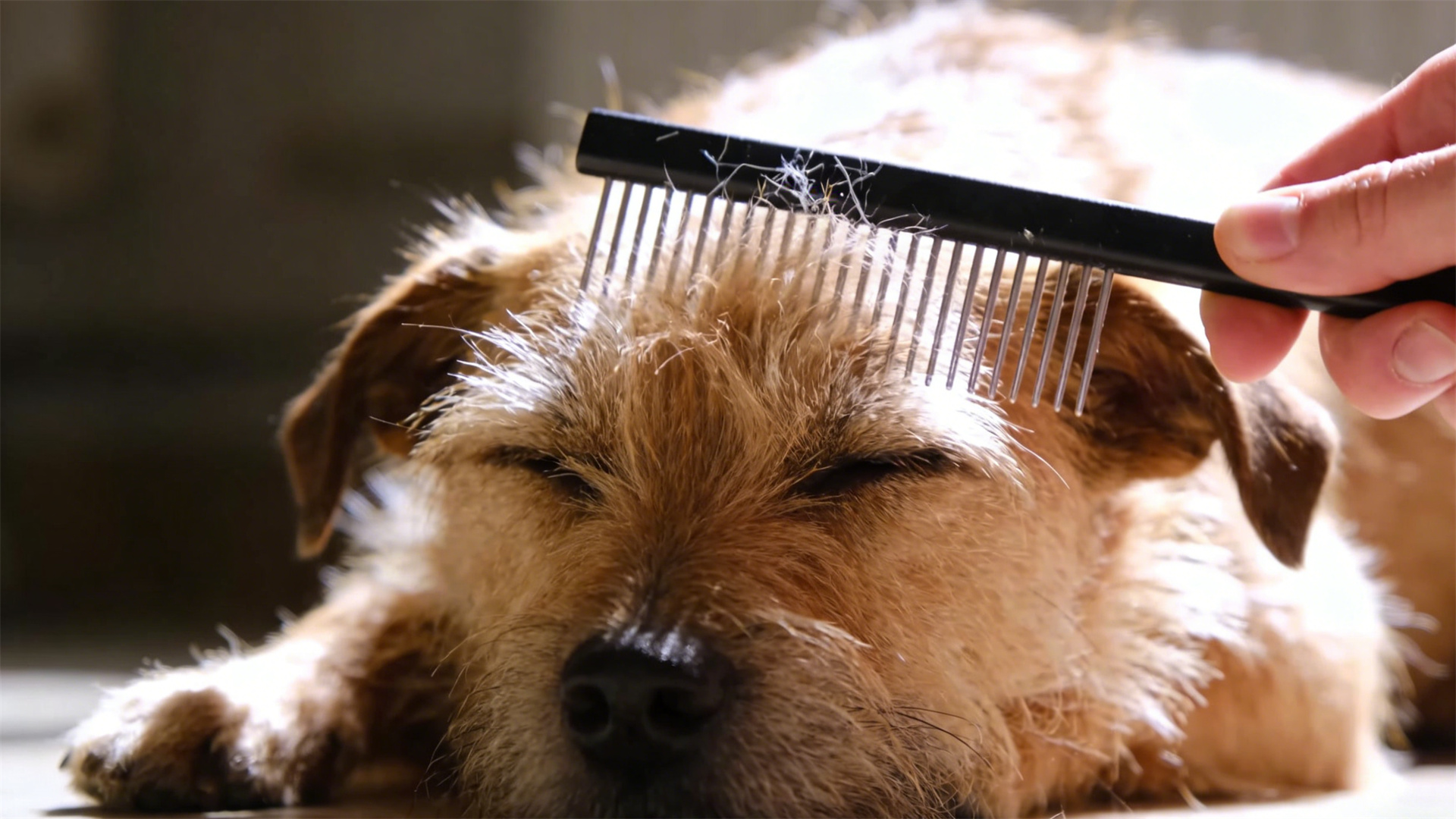
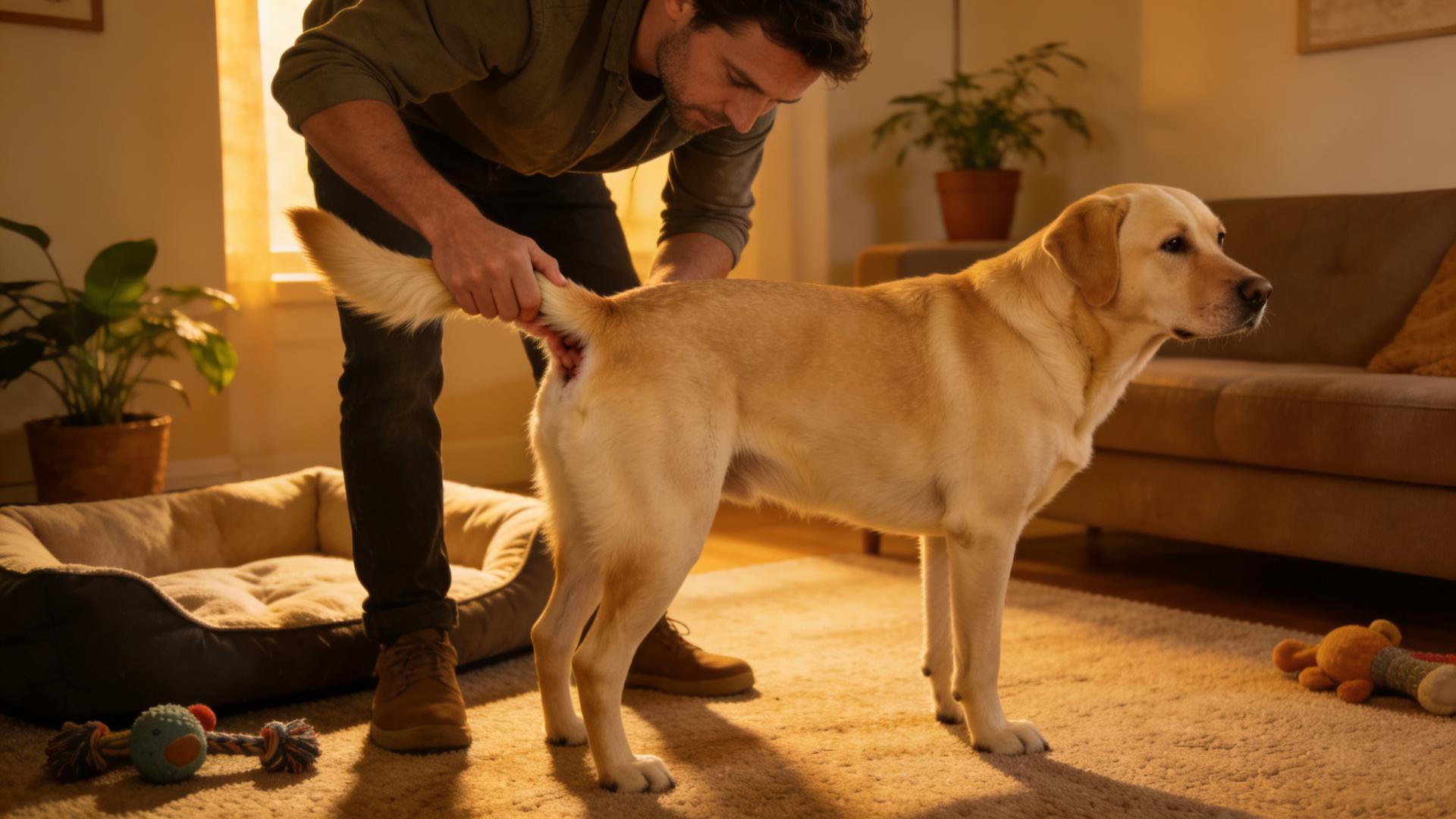
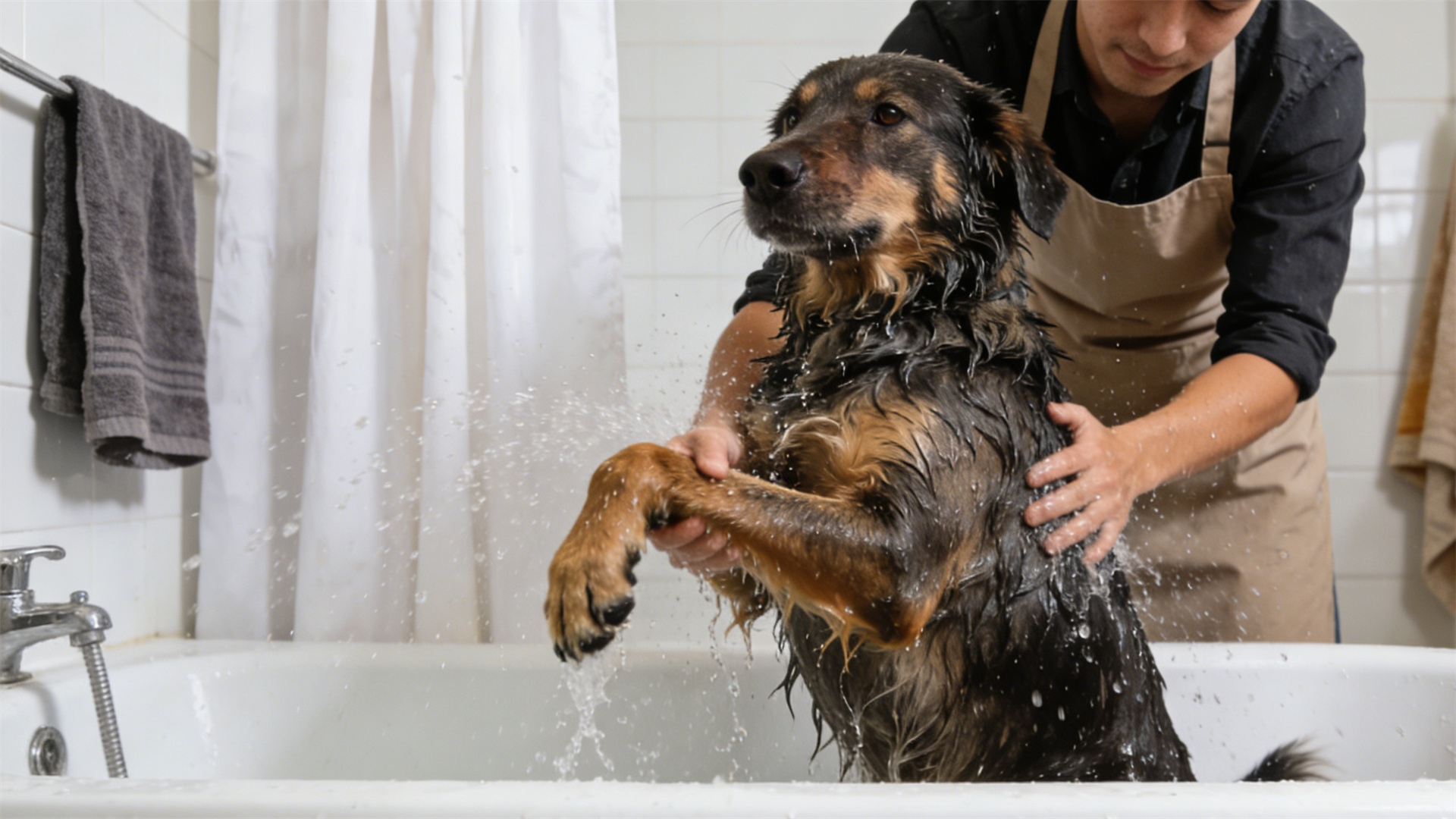
The annual—or sometimes perpetual—canine blizzard of fur is upon us. 🌀 For dog owners, shedding season can feel like a full-time job, with tumbleweeds of hair gathering in corners and a fine layer of "dog glitter" coating every surface. But this natural process is your dog's way of renewing its coat. With the right knowledge and tools, you can transform this chaotic period into a manageable, even bonding, experience. This definitive guide delves deep into effective strategies to remove dead hair and down, ensuring your dog's comfort and your home's cleanliness.
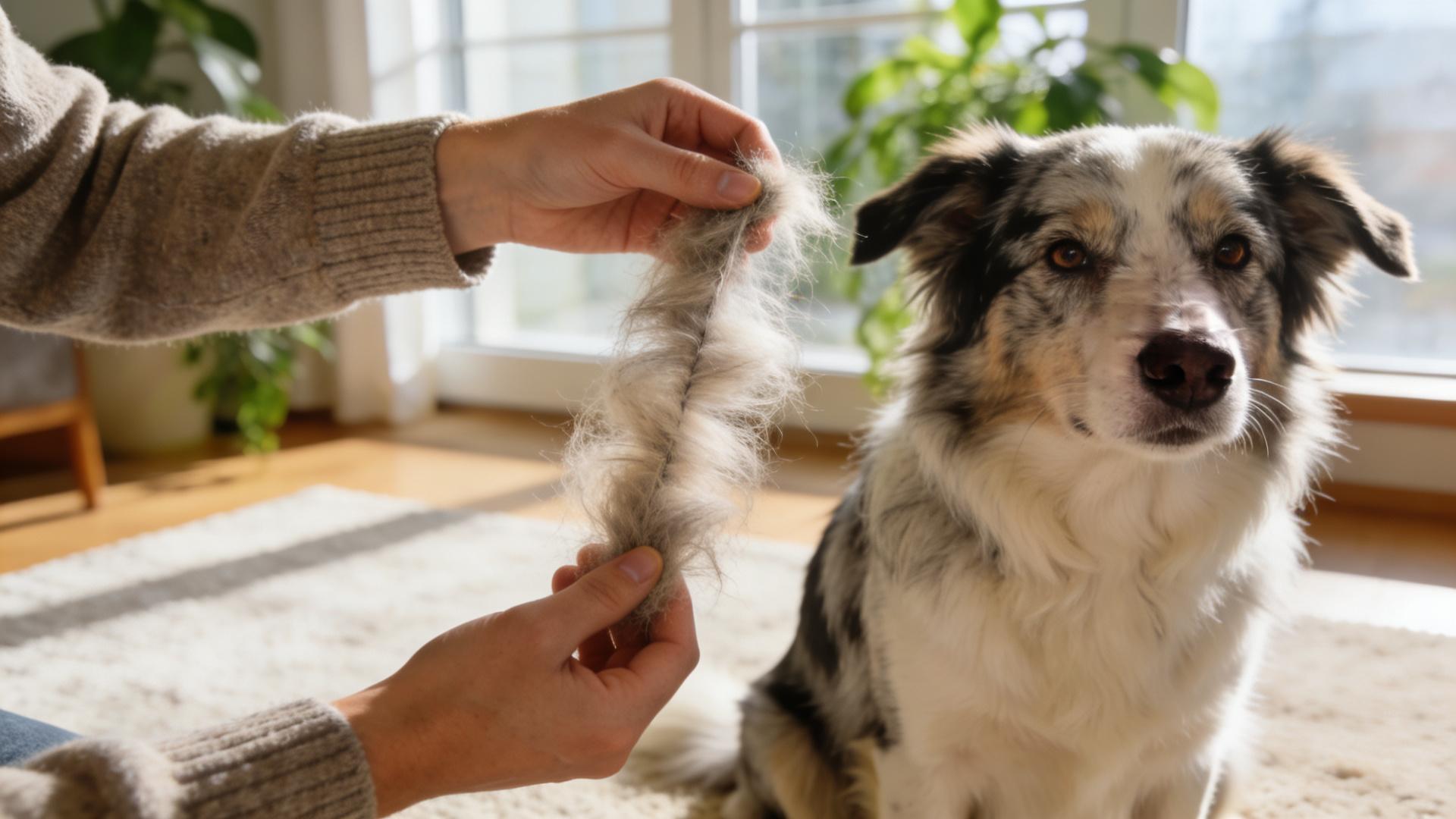
🧬 Understanding the "Why": The Science of Shedding
Shedding is not a flaw; it's a vital, healthy function. A dog's coat regulates body temperature, providing insulation in winter and a lighter covering in summer. The process of shedding removes dead hair and damaged strands, making way for new growth. The primary trigger is photoperiod—the length of daylight. As days lengthen in spring or shorten in fall, hormonal signals tell the hair follicles to gear up or slow down.
However, not all shedding is seasonal. Indoor dogs exposed to artificial light may shed year-round at a lower intensity. Other factors include:
- Breed & Coat Type: Double-coated breeds (e.g., Huskies, German Shepherds) have a dense undercoat (soft down) and a weather-resistant topcoat. They experience dramatic "coat blows." Single-coated breeds (e.g., Poodles, Yorkies) shed minimally.
- Health Status: Excessive shedding can signal health issues like allergies, parasites, stress, or hormonal imbalances. A sudden change in shedding patterns warrants a vet visit.
- Nutrition: The foundation of a healthy coat is built from within. Poor diet leads to brittle, easily shed hair.
🔍 Special Reminder: The Undercoat Culprit
The main challenge during shedding season is the undercoat. This layer of fine, dense, wooly hair is designed for insulation. When it's not properly removed, it becomes trapped against the skin, leading to mats, reduced air circulation, hot spots, and compromised skin health. Effective grooming targets this layer specifically.
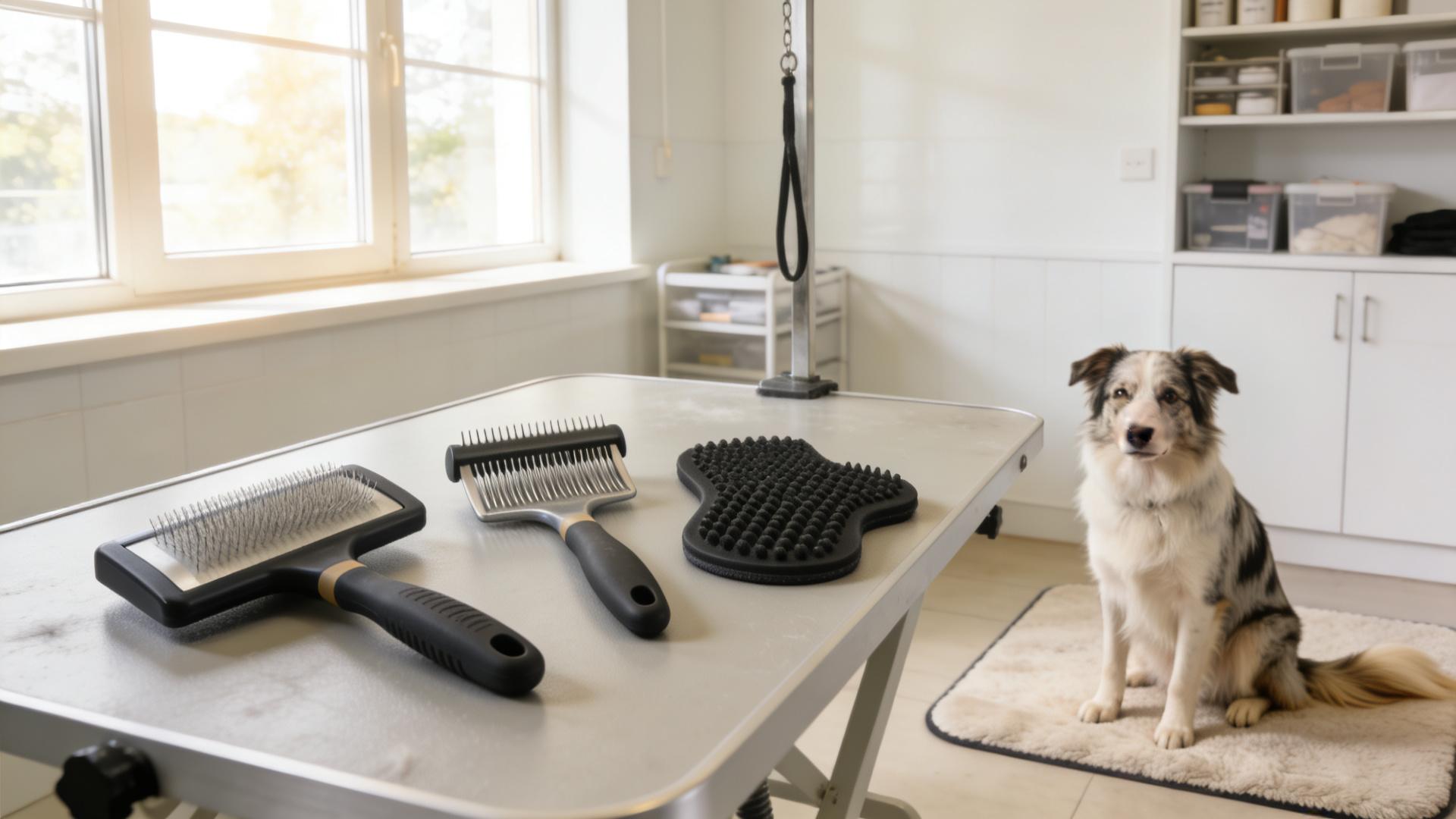
🛠️ Arsenal for the Fur War: Essential Grooming Tools Demystified
Using the wrong brush is like using a spoon to dig a trench—ineffective and frustrating. Your tool selection must match your dog's coat. Here’s a breakdown of the MVP tools for dead hair removal:
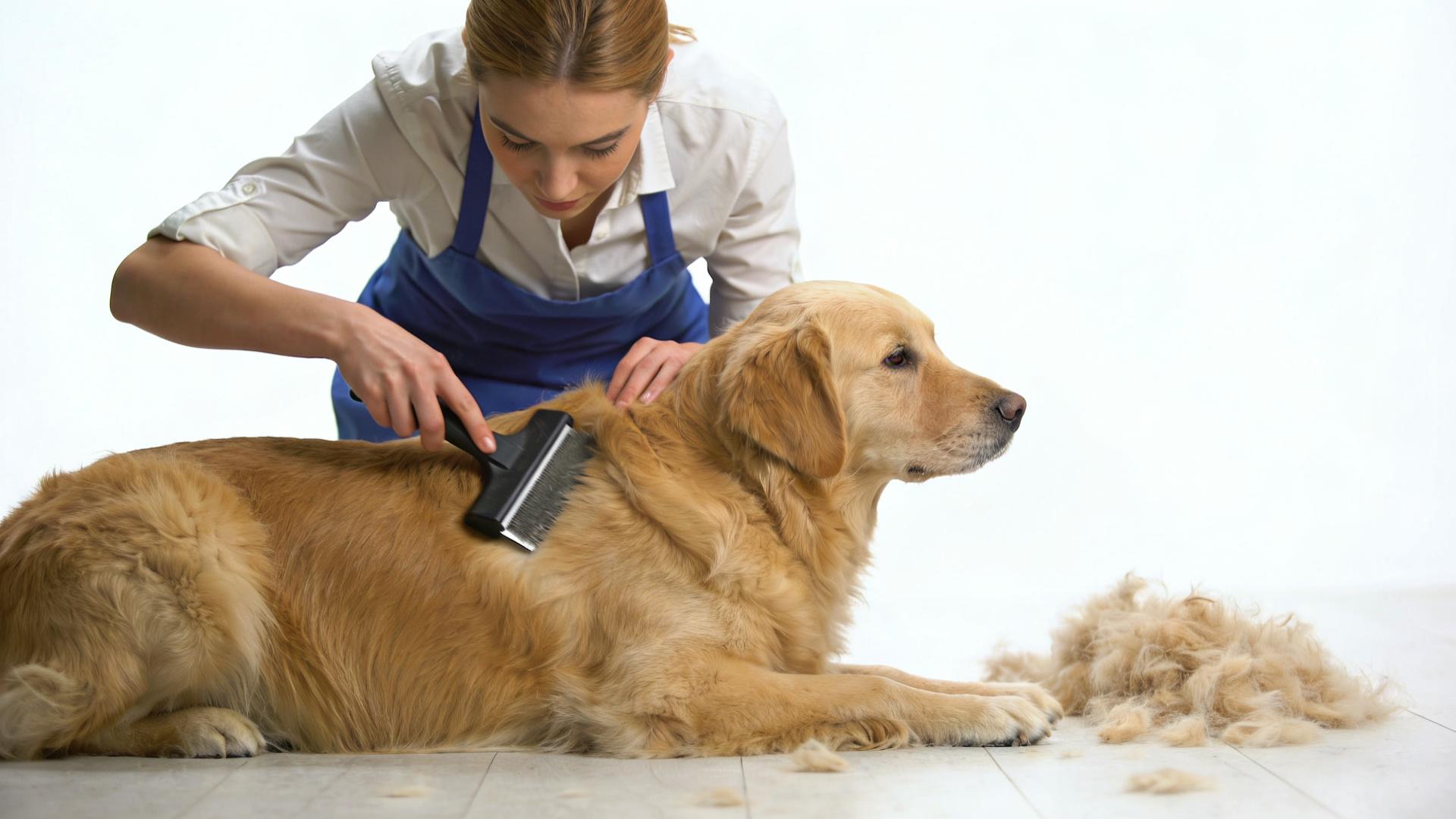
- De-shedding Tool (e.g., Furminator, SleekEZ): Not a regular brush. These have finely spaced, curved blades that reach into the undercoat to safely cut and remove loose hair before it falls out. Use caution: Overuse can irritate skin. Ideal for moderate to heavy shedders.
- Undercoat Rake: Features long, rounded teeth designed to penetrate and pull out large clumps of loose undercoat without cutting the topcoat. Best for thick, double coats like those of Collies and Chow Chows.
- Slicker Brush: A rectangular brush with fine, short wires pinned on a curved surface. Excellent for detangling, removing surface loose hair, and finishing the coat. Essential for breeds with longer hair.
- Rubber Curry Brush or Grooming Mitt (e.g., Kong ZoomGroom): The go-to for short-haired breeds like Boxers and Bulldogs. The rubber nubs massage the skin, lift dirt, and gather loose hair in a static charge. It’s gentle and effective.
- High-Velocity Dryer: A professional-grade tool for home use. It blows out vast amounts of loose undercoat after a bath. It’s a game-changer for dense coats.
📖 The Step-by-Step Grooming Protocol: Technique is Everything
Proper technique maximizes hair removal and minimizes stress. Follow this sequence for best results.
✨ Step 1: Pre-Brush Inspection & Setup
Work in a well-lit area, preferably outdoors or in an easy-to-clean space like a garage. Run your hands through your dog's coat, feeling for mats or skin issues. Gently separate any small tangles with your fingers before brushing.
✨ Step 2: The Main Event – Undercoat Evacuation
Start with your primary de-shedding tool (rake or de-shedder). Always brush in the direction of hair growth. Use long, smooth, gentle strokes. Apply minimal pressure; let the tool do the work.
Focus Areas: The back, thighs, chest, and ruff (neck area) are typically shedding hotspots. Brush a section at a time. You'll see impressive piles of soft undercoat coming out.
✨ Step 3: Detangling & Finishing
Switch to your slicker brush. Go over the entire coat to catch any remaining loose topcoat and ensure no tangles are left behind. For silky-haired breeds, a final pass with a bristle brush distributes natural oils for shine.
✨ Step 4: The Damp Cloth Wipe-Down
Dampen a washcloth with cool water and wipe your dog's entire coat. This simple step captures lingering loose hairs and dander, leaving the coat smooth and clean. It's a pro-groomer secret!
🚿 Bathing and Drying: The Deep-Clean Power Play
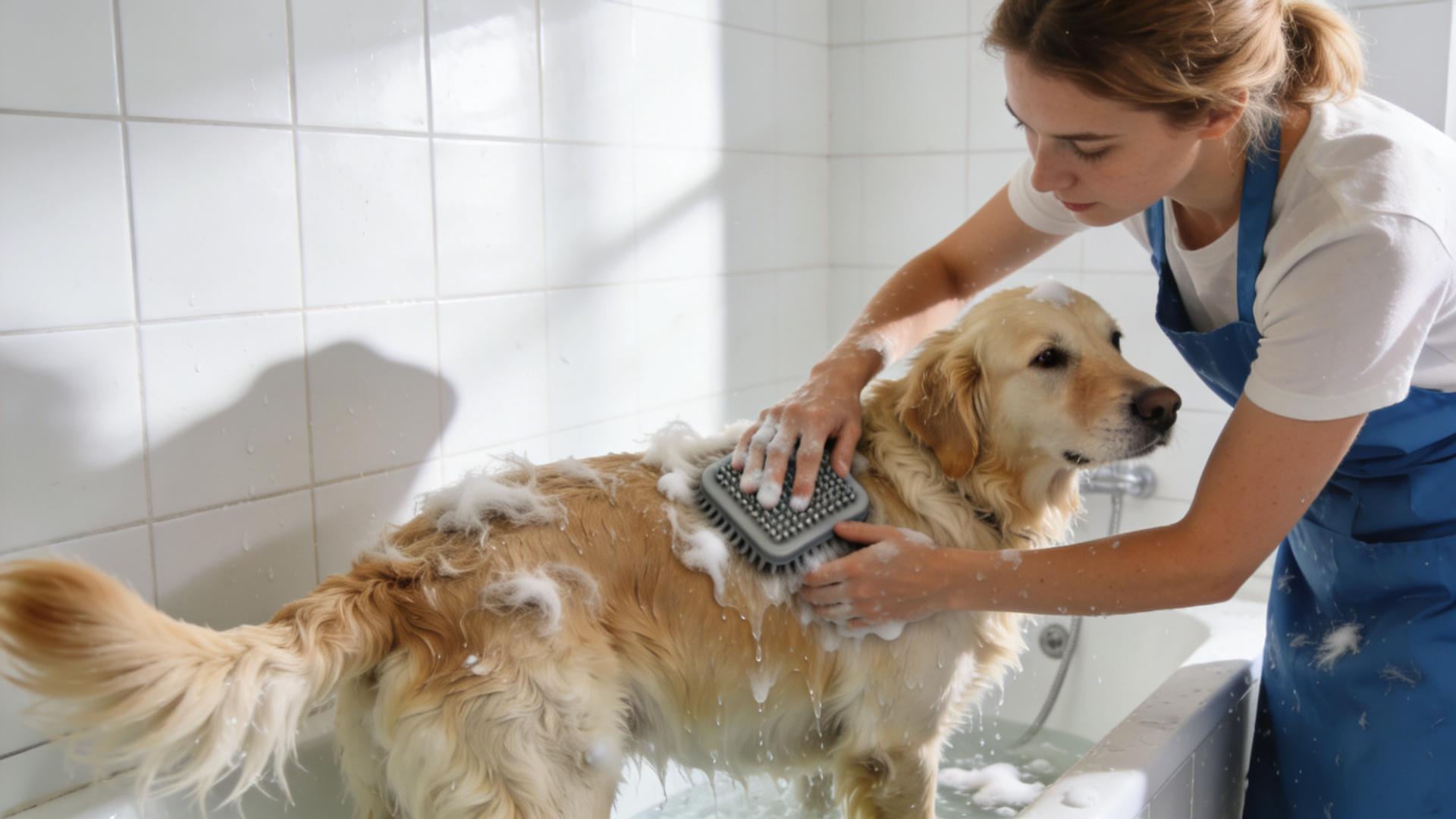
Bathing during shedding season is strategic. Warm water and shampoo help loosen hair that's ready to go, making brushing afterward far more productive.
- Shampoo Choice: Use a moisturizing or de-shedding formula containing ingredients like omega fatty acids or oatmeal. Avoid human shampoo—its pH is wrong for dogs and will dry their skin, potentially worsening shedding.
- Technique: Thoroughly wet the coat, lather the shampoo, and massage it down to the skin using a rubber curry brush. This stimulates circulation and lifts more hair. Rinse until the water runs completely clear—any residue attracts dirt and can cause irritation.
- The Dry & Brush Combo: After towel-drying, use your high-velocity dryer on a low-heat setting or a regular pet blow dryer. As you dry, brush through the coat with a slicker brush. You will be amazed at the additional hair released. Never brush a dry, matted coat or leave a damp dog—both can cause serious matting.
⏰ Frequency & Consistency: The Golden Rule
During peak shedding (typically 2-4 weeks in spring and fall), daily grooming is ideal for heavy shedders. For moderate shedders, aim for every other day. This prevents the undercoat from becoming compacted and makes each session shorter and easier. Consistent grooming is far more effective than a marathon session once a week.
🥘 Internal Support: Diet and Nutrition for a Resilient Coat
You cannot out-brush a poor diet. The coat is a reflection of overall health.
- High-Quality Protein: Hair is made of keratin, a protein. Ensure your dog's food lists a named animal protein (e.g., chicken, salmon) as the first ingredient.
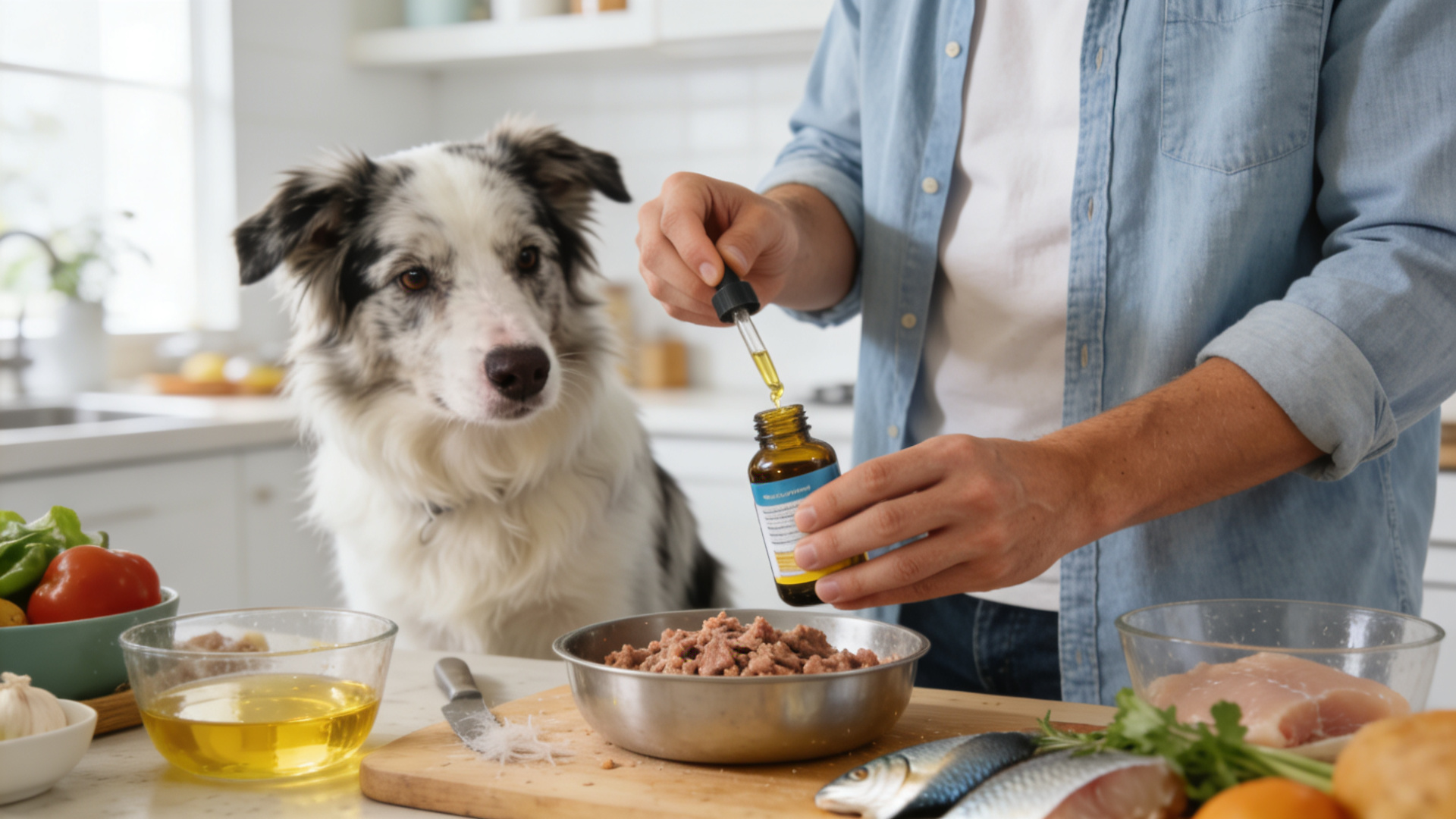
- Omega-3 & Omega-6 Fatty Acids: These are crucial for reducing inflammation and keeping skin hydrated and hair follicles healthy. Sources include fish oil (salmon, sardine), flaxseed, and specialized supplements.
- Hydration: Always provide access to fresh, clean water. Dehydrated skin leads to a dry, brittle coat.
- Consult Your Vet: Before adding any supplements, discuss your dog's needs with your veterinarian. They may recommend specific products based on your dog's health profile.
💇♀️ When to Call in the Pros: Professional Grooming Options
Don't hesitate to seek professional help, especially for:
- Large, dense-coated breeds (e.g., Newfoundlands, Bernese Mountain Dogs).
- Dogs with severe matting.
- If you lack the time, confidence, or proper tools (like a high-velocity dryer).
Professional groomers offer de-shedding treatments that include specialized shampoos, conditioners, and powerful drying/brushing techniques that can remove up to 90% of loose hair in one session. A bi-annual professional groom during coat blows can revolutionize your home maintenance.
🧹 Home Cleanup & Maintenance Tips
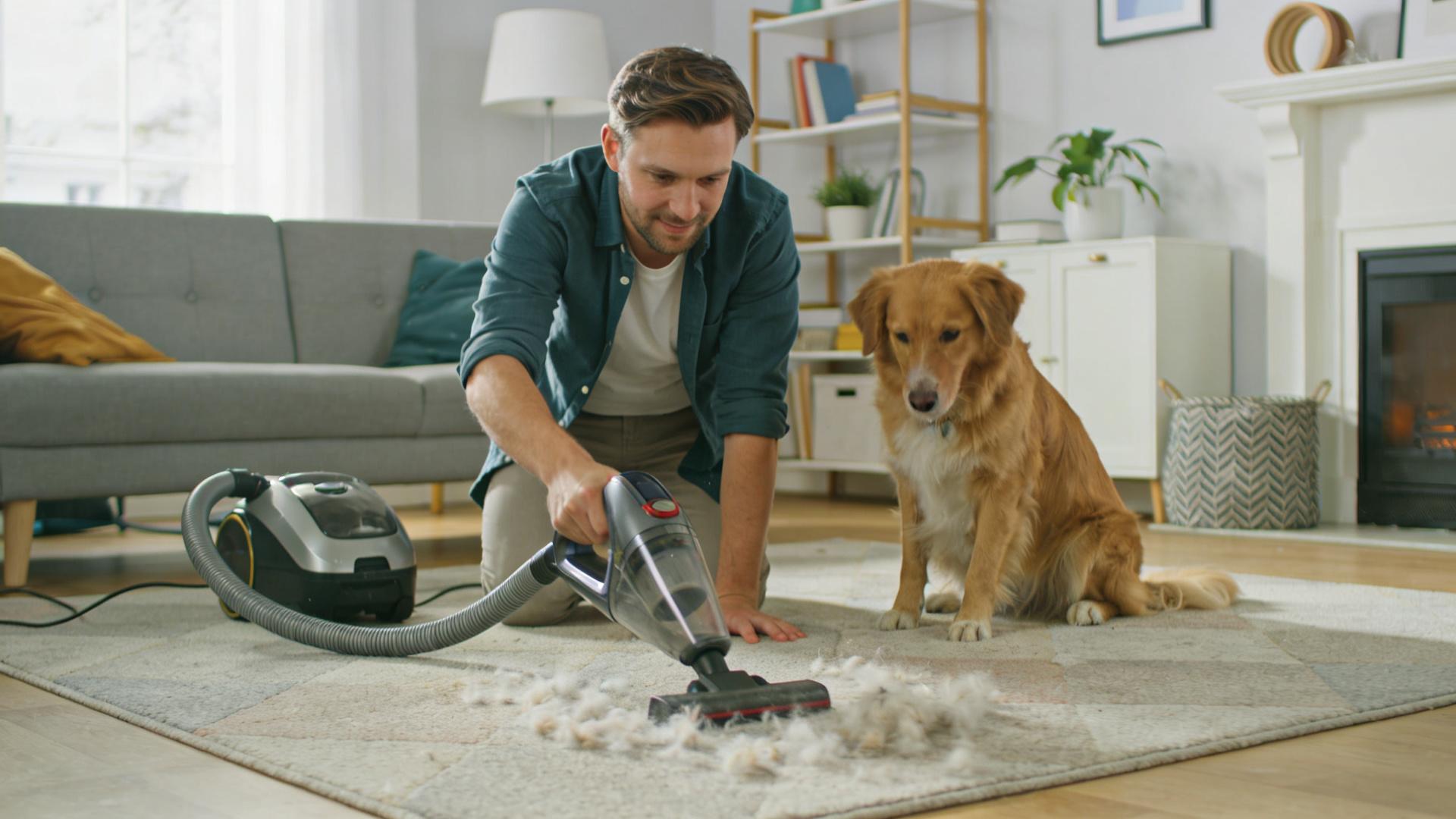
Even with perfect grooming, some hair will escape. Manage it efficiently:
- Vacuum Smart: Invest in a vacuum designed for pet hair, with strong suction and a tangle-free brush roll. Robot vacuums programmed for daily runs are excellent for maintenance.
- Fabric Care: Wash your dog's bedding weekly in hot water. Use dryer sheets or wool dryer balls to catch hair in the dryer. For furniture, rubber gloves or damp rubber squeegees work wonders to gather hair.
- Air Purification: A good HEPA air purifier captures airborne dander and fine hair, improving air quality for everyone, especially those with allergies.
🎯 Conclusion: Embrace the Season, Master the Routine
Shedding season is a testament to your dog's remarkable biology. By understanding the process and implementing these effective dog grooming tips—using the best brushes for dog shedding, maintaining a consistent routine, and supporting coat health from the inside out—you can effectively remove dead hair and down. The result is a happier, more comfortable dog, a stronger bond between you, and a home you can enjoy without being buried in fur. Start your strategic grooming routine today and reclaim your clean space! 🐕✨