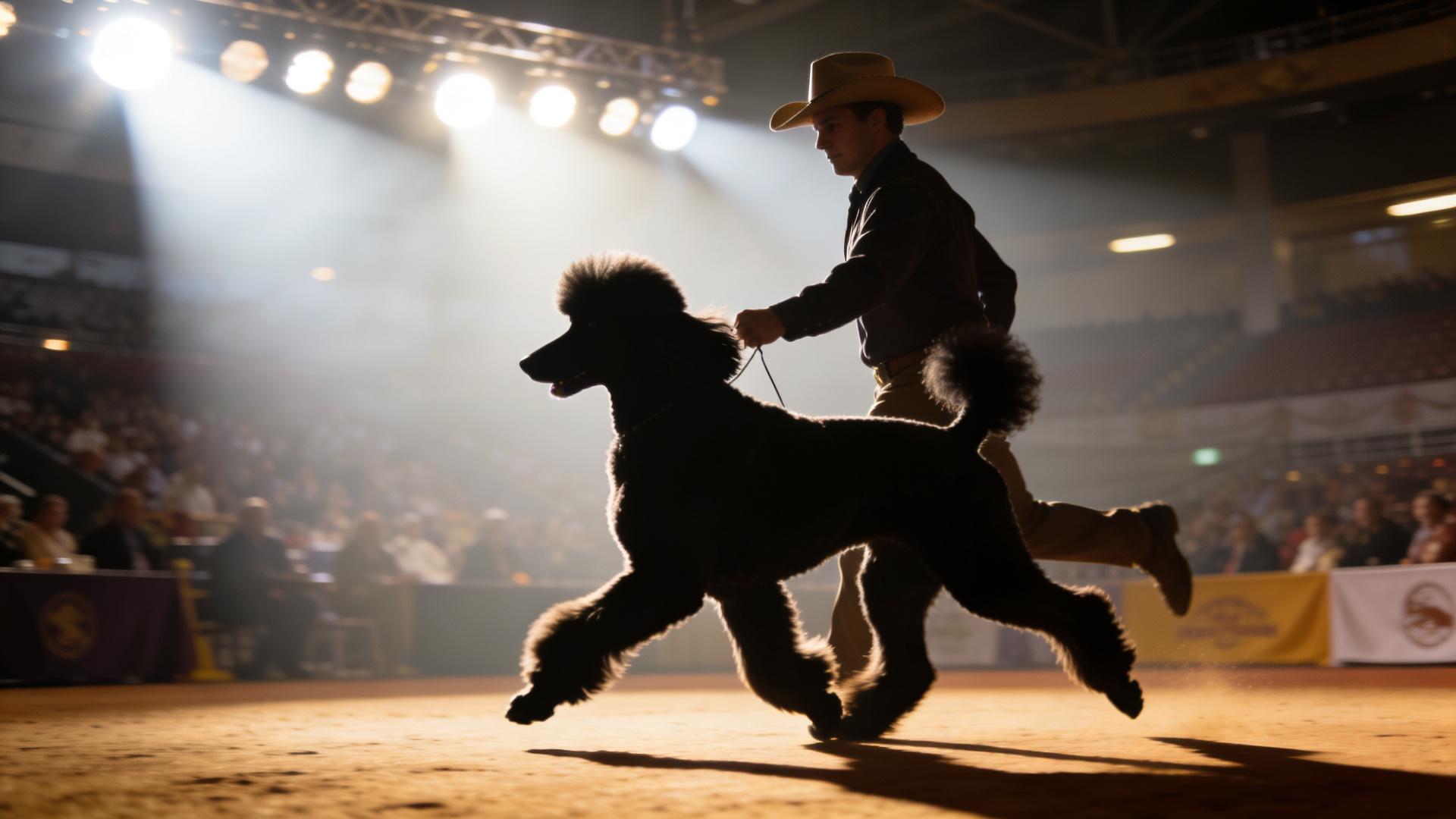
The arena lights are bright, the hum of dryers has faded, and the clock is ticking down. You’ve spent hours, even days, preparing your canine partner for this moment. As you queue at the ring entrance, a final, critical phase begins. This is not the time for major corrections; it’s the moment for surgical precision. The difference between a good groom and a winning groom is often decided in the frantic, final 300 seconds. What secret rituals do top handlers perform in those last moments? It boils down to a practiced, systematic protocol for quick sideline touch-ups and banishing the dreaded enemy: static electricity. Welcome to the art of the final five minutes.
🏆 Section One: The Mindset of the Final Countdown
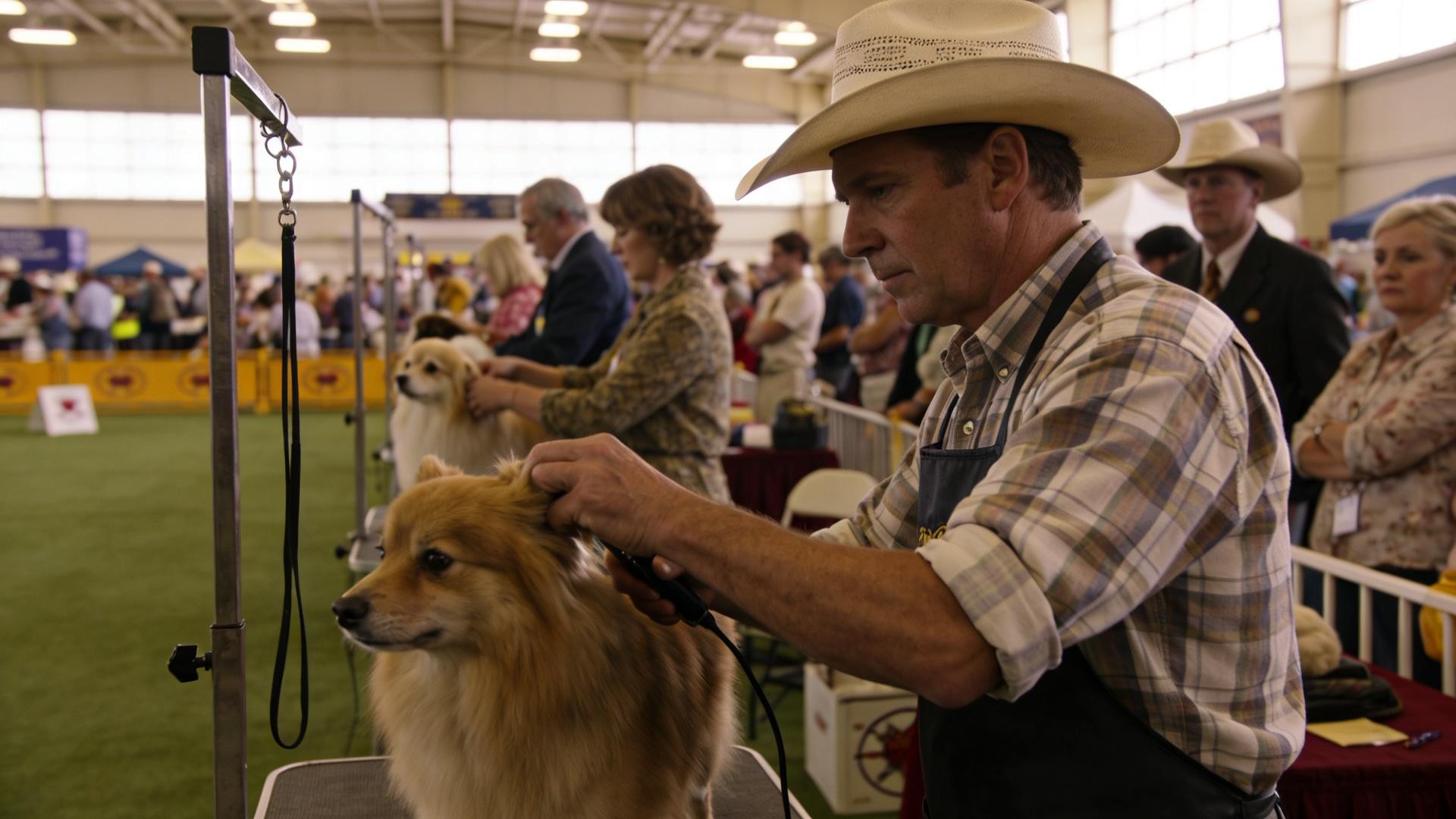
The work leading to this point is creative and structural—sculpting, clipping, and setting the pattern. The "last five minutes" require a complete mental shift. You are no longer an artist; you are an editor. Your role is to enhance, refine, and perfect what already exists. Panic is the ultimate enemy. A scattered approach leads to missed details or, worse, creating new flaws.
This mindset is built on three pillars:
- Calm, Focused Composure: Your energy transfers to the dog. Deliberate, gentle movements keep the dog settled and the coat undisturbed.
- Ruthless Prioritization: You cannot fix everything. Identify the 2-3 issues that will be most visible to the judge from 10 feet away.
- Systematic Execution: This is a rehearsed sequence, not improvisation. Every action has a purpose and a designated place in the timeline.
Remember: These minutes are for finishing touches dog show perfection, not for correction. If a major flaw is discovered now, it’s often better to leave it than to attempt a risky fix.
🧰 Section Two: The Essential Sideline Toolkit
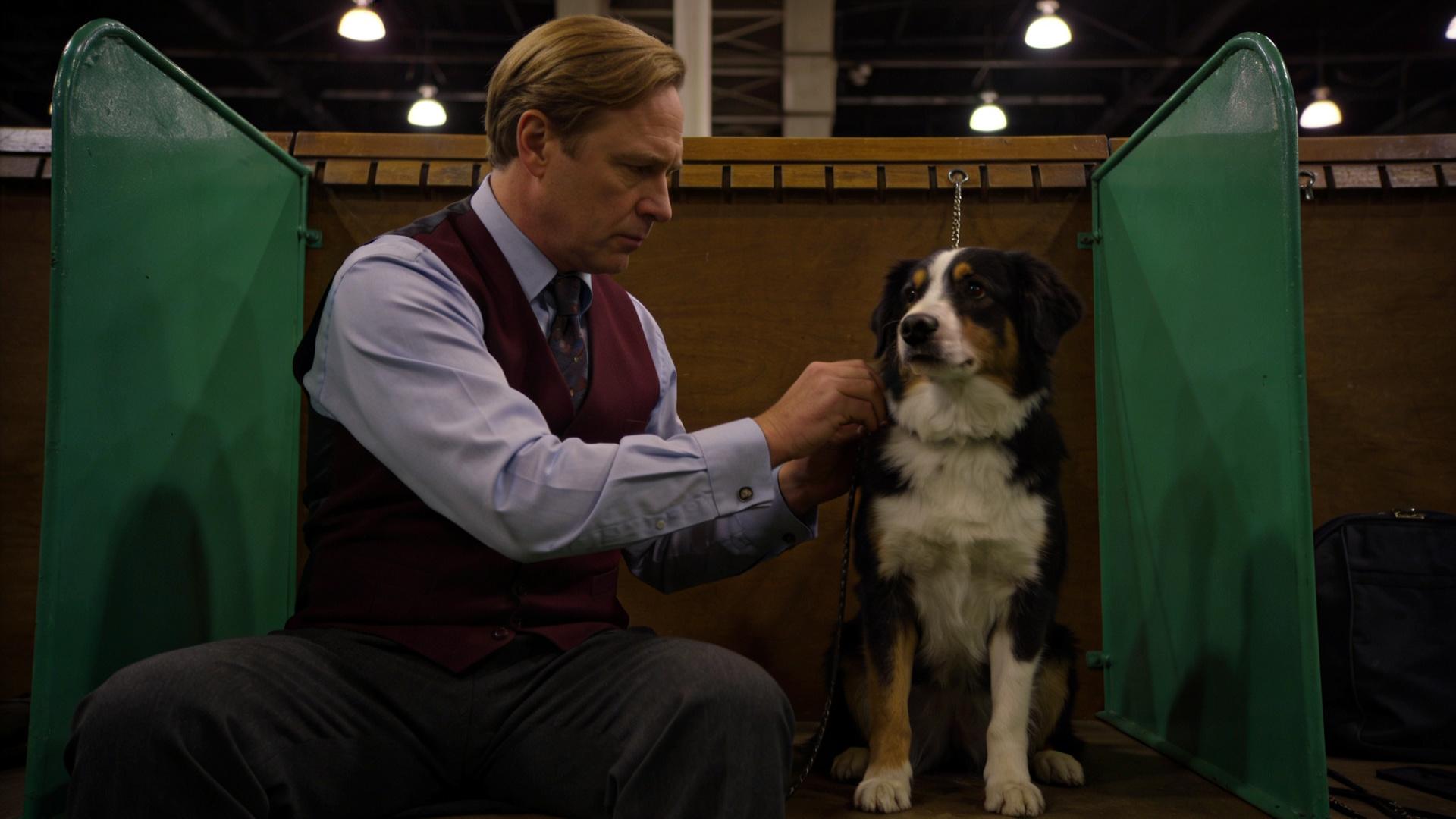
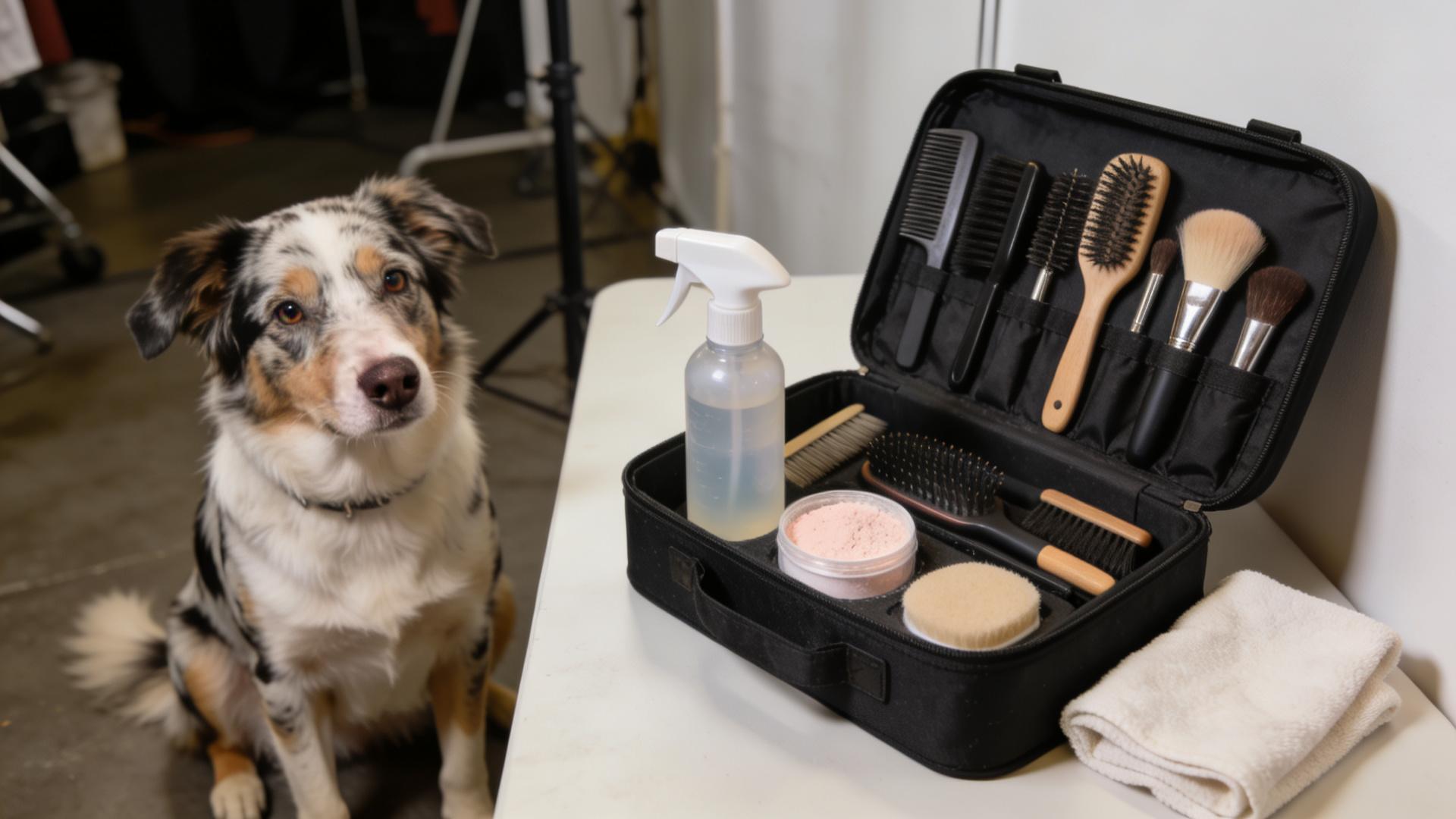
Your tools must be within arm's reach and organized for blind grabbing. There’s no time to rummage through a large kit. A small, dedicated “final touch” bag is non-negotiable for effective competition dog grooming last minute touch ups.
🎯 The Non-Negotiables:
- Fine Mist Spray Bottle: Filled with ionized or distilled water. This is your primary weapon for controlling fly-away hairs and adding minuscule weight to the coat.
- Boar Bristle Brush & Pin Brush: The boar bristle for a final polish on silky coats; the pin brush for a quick, gentle fluff through furnishings and leg hair.
- Grooming Powder & Powder Blower (Chalk Box): For a quick, light application to reduce friction and soak up any minor grease on light-colored coats or paw pads.
- Soft, Lint-Free Cloth: For wiping eye corners, cleaning teeth, or polishing nails.
- Matte Finishing Spray & Anti-Static Spray: Often two separate products. The finishing spray adds hold without shine; the anti-static spray neutralizes electrical charge. Special Reminder: Never use silicone-based sheen sprays at this stage; they attract dirt and can make hair clump.
- Handheld Dryer with Cool Setting: The ultimate tool for dog show grooming static removal and settling the coat without adding heat or disturbance.
⏱️ Section Three: The Five-Minute Touch-Up Protocol
This is your step-by-step playbook. Practice it until it’s muscle memory.
📐 Step One: The One-Step-Back Assessment (0:00-0:30)
Place the dog on the table and take one literal step back. Squint. Look at the overall silhouette and topline. Is the profile clean? Is the head fluff symmetrical? Are there any glaring, out-of-place hairs? This 30-second survey dictates your entire plan of attack.
⚡ Step Two: Topline and Silhouette (0:30-2:00)
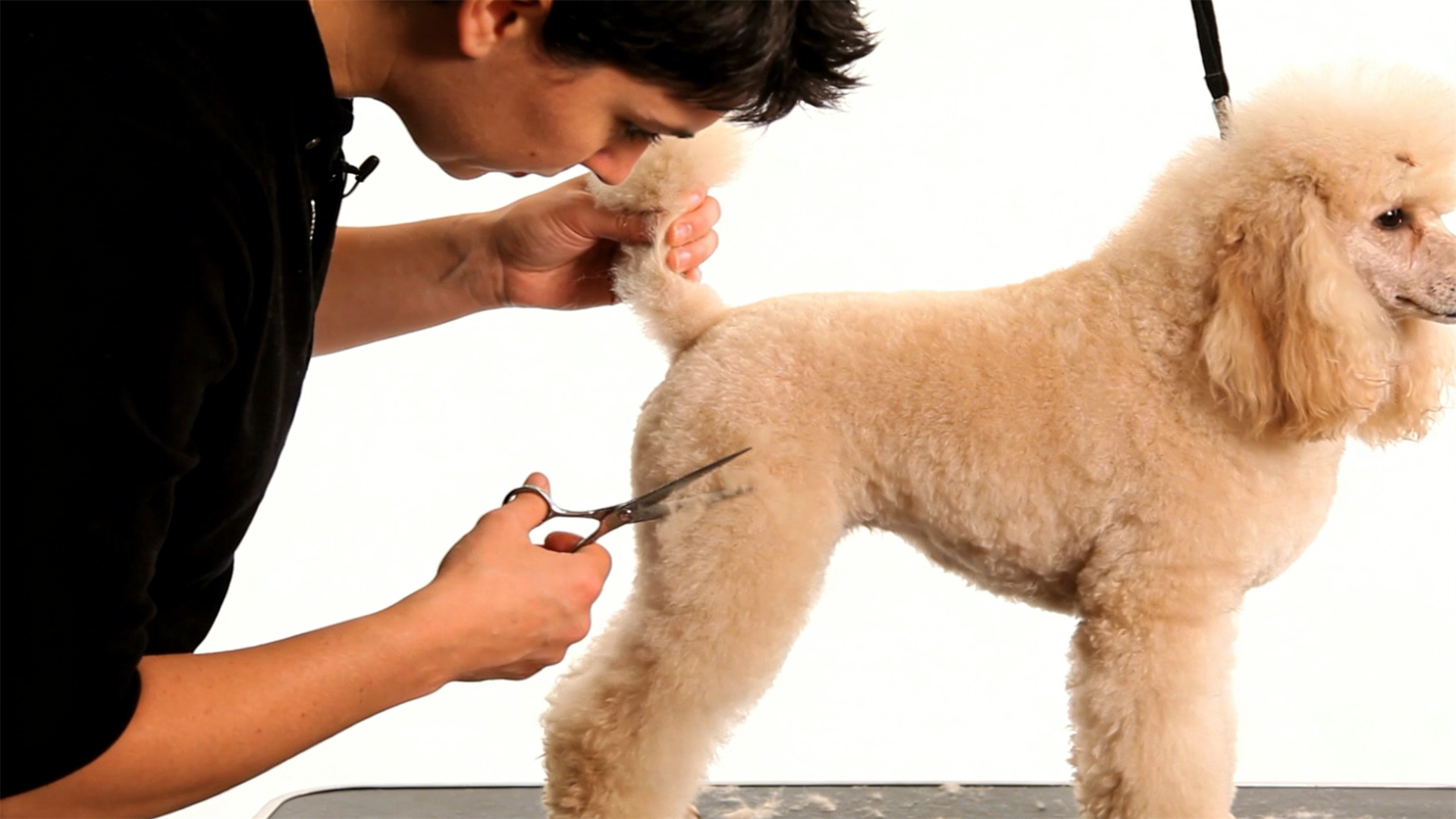
Using your pin brush, make a single, confident pass over the entire topline, tail, and skirt (if applicable). The goal is to reignite volume and ensure all hair is falling in the correct direction. For terriers or breeds with a crisp pattern, use a damp cloth to gently press and redefine the lines between the clip and the coat.
😐 Step Three: Face and Head Focus (2:00-3:30)
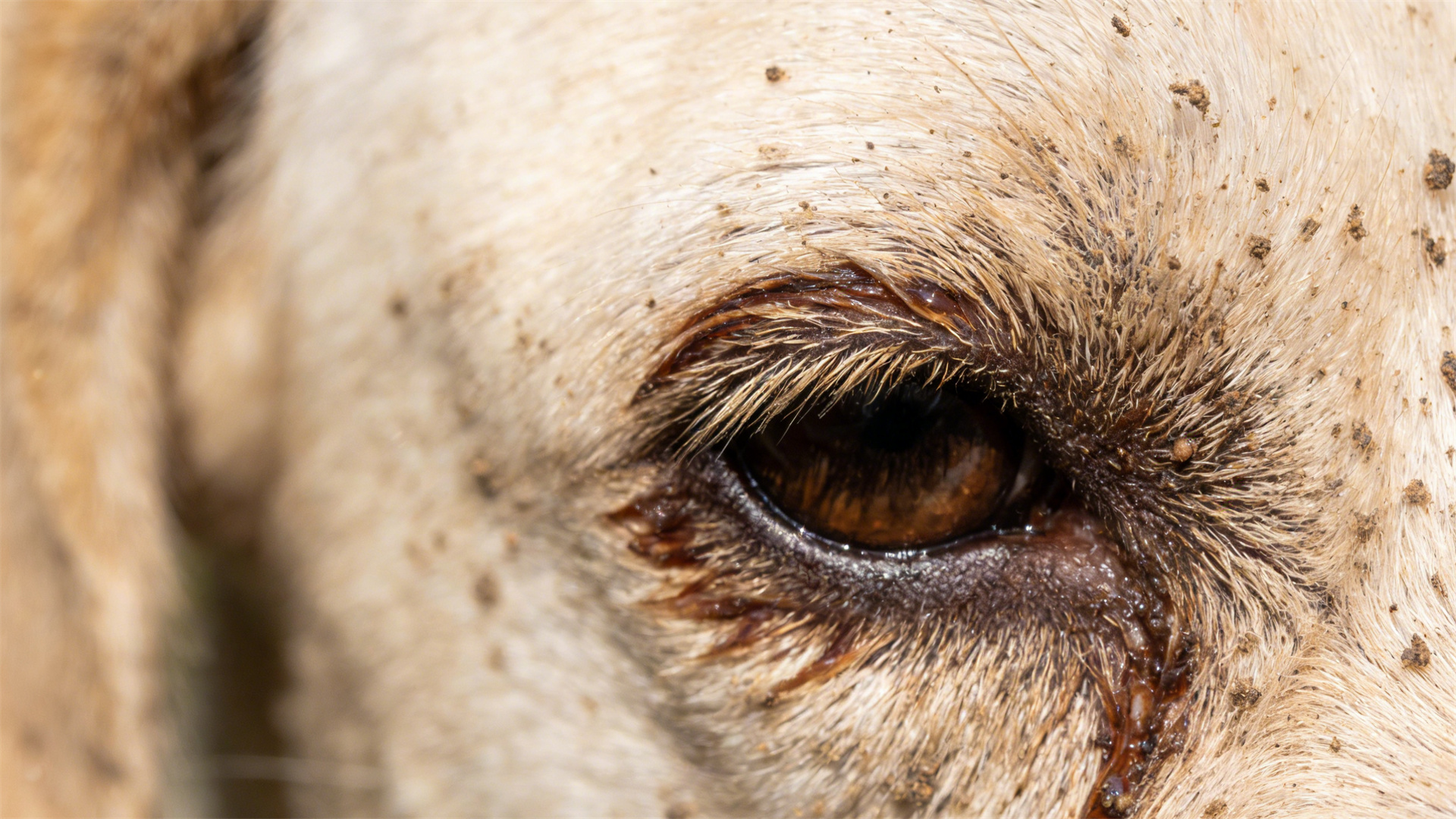
The judge looks here first. Use the damp cloth corner to clean any tear stains or debris from the inner eye corners. Gently brush the mustache and beard forward and down. Check ear set and fluff. Ensure the hair on the skull is smooth and tidy.
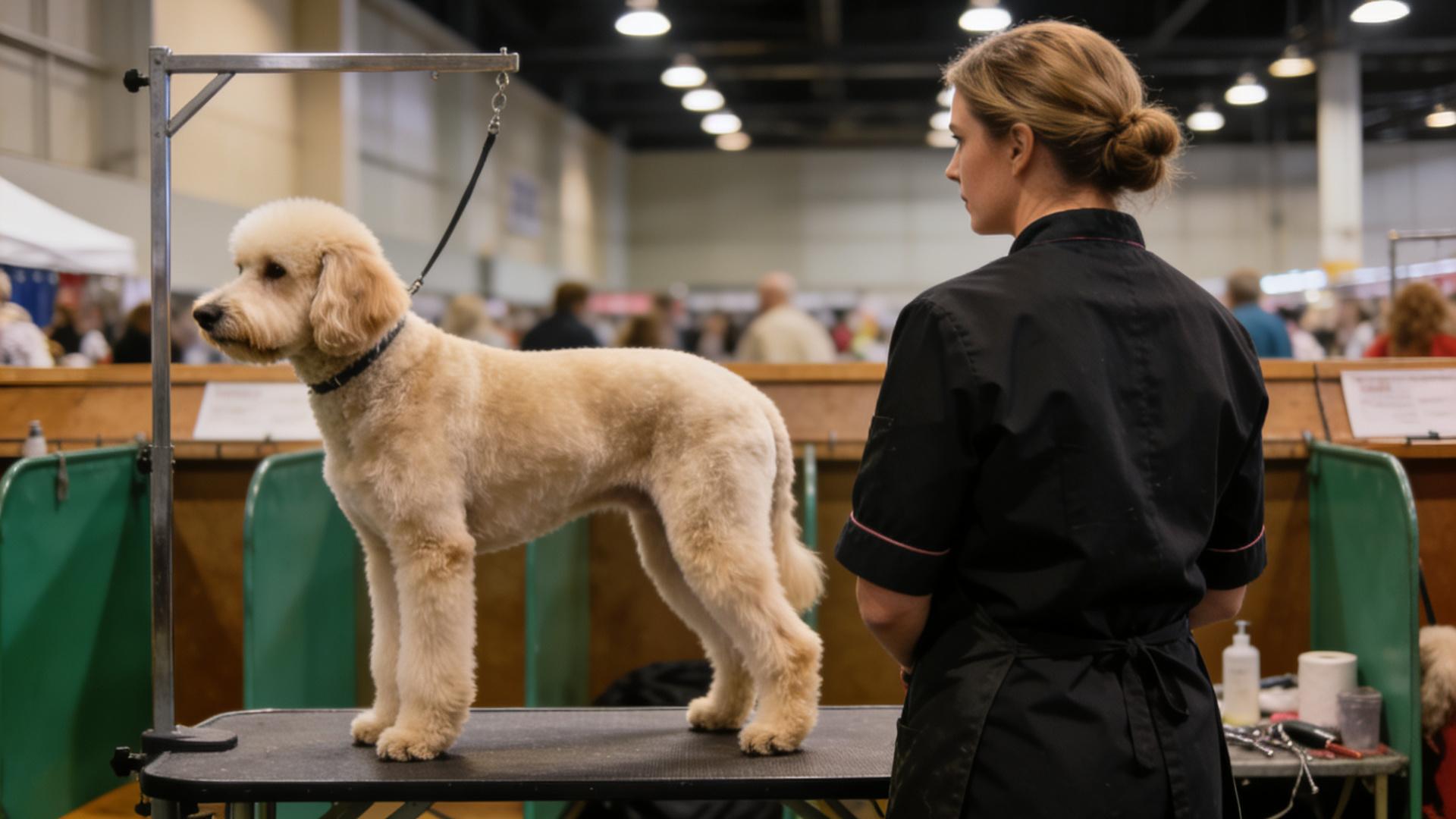
🐾 Step Four: Leg and Foot Perfection (3:30-4:15)
Quickly fluff leg hair with a light brush stroke from the bottom up. Check paw pads for any stray litter or grass seeds. Wipe nails with the cloth for a clean shine. This is a prime spot for quick fix dog grooming that makes a big visual impact.
🌫️ Step Five: The Final Mist and Settle (4:15-5:00)
Hold your fine mist bottle 12 inches away and give one or two light passes over the entire dog. Immediately, use your hands to gently “settle” the coat, smoothing it into place. Follow with a brief blast of cool air from the dryer to set everything. This step combats static and helps the coat lie naturally.
⚡ Section Four: Conquering Static: The Invisible Enemy
Show halls are notoriously dry environments, with low humidity and carpeting that generates charge. Static can undo a perfect groom in seconds, causing hair to float and stand away from the body. Here’s how to win the battle for dog grooming static control.
- Spray the Brush, Not the Coat: A light spritz of anti-static spray on your brush, then brushed through the coat, distributes the product evenly without risking damp spots.
- Harness Humidity: The fine mist of water from your spray bottle adds microscopic weight and humidity to the hair shaft, reducing its ability to hold a charge. This is often the simplest and most effective quick way to remove static from a poodle's coat.
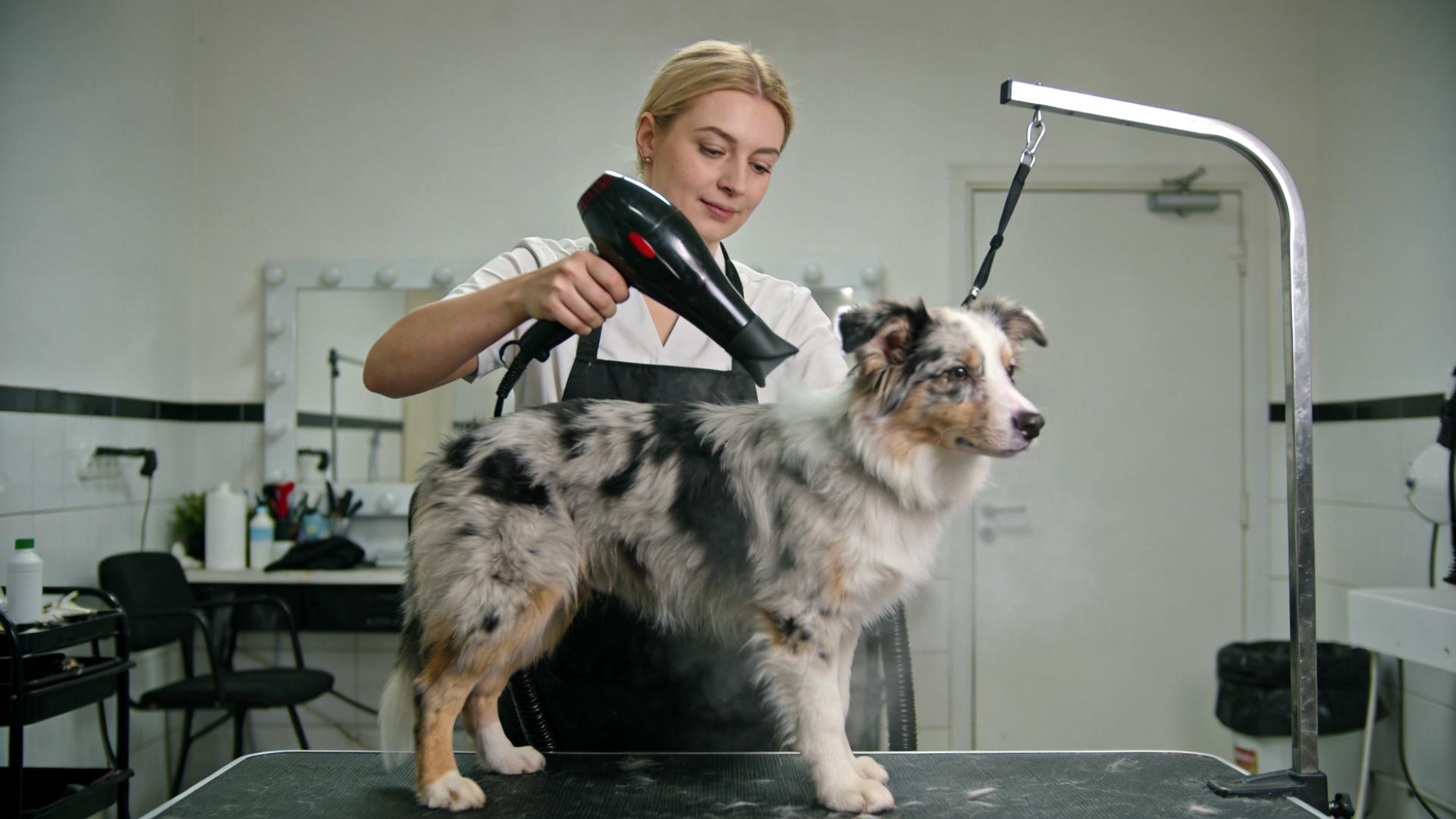
- The Cool Dryer Trick: Pass the cool setting of your handheld dryer over the staticky area. The ionized air helps neutralize the electrical charge. It’s one of the most reliable grooming competition tips.
- Powder as a Friction Reducer: A tiny amount of grooming powder applied with a powder blower can reduce friction between hairs. Use sparingly and brush out thoroughly to avoid a chalky look.
🎬 Conclusion: The Confidence of a System
The "last five minutes" are not a scramble; they are a skill born of practice. By adopting a systematic touch-up protocol and mastering static removal, you transform the most stressful part of the show day into a period of controlled, confident action. This routine ensures you present not just a beautifully groomed dog, but a finished one—where every hair is intentional. It instills a calm assurance in you that transfers directly to your canine partner, allowing you both to enter the ring focused on performance, not presentation.