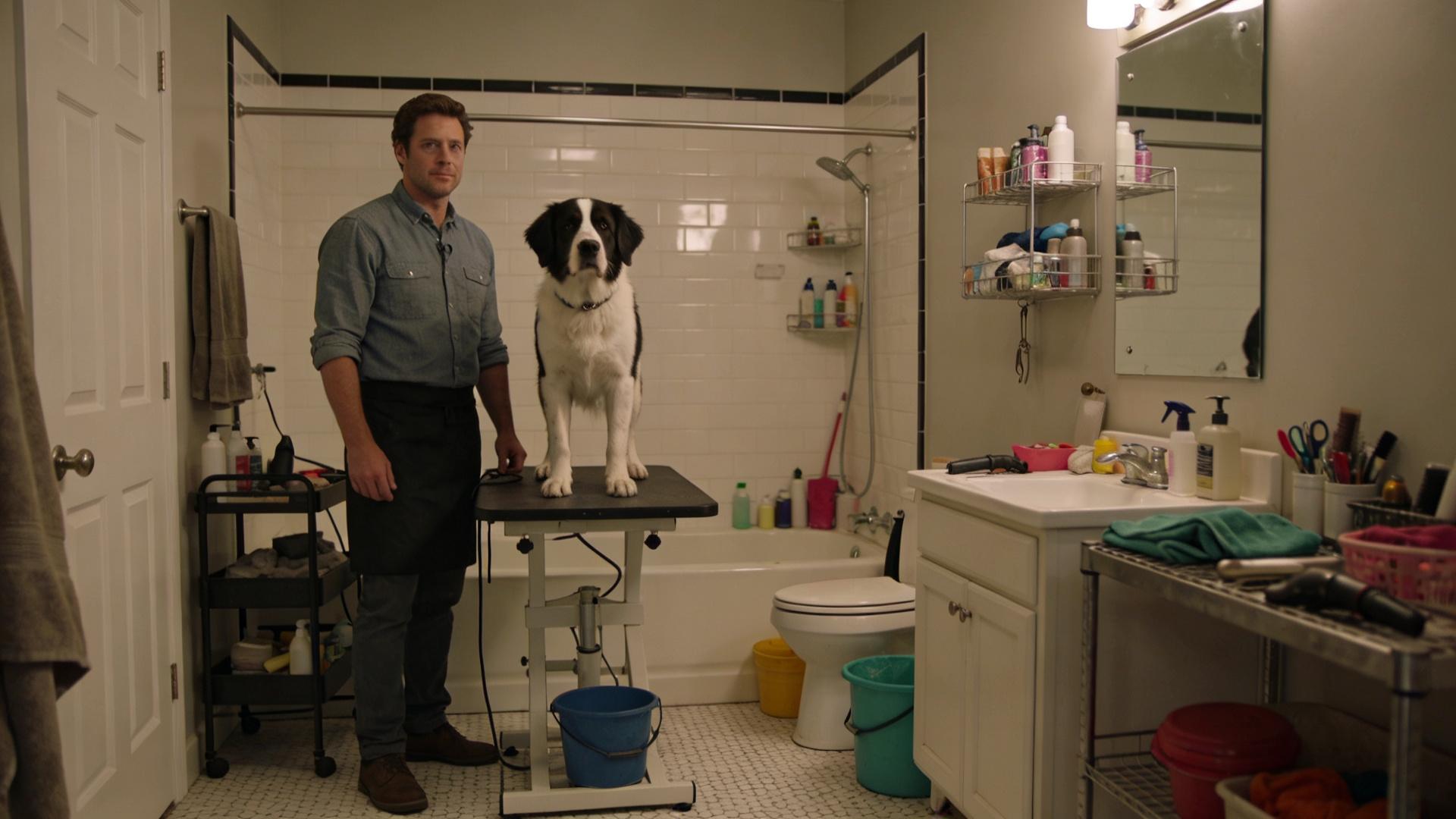
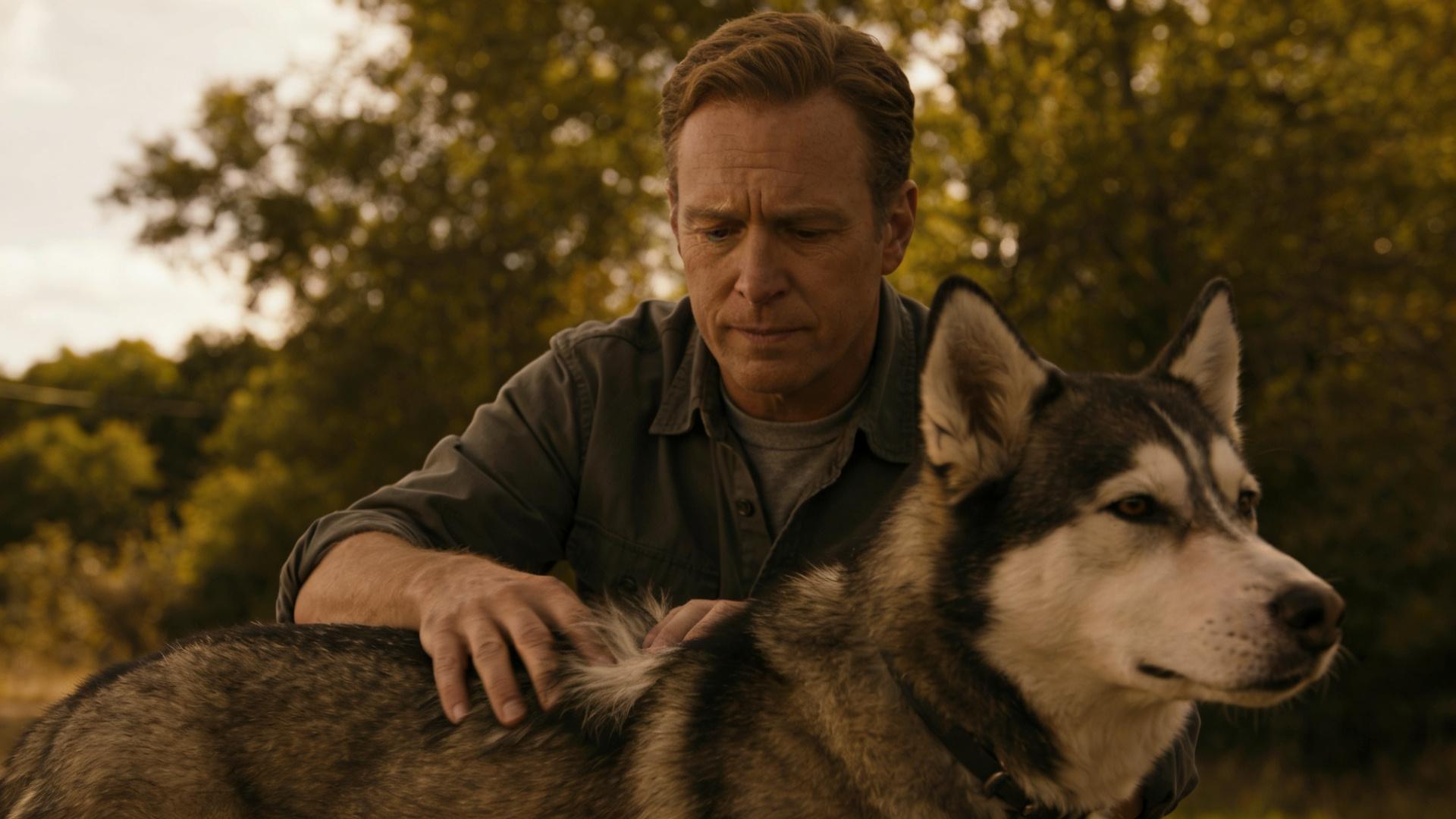
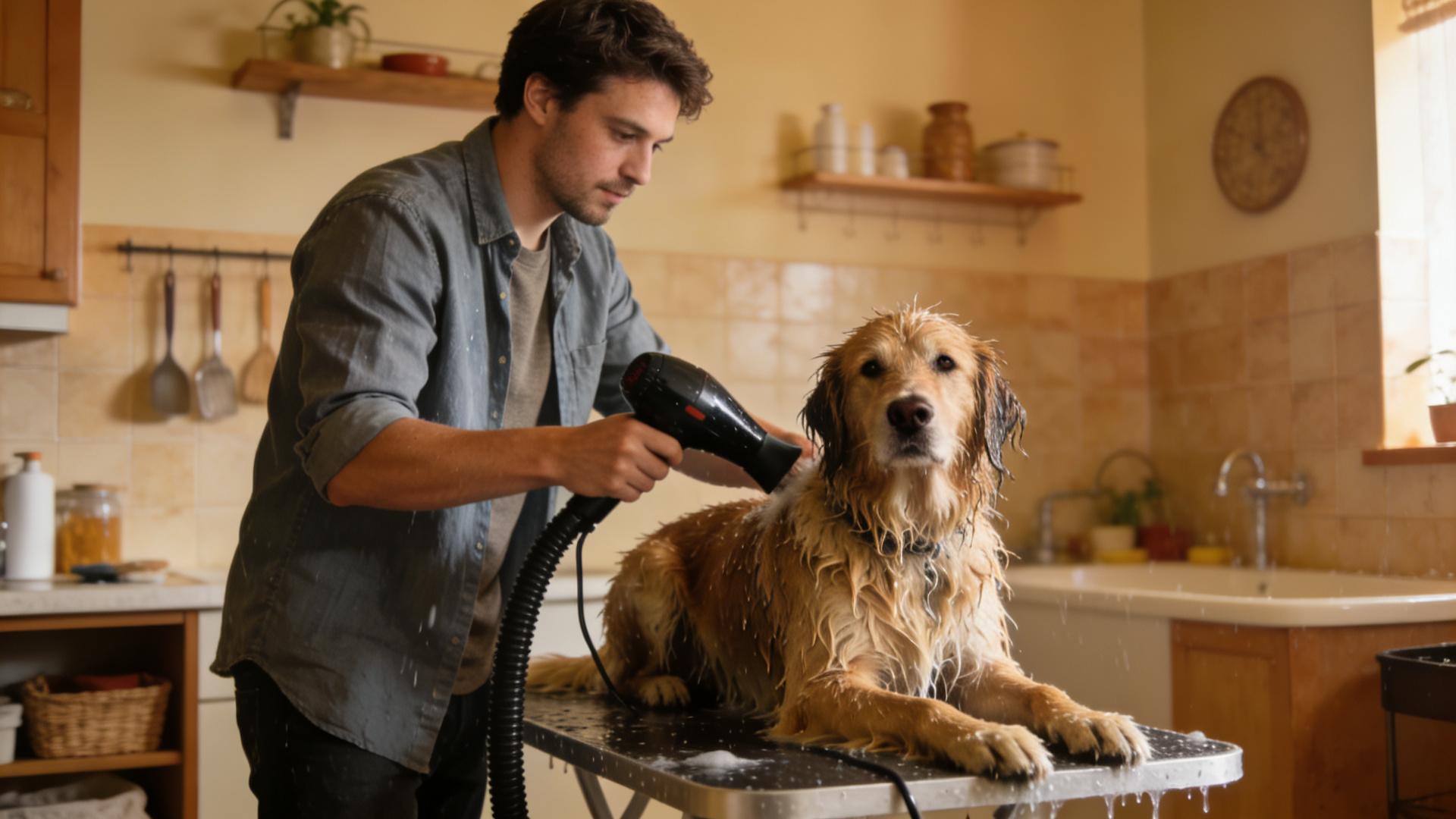
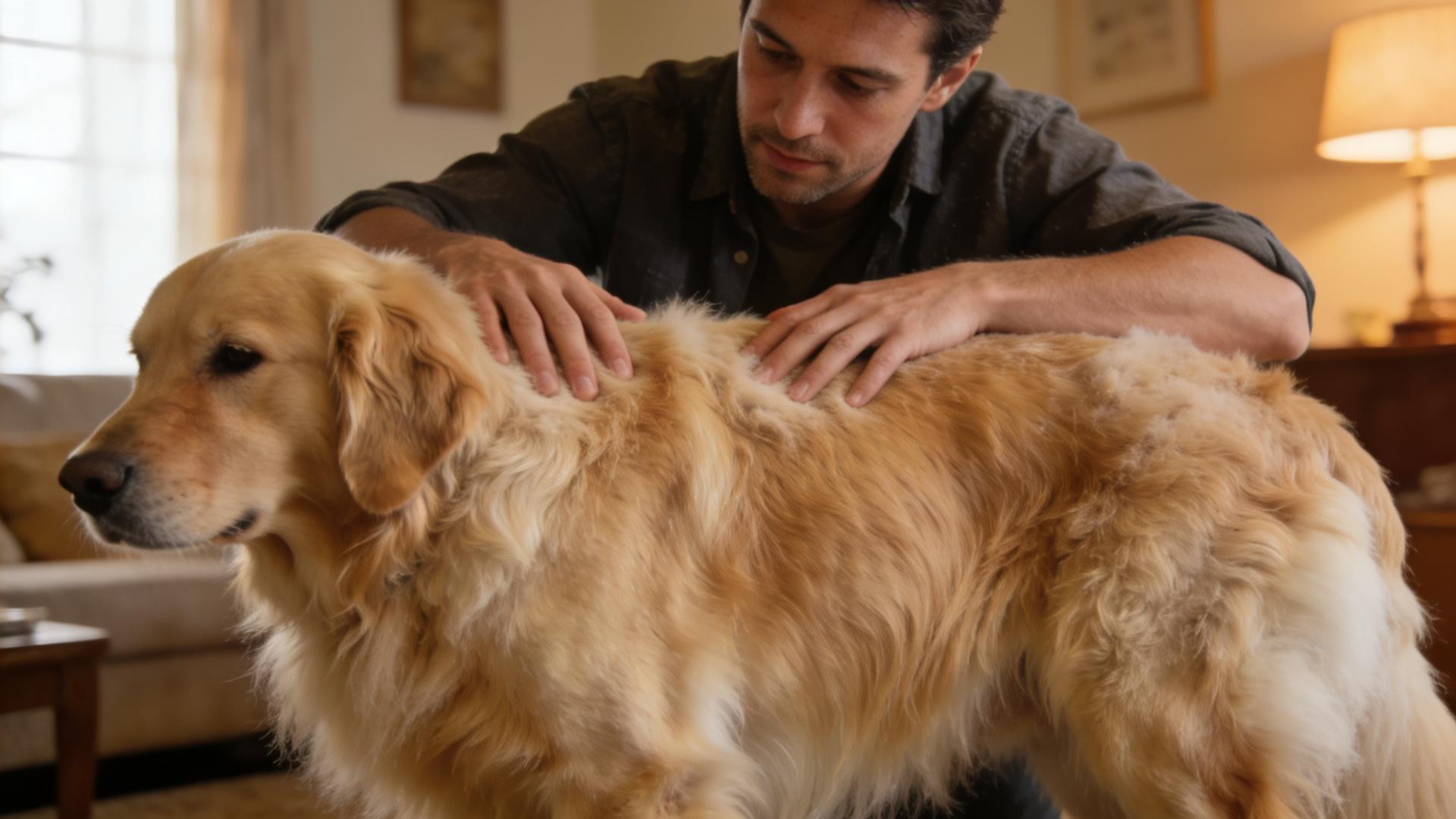
Every loving dog owner wants to see their furry friend looking and feeling their absolute best. While regular grooming is undeniably key to a stunning appearance, its true value runs much deeper—it's a fundamental pillar of canine health. Proper brushing removes dirt, spreads natural skin oils, prevents painful mats, and offers you a precious opportunity to check for lumps, bumps, or parasites. At the heart of any effective home grooming regimen are three core tools: the humble comb, the versatile pin brush, and the innovative detangling brush. This comprehensive guide is designed to demystify these essential home dog grooming tools. We'll walk you through how to choose the right implement for your dog's unique coat and, most importantly, how to use each one correctly for a stress-free, beneficial grooming session.
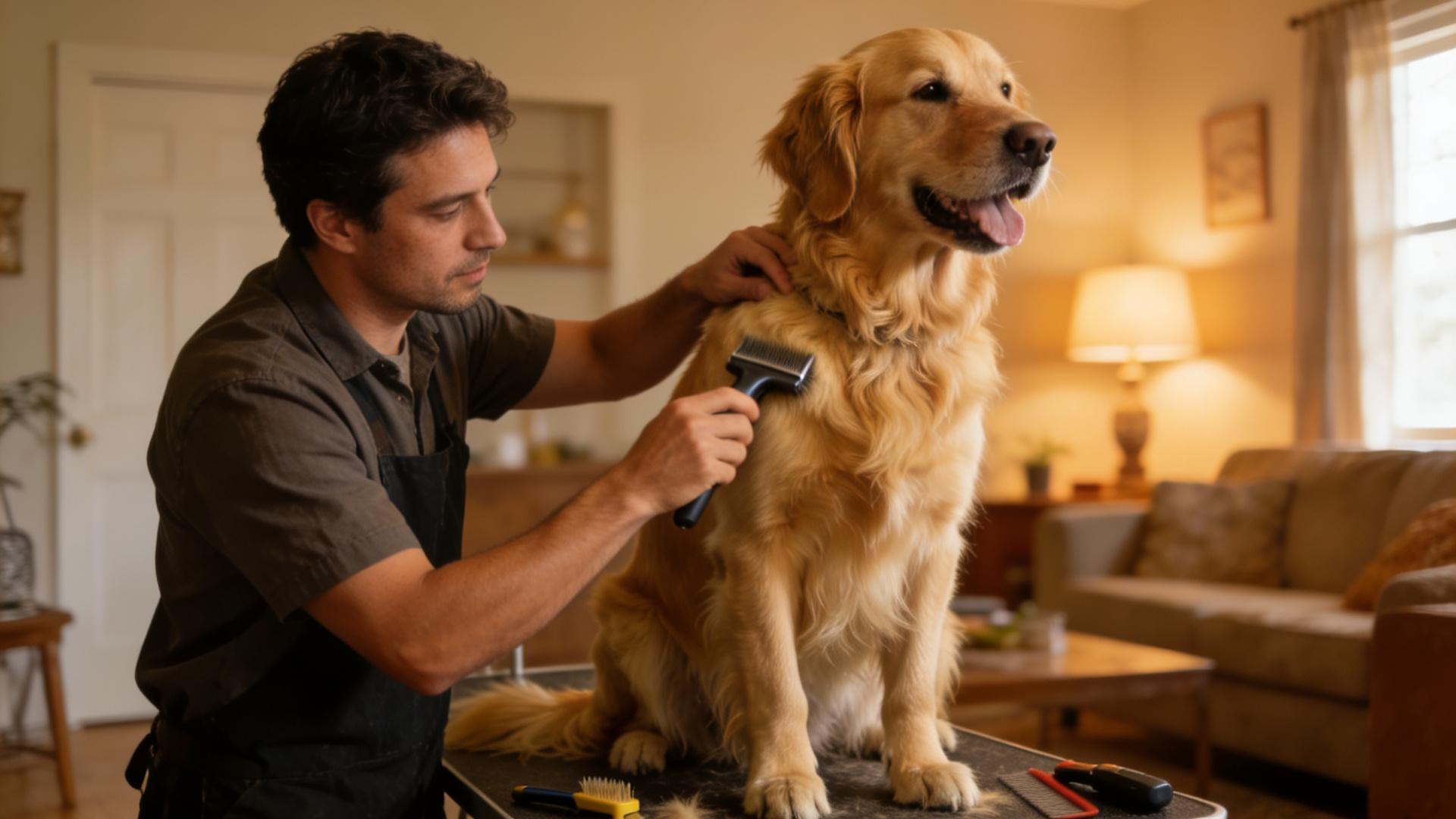
🐕 Understanding Your Dog's Coat: The First Step to Tool Selection
You wouldn't use a rake on a velvet lawn, and you shouldn't use the wrong brush on your dog's coat. The single most important factor in choosing your dog grooming brushes is understanding your dog's specific coat type. Coats vary dramatically in texture, length, and density, each presenting unique grooming challenges.
- Short/Smooth Coats: Think breeds like Boxers or Dalmatians. Their coats are low-maintenance but benefit from brushing to remove loose hair and stimulate the skin.
- Long/Silky Coats: Exemplified by Yorkies or Afghan Hounds, these beautiful coats are prone to tangles and require frequent, meticulous brushing to prevent mats.
- Double Coats: Common in Huskies, Golden Retrievers, and German Shepherds. These have a dense, soft undercoat beneath a coarser topcoat. They "blow" their undercoat seasonally, requiring tools that can reach deep to remove loose underfur.
- Curly/Woolly Coats: Seen on Poodles and Bichon Frises, these coats mat very easily and require regular, section-by-section brushing and combing.
- Wiry/Rough Coats: Found on Terriers like the Schnauzer. This coat type needs specialized stripping techniques, but regular brushing is still essential to remove debris and prevent matting close to the skin.
Identifying your dog's coat type is the crucial first step in our dog grooming brush guide, directing you toward the perfect tool for the job.
🛠️ Selecting the Right Tools: A Buyer's Guide
With an understanding of your dog's coat, you can now navigate the world of grooming tools with confidence. Let's break down the purpose, design, and ideal use for each of the three essential tools.
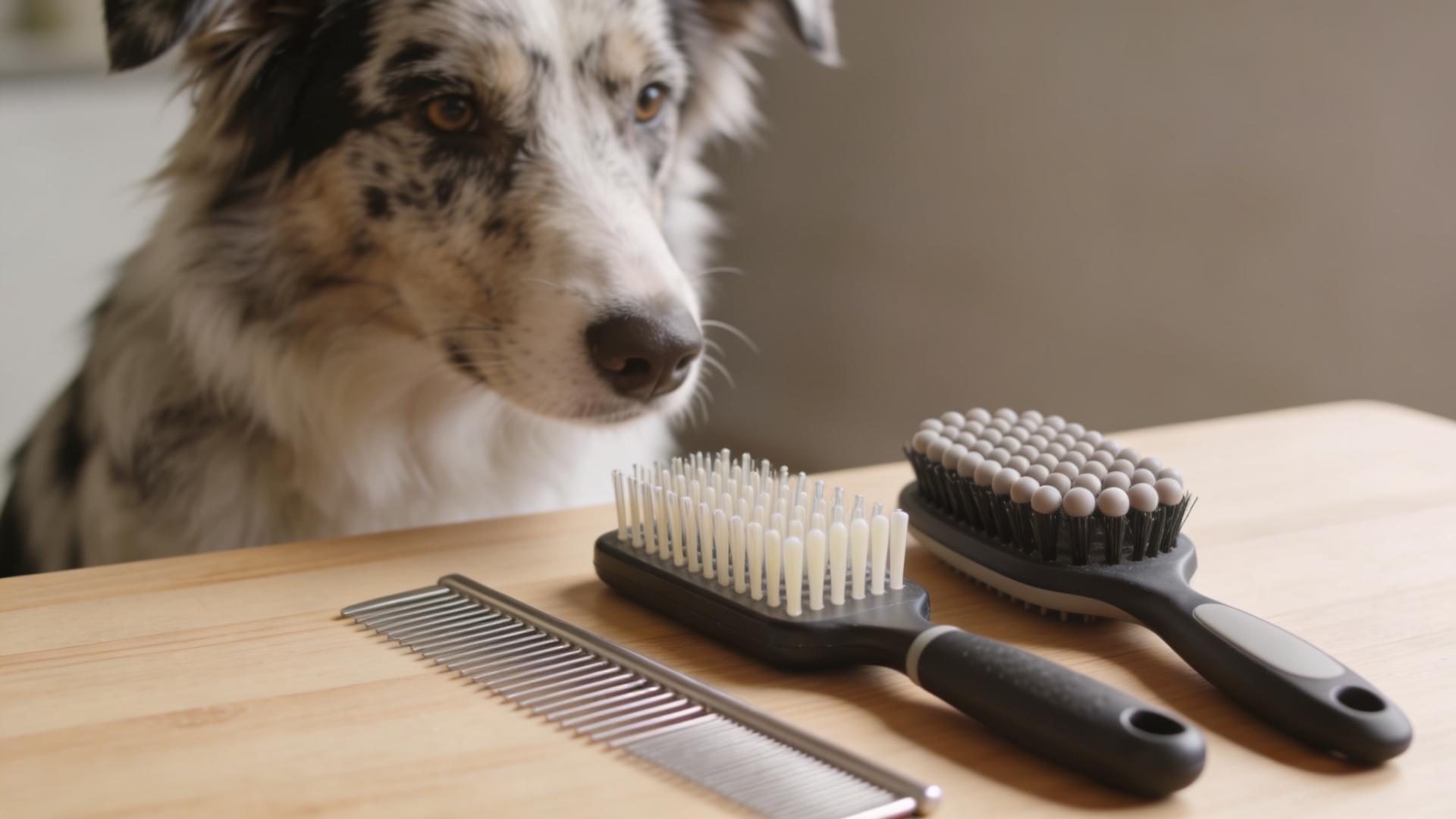
The Dog Grooming Comb: Your Final Check and Detangling Detailer
Think of a dog grooming comb as your precision instrument. It's the tool that confirms your brushing work is complete and tackles the finest knots. Combs are non-negotiable for long, silky, or curly coats.
- Wide-Tooth Combs: Perfect for initial detangling on long or curly coats, working through large sections before refining.
- Fine-Tooth/Medium-Tooth Combs: Used for finishing work, removing tiny debris, and ensuring no small tangles are left at the skin—a common problem area.
- Sending Combs/Rakes: Designed with rotating or single-row teeth to gently but effectively pull loose undercoat from double-coated dogs without damaging the topcoat.
The rule of thumb: A comb should glide smoothly through the coat, from skin to tip, after brushing. If it catches, you've found a tangle that needs more attention.
The Pin Brush: The Gentle All-Rounder for Maintenance
A pin brush for dogs features bristles (pins) set on a flexible, cushioned base. This design allows the pins to bend slightly, providing a gentle massage that's comfortable for your dog while effectively smoothing the topcoat and reaching some undercoat.
- Ideal For: Long, silky, and medium-length coats with minimal matting. It's excellent for daily maintenance brushing to prevent tangles, distribute oils, and add shine. It can be used on some double coats during non-shedding seasons.
- Not Ideal For: Thick, dense undercoats during heavy shedding, or for breaking apart serious mats. The flexible pins will simply glide over the top of packed underfur.
Look for pins with rounded, polished tips to protect your dog's skin, making the experience pleasant for them. This is a cornerstone tool for home dog beauty essentials.
The Detangling Brush: The Mat and Shedding Specialist
Detangling brushes for dogs are engineered to solve specific problems: removing loose hair from undercoats and gently working through mats. Their defining features are flexible, often curved pins that can penetrate deep into the coat and self-cleaning mechanisms that eject the gathered hair with a button push.
- How They Work: The design allows pins to flex around live hair and grip loose hair and undercoat, pulling it up and out. For mats, the thin, flexible pins can often work through the tangle from the edges inward without the painful pulling of a standard brush.
- Ideal For: Double-coated breeds during shedding season are the prime candidates. They are also incredibly useful for how to detangle dog hair on breeds with woolly or long coats when used carefully and in conjunction with a comb.
It's important to distinguish between a detangling brush and a deshedding tool (like a undercoat rake); while functions overlap, detangling brushes often have a finer, more flexible pin pattern suitable for a wider variety of coat types.
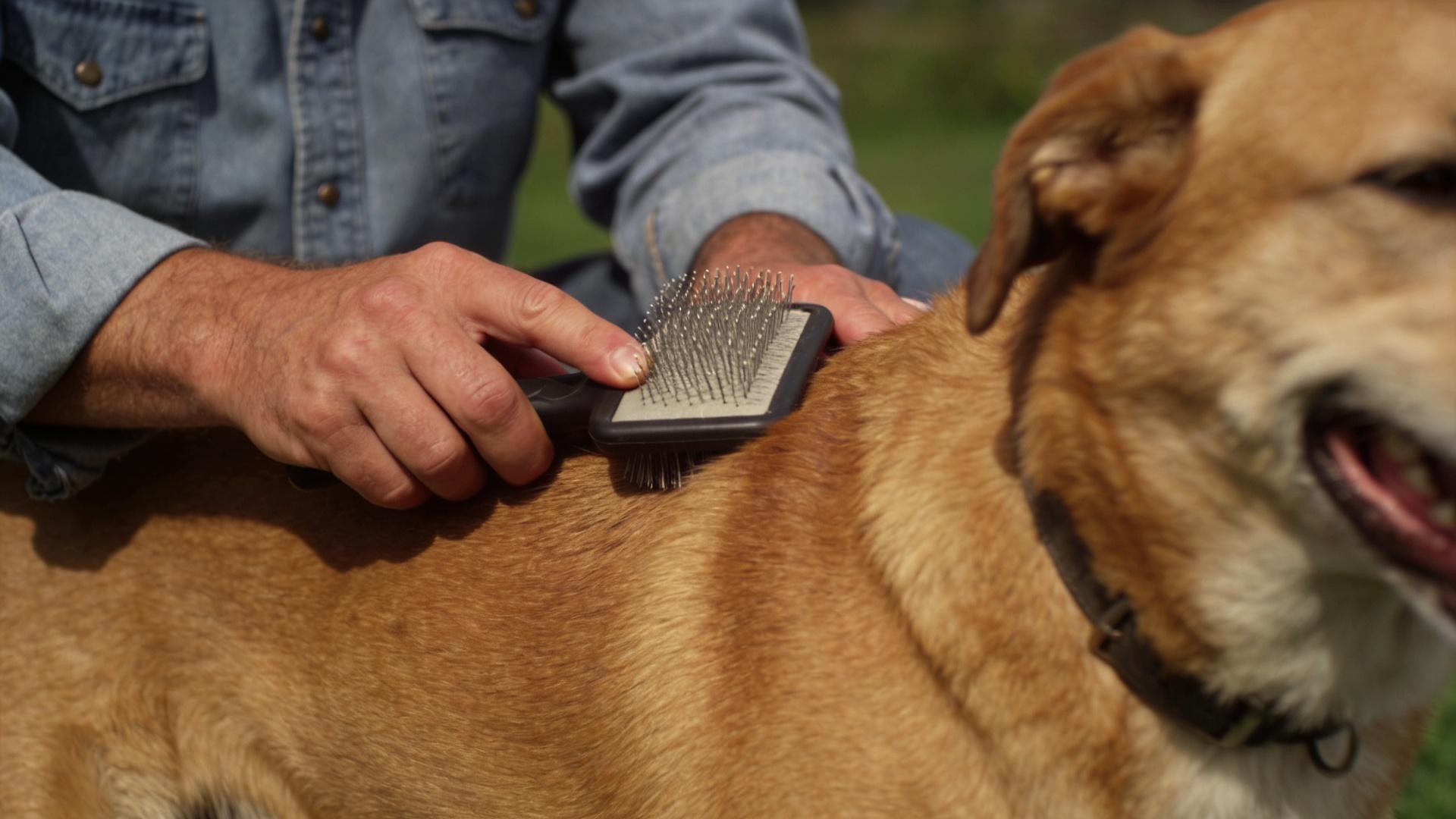
✨ Proper Use and Technique: Brushing for Comfort and Results
Having the right tool is only half the battle; knowing how to use it is what makes grooming a positive experience. Always brush on a stable, comfortable surface and use treats and praise to build a positive association.
Mastering the Comb: The Art of the Finishing Touch
- Always start with a brushed coat. Use your pin or detangling brush first to remove the bulk of loose hair and loosen tangles.
- Work in small sections, especially on long or curly hair. Hold the hair at the base to avoid tugging the skin.
- Start at the ends of the hair. If you hit a snag, don't force it. Hold the hair above the tangle and gently work the comb through the very ends first, gradually moving up.
- Comb all the way down to the skin, changing the angle of your part to ensure you're checking the entire coat. The comb should touch the skin gently without scraping.
Perfecting the Pin Brush: Gentle Strokes for a Gleaming Coat
- Hold the brush so the pins can make full contact with the skin at a natural angle.
- Use long, gentle strokes, always following the direction of hair growth. Short, harsh strokes can irritate the skin and break hair.
- Lift sections of the coat to brush the underlayers, especially on fluffier dogs. Don't just skim the surface.
- For long-haired dogs, hold a section of hair in one hand and brush from mid-length to ends, then from skin to ends to fully smooth.
Employing the Detangling Brush: Patience is Key
This tool requires a calm, methodical approach, especially for detangling brushes for canine coat issues.
- For shedding: Use gentle pressure and slow, short strokes. Let the brush do the work. Over-brushing one spot can irritate the skin.
- For tangles and mats: Special Reminder: Never force the brush. First, spray the mat with a dog-safe detangling conditioner spray or lightly mist with water. Use your fingers to gently pry the mat apart as much as possible.
- Start brushing at the very edges of the mat, holding the base of the mat firmly against the skin to minimize pulling.
- Work in tiny, incremental sections. If a mat is too severe (tight to the skin, large), it's time to consult a professional groomer. Cutting out mats can be dangerous if done incorrectly.
🔧 Tool Maintenance and Care: Protecting Your Investment
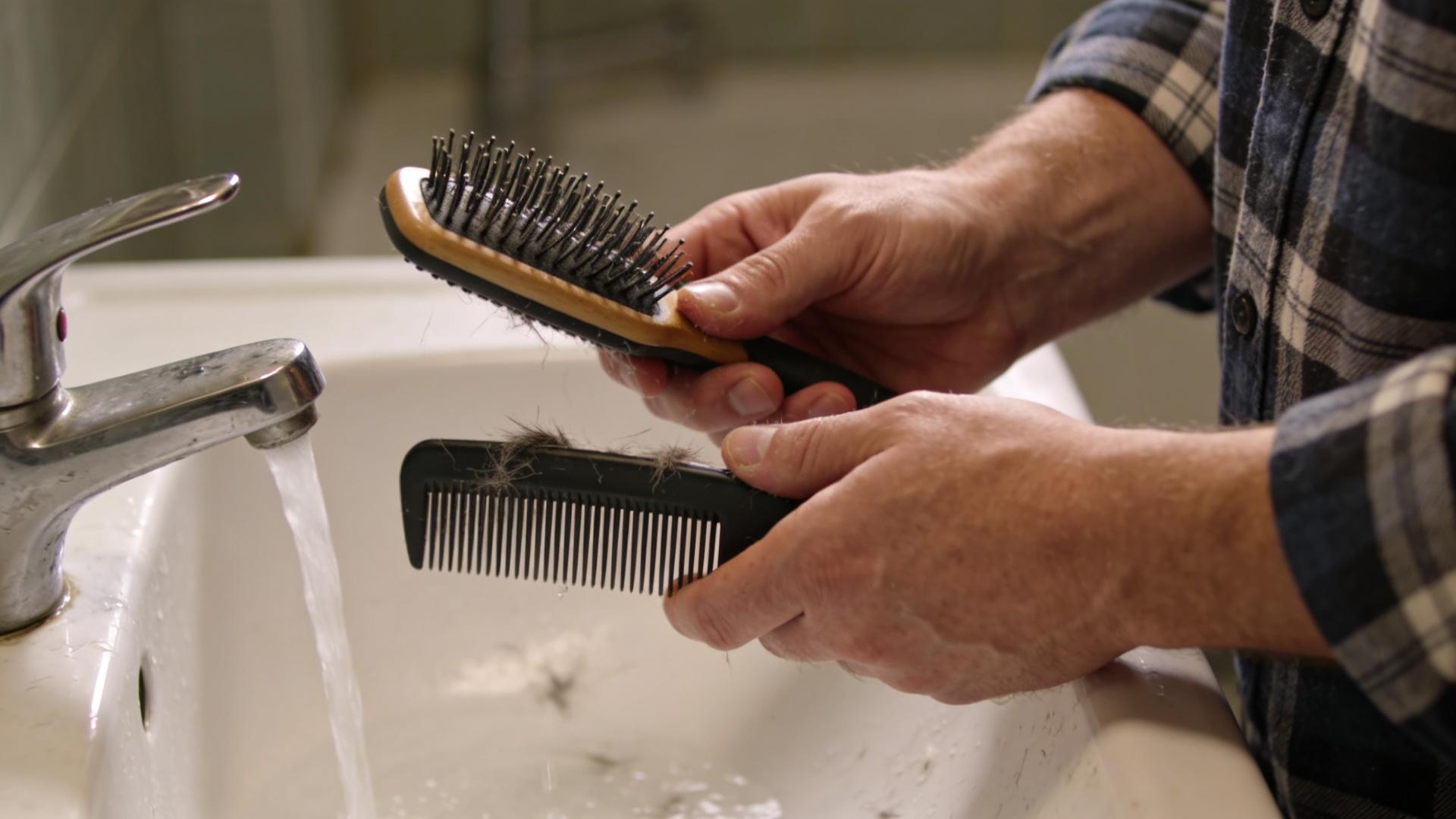
Proper care extends the life of your tools and ensures they remain hygienic for your pet. After each use, remove all hair from the brush or comb. For a deep clean, soak brushes in warm water with a mild dog shampoo or dish soap. Use a comb or an old toothbrush to scrub between pins and bristles. Rinse thoroughly and allow to air-dry completely before storing in a dry place. Regular cleaning prevents the buildup of oil, dirt, and bacteria.
⚠️ Common Mistakes to Avoid in Home Dog Grooming
- Using the Wrong Brush: A slicker brush on a short-haired dog can scratch skin, while a pin brush on a dense undercoat is ineffective.
- Brushing a Dry, Dirty Coat: This can cause breakage and spread dirt. For detangling, always use a conditioning spray. For general brushing, ensure the coat is clean and dry.
- Rushing Through Detangling: Impatience leads to pain, which can cause grooming aversion. Be patient and methodical.
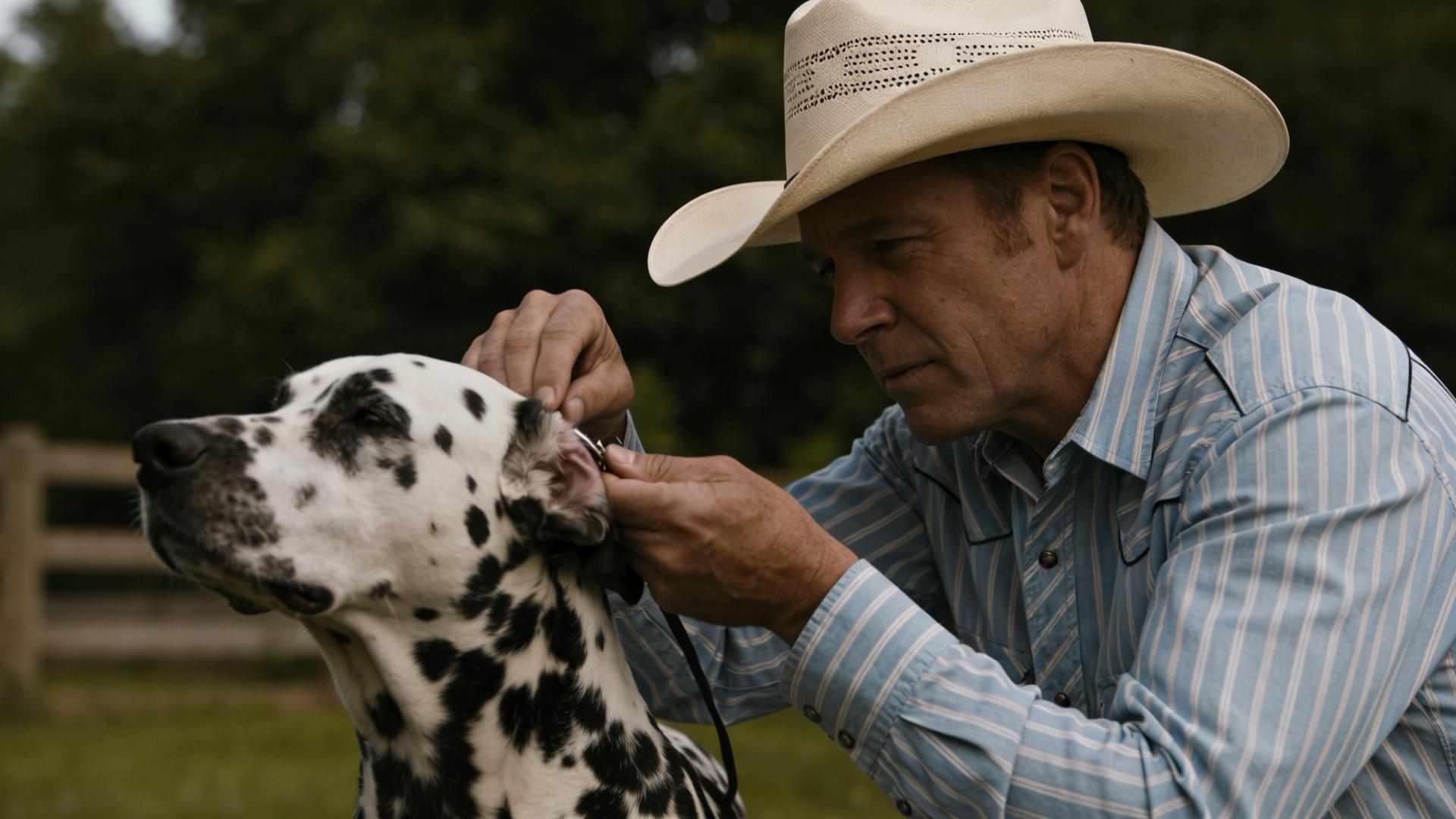
- Neglecting "Hidden" Areas: Pay special attention to friction-prone spots like behind the ears, under the collar, armpits, and the rear end, where mats commonly form.
- Skipping the Comb: Assuming a brush alone is sufficient for long-haired dogs. The comb is the only tool that guarantees you've reached the skin.
Wrapping Up Your Dog Grooming Toolkit
Mastering the proper selection of dog combs, pin brushes, and detangling brushes empowers you to be your dog's best stylist and health advocate. Remember, the foundation is knowing your dog's coat, choosing the tool designed for it, and employing gentle, effective technique. Regular grooming with the right tools strengthens your bond, keeps your dog comfortable, and ensures their coat and skin remain in optimal health.