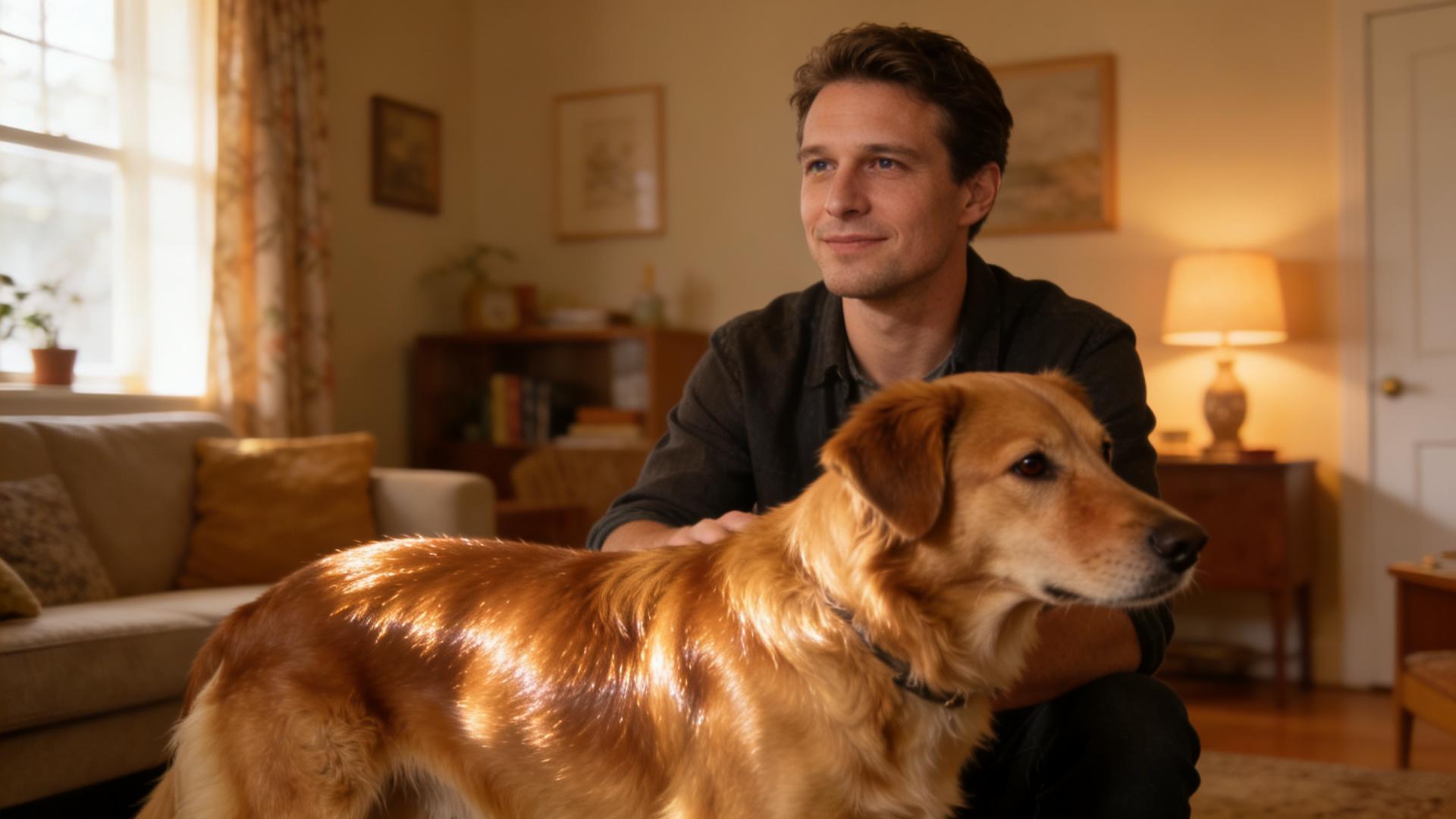
A dog’s coat is more than just fur—it’s a mirror of their inner health. A lustrous, soft, and resilient coat speaks volumes about their vitality, while a dull, brittle, or oily coat can be the first sign of nutritional gaps or care missteps. Transforming your dog’s coat from scruffy to stunning isn’t about expensive salon visits; it’s about mastering the synergy between what goes inside their body and what you do on the outside. This definitive guide provides actionable, evidence-backed steps to elevate your dog’s coat texture through strategic diet and grooming. Follow this roadmap, and you’ll witness a noticeable, glowing improvement that reflects a happier, healthier companion.
🍖 The Foundational Role of Diet in Coat Health
You cannot brush or bathe your way to a truly healthy dog coat if the foundation—nutrition—is lacking. The coat is the last organ to receive nutrients from the body; if the diet is deficient, the coat will show it first. Think of diet as building a house from the inside out.
Essential Fatty Acids: The Superstars of Shine ✨
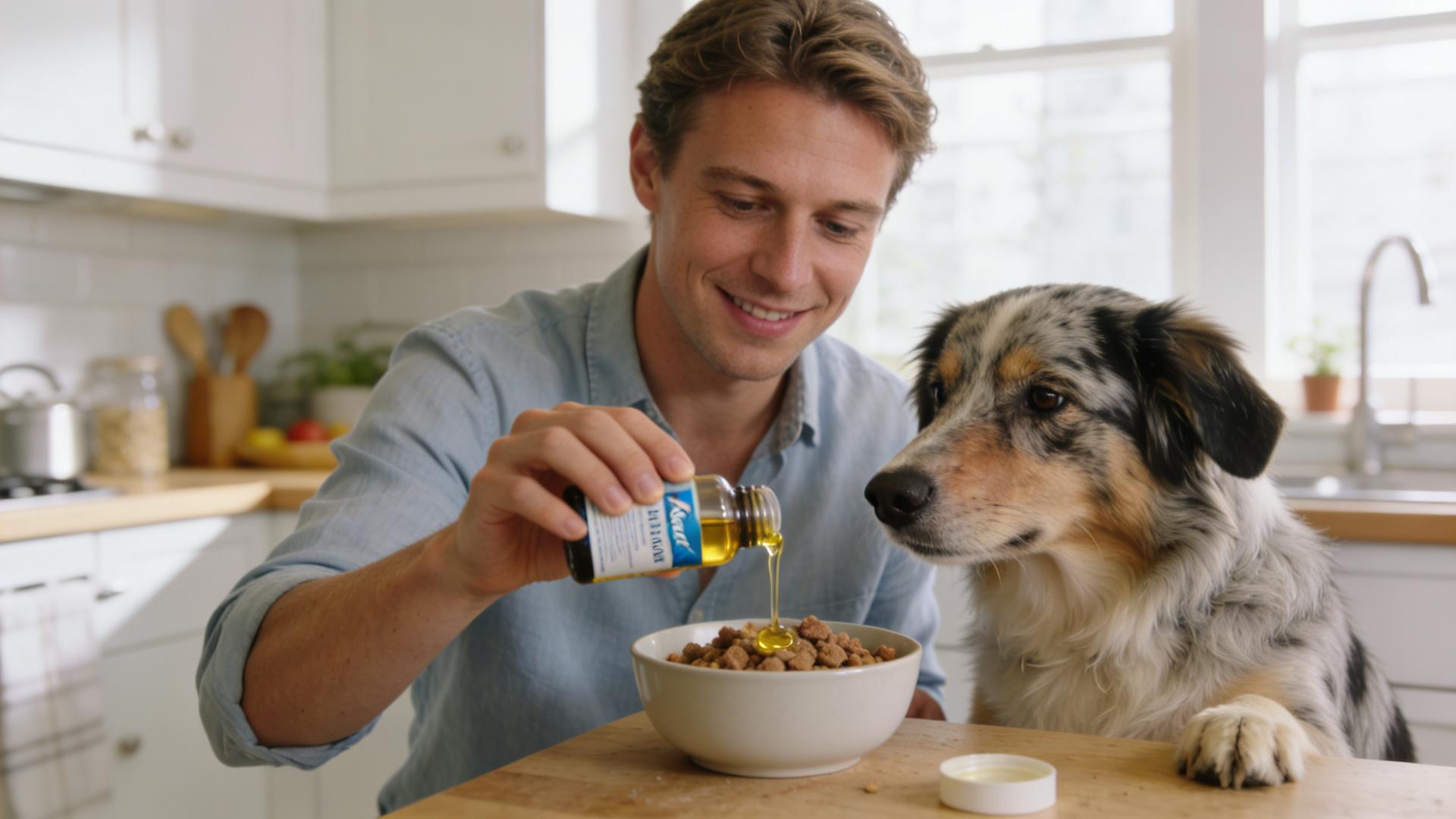
Omega-3 and Omega-6 fatty acids are non-negotiable for skin hydration and that coveted shiny dog coat. They reduce inflammatory responses that cause dry, itchy skin and promote a sleek, glossy finish.
Key Sources & Ratios:
- Omega-3 (Anti-inflammatory): Found in cold-water fish (salmon, sardines, mackerel), fish oil, flaxseed, and phytoplankton. A study in the Journal of Nutritional Science showed dogs supplemented with fish oil exhibited significantly improved coat shine and reduced scaling within 6-8 weeks.
- Omega-6 (Skin Barrier): Found in poultry fat, sunflower oil, and safflower oil.
High-Quality Protein: The Building Blocks of Hair 🥚
Hair is made of 90-95% protein, specifically keratin. High-quality protein from animal sources provides the essential amino acids (like lysine and methionine) necessary for strong hair follicles and robust hair growth.
Top-Tier Protein Sources:
- Lean Meats: Chicken, turkey, beef, and liver (in moderation as a nutrient-dense treat).
- Eggs: A complete protein source, and the yolk is rich in biotin. Cooking is recommended to avoid biotin depletion and salmonella risk.
- Fish: Provides a dual benefit of protein and Omega-3s.
Vitamins & Minerals: The Micronutrient Support Crew 💊
- Biotin (Vitamin B7): Often dubbed the "coat vitamin," it supports keratin infrastructure. Natural sources include egg yolks, liver, salmon, and legumes.
- Vitamin E: A powerful antioxidant that protects skin cells from damage and supports skin repair. Found in leafy greens, sunflower seeds, and oils.
- Zinc: Crucial for skin health and hair follicle function. Deficiency can lead to hair loss and poor coat quality. Found in red meat, poultry, and some seafood.
- Copper: Involved in pigment formation and hair texture. Found in organ meats and whole grains.
🛁 Grooming Practices for Optimal Texture & Health
While diet builds the canvas, grooming is the art of maintaining and enhancing it. Regular, proper grooming stimulates the skin, distributes natural oils, and prevents issues that compromise texture.
Brushing: The Cornerstone of Coat Care 🔧
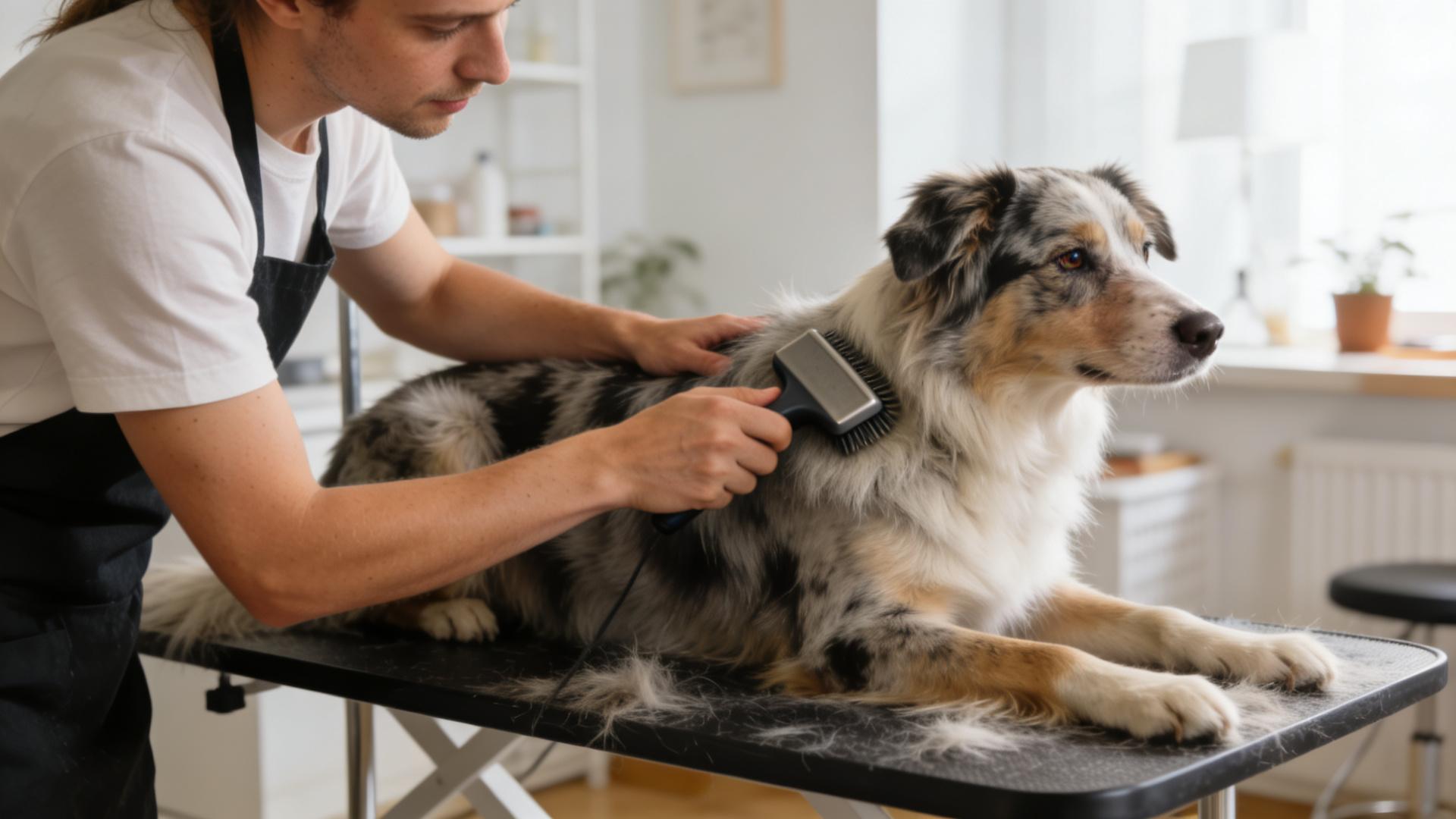
Regular brushing is the single most effective grooming practice for improving dog coat texture. It removes dead hair and dirt, prevents mats, and spreads sebum—the skin's natural oil—from the base to the tip of each hair.
Choosing the best brushes for different dog coats:
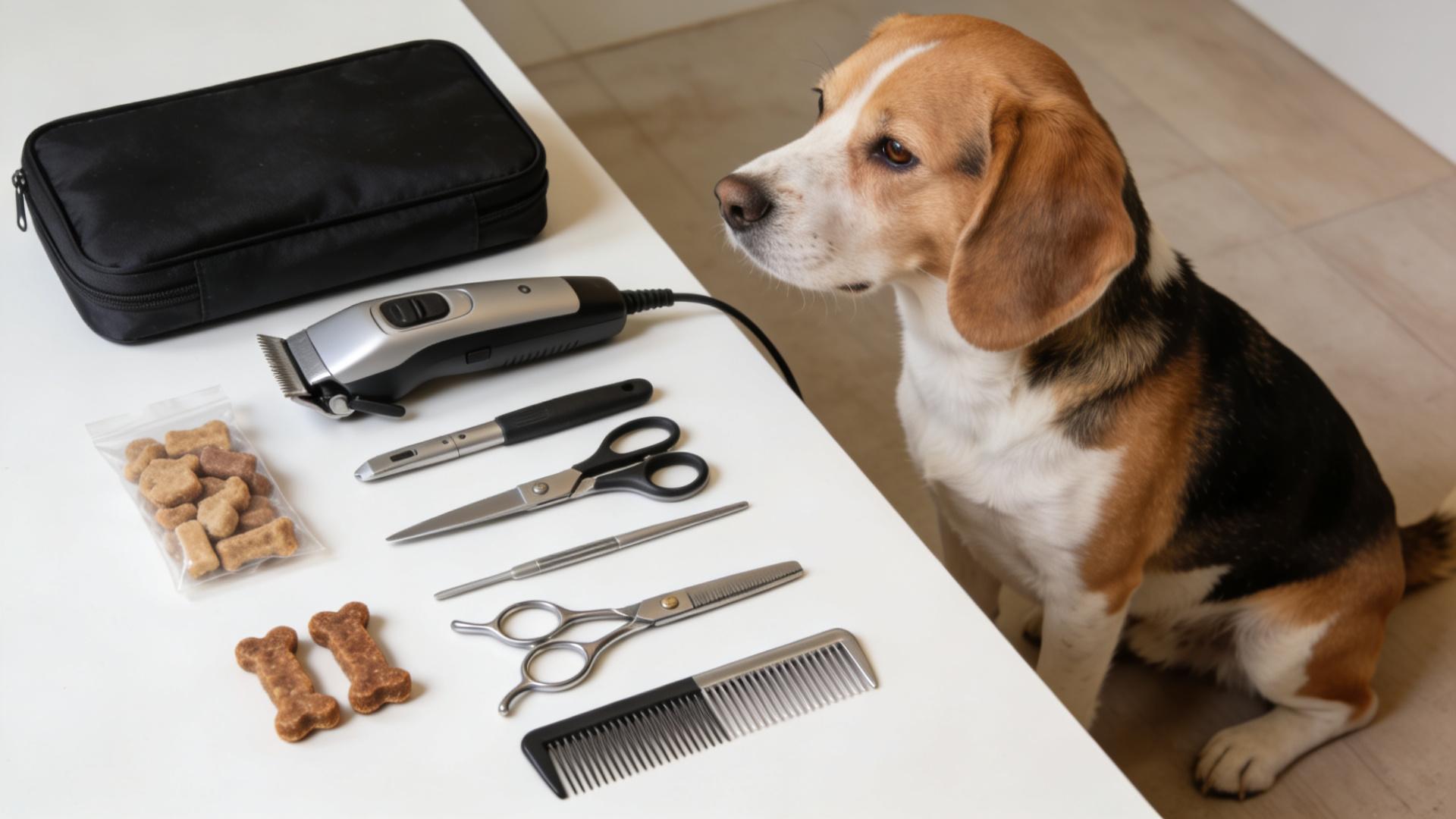
- Smooth/Short Coats (e.g., Beagle, Boxer): Use a rubber curry brush or a bristle brush. A shedding blade can be effective during heavy shed periods.
- Double Coats (e.g., Husky, German Shepherd): An undercoat rake is essential to remove the dense undercoat. Follow with a long-pinned slicker brush and a quality deshedding tool like a Furminator.
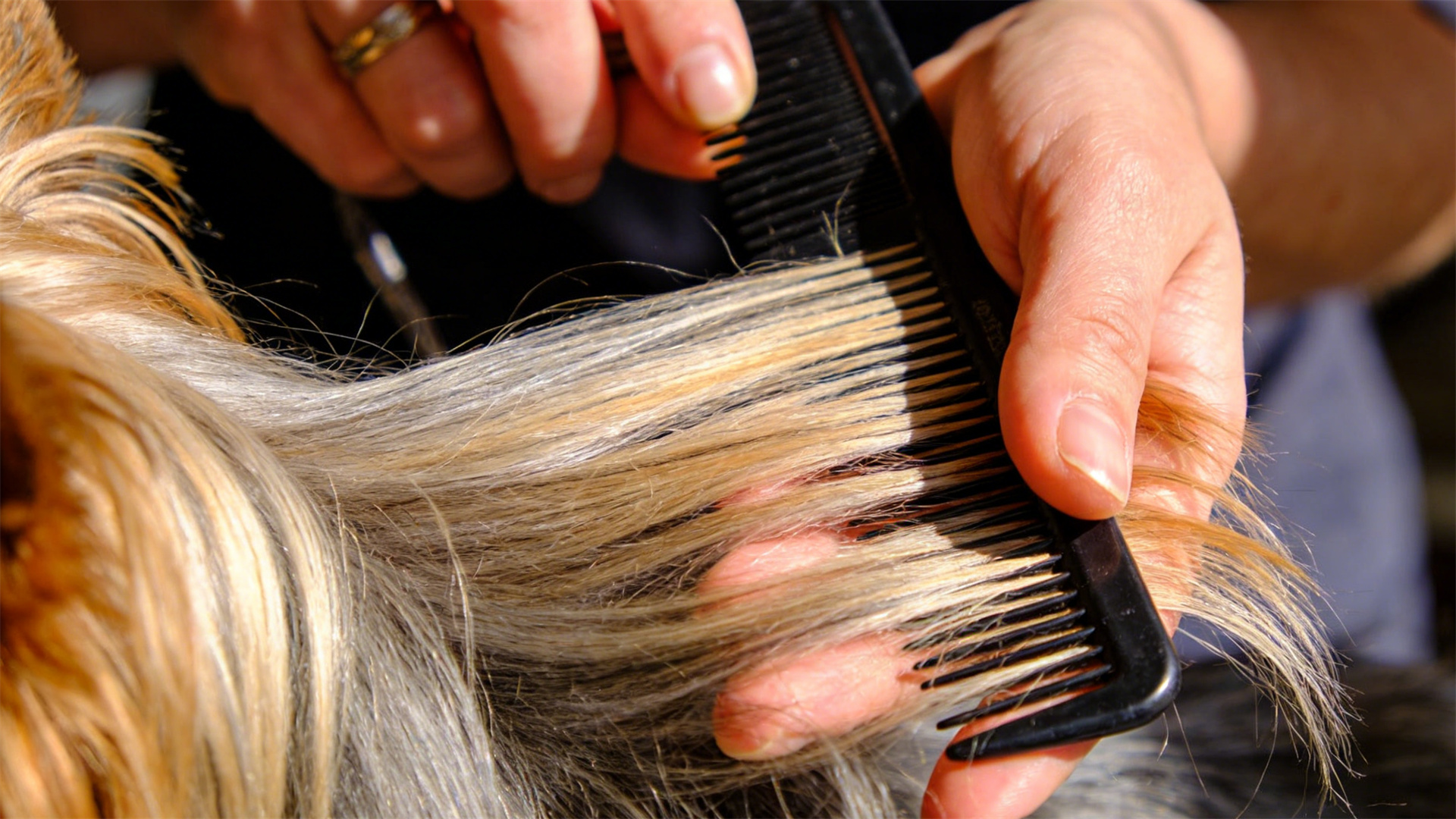
- Long/Silky Coats (e.g., Yorkshire Terrier, Maltese): A combination of a slicker brush to detangle and a pin brush for finishing is ideal. A fine-tooth comb is a must for checking for tangles around ears, legs, and tail.
- Curly/Wiry Coats (e.g., Poodle, Terrier breeds): A slicker brush and a sturdy metal comb are vital. These coats require frequent brushing to prevent severe matting.
Frequency: Varies from a quick daily session for long-haired breeds to 2-3 times a week for short-haired breeds, increasing during seasonal sheds.
Bathing & Conditioning: Cleansing Without Compromising 🧴
Over-bathing strips essential oils, leading to dry skin and a brittle coat. Under-bathing allows dirt and oil to build up, causing odor and dullness.
How often to bathe a dog for coat health? A general rule is every 4-6 weeks, but this is highly breed and lifestyle-dependent. A muddy farm dog will need it more than a pampered lapdog.
Product Selection & Process:
- Pre-Brush: Always brush thoroughly before the bath to remove loose hair and prevent mats from worsening when wet.
- Shampoo: Use only a mild, dog-specific shampoo (pH balanced for canine skin). For texture improvement, look for formulas containing oatmeal, aloe vera, or natural oils.
- Conditioner: This is the secret weapon for a soft coat. A good conditioner smoothes the hair cuticle, adds moisture, reduces static, and makes detangling easier. Leave-in conditioners or detangling sprays are excellent for maintenance between baths.
- Technique: Wet coat completely with lukewarm water. Dilute shampoo, lather gently, and massage down to the skin. Rinse thoroughly—residue is a common cause of itchiness. Apply conditioner, let it sit for 5 minutes, then rinse completely.
- Drying: Towel dry gently. Use a low-heat setting on a pet dryer or hairdryer held at a safe distance. Avoid air-drying thick coats completely, as it can lead to musty smells and skin issues.
Beyond Brushing & Bathing: The Finishing Touches ✂️
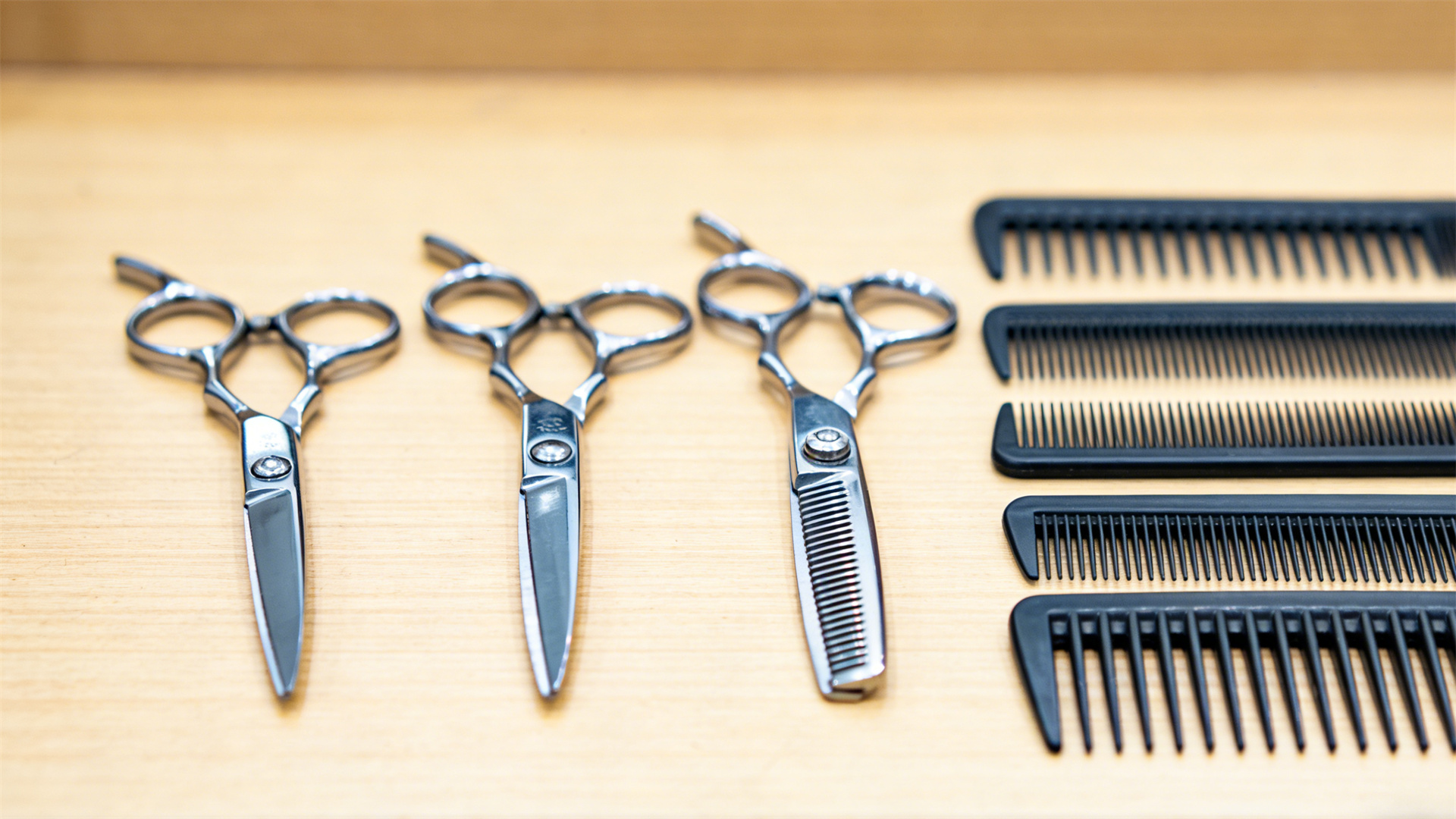
- Regular Trimming: Even non-show dogs benefit from regular trims to remove split ends, prevent matting (especially in high-friction areas like behind ears and under legs), and maintain a neat shape.
- Paw & Pad Care: Check and trim the hair between paw pads to prevent matting and ice ball accumulation. This improves traction and hygiene.
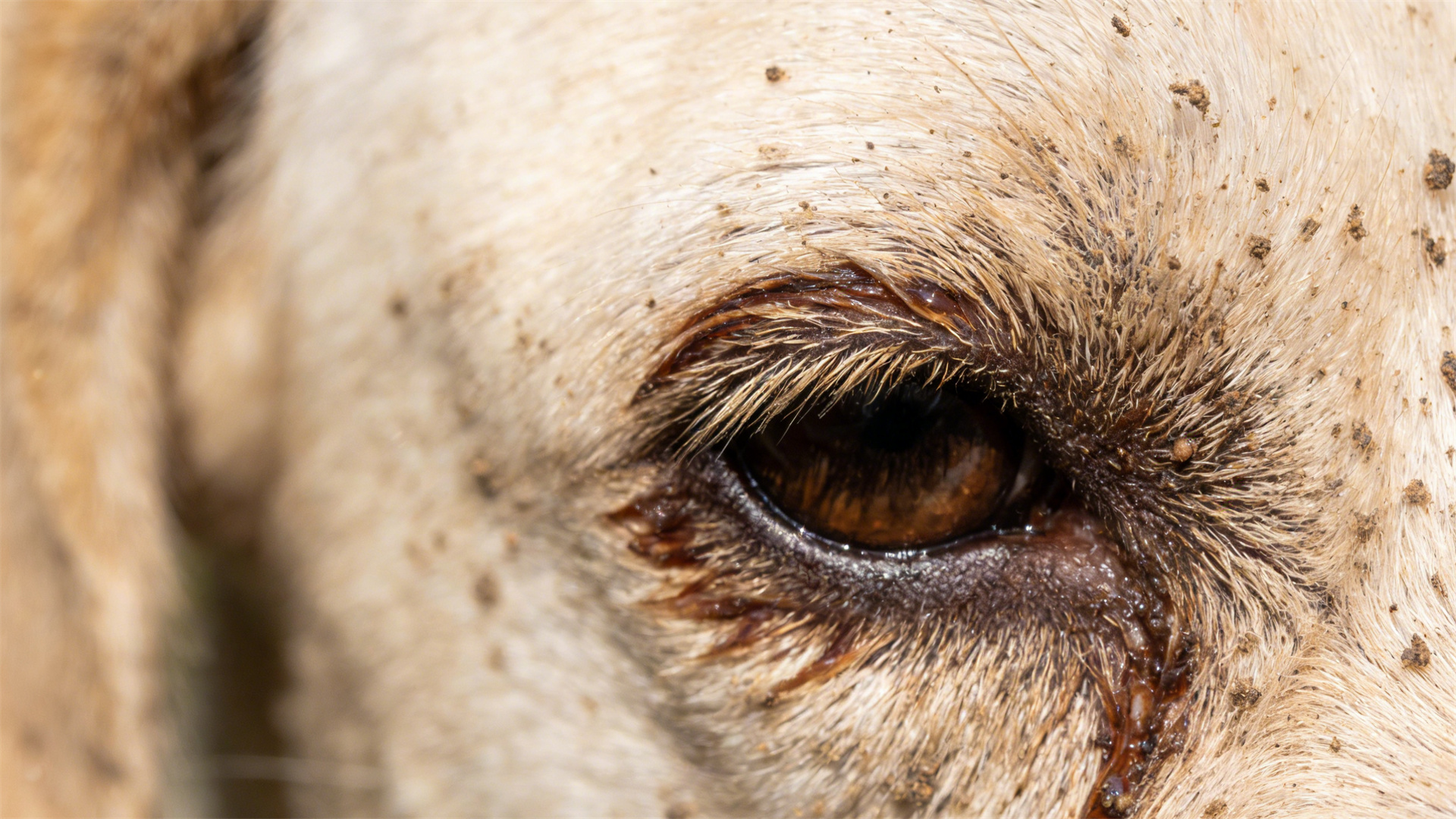
- Ear & Hygiene Checks: Grooming sessions are the perfect time to check ears for redness, clean tear stains, and ensure the sanitary area is clean and trimmed.
✨ The Synergy: Combining Diet & Grooming for Transformative Results
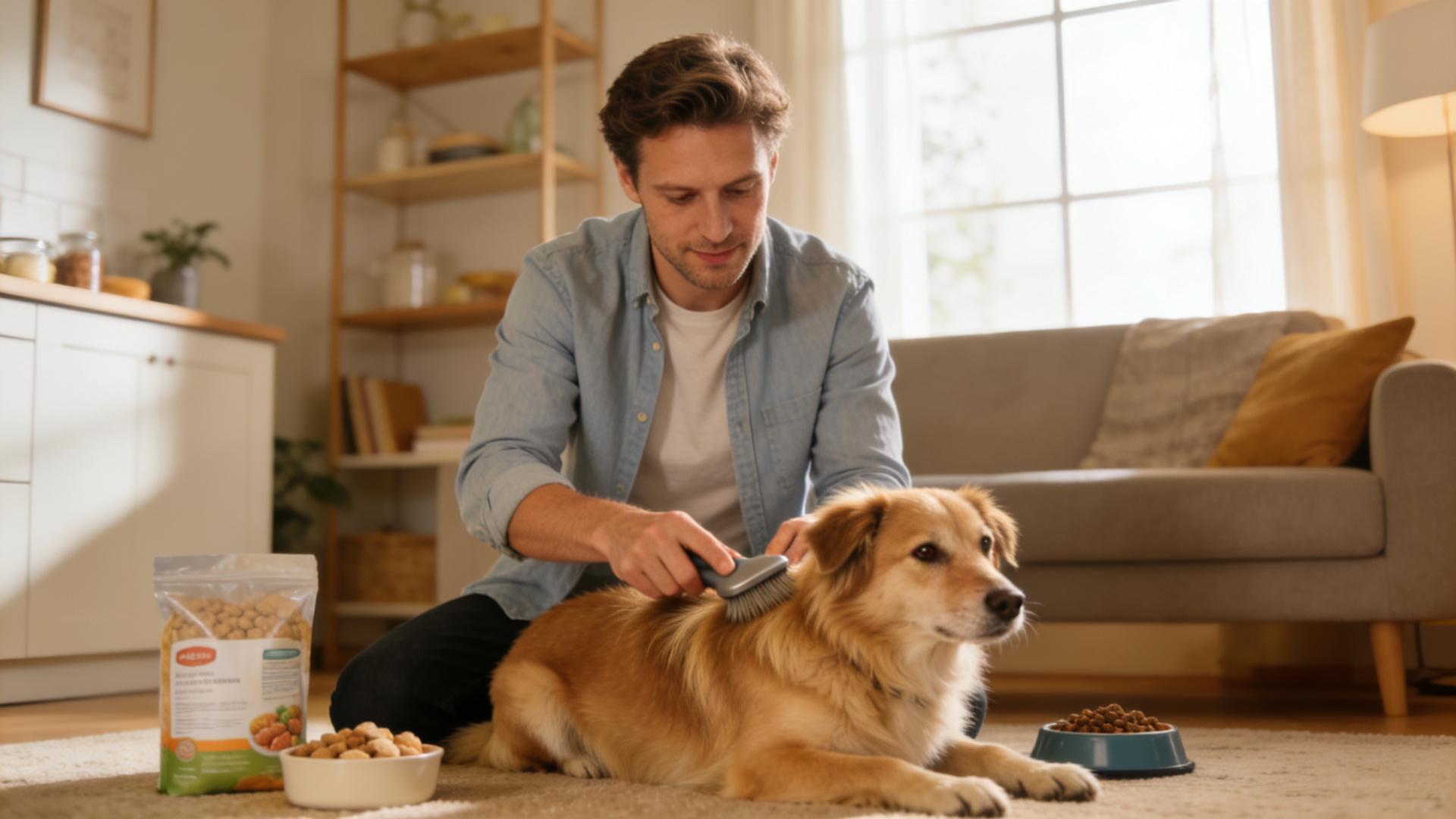
The magic happens when internal nutrition and external care work in concert. A superior diet makes the coat stronger and more resilient from the follicle up, while expert grooming ensures that coat is displayed at its absolute best. This synergy is the ultimate answer to how to make my dog's coat softer and shinier.
Implementing a Holistic Routine:
- Start with a Vet Check: Rule out any underlying health issues (parasites, allergies, hormonal imbalances) that could sabotage your efforts.
- Audit & Upgrade Diet: Evaluate your dog's current food. Consider switching to a higher-quality formula with named meat proteins and added Omega-3s, or introduce vet-approved supplements like fish oil or biotin.
- Establish a Consistent Grooming Schedule: Create a weekly grooming calendar that includes brushing, a monthly bath, and periodic trims. Consistency is more effective than sporadic, intense sessions.
- Monitor & Adapt: Take a "before" photo. After 8-12 weeks of your new regimen, assess progress. Is the coat softer? Is there less shedding? Is the shine improved? Adjust food supplements or grooming frequency based on results and seasonal changes.
🎯 Conclusion: A Coat That Reflects Your Care
Your dog’s coat is a living, responsive indicator of their well-being. By mastering the dual pillars of targeted dog coat diet and diligent dog grooming tips, you embark on a rewarding journey toward optimal dog skin and coat health. The result is more than just aesthetic—it’s a smoother, shinier coat that signifies deep-seated vitality and comfort for your furry friend. Embrace these natural ways to improve dog coat quality. With patience, knowledge, and dedicated effort, you will not only transform their coat but also strengthen the bond you share through your attentive care. Start today, and witness the beautiful, glossy difference you can make.