Your home is a sanctuary, a place of comfort and safety for your entire family—including your canine companion. However, hidden amidst the décor and greenery that brings life to your rooms may lurk unexpected dangers. Dogs are inherently curious creatures, exploring the world with their noses and mouths, and the prevalence of popular houseplants can turn this natural curiosity into a serious health emergency. This comprehensive guide serves a critical purpose: to identify the most common household plants that are toxic to dogs, empower you with an immediate action plan, and provide you with the knowledge to create a beautiful and safe environment for everyone.

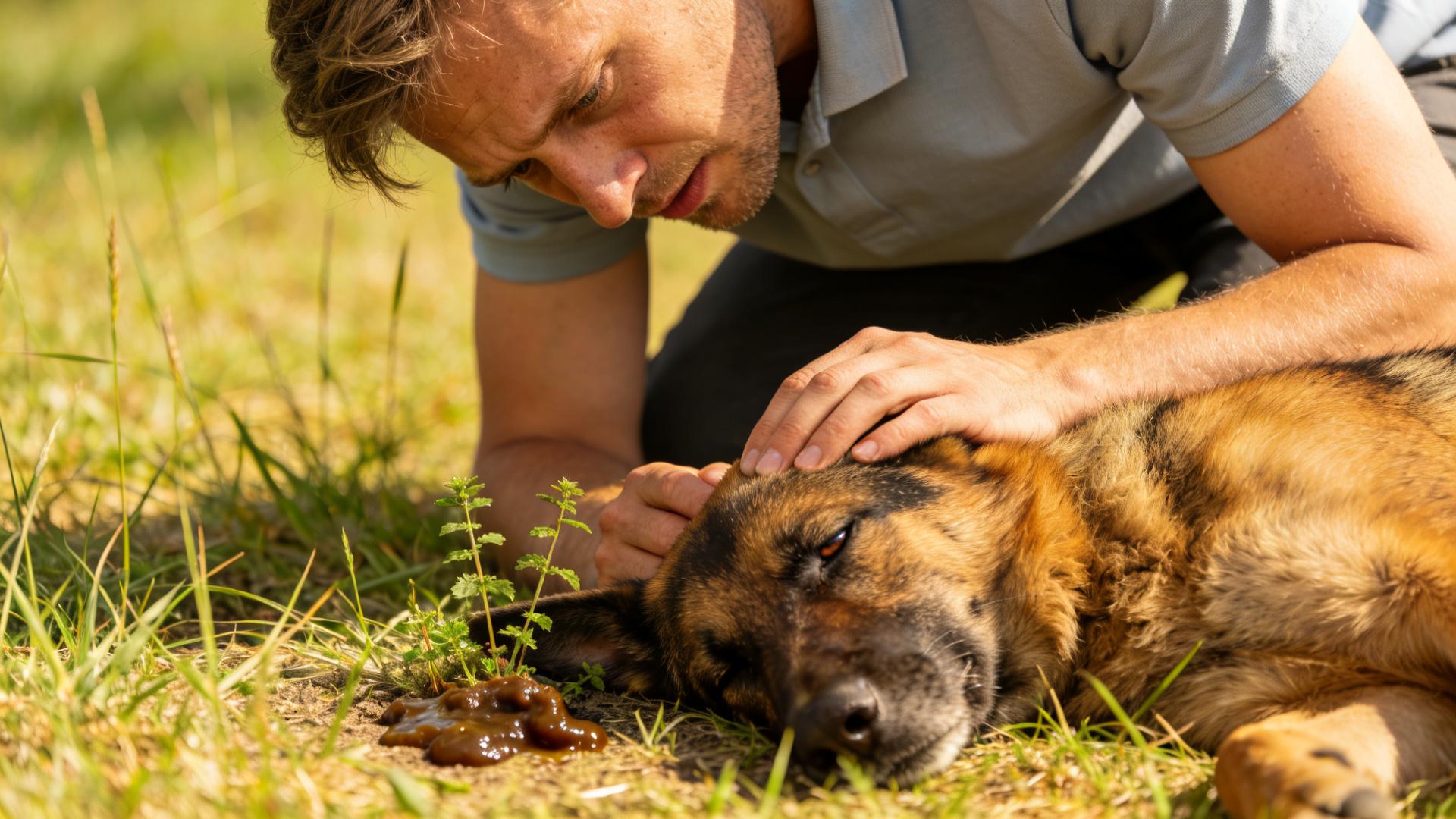
🆘 Immediate Action Protocol: What to Do If You Suspect Poisoning
Special Reminder: Time is of the essence. If you suspect your dog has ingested any part of a toxic plant, do not wait for symptoms to appear.
Follow this step-by-step directive without delay:
Step 1: Contact a Professional Immediately. Call your primary veterinarian, an emergency veterinary clinic, or an animal poison control center. In the United States, the ASPCA Animal Poison Control Center (APCC) is available 24/7 at (888) 426-4435. A consultation fee may apply. The Pet Poison Helpline is another resource at (855) 764-7661.
Step 2: Gather Essential Information. Be ready to provide the following details to the professional:
• The suspected plant: If possible, identify the plant by its common and/or botanical name.
• The part ingested: Leaves, berries, bulbs, seeds, or flowers.
• The approximate amount: Estimate how much your dog may have consumed.
• The time of ingestion: How long ago the incident occurred.
• Your dog's information: Breed, age, weight, and any existing health conditions.
• Observed symptoms: Any unusual behavior or physical signs, even if minor.
Step 3: Follow Instructions Precisely. Do not induce vomiting or administer any home remedies unless explicitly instructed to do so by the veterinary professional. Incorrect intervention can worsen the situation.
🌿 Detailed Toxic Plant List: Common Household Culprits
The following list details some of the most prevalent and dangerous plants found in and around homes. Use this as a scannable reference guide.
Toxic Plant: Sago Palm (Cycas revoluta)
Primary Toxic Compound: Cycasin, a potent liver toxin.
Typical Symptoms in Dogs: Vomiting, diarrhea (which may become bloody), severe lethargy, abdominal pain, jaundice (yellowing of gums and eyes), increased thirst, bruising, and seizures. Sago palm ingestion has a very high fatality rate, even with treatment.
Specific Plant Parts of Highest Concern: All parts are highly toxic, but the seeds (nuts) contain the highest concentration of cycasin.
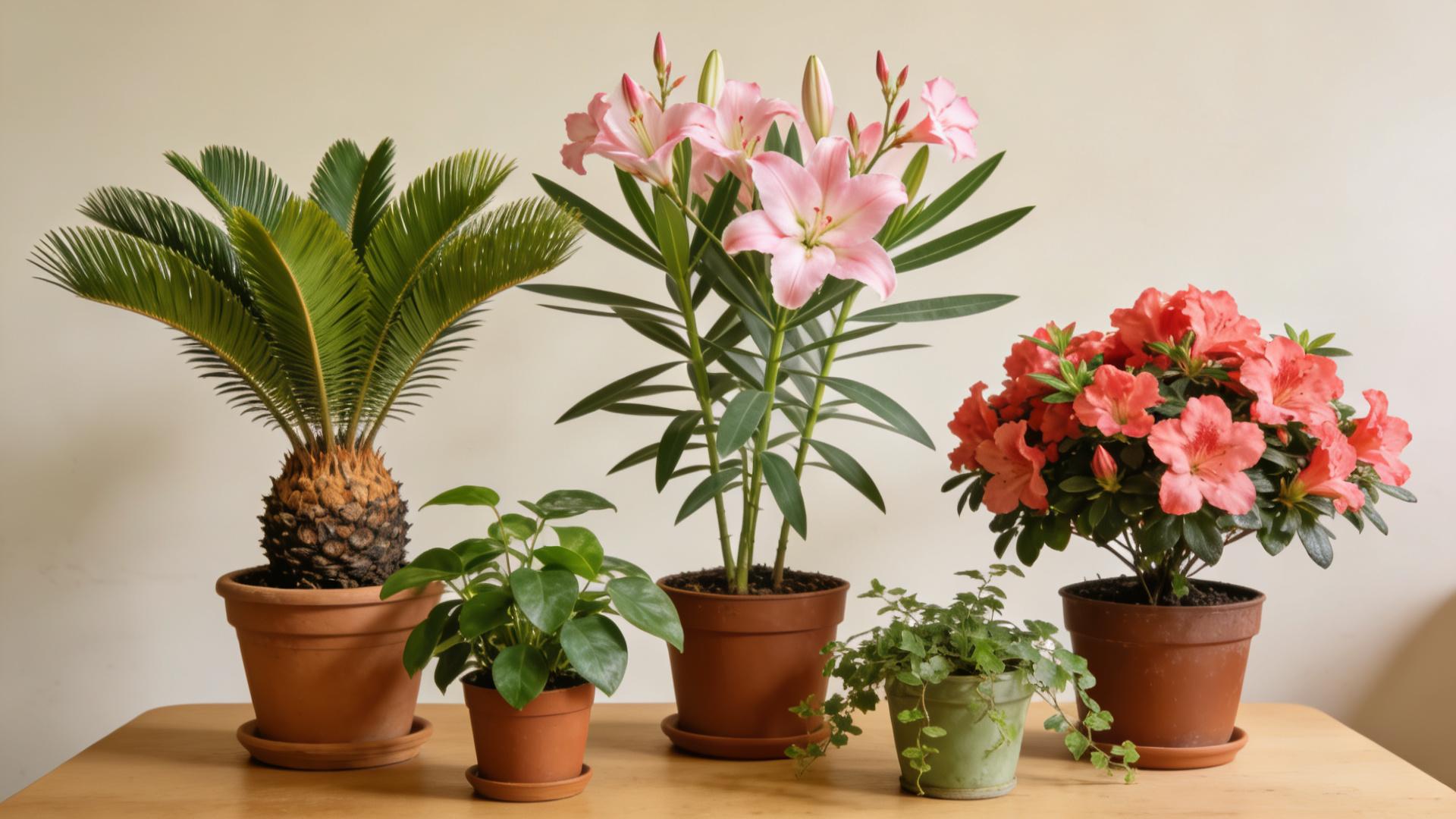
Toxic Plant: Lilies (Lilium and Hemerocallis species)
Primary Toxic Compound: Unknown, but the toxin causes acute kidney injury.
Typical Symptoms in Dogs: For true Lilies (Lilium) and Daylilies (Hemerocallis), ingestion by cats is acutely fatal. In dogs, symptoms can include vomiting, lethargy, loss of appetite, increased or decreased urination, and kidney failure. All parts, including pollen and vase water, are dangerous.
Specific Plant Parts of Highest Concern: All parts of the plant, including leaves, petals, pollen, and stems.
Toxic Plant: Oleander (Nerium oleander)
Primary Toxic Compound: Cardiac glycosides (oleandrin, neriin).
Typical Symptoms in Dogs: Severe gastrointestinal upset (vomiting, diarrhea often with blood), abnormal heart rate and rhythm, extreme weakness, tremors, hypothermia, and potentially death. Even a small amount, including dried leaves, can be lethal.
Specific Plant Parts of Highest Concern: All parts are toxic.
Toxic Plant: Azalea / Rhododendron (Rhododendron spp.)
Primary Toxic Compound: Grayanotoxins.
Typical Symptoms in Dogs: Excessive drooling, vomiting, diarrhea, loss of appetite, weakness, abnormal heart rate, low blood pressure, tremors, seizures, and coma.
Specific Plant Parts of Highest Concern: All parts, including leaves and nectar.
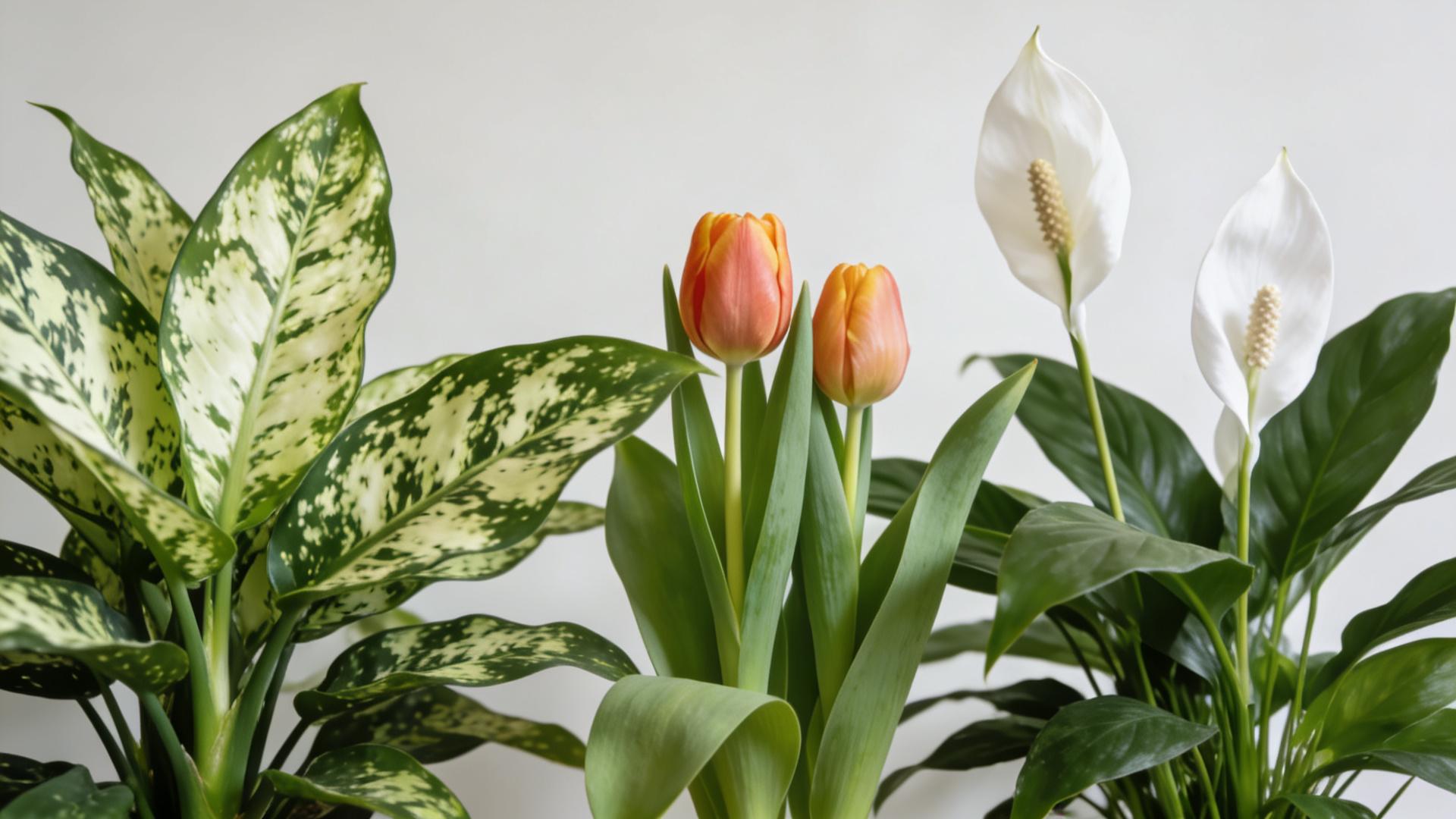
Toxic Plant: Dieffenbachia (Dumb Cane)
Primary Toxic Compound: Insoluble calcium oxalate crystals and proteolytic enzymes.
Typical Symptoms in Dogs: Immediate and intense oral irritation: excessive drooling, pawing at the mouth, vomiting, difficulty swallowing, and localized swelling of the mouth, tongue, and lips. Symptoms are typically acute but rarely life-threatening unless swelling obstructs the airway.
Specific Plant Parts of Highest Concern: Leaves and stems.
Toxic Plant: Tulip & Hyacinth (Tulipa and Hyacinthus species)
Primary Toxic Compound: Tulipalin A and B (allergenic lactones), concentrated in the bulb.
Typical Symptoms in Dogs: Intense gastrointestinal irritation: profuse drooling, vomiting, diarrhea. With large ingestion of bulbs, more severe symptoms like increased heart rate and difficulty breathing can occur.
Specific Plant Parts of Highest Concern: The bulb is the most toxic part, but all parts of the plant can cause issues.
Toxic Plant: Peace Lily (Spathiphyllum)
Primary Toxic Compound: Insoluble calcium oxalate crystals (similar to Dieffenbachia).
Typical Symptoms in Dogs: Oral irritation, burning and swelling of the mouth, tongue, and lips, excessive drooling, vomiting, difficulty swallowing. It is often confused with true Lilies but does not cause kidney failure.
Specific Plant Parts of Highest Concern: Leaves and stems.
Toxic Plant: Philodendron (many common varieties)
Primary Toxic Compound: Insoluble calcium oxalate crystals.
Typical Symptoms in Dogs: Similar to Dieffenbachia and Peace Lily: oral pain, drooling, vomiting, and swallowing difficulties.
Specific Plant Parts of Highest Concern: All parts of the plant contain the crystals.
⚠️ Visual Symptoms Summary: General Signs of Plant Toxicity
While symptoms vary by toxin, be alert for these generalized signs that may indicate plant poisoning in your dog: persistent vomiting, diarrhea (with or without blood), hypersalivation or excessive drooling, sudden lethargy or weakness, loss of coordination, tremors or seizures, difficulty breathing, pale gums, unusual agitation, and loss of appetite. Any sudden, unexplained shift in your dog's behavior or physical state warrants immediate attention.
✅ Prevention and Safe Alternatives: Creating a Pet-Friendly Green Space
Proactive measures are the most effective way to protect your pet. Dog-proofing your plant spaces can involve placing plants in high, inaccessible locations using hanging planters, using sturdy physical barriers like baby gates or decorative plant cages, and applying bitter-tasting pet deterrent sprays to plant pots and leaves. Always supervise your dog in areas with plants, especially puppies and curious chewers.
Consider replacing risky flora with these common, non-toxic alternatives:
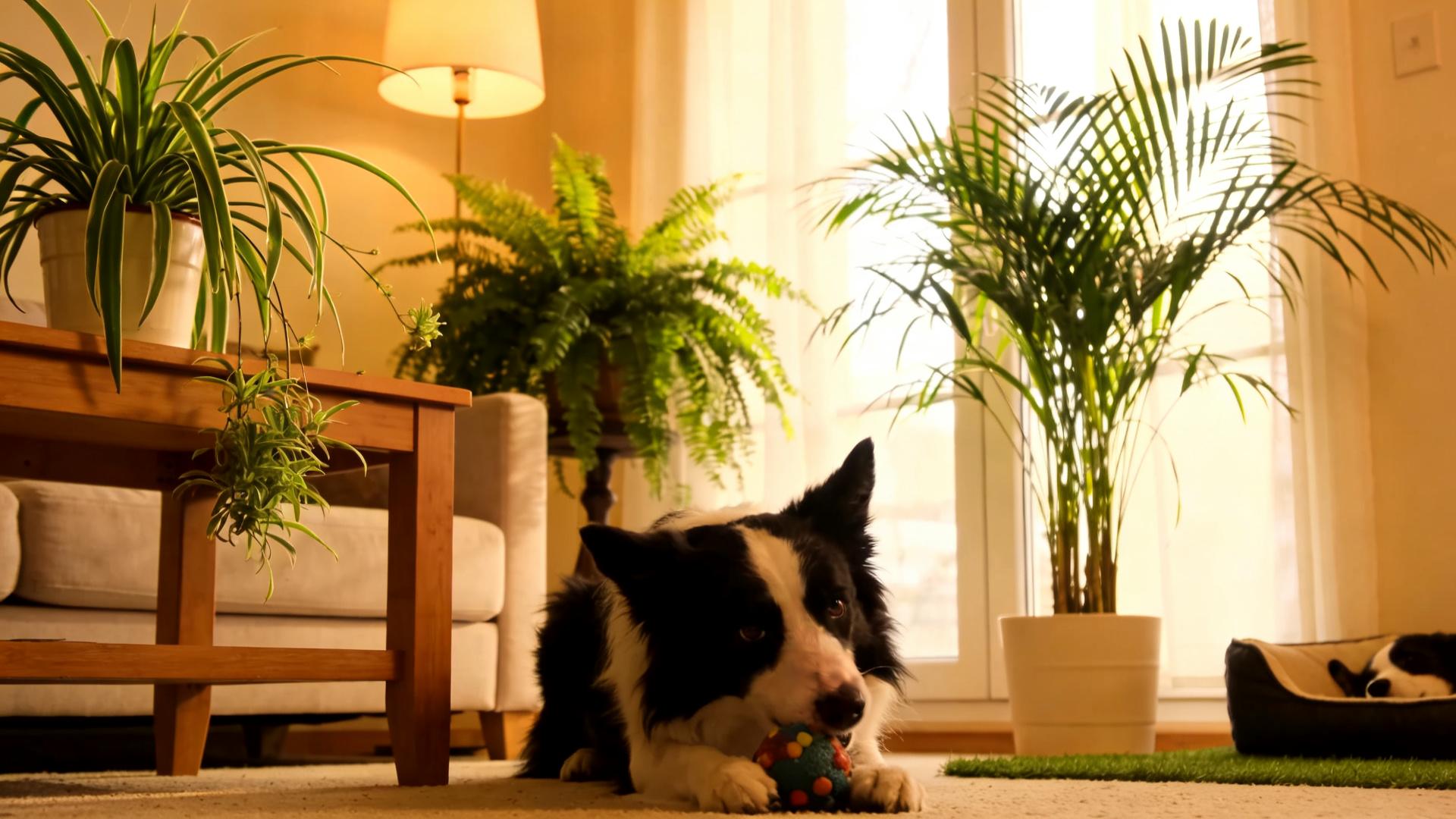
Spider Plant (Chlorophytum comosum): Hardy, adaptable, and excellent for air purification.
Boston Fern (Nephrolepis exaltata): A lush, classic fern that thrives in humidity.
Areca Palm (Dypsis lutescens): A safe and elegant alternative to the Sago Palm.
Parlor Palm (Chamaedorea elegans): Pet-safe and tolerant of lower light.
Certain Herbs: Basil, thyme, and rosemary are generally safe for culinary and decorative use.
The definitive resource for checking plant safety is the ASPCA's comprehensive "Toxic and Non-Toxic Plants" database. Always cross-reference any new plant before bringing it into a home with pets.
💚 Conclusion and Reinforcement: Vigilance Leads to Safety
Awareness is your most powerful tool in preventing accidental poisoning. By familiarizing yourself with common toxic plants, implementing smart preventive strategies, and having an emergency plan firmly in place, you can drastically reduce the risks in your home environment. Always remember the critical first step: when in doubt, contact your veterinary professional or animal poison control immediately. With knowledge and preparedness, you can confidently cultivate a living space that is both beautifully green and profoundly safe for your beloved four-legged family member, allowing everyone to thrive together.