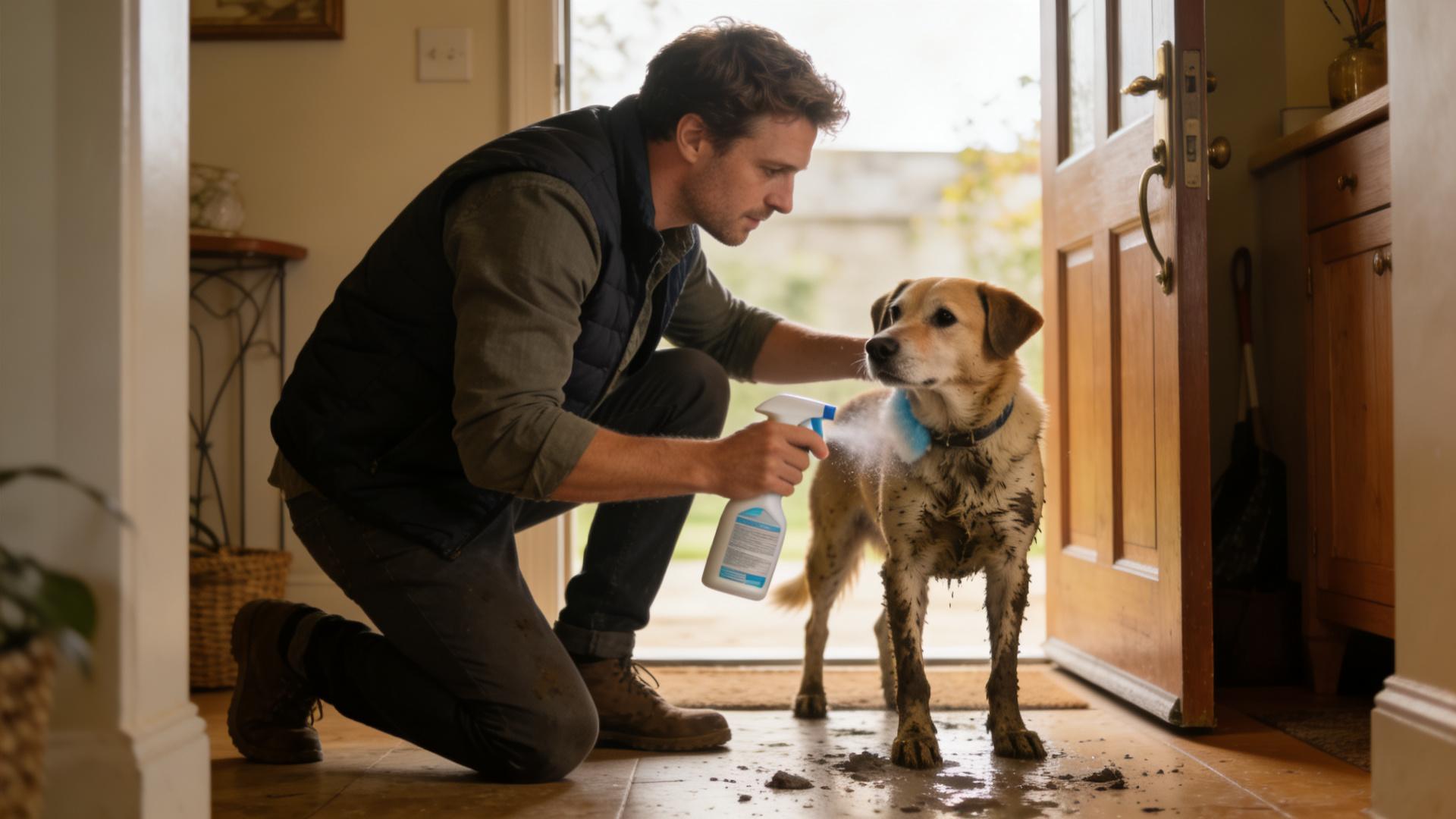
Every dog owner knows the scene: your freshly groomed pup bolts into the rain-soaked garden, emerging not with a joyful grin, but coated in a thick layer of mud. The instinct is to rush for the hose and shampoo. But what about when a traditional water bath is impossible, impractical, or even harmful? Scenarios like post-surgical recovery, sub-zero winter weather, a dog with severe water anxiety, or managing a sick or elderly canine make waterless cleaning not just a convenience, but a critical component of responsible pet care. This comprehensive guide delves into the two champions of canine crisis cleaning: dry cleaning powder and foam cleaning. We’ll dissect their mechanics, compare their strengths and weaknesses, and provide you with the knowledge to execute an effective, safe emergency clean that keeps your dog comfortable and your sanity intact.
🚫 Understanding the "No-Water" Imperative: When Baths Backfire
Before exploring solutions, it's vital to understand why we sometimes must avoid water. Ignoring these scenarios can jeopardize your dog's health.
⚠️ Medical Contradications: Post-Op & Skin Conditions
After surgery, sutures, staples, or wounds must be kept completely dry to prevent infection and promote healing. Similarly, dogs with certain skin infections or severe dermatitis may have veterinary orders to avoid water, which can disrupt the skin's pH and exacerbate issues.
🌨️ Environmental & Behavioral Hurdles
In extreme cold, bathing and drying a dog, especially a large or thick-coated breed, risks hypothermia. For dogs with intense hydrophobia, the stress of a bath can be traumatic and may lead to aggressive behavior, making quick, calm alternatives essential.
🧴 Demystifying Dry Cleaning Powder for Dogs
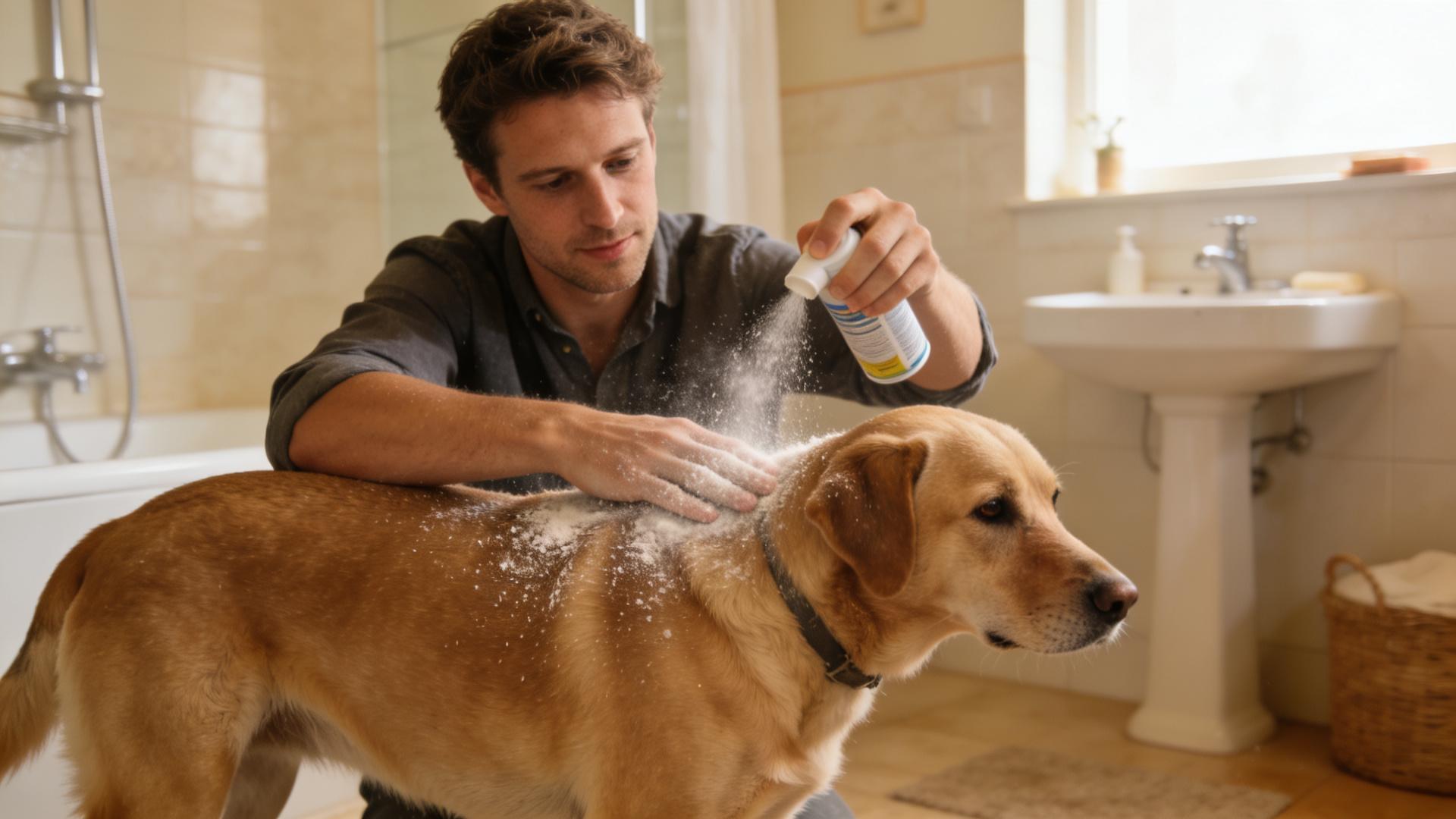
Think of dry cleaning powder as a highly advanced, pet-safe version of cornstarch or baking soda. Its primary function is absorption. Formulated with ingredients like oatmeal, clay (kaolin or bentonite), and silica, it works by physically soaking up excess sebum (skin oils), dirt, and moisture from the coat.
🔧 The Application Protocol: A Step-by-Step Guide
1. Prep & Section: Work in a well-ventilated area. Section your dog's fur, especially if thick or long.
2. Apply Generously: Sprinkle the powder liberally from roots to tips, avoiding eyes, nose, and open wounds.
3. Massage & Wait: Gently massage it into the coat, down to the skin. Allow it to sit for 3-5 minutes to absorb oils.
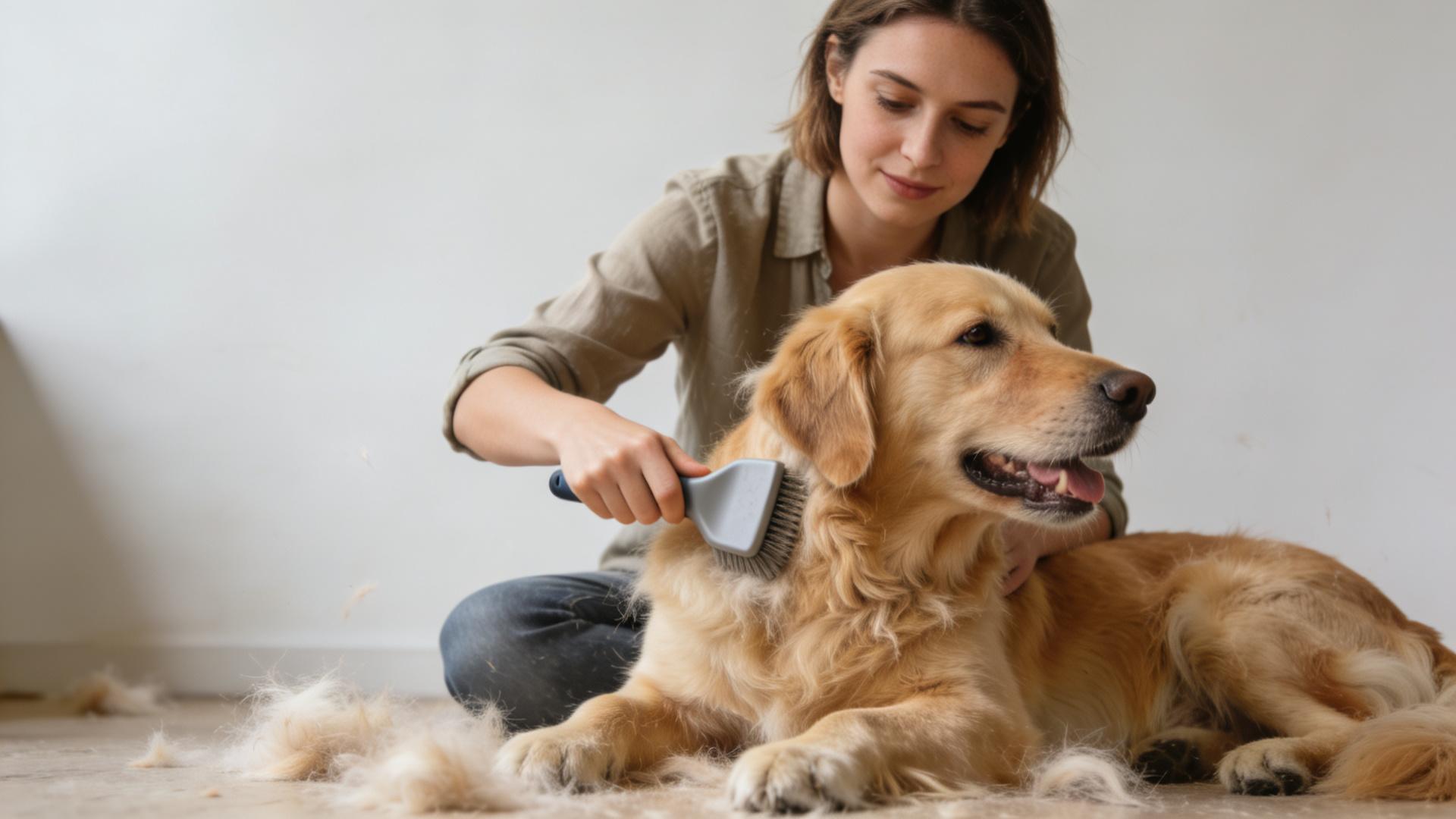
4. The Crucial Step: Thorough Brushing: Using a slicker brush or grooming glove, brush out every last bit of powder. Incomplete removal is the leading cause of residue and skin irritation.
🧼 Unpacking Foam Cleaning (Waterless Shampoo)
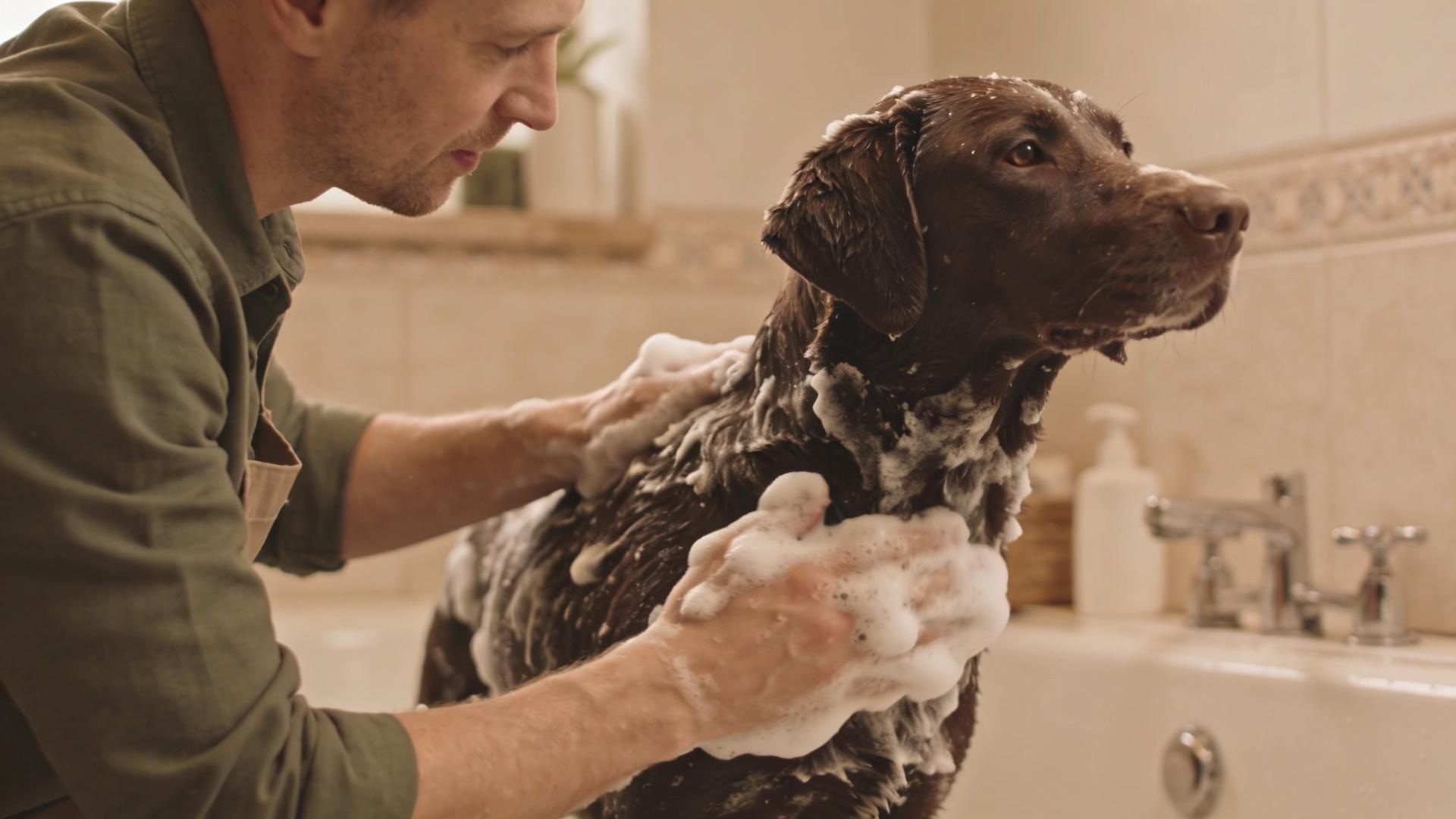
Waterless foam or mousse represents a different approach: encapsulation and suspension. These products contain gentle surfactants and cleansing agents that, when massaged into a lather, lift dirt, dander, and odor from the hair shaft. They often include conditioners (like aloe or coconut derivatives) to moisturize, leaving the coat soft and manageable.
🔧 The Application Protocol: A Step-by-Step Guide
1. Shake & Dispense: Shake the bottle well and apply a golf-ball-sized amount of foam to your hands.
2. Lather & Work: Massage the foam deeply into the coat, creating a rich lather. Start from the neck and work backward.
3. The "Dry" Rinse: Towel Drying: Use a clean, absorbent microfiber towel to wipe away the foam and suspended dirt. You may need multiple towels.
4. Air Dry Finale: Allow the coat to air dry completely. Avoid letting the dog lie on furniture until fully dry to prevent a sticky residue.
⚖️ Head-to-Head: Key Comparisons & Decision Matrix
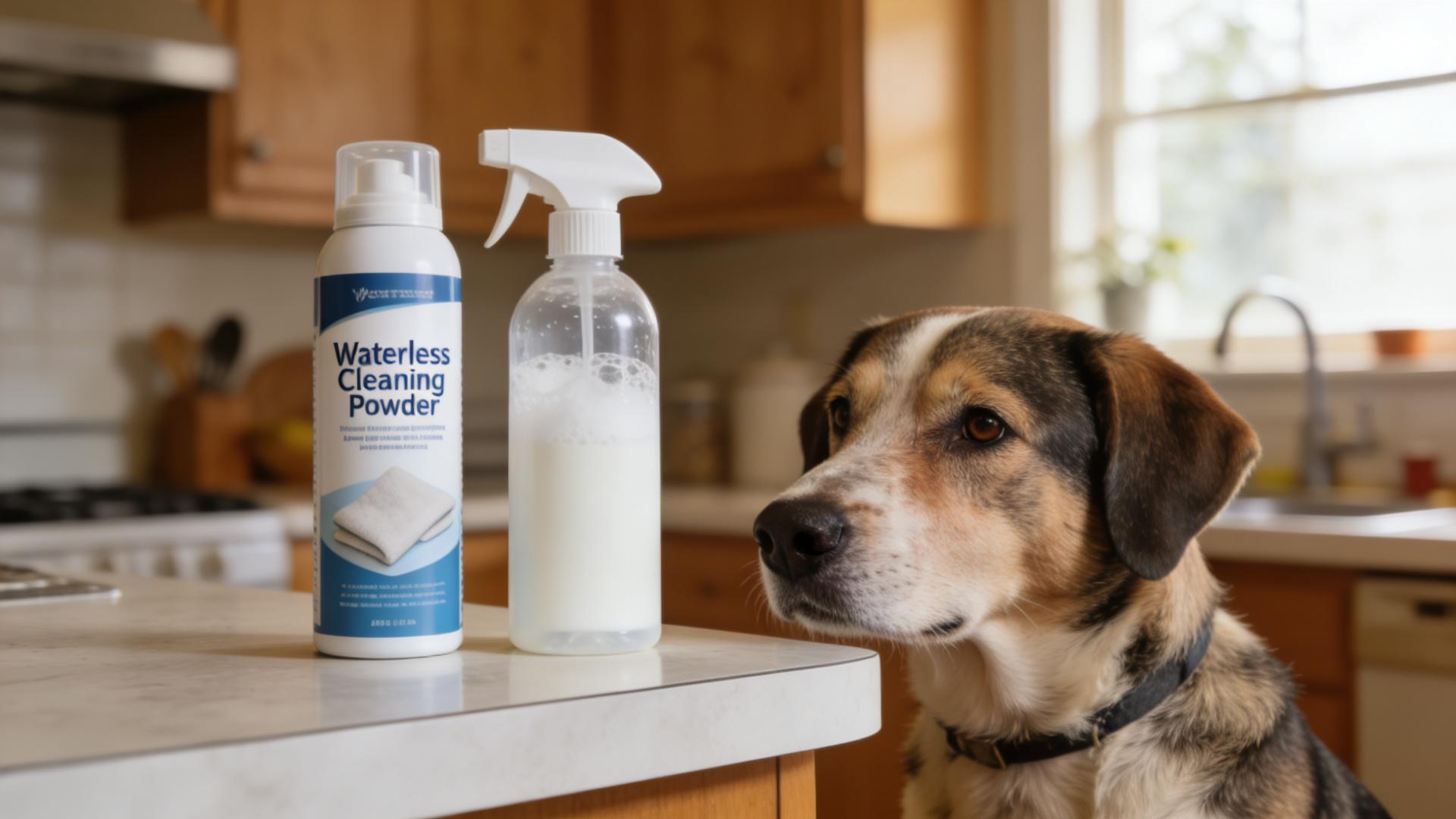
Choosing between powder and foam isn't about which is universally "better," but which is optimal for your specific emergency.
✅ Dry Cleaning Powder: Advantages & Ideal Use Cases
• Speed & Convenience: The fastest solution for immediate messes (e.g., muddy paws, post-walk dust, or a surprise roll in something dry).
• Oil Absorption Champion: Unparalleled for dogs with greasy coats (like Basset Hounds) or for spot-cleaning oily patches.
• Excellent for Depth: Easily penetrates dense, double coats (e.g., Huskies, Malamutes) to absorb moisture at the skin level.
• Minimal Drying Time: Since no liquid is added, the dog is "ready" once brushed out.
❌ Dry Cleaning Powder: Disadvantages & Cautions
• Limited on Heavy Soiling: Struggles with wet, caked-on mud or significant fecal matter.
• Residue Risk: Improper or incomplete brushing is a major pitfall, leading to a chalky feel and potential skin clogs.
• Inhalation & Sensitivities: Can be dusty; not ideal for dogs with respiratory issues. Some dogs may react to specific powders.
✅ Foam Cleaning: Advantages & Ideal Use Cases
• Deeper, More Thorough Clean: Provides a sensory experience closer to a traditional bath, effectively tackling moderate overall dirt and odor.
• Conditioning Benefits: Leaves the coat soft, shiny, and easier to brush, thanks to added moisturizers.
• Superior for Overall Freshening: Perfect for a "full-body refresh" before a vet visit or when a dog simply starts to smell "doggy."
• Less Dust: A better choice for small spaces or dogs prone to sneezing.
❌ Foam Cleaning: Disadvantages & Cautions
• Time-Consuming: Application and thorough towel-drying take significantly longer than powder.
• Drying Film: If not towel-dried meticulously, it can leave a sticky or stiff residue on the fur.
• Potential for Cold & Discomfort: The evaporating liquid can chill some dogs, and the process may be unsettling for touch-sensitive pups.
🚨 Executing the Emergency Clean: Pro Tips & Safety First
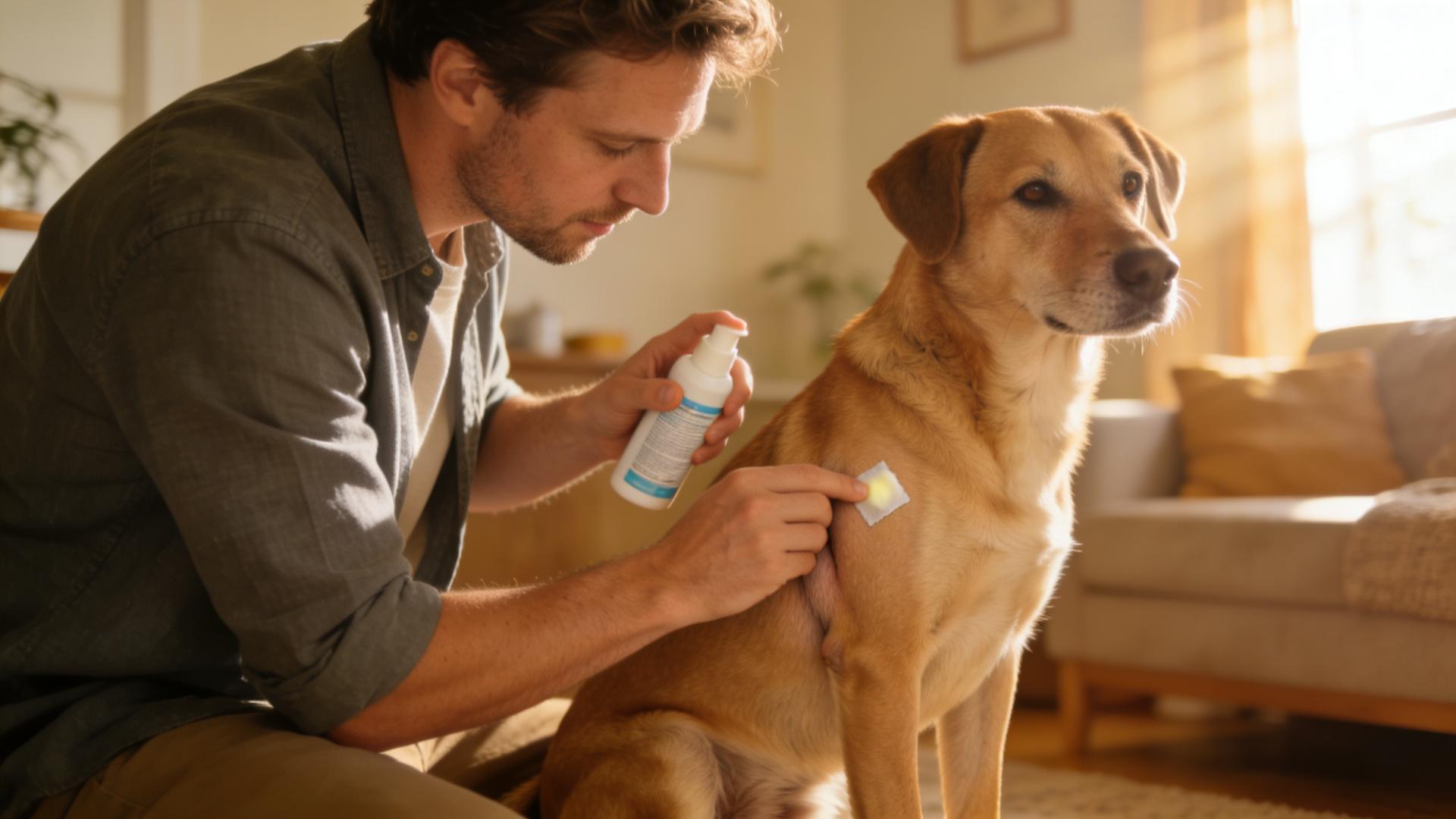
Having the right product is half the battle; using it correctly wins the war for canine hygiene without water.
🩹 The Non-Negotiable Patch Test
Before any full-body application, always conduct a patch test. Apply a small amount of the product (powder or foam) on a discreet area, like the inner thigh. Wait 24 hours to check for any signs of redness, itching, or swelling.
🎯 Scenario-Based Solution Selection
• The Muddy Paw Incident: ➡️ Dry Powder. Sprinkle on paws, massage, brush out. Quick and effective.
• Post-Surgery "Bedside Manner": ➡️ Dry Powder. Safely absorbs oils around healing sites without moisture risk.
• The "Eau de Trash Can" Overall Odor: ➡️ Foam Cleaner. Best for a whole-body refresh and odor neutralization.
• Senior Dog with Arthritis in Winter: ➡️ Foam Cleaner, used in sections with warm towels. Avoids the chill and stress of a full bath.
🔎 Ingredient Intelligence: What to Look For & Avoid
Seek out natural, soothing ingredients like colloidal oatmeal, aloe vera, and chamomile. Avoid products with harsh sulfates, high alcohol content, or artificial fragrances, especially for dogs with sensitive skin. For powders, simple, food-grade ingredient lists are often best.
🎯 Conclusion: The Right Tool for the (Furry) Job

In the toolkit of modern dog ownership, dry cleaning powder and foam cleaning products are indispensable emergency implements. They are not mere substitutes but specialized solutions for situations where water washing is not advisable for dogs. The powder is your swift, absorbent knight for quick fixes and oily coats, while the foam is your thorough, conditioning ally for overall freshening and odor control. By arming yourself with both knowledge and the appropriate product, you can confidently navigate any messy situation, ensuring your dog's comfort, health, and cleanliness—no hose required. 🐾