If you share your home with a four-legged friend, you know the unique challenges they bring to your floors. From the frantic “zoomies” that send them skidding around corners to the muddy paw prints after a rainy walk, and the occasional accident or spilled water bowl—our floors take a beating. Choosing the right surface isn't just about aesthetics; it's about creating a safe, durable, and livable environment for the entire family. Your mission, should you choose to accept it, is to find flooring that expertly balances three non-negotiable criteria: slip resistance for safety, durability against claws and impact, and easy cleaning for simple maintenance. Let's dig into the best options that stand up to the "paw-test" of time.
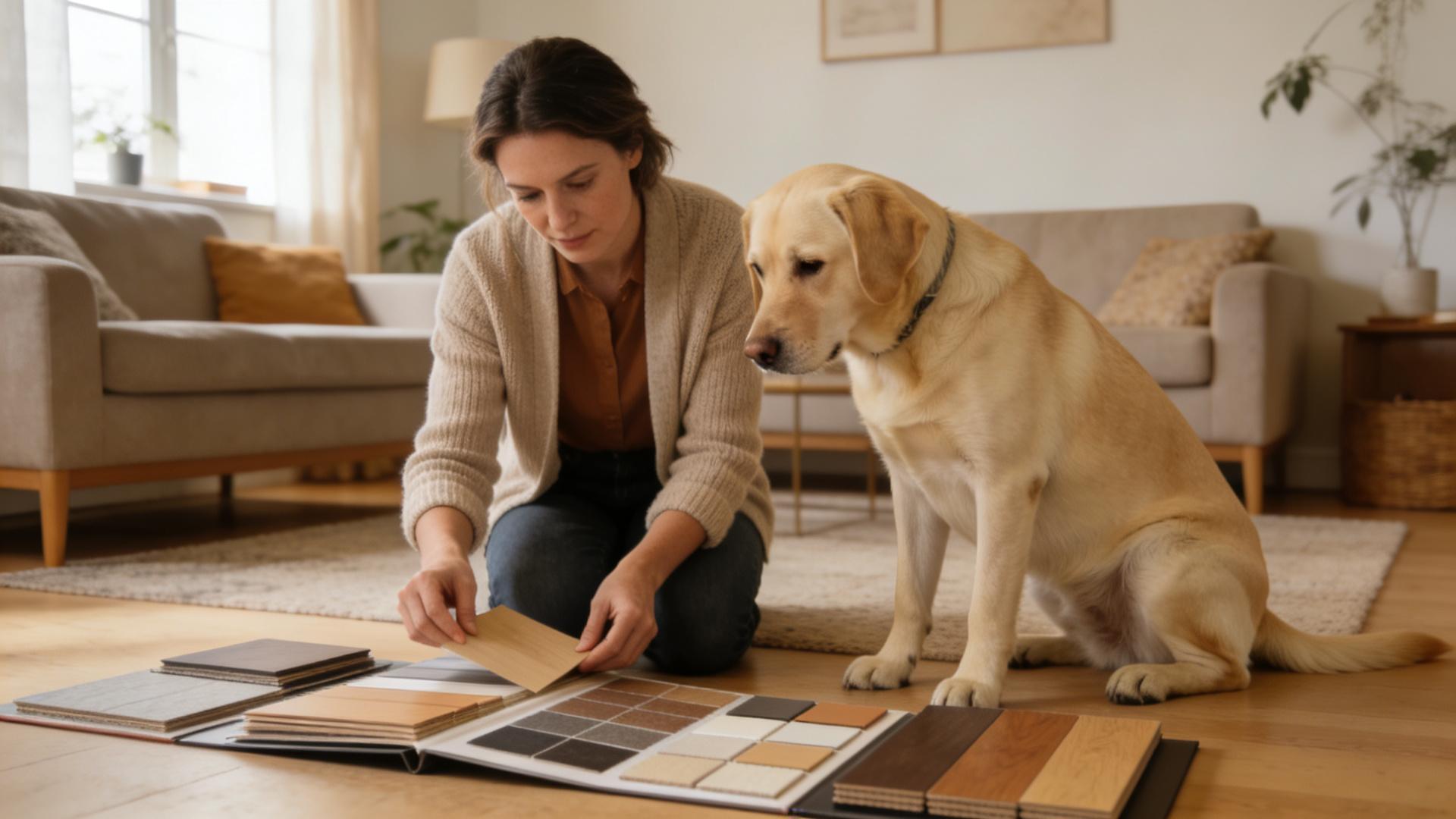
🐕 The Core Criteria: What Makes Flooring "Pet-Friendly"?
Before we dive into materials, let's define our pillars. Slip resistance is crucial for your dog's joint health and safety, preventing painful slips and falls. Durability encompasses scratch, dent, and wear resistance—key for homes with active or large breeds. Finally, easy cleaning means the surface can handle pet accidents, mud, and spills without staining or harboring odors. A successful choice masters all three.
🛠️ Top Pet-Friendly Flooring Options Analyzed
Option Name: Luxury Vinyl Plank (LVP) or Tile (LVT)
Overview: A superstar in the pet-friendly category, LVP/LVT is a multi-layer synthetic product that convincingly mimics wood or stone while offering superior practicality.
Slip Resistance: Most quality LVP features a textured, embossed surface that provides excellent paw traction. A urethane wear layer often includes additives for grip, performing well both dry and damp. Always check the coefficient of friction (COF) rating—look for a rating above 0.42 for residential use.
Durability: Incredibly scratch-resistant thanks to its tough wear layer. It stands up to claws, dropped toys, and heavy furniture. The core is dimensionally stable, resisting dents and impacts. Most come with extensive residential warranties.
Easy Cleaning: A dream. Its waterproof core means spills and accidents wipe up without seeping through. Regular sweeping and damp mopping with a pet-safe cleaner are all it needs. It's highly resistant to stains and odors.
Considerations for Canines: - Pros: Warm and quiet underfoot compared to tile, waterproof protection for accidents, comfortable for dogs to lie on. - Cons: Can be punctured by extremely sharp, focused pressure; lower-quality versions may show scratches.
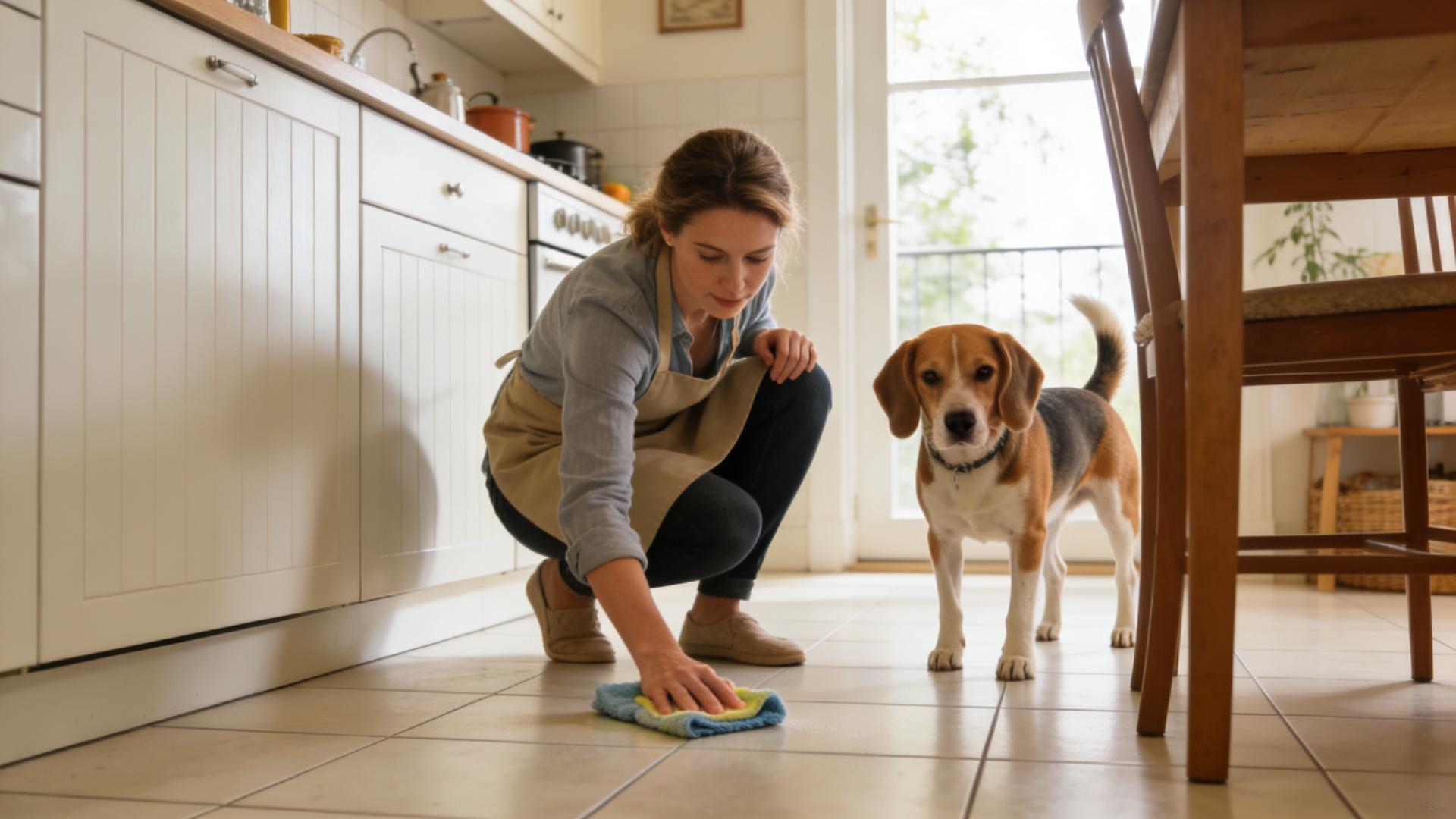
Option Name: Porcelain or Ceramic Tile
Overview: A classic, hard-surface choice known for its cool feel and timeless look. Porcelain is denser and less porous than ceramic, making it generally the better pick for pet owners.
Slip Resistance: Critical selection factor here. Avoid glossy, polished finishes. Instead, opt for textured, matte, or honed finishes like slate-look or rougher stone mimics. A higher COF rating is essential for wet paw traction.
Durability: The hardest surface available. Claws will not scratch it, and it's impervious to dents. It can last a lifetime. The grout, however, is the potential weak point and requires sealing.
Easy Cleaning: Spills and messes clean up in seconds. Grout must be sealed regularly to prevent staining from pet accidents and to block odor-causing bacteria. Use a steam mop or enzymatic cleaner for thorough sanitation.
Considerations for Canines: - Pros: Impervious to scratches and moisture, hygienic, helps keep dogs cool. - Cons: Hard and cold underfoot, can be slippery when wet if the wrong finish is chosen, noisy for nail clicks, dropped toys can break.
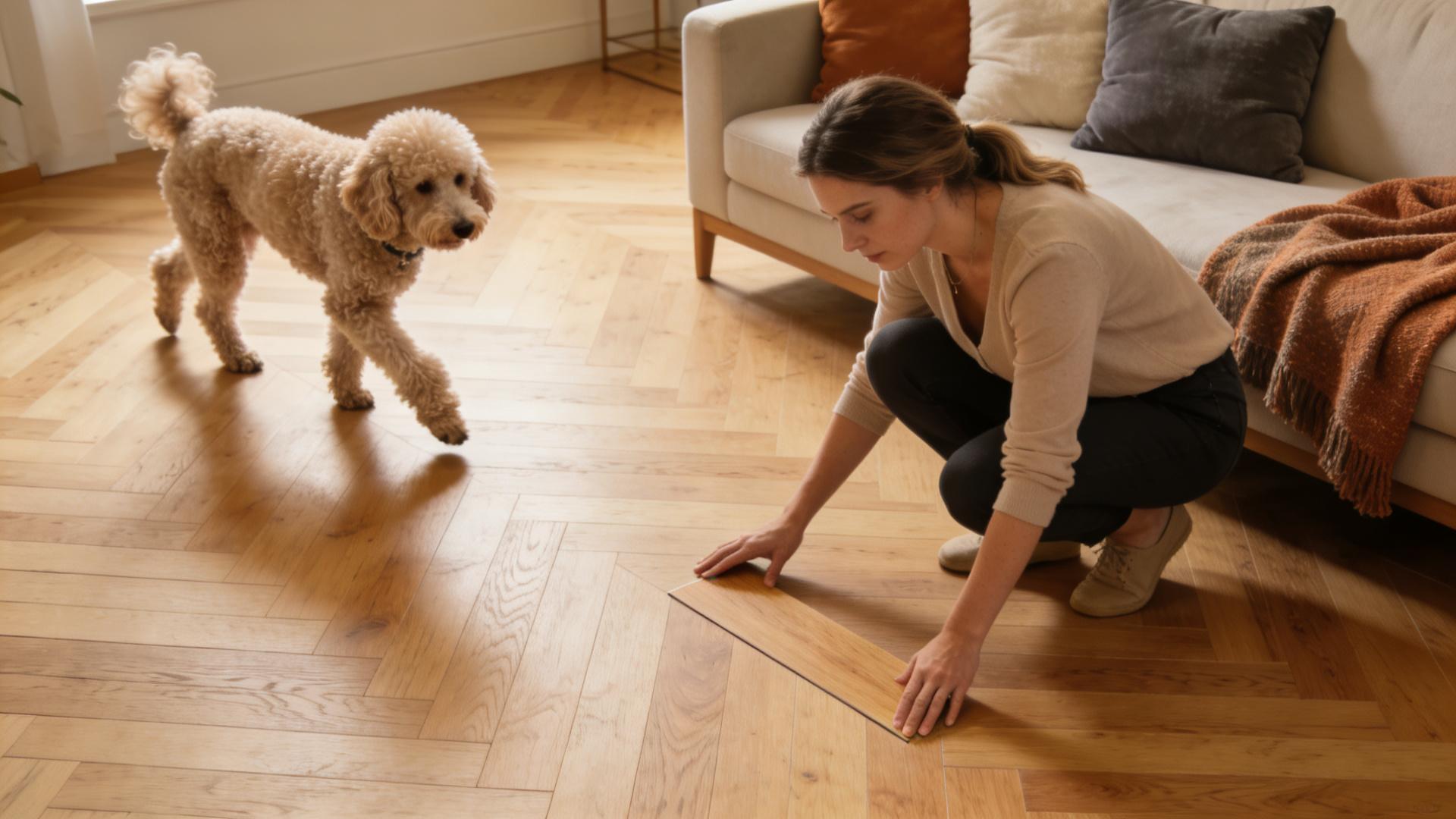
Option Name: Engineered Hardwood
Overview: A layered wood product with a real hardwood veneer atop a plywood core, offering more stability than solid hardwood in the face of moisture and temperature changes.
Slip Resistance: Provides moderate, natural traction when dry. A matte or satin finish offers more grip than a high-gloss polyurethane. Be cautious with wet paws, as water can make it slick and damage the wood.
Durability: The veneer can be scratched by dog nails, especially with larger or active breeds. Choosing a species with a high Janka hardness rating (like hickory or maple) helps. The surface can be refinished 1-3 times depending on veneer thickness.
Easy Cleaning: Requires prompt clean-up of spills and accidents. Liquids left standing can cause staining, warping, and seep into seams. Use a hardwood-specific, pet-safe cleaner for mopping.
Considerations for Canines: - Pros: Beautiful, adds to home value, warmer than tile. - Cons: Not waterproof, susceptible to scratches and moisture damage, can be noisy.
Option Name: Bamboo
Overview: A fast-growing grass processed into a flooring material, often touted for its eco-friendly credentials and unique appearance.
Slip Resistance: Similar to hardwood, with natural traction. A textured or hand-scraped finish enhances grip. Like wood, it becomes slippery when wet.
Durability: Varies widely. Strand-woven bamboo is exceptionally hard and scratch-resistant, often harder than oak. Traditional horizontal or vertical grain bamboo can be softer and more prone to dents and scratches.
Easy Cleaning: Clean spills immediately. Damp mopping with a recommended cleaner is fine, but avoid excessive moisture, as it can cause swelling or cupping.
Considerations for Canines: - Pros: Sustainable choice, very hard when strand-woven. - Cons: Lower-quality bamboo dents easily, sensitive to humidity swings, some finishes can be slippery.
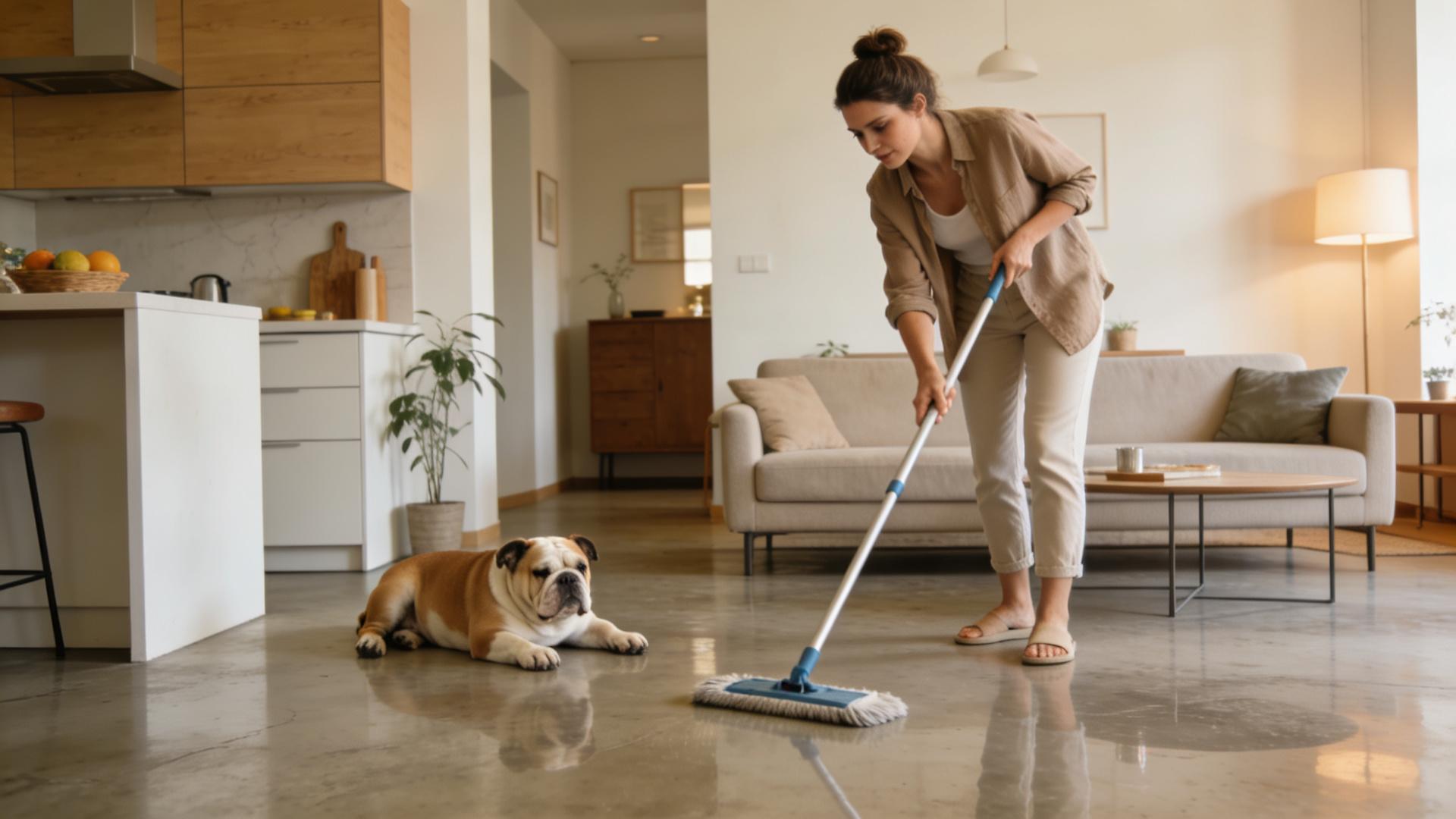
Option Name: Polished Concrete
Overview: An industrial-chic, ultra-modern option that involves grinding and sealing an existing concrete slab.
Slip Resistance: Polished concrete can be dangerously slippery when wet. This is a major concern for pets. You must add a non-slip additive to the sealer or choose a heavily textured finish. This is non-negotiable for safety.
Durability: The most durable surface imaginable. Impervious to scratches, claws, and any level of traffic. It's essentially permanent.
Easy Cleaning: Extremely easy to clean and sanitize. Sealed concrete is resistant to stains and odors. Sweep and mop as needed.
Considerations for Canines: - Pros: The ultimate in durability and easy cleaning, cool in summer. - Cons: Hard and cold underfoot, can be slippery, very loud, dropped items (or dogs) can break, may require area rugs for comfort.
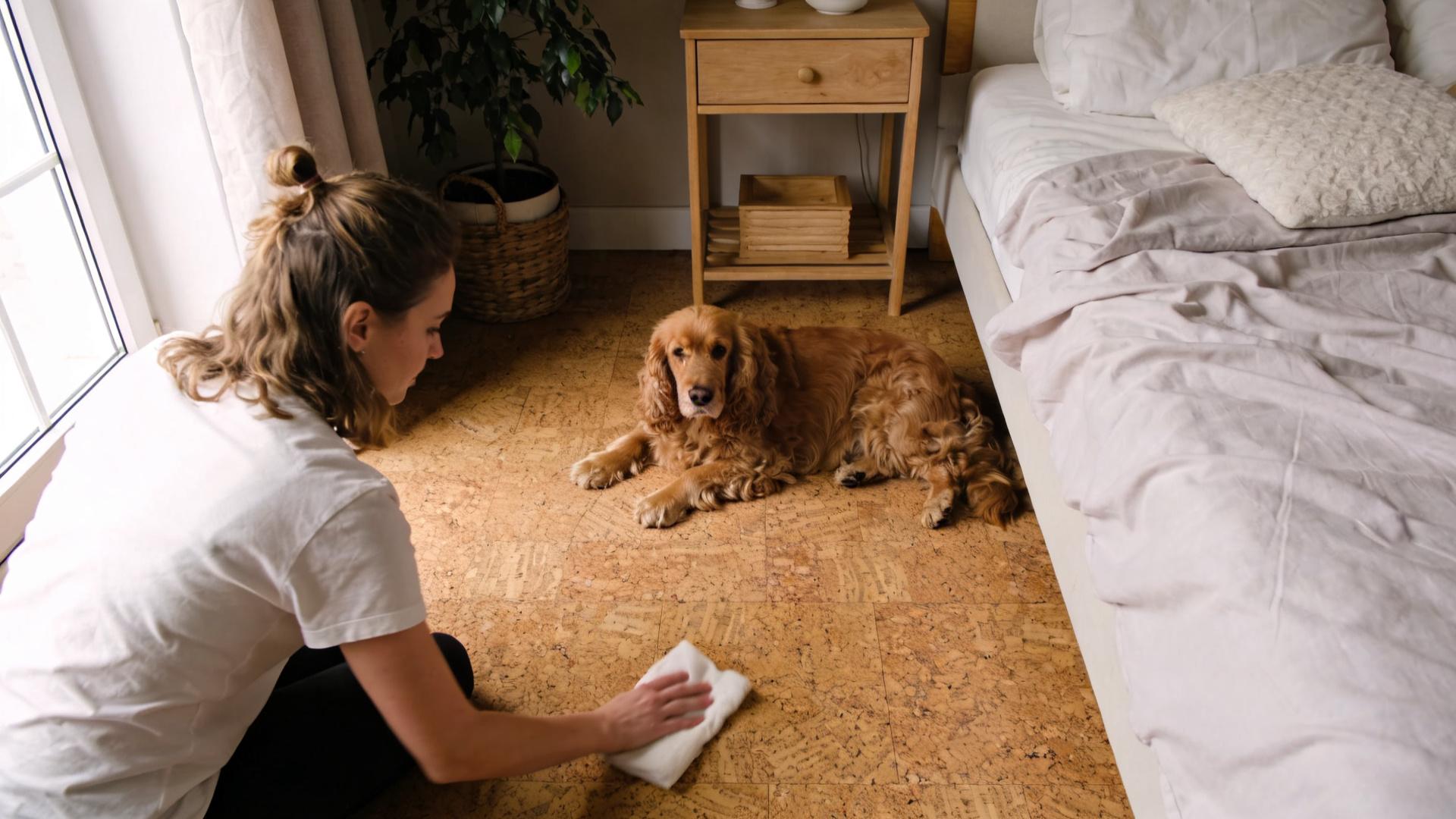
Option Name: Cork
Overview: A unique, sustainable material harvested from tree bark, offering a soft, cushioned feel underfoot.
Slip Resistance: Naturally provides good traction and is comfortable for dogs to walk and lie on. The textured surface offers grip even when slightly damp.
Durability: Resilient and forgiving—it "bounces back" from indentation from furniture. However, it can be gouged by sharp claws if not trimmed regularly. It requires a very durable, waterproof finish.
Easy Cleaning: The sealed surface is resistant to stains and allows for easy wipe-ups. However, standing liquid is an enemy and can penetrate seams if the finish is compromised.
Considerations for Canines: - Pros: Naturally antimicrobial and hypoallergenic, warm and quiet, provides cushioning for joints. - Cons: Requires diligent sealing, can be damaged by prolonged moisture or sharp claws, may fade in direct sunlight.
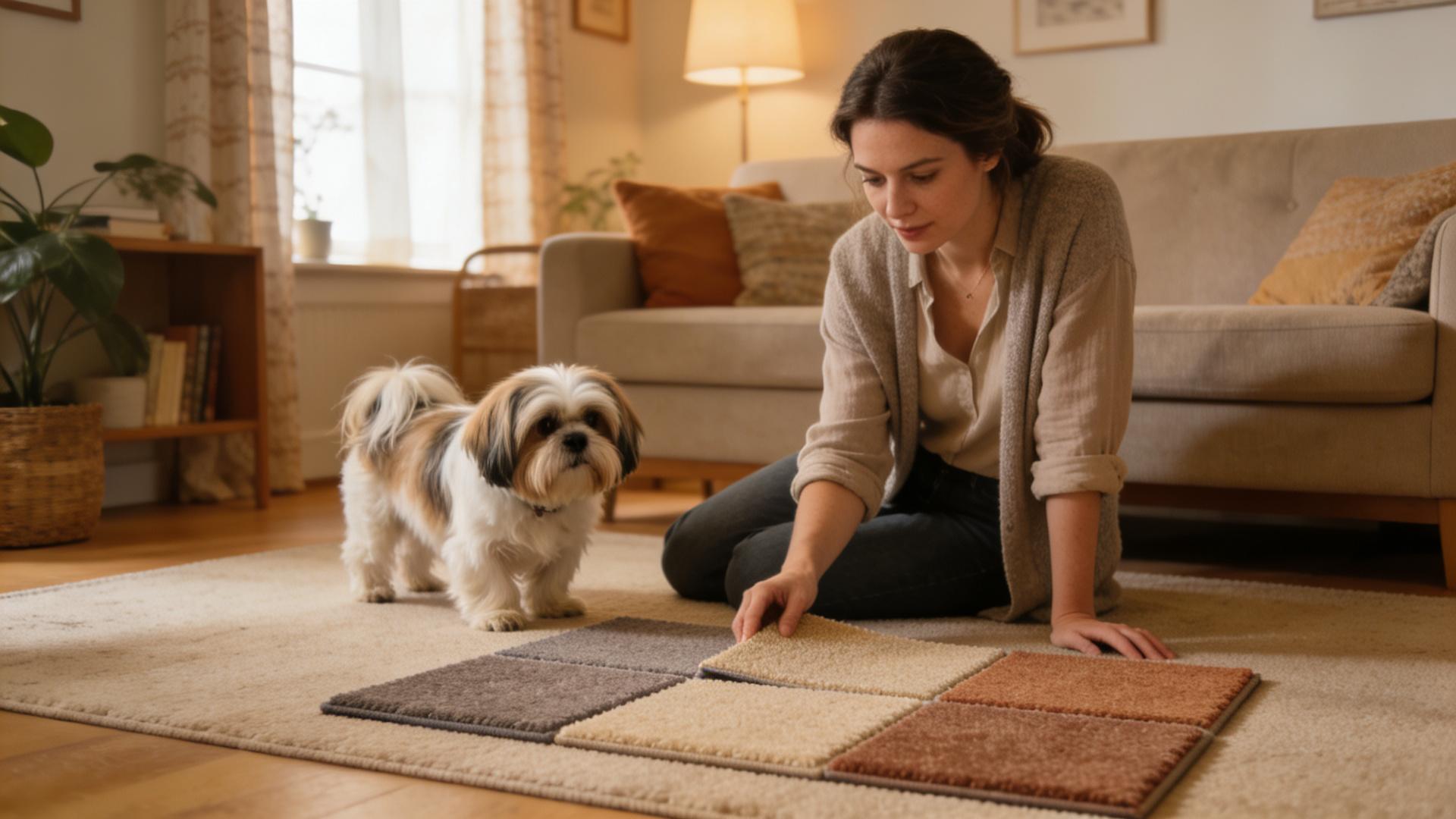
🚫 The Compromise: A Quick Note on Carpet
Traditional broadloom carpet is generally a poor choice for dog owners, as it traps hair, holds stains and odors from pet accidents, and is difficult to clean thoroughly. If you crave softness, consider low-pile, stain-resistant carpet tiles in high-traffic areas. They can be individually replaced if damaged, offering a pragmatic compromise.
✅ Conclusion: Creating Your Happy, Safe Home
So, what's the best flooring for dogs? For most pet parents seeking the ultimate balance, Luxury Vinyl Plank (LVP) stands out as the top all-around contender, especially for its waterproof core and durability. For those undertaking a premium build or renovation, textured porcelain tile offers unbeatable longevity and ease of cleaning.
The journey is about balancing your slip resistance, durability, and easy cleaning needs with your budget and style. By choosing wisely, you invest not just in your home's value, but in years of safe, joyful memories with your furry family member. Your perfect, pet-proof floor is out there.