
You May Have Missed
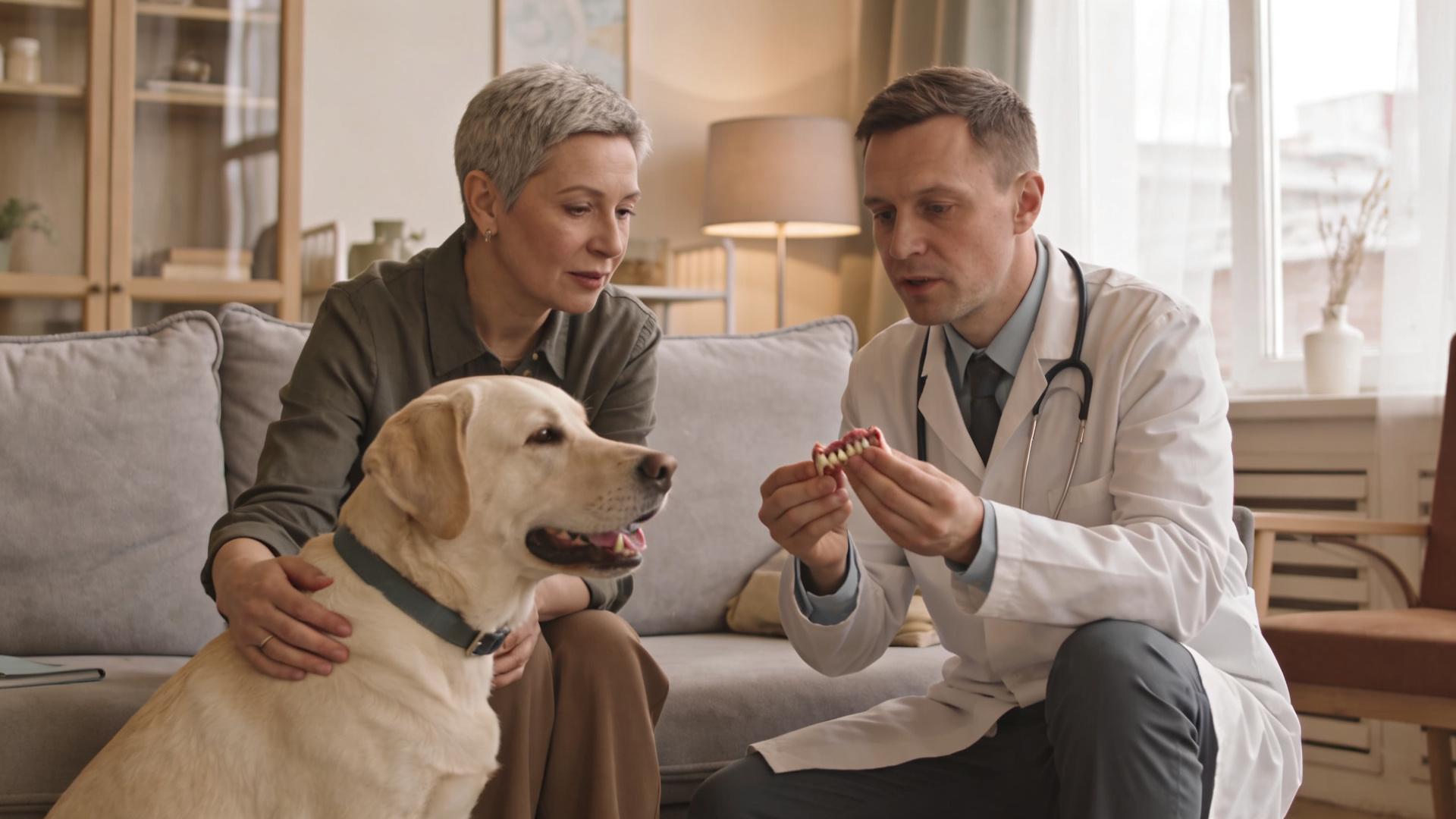
Preventing periodontal disease: Oral care habits that only take 30 seconds a day
Did you know that by the age of three, over 80% of dogs show signs of periodontal disease? 🦷 It’s the most common clinical condition occurring in adult dogs, yet it’s also one of the most preventable. The thought of adding another lengthy task to your daily routine can be daunting. But what if effective prevention wasn't a chore? This guide delivers on a powerful promise: building a healthy mouth for your dog with habits that take just 30 seconds a day. By investing half a minute now, you can save your dog from pain, protect their overall health, and avoid costly veterinary dental procedures down the line.

Cleaning and discarding standards for dog toys: Don't let crumbs clog your intestines.
For any dog parent, the sight of their furry friend gleefully shredding a new toy is pure joy. Toys are not just playthings; they are essential tools for mental stimulation, dental health, and combating boredom. However, lurking beneath that playful exterior of a worn-out squeaky toy or a beloved plush lamb is a potential health hazard few consider. Without a rigorous protocol for maintenance, the very objects meant to enrich your dog's life can become silent threats, leading to costly vet visits, emergency surgeries, or worse. This comprehensive guide dives deep into the non-negotiable cleaning and discarding standards for dog toys, arming you with the knowledge to prevent dangerous intestinal blockages from ingested toy fragments.

"Warmth and Cleanliness" for Newborn Puppies: Simulated Care When the Mother is Away
For newborn puppies, the mother is their entire world. She provides nourishment, essential warmth, and meticulous cleanliness through her constant care. Her presence is the cornerstone of their survival in those critical first weeks. When she is absent due to illness, rejection, or unforeseen circumstances, the roles of providing warmth and maintaining cleanliness fall entirely to you, the caregiver. This responsibility is daunting but profoundly rewarding. This guide aims to be your compassionate companion, offering detailed, step-by-step simulated care methods to ensure the health and survival of orphaned or mother-assisted puppies. We will navigate this journey together, focusing on the two most critical pillars of neonatal care: thermal support and hygienic practice.
Long-distance travel guide
You’ve dreamed of this trip for months—the winding coastal highways, the cozy mountain cabin, the city lights of a new destination. But as you glance at your dog curled up on the sofa, a familiar knot tightens in your stomach. How will they handle the long hours in the car? What if they get anxious on the plane? Will we find a place to stay that truly welcomes them? I’ve been there, and I know that blend of excitement and worry all too well. This guide is designed to be your trusted companion—a comprehensive, reassuring resource that transforms long-distance travel with a dog from a source of stress into a rewarding adventure for both of you. Let’s get started, step by step.
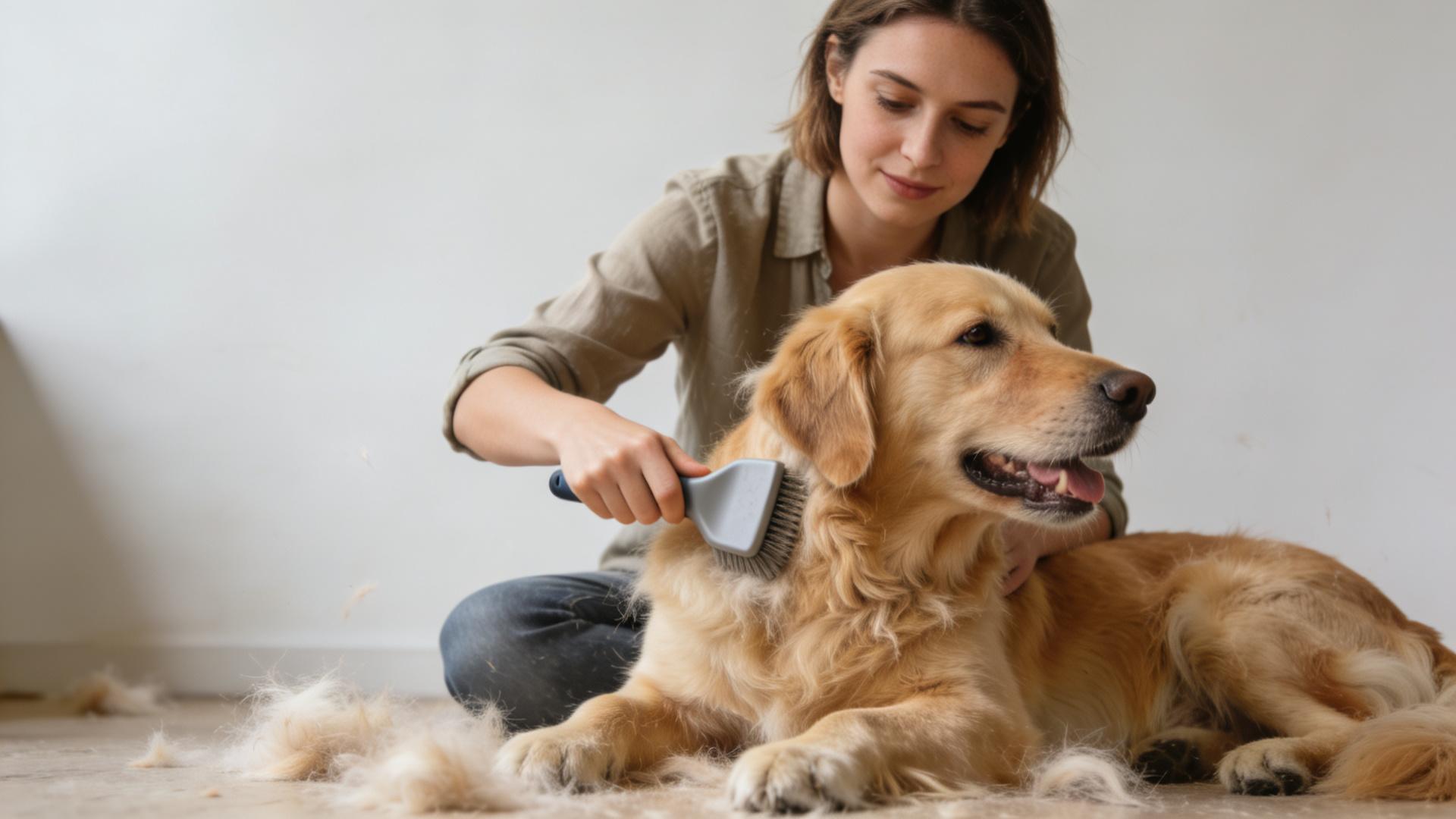
Hair care during the awkward shedding period: Nutritional supplements and grooming suggestions
The sight of tumbleweeds of fur rolling across your floor and the constant presence of dog hair on every dark item of clothing is a universal experience for dog owners. Welcome to the awkward shedding period, a natural but often messy phase in your canine companion's life. This isn't just about aesthetics; it's a biological process where old hair is shed to make way for new growth, regulated by factors like daylight hours (photoperiod) and temperature. Understanding this phase is the first step to transforming a frustrating time into an opportunity for enhanced bonding and superior health for your dog's coat and skin. With a strategic combination of internal nutrition and external grooming, you can successfully navigate this season, resulting in a shinier coat for your pet and a cleaner home for you.

Long-term bed rest care for paralyzed/weak dogs: prevention of bedsores and cleaning up excrement.
Caring for a canine companion who requires long-term bed rest is one of the most profound expressions of the human-animal bond. Whether due to paralysis, degenerative conditions, surgery, or severe weakness, this journey transforms you into a dedicated nurse, advocate, and source of unwavering comfort. While the path is demanding, a structured, informed approach can prevent complications and ensure your dog’s quality of life remains as high as possible. Two of the most critical and intertwined challenges in this care are preventing painful pressure injuries and managing incontinence with dignity. This comprehensive guide delves into the meticulous, loving routine required to master both.