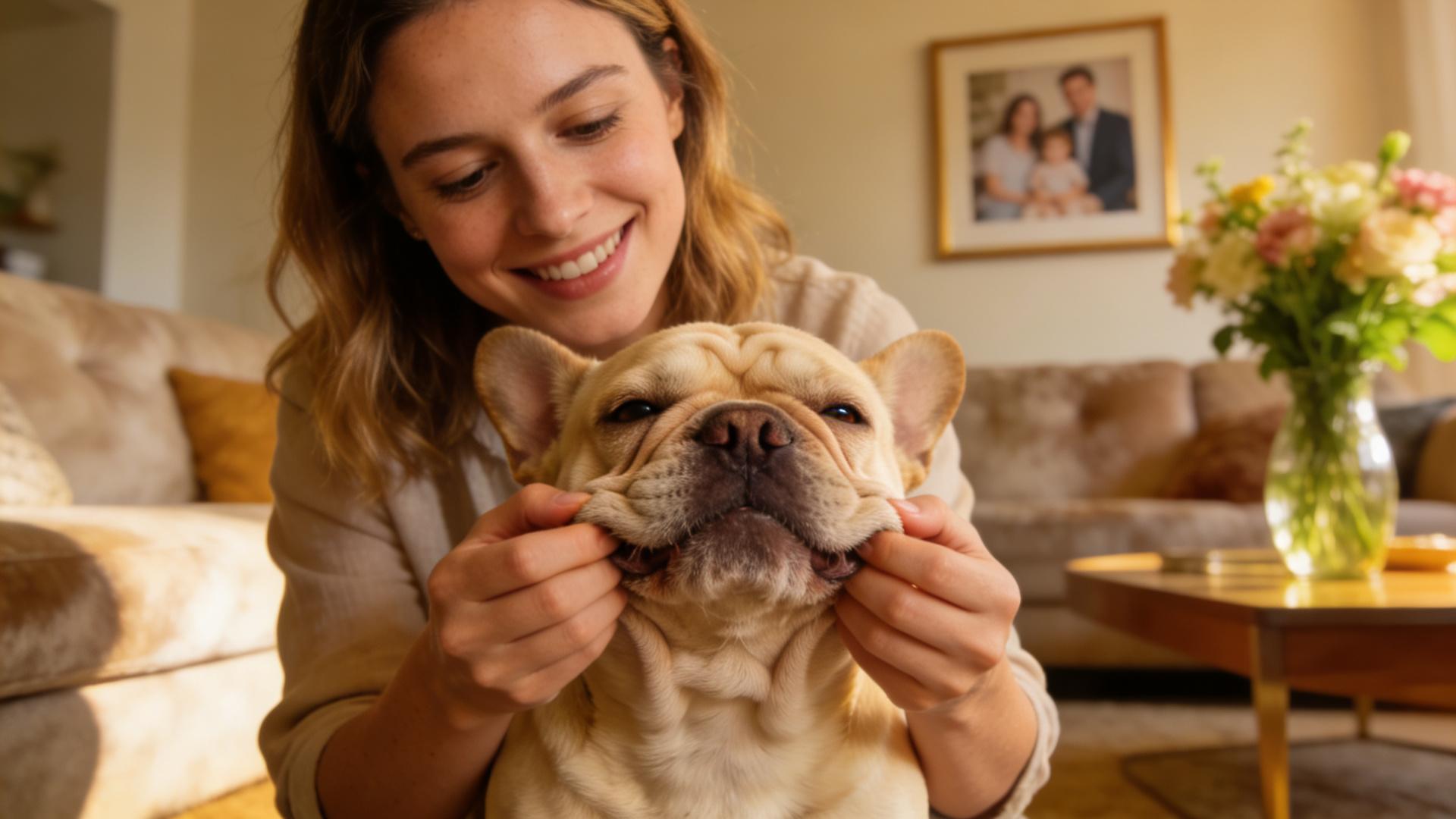
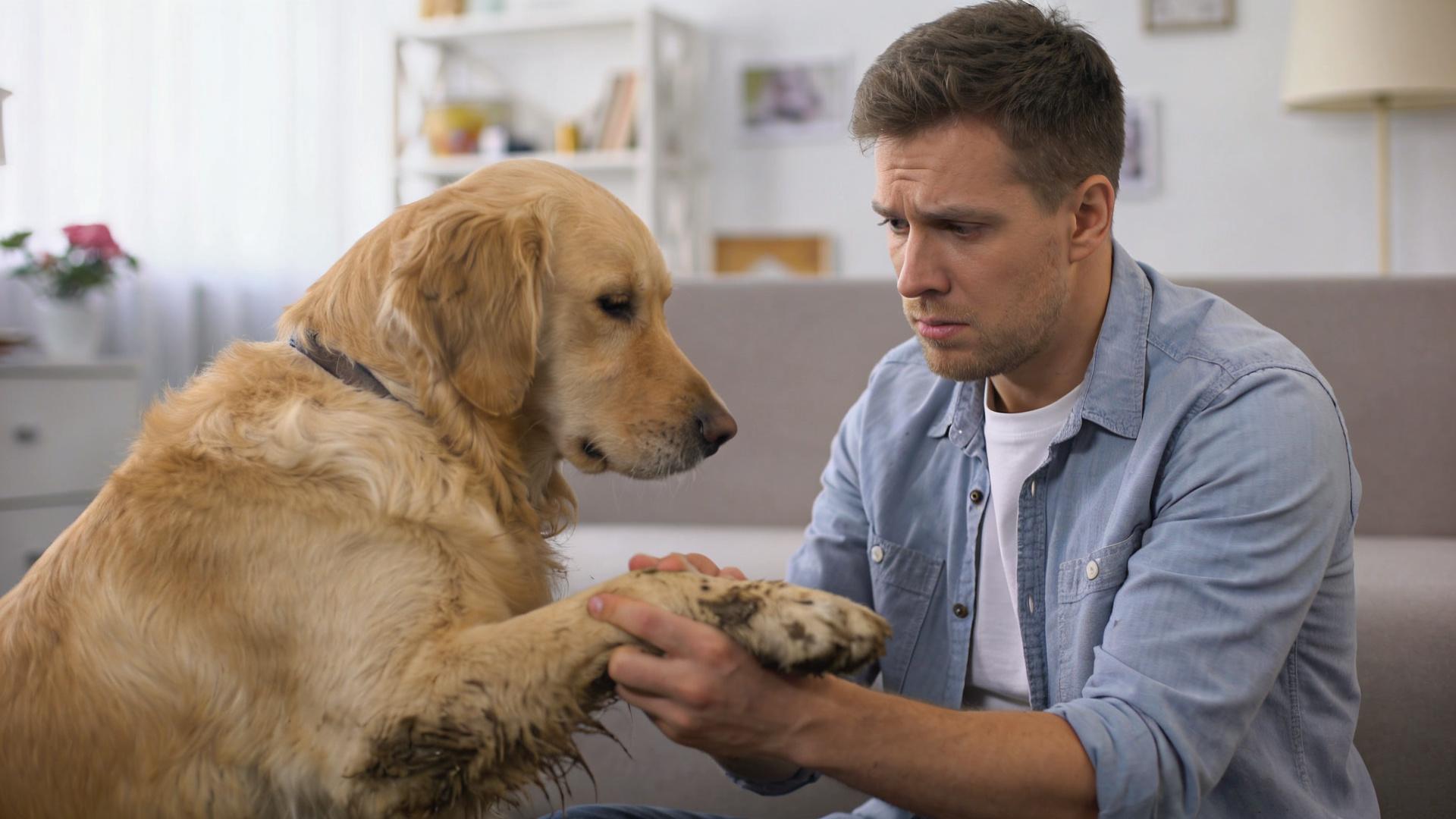
The sight of tumbleweeds of fur rolling across your floor and the constant presence of dog hair on every dark item of clothing is a universal experience for dog owners. Welcome to the awkward shedding period, a natural but often messy phase in your canine companion's life. This isn't just about aesthetics; it's a biological process where old hair is shed to make way for new growth, regulated by factors like daylight hours (photoperiod) and temperature. Understanding this phase is the first step to transforming a frustrating time into an opportunity for enhanced bonding and superior health for your dog's coat and skin. With a strategic combination of internal nutrition and external grooming, you can successfully navigate this season, resulting in a shinier coat for your pet and a cleaner home for you.
🐾 Decoding the "Awkward Shedding Period": It's More Than Just Hair
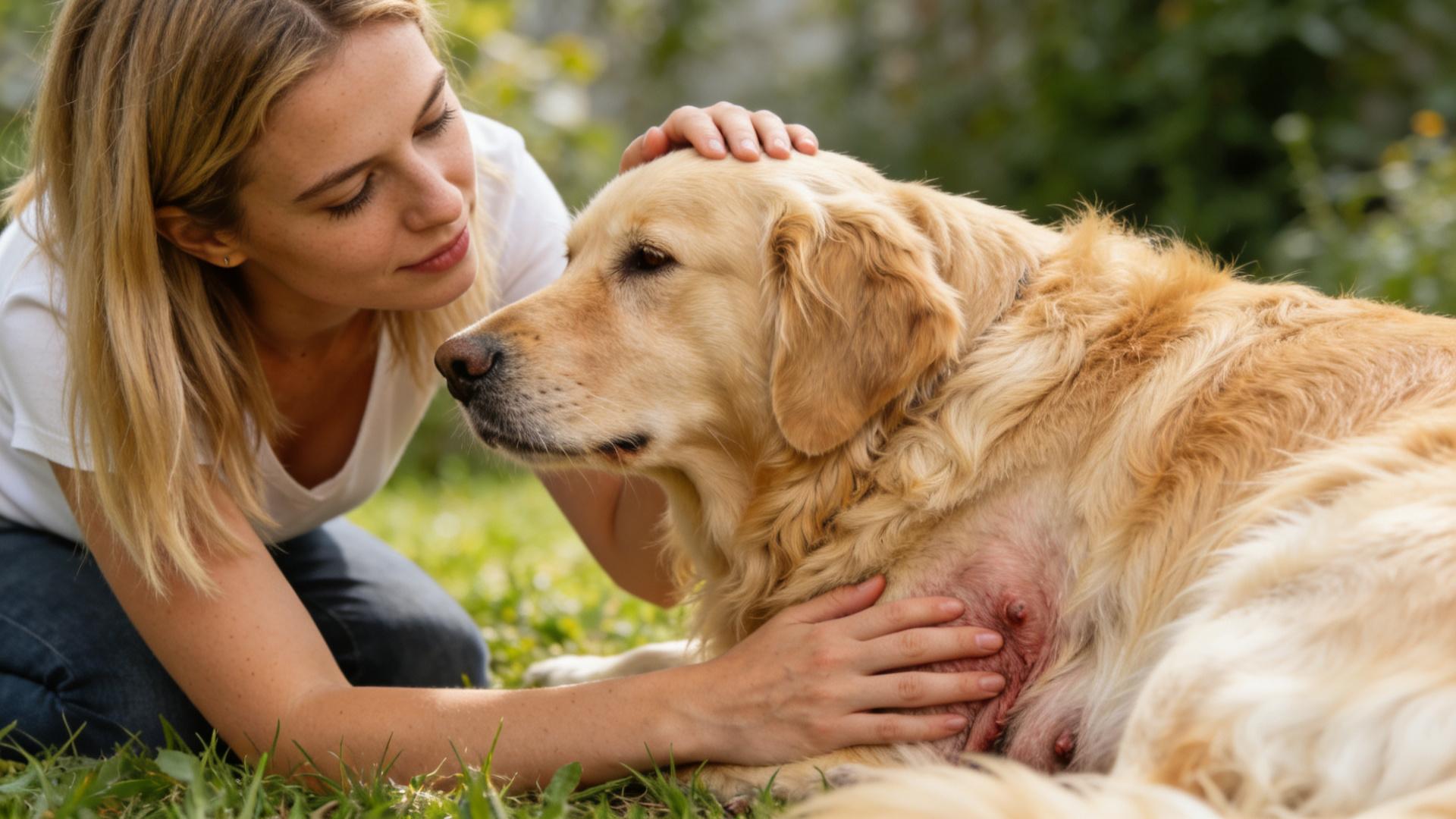
Contrary to popular belief, dogs don't just shed in spring and fall. Many experience a more intense, "seasonal coat blow," typically in the spring as they lose their dense winter undercoat, and again in the fall to prepare for a warmer undercoat. However, the "awkward" phase can occur during transitions, with certain breeds (like Huskies, Golden Retrievers, and German Shepherds) being prolific shedders year-round. This period is characterized by a noticeable increase in loose undercoat and guard hairs, sometimes leading to a patchy or dull appearance before the new coat fully comes in. The key is recognizing this as a process, not a problem. Underlying issues like poor nutrition, stress, allergies, or hormonal imbalances can exacerbate normal shedding into managing excessive shedding territory. If shedding is accompanied by bald spots, inflamed skin, or lethargy, a veterinary consult is crucial to rule out medical causes.
💡 The Biology of the Shed: A Closer Look
Each hair follicle has a growth cycle: Anagen (active growth), Catagen (transition), and Telogen (resting/shedding). The "awkward shedding period" often signifies a large number of hairs synchronously entering the Telogen phase. Factors influencing this cycle include:
- Breed & Genetics: Double-coated breeds are designed for dramatic seasonal sheds.
- Photoperiod: Changing daylight is the primary signal for seasonal shedding.
- Indoor Living: Constant artificial light and temperature can confuse a dog's natural cycle, leading to more consistent, year-round dog hair loss.
- Overall Health: The coat is a direct reflection of internal well-being.
🧪 Internal Support: The Foundation of a Healthy Coat
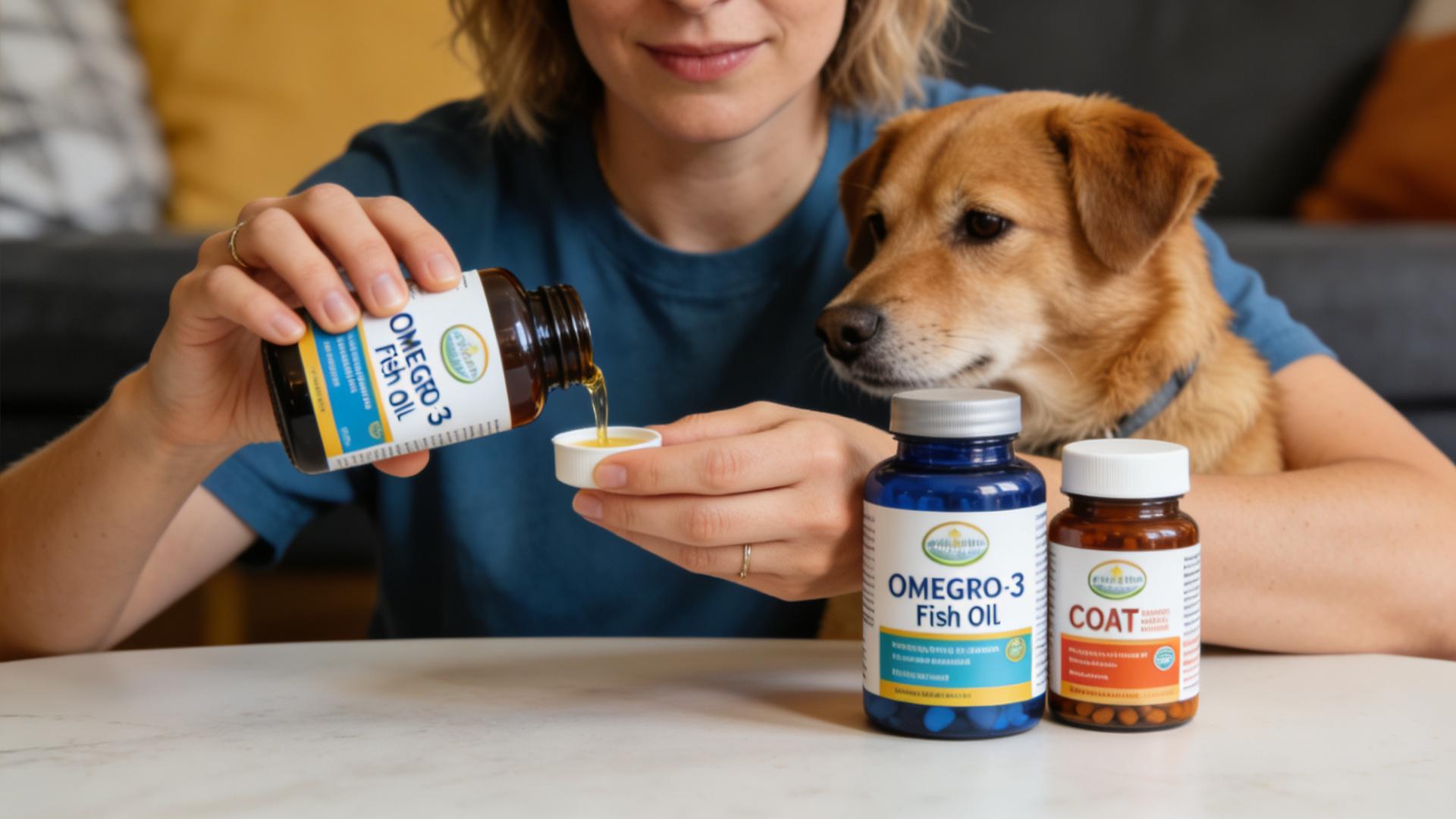
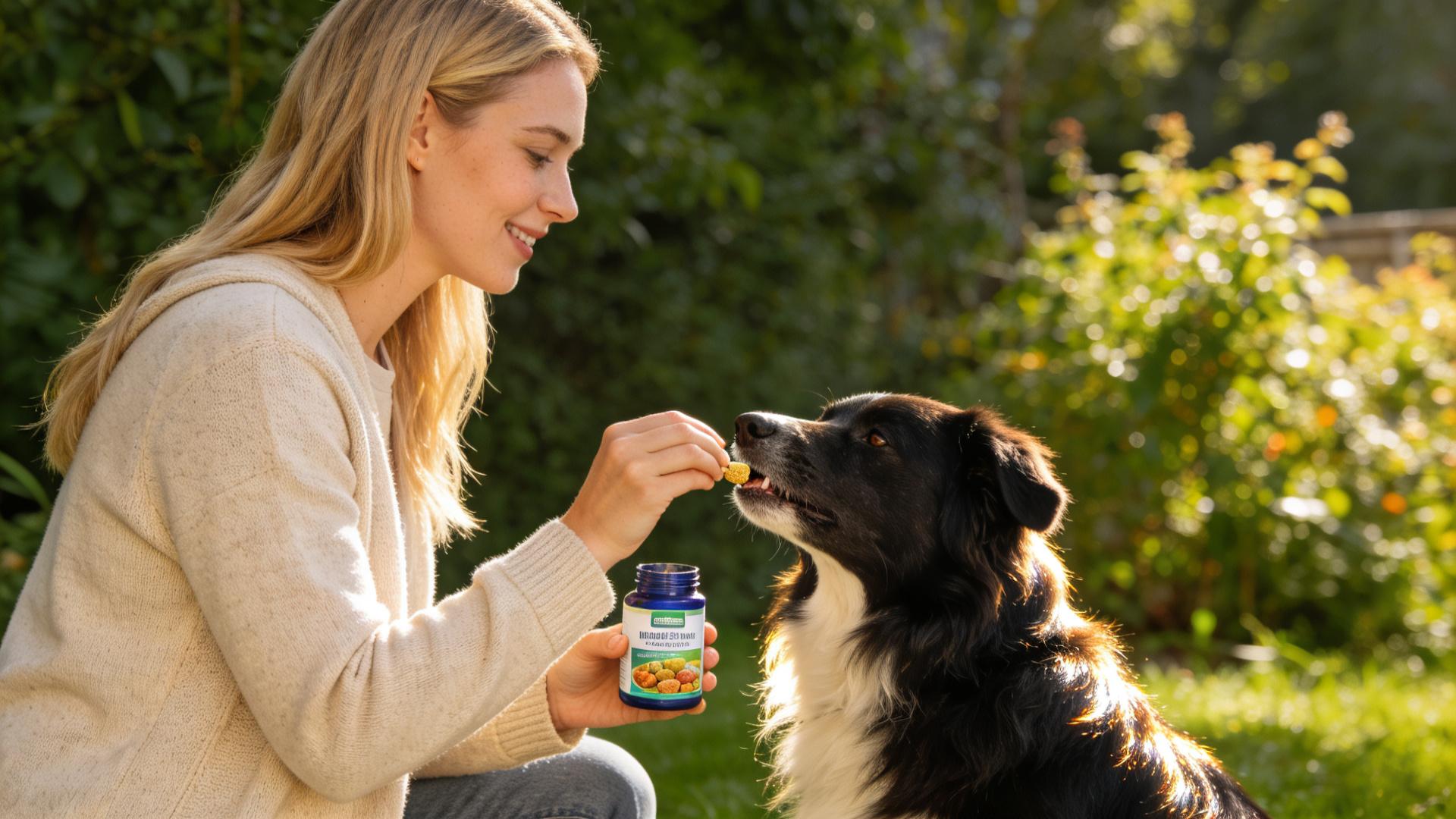
You cannot brush in a nutrient that isn't there. A lustrous, strong coat starts from within. A high-quality, balanced diet is paramount, but during heavy shedding, dog shedding supplements can provide targeted support to nourish the skin and hair follicles, potentially reducing the duration and severity of the shed.
🌟 Key Nutritional Supplements for Coat Health
Think of these as building blocks for optimal hair growth and skin integrity.
- Omega-3 Fatty Acids (Fish Oil): The superstar of canine skin and coat supplements. EPA and DHA are potent anti-inflammatories that soothe itchy, dry skin and promote incredible coat shine. Studies show supplementation can significantly improve pruritus (itchiness) and coat quality. Dosage Tip: Look for supplements high in EPA/DHA; a common guideline is approx. 20-55mg combined EPA/DHA per pound of body weight daily, but always consult your vet.
- Biotin (Vitamin B7): Essential for keratin production—the protein that makes up hair and nails. A deficiency can lead to brittle hair and hair loss. While rare, supplementing with biotin for dogs can strengthen hair shafts and improve coat thickness.
- Zinc: Vital for skin cell repair and immune function. Zinc-responsive dermatosis is a known condition in some breeds (like Siberian Huskies and Alaskan Malamutes) that causes hair loss and crusty skin. Zinc in chelated forms (e.g., zinc methionine) is highly bioavailable.
- Vitamin E: A powerful antioxidant that protects skin cells from damage and supports healthy skin barrier function. It often works synergistically with Omega-3s.
- Other Supportive Nutrients: Vitamins A and B-complex, Copper, and high-quality digestible proteins (from meat, fish, eggs) are all crucial for hair follicle health.
Special Reminder: More is not always better. Fat-soluble vitamins (A, D, E, K) can be toxic in excess, and incorrect zinc doses can cause imbalance. Always choose high-quality, third-party tested supplements and establish the proper dosage with your veterinarian based on your dog's specific needs, diet, and health status.
🛁 External Management: Grooming Strategies for the Shedding Dog
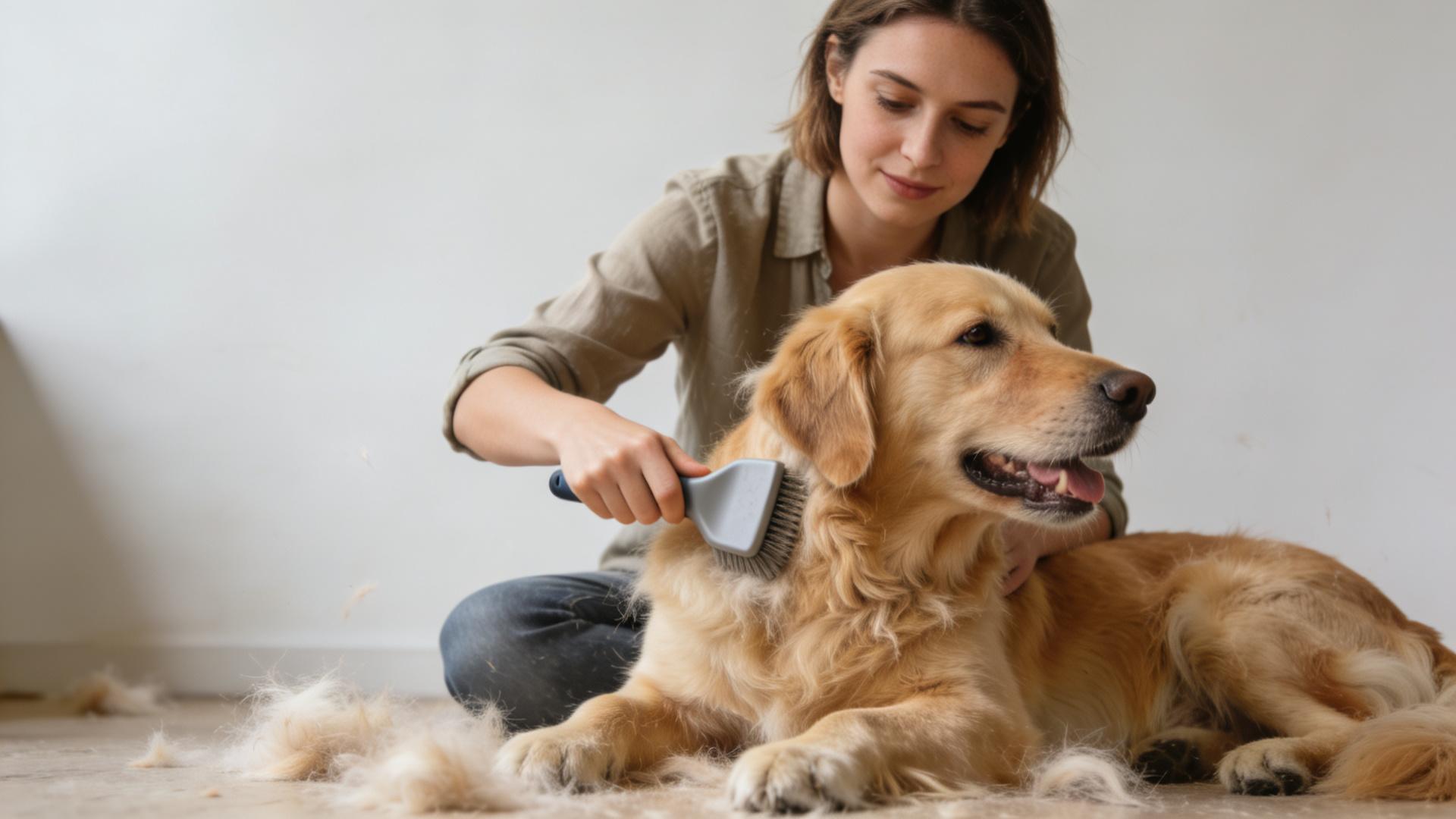
While nutrition works from the inside, effective grooming tackles the hair that's ready to leave. A proactive grooming routine is the most practical way to control loose hair in your home and prevent painful mats.
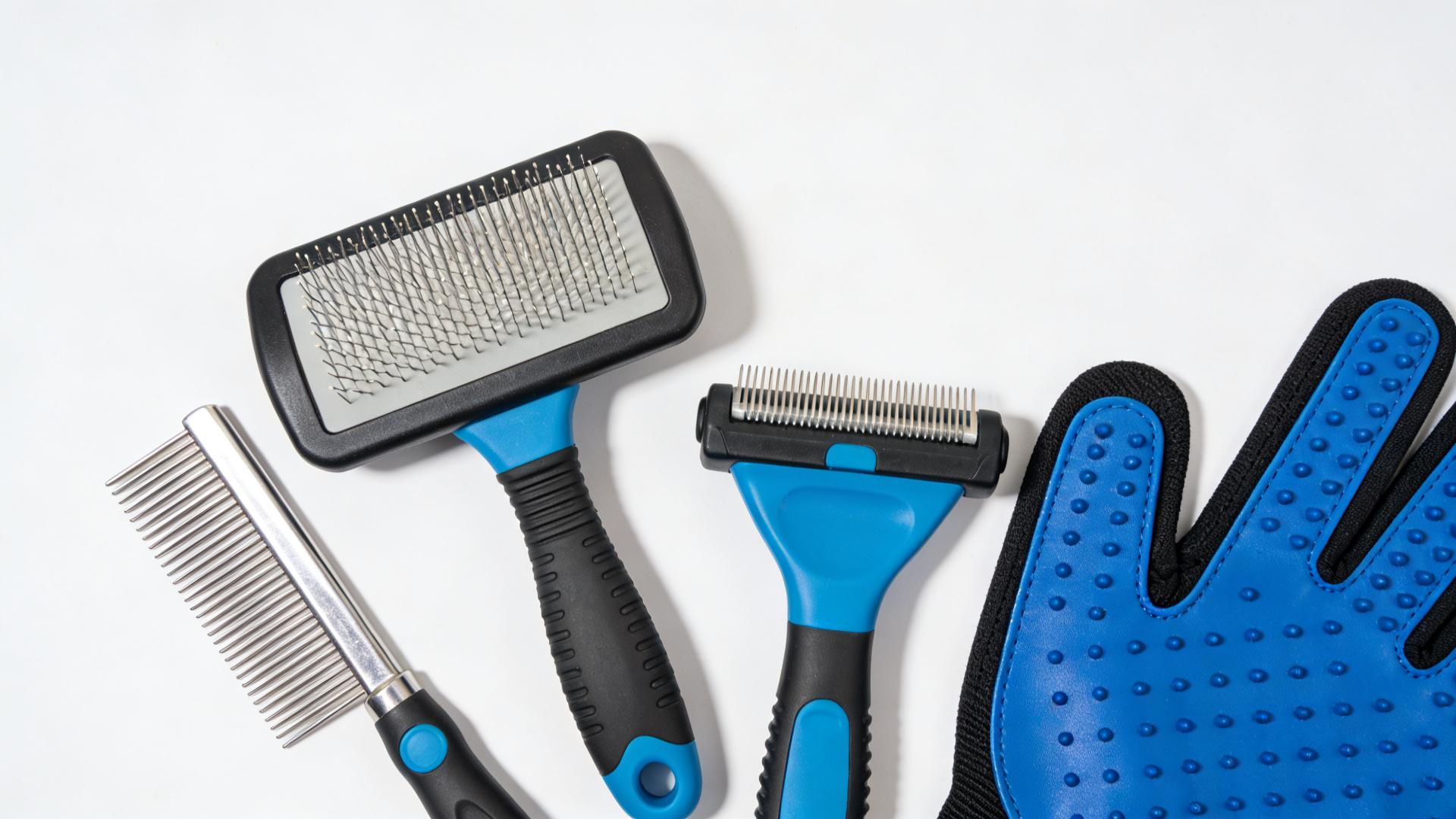
🔧 Essential Tools for Your De-Shedding Arsenal
Having the right tool for your dog's coat type is a game-changer.
- Slicker Brush: Excellent for daily grooming on most coat types. Its fine, bent wires catch loose topcoat and gently tease out small tangles. Ideal for curly and medium-length coats.
- Undercoat Rake: Designed with longer, blunted teeth to reach deep into the dense undercoat of double-coated breeds without cutting the protective topcoat. Used gently in the direction of hair growth.
- De-Shedding Tool (e.g., Furminator-style): These tools have a fine-edged blade that reaches the undercoat and safely removes loose hair before it sheds. Caution: Overuse can thin the coat; follow instructions and limit use to 1-2 times per week during peak shed.
- Grooming Glove or Rubber Curry Brush: Perfect for short-haired breeds (like Labs or Boxers) and for dogs who are nervous about brushes. Massages the skin and grabs loose hair effectively.
- High-Velocity Dryer: A staple of professional de-shedding. Used after a bath, it blasts out massive amounts of loose undercoat. A powerful investment for serious shedders.
🚿 The Effective Shedding Season Grooming Routine
Consistency is key. Here’s a step-by-step approach:
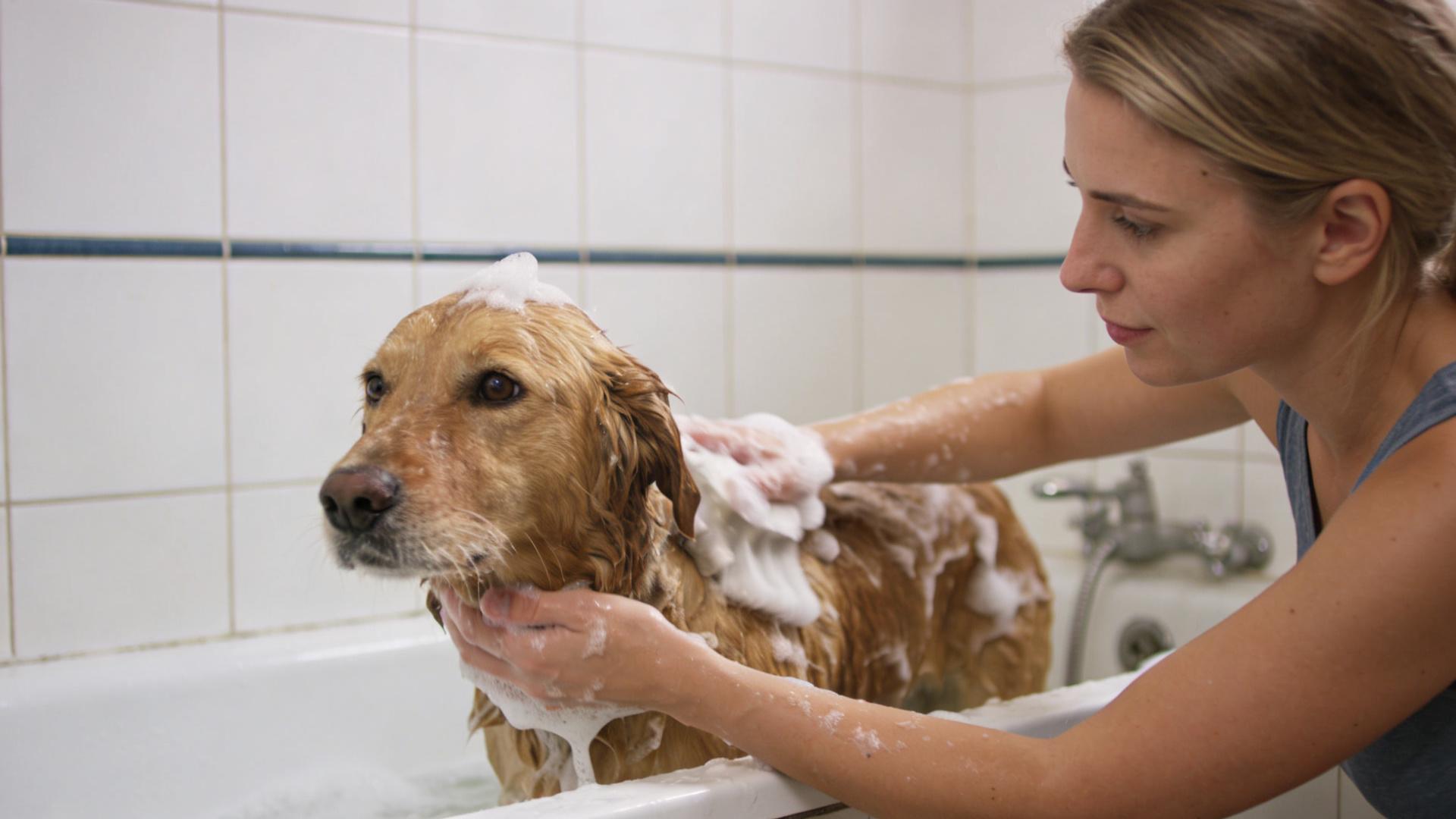
- Pre-Bath Brushing: Always brush thoroughly before the bath to remove loose hair and prevent drain-clogging mats.
- The De-Shedding Bath: Use a dog-specific shampoo, preferably a moisturizing or de-shedding formula. Massage the shampoo deeply into the coat to help loosen dead hair and skin cells. A good soak is crucial.
- Conditioning & Rinsing: A good conditioner can help hydrate the skin and coat, making hair easier to detangle. Rinse extremely thoroughly—any residue can irritate the skin.
- Post-Bath Drying & Blowing: Towel dry, then use a high-velocity dryer (or a hairdryer on a cool setting) while continuously brushing. This is where the majority of the loose undercoat will be expelled.
- Final Brush-Out: Once completely dry, do a final brush-through with your chosen tools to remove any last loose hairs.
Special Reminder: Avoid over-bathing. For most dogs, a full de-shedding bath every 4-6 weeks during peak shed is sufficient. Over-bathing can strip natural oils, leading to dry, flaky skin. Between baths, maintain with dry brushing sessions.
✨ The Winning Combination: Synergy of Diet and Grooming
The magic happens when internal health and external care work together. A dog nourished with vitamins for coat health and high-quality food will grow a stronger, healthier coat that, when regularly groomed, will shed in a more manageable way. You'll notice the hair you remove with brushing is loose and comes out easily, rather than breaking. The new coat growing in will be noticeably shinier and more resilient. This holistic approach doesn't just minimize hair on your furniture; it actively contributes to your dog's comfort, preventing the itching and skin issues that can arise from a poor coat condition.
📈 Tracking Your Success: What to Look For
- Reduced "Fur-nados": Less free-floating hair in your environment.
- Improved Coat Texture: A softer, silkier feel and a visible shine.
- Healthier Skin: No flakiness, redness, or excessive odor.
- Happier Dog: Less scratching and more enjoyment during grooming sessions.
💝 Embrace the Bond: Patience and Consistency are Key
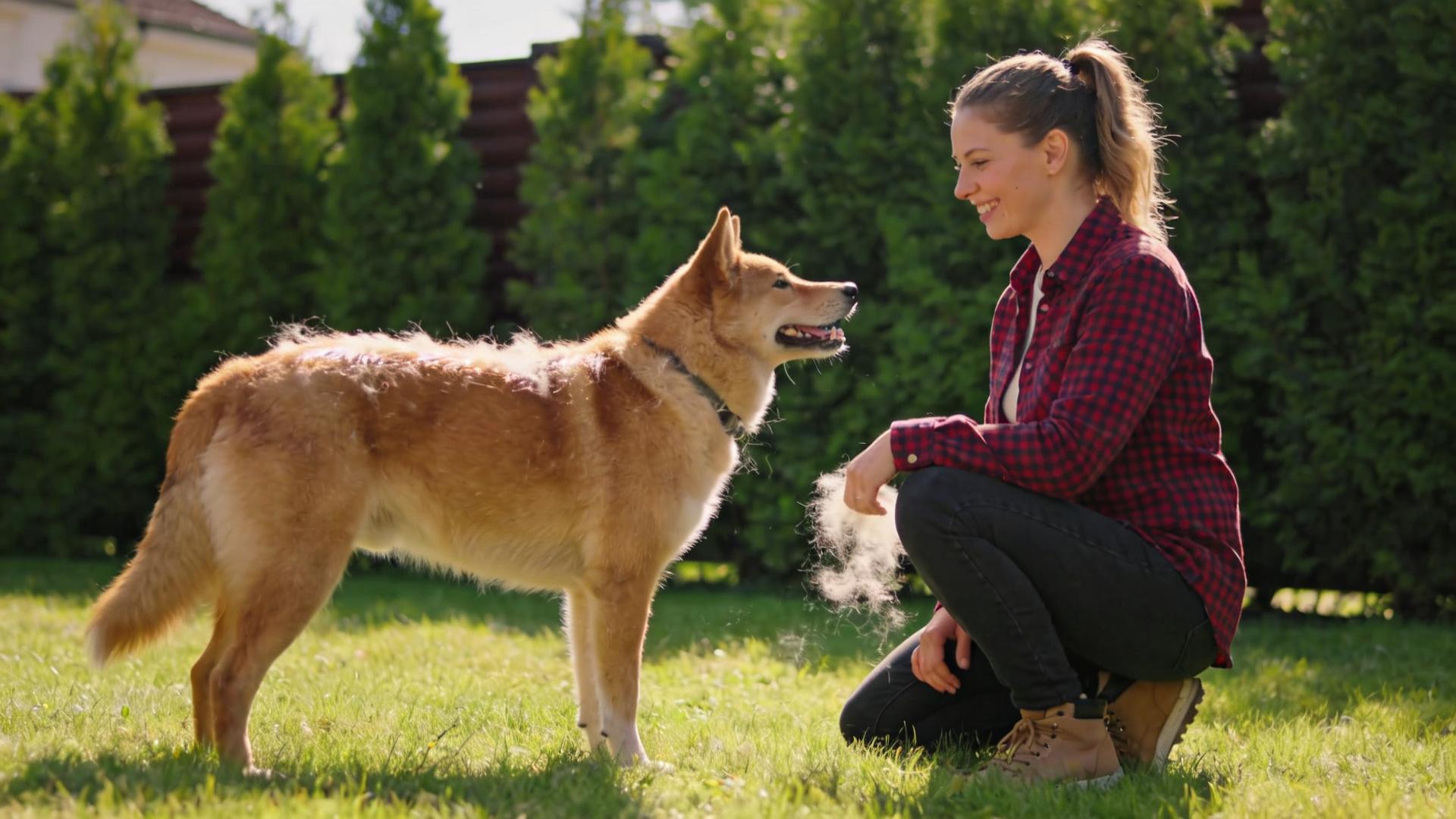
The awkward shedding period is a natural part of life with your dog. Instead of dreading it, reframe it as dedicated care time. Turn grooming into a positive, treat-filled ritual. Your patience and consistent effort in providing both nutritional support and physical care are the greatest gifts you can give your pet during this cycle. Remember, you are not just maintaining a healthy dog coat; you are monitoring a key indicator of their overall well-being and strengthening your bond through attentive care. So, arm yourself with the right tools, the right supplements, and a good vacuum cleaner, and happy grooming!