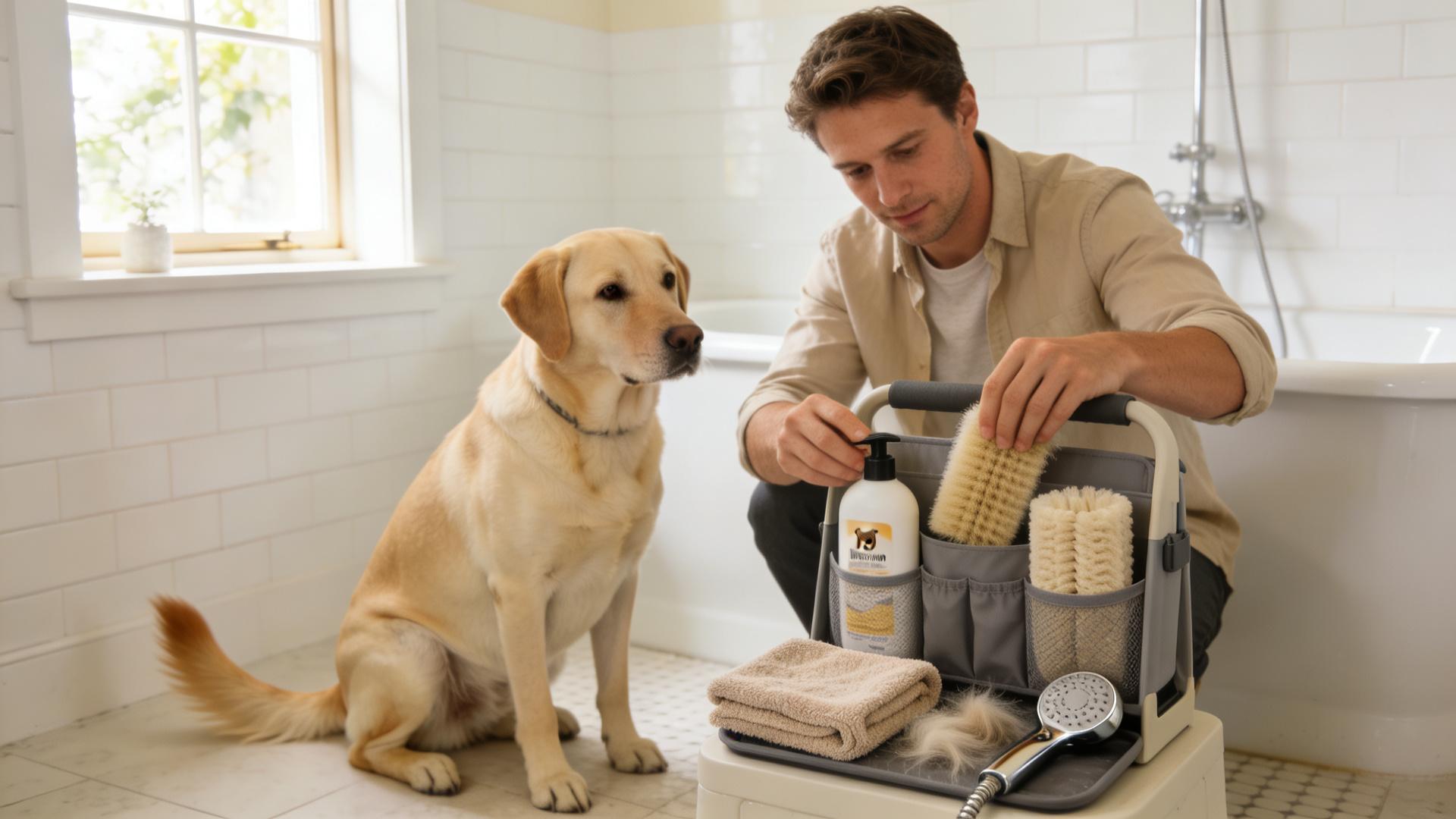
Picture this: Your beloved furry companion, usually so neat, is suddenly leaving small droplets of blood on your favorite rug. She seems restless, is attracting every male dog in the neighborhood, and you’re left feeling a bit overwhelmed. Welcome to the canine heat cycle. For owners of female dogs, this is an inevitable phase that requires extra care and attention. The goal of this comprehensive guide is to transform that feeling of overwhelm into one of confidence. We will provide you with a detailed, step-by-step manual on hygiene management for your dog in heat, focusing on the proper use of sanitary pads and safe, effective local cleaning techniques. Let’s ensure this natural process is as comfortable and clean as possible for both you and your pup.
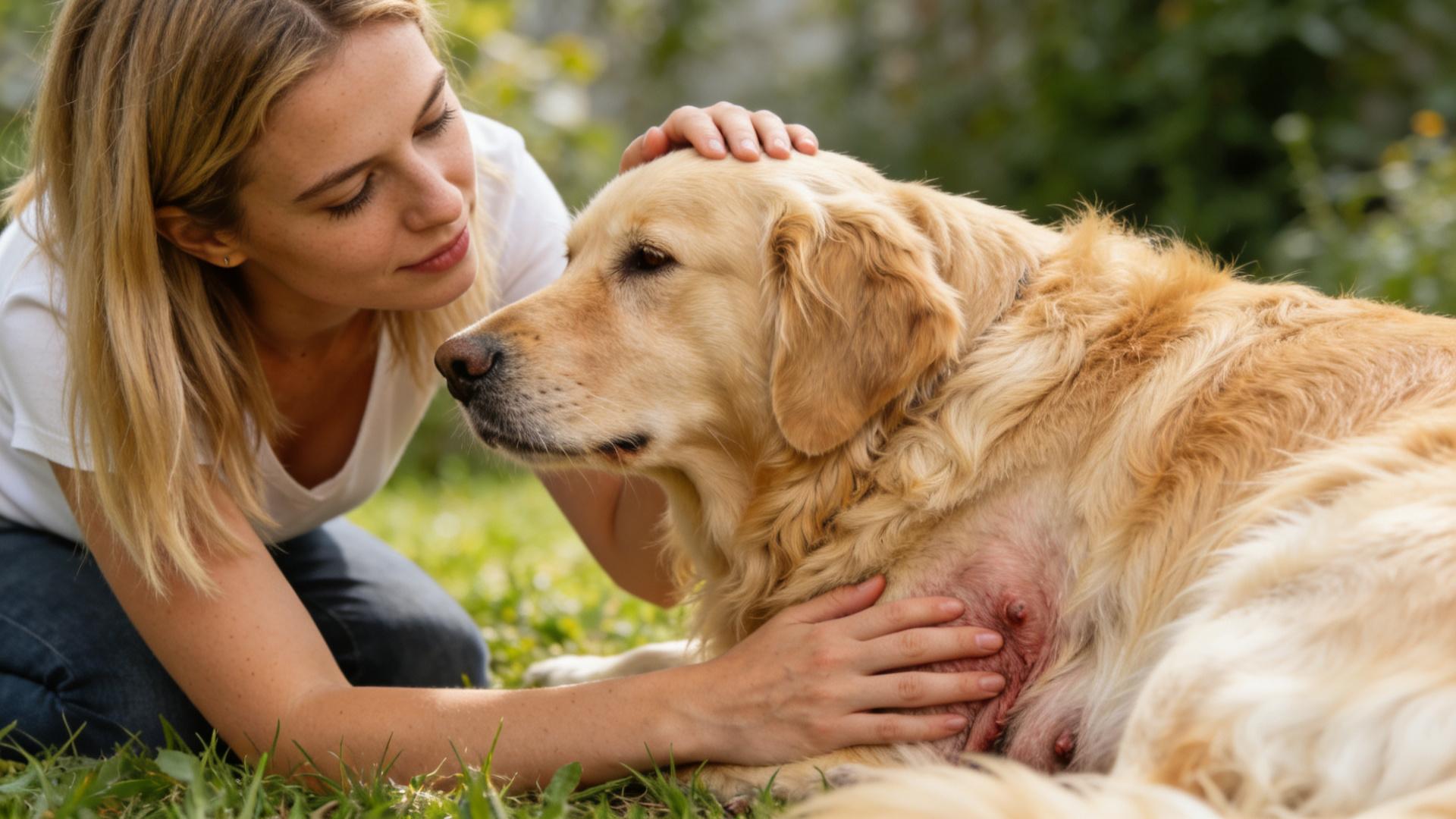
🐾 Understanding Your Dog's Heat Cycle: The Foundation of Care
The first step in effective female dog in heat care is understanding what is happening in her body. The canine heat cycle, or estrous cycle, consists of four stages: proestrus, estrus, diestrus, and anestrus. The stage that demands your primary attention for hygiene is estrus.
Key Phase: Estrus ("Standing Heat")
This is the fertile period, typically lasting 5-9 days. Key signs include:
- Vulvar swelling decreases slightly, and the discharge often changes from bloody to a straw-colored or light pink fluid.
- She will be receptive to male dogs and may "flag" her tail to the side.
- This is the peak time for spotting and discharge, making sanitary measures absolutely necessary.
Proper dog heat cycle hygiene during estrus is not just about keeping your home clean; it’s crucial for preventing urinary tract infections, skin irritation, and keeping your dog comfortable. It directly contributes to her overall health during this vulnerable time.
🧺 Choosing & Using Dog Sanitary Pads: Your First Line of Defense
Dog sanitary pads (often part of a full-body diaper or wrap) are indispensable tools for managing a female dog in heat. They contain discharge, prevent stains on furniture, and reduce odor.
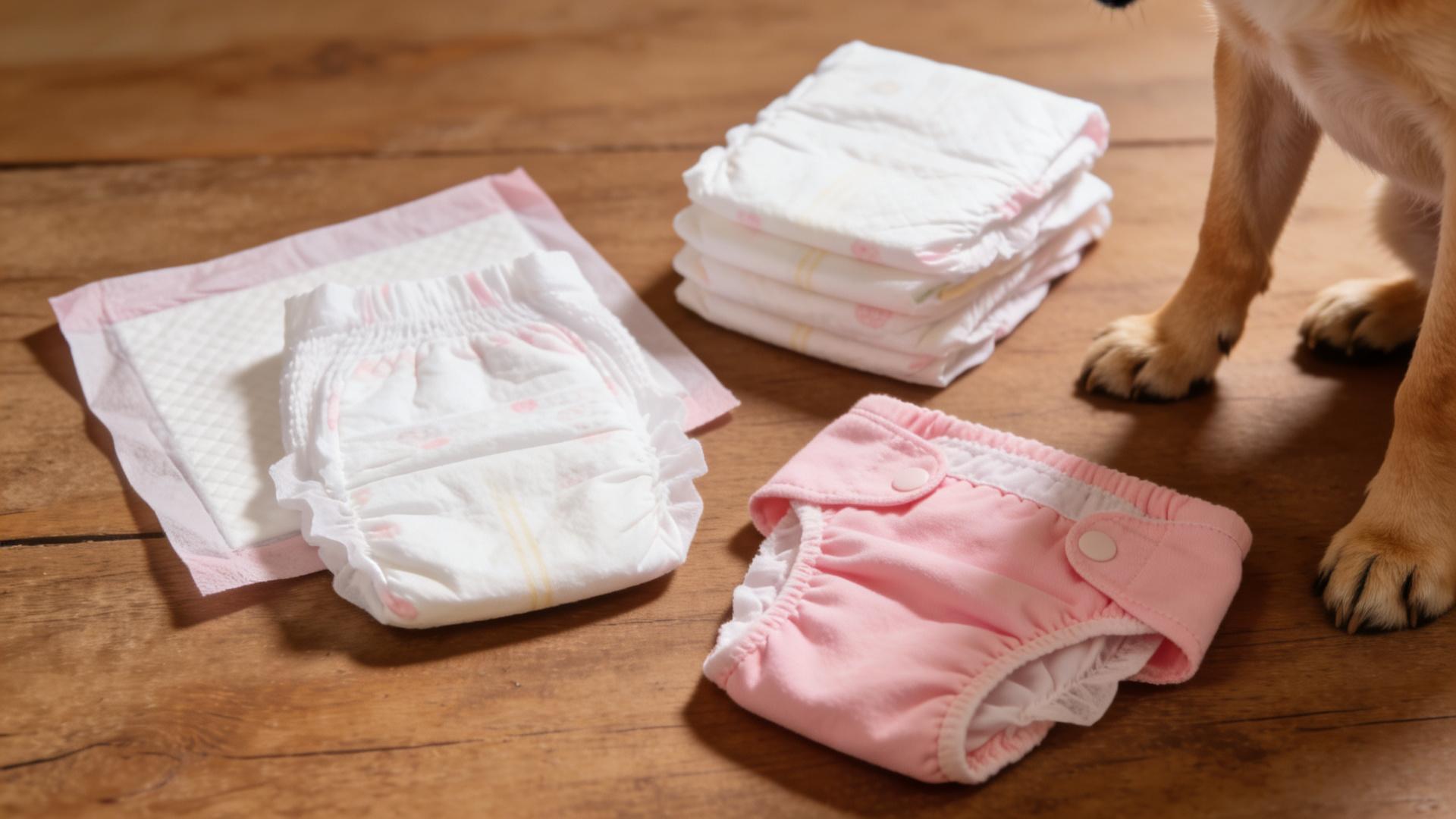
Disposable vs. Reusable Pads: A Comparison
- Disposable Dog Diapers/Pads: Convenient and highly absorbent. Ideal for busy owners or for use overnight. Look for brands with secure fasteners and breathable materials to prevent chafing.
- Reusable/Washable Dog Diapers & Pads: Eco-friendly and cost-effective in the long run. They require a dedicated washing routine (hot water, pet-safe detergent) and you’ll need several on hand for changes throughout the day.
Step-by-Step Guide to Fitting and Changing Pads
- Select the Correct Size: Measure your dog's waist (ahead of the hind legs) and weight. A proper fit is snug but not tight; you should be able to fit two fingers underneath.
- Prepare the Wrap: If using a separate wrap, place a sanitary pad (designed for dogs or a human maxi-pad with the wings tucked) inside the liner pocket.
- Secure the Garment: Gently lift your dog’s tail and bring the wrap up between her back legs. Fasten the Velcro or snaps around her waist. Ensure it’s secure enough not to slip, but not restrictive.
- Change Routinely: Change the pad every 3-4 hours, or immediately if it becomes soiled or wet. This is critical for preventing bacterial growth and skin irritation.
- Supervised "Diaper-Free" Time: Allow your dog some time without the diaper in a confined, easy-to-clean area (like a crate with a washable pad) several times a day to let her skin breathe.
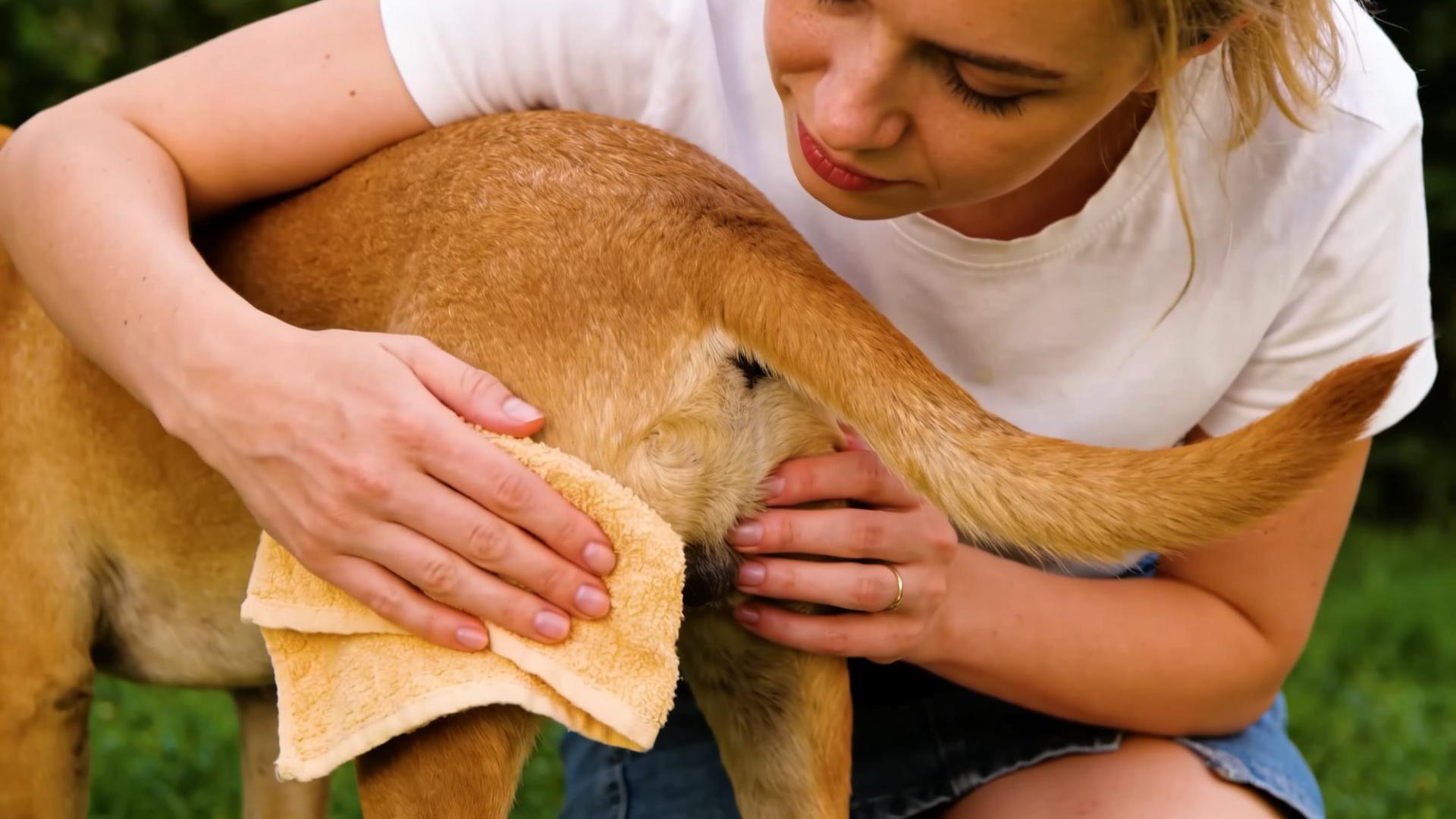
🚿 Mastering Local Cleaning for Your Female Dog in Heat
Even with the best dog sanitary pads, some discharge can accumulate on your dog’s skin and fur. Regular, gentle cleaning is non-negotiable for maintaining hygiene during canine estrus and preventing infections.
Safe Cleaning Products & Techniques
What to Use:
- Warm Water & Soft Cloth/Wipes: The simplest and often most effective method. Use a clean, soft cloth or unscented, alcohol-free baby wipes.
- Veterinary-Approved Cleansers: Ask your vet for a recommended pH-balanced, antiseptic cleanser specifically for dogs. Special Reminder: Never use human feminine hygiene products, harsh soaps, or peroxide, as they can disrupt natural pH and cause severe irritation.
How to Clean (Step-by-Step):
- Gently restrain your dog in a calm, reassuring manner. Have all supplies ready.
- Using your chosen cloth or wipe, clean the area around the vulva and any soiled fur on the hind legs or underside of the tail. Always wipe from front to back to avoid introducing bacteria to the urinary tract.
- Use a dabbing or gentle wiping motion. Do not scrub.
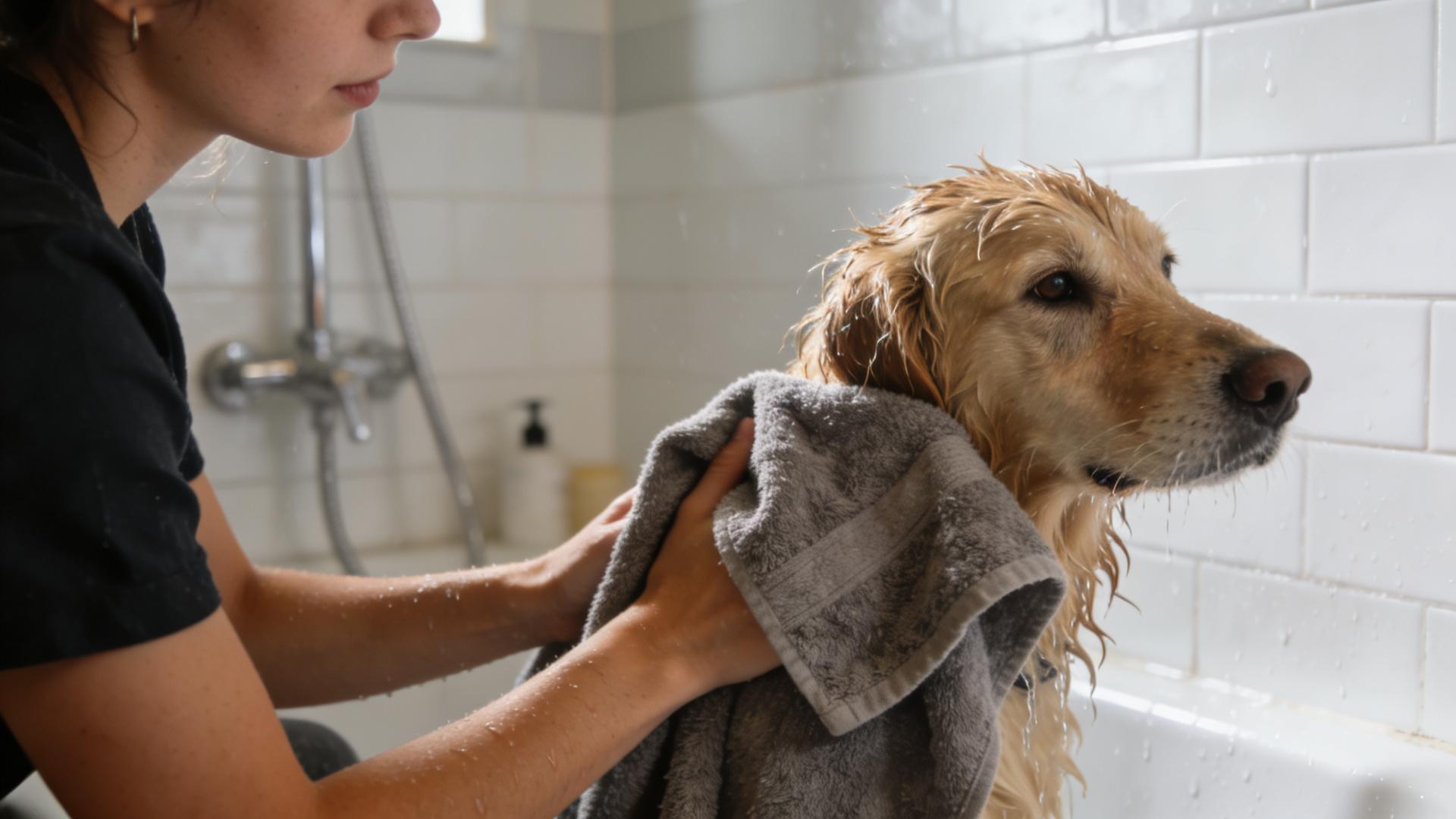
- Thoroughly pat the area completely dry with a clean, soft towel. Moisture left on the skin is a breeding ground for bacteria and yeast.
Frequency: Perform this local cleaning at every pad change, or at least 2-3 times daily.
💡 Addressing Common Concerns: Odor, Stains, and Comfort
Let’s tackle the practical challenges head-on with actionable tips.
- Managing Odor: The natural scent is potent. Beyond frequent pad changes and cleaning, consider using odor-neutralizing sprays made for pets (sprayed on the diaper, not the dog). Keeping your home well-ventilated also helps.
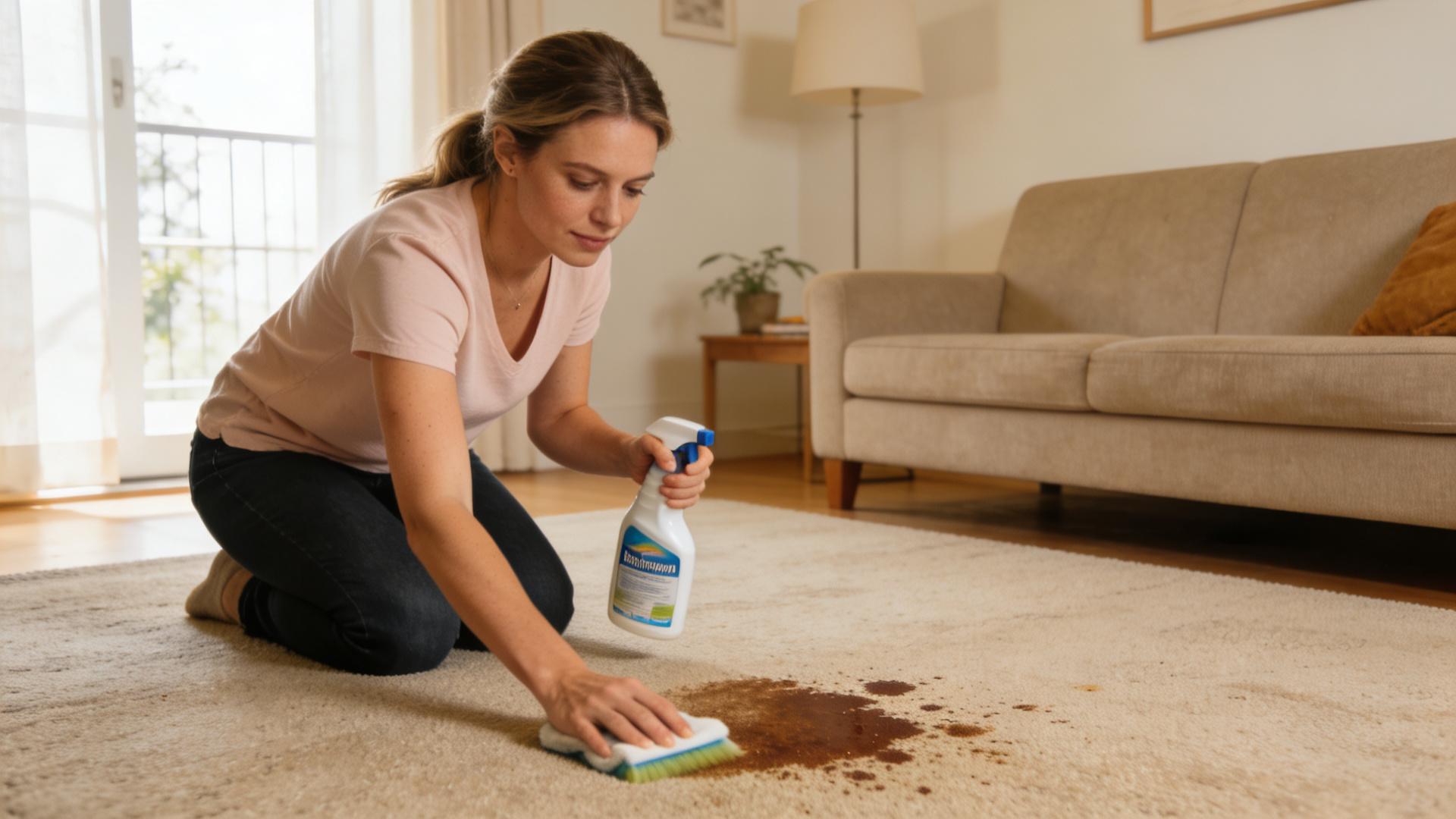
- Preventing Stains: Use machine-washable throws on your dog’s favorite furniture. For accidents on carpets, blot (don’t rub) with cold water and an enzymatic cleaner designed for pet stains.
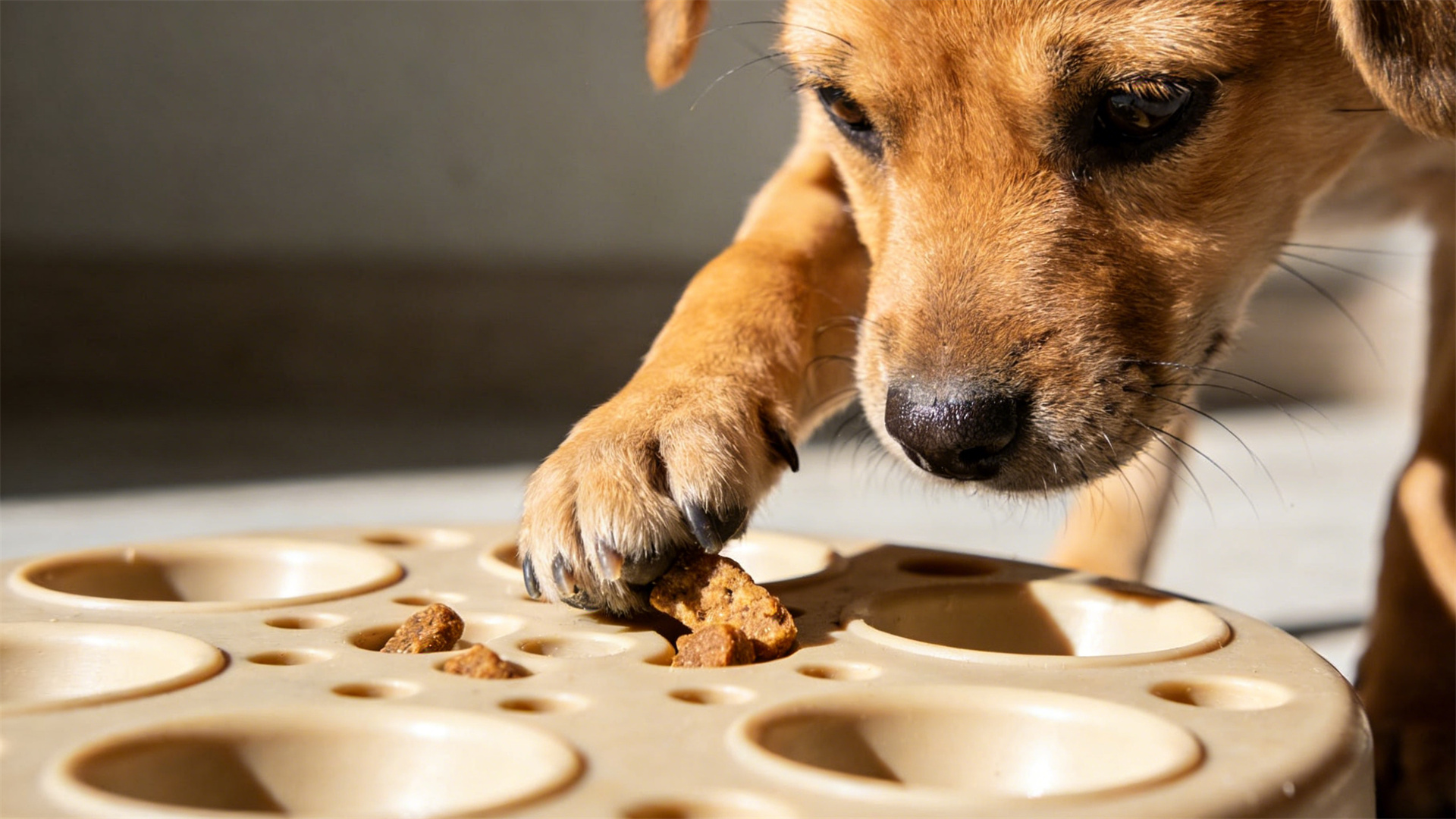
- Ensuring Dog Comfort: Watch for signs of chafing from the diaper. Apply a vet-approved barrier cream or coconut oil to protected skin if needed. Provide extra cuddles and mental stimulation (puzzle toys) to ease her restlessness.
⚠️ Health Precautions: When to Call the Vet
While the heat cycle is natural, it’s vital to stay vigilant. Your dog’s health is paramount. Contact your veterinarian immediately if you notice any of the following signs of infection or distress:
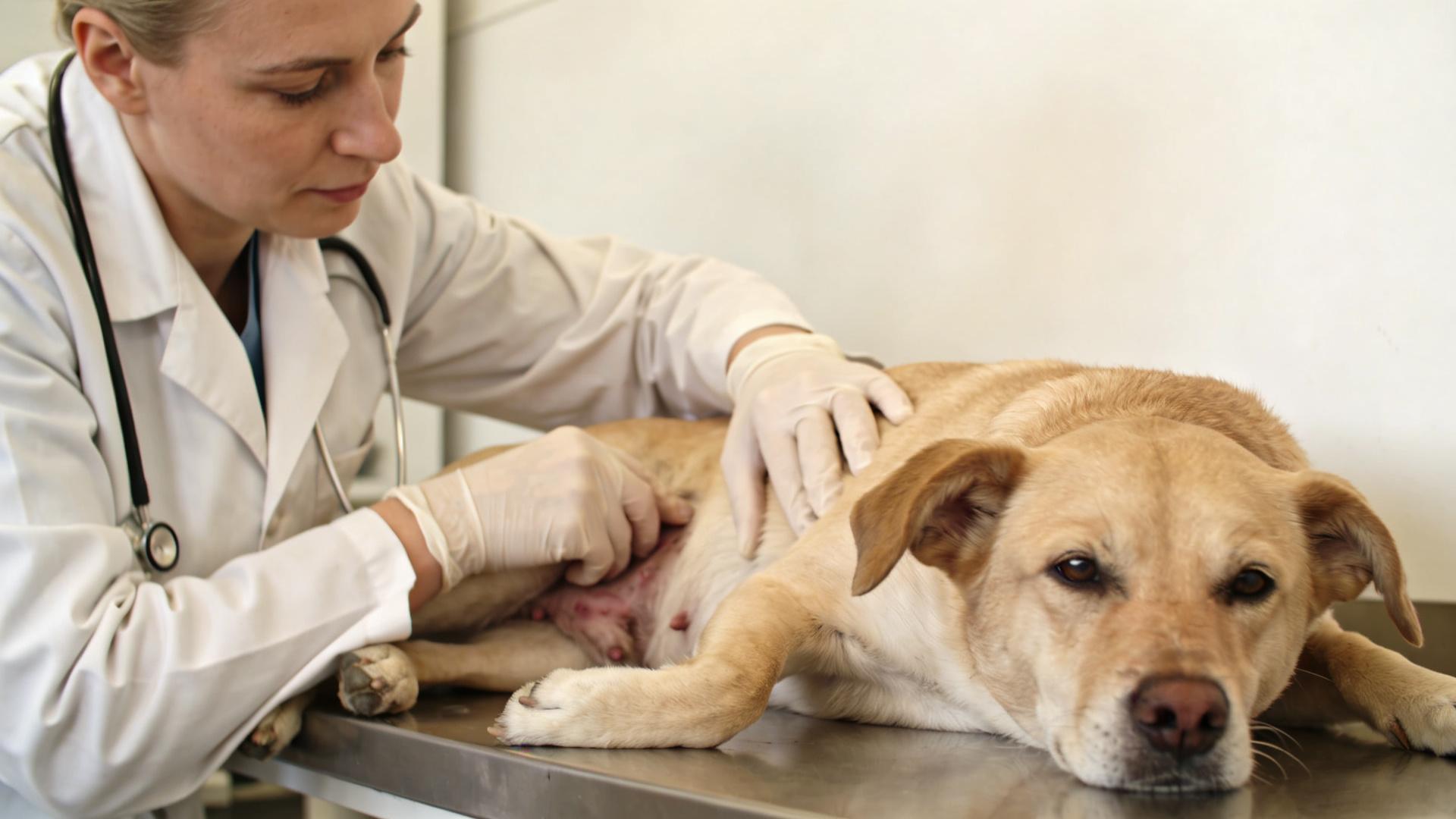
- Excessive licking of the vulvar area, indicating significant irritation or discomfort.
- Discharge that becomes thick, pus-like, or develops a foul odor (different from the normal metallic heat smell).
- Lethargy, loss of appetite, vomiting, or any sign your dog is in pain.
- Prolonged bleeding (estrus lasting more than 2 weeks) or bleeding that seems excessively heavy.
- Signs of a pyometra (a life-threatening uterine infection), which can occur after a heat cycle: excessive drinking/urination, swollen abdomen, depression.
🎯 Conclusion & Your Path Forward
Managing your female dog's heat cycle with effective hygiene practices is a profound act of care. By properly using sanitary pads and implementing gentle, consistent local cleaning techniques, you safeguard her comfort and health while maintaining a clean home. Remember, this cycle is temporary, but the bond of trust you build through this attentive care lasts a lifetime.