Every dog owner knows the joy of handing their pup a new chew toy. That immediate, tail-wagging focus is pure bliss. But beyond mere entertainment, a chew toy serves a critical role in your dog's physical and mental well-being. It's not just a plaything; it's a key tool for oral hygiene, stress relief, and instinctual satisfaction. However, the wrong choice can silently undermine your dog's gum health, leading to discomfort or even serious dental issues. This raises a pivotal question for every responsible pet parent: How does the texture—the very softness or hardness—of a chew toy influence the delicate state of a dog's gums? Let's delve into the science and expert advice to find the optimal chew for a happy, healthy smile.

🦴 The Fundamental Role of Chewing in Canine Gum Health
Chewing is a hardwired, essential behavior for dogs. From a biological standpoint, it's far more than a way to pass the time. The mechanical action of chewing on an appropriate item provides vital gum stimulation. As your dog gnaws, the toy gently massages the gum tissue. This action:
- Promotes Healthy Blood Circulation: Just like massaging our own muscles, chewing increases blood flow to the gums. This delivers essential oxygen and nutrients, strengthening the tissue and supporting its natural defense mechanisms.
- Helps Remove Plaque: While not a substitute for brushing, the scraping action against the tooth surface and at the gumline can help dislodge plaque before it mineralizes into tartar. Tartar buildup is a primary culprit behind gum disease (gingivitis).
- Provides Mental and Emotional Balance: Chewing releases endorphins, nature's calming chemicals. This can reduce anxiety and boredom, which indirectly supports overall health, including a less stressed immune system.
Therefore, selecting a chew toy is fundamentally about selecting a tool for preventive dental care. The wrong texture, however, can render this tool ineffective or even harmful.
😌 Evaluating Soft Chew Toys: Benefits and Considerations for Gums
Soft chew toys, often made from plush, rubber, or flexible vinyl, are beloved by many dogs, especially gentle chewers, seniors, and puppies.
Positive Impact on Gum Health:
- Ideal for Gentle Massage: For dogs with sensitive mouths, recovering from dental procedures, or in the teething phase, a soft toy provides a soothing pressure that stimulates gums without causing trauma.
- Safe for Compromised Teeth: Dogs with pre-existing dental issues, worn enamel, or older dogs with weaker teeth are safer with soft options that won't cause fractures.
- Encourages Chewing Engagement: Their appealing texture often encourages longer chewing sessions, which extends the period of beneficial gum stimulation.
Potential Risks and Limitations:
- Special Reminder: Insufficient Plaque Removal: Very soft toys may not provide enough abrasive action to effectively scrape away plaque, limiting their dental health benefits.
- Rapid Destruction Risk: Powerful chewers can quickly shred soft toys, creating choking hazards or causing intestinal blockages if pieces are swallowed.
- Harboring Bacteria: Damaged soft toys can trap moisture and saliva, becoming breeding grounds for bacteria that could then be introduced to the gums.
Key Takeaway: Soft chew toys are excellent for gum massage and sensitivity but should be closely monitored for damage and may need to be paired with other dental chews for comprehensive plaque control.

💎 Evaluating Hard Chew Toys: Benefits and Caveats for Gums
Hard chew toys include items like dense rubber (e.g., Kong Classic), nylon bones, antlers, hooves, and hard plastics. They are marketed for durability and often as superior dental chew toys for dogs.
Positive Impact on Gum Health:
- Superior Plaque and Tartar Control: The firm texture provides a more effective scraping action against tooth surfaces, making them potent tools in the fight against plaque buildup and, by extension, gum disease.
- Strong Gum Stimulation: They can offer a more intense, satisfying chewing experience that robustly exercises the jaw muscles and massages the gums.
- Long-Lasting Engagement: Their durability satisfies a powerful chewer's instinct and keeps them occupied for extended periods.
Potential Risks and Warnings:
- Special Reminder: Tooth Fracture Risk: This is the #1 concern. Excessive hardness, especially with materials like antlers, bones, or hard nylon, can crack or break teeth (carnassial slab fractures are common). A broken tooth is painful and opens a direct pathway for infection to the root and jawbone.
- Gum Trauma: If a toy has sharp edges or splinters, or if a dog chews with excessive force, it can cause cuts, abrasions, or bruising to the delicate gum tissue.
- Wear and Tear on Enamel: Over time, chewing on extremely hard surfaces can contribute to premature enamel wear.
Key Takeaway: Hard chew toys can be excellent for gum health and dental cleaning but carry a significant risk of dental damage. The "fingernail test" is a good rule of thumb: if you can't indent it with your fingernail, it's too hard for your dog's teeth.

🔍 Key Factors for Selecting the Right Chew Toy Texture
There is no universal "best" chew toy. The optimal choice is a personalized one, balancing your dog's unique needs with the toy's properties. Consider this checklist:
Consider your dog's age:
Puppies: Need softer, forgiving textures for teething gums. Look for specific teething toys.
Adults: Can handle a range of textures based on chewing style and dental health.
Seniors: Often revert to softer options due to worn teeth or sensitive gums.
Consider your dog's chewing style:
The Gentle Nibbler: Does well with soft to medium rubber, plush, or vinyl.
The Moderate Chewer: Ideal candidate for durable rubber (like Kongs) and firm nylon.
The Power Chewer/Aggressive Destroyer: Needs extremely durable, safe rubber toys. Avoid hard bones, antlers, and hooves due to high fracture risk.
Consider your dog's dental history:
Has existing gum disease or gingivitis? Consult your vet first; a softer toy may be recommended initially.
Has had tooth extractions or fractures? Stick to very soft options.
Prone to rapid tartar buildup? A textured, firm rubber toy designed for plaque removal can be beneficial.

👩⚕️ Veterinarian Recommendations for Optimal Gum Care
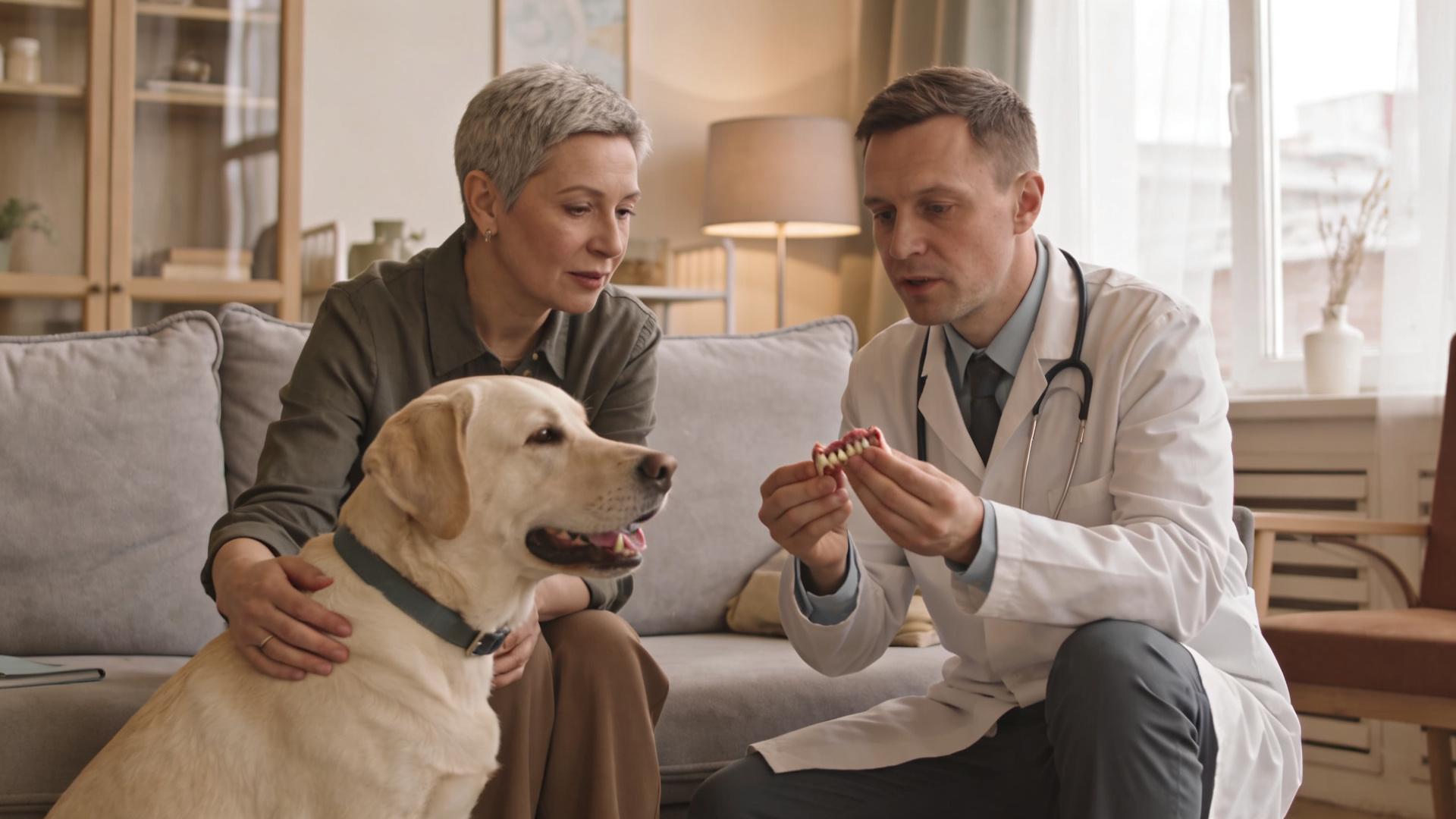
Veterinary dental experts provide clear guidelines to navigate the soft vs hard chew toys dilemma. Their consensus prioritizes safety above all.
1. The "Flexible Yet Durable" Standard: Most vets recommend chew toys made from high-quality, durable rubber that has some give. Brands like Kong (classic rubber) are frequently endorsed because they are tough enough to last but will yield under significant pressure, distributing force and reducing fracture risk while still cleaning teeth.
2. Avoid "Too-Hard" Materials: Veterinarians consistently advise against natural bones (cooked or raw), antlers, hooves, and hard plastic or nylon bones that don't bend. The risk of broken teeth and emergency dental surgery is too high.
3. Look for Veterinary Oral Health Council (VOHC) Seal: For dental chews specifically, the VOHC seal is the gold standard. It means the product has been scientifically tested and proven to reduce plaque and/or tartar. This takes the guesswork out of selecting effective dental health chew toys.
4. Supervision is Non-Negotiable: No chew toy is 100% safe unsupervised. Regularly inspect toys for wear, tears, or pieces that could break off. Discard them once they become a hazard.

5. Integrate with a Complete Oral Care Routine: A chew toy is one tool, not the entire toolbox. For optimal gum health, combine appropriate chewing with:
- Regular veterinary dental check-ups.
- Daily tooth brushing with dog-specific toothpaste (the gold standard).
- Possible water additives or dental diets as recommended by your vet.

🎯 Your Action Plan for Healthier Gums
Choosing the right chew toy is an act of proactive care. By understanding the impact of chew toy on gums, you can make an informed decision that brings joy to your dog and peace of mind to you. Remember, the goal is to find a toy that is challenging enough to provide cleaning and stimulation but forgiving enough to protect those precious teeth and gums.
Special Reminder: When in doubt, consult your veterinarian. They can assess your dog's individual oral health status, chewing power, and risk factors to provide the most personalized, safe recommendation for maintaining gum health with chew toys.