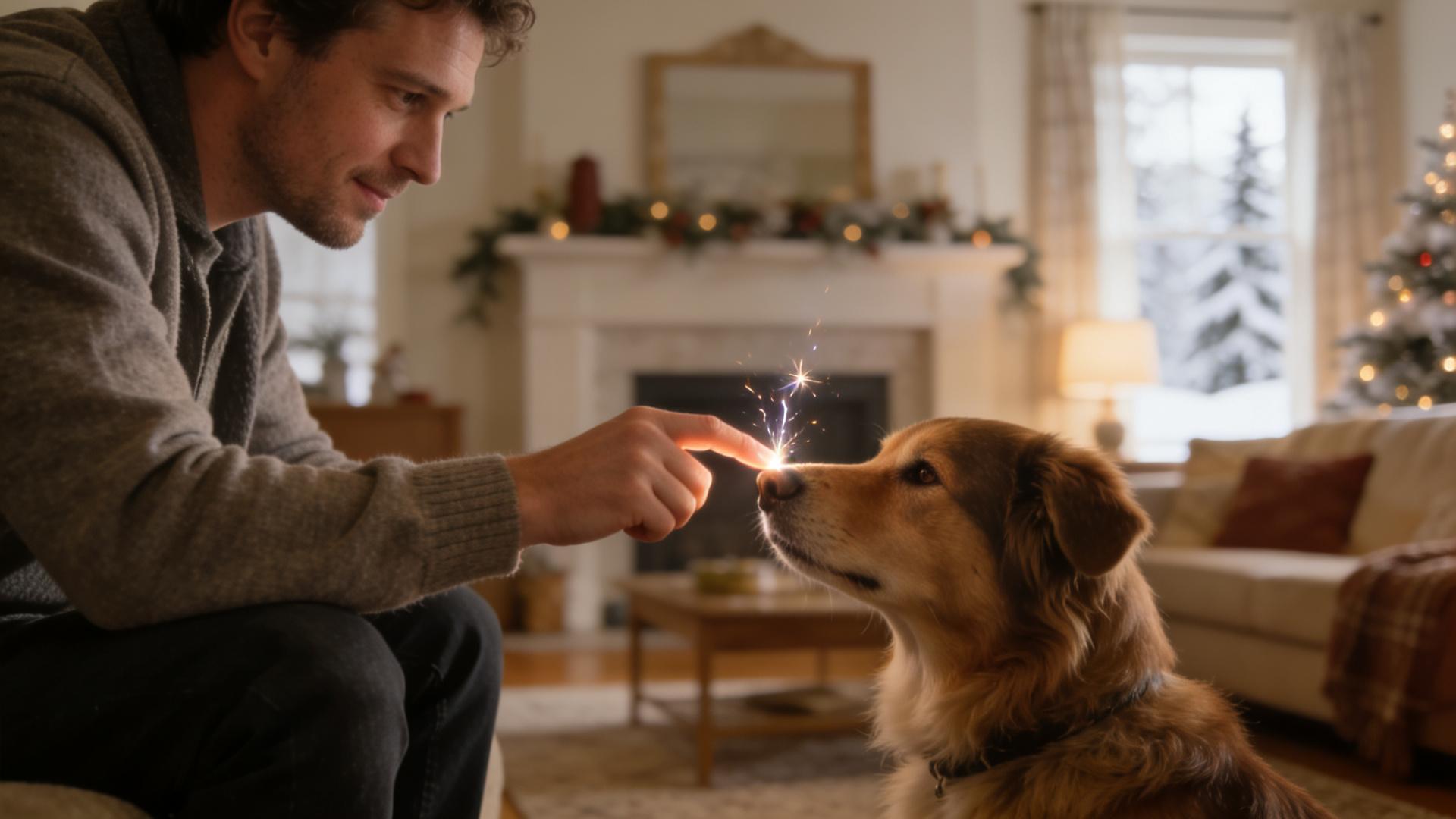
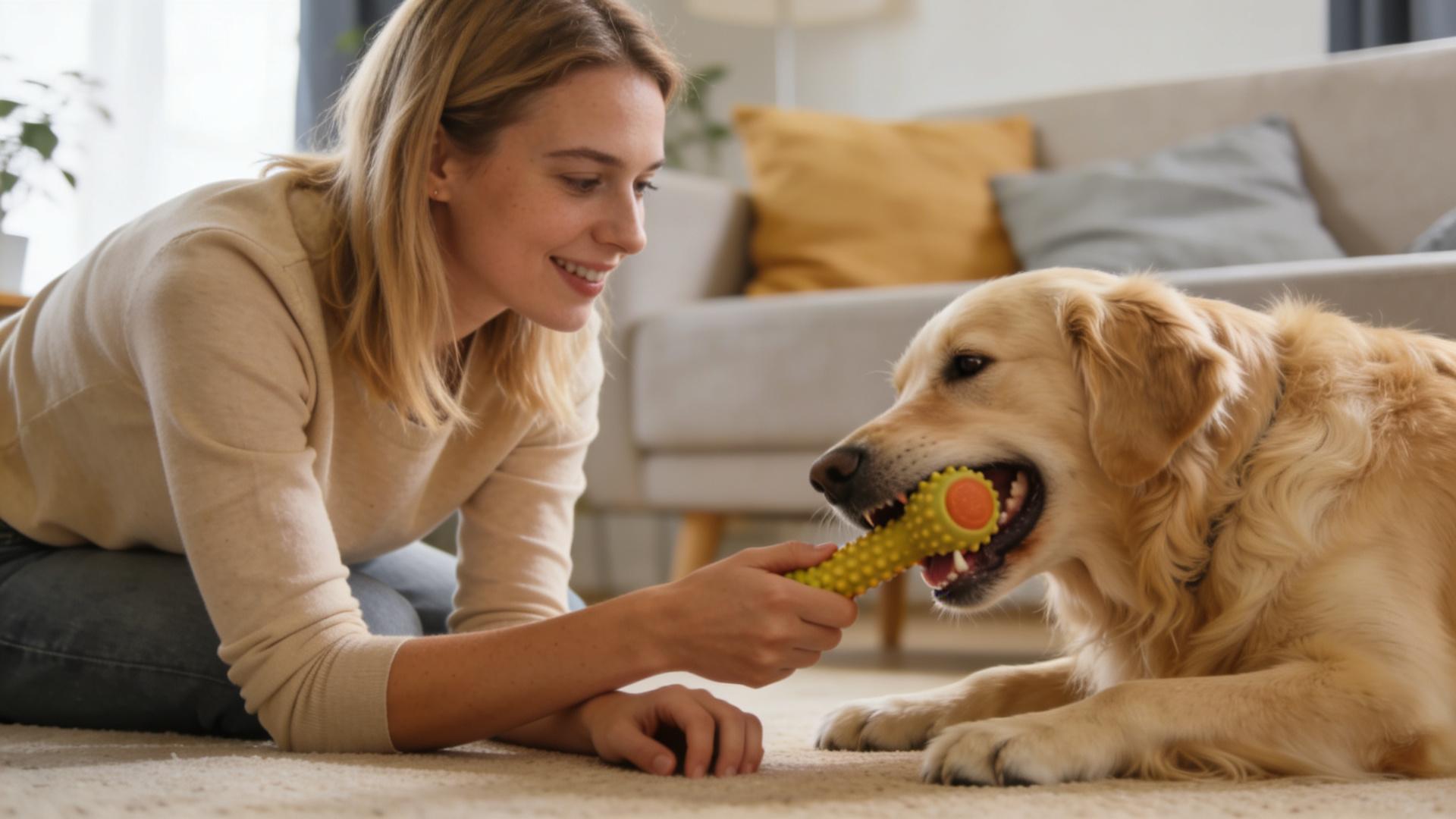
To your dog, your home is not just a house; it's an uncharted continent of fascinating smells, intriguing textures, and hidden treasures waiting to be discovered. That sunbeam on the floor? A perfect nap zone. That dusty space behind the couch? A potential trove of forgotten snacks. That bundle of cables? A curious chew toy. As loving owners, we see a sanctuary, but through a canine lens, it's a landscape of adventure—and potential peril. A true home safety hazard investigation requires a fundamental shift in perspective. This guide is your manual for that shift. We will move systematically from room to room, learning to see, assess, and eliminate dangers from your dog's point of view, transforming your living space into a truly secure haven.
🔍 The Investigative Framework: Getting to "Paw-Level"
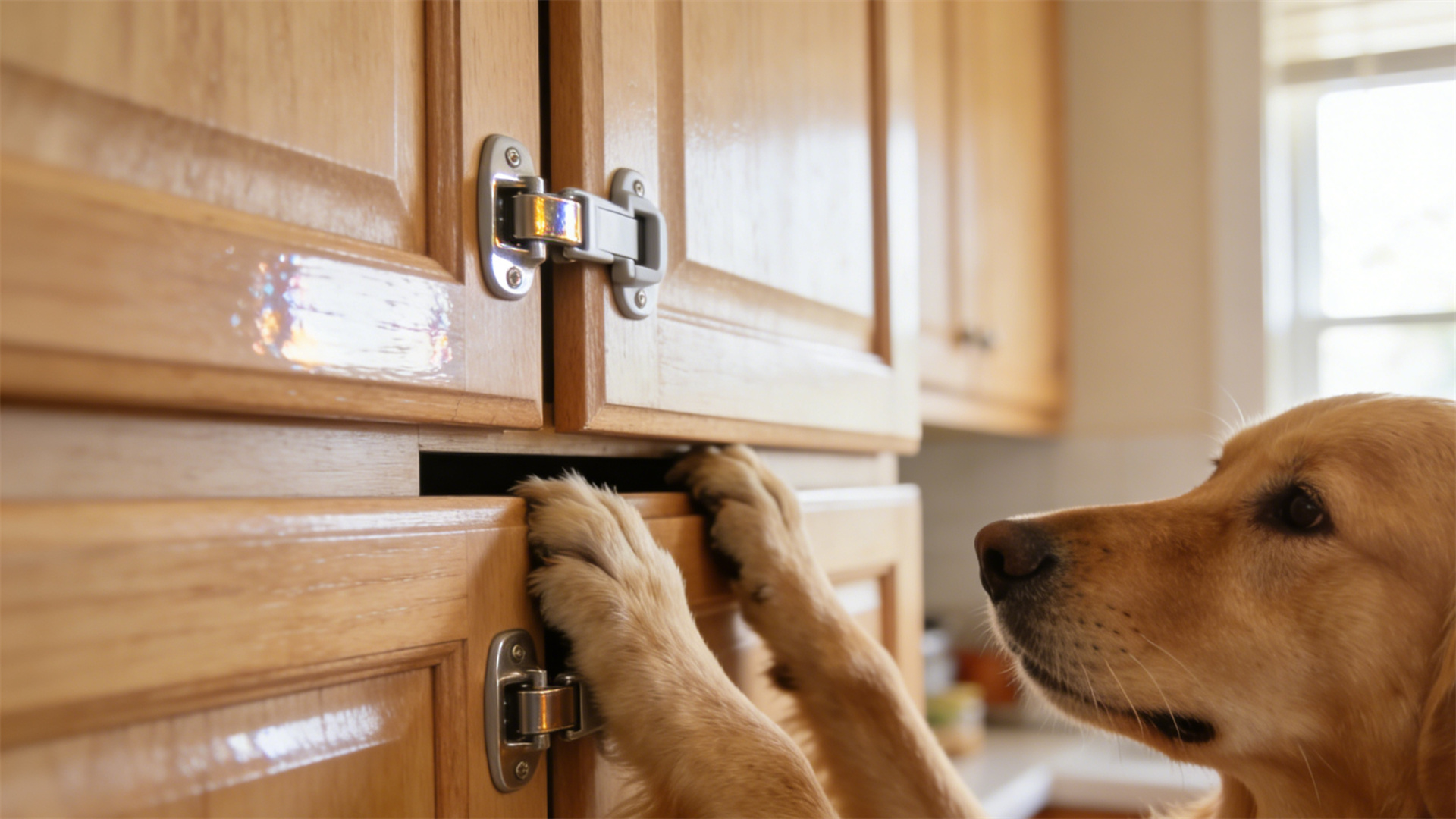
Before we audit a single room, you must adopt the core methodology. The most effective tool in your pet-proofing arsenal isn't a gadget—it's your own body. Get down on your hands and knees. Crawl. Look around. What is within tongue's reach? What dangles enticingly? What small, shiny object is tucked under the radiator? This "paw-level patrol" is the single most important action you can take. You'll be amazed at the hazards you've literally been overlooking. Commit to doing this in every area we cover.
The Room-by-Room Hazard Audit
The Kitchen Investigation:
Hazard. Household cleaners, chemicals, and pest baits under the sink or in low cabinets. Risk. Chemical poisoning, burns to the mouth and esophagus, or internal bleeding from rodenticides. Mitigation. Install secure, child-proof latches on all accessible cabinets. Consider storing the most toxic items in a high, locked cabinet.
Hazard. Access to trash cans and recycling bins. Risk. Intestinal blockage from indigestible materials, poisoning from moldy food, or injury from sharp can lids. Mitigation. Use a can with a secure, locking lid or store it inside a latched pantry or cabinet.
Hazard. Access to the dishwasher during or after a cycle. Risk. Burns from steam or hot utensils, and ingestion of leftover detergent pods which are highly corrosive. Mitigation. Keep the dishwasher door closed and latched at all times, and run it when your dog is not unsupervised in the kitchen.
Hazard. Counter-surfing and access to cooking areas. Risk. Burns from hot stovetops or pans, ingestion of toxic foods left out, or injury from knocked-over appliances. Mitigation. Use stove knob covers, keep countertops clear, and utilize baby gates to block kitchen access when cooking.
The Living Room Investigation:
Hazard. Electrical cords from lamps, TVs, and chargers. Risk. Electrocution, severe mouth burns, or fire hazard from chewed wiring. Mitigation. Use cord concealers, PVC piping, or bitter apple spray. Unplug cords when not in use.
Hazard. Small, chewable objects: remote controls, children's toys, batteries, etc. Risk. Choking, intestinal blockage, or battery acid poisoning. Mitigation. Implement a "clean floor" policy. Use baskets with lids for remotes and small items.
Hazard. Unstable furniture or top-heavy items like floor lamps and bookshelves. Risk. Traumatic injury from tipping furniture, especially for climbing or rambunctious dogs. Mitigation. Anchor furniture and televisions securely to the wall.
Hazard. Fireplace, space heaters, and candles. Risk. Severe burns, singed fur, or fire. Mitigation. Use sturdy fireplace screens, keep heaters in guarded areas, and never leave open flames unattended.
The Home Office Investigation:
Hazard. Office supplies: pens, staples, paper clips, rubber bands. Risk. Choking, gastrointestinal puncture, or obstruction. Mitigation. Keep all supplies in drawers with secure latches. Be vigilant about dropped items.
Hazard. Medications, both prescription and over-the-counter. Risk. Toxic overdose leading to kidney failure, liver damage, or neurological issues. Mitigation. Store all medications in a closed cabinet, never in purses, backpacks, or nightstands accessible to your dog.
Hazard. Chewing on wooden furniture legs or drywall. Risk. Intestinal blockage from splinters, or dental damage. Mitigation. Provide ample appropriate chew toys. Use taste deterrents on furniture and address chewing behavior with training and enrichment.
The Bedroom & Bathroom Investigation:
Hazard. Personal care products: medications, dental floss, cotton swabs, makeup, nicotine gum. Risk. Toxicity or intestinal blockage/linear foreign body (especially from string-like items). Mitigation. Keep all items in drawers or closed cabinets. Use a lidded trash can in the bathroom.
Hazard. Laundry hampers and access to clothing. Risk. Life-threatening intestinal blockage from ingested socks, underwear, or towels. Mitigation. Use a hamper with a secure lid and keep bedroom and bathroom doors closed.
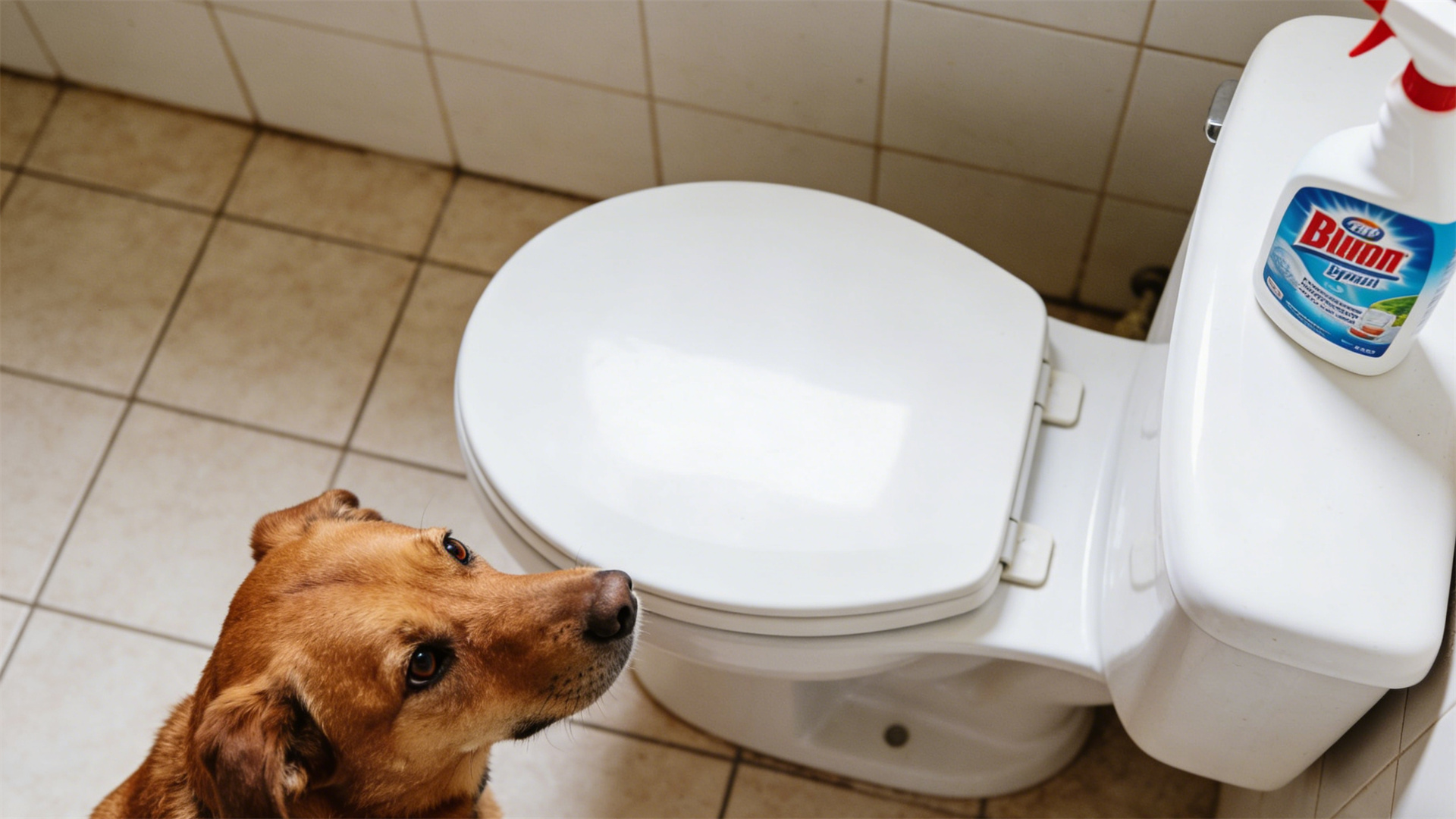
Hazard. Toilet bowl water with cleaning tablets or chemicals. Risk. Chemical poisoning or burns. Mitigation. Keep the toilet lid closed at all times and avoid using automatic tank or bowl cleaners.
The Garage & Utility Area Investigation:
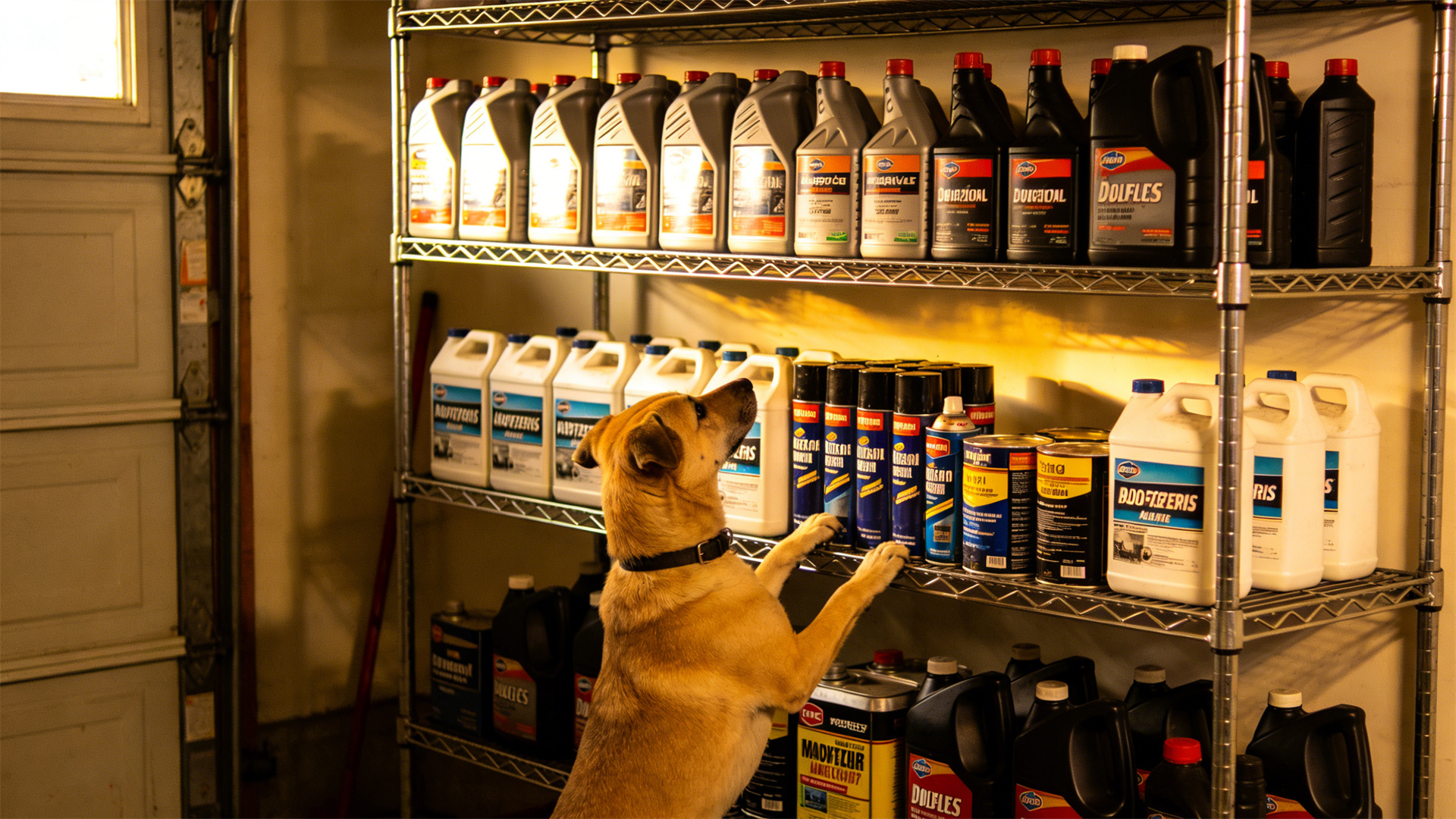
Hazard. Antifreeze, motor oil, paints, pesticides, and fertilizers. Risk. Extreme, often fatal, toxicity. Antifreeze is sweet-tasting and causes rapid kidney failure. Mitigation. Store all chemicals on high shelves in locked cabinets. Clean up any spills immediately and thoroughly.
Hazard. Tools, nails, screws, and other hardware. Risk. Puncture wounds, choking, or internal injury. Mitigation. Keep all tools and hardware in sturdy, closed toolboxes or cabinets.
Hazard. Small, dark hiding spaces. Risk. A dog can become trapped behind appliances, under workbenches, or in other spaces. Mitigation. Block off unsafe nooks and crannies with plywood or storage boxes.
⚠️ High-Risk Evidence: Special Attention Items
Some hazards are so severe they demand their own spotlight. These are the items that cause the most frequent and devastating emergencies.
Toxic Foods: Many common human foods are poisonous to dogs. Xylitol, an artificial sweetener found in sugar-free gum, peanut butter, and baked goods, causes a rapid and severe drop in blood sugar and liver failure. Chocolate (especially dark and baking chocolate) contains theobromine, causing vomiting, seizures, and heart issues. Grapes and Raisins can cause sudden kidney failure. Onions, Garlic, and Chives damage red blood cells, leading to anemia. Keep these items completely inaccessible.
Electrical Cords: The act of chewing a live cord can be instantly fatal. For puppies and chronic chewers, treat cords like venomous snakes. Use rigid cord covers as your first line of defense, as they are harder to bite into, and supplement with bitter sprays. Never rely on spray alone for a determined chewer.
Small Chokeable Objects: This category is vast. It includes children's toys, coins, jewelry, hair ties, bottle caps, and especially batteries (which cause chemical burns in addition to blockage). The "toilet paper tube test" is a good rule: if it fits inside, it's a choke hazard.
Toxic Plants: Common houseplants can be silent hazards. Sago Palm is highly toxic, causing vomiting, liver failure, and death. Lilies are extremely dangerous to cats, and some varieties can harm dogs. Philodendron, Dieffenbachia, and Pothos contain oxalates that cause oral irritation and swelling. Always identify your plants and remove toxic species.
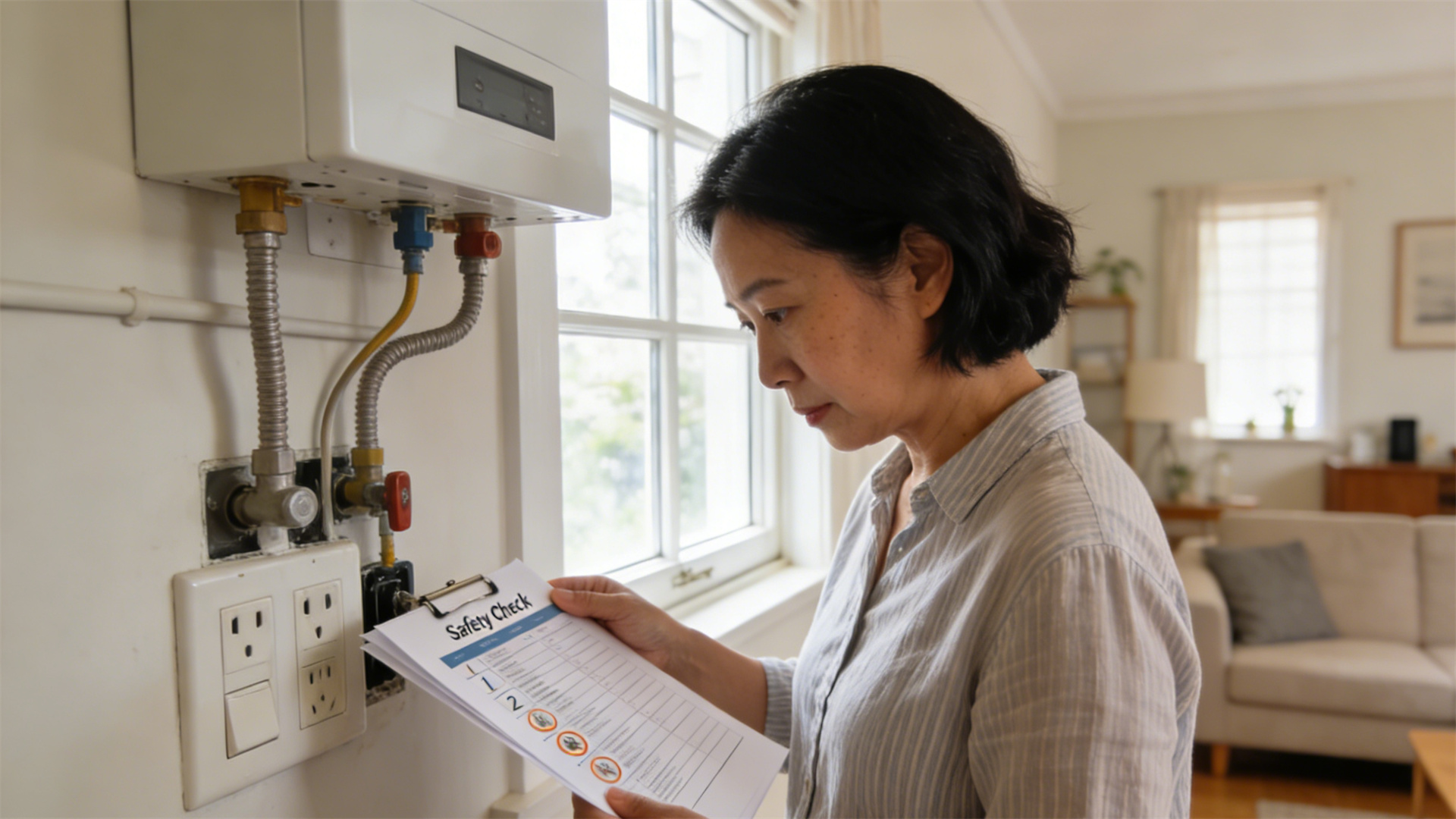
📋 The Canine Safety Checklist: Your Investigator's Final Report
Use this actionable checklist to conduct your final walk-through. Every item should be marked "Secure."
All human medications and supplements are stored in secure, elevated cabinets.
All household cleaners, chemicals, and automotive products are behind locked or child-proof latches.
All trash and recycling bins have secure, locking lids or are kept inside latched cabinets.
All loose electrical cords are secured inside cord concealers, treated with bitter spray, or made inaccessible.
All small, chewable objects (toys, batteries, jewelry, etc.) are picked up off floors and low tables.
All toxic foods (chocolate, xylitol products, grapes, etc.) are stored securely out of reach.
All toxic houseplants have been identified and either removed or placed completely out of access.
Heavy furniture and electronics (bookshelves, TVs) are anchored to the wall.
Fireplaces have sturdy screens, and space heaters are guarded and unplugged when not in use.
Toilet lids are kept closed, and bathroom trash cans have lids.
Laundry (especially socks and underwear) is kept in closed hampers.
Your dog's microchip and ID tag information is current.
The phone numbers for your veterinarian, the nearest emergency vet, and the ASPCA Animal Poison Control Center (888-426-4435) are saved in your phone.
Conclusion: An Ongoing Mission of Care
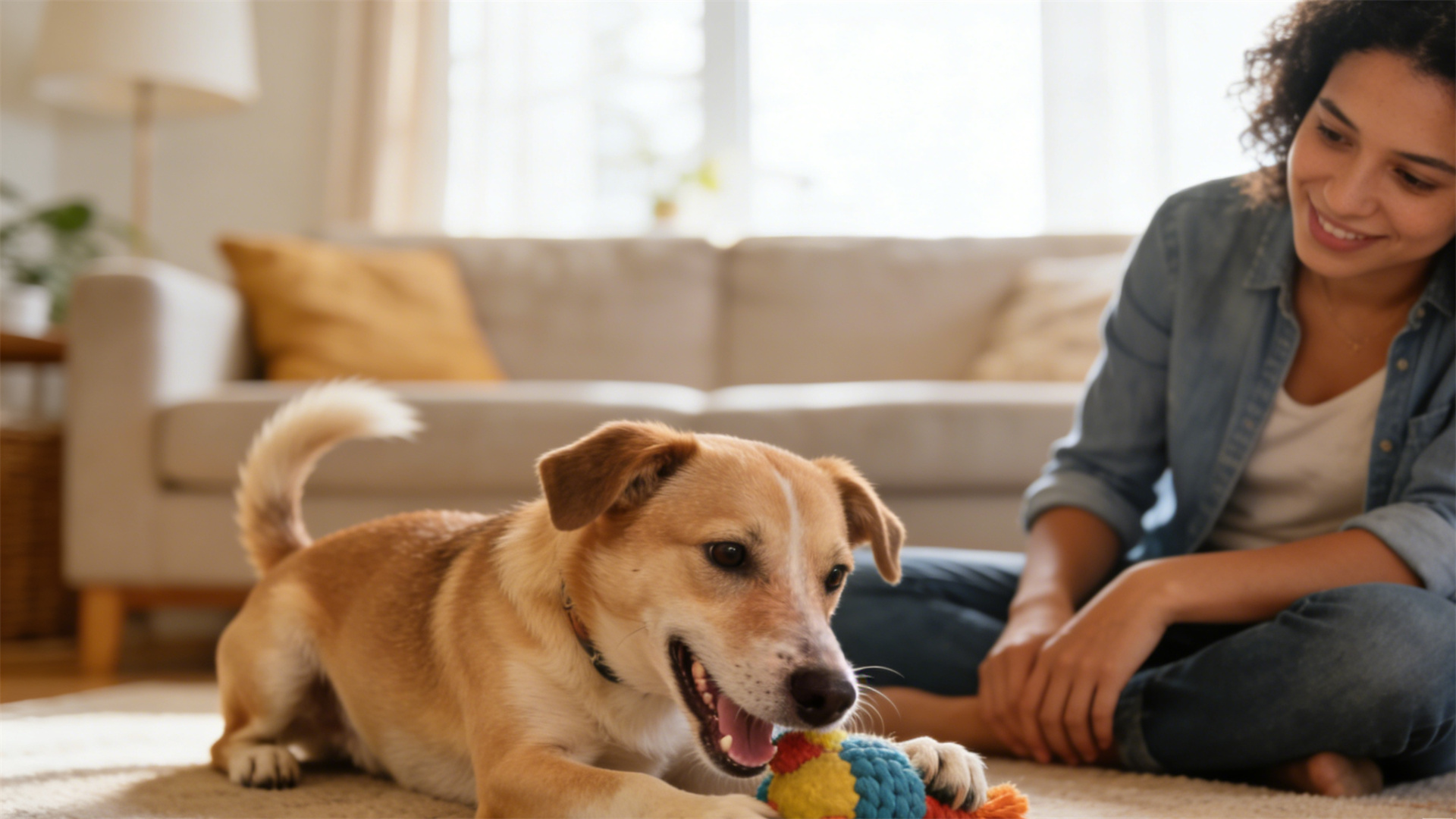
A thorough home safety hazard investigation for dogs is not a one-time event. It is an ongoing process of vigilance and adaptation. As your dog grows, learns new skills, or as your household changes, new risks will emerge. A new puppy will discover dangers you swore you'd eliminated. An older dog might start counter-surfing out of newfound boredom. Regularly revisiting the "paw-level patrol" is the best practice. By adopting this proactive, canine-centric mindset, you move from reacting to accidents to preventing them. This diligence is the ultimate act of love—it creates the safe, predictable environment where your dog's curiosity can flourish without risk, allowing them to truly thrive in the home you share. You are not just a pet owner; you are their guardian and safety engineer. Your consistent effort builds the foundation for a long, happy, and healthy life together.