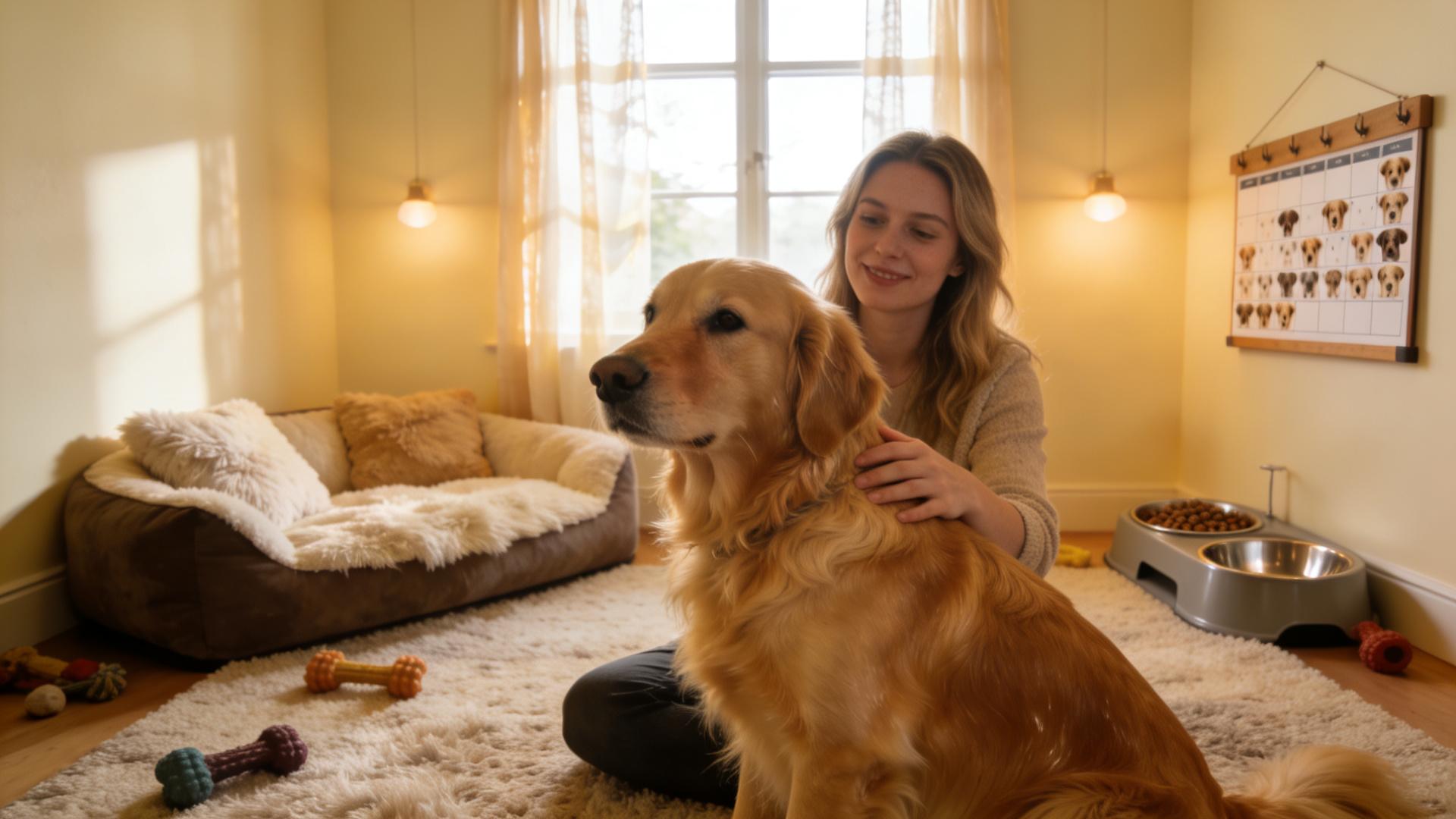
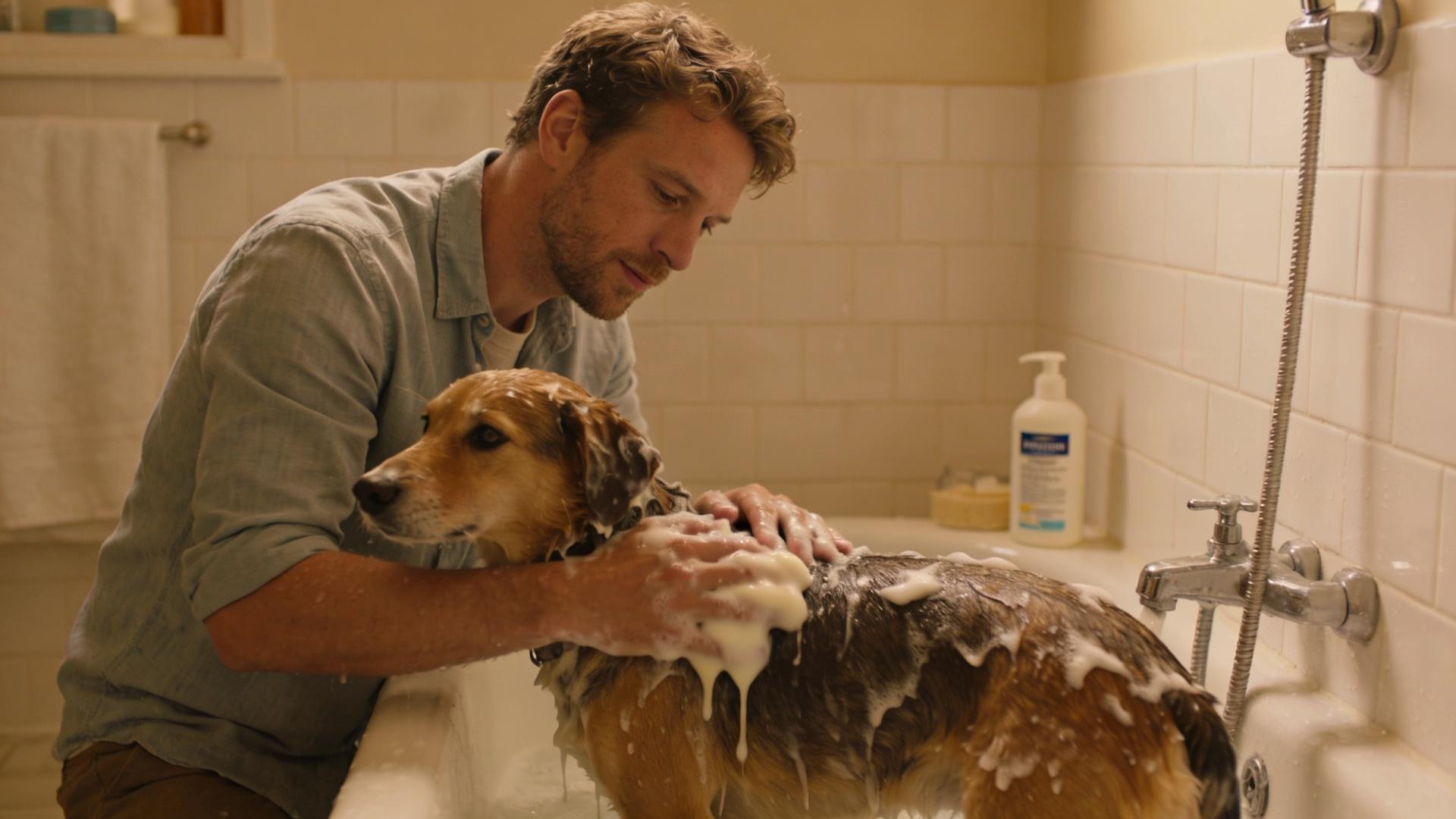
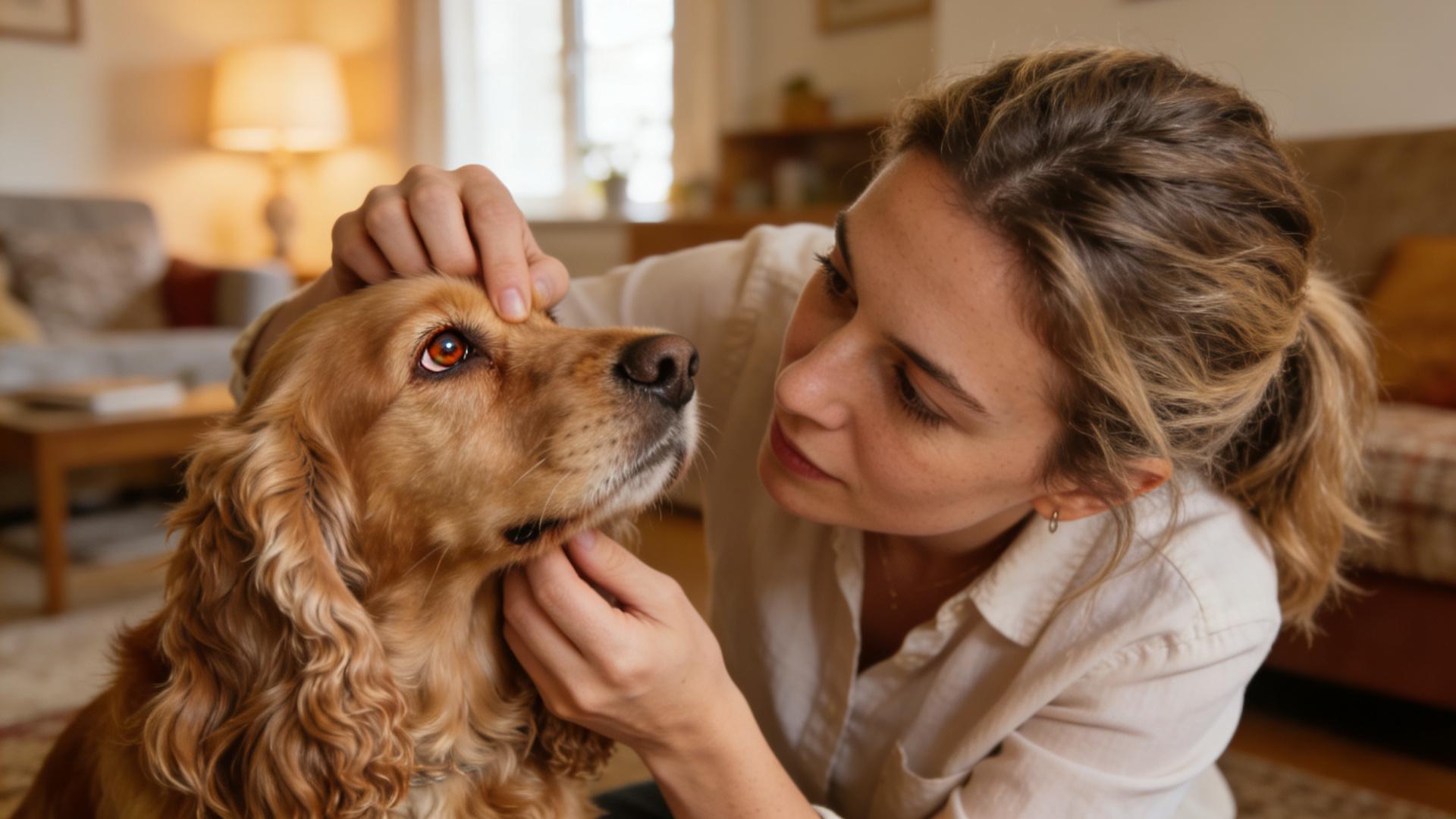
For any dog parent, the sight of their furry friend gleefully shredding a new toy is pure joy. Toys are not just playthings; they are essential tools for mental stimulation, dental health, and combating boredom. However, lurking beneath that playful exterior of a worn-out squeaky toy or a beloved plush lamb is a potential health hazard few consider. Without a rigorous protocol for maintenance, the very objects meant to enrich your dog's life can become silent threats, leading to costly vet visits, emergency surgeries, or worse. This comprehensive guide dives deep into the non-negotiable cleaning and discarding standards for dog toys, arming you with the knowledge to prevent dangerous intestinal blockages from ingested toy fragments.
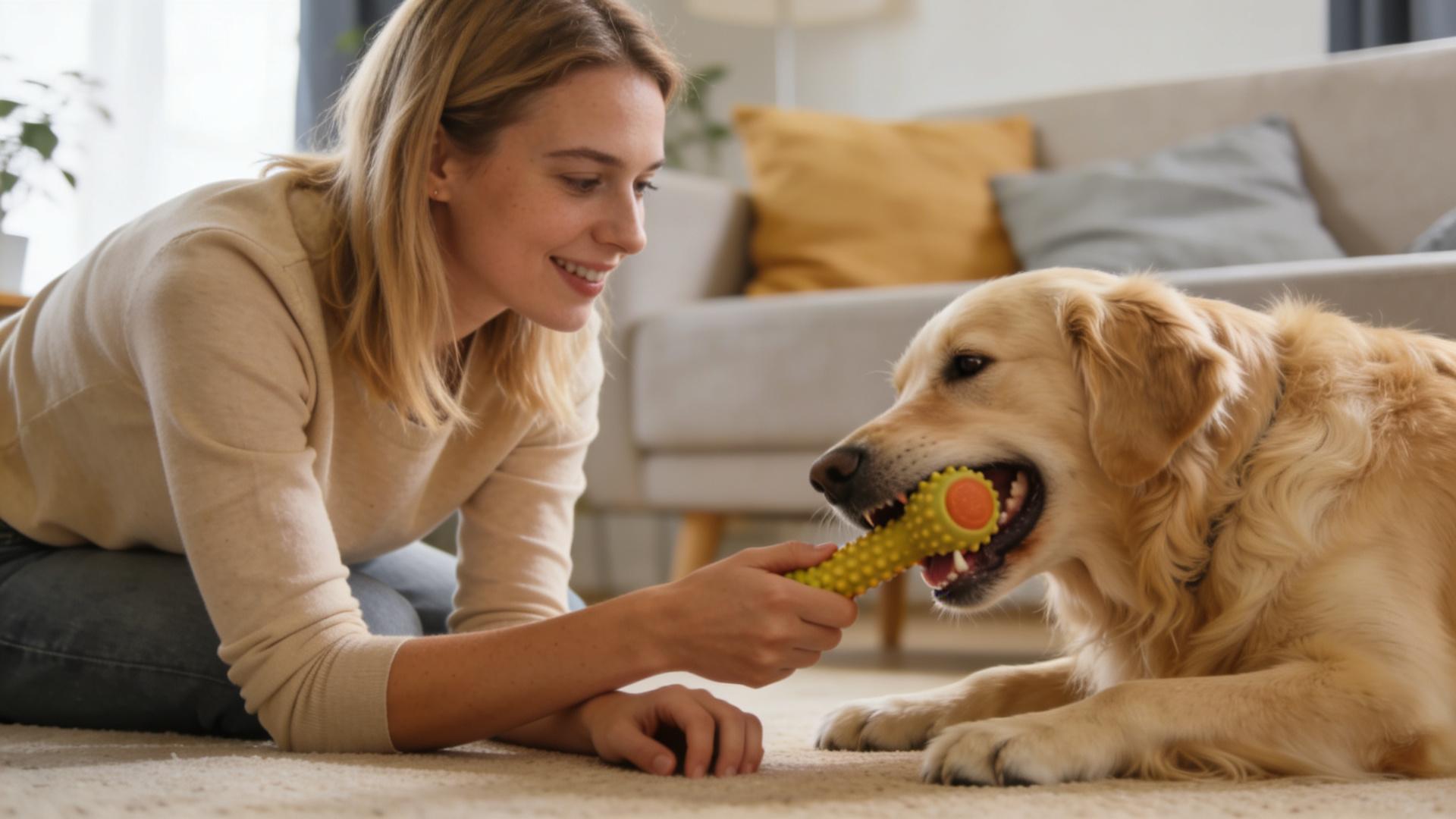
🦠 The Unseen Danger: From Playtime to Peril
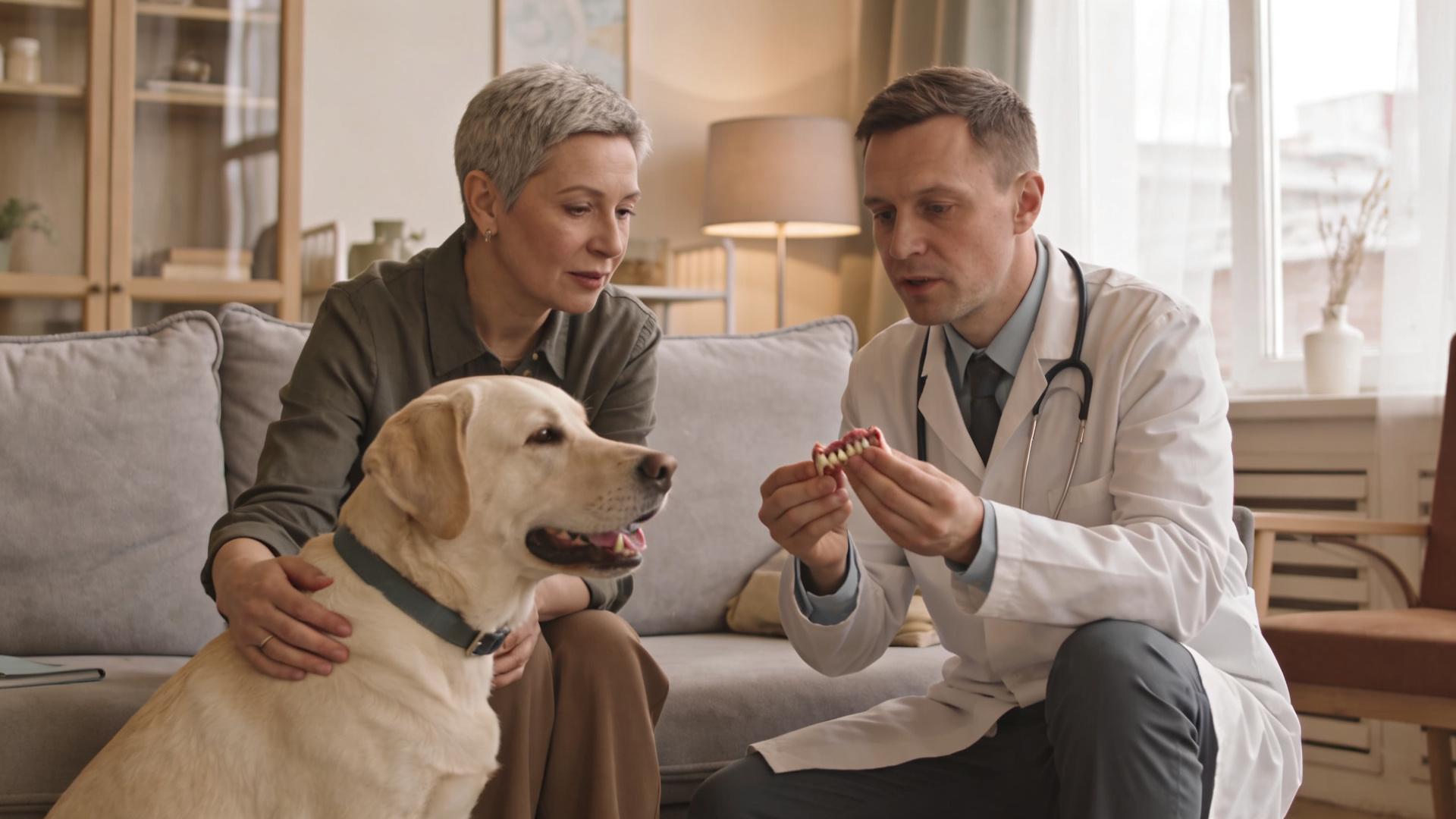
Every chew, every toss, and every slobbery gnaw breaks down a toy's material. Micro-crumbs of rubber, tiny strands of rope, and clumps of stuffing can be accidentally swallowed. While a single fragment might pass harmlessly, cumulative ingestion is the real concern. These foreign materials can coalesce in the digestive tract, forming a physical obstruction that prevents the normal passage of food and fluids. Symptoms can be subtle at first—lethargy, decreased appetite, vomiting—but can escalate rapidly to a life-threatening condition requiring invasive intervention. The cornerstone of prevention is a two-pronged approach: systematic cleaning and timely discarding.
🧼 Part 1: The Gold Standard for Cleaning Dog Toys
Regular cleaning does more than just remove dirt and slobber; it eliminates pathogenic bacteria like E. coli and Salmonella, disrupts biofilm formation, and allows you to conduct essential wear-and-tear inspections. A one-size-fits-all approach can damage toys. Your first step is always material identification.
📋 Material-Specific Cleaning Protocols
1. Hard Rubber, Plastic & Nylon Toys: These durable chew toys (e.g., Kongs, Nylabones) can withstand the most thorough cleaning. Method: Wash in the dishwasher on the top rack (if manufacturer-approved) using a pet-safe detergent. Alternatively, scrub with hot, soapy water using a bottle brush to reach crevices, then soak in a 1:1 vinegar-water solution for 30 minutes for disinfection. Rinse exhaustively to remove all soap residue.
2. Plush & Soft Toys: The trick here is thorough drying to prevent mold. Method: Remove any electronic components if possible. Place the toy in a pillowcase or garment bag and machine wash on a gentle, cold cycle with a hypoallergenic, fragrance-free detergent. Special Reminder: Air drying is safest. If using a dryer, choose the lowest heat setting and monitor closely to prevent melting or singeing.
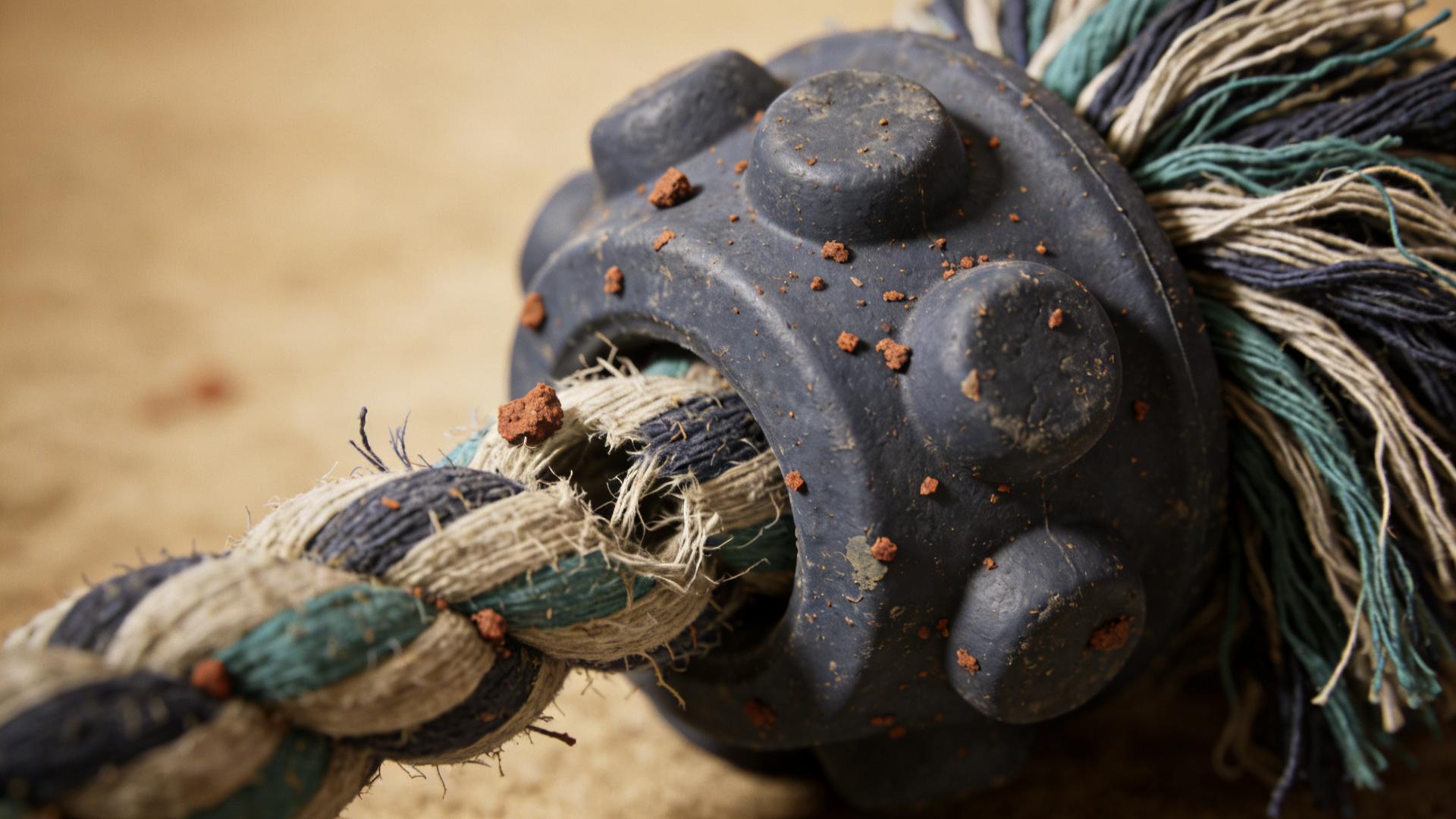
3. Rope & Fabric Toys: These are bacteria magnets due to their fibrous nature. Method: Soak in a solution of pet-safe enzymatic cleaner or vinegar for one hour to break down organic matter. Rinse thoroughly and wring out as much water as possible. Dry completely in direct sunlight if possible, as UV light has natural antibacterial properties.
⏰ Establishing Your Cleaning Frequency & Routine
Consistency is key. Adhere to this schedule:
- Weekly: All toys in high rotation.
- Immediately After Use: Toys used at the dog park, in mud, or with food/treats inside (like stuffing toys).
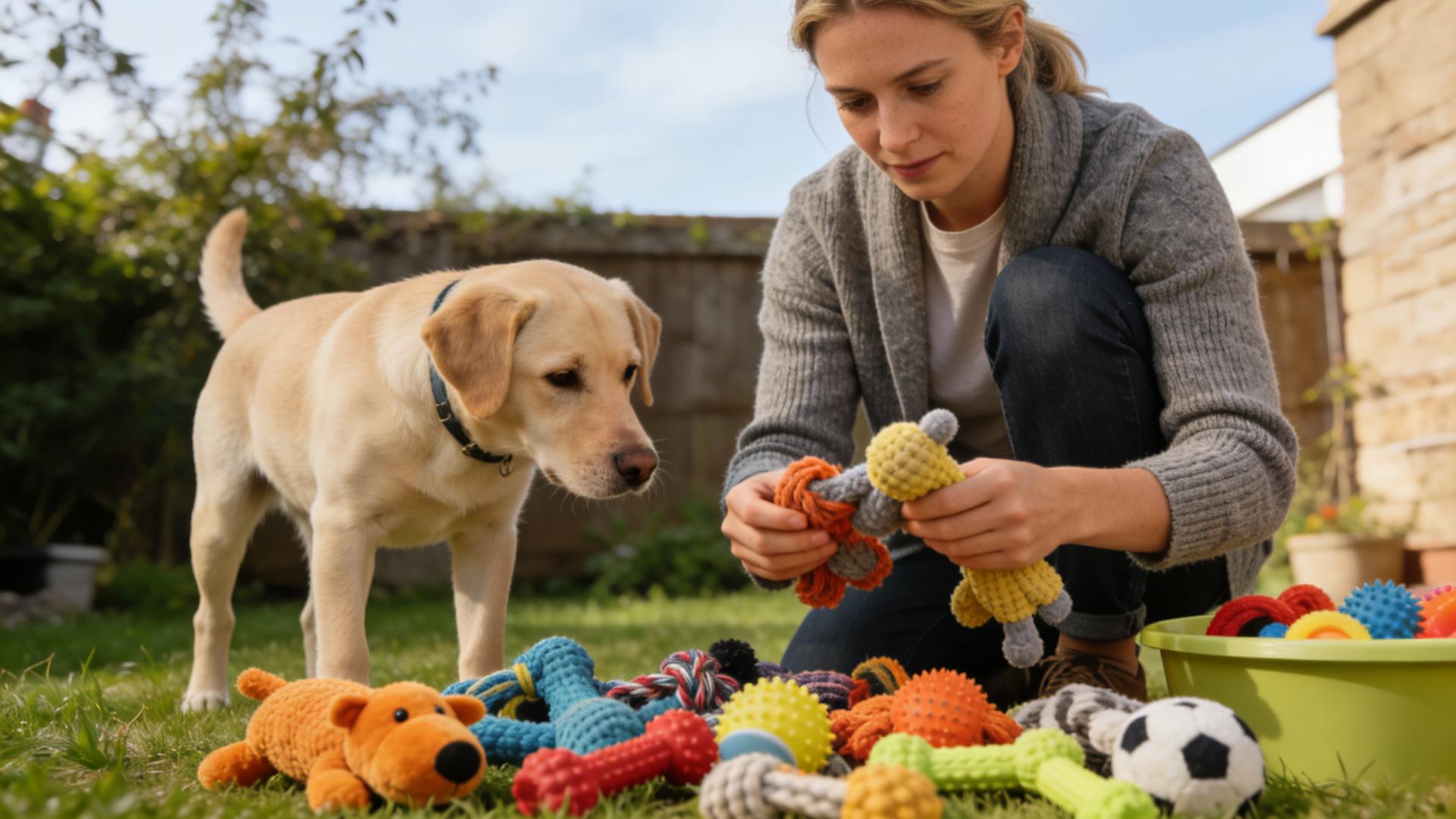
- Bi-Weekly Inspection: During cleaning, perform a detailed tactile and visual inspection. Bend rubber toys to check for cracks, check seams on plush toys, and inspect rope toys for fraying.
Pro Tip: Keep a dedicated, labeled bin for "Toys in Need of Washing" to streamline your process.
🗑️ Part 2: The Critical Art of Discarding Dog Toys
Sentimentality has no place in dog toy safety. A toy's lifecycle is defined by its condition, not its age. Knowing when to throw away dog toys is arguably more important than cleaning them.
🚨 Immediate Discard Red Flags
If you observe any of the following, retire the toy instantly:
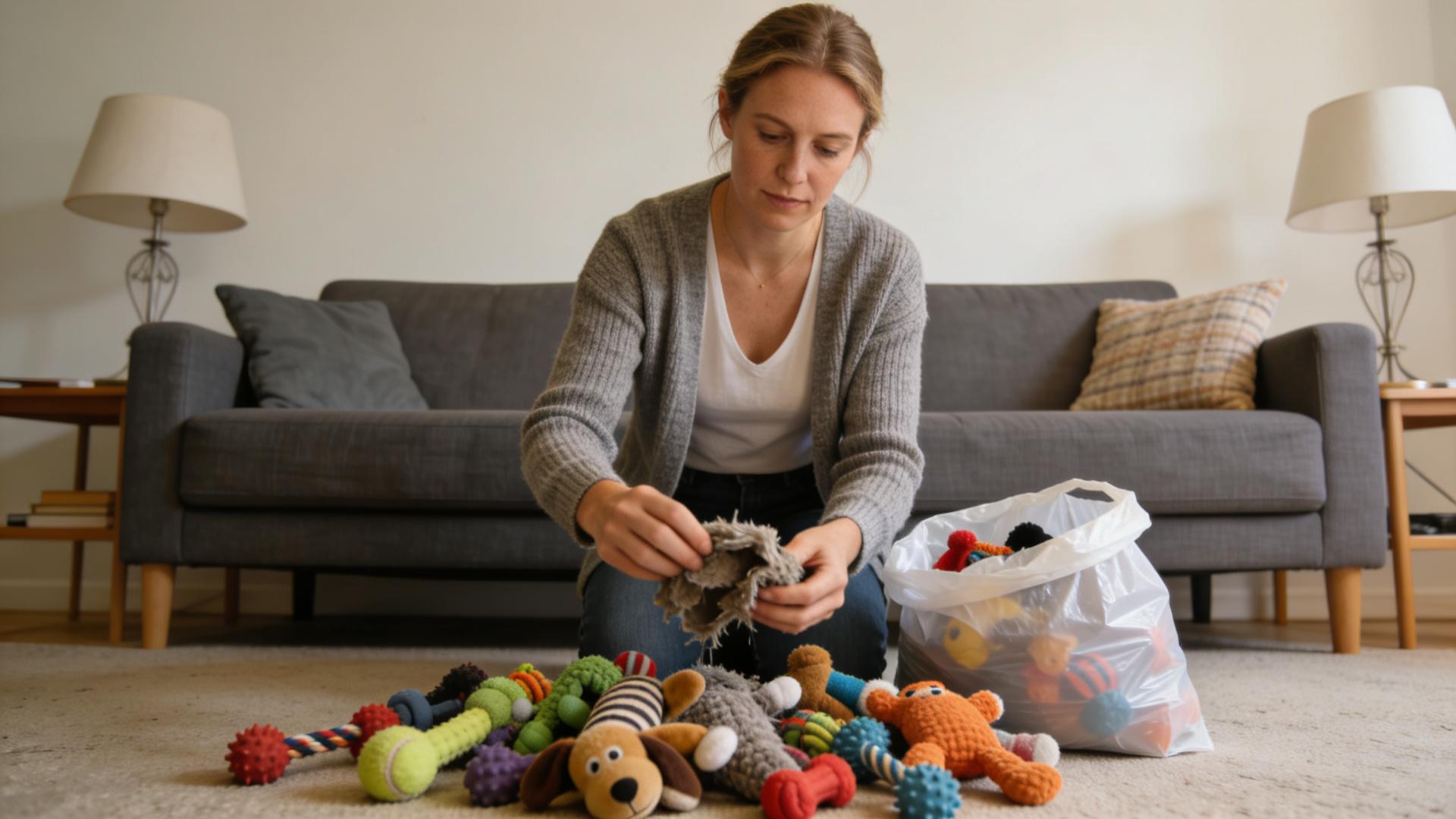
- Choking Hazards: Detached parts (squeakers, eyes), broken pieces, or splintered edges that can cut the mouth or gut.
- Internal Exposure: Ripped seams with exposed stuffing or filling, which is a classic cause of linear foreign bodies if ingested.
- Significant Size Reduction: A chew toy that has been whittled down by more than 30% from its original size is actively shedding consumable crumbs.
🔍 Proactive Monitoring for Wear and Tear
Some signs are subtler but equally dangerous:
- Excessive "Crumbling": When you squeeze a rubber toy, do small pieces flake off easily? This is a precursor to fragment ingestion.
- Persistent Odor or Staining: If a toy retains a foul smell or visible stain after multiple cleanings, it's harboring deep-seated bacteria that could upset your dog's gastrointestinal system or liver function.
- Loss of Structural Integrity: A plush toy that no longer holds its shape or a rubber toy that feels gummy has degraded chemically and should be replaced.
Data Point: A 2022 study in the Journal of Veterinary Emergency and Critical Care noted that over 65% of foreign body obstruction cases involved materials from pet toys, with fabric and rubber being the most common culprits.
🔬 Advanced Considerations: Materials and Dog-Specific Factors
Choosing Wisely: Opt for non-toxic dog toys from reputable brands. Look for labels like "FDA-compliant rubber" or "food-grade materials." Avoid toys with phthalates, BPA, or heavy metals.
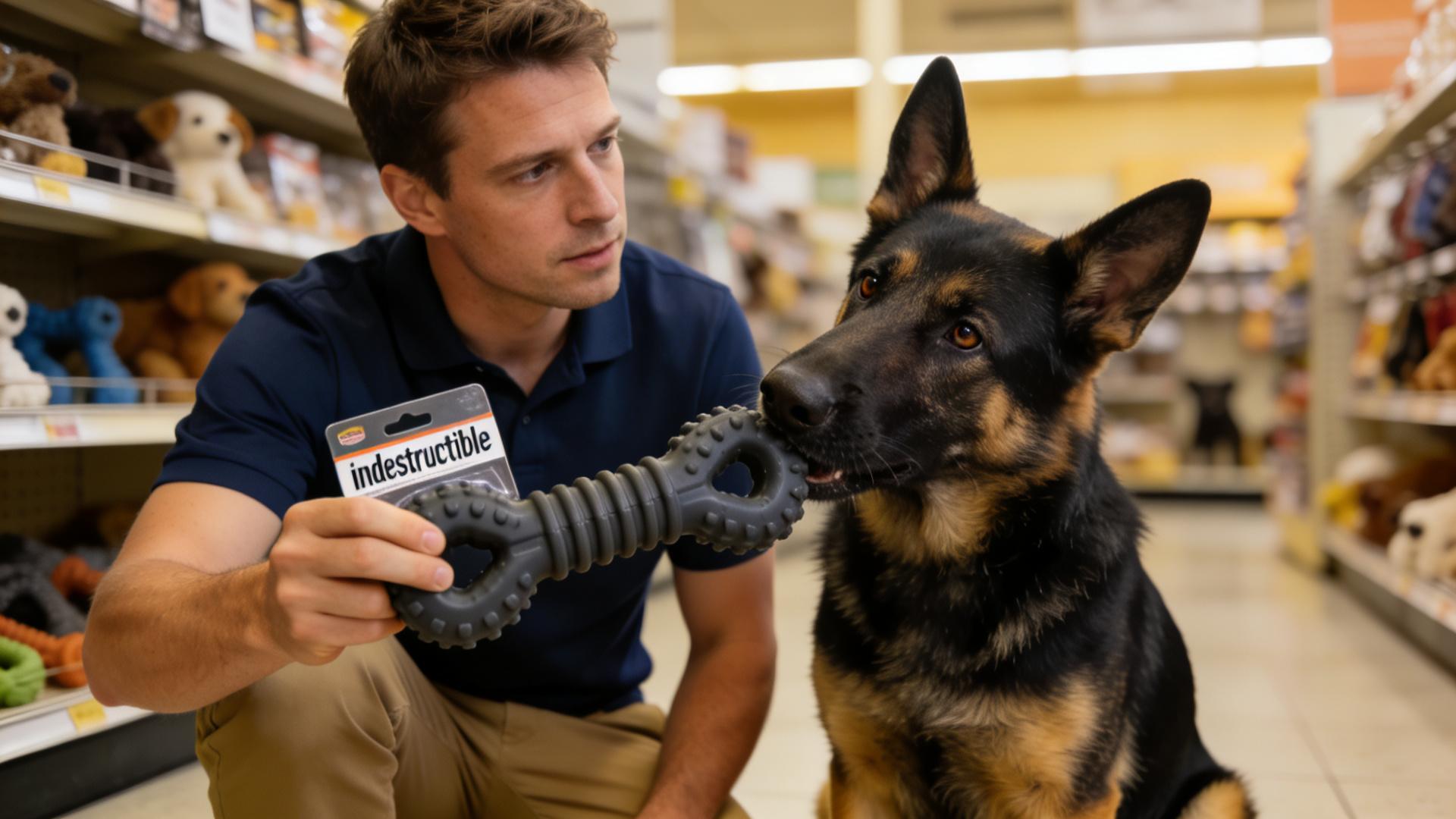
Know Your Dog: An aggressive chewer needs different toys than a gentle nester. A power chewer might destroy a "durable" plush toy in minutes, making hard rubber or solid nylon the only safe option. Always supervise play, especially with new toys or dogs with a history of destructive chewing.
💡 DIY Solutions & Sustainable Practices
For a DIY dog toy cleaning solution, mix 1 part white vinegar with 1 part water in a spray bottle, adding a few drops of lemon essential oil for its antibacterial properties and fresh scent. For a deeper clean, a paste of baking soda and water can scrub away grime from hard toys. Sustainability Tip: Before discarding, see if the toy can be repurposed (e.g., removing stuffing from a plush toy and using the empty shell for light play) or recycled according to local guidelines.
🎯 Conclusion: Vigilance is the Price of Safe Play
Your dog's playful abandon is a treasure. Protecting it requires proactive stewardship of their play environment. By instituting a rigorous routine of inspecting, cleaning, and replacing dog toys based on the clear standards outlined above, you create a formidable defense against preventable tragedies like intestinal blockage. Remember, the cost of a new toy is always less than the cost of an emergency vet visit. Let your mantra be: "When in doubt, throw it out." Your dog's health, happiness, and safety depend on your diligent care. Now, go give that toy box a safety audit—your furry best friend will thank you with many more years of healthy, joyful play. 🐶💖