Have you ever reached into your dog’s water bowl and felt a slippery, slimy film coating the surface? If so, you’ve encountered biofilm—a silent, sticky breeding ground for dangerous pathogens. This common oversight isn't just about cleanliness; it's a direct line for bacteria like E. coli and Salmonella to enter your dog's system, leading to serious health issues. This guide provides the authoritative, actionable steps you need to eliminate this hazard for good.
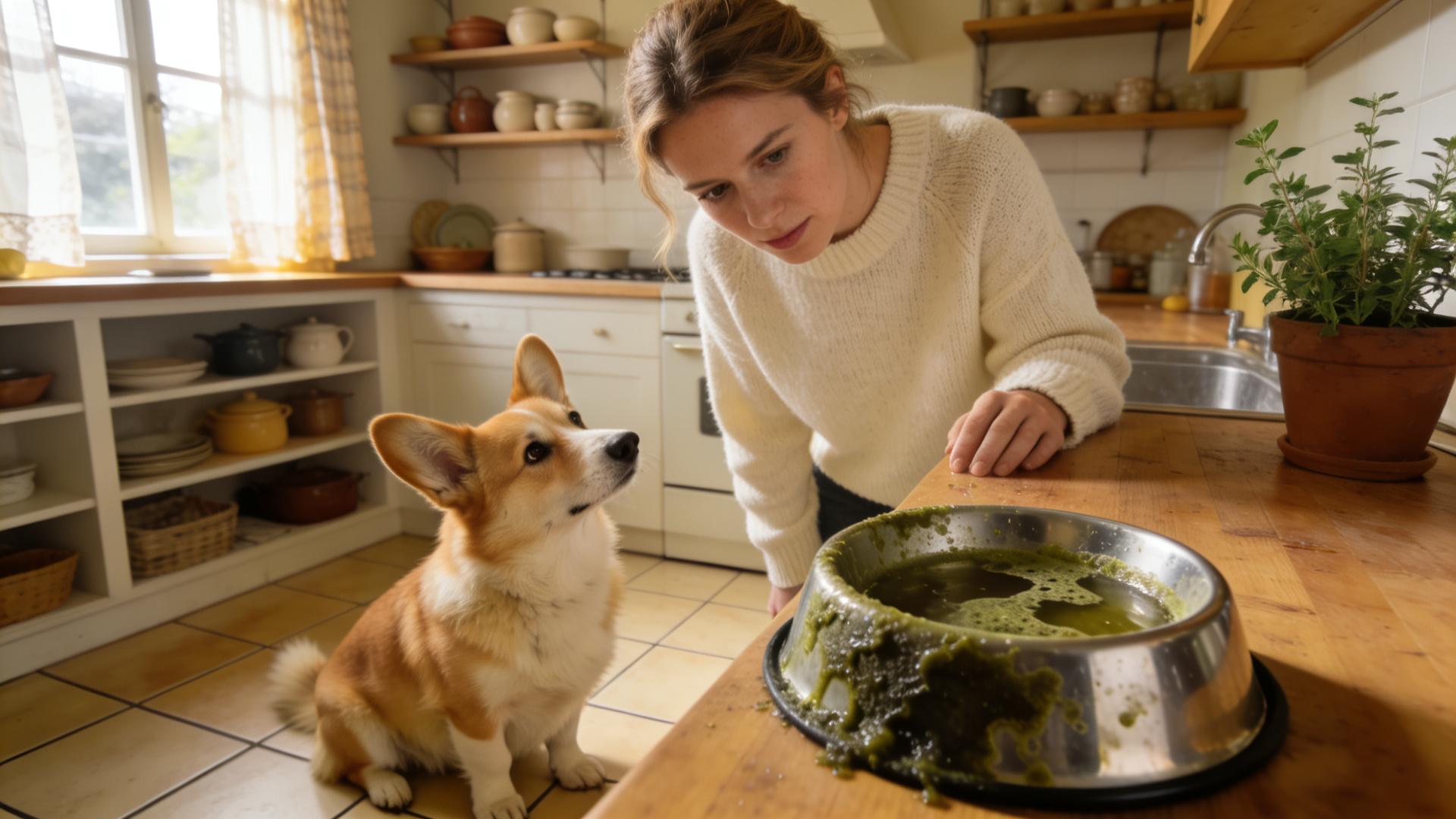
🦠 What Is Biofilm? The Slimy Secret on Your Dog's Bowl
Biofilm is a thin, resilient layer of bacteria, fungi, and other microorganisms that adhere to a surface and secrete a protective, glue-like slime. Think of it as the plaque on your teeth or the slippery layer inside a long-forgotten water bottle. In the context of your dog's bowl, it forms on constantly damp surfaces, creating a fortress for microbes that simple rinsing cannot penetrate.
Why a "Quick Rinse" is a Complete Failure
Many owners believe running a bowl under the tap is sufficient. This is a dangerous misconception. Rinsing only removes loose debris, while the structured, adhesive biofilm community remains intact and continues to thrive.
⚠️ Why Biofilm is a Serious Health Hazard for Dog and Human
Ignoring this slime poses a multi-pronged threat. The risks extend beyond a simple upset stomach.
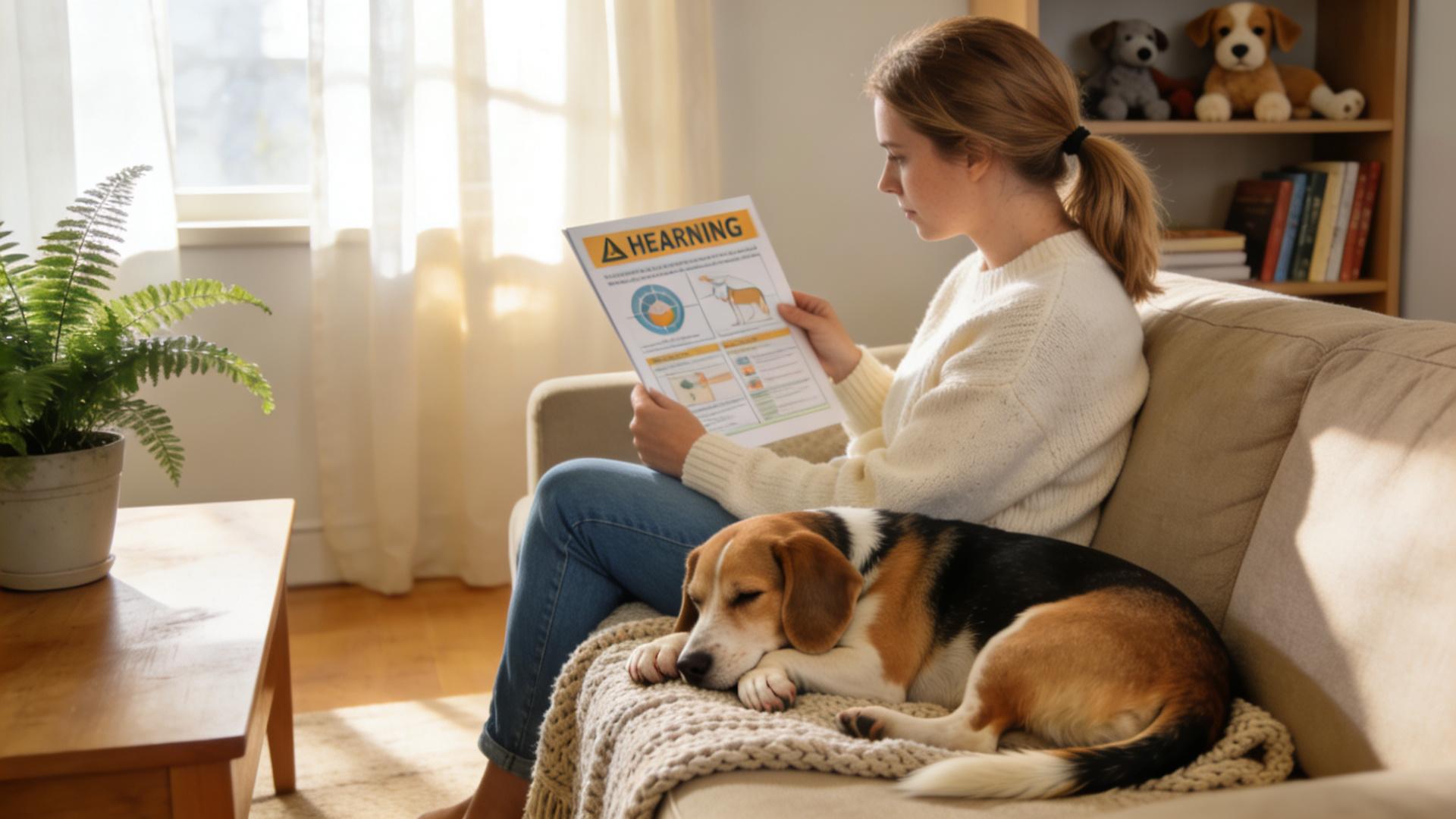
Risks to Your Dog's Health
- Gastrointestinal Upset & Infection: Pathogens within the biofilm can cause vomiting, diarrhea, and lethargy.
- Recurrent Health Issues: Continuous ingestion of low levels of bacteria can lead to chronic infections and a compromised immune system.
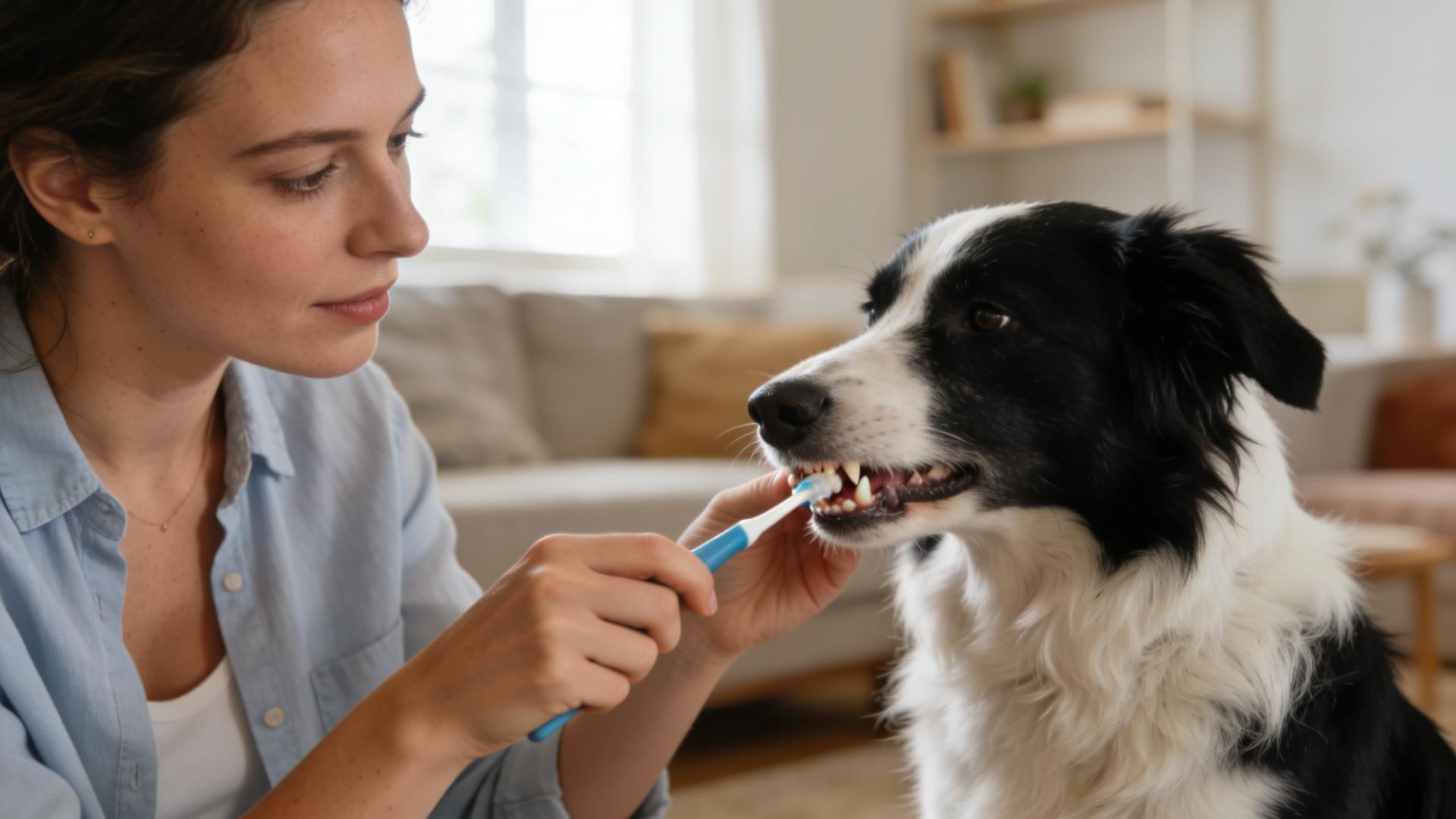
- Oral Health Problems: Biofilm can contribute to bad breath and periodontal disease.
Risks to Human Family Members
This is a zoonotic concern. Handling contaminated bowls, especially for children, the elderly, or immunocompromised individuals, can lead to cross-contamination and illness. The question "Can dirty dog bowls make you sick?" has a resounding yes for an answer.
🧽 The Complete Guide to Cleaning & Sanitizing Dog Bowls
Eradicating biofilm requires a two-pronged approach: mechanical scrubbing and chemical dissolution. Here is your definitive protocol.
Required Materials
You likely have everything you need at home: hot water, dish soap, distilled white vinegar, baking soda, and a dedicated brush or sponge (never use the one for human dishes!).
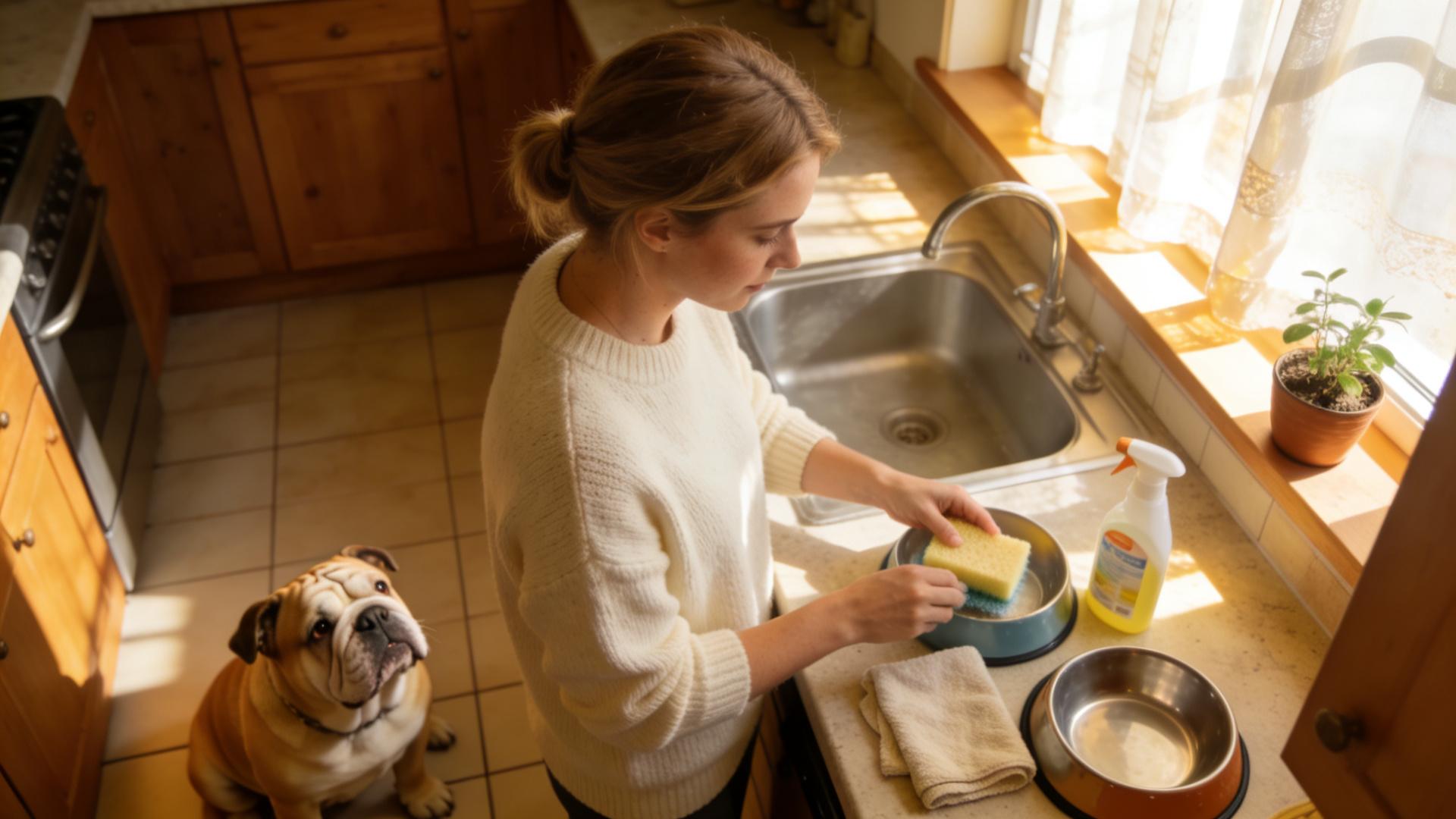
Step-by-Step Deep Cleaning Instructions
- Daily Wash: After every single meal, wash bowls with hot, soapy water and scrub thoroughly.
- Vinegar Soak: For a weekly deep clean, create a 1:1 mixture of vinegar and water. Soak bowls for 10-15 minutes. Vinegar is a natural acid that breaks down the biofilm matrix.
- Vigorous Scrubbing: Using your dedicated brush, scrub the entire bowl, paying special attention to the rim and bottom. You should feel the slime coming off.
- For Stubborn Film: Make a paste with baking soda and a little water. Use it as an abrasive scrub on any remaining residue. This is highly effective for how to clean biofilm off dog stainless steel bowls.
- Thorough Rinse: Rinse the bowl completely under clean, running water to remove all vinegar, soda, or soap traces.
- Dry Completely: This is CRITICAL. Dry the bowl instantly with a clean towel. Never air dry, as residual moisture is an invitation for bacteria to return.
The Best (& Worst) Bowl Materials
Your bowl material dramatically impacts biofilm formation. Stainless steel is the gold standard: non-porous, durable, and easy to sanitize. Avoid plastic bowls. They scratch easily, and those microscopic grooves become permanent bacteria hotels. Ceramic bowls are good if they have a glazed, non-porous finish.
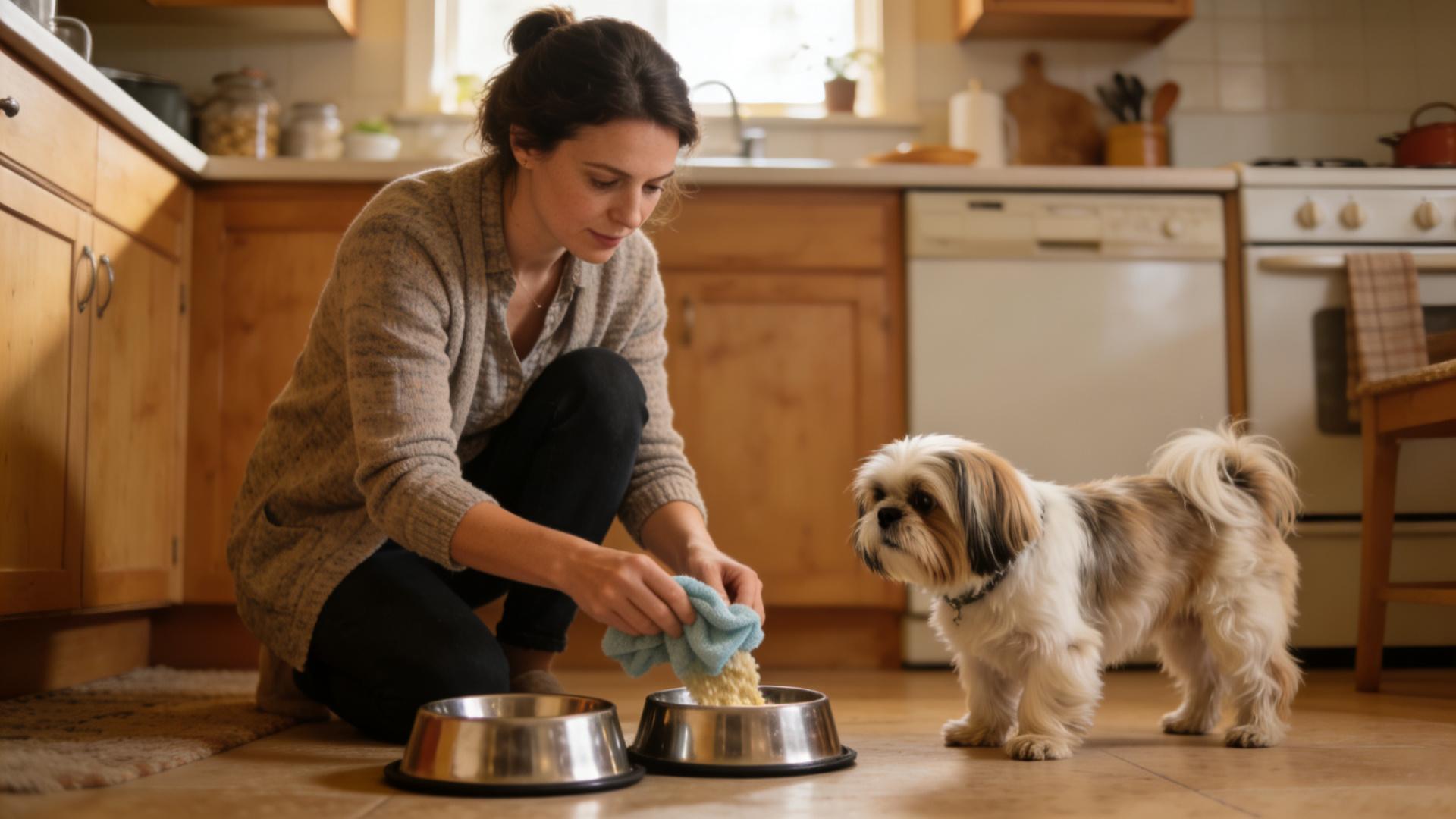
🛡️ Proven Prevention Strategy: A Daily & Weekly Routine
Consistency is the key to preventing dog bowl biofilm. Implement this routine to ensure ongoing safety.
- Daily: Wash with hot, soapy water after each use. Refill water bowls with fresh water at least twice daily.
- Weekly: Perform the vinegar or baking soda deep clean as outlined above.
- Ongoing Vigilance: Inspect bowls for scratches, cloudiness, or any residue. Replace damaged bowls immediately. Consider a dog bowl cleaner spray for quick disinfecting between washes.
🔬 The Bigger Picture of Pet Health
Maintaining hygienic feeding stations is as crucial as providing quality food and regular vet care. It's a simple, often overlooked pillar of preventive health that protects your dog's liver, kidneys, and overall vitality from constant, low-grade bacterial assault.
Special Reminder: Always consult your veterinarian if your dog shows signs of illness, and discuss canine dental care as part of a holistic oral health strategy, which includes clean bowls.
Conclusion: Your Action Plan for a Healthier Hound
Cleaning biofilm from dog bowls is not a chore; it's a critical act of responsible pet ownership. This easy, routine practice is your first line of defense against preventable infections for both your pet and your family.