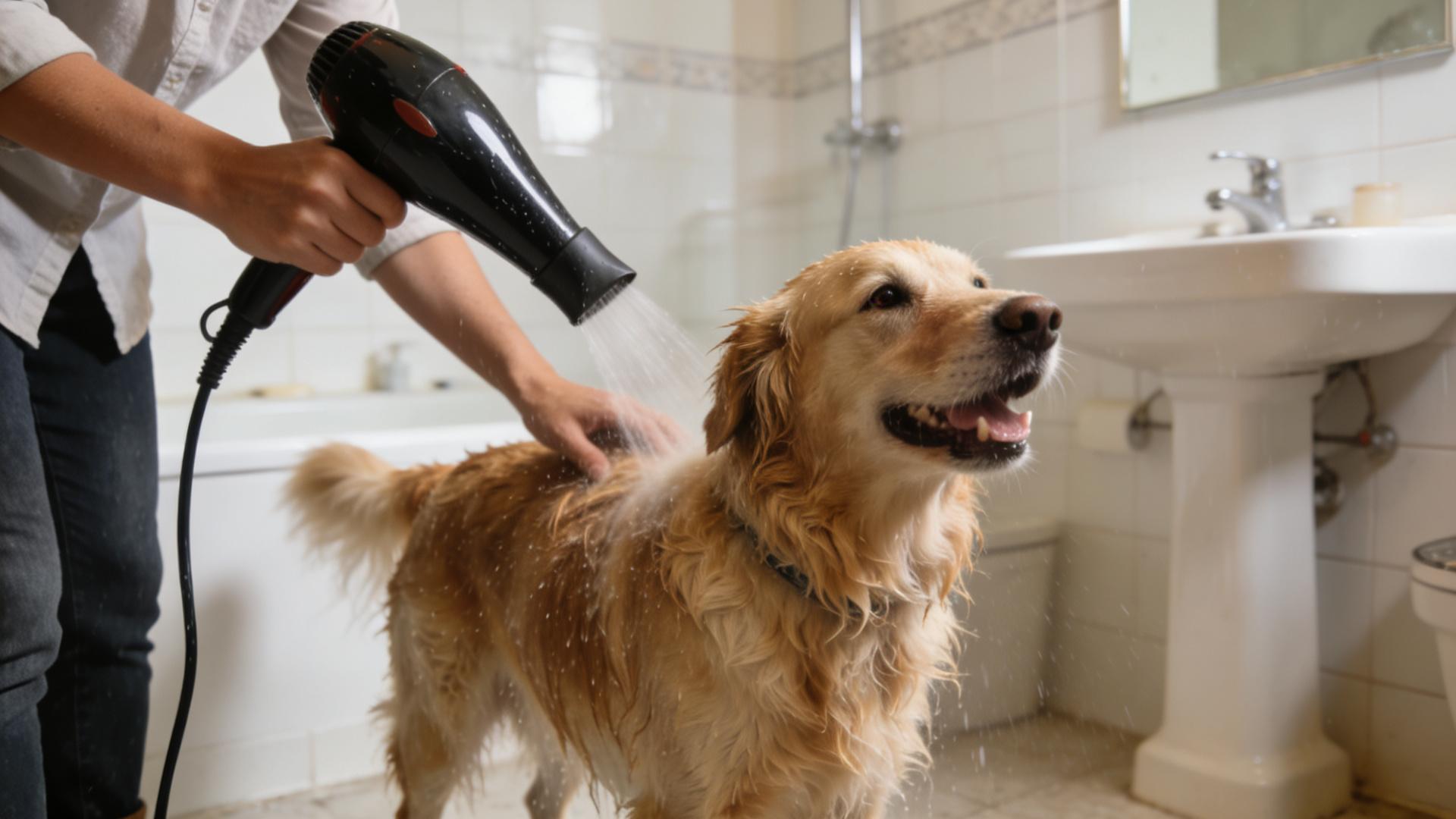
You’ve just finished washing your beloved dog, and as you reach for a towel, you’re faced with a common dilemma. The regular bath towels you use are already soaked through after one pass over your Labrador’s thick coat, leaving them shivering and your bathroom looking like a splash zone. Every pet parent knows the struggle of effectively drying their furry friend. The secret weapon in this battle isn’t just any towel; it’s a towel engineered for the job. But with so many options shouting “super absorbent!” from store shelves and online listings, how do you choose? This article cuts through the wet confusion to answer one core question: In the head-to-head matchup of chamois cloth dog towel versus microfiber dog towel, which material truly reigns supreme in dog towel absorbency? Let’s wring out the facts.
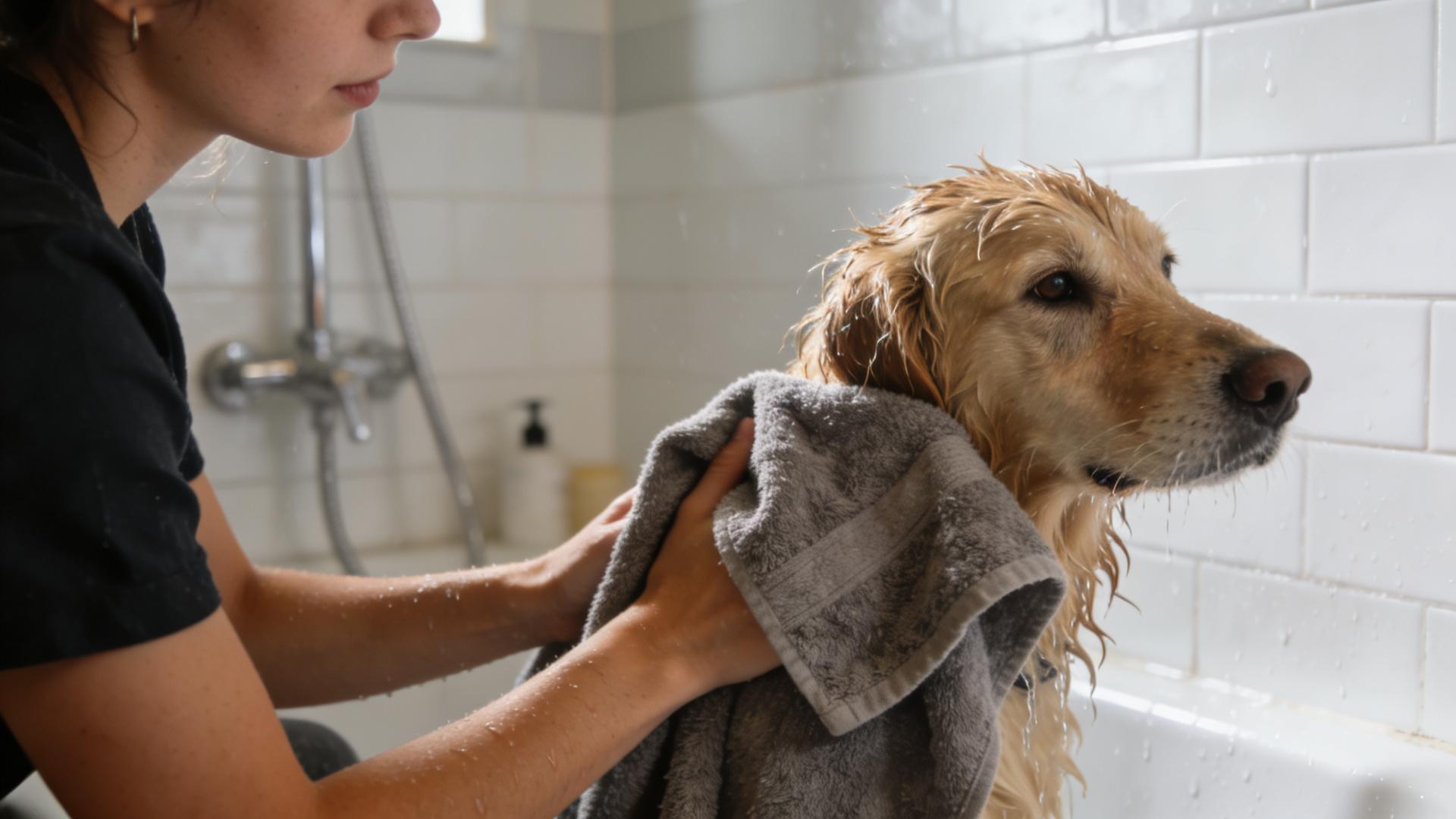
🚰 What Does "Absorbency" Really Mean for Drying Your Dog?
Before we dive into the materials, let's define our key battleground. In practical terms for a dog owner, absorbency is a towel's ability to quickly pull water away from your dog’s coat and skin and lock it into the towel's fibers. It's not just about getting the surface wet; it's about capacity and speed. The structure of a material—its fiber type, weave, and density—directly impacts this. Materials with more surface area and capillary action (the ability to draw liquid into tiny spaces) will outperform solid, flat fabrics. High absorbency translates directly to efficiency (fewer towels, less time) and, crucially, dog comfort. A towel that soaks up water rapidly minimizes the time your pet spends cold, damp, and potentially irritated, making the entire grooming experience more pleasant for everyone.
🦌 The Classic Contender: A Deep Dive into Chamois Cloth
True chamois cloth has a luxurious origin. Historically made from the soft, pliable leather of the chamois (a European antelope), modern pet care chamois are typically crafted from specially treated and buffed sheepskin, lambskin, or high-quality synthetic blends that mimic the original’s iconic properties. This is the traditional favorite for car detailing and premium pet care for good reason.
Absorbency Profile of Chamois
Genuine chamois is renowned for its exceptional water-holding capacity. It can absorb and retain several times its own weight in water. The unique porous structure of the leather acts like a sponge, drawing moisture deep into its cells. When damp, a chamois feels noticeably heavier and cooler. Its magic lies in its ability to suck up water rather than just push it around. It’s been a trusted tool for achieving a spot-free finish on cars and a deep dry on dogs for decades.
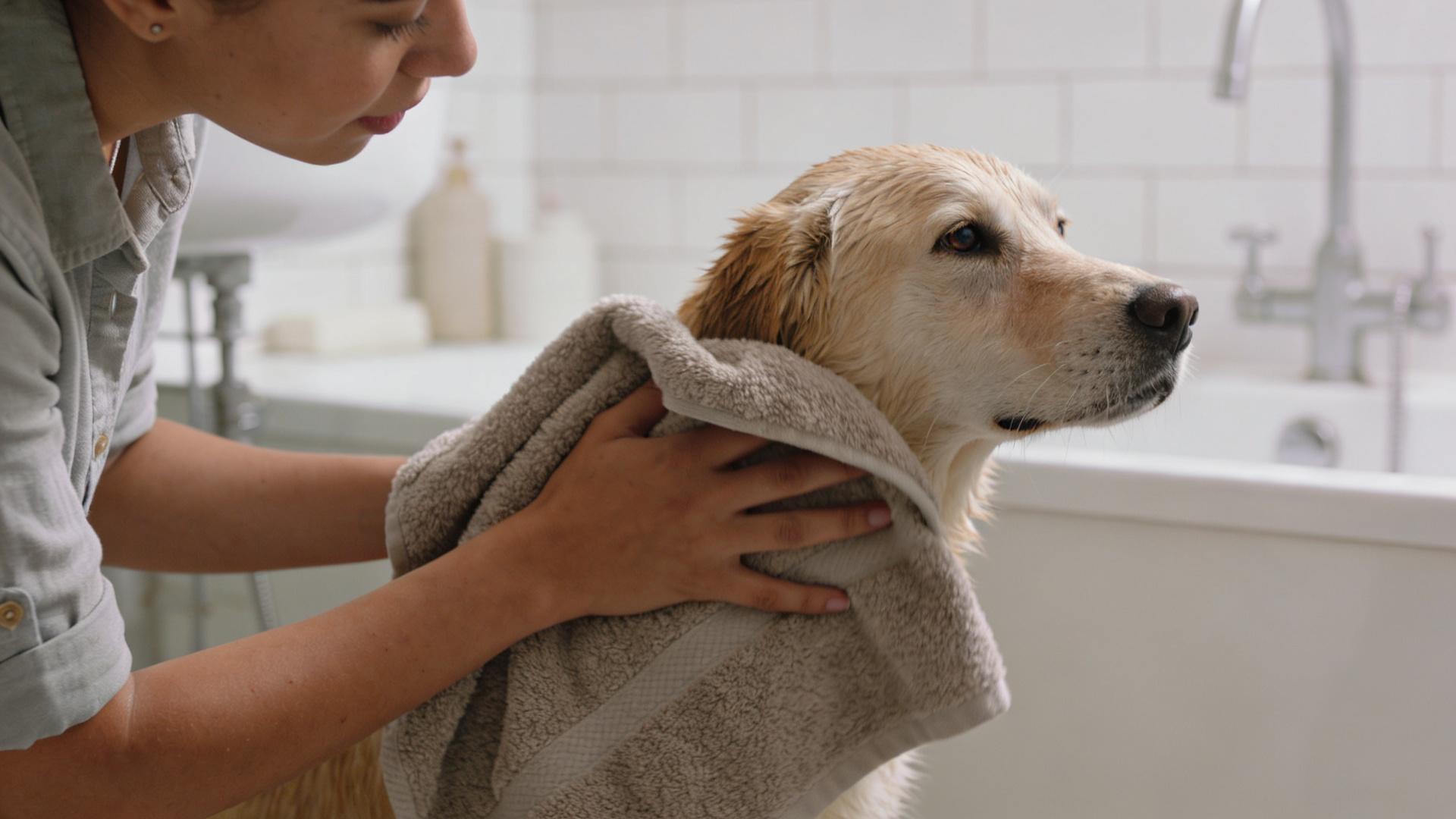
🧫 The Modern Marvel: A Deep Dive into Microfiber
Microfiber is a synthetic fabric, usually a blend of polyester and polyamide (nylon). The term “micro” refers to the astonishing fineness of the individual threads, which are split during manufacturing to create even more microscopic strands. This process creates a vast surface area within a small piece of fabric, which is the key to its performance.
Absorbency Profile of Microfiber
Microfiber works on a principle of capillary action. The ultra-fine, split fibers create countless tiny channels that wick moisture away with incredible speed. High-quality microfiber can hold up to seven times its weight in water. The texture can vary from a soft, plush feel (great for dog comfort) to a more waffle-weave or honeycomb texture designed to increase surface area and air flow. Its versatility and affordability have made it a staple in household cleaning and the dog grooming towels market.
⚔️ Head-to-Head: The Ultimate Absorbency Showdown
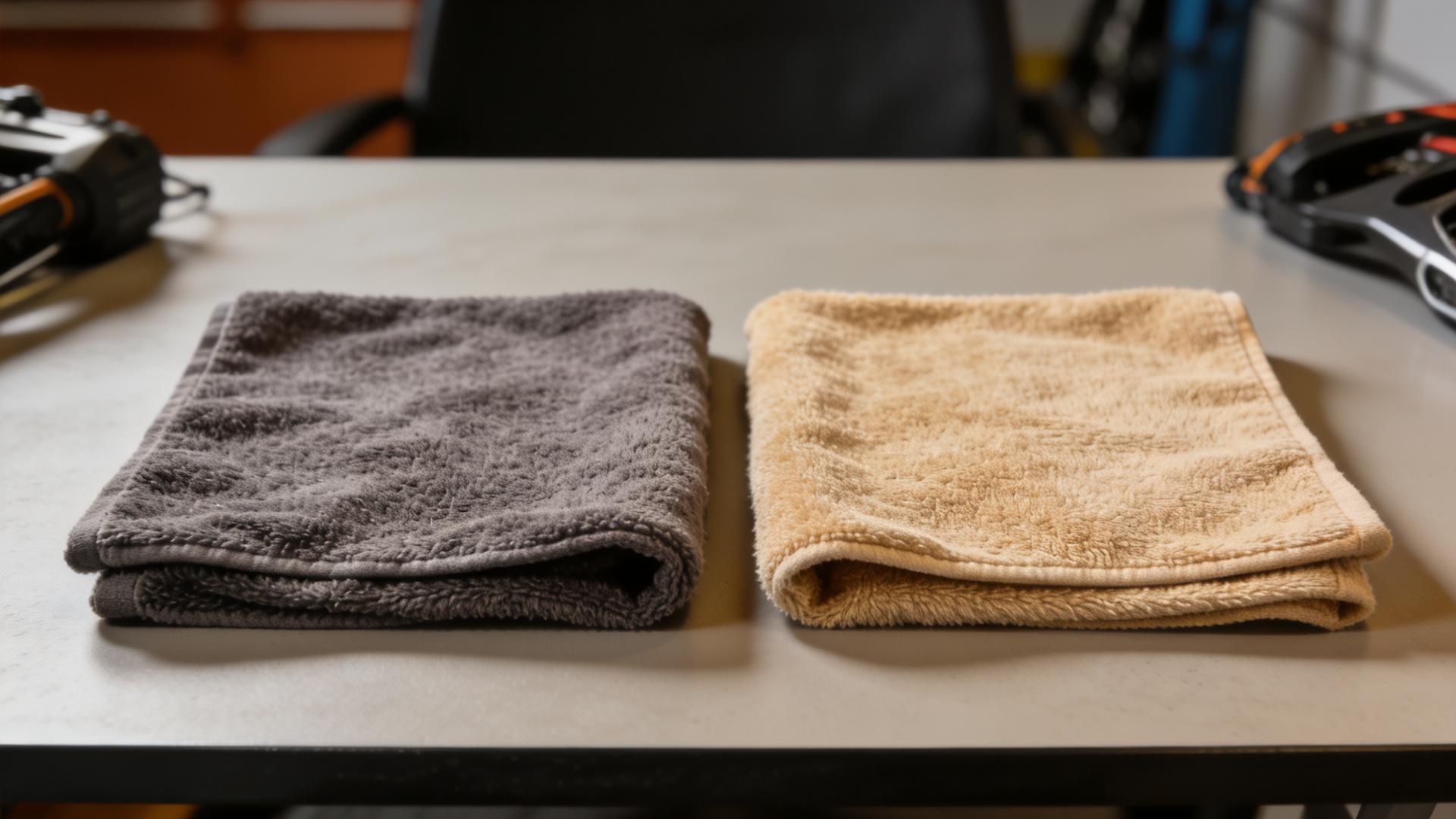
Let’s place these two materials side-by-side using three critical criteria for drying a dog. We will judge them on absorption rate, water retention, and wring-out efficiency.
First, Absorption Rate. This is the speed at which the towel pulls water from the coat. Microfiber typically has the edge here. Its engineered split fibers act almost instantly, grabbing surface moisture with remarkable quickness. Chamois is also fast, but its action feels more like a deep, sucking pull rather than an instantaneous grab.
Second, Water Retention. This is the total volume of water the material can hold. Here, the race is incredibly close, and quality matters most. A premium, dense microfiber towel and a genuine chamois cloth can both hold staggering amounts of liquid. However, gram for gram, a high-quality chamois often has a slight capacity advantage, capable of absorbing more water per square inch due to its dense, sponge-like cellular structure.
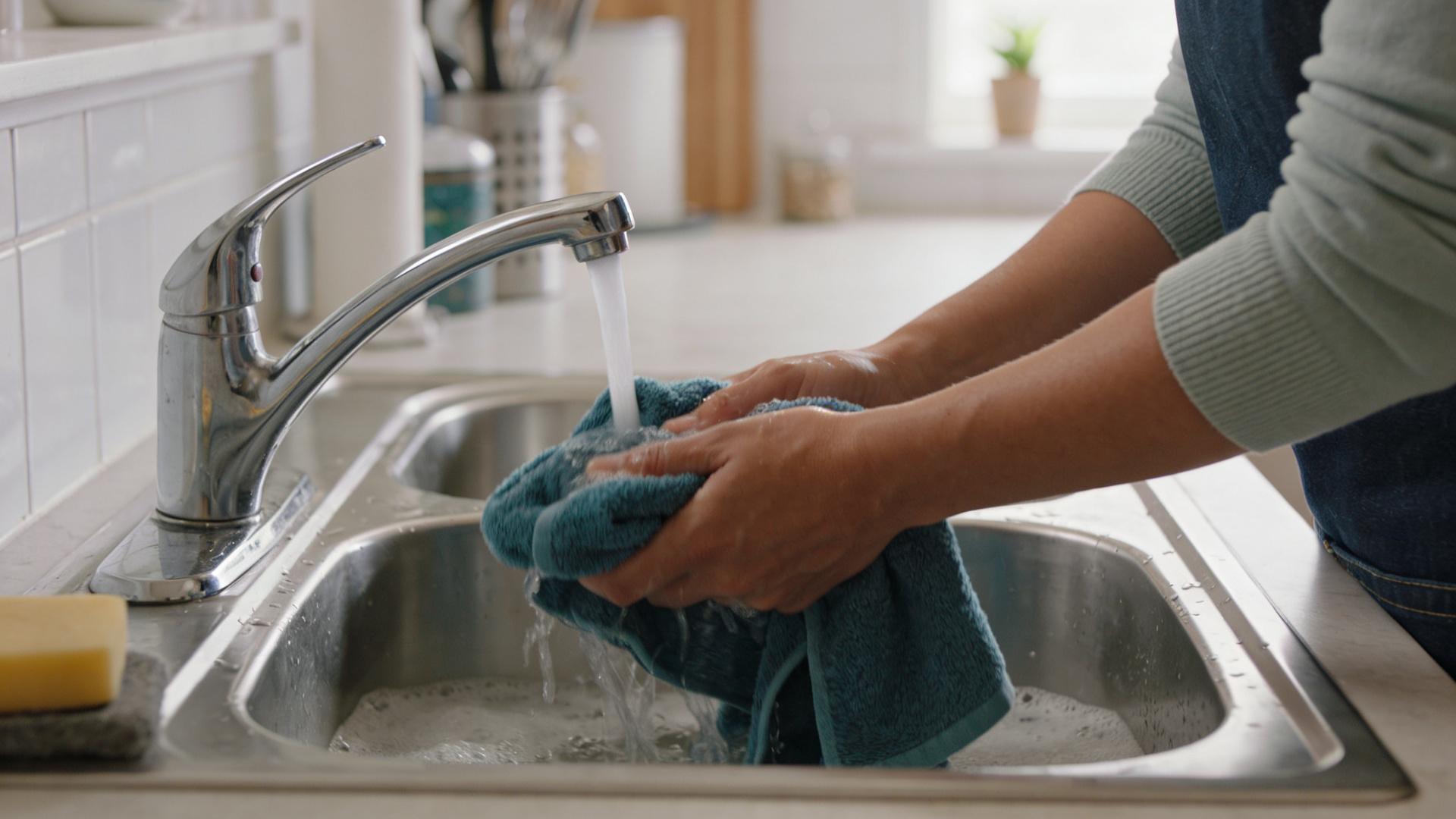
Third, Wring Out Efficiency. This is how easily you can remove the absorbed water from the towel to reuse it. Chamois is the undisputed champion. You can wring a soaked chamois virtually dry with a few strong twists, ready to absorb again. Microfiber, while absorbent, tends to retain more water in its fibers when wrung out, feeling damp to the touch and losing some effectiveness on the second pass.
🔍 Beyond Absorbency: Other Vital Factors for Dog Owners
While absorbency is king, other factors influence the best towel for drying dogs for your specific situation.
Durability: Chamois cloth, especially genuine leather, is incredibly durable and resistant to snags from dog nails when properly cared for. Synthetic chamois and microfiber are also durable, but very cheap microfiber can pill or tear over time.
Ease of Cleaning: Microfiber wins for simplicity. It’s machine washable (use no fabric softener) and dries quickly. Chamois requires more care: it should be hand-rinsed or machine washed on gentle with specialized cleaners and air-dried to maintain its supple texture and absorbency.
Softness & Dog Reaction: Both can be soft. A plush microfiber is very gentle on skin and coats. A broken-in chamois is incredibly soft and smooth, which many dogs find comforting. It’s less “grabby” on fur than some microfibers.
Quick Drying Time (for the towel itself): Microfiber dries itself much faster after use. A chamois takes longer to air dry completely.
Cost & Availability: Microfiber towels are generally more affordable and widely available. Authentic chamois cloth commands a higher price and may be found at specialty pet or automotive stores.
🐾 Practical Usage Tips for the Perfect Dry
How to Use a Chamois Towel on Your Dog:
First, thoroughly wet the chamois and wring it out completely before first use to activate its absorbency. Start by laying the towel over your dog’s back and gently pressing or squeezing to draw water up. Use a pulling, dragging motion along the body rather than vigorous rubbing. Wring out the towel frequently to dispose of the collected water. Its flexibility makes it excellent for contouring around legs and faces.
How to Use a Microfiber Towel on Your Dog:
For the quick dry dog towel approach, simply unfold and pat, press, or wrap your dog. The plush varieties are great for gentle patting, while waffle weaves excel at pressing and lifting water. Avoid circular rubbing on long-haired dogs to prevent tangles. Like the chamois, you may need to switch to a second dry section or towel as it becomes saturated.
Pro Technique: Regardless of material, patting and pressing is more effective than rubbing. Rubbing can mat fur and simply spreads water around. Pressing forces the towel fibers into close contact with the wet coat, allowing capillary action to do its job.
Towel Sizing Guide: For small breeds (e.g., Chihuahuas), one or two hand-towels sized towels suffice. For medium to large breeds (e.g., Border Collies to German Shepherds), aim for large bath sheet sizes (around 30" x 60"). For giant or double-coated breeds (e.g., Newfoundlands, Huskies), having two or three super absorbent dog towels on hand is a non-negotiable for a thorough, comfortable dry.
✅ Conclusion: And the Most Absorbent Material Is...
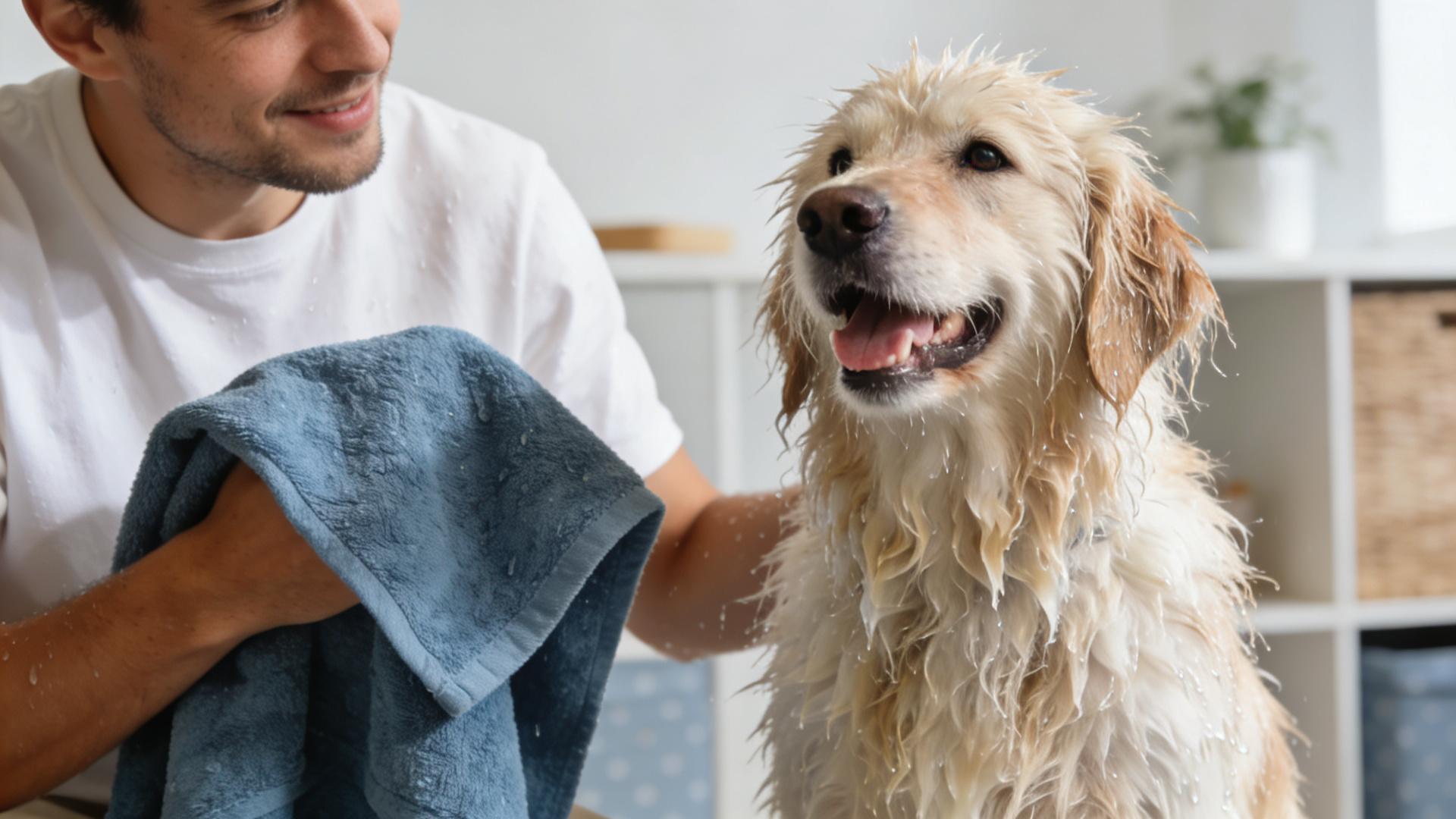
So, in the final analysis of chamois vs microfiber dog towel absorbency, both are excellent, top-tier choices far superior to cotton bath towels. However, if we must crown a champion for pure, maximum water-holding capacity, the edge goes to a high-quality, genuine chamois cloth. Its cellular structure allows it to soak up and retain a marginally greater volume of water, and its superior wring-out efficiency lets you reuse it more effectively during a single drying session.
But this answer comes with important qualifications. For double coat dogs where speed and getting through to the undercoat is crucial, the lightning-fast initial grab of a microfiber towel for double coat dogs might be more practical. If you value low-maintenance, quick-drying, and affordability, microfiber is your winner. For the ultimate in traditional, deep-drying luxury and unmatched capacity, choose chamois.