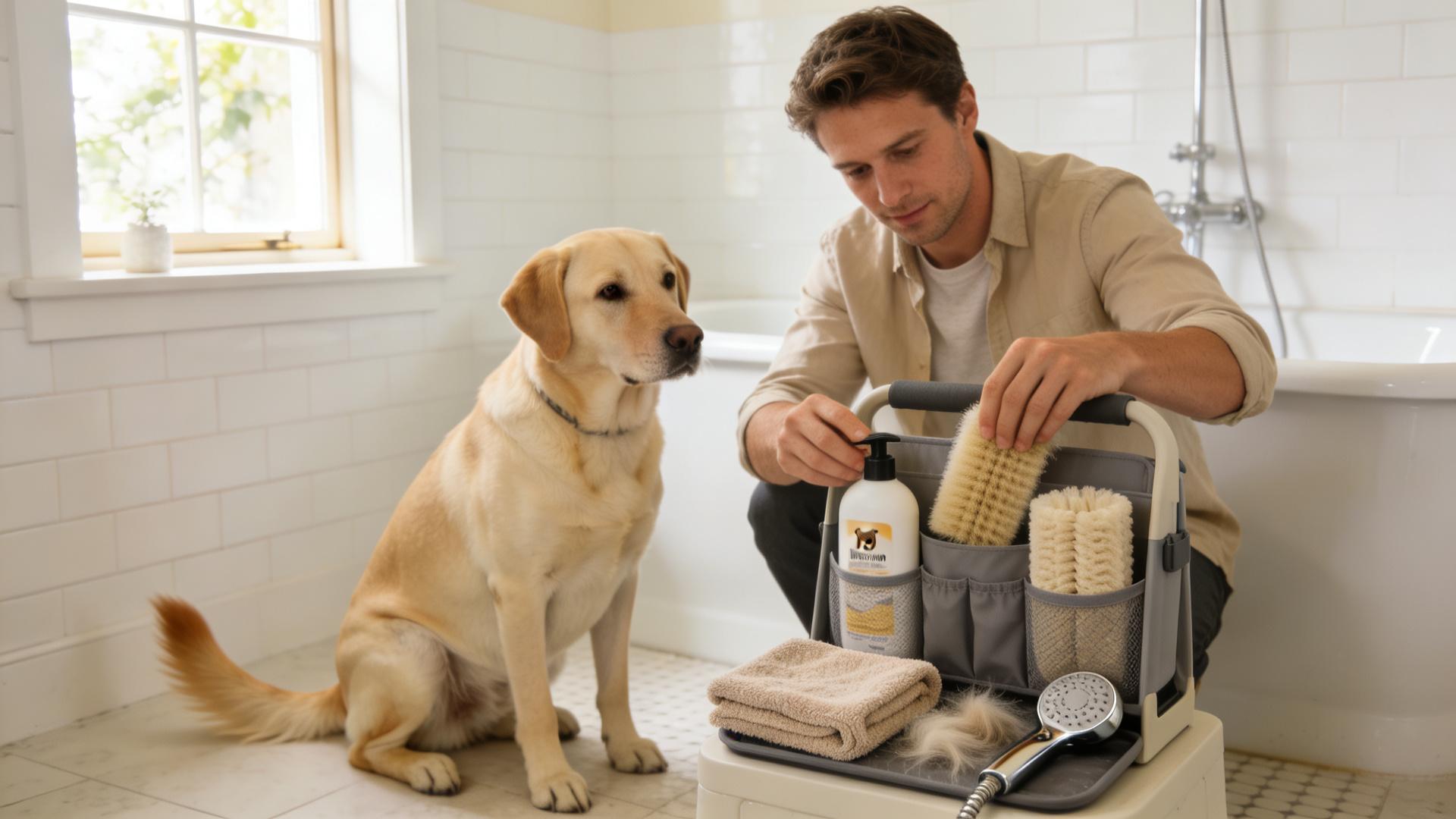
As a devoted dog owner, you’re likely attuned to your furry friend's every whimper and tail wag. But when extreme weather strikes—be it blistering heat, bone-chilling cold, or violent storms—our canine companions rely entirely on us for their safety and well-being. Extreme weather protection for dogs isn't a luxury; it's a fundamental aspect of responsible pet ownership. This comprehensive guide merges essential veterinary knowledge with practical, actionable steps to equip you for anything Mother Nature throws your way. Whether you're a new puppy parent or a seasoned dog handler, understanding these health and safety principles is crucial for your pet's long-term vitality.
🔥 Surviving the Scorch: Dog Summer Heat Safety
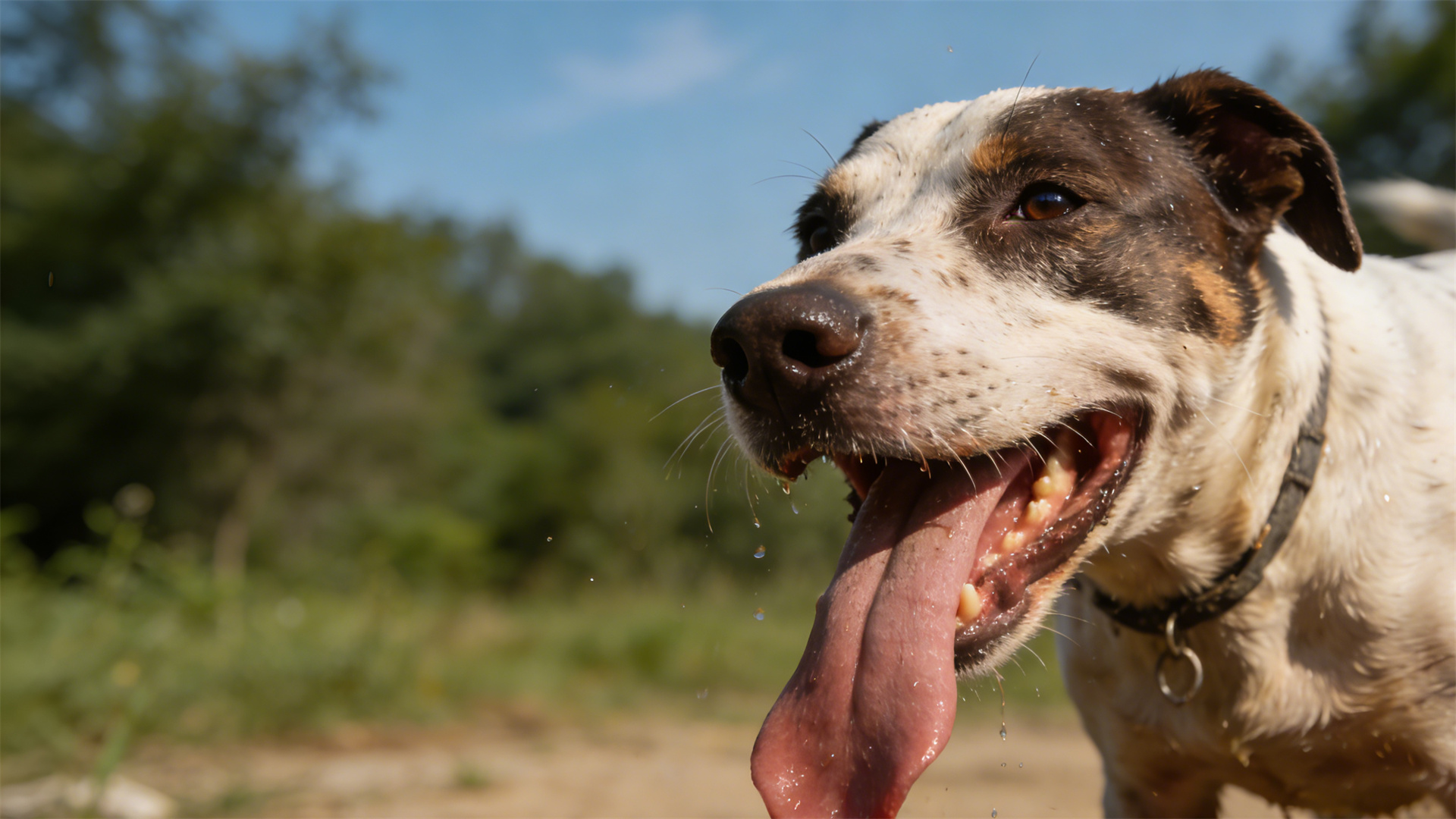
Summer brings sunshine and play, but it also harbors one of the most immediate dangers for dogs: heatstroke. Unlike humans, dogs cool themselves primarily through panting and have limited sweat glands in their paws, making them exceptionally vulnerable to overheating.
☀️ Recognizing the Red Zone: Signs of Heatstroke in Dogs
Early recognition can save a life. Symptoms escalate quickly and include:
- Excessive panting and drooling: Far beyond normal after exercise.
- Bright red or pale gums and tongue.
- Lethargy, confusion, or stumbling: Appearing dizzy or uncoordinated.
- Vomiting or diarrhea, which may be bloody.
- In severe cases, collapse, seizures, or loss of consciousness.
Special Reminder: Heatstroke is a medical emergency. If you suspect it, move your dog to a cool area immediately, apply cool (not ice-cold) water to their body, offer small sips of water, and contact your veterinarian without delay.
🏖️ Proactive Prevention: How to Keep Your Dog Cool in Hot Weather
Prevention is always the best medicine. Integrate these strategies into your routine:
- Hydration is King: Provide multiple sources of fresh, cool water. Consider adding ice cubes or using a pet water fountain to encourage drinking.
- Time Your Walks: Walk in the early morning or late evening. A simple test: place the back of your hand on the pavement for 7 seconds. If it's too hot for you, it's too hot for dog paw protection.
- Create Cool Retreats: Ensure constant access to shade and air conditioning. Cooling mats can offer a great respite.
- Invest in a Dog Cooling Vest: These vests use evaporative or gel technology to lower body temperature during activities. For a budget option, research "how to make a dog cooling vest at home" using damp towels or bandanas.
- Never, Ever Leave a Dog in a Parked Car: Even with windows cracked, interior temperatures can become lethal in minutes.
❄️ Conquering the Cold: Essential Dog Winter Gear and Safety
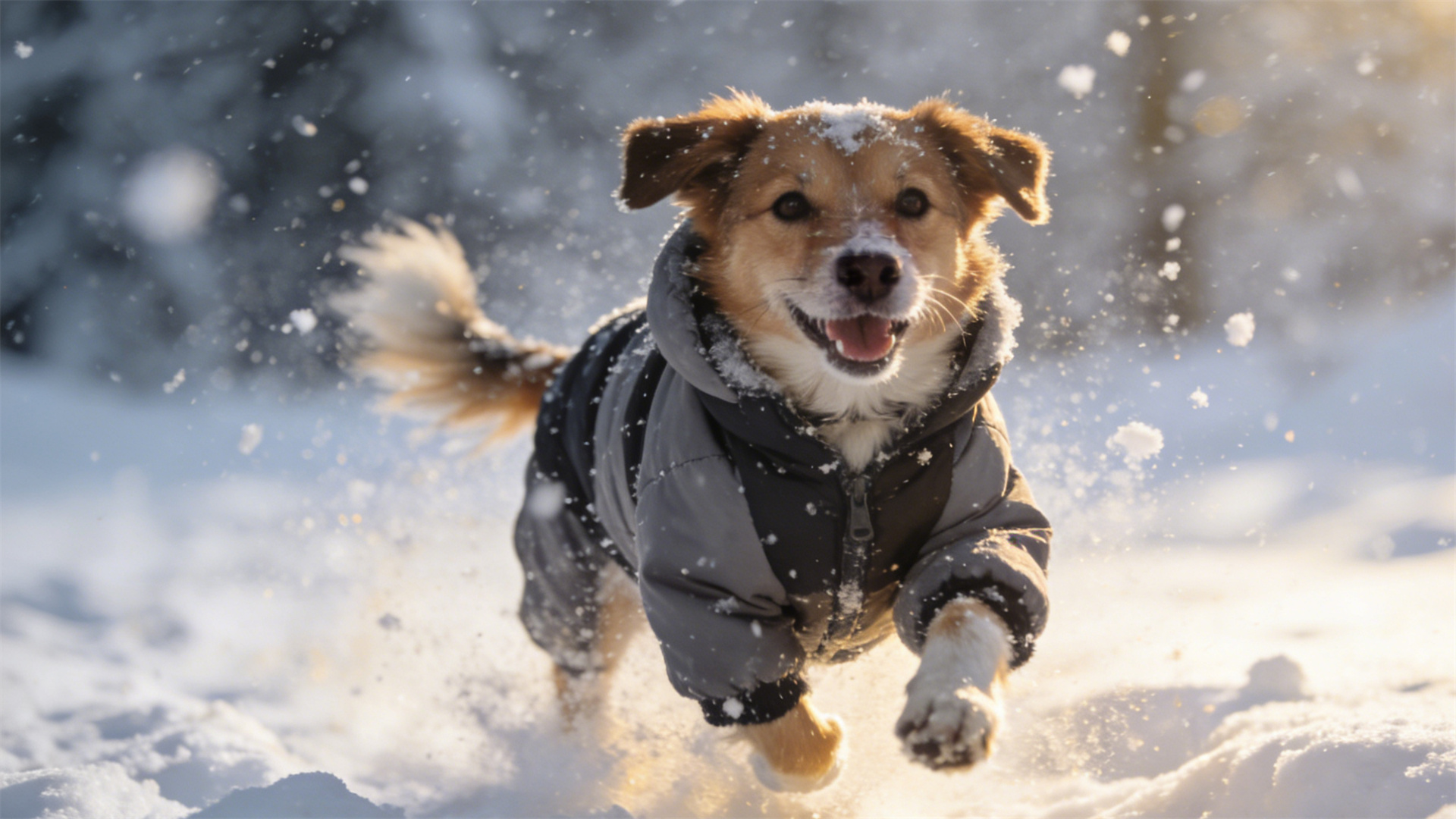
Winter transforms the world into a snowy playground but introduces risks like hypothermia and frostbite. A dog's cold tolerance varies by breed, coat, size, and health. The common question, "What temperature is too cold for dogs?" has no single answer, but a good rule is if it's below freezing (32°F/0°C), all dogs require monitoring, and many will need canine cold weather gear.
🧊 Understanding the Chill: Signs of Hypothermia in Dogs
Watch for these warning signs as temperatures drop:
- Violent shivering that may stop as hypothermia worsens.
- Pale or blueish gums.
- Lethargy and weakness, appearing stiff or clumsy.
- Shallow breathing and a slowed heart rate.
- In extreme cases, unconsciousness and coma.
🧥 Gear Up for the Great Outdoors
The right equipment makes winter adventures safe and enjoyable.
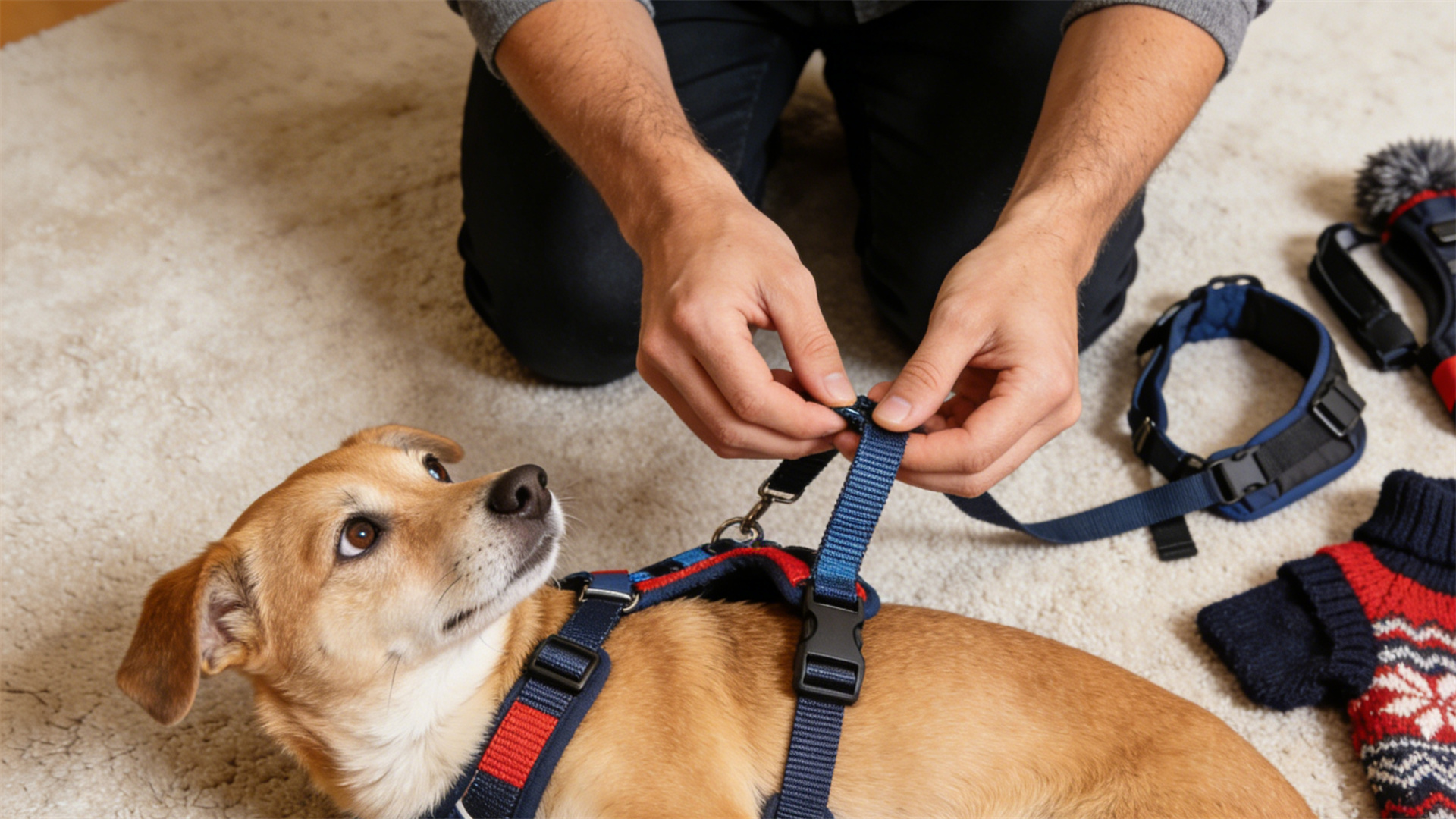
- Insulated Dog Coat for Extreme Cold: Essential for short-haired, small, elderly, or sick dogs. Look for a waterproof and windproof dog jacket to keep the undercoat dry.
- The Great Boot Debate: "Do dogs need boots in winter?" Boots protect against salted sidewalks (which can burn pads), chemical ice melts, and sharp ice. They are crucial for dog paw protection. Search for the "best boots for dog paws in winter" focusing on fit, traction, and durability.
- Paw Care is Paramount: After every walk, wipe paws to remove salt and chemicals. For natural moisturizing, try a DIY dog paw protection balm recipe using beeswax, coconut oil, and shea butter. Apply before walks to create a barrier.
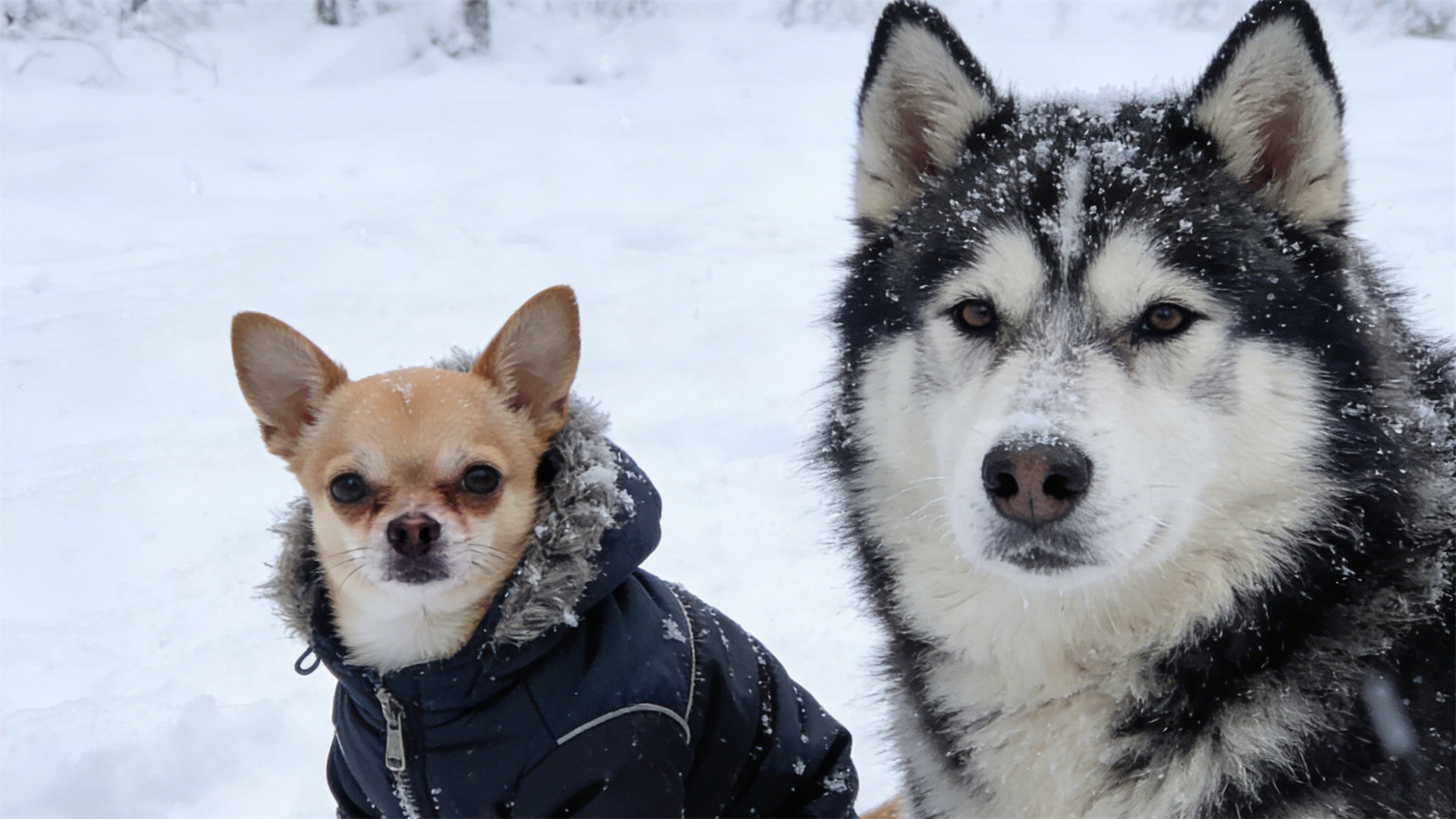
- Limit Exposure: Monitor "how long can dogs be in the snow" carefully. Breeds like Huskies will last longer than Chihuahuas. Watch for lifting paws or shivering as signs to go inside.
⛈️ Weathering the Storm: Managing Anxiety and Ensuring Safety
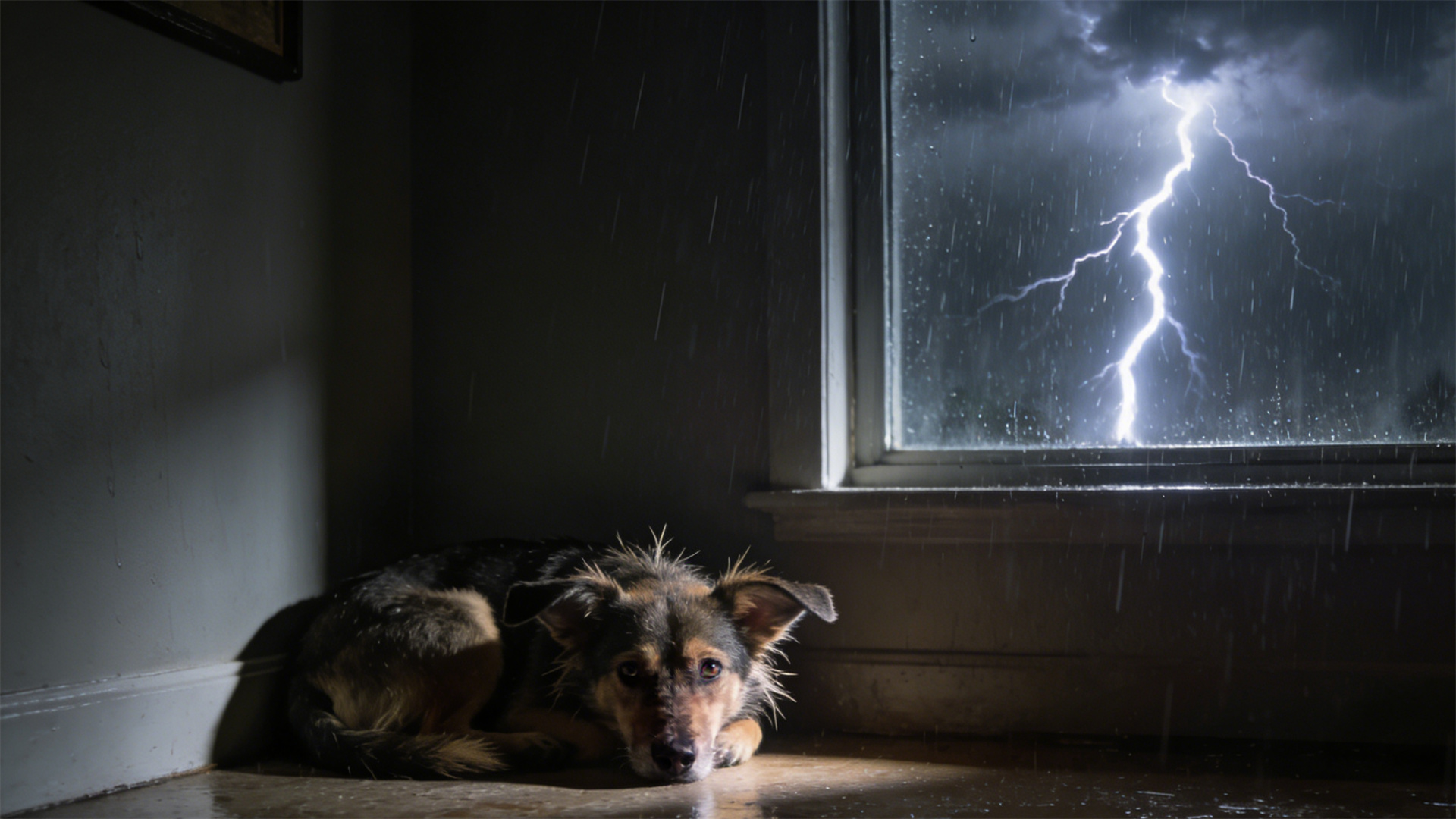
Thunderstorms, fireworks, and high winds can trigger severe anxiety in dogs. Their sensitive hearing detects frequencies and pressure changes we cannot, making storms terrifying.
⚡ Creating a Safe Haven
Your goal is to create a secure, buffered space. This could be a windowless bathroom, a closet, or a crate draped with a heavy blanket. Add familiar bedding, favorite toys, and consider using a white noise machine or calming music to mask storm sounds.
🧥 The Role of Apparel: "Are dog raincoats effective?"
Beyond keeping dogs dry, a well-fitted dog waterproof coat can provide a gentle, calming "swaddling" pressure during anxiety-inducing weather. For wet conditions, they are highly effective at keeping your dog dry and clean, reducing post-walk cleanup.
🩺 Behavioral Support and Professional Help
Remain calm yourself, as dogs mirror our emotions. Avoid overly coddling anxious behavior, as this can reinforce it. Instead, engage in calm, normal activities. For severe anxiety, consult your veterinarian about behavioral therapy or, in some cases, anti-anxiety medications.
🎒 Be Prepared, Not Scared: Canine Emergency Readiness
Extreme weather often leads to power outages or evacuations. Your dog's safety should be integrated into your family's emergency plan.
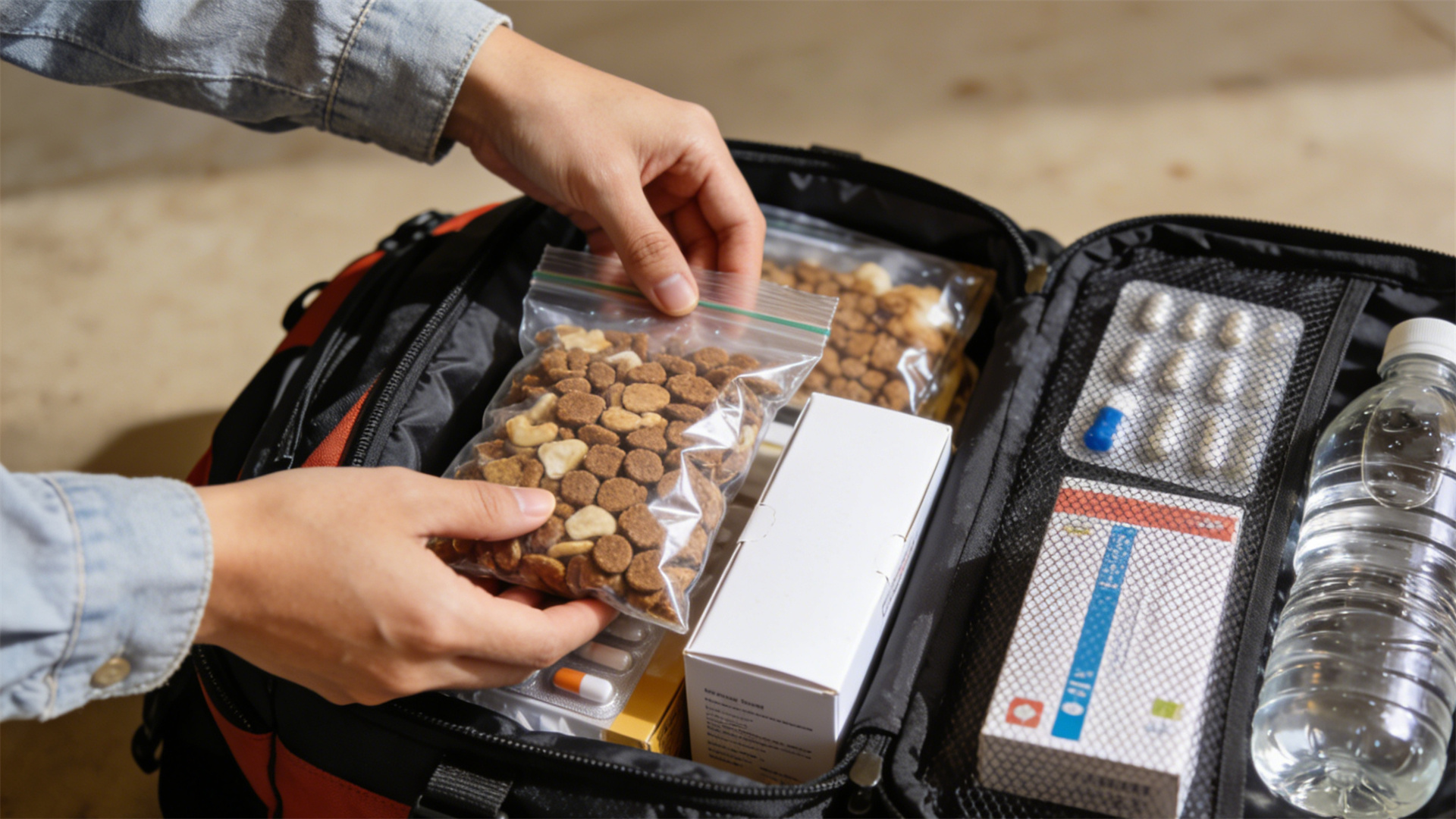
- Prepare a "Dog Go-Bag": Include a 7-day supply of food, water, medications, copies of veterinary records, a first-aid kit, an extra leash/harness, poop bags, and recent photos of your pet.
- Ensure Identification: Your dog should have a secure collar with an up-to-date tag and a microchip with registered contact information.
- Plan Your Shelter: Not all emergency shelters accept pets. Research pet-friendly hotels or make arrangements with family/friends outside your immediate area.
📊 Tailored Protection: Small Dogs vs. Large Dogs
Weather protection for small dogs versus large dogs requires different considerations. Small dogs have a higher surface-area-to-volume ratio, losing heat faster in winter and overheating quicker in summer. They often benefit more from insulated coats and need closer supervision in cold. Large dogs, especially brachycephalic (flat-faced) breeds like Bulldogs, are disproportionately susceptible to heatstroke. Both need protection, but the intensity and type of gear and monitoring will vary.
✅ Conclusion & Your Action Plan
Protecting your dog from extreme weather is a year-round commitment built on vigilance, the right gear, and proactive planning. From understanding the signs of heatstroke to investing in a waterproof jacket and preparing an emergency kit, you are your dog's first and best line of defense.
Your Next Steps:
- Audit Your Gear: Check your current supplies. Do you have appropriate seasonal protection?
- Book a Vet Check: Discuss your dog's specific vulnerabilities based on their breed, age, and health condition.
- Build That Go-Bag: Don't wait for a disaster warning.
Special Reminder: This article provides general guidance. Always consult your veterinarian for personalized advice tailored to your dog's unique needs.