As a canine care specialist with years of experience, I have witnessed a concerning trend: a steady rise in skin-related issues among our beloved pets, directly linked to sun exposure. One startling statistic from veterinary dermatology reports indicates that cutaneous squamous cell carcinoma is one of the most common skin cancers in dogs, and UV radiation is a primary culprit. This article serves as a crucial guide for every responsible dog owner. Our purpose is to illuminate the often-overlooked dangers of ultraviolet rays, particularly for vulnerable breeds, and to empower you with the knowledge to choose the most effective shield: high-quality sunscreen clothing. Protecting your dog is an act of love, and it begins with understanding the threat.
☀️ Section One: The Hidden Danger. Understanding UV Ray Harm.
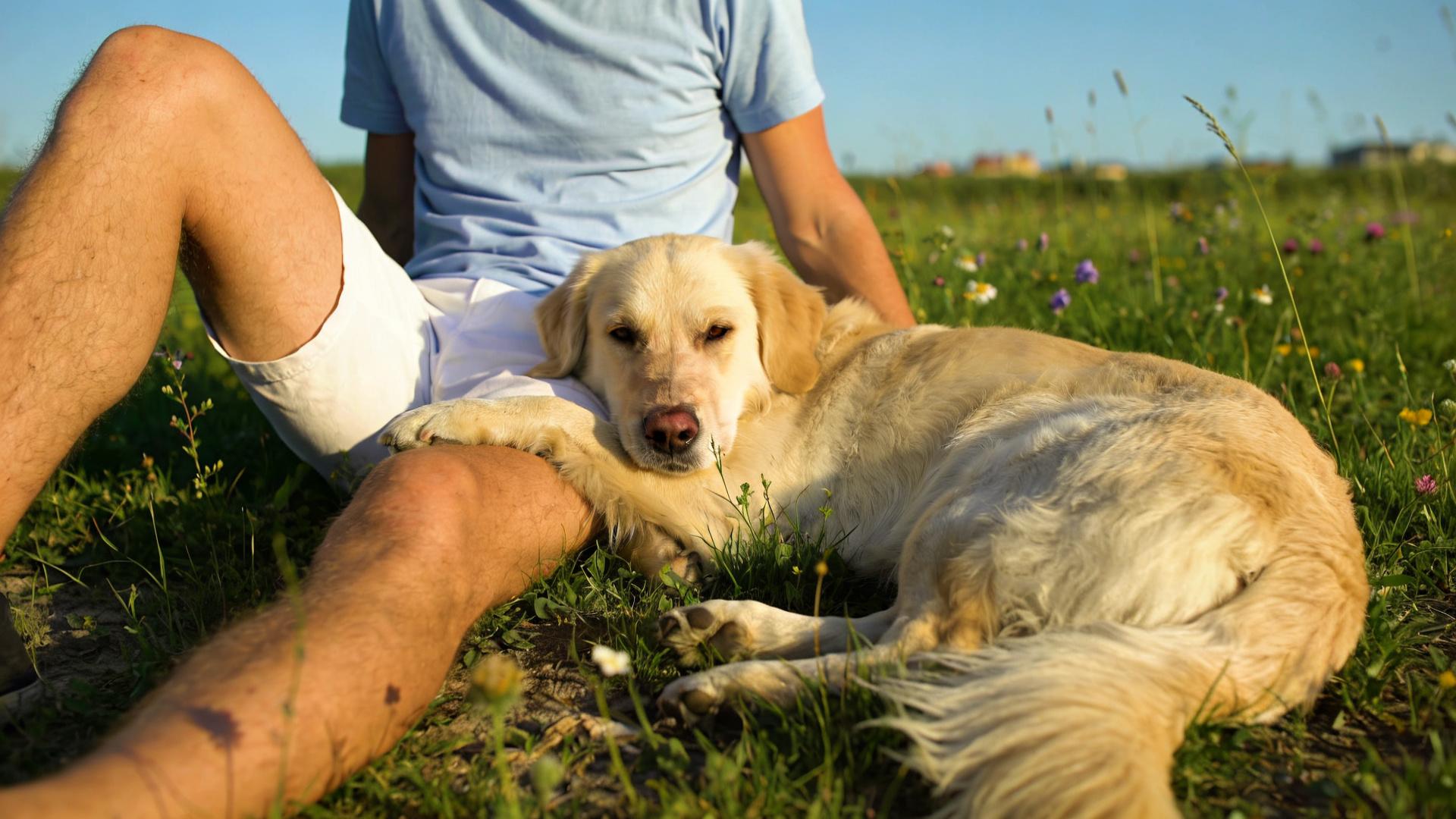
Just as humans are susceptible to sun damage, our canine companions face significant risks from prolonged exposure to ultraviolet UVA and UVB rays. However, dogs lack our universal awareness of this threat, relying entirely on us for their protection. The harm of UV rays to dogs is cumulative and irreversible, damaging the DNA in skin cells and leading to a spectrum of severe health issues.
Why Light-Skinned, Short-Haired, and Hairless Breeds Are at High Risk
Dogs with light or white fur, short hair, or thin coats possess minimal natural protection. Breeds such as Bulldogs, Dalmatians, Boxers, White German Shepherds, Greyhounds, and American Pit Bull Terriers are exceptionally vulnerable. Hairless breeds like the Xoloitzcuintli or Chinese Crested are, of course, at the greatest risk. These dogs often have pink or lightly pigmented skin beneath their sparse fur, which contains less melanin, the natural pigment that provides some defense against UV radiation.
From Sunburn to Cancer: The Progression of Sun Damage
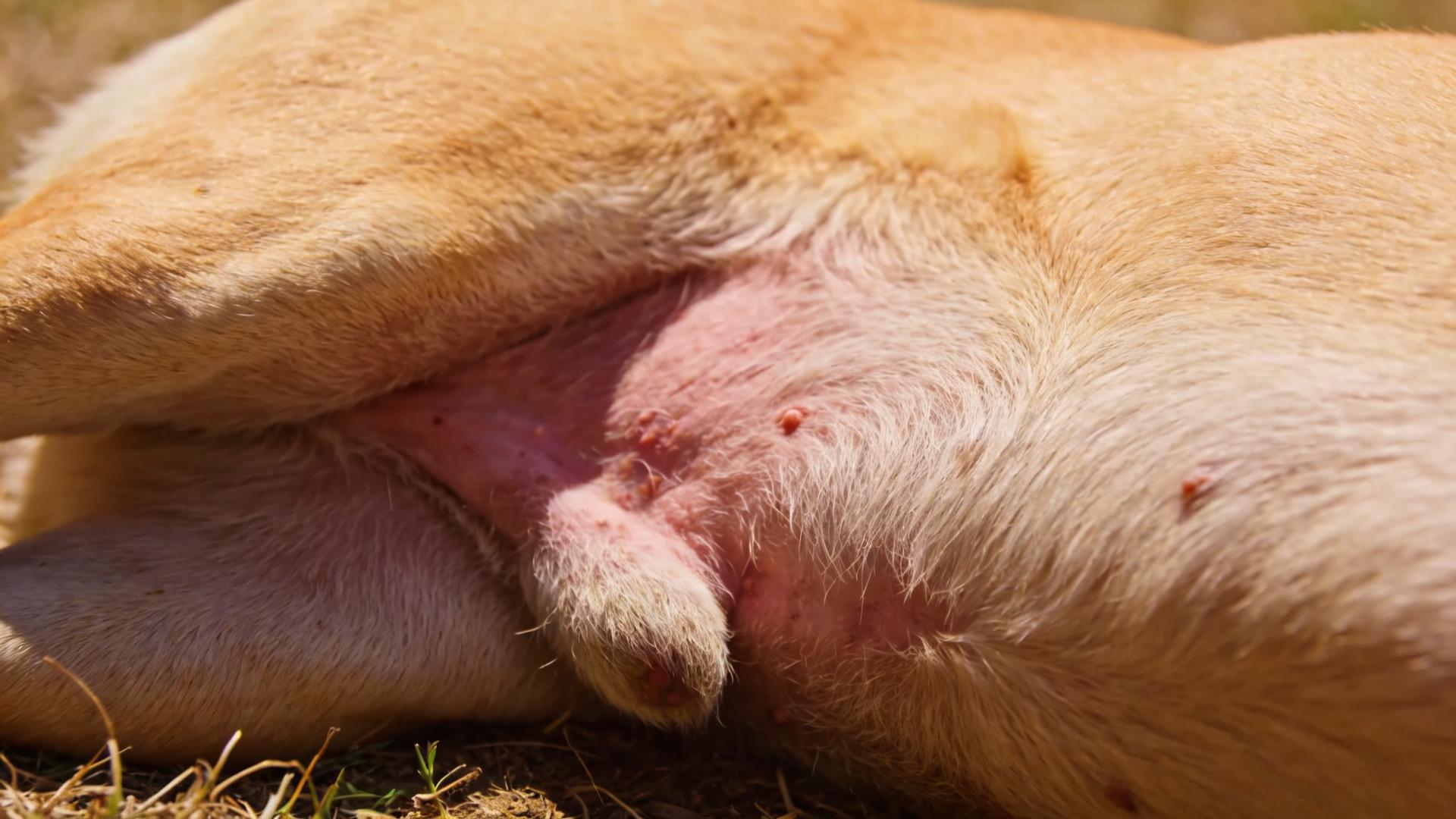
The damage often begins subtly. Canine solar dermatitis is an inflammatory condition akin to a severe sunburn. Symptoms include the skin, especially on the sparsely haired belly, inner legs, ears, and nose, turning from pink to a noticeable persistent red. The skin may become tender, flaky, and thickened.
With chronic exposure, this can progress to actinic keratosis. These are pre-cancerous lesions appearing as rough, scaly, crusty patches on the skin. They are a major red flag that the skin has sustained significant DNA damage.
The most severe consequence is squamous cell carcinoma (SCC). This aggressive, malignant skin cancer often manifests as non-healing sores, raised wart-like lumps, or ulcerated areas that may bleed. It is commonly found on the abdomen, flank, ears, and nose of light-skinned dog breeds. Early detection and prevention are paramount, as treatment can involve complex surgery and is not always successful if the cancer has metastasized.
🛡️ Section Two: Beyond Lotion. Why Clothing is a Superior Shield.
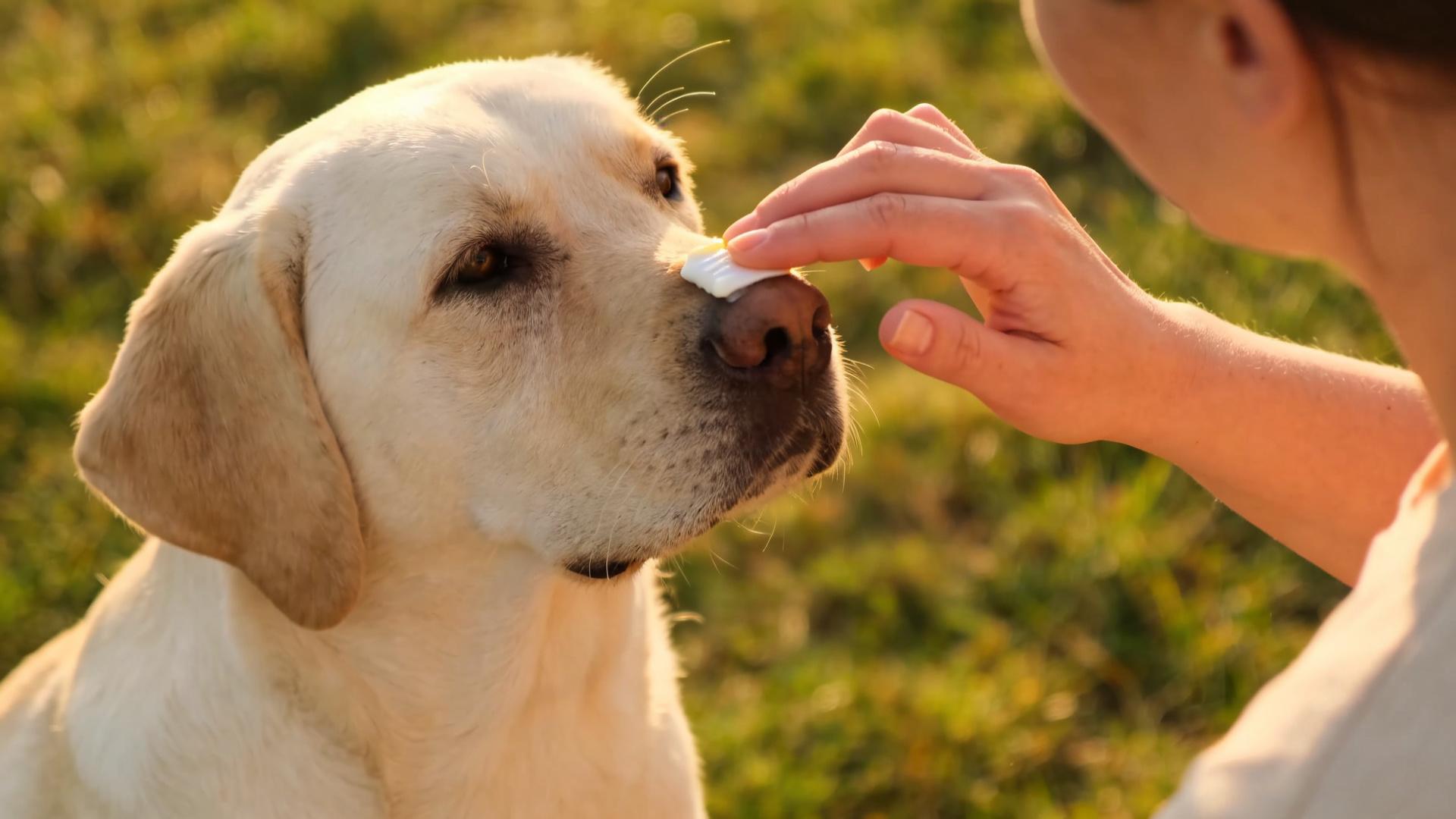
When considering dog sun protection, many owners first think of sunscreen. While using a pet-safe, non-toxic sunscreen on exposed areas like the nose, ear tips, and groin is a valuable practice, it has notable limitations as a primary defense.
Sunscreen for dogs must be reapplied frequently, especially after swimming or sweating. It can be messy, difficult to apply evenly through fur, and there is always a risk of your dog licking it off and ingesting chemicals, even those formulated as pet-safe. This is where sunscreen clothing for dogs fundamentally changes the game.
Sun-protective clothing acts as a consistent, physical barrier between your dog's sensitive skin and harmful rays. Think of it as a portable shade structure your dog wears. Its advantages are clear. It provides all-day coverage without the need for reapplication. A well-fitted sun shirt or suit protects large, vulnerable areas like the back, sides, and belly comprehensively. Furthermore, modern technical fabrics often offer additional benefits such as moisture-wicking to keep your dog cool, breathability to prevent overheating, and some even incorporate insect-repelling properties for added protection during outdoor adventures.
🧵 Section Three: The Selection Guide. How to Choose Effective Sunscreen Clothing.
Not all dog clothing offers genuine UV protection. Informed selection is key to ensuring your investment truly safeguards your pet. Use this actionable checklist when evaluating sun protective dog wear.
Fabric and UPF Rating: The Science of the Shield
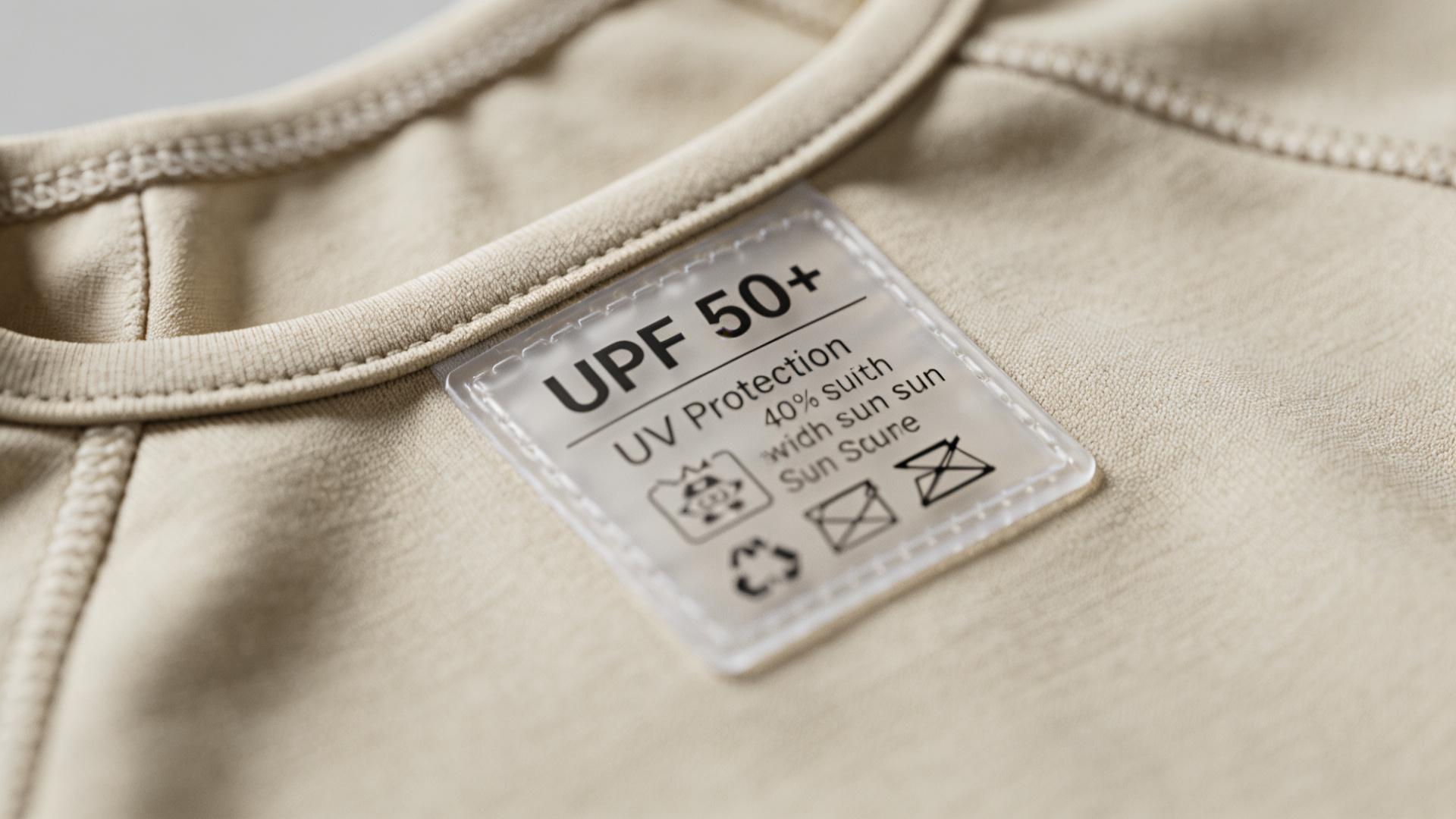
The single most important factor is the Ultraviolet Protection Factor UPF rating. Similar to SPF for human sunscreen, UPF measures how much UV radiation a fabric blocks. A UPF 50 rating allows only 1/50th 2 of the sun's UV rays to pass through. For optimal protection, seek out clothing with a UPF rating of 40 to 50+. This information should be clearly labeled by reputable manufacturers. Effective fabrics are typically tightly woven synthetic fibers like polyester or nylon, which inherently block more UV than loose, natural fibers like cotton.
Fit and Coverage: Security Without Restriction
Coverage is the primary goal. The garment should shield the most vulnerable areas: the entire back, the flanks, and critically, the often-exposed belly. A snug but comfortable fit is essential. It should not be so tight as to chafe or restrict movement, nor so loose that it shifts, exposes skin, or gets tangled. Look for designs with elasticated but gentle leg openings and a secure belly panel. Many styles feature adjustable straps or velcro closures for a customizable fit.
Comfort and Features: For Happy, Active Wear
If it is not comfortable, your dog will not wear it. Breathability is non-negotiable to prevent overheating. Fabrics should allow heat to escape and air to circulate. Moisture-wicking properties pull sweat and water away from the skin, aiding in temperature regulation. Flat, soft seams prevent rubbing and irritation, especially in areas like the armpits. Practical features such as leg loops, reinforced stitching, and a durable yet flexible design make the garment more secure and functional for an active dog.
Style and Durability: Matching Gear to Lifestyle
Choose a style suited to your activity. A full-body sun suit with extended coverage is ideal for long beach days, boating, or hiking in exposed areas. A lightweight sun shirt or tank might be perfect for daily walks or park visits. Consider ease of care: machine-washable, quick-dry fabrics are a practical blessing for busy owners. The garment should maintain its UPF rating and shape through many washes, making durability a key aspect of its value.

💖 Conclusion: A Proactive Paw in Prevention
Protecting our light-skinned and short-haired dogs from the sun's ultraviolet assault is a critical, modern aspect of responsible pet guardianship. It moves beyond aesthetics into the vital realm of preventive health care. By understanding the profound harm of UV rays to dogs and taking proactive steps, you directly reduce the risk of painful sunburn, pre-cancerous lesions, and potentially life-threatening carcinomas.
We encourage you to assess your own dog's risk level. Consider their breed, coat color and density, and lifestyle. View the investment in quality sunscreen clothing for dogs not as an optional accessory, but as an essential piece of protective gear—as vital as a leash or collar. Armed with this knowledge, you can confidently choose gear that offers safety, comfort, and peace of mind. Let this be the summer you and your best friend enjoy the sunshine safely, with adventures unimpeded by worry, and a future bright with health.