The relationship between a dog and its bowl is foundational. What we pour into it forms the very building blocks of their health, vitality, and longevity. In an age of endless marketing claims and fleeting food trends, a scientific diet for dogs stands apart. It is not a brand, a single ingredient list, or a fad. It is a methodology—a framework rooted in the objective study of canine biology, physiology, and nutritional health. This article dismantles the noise to provide you with an evidence-based guide. Our goal is to empower you to make informed, objective feeding choices that support your dog's lifelong well-being, from playful puppyhood to graceful senior years.

🔬 Section One: The Pillars of Canine Nutritional Science
Think of your dog's body as a complex, constantly renovating house. A scientific diet provides the precise materials needed for construction, repair, and energy. These materials are the six essential nutrient classes, each non-negotiable in a balanced canine nutrition plan.
The Foundation: Water
Often forgotten as a nutrient, water is the most critical. It facilitates every metabolic process, regulates body temperature, and transports nutrients. A dog can lose all fat and half its protein and survive, but a 10% loss of body water can be fatal. Ensure fresh, clean water is available at all times.
The Building Blocks: Proteins & Amino Acids
Proteins, built from amino acids, are the primary materials for building and repairing muscles, organs, skin, hair, hormones, and enzymes. High-quality protein sources (like whole meats, eggs, and fish) provide a complete amino acid profile. The liver and kidneys rely on adequate, bioavailable protein for optimal function throughout life.
The Concentrated Fuel: Fats & Fatty Acids
Fats are a dense energy source, provide essential fatty acids (like Omega-3 and Omega-6), and are necessary for absorbing fat-soluble vitamins (A, D, E, K). They support brain health, maintain healthy skin and coat, and reduce inflammation.
The Functional Support: Carbohydrates, Vitamins & Minerals
While dogs have no strict dietary requirement for carbs, they provide a readily available energy source and dietary fiber for digestive health. Vitamins and minerals are the catalysts and regulators. For instance, calcium and phosphorus must be in a precise ratio for skeletal health, especially critical in large breed puppy diet science. An imbalance here can lead to developmental orthopedic disease.
🧐 Section Two: Interpreting Dog Food Labels with a Critical Eye
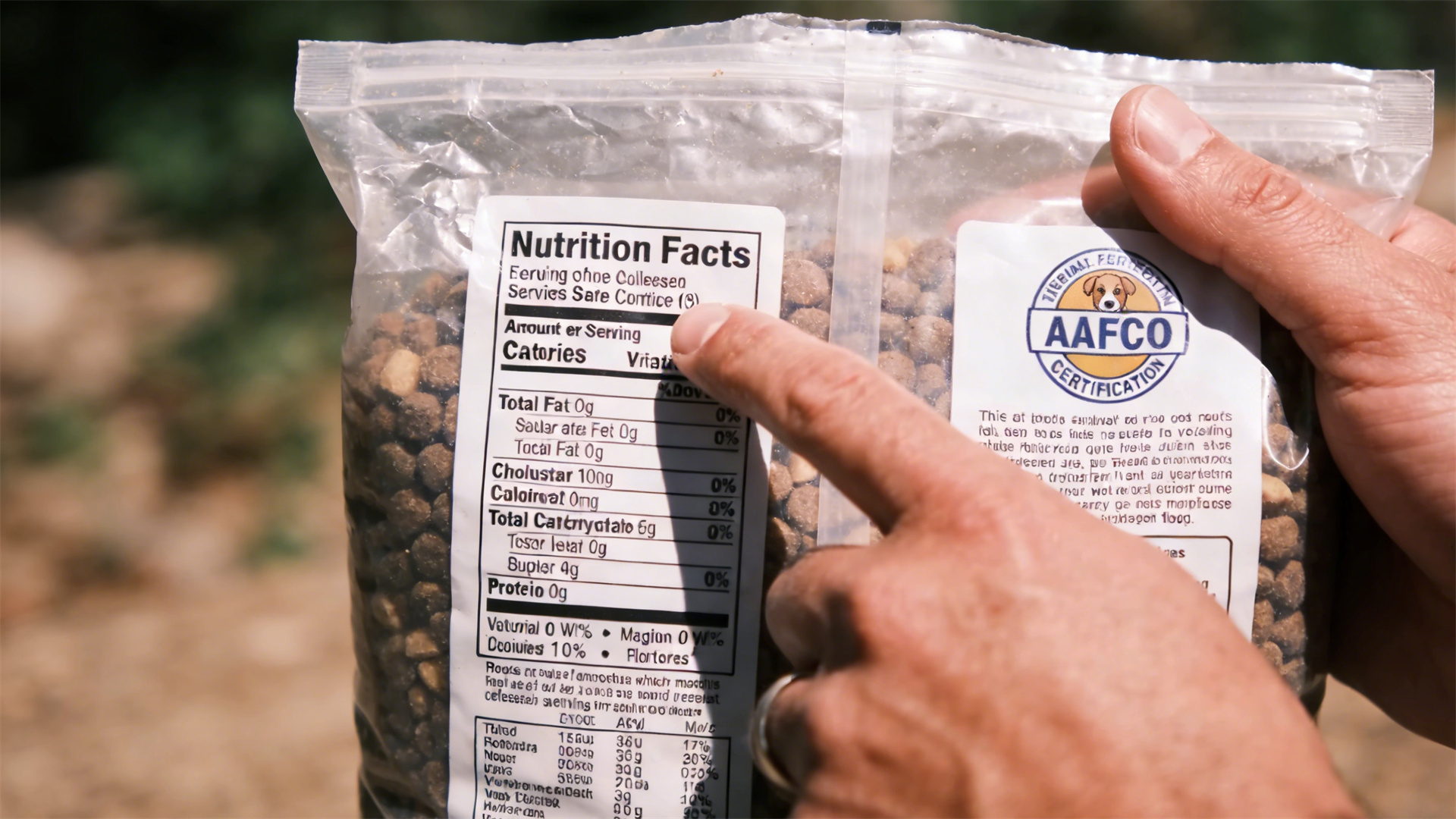
The bag is a marketing document; the label is a legal one. Understanding dog food ingredient labels scientifically is your first defense against clever branding. Here’s how to read like a pro.
The Guaranteed Analysis: The "What"
This chart lists minimum percentages of crude protein and fat, and maximum percentages of crude fiber and moisture. Crude refers to the measurement method, not quality. It’s a starting point for comparison but doesn’t tell the full story of digestibility or source.
The Ingredient List: Order Matters
Ingredients are listed by descending pre-cooked weight. Look for a named, high-quality animal protein (e.g., "chicken," "salmon," "lamb meal") as the first ingredient. Beware of "splitting"—where similar ingredients like "ground corn," "corn gluten," and "corn bran" are listed separately to push downers like corn lower on the list.
The AAFCO Statement: The "Why"
This is the most crucial line on the bag. The Association of American Feed Control Officials (AAFCO) sets nutritional standards. The statement should confirm the food is "formulated to meet the nutritional levels established by the AAFCO Dog Food Nutrient Profiles" for a specific life stage (e.g., growth, adult maintenance, all life stages). This is the baseline for a research-backed dog food. For prescription dog diet or hypoallergenic dog food science, formulations go beyond AAFCO to address specific clinical needs.
⚖️ Section Three: Calculating Needs: The Variables of Science
One formula does not fit all. A scientific diet must be tailored. Evidence-based dog feeding recognizes these key variables:
- Life Stage: Puppy nutrition science demands more protein, fat, and precise minerals for growth. A senior dog diet plan may focus on joint support, adjusted protein quality for aging kidneys, and controlled calories.
- Breed & Size: A Great Dane puppy and a Chihuahua puppy have diametrically opposed needs. Large breed puppy diet science emphasizes controlled growth rates through careful calorie and calcium management.
- Activity Level: A sled dog and a companion dog have vastly different energy expenditures.
- Health Status: Conditions like obesity, diabetes, kidney disease, or allergies require targeted dog diet planning. This is where veterinarian-approved dog diet and clinical trials in dog food become paramount.
Special Reminder: For dogs with medical conditions, always seek a veterinary nutritionist or your vet to formulate a plan. Homemade dog food recipes vet approved are essential if you go the DIY route, as imbalance can cause severe harm.

🏠 Section Four: Implementing the Science at Home
Knowledge is power, but implementation is results. Here are actionable steps for how to feed a dog properly using science.
Step 1: Determine Caloric Needs
Start with the Resting Energy Requirement (RER): 70 x (body weight in kg)^0.75. Multiply this by a factor for life stage and activity (e.g., 1.6 for a typical active adult dog) to get Daily Energy Requirement (DER). This is your starting point for daily calories. Your vet can provide the most accurate calculation.
Step 2: Practice Measured Feeding
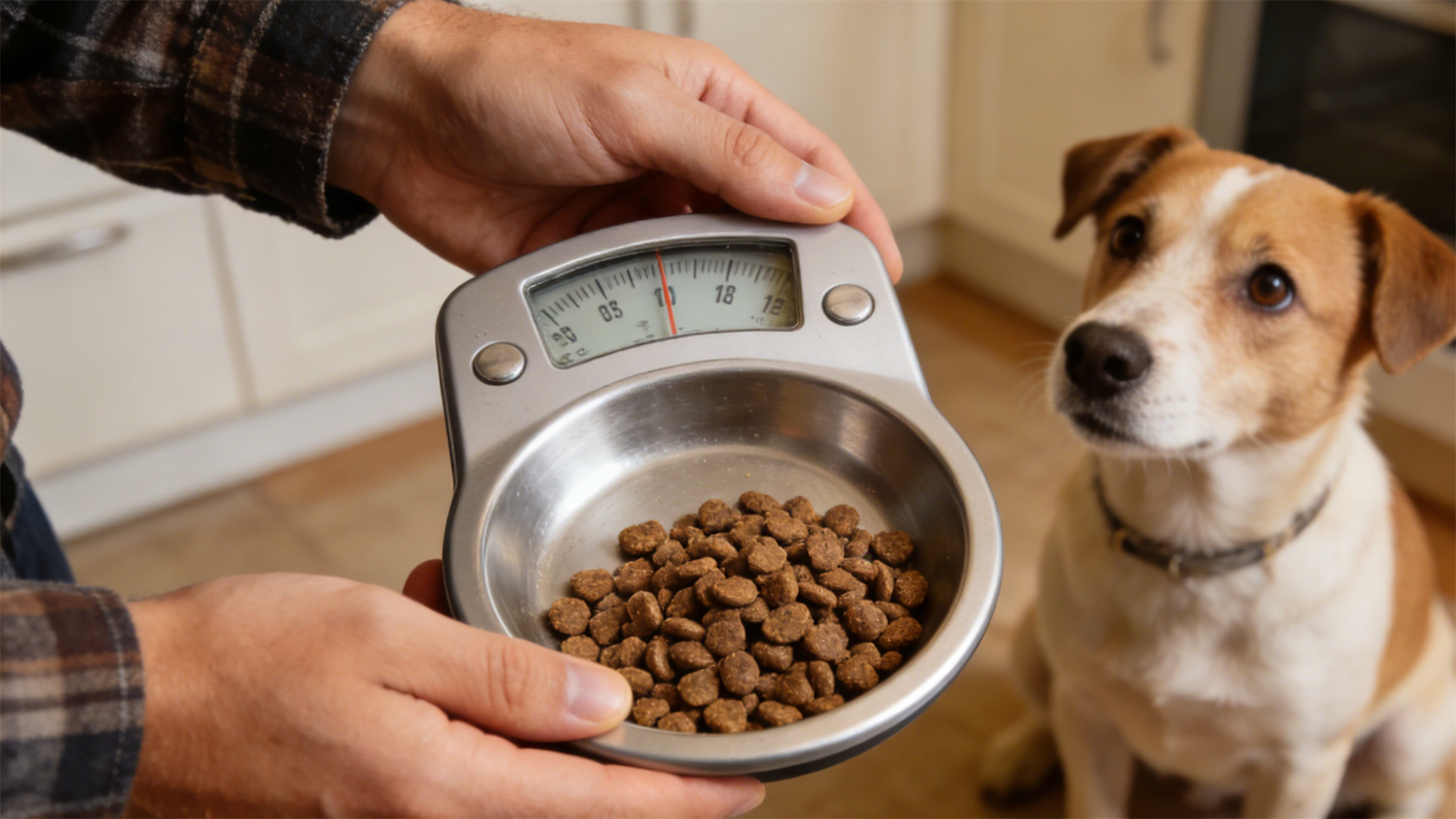
Abandon free-feeding. Use a measuring cup or a kitchen scale (more accurate) to portion out the exact daily amount based on your caloric calculation. This is the cornerstone of canine weight management diet.
Step 3: Master the Body Condition Score (BCS)
This is your visual and tactile guide. On a 9-point scale, a score of 4-5 is ideal: you should easily feel the ribs under a slight fat covering, see a waist behind the ribs, and an abdominal tuck from the side. Adjust food up or down based on monthly BCS checks, not just weight.
Step 4: Integrate Treats Intelligently
Treats should not exceed 10% of daily caloric intake. Factor them into the daily total. For dogs on a canine weight management diet, use low-calorie options like green beans or air-popped popcorn (unsalted).
Step 5: Evaluate Specialized Approaches Critically
Whether considering a scientific raw feeding for dogs or a homemade diet, the principles remain: balance, sanitation, and individual suitability. These paths require rigorous research and professional guidance to meet all dog nutrient requirements and mitigate risks.

Conclusion: A Lifelong Practice of Informed Care
Adopting a scientific diet for dogs is a commitment to evolving, evidence-based care. It acknowledges that canine nutritional science advances, and your dog's needs change. It moves you from a passive consumer to an active partner in your dog's health. Always use your veterinarian as your primary resource, especially for prescription dog diet needs or significant dietary shifts. The ultimate reward for this disciplined, informed approach is tangible: a dog with a gleaming coat, sustained energy, a robust immune system, and the best possible foundation for a long, vibrant life. That is the profound power of building health from the bowl out.