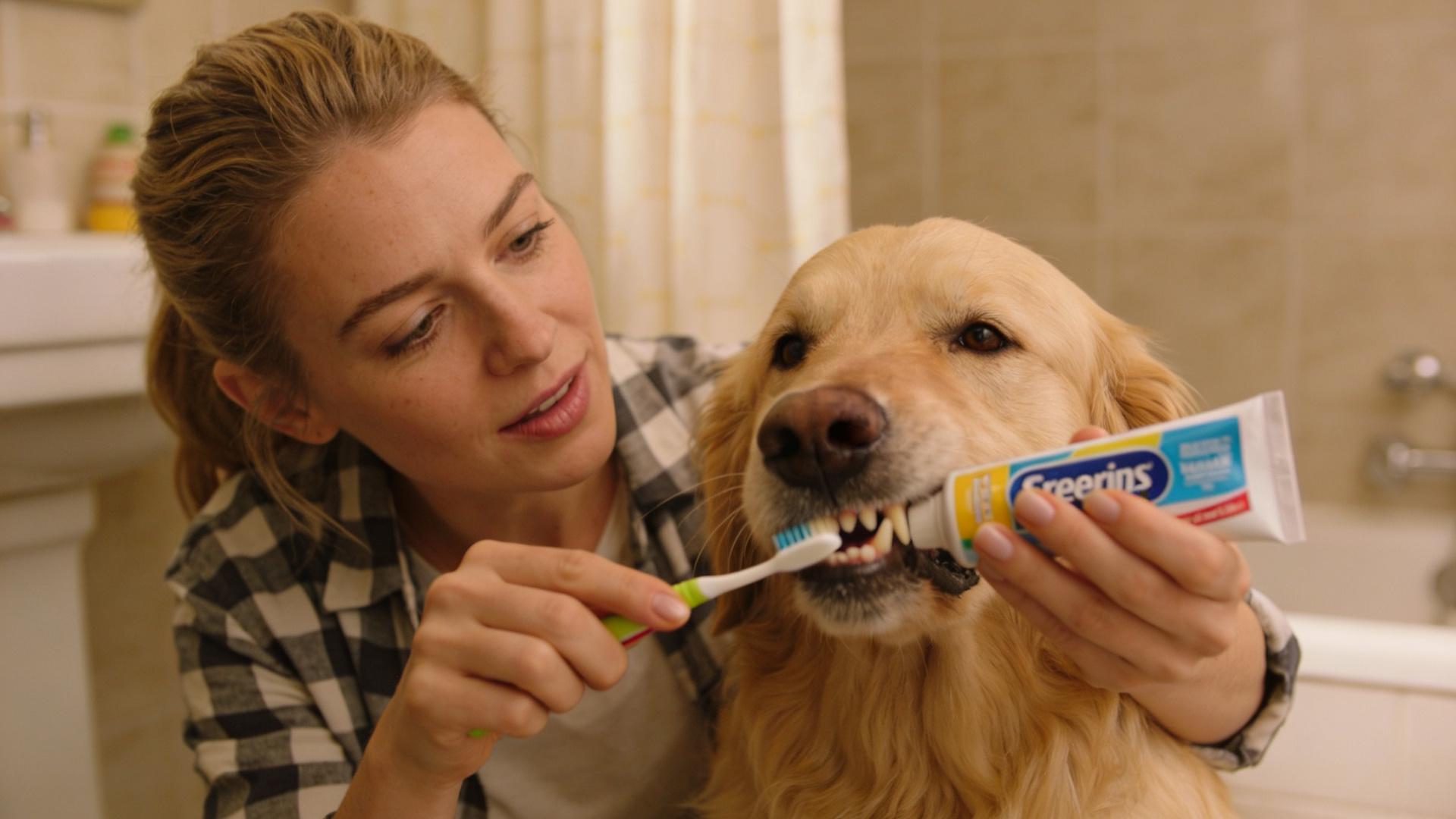
The journey of canine pregnancy is a delicate and transformative time, requiring a nuanced shift in your care routine. Among the many considerations, bathing and grooming stand out as activities that, if done improperly, can inadvertently cause harm to both the expectant mother and her developing puppies. The core principles guiding all prenatal care are stress reduction and the minimization of abdominal pressure. This comprehensive guide delves into the critical taboos every dog owner must avoid, transforming grooming from a potential hazard into an act of supportive, gentle care that safeguards maternal health and fetal well-being.
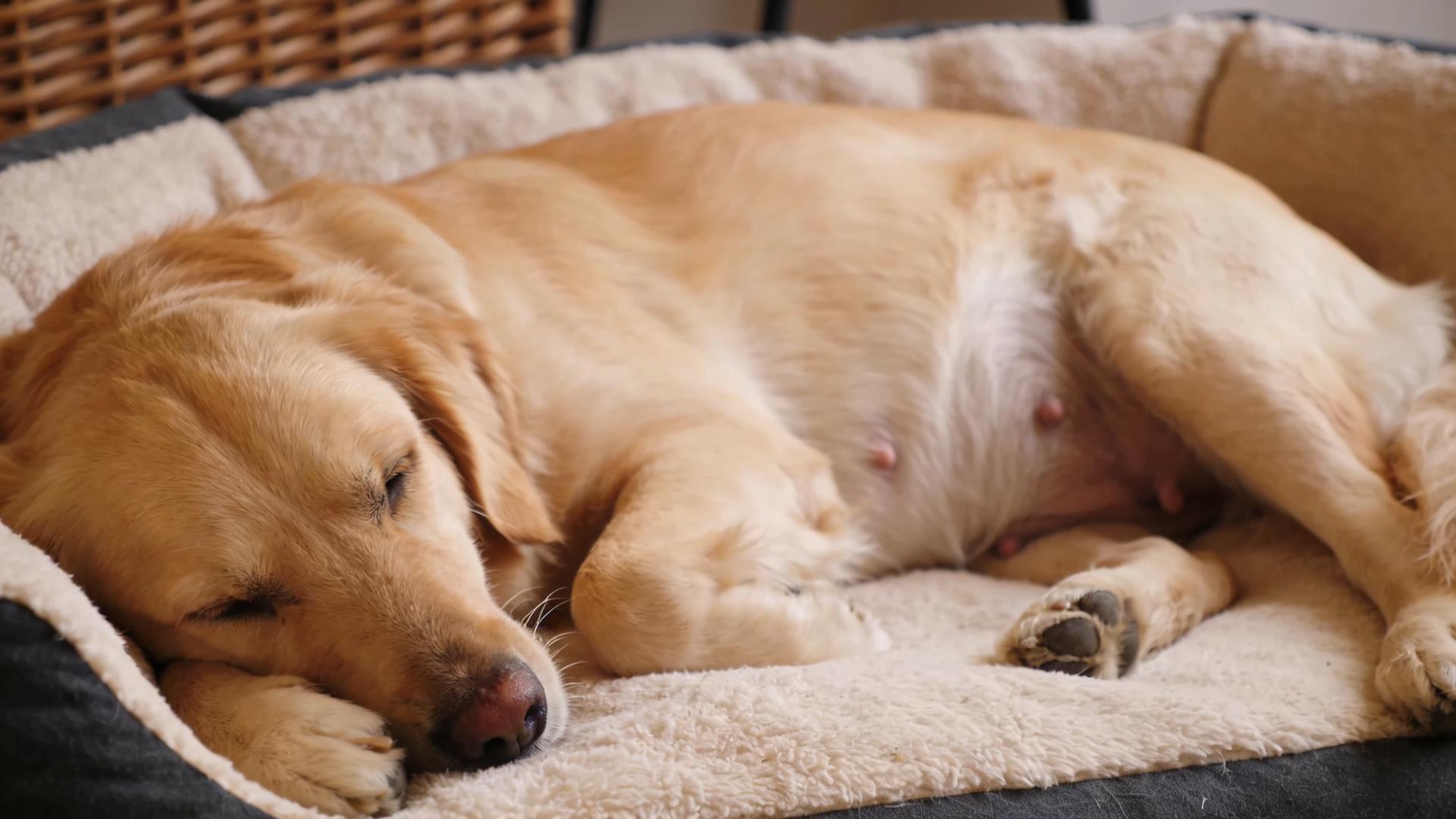
⚠️ Introduction: The Delicate Balance of Prenatal Care
A pregnant dog's body undergoes profound changes: hormonal fluctuations, increased weight, shifted center of gravity, and often, heightened sensitivity. Her liver and kidneys are working overtime to support the litter, making her more vulnerable to chemicals. Furthermore, stress-induced cortisol can cross the placental barrier, potentially affecting puppy development. Therefore, every interaction, including grooming, must be recalibrated with patience and knowledge. This isn't about achieving show-ring perfection; it's about maintaining baseline hygiene and comfort while prioritizing absolute safety.
Core Philosophy: Safety First, Aesthetics Second
The goal during the approximately 63-day gestation period is to support, not strain. This means postponing elaborate styling, opting for shorter, more frequent sessions, and always erring on the side of caution. Your veterinarian is your primary ally—always consult them before undertaking any grooming, especially if your dog has a high-risk pregnancy or is showing signs of discomfort.
🚫 Taboo One: Harsh or Medicated Shampoos
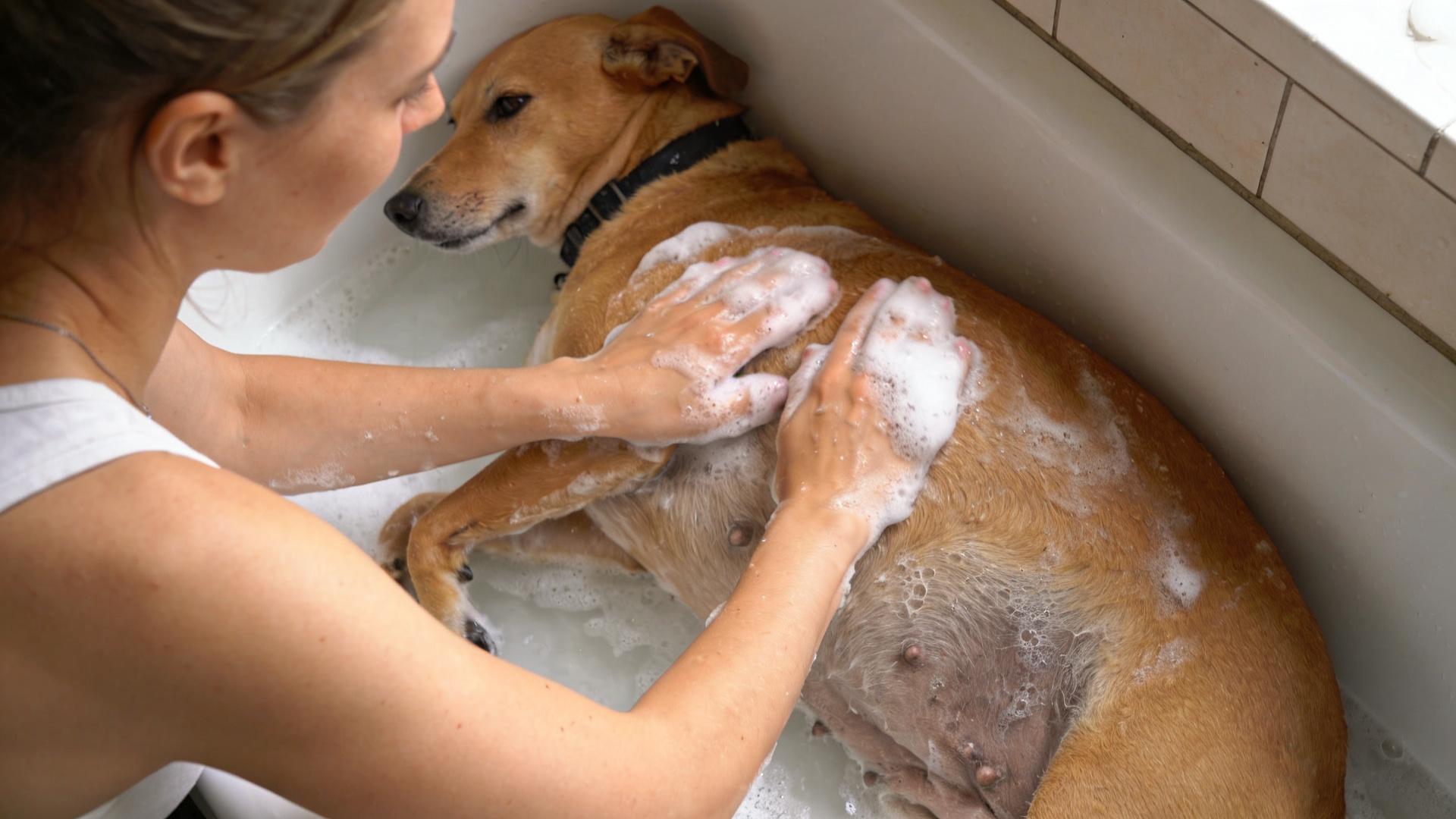
Avoid at all costs: Using human shampoos, flea/tick formulas, strong deodorizing, or medicated shampoos without explicit veterinary instruction. These products often contain sulfates, parabens, pesticides (like pyrethrins), or potent essential oils (e.g., tea tree oil) that can be absorbed through the skin.
Why It's Dangerous:
- Skin Absorption: A pregnant dog's skin can be more permeable, and her liver is tasked with metabolizing substances for herself and the puppies. Harsh chemicals can enter the bloodstream, posing a risk of toxicity or developmental issues.
- Skin Sensitivity: Hormonal changes often lead to drier, more sensitive skin. Harsh detergents strip natural oils, causing irritation, dandruff, and discomfort.
✅ The Safe Alternative:
Choose a pH-balanced, oatmeal-based, or hypoallergenic canine shampoo made with natural, gentle ingredients. Look for labels stating "safe for puppies and pregnant/nursing dogs." A simple, unscented, soap-free cleanser is ideal. For spot cleaning between baths, consider vet-approved waterless shampoos or grooming wipes.
🚫 Taboo Two: Slippery Bathing Environments
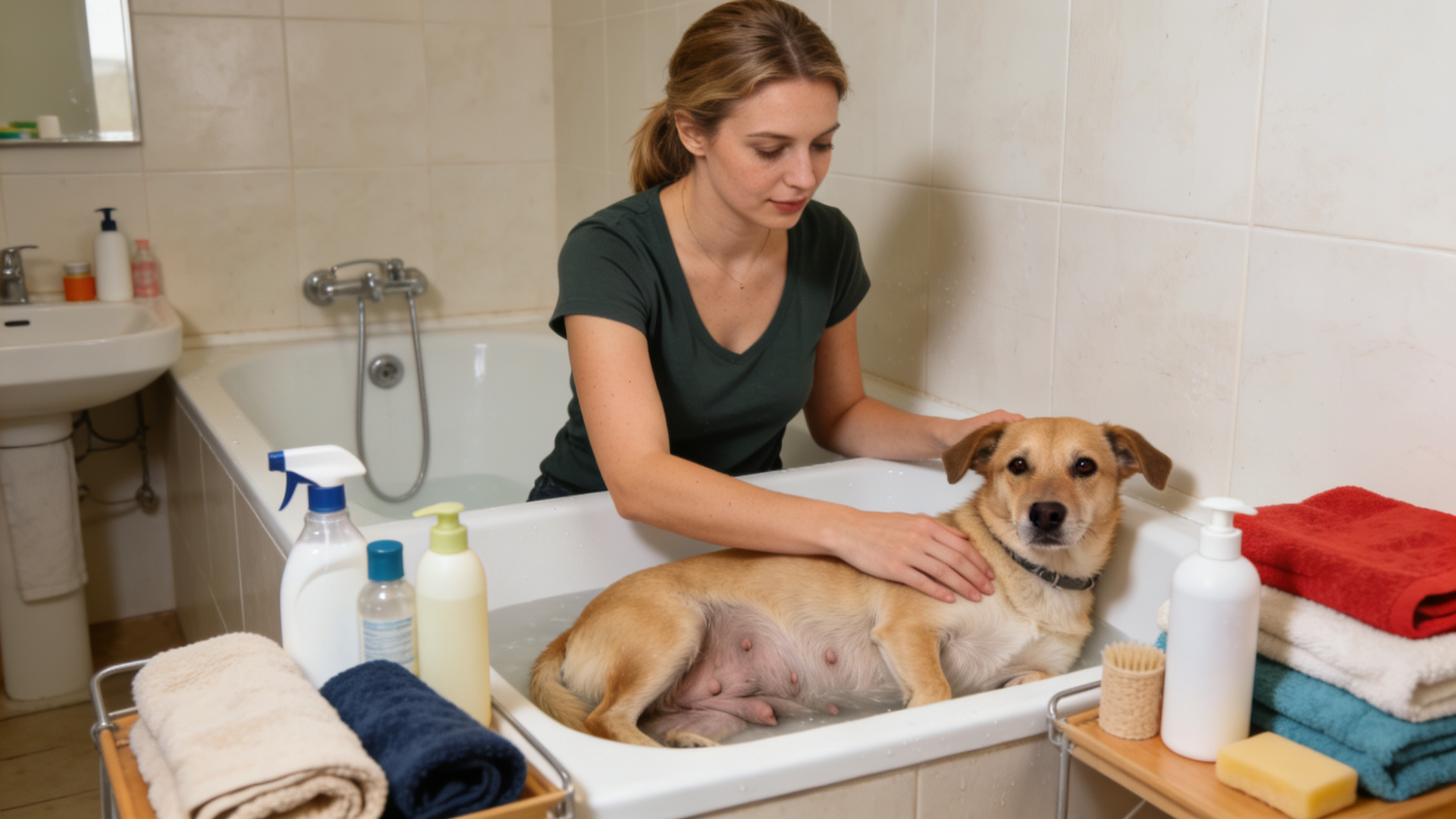
Avoid at all costs: Placing your dog directly into a slick bathtub, shower basin, or on a tiled floor. The risk of her legs splaying or her losing footing is drastically increased due to her extra weight and altered balance.
Why It's Dangerous:
- Abdominal Trauma: A sudden fall or scramble to regain footing can create a sharp impact or sustained strain on the abdomen, potentially injuring the uterus or the puppies.
- Musculoskeletal Injury: The awkward weight distribution can lead to sprains or muscle pulls, compounding her physical discomfort.
✅ The Safe Alternative:
Always use a heavy-duty rubber non-slip mat in the tub. For smaller dogs, a large plastic tub on the floor with a towel at the bottom can provide more stability than a high, slippery sink. Ensure you have a secure grip on the dog's harness (not collar) for added support.
🚫 Taboo Three: Unsupervised Bath Time
Avoid at all costs: Stepping away to answer the door or grab a towel, leaving your pregnant dog alone in or near water. Even a few seconds can lead to a panicked attempt to jump out or a slip.
Why It's Dangerous:
- Immediate Physical Risk: The combination of water, soap, and potential anxiety is a recipe for accidents. Constant supervision is non-negotiable for physical safety.
- Anxiety Amplification: A pregnant dog may feel more vulnerable. Your presence provides reassurance; your absence can trigger panic, spiking stress hormones.
✅ The Safe Alternative:
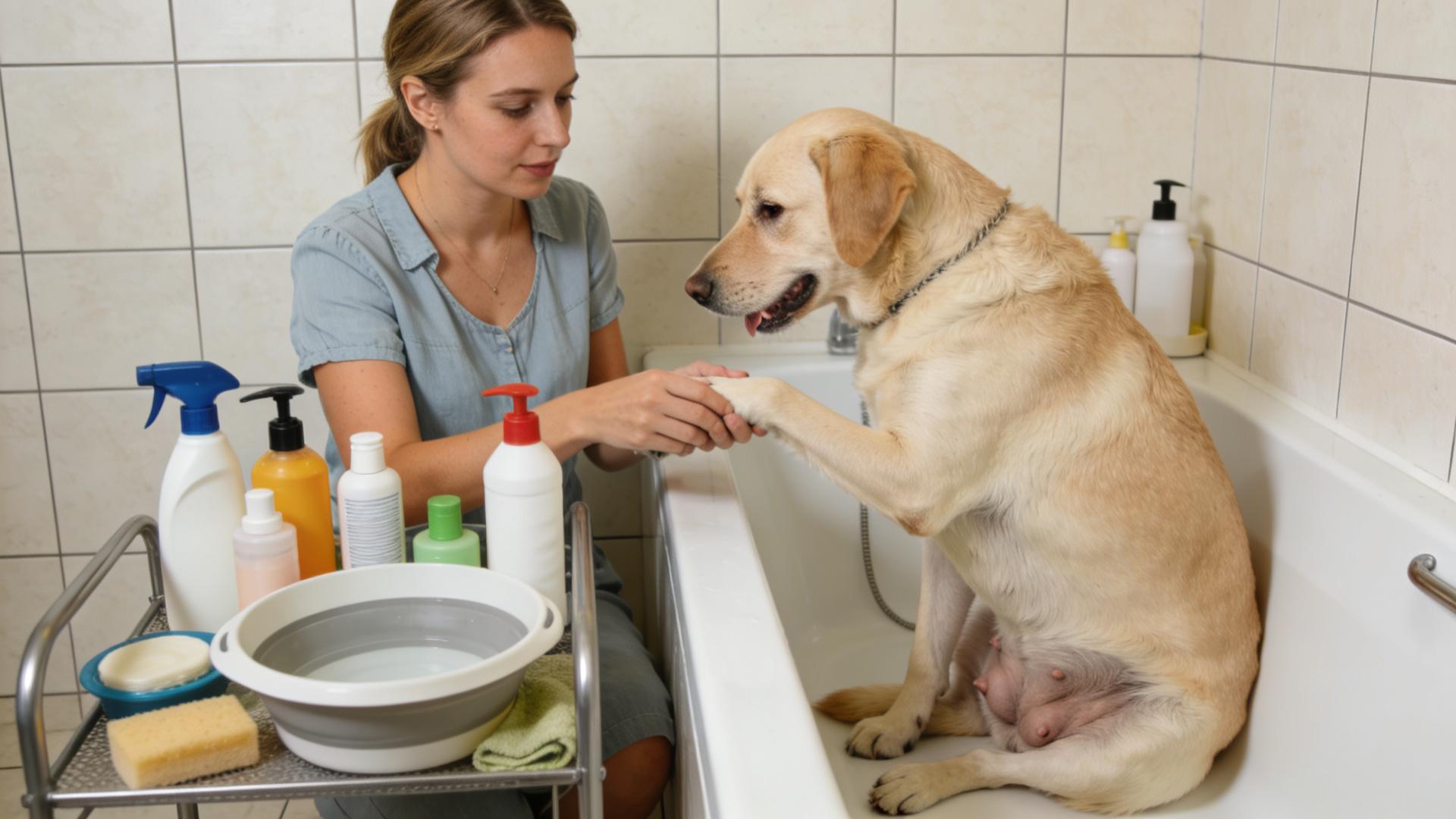
Prepare everything—shampoo (diluted in a separate bottle), towels, dryer—within arm's reach before you begin. Use a calm, soothing voice throughout. If you must interrupt the session, safely lift and towel-dry your dog enough to secure her in a nearby crate or safe, dry room first.
🚫 Taboo Four: High Tables and Abdominal Pressure
Avoid at all costs: Using an elevated grooming table, especially one without sides, or any grooming position that requires the dog to lie on her back or side for extended periods. Also, avoid leaning on her or applying pressure during brushing.
Why It's Dangerous:
- Direct Puppy Compromise: Pressure on the enlarged abdomen can compress the uterus, reduce blood flow, and cause distress or physical harm to the fetuses.
- Risk of Falls: A moment of dizziness or discomfort on a high table can lead to a catastrophic fall. Data from veterinary clinics show a notable increase in pregnancy complications from such incidents in the third trimester.
✅ The Safe Alternative:
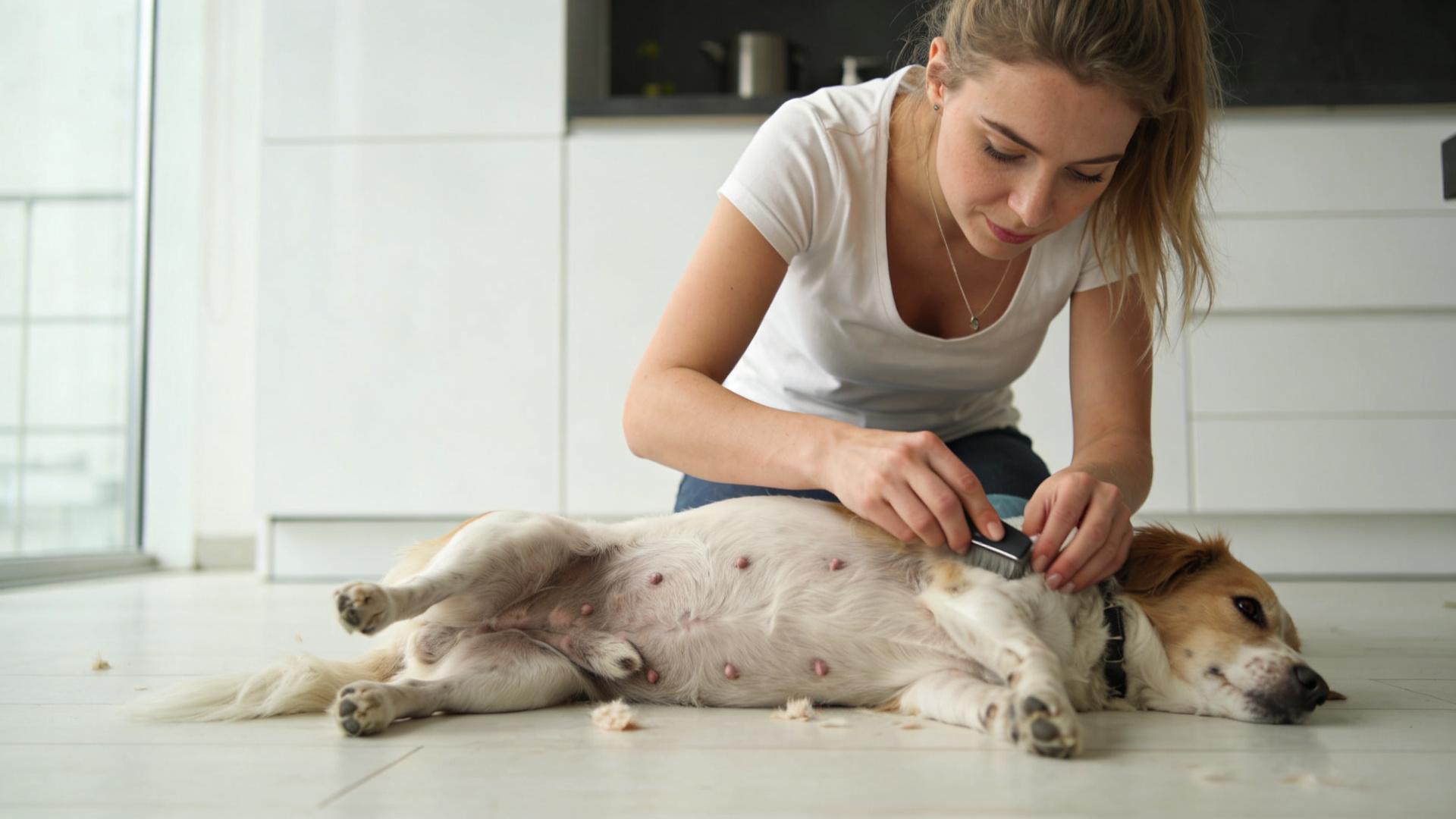
Groom at ground level. Sit on the floor with your dog. Use a comfortable, non-slip mat or her own bed. For brushing, let her find a comfortable standing or lying position, and gently work around her. For drying, lay towels on the floor and encourage her to lie on them.
🚫 Taboo Five: Loud, High-Powered Dryers
Avoid at all costs: Using forced-air velocity dryers (common in salons) or high-heat human hair dryers. The intense noise (often exceeding 85 dB) and forceful air are a dual assault on her senses.
Why It's Dangerous:
- Acute Stress Response: Loud noise is a known stressor, triggering the release of cortisol and adrenaline. Chronic stress in pregnancy is linked to lower birth weights and altered development.
- Physical Discomfort: The powerful blast can feel alarming and physically overwhelming, potentially causing her to struggle or panic.
✅ The Safe Alternative:
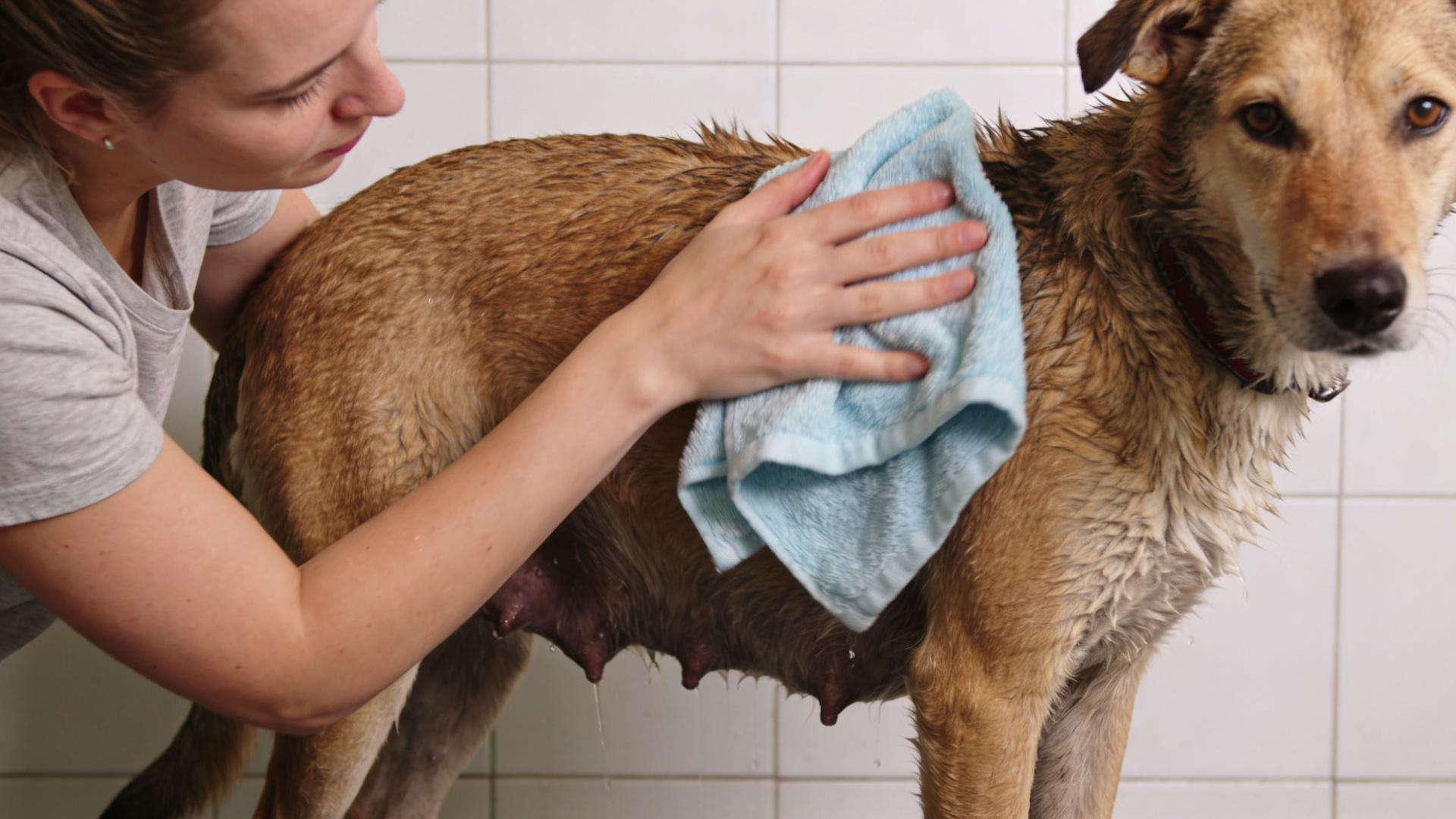
Patience is key. Use highly absorbent microfiber towels to blot and soak up most of the moisture. If you must use a dryer, select a low-heat, low-speed canine dryer and hold it at least 18 inches away, constantly moving it. Alternatively, let her air-dry in a warm, draft-free room. For long-haired breeds, careful line-brushing with a well-ventilated slicker brush while damp can help speed up drying without machinery.
🚫 Taboo Six: Non-Essential Grooming Procedures
Avoid at all costs: Scheduling full haircuts, intricate scissoring, deep ear cleaning, anal gland expression, or tooth scaling during pregnancy. These are stressful, often require restraint, and carry inherent risks.
Why It's Dangerous:
- Cumulative Stress: Each added procedure extends handling time and discomfort. The goal is to minimize total stress load, not add to it.
- Risk of Complications: For example, expressing anal glands can sometimes stimulate contractions. Deep ear cleaning risks perforating the eardrum if the dog jerks suddenly.
✅ The Safe Alternative:
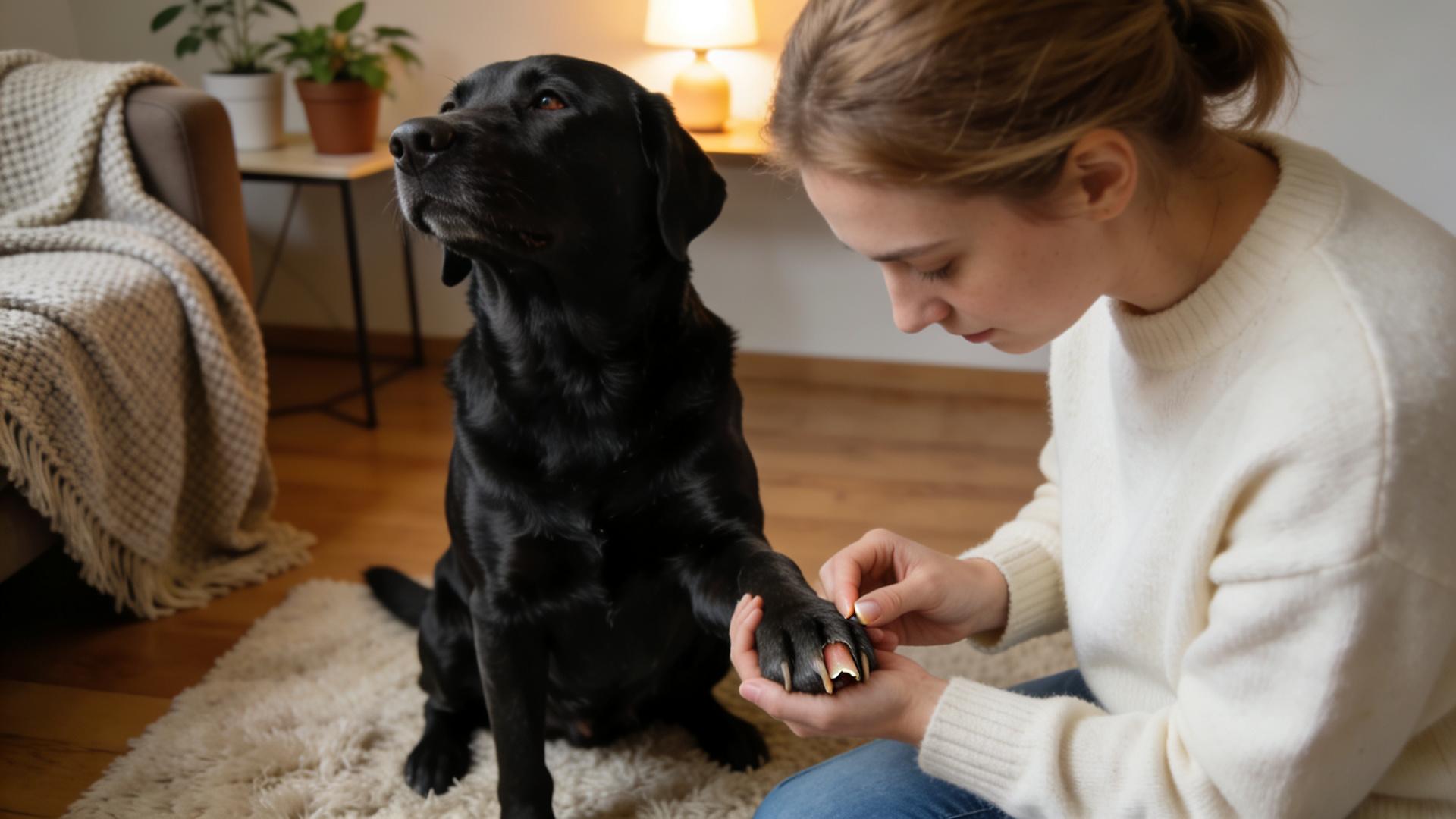
Focus on maintenance, not transformation. Trim around the sanitary area (with blunt-tipped scissors, carefully) for hygiene. Keep nails short to prevent snagging. Brush regularly to prevent mats—a gentle daily brushing is far better than one long, stressful session. Save major grooming for several weeks after the puppies are weaned.
🔬 The Science Behind the Taboos: Stress and Pressure
Understanding the "why" reinforces the importance of these practices. Stress reduction is not merely about comfort; it's a biological imperative. Chronic stress elevates cortisol, which can affect fetal growth patterns and the dam's immune function. Furthermore, a panicked dog may tense her abdominal muscles violently or thrash, creating dangerous internal pressure.
Minimizing abdominal pressure is equally critical. The uterus, filled with amniotic sacs, is not a rigid structure. External pressure can alter blood flow and space, potentially leading to developmental issues or, in extreme cases, triggering premature labor. Gentle, ground-level care ensures the uterine environment remains as stable and undisturbed as possible.
🌟 Best Practices for Safe, Positive Grooming Sessions
⏰ Timing is Everything
Schedule grooming for when your dog is naturally calm, perhaps after a short, gentle walk. Avoid the first and last weeks of pregnancy if possible, as these are the most sensitive times. Consult your vet for a personalized timeline, answering the common long-tail search query: "When to stop bathing a pregnant dog."
🌡️ The Perfect Bath Setup
- Water Temperature: Lukewarm, tested on your inner wrist (approx. 38-39°C / 100-102°F).
- Session Length: Keep it brief—under 10 minutes for the entire wet process.
- Positive Reinforcement: Use high-value treats and calm praise throughout. Make it a bonding experience.
🛠️ Tool Kit Essentials
Have on hand: a non-slip mat, gentle shampoo, multiple towels, a soft slicker brush, a wide-toothed comb, and cotton balls (to gently place in ears to prevent water entry, never pushed down the canal).
💝 Conclusion: A Foundation for a Healthy Whelping
Caring for a pregnant dog is an exercise in mindful, empathetic stewardship. By adhering to these grooming taboos for expecting dogs, you actively create a low-stress environment that safeguards the intricate process of life growing within her. Remember, the ultimate goal of pregnant dog grooming and bathing a pregnant dog is not just cleanliness, but the preservation of peace and physical safety. When in doubt, always defer to your veterinarian's guidance. Your informed, gentle care during these critical weeks lays a vital foundation for a smooth pregnancy, a safer whelping, and the joyful arrival of a healthy litter.