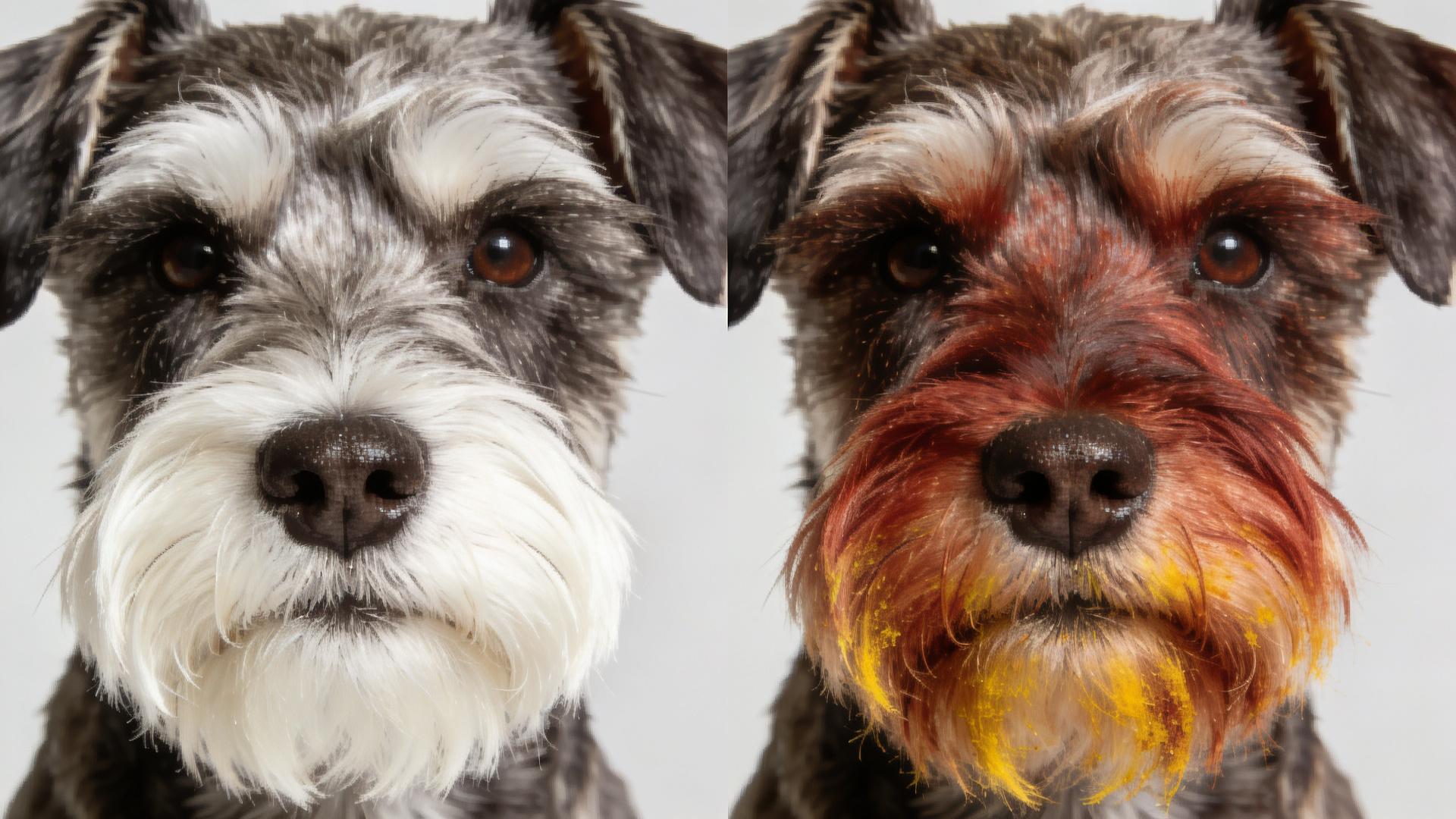
Imagine a space where your dog’s tail never stops wagging. A place where every sniff, scratch, and sprint is met with a purpose-built feature that engages their body and mind. This is the power of thoughtful interactive space design. Moving beyond a simple backyard or a vacant room, an interactive space is a curated environment that promotes physical health, mental stimulation, and pure canine joy. Whether you're a homeowner with a postage-stamp patio or a manager of a bustling doggy daycare, this guide will equip you with the principles and inspiration to build a true paradise for your four-legged friends. Let's embark on the journey to create spaces where dogs can truly thrive.
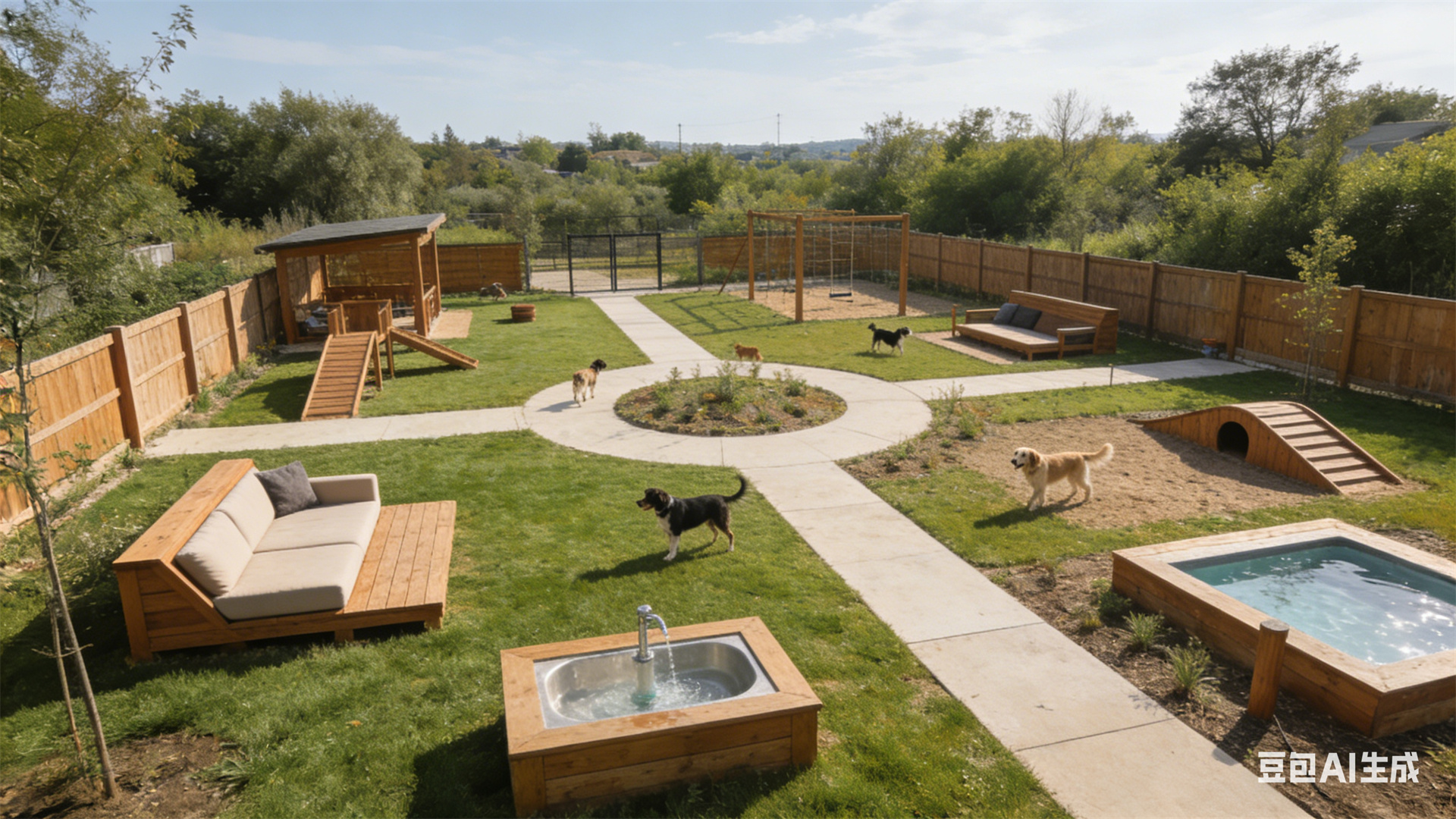
🐾 Pillar One: Foundational Design Principles for a Safe & Functional Haven
Before we dive into the fun features, we must lay a rock-solid foundation. A successful interactive space is first and foremost safe, durable, and easy to maintain. These principles are non-negotiable for the well-being of both dogs and their human caretakers.
Safety and Durability First
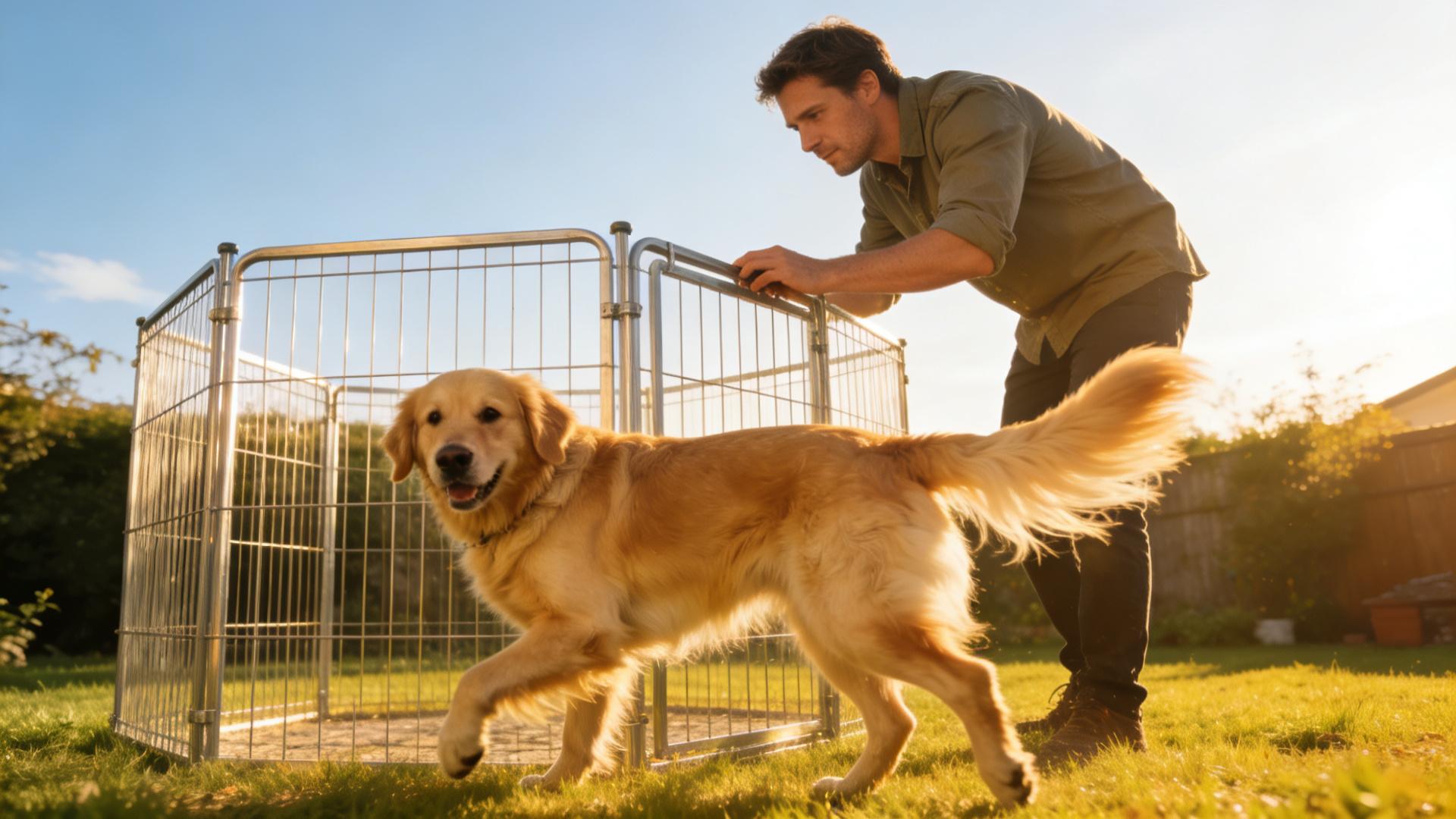
Every material and design choice must pass the safety test. This means selecting non-toxic, splinter-free materials that can withstand claws, teeth, and the elements. Avoid pressure-treated wood for areas dogs can chew. Opt for stainless steel fixtures, commercial-grade plastics, and sealed, durable woods like cedar. All edges must be rounded, and all structures must be securely anchored to prevent tipping.
Intelligent Zoning and Flow
Think of the space in zones, much like a well-designed home. A clear flow prevents congestion and reduces potential conflict. Essential zones include:
.Active Play Zone: For running, fetching, and agility.
.Sensory & Exploration Zone: For sniffing, digging, and investigating.
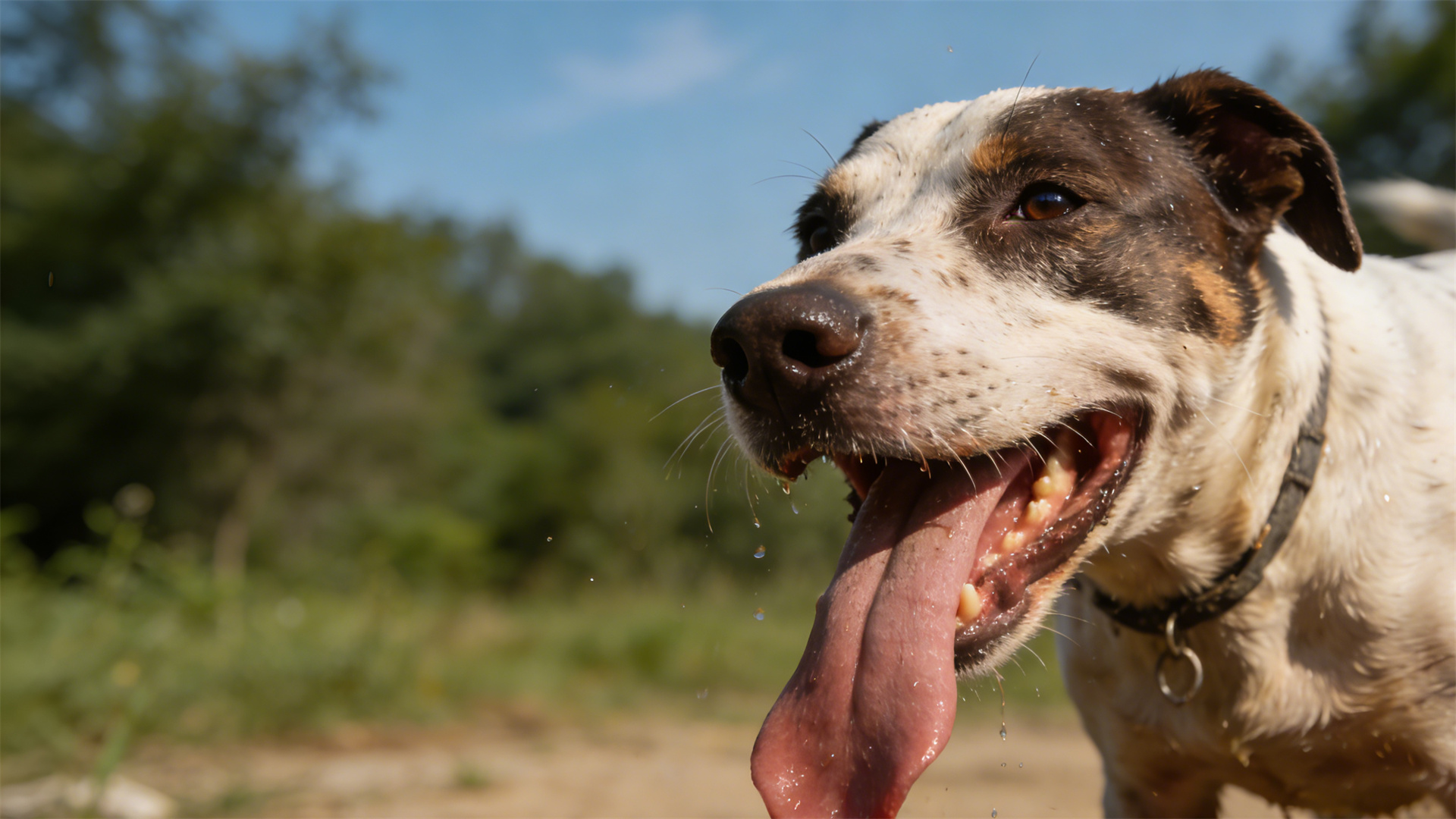
.Hydration & Cooling Zone: For water access and temperature regulation.
.Quiet Retreat Zone: For calm resting and observation.
Ensure pathways between zones are wide enough for multiple dogs to pass comfortably and that sightlines are clear for human supervisors.
Hygiene and Maintenance
An engaging space that’s difficult to clean will quickly become a neglected one. Incorporate smooth, non-porous surfaces where possible. Plan for excellent drainage in any area involving water, sand, or soil. Consider artificial turf with a proper sub-base for easy waste cleanup and hosing. Easy maintenance ensures the space remains inviting and hygienic every single day.
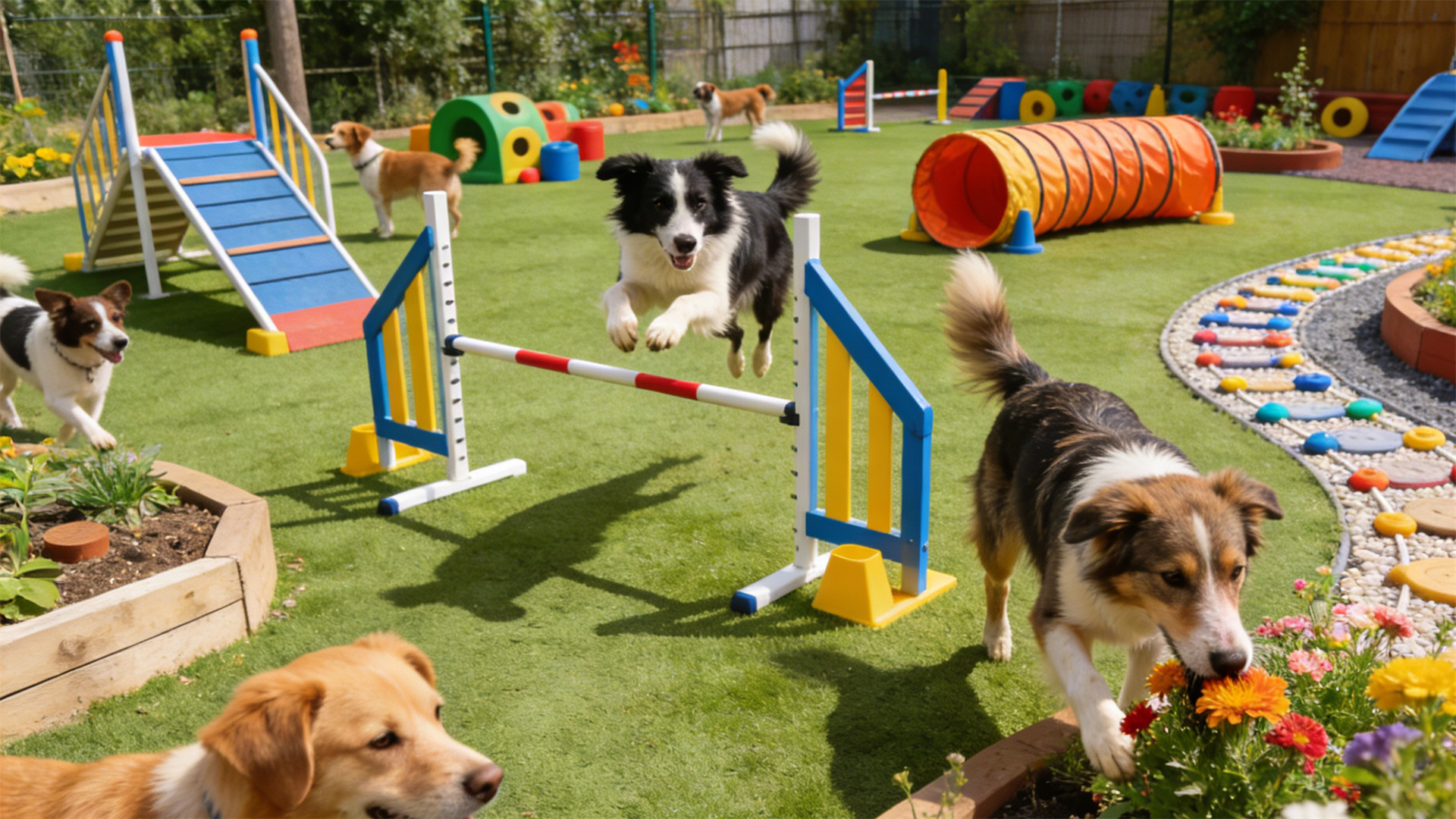
🌟 Pillar Two: Interactive Feature Deep Dives – Building the Fun
This is where interactive space design comes alive. Each feature is an invitation to play, explore, and satisfy innate canine desires.
Agility Zones: Beyond the Basic Jump
Modular is key. Use adjustable hurdles, weave pole sets, and lightweight tunnels that can be reconfigured to prevent boredom. For permanent installations, incorporate ramps, A-frames, and balance pods directly into the landscape. This turns a simple dog agility course into a dynamic challenge that grows with your dog's skill.
Sensory Gardens: A Feast for the Nose and Mind
A sensory garden for dogs is not about pristine lawns. Plant dog-safe herbs like rosemary, thyme, and mint. Add textured pathways with smooth river rocks, pine mulch, and soft grass. Install "sniffer posts" at different heights and hide treats among safe, rustling plants. This engages their powerful sense of smell in a calm, enriching way.
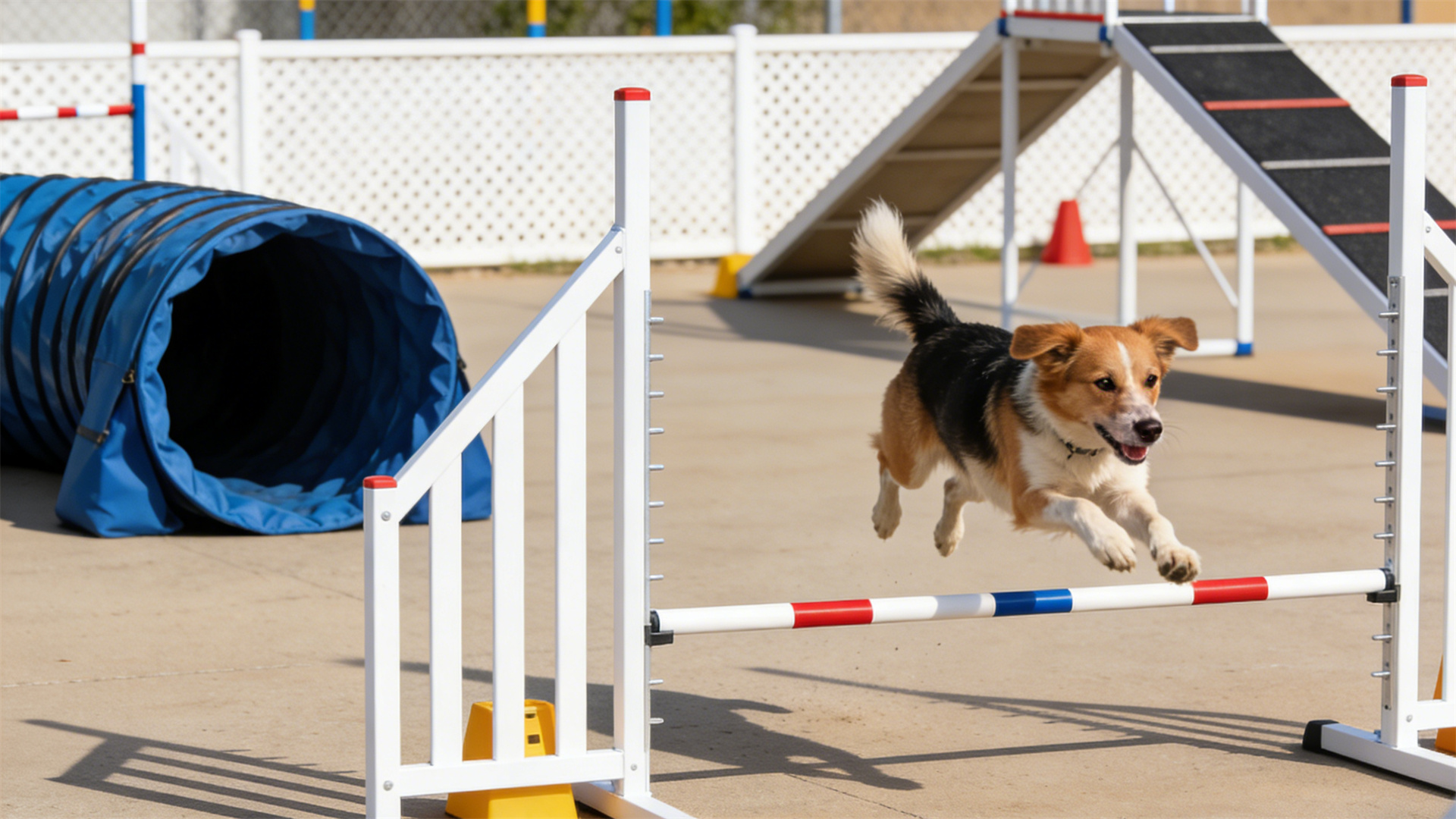
Digging Pits & Search Areas
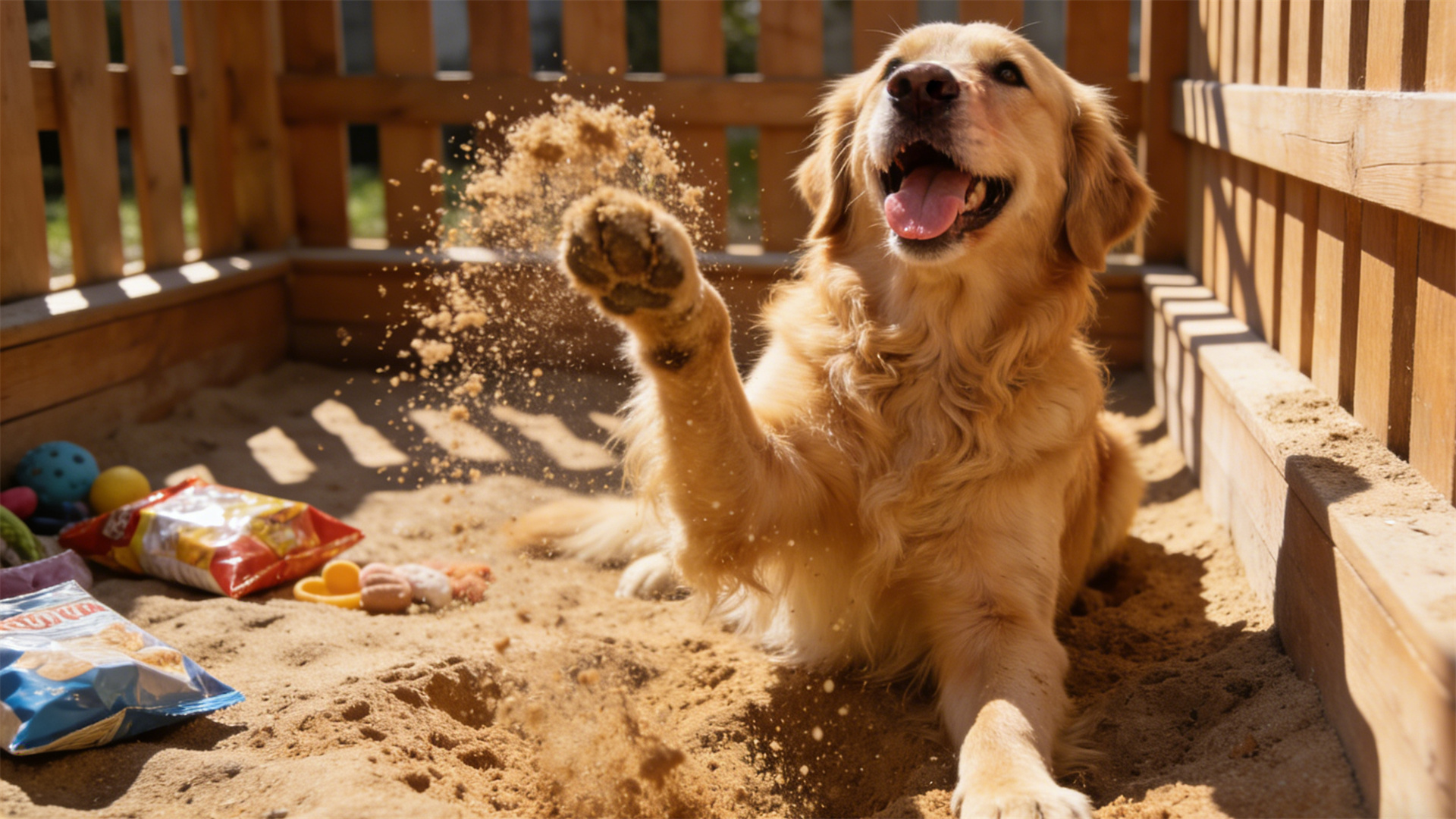
Channel the digging instinct into an appropriate spot. A framed sandbox or a pit filled with soft soil or rubber mulch saves your flower beds. Bury toys and treats to encourage foraging behavior. Similarly, a dedicated "search zone" with a sand or ball pit where you can hide treasures taps directly into their natural problem-solving health.
Water Features: Splash Pads & Shallow Pools
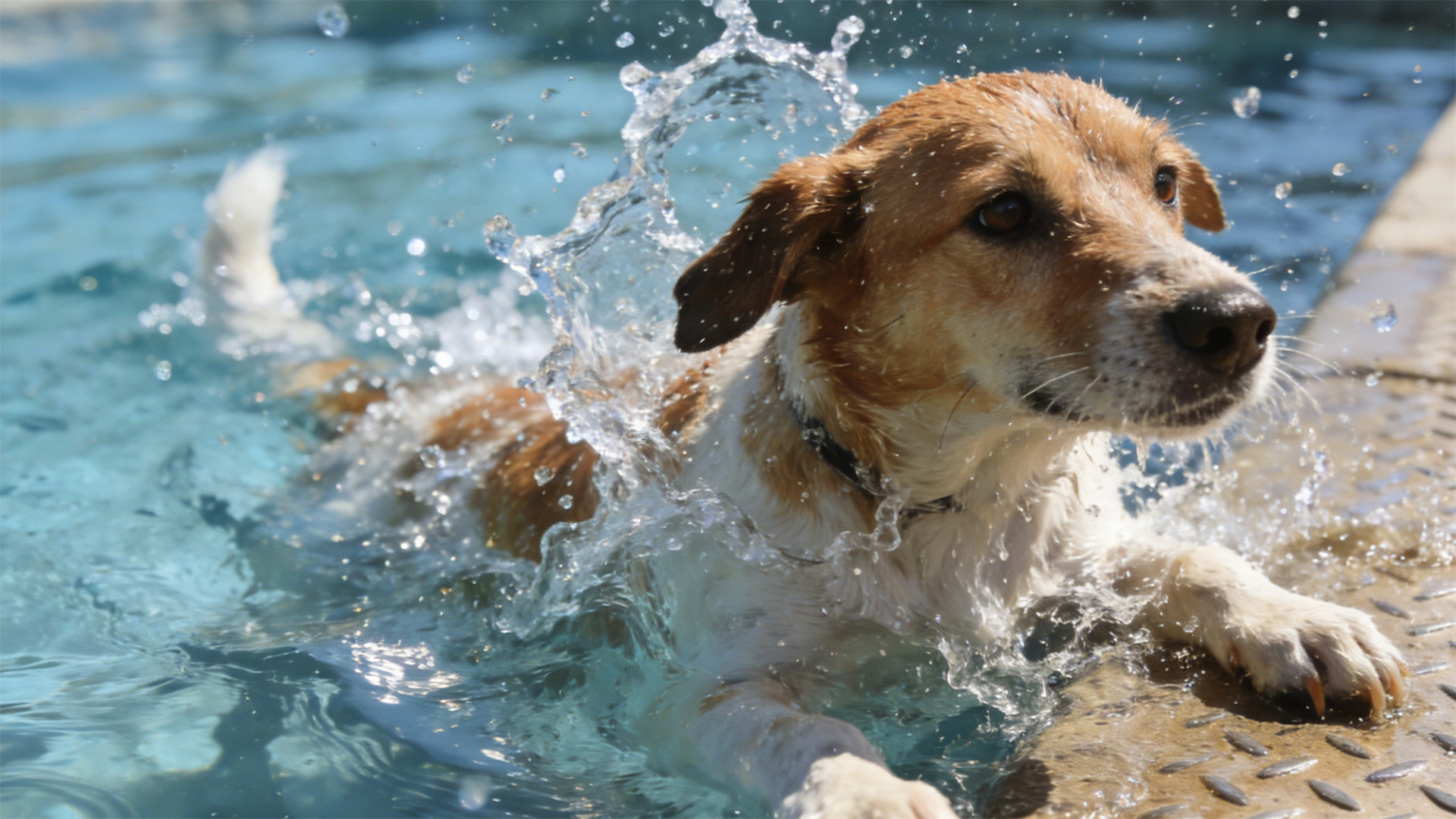
Not all dogs are swimmers, but many enjoy water. A simple splash pad with gentle ground sprayers or a shallow, graduated pool (no deeper than a dog's chest) provides excellent cooling and low-impact exercise. Ensure slip-resistant surfaces and always provide constant supervision.
Climate-Controlled Comfort
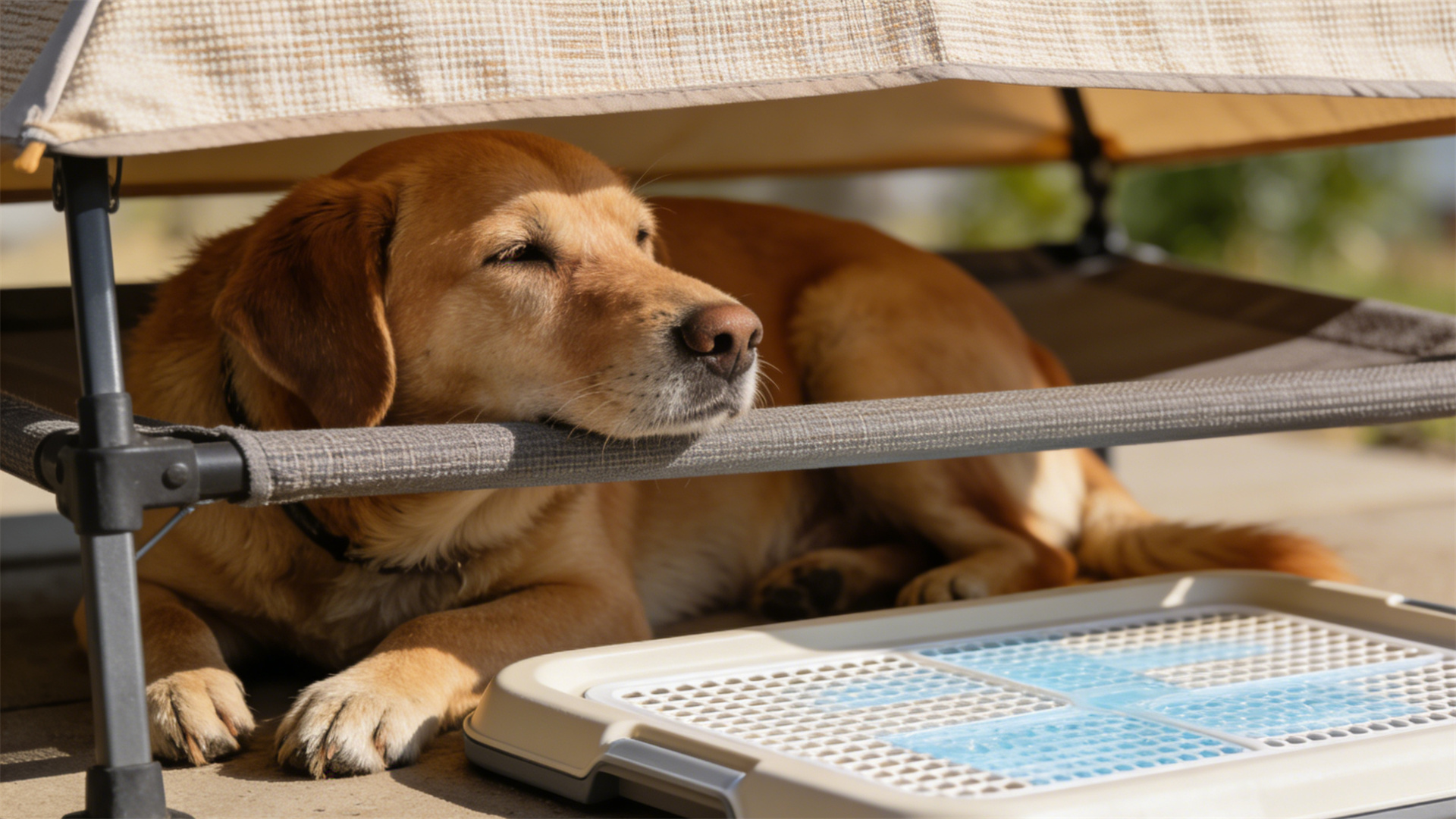
True canine enrichment considers comfort. Create cooling zones with shaded structures, breezy paths, and cooling mats. For colder climates, consider radiant floor heating pads in covered resting areas or insulated doghouses. This makes the space usable and enjoyable year-round.
🧠 Pillar Three: Canine Behavioral Enrichment – The Why Behind the Design
Every great feature should answer a canine need. This is the heart of species-specific design. By understanding dog psychology, we create spaces that prevent boredom and destructive behaviors by offering legitimate outlets.
.Foraging & Nose Work: Sensory gardens and search pits satisfy this primal need to hunt and scavenge.
.Chasing & Predatory Sequence: Open run areas and lure coursing setups (even on a small scale) allow for safe expression of this drive.
.Problem-Solving: Puzzle feeders integrated into walls or treat-dispensing agility equipment make them think for their reward.
.Social Interaction: Well-designed spaces with multiple entry/exit points and clear sightlines facilitate positive dog-dog and dog-human play.
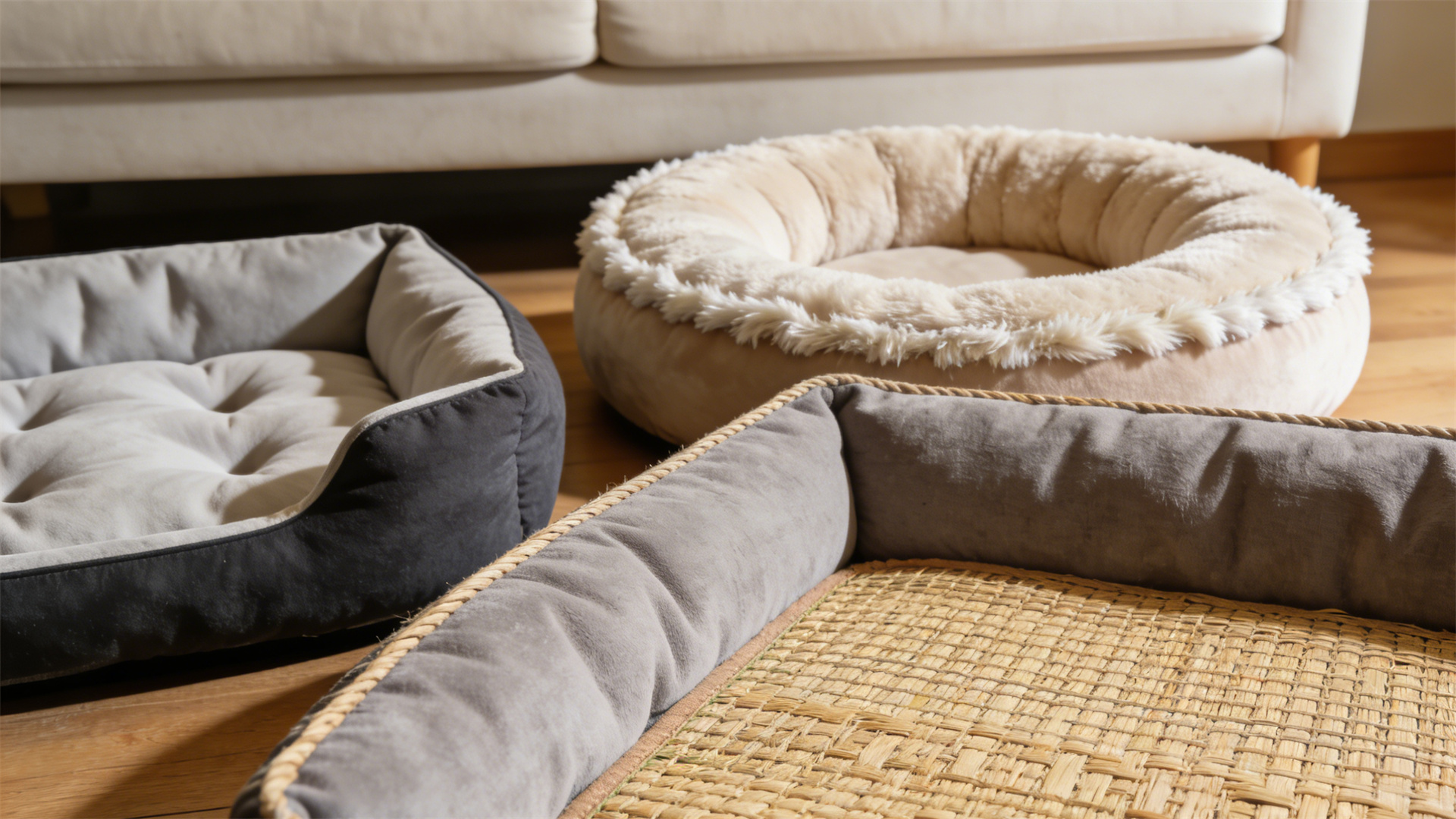
.Resting & Denning: Quiet, partially enclosed cubbies or raised beds offer a sense of security for essential downtime.
🔨 Pillar Four: DIY Projects & Professional Solutions
Great interactive dog space design is scalable. Here’s how to approach it at any level.
Backyard DIY on a Budget ($100 - $500)
Project Idea: A simple digging pit and sensory pathway. .Tools: Shovel, landscape edging, level. .Materials: Play sand, cedar mulch, smooth stepping stones, dog-safe plants in pots. .Steps: Frame a 4'x4' area for sand. Create a winding path nearby with alternating materials. Add pots of mint and lavender.
Professional-Grade Commercial Installations ($5,000+)
For daycares or high-end residential projects, invest in commercial equipment. .Brands to Trust: Look to brands like Dogipot for waste solutions, TuffPaws for surfacing, or professional agility equipment from companies like Carlson Agility. .Recommendations: Install professional drainage systems, poured-in-place rubber surfacing for safety, and permanent, powder-coated steel agility equipment. Consider automated sanitizing misters for hygiene.
🎨 Pillar Five: Integration with Human Spaces
The most successful designs blur the line between dog-friendly landscape and human sanctuary. Use materials that complement your home’s exterior—a sleek concrete splash pad for a modern home, or a rustic cedar sensory garden for a cottage. Use attractive planters and raised beds to contain dog-safe plants. Choose a cohesive color palette for equipment. The goal is aesthetic cohesion where the dog's paradise enhances, rather than dominates, your living space. This principle is just as important for indoor dog play area designs, where storage-integrated features and matching color schemes keep your home beautiful.
Conclusion: Your Journey to Canine Paradise Begins Now
Crafting an interactive space is one of the most rewarding projects you can undertake for your dog. It’s a tangible expression of love that caters to their entire being—body, mind, and instinct. By following these pillars of safety, interactive features, behavioral science, and aesthetic integration, you are well on your way to creating a truly enriching environment.
Special Reminder: Always introduce new features slowly and under supervision. Observe your dog’s preferences—some may be water lovers, others master diggers—and tailor the space to their unique personality.