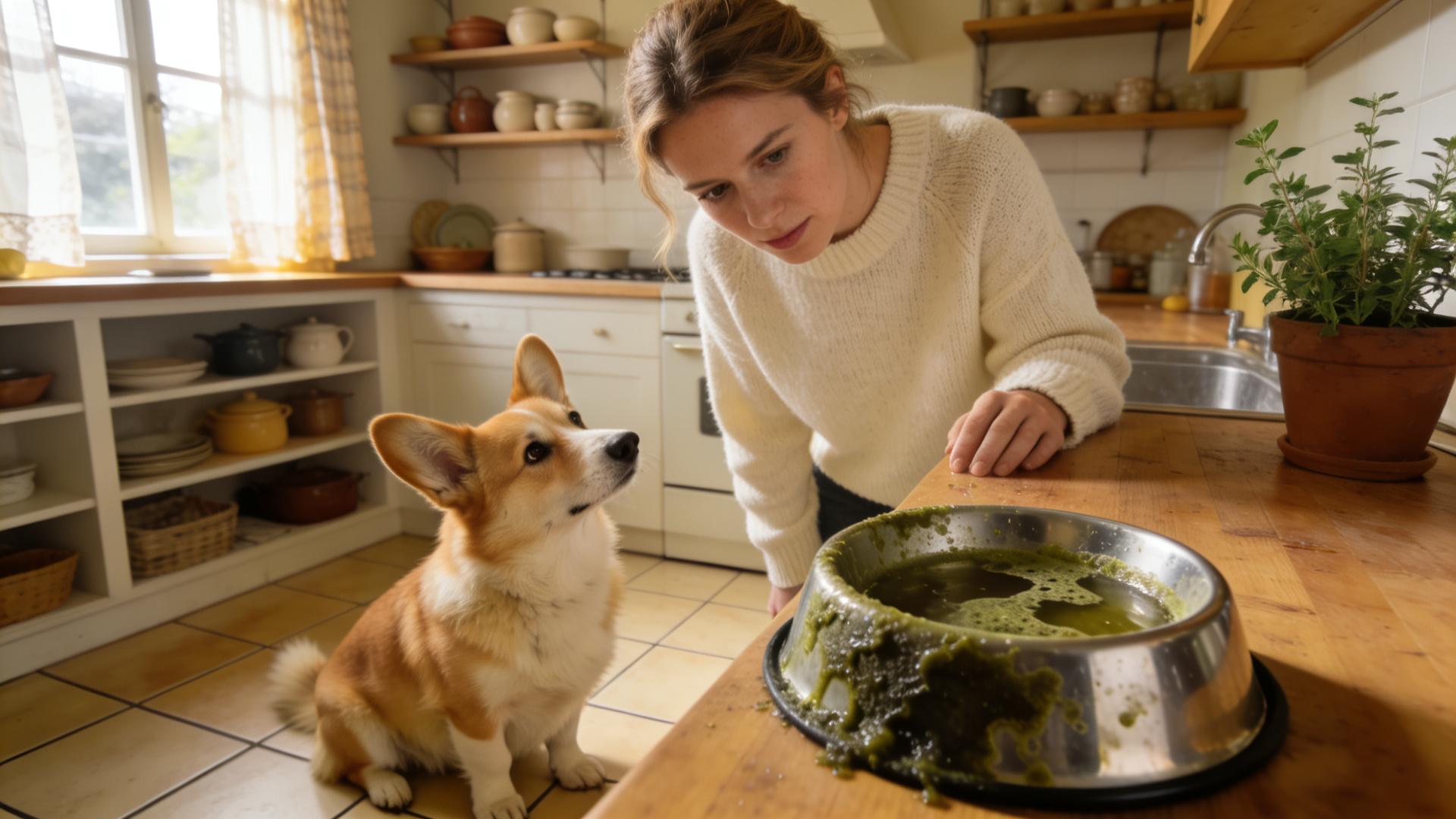
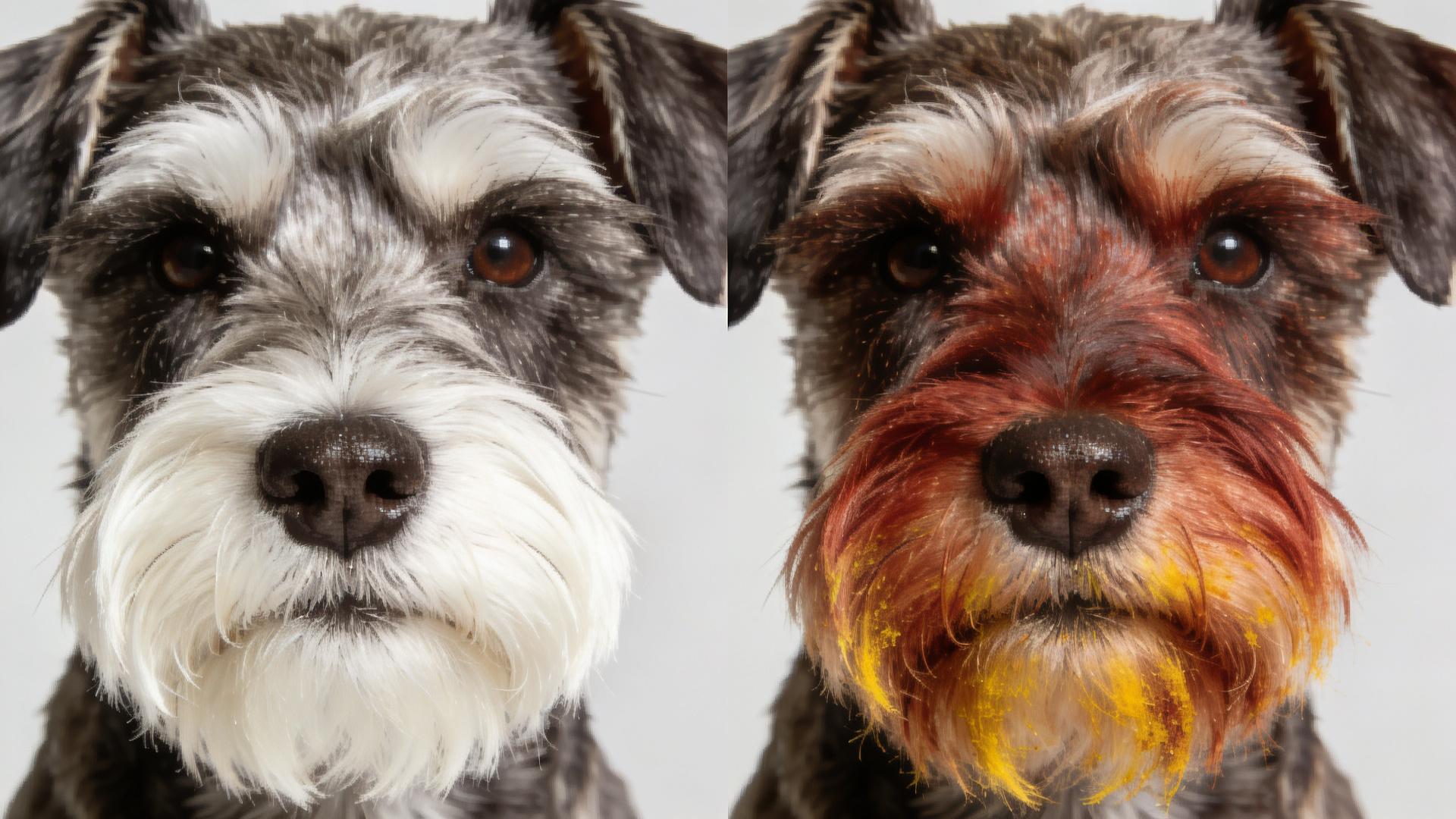
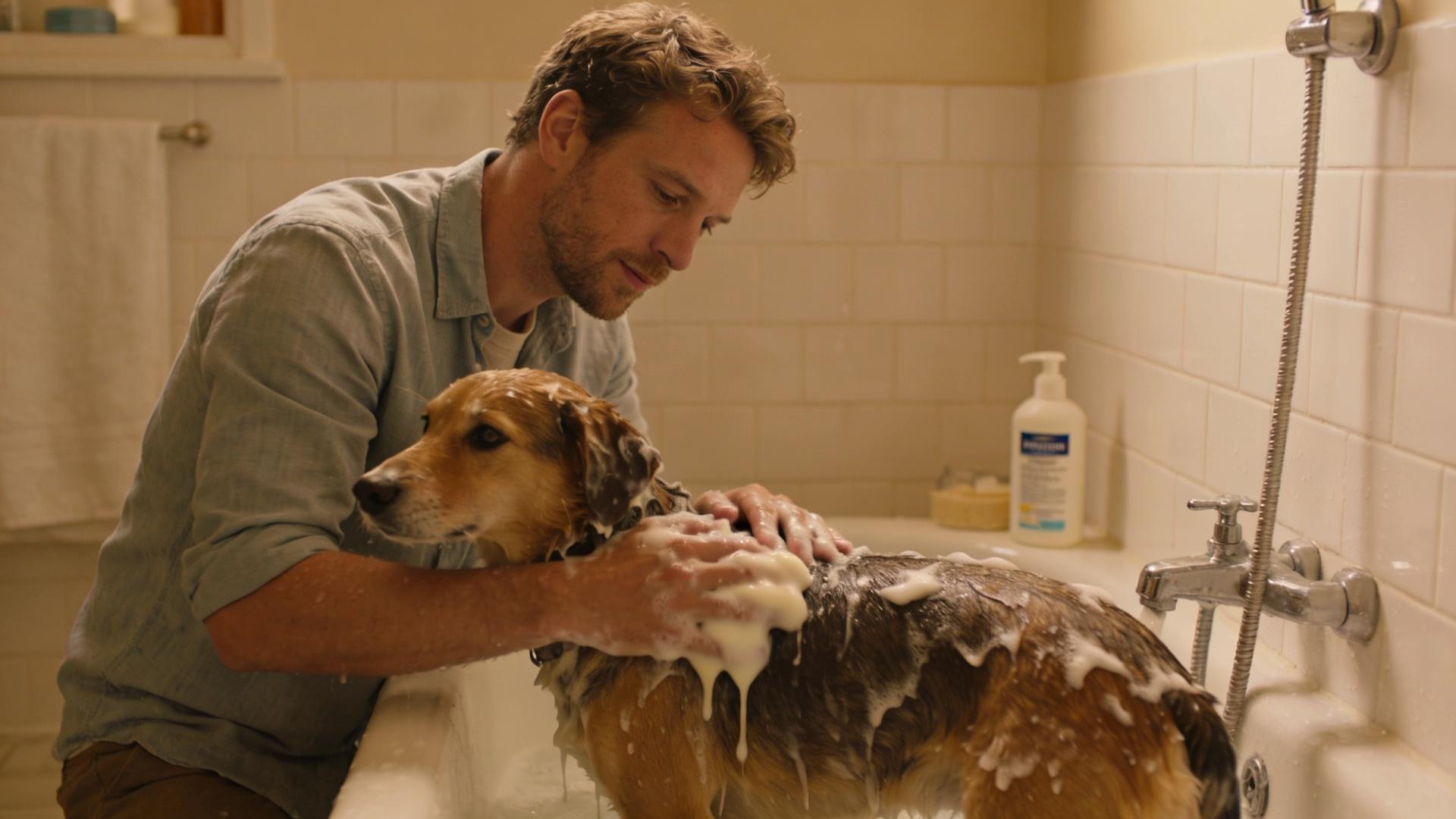
For our canine companions, their bed is more than just a place to sleep—it's a fortress of solitude, a cozy den, and a personal sanctuary. Yet, this very haven of comfort can silently transform into a breeding ground for microscopic threats, primarily fungi, which can lead to frustrating and recurrent health issues. As a dedicated pet parent, understanding the science and art of disinfecting your dog's bedding is not just about cleanliness; it's a critical pillar of preventative healthcare. This comprehensive guide delves deep into the essential practices of disinfecting frequency and expert washing techniques, arming you with the knowledge to create a truly safe and hygienic sleep environment for your furry family member.
🦠 Why Your Dog's Bed is a Fungal Hotspot: Understanding the Enemy
Before we tackle the "how," it's crucial to understand the "why." Fungi, including common culprits like Malassezia and dermatophytes (ringworm), thrive in specific conditions. Your dog's bedding provides the perfect storm:
- Warmth: Your dog's body heat creates an ideal incubator.
- Moisture: Saliva, occasional accidents, and even ambient humidity can dampen the fabric.
- Organic Matter: Shed skin cells (dander), hair, oils, and traces of dirt act as a food source.
- Poor Airflow: Many beds are placed in corners or against walls, limiting ventilation.
When these factors combine, a bed can become a reservoir for fungal spores. Even after a dog's initial infection is treated, re-infection from their own bedding is a common and often overlooked cause of recurrence. This cycle can be broken with strategic, informed cleaning protocols.
📅 The Golden Rule: Disinfecting Frequency of Dog Bedding
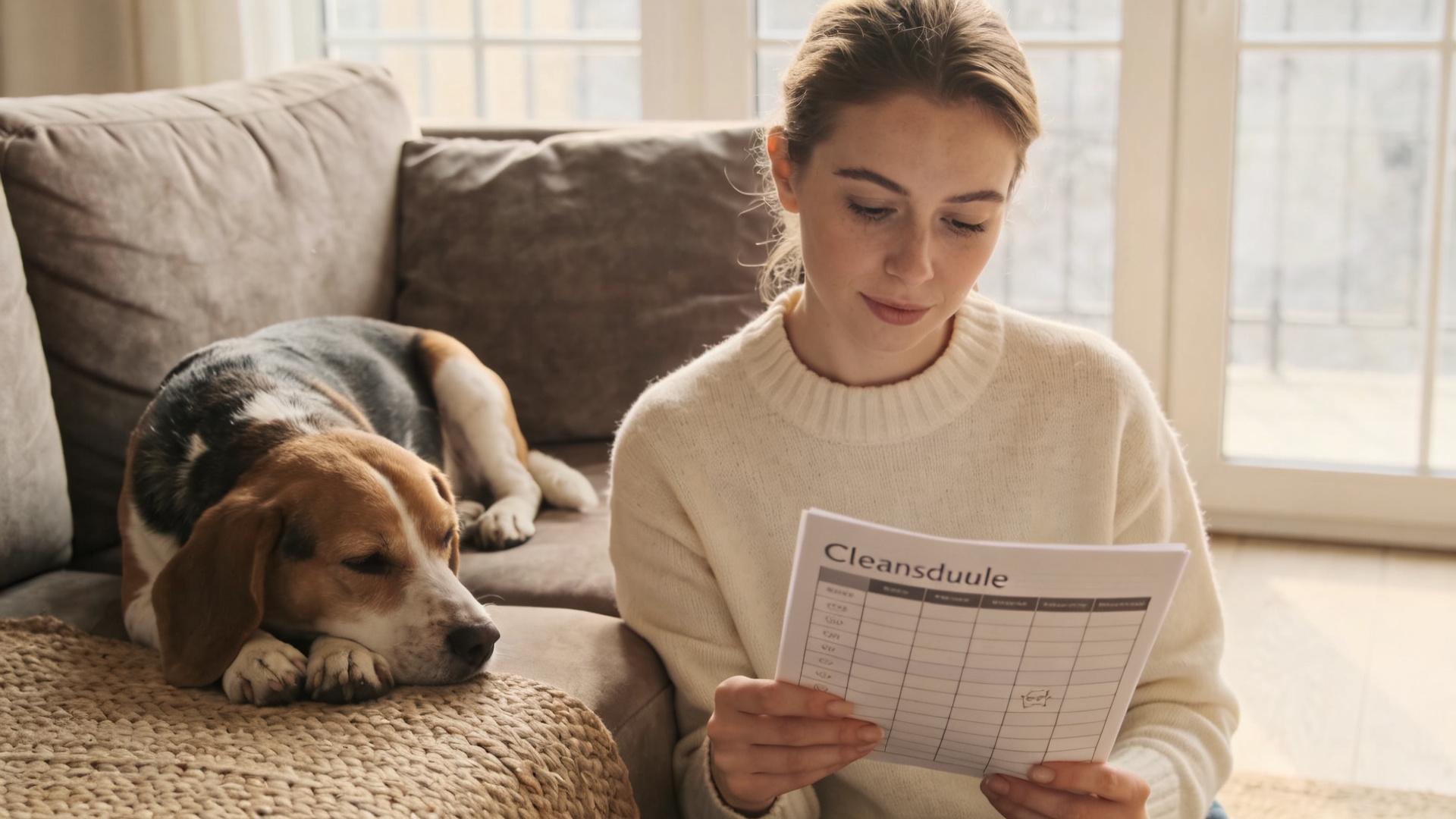
There is no one-size-fits-all schedule. The optimal disinfecting frequency of dog bedding is a dynamic variable that must be adjusted based on your dog's lifestyle, health, and environment. Think of it as a spectrum from routine maintenance to medical-grade intervention.
🔵 The Standard Maintenance Schedule (For Healthy Dogs)
For the average, healthy indoor dog with no skin issues, a thorough disinfecting wash every 7-10 days is the baseline recommendation. This frequency strikes a balance between hygiene and practicality, effectively preventing microbial buildup before it reaches problematic levels.
🟠 The High-Risk & Active Infection Schedule
This is where vigilance is paramount. You must shift from maintenance to an active eradication protocol.
- Active Fungal Infection: If your dog is undergoing treatment for a fungal skin condition, bedding must be disinfected every 48-72 hours. This aggressive schedule ensures you are removing spores shed by your dog before they can multiply and re-infect.
- High-Risk Factors: Increase frequency to twice weekly if:
- You live in a humid climate or it's the rainy season.
- Your dog is an avid outdoor adventurer, frequently rolling in grass or dirt.
- Your dog has allergies, a compromised immune system, or is a senior.
- You have multiple dogs sharing spaces.
🟢 The Observation-Based Adjustment
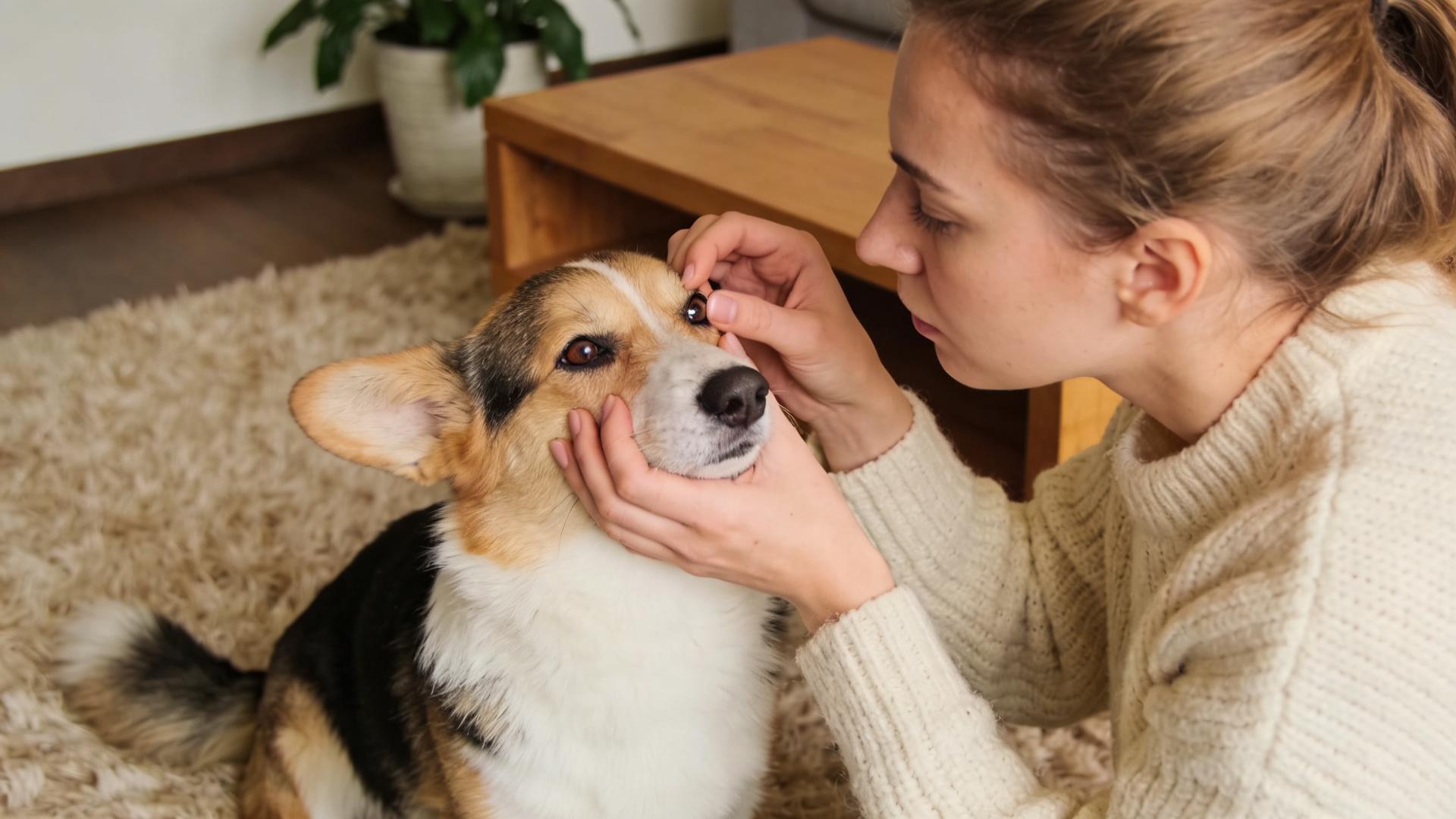
Always let your dog's condition be your guide. During routine grooming and cuddle sessions, closely inspect their skin and coat. Signs like increased scratching, redness, unusual odor, or hair loss are immediate indicators to escalate your bedding cleaning schedule.
| Dog's Situation | Recommended Frequency | Key Rationale |
|---|---|---|
| Healthy, Low-Activity Indoor Dog | Every 7-10 days | Preventative maintenance to control normal microbial load. |
| Active Fungal Infection (Under Treatment) | Every 2-3 days | Break the re-infection cycle; support medical treatment. |
| Humid Season / Frequent Outdoor Activity | Every 3-4 days | Counteract increased moisture and environmental contaminants. |
| Allergic, Immunocompromised, or Senior Dog | Every 5-7 days | Reduce overall allergen and pathogen exposure for sensitive systems. |
⚗️ Masterclass in Eradication: Washing Techniques for Dog Bedding to Eliminate Fungi
Simply tossing the bed in with your regular laundry is insufficient against resilient fungal spores. The following step-by-step protocol is designed for maximum efficacy.
🧹 Step 1: The Crucial Pre-Wash Ritual
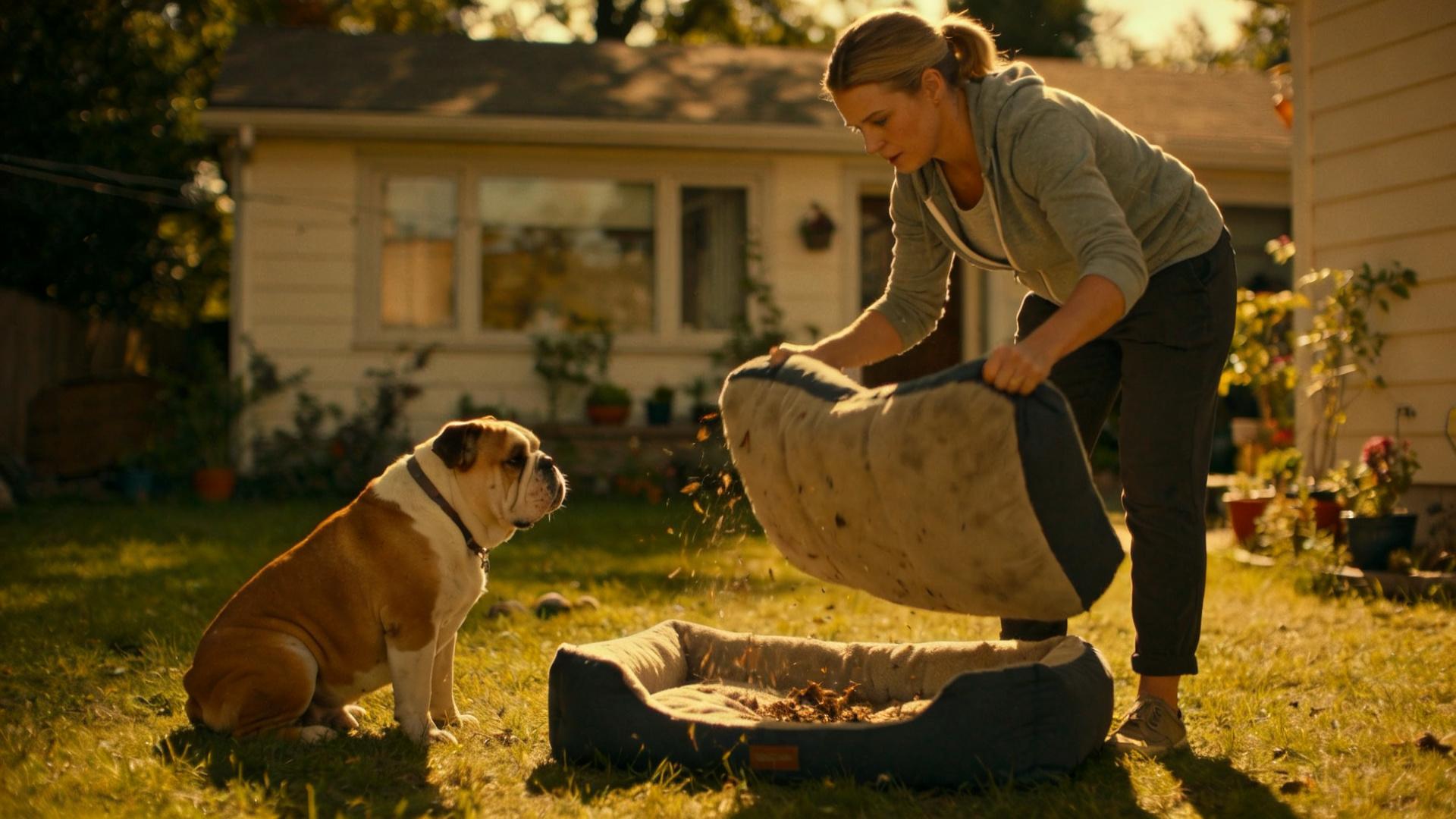
Always perform this step outdoors to prevent contaminating your home.
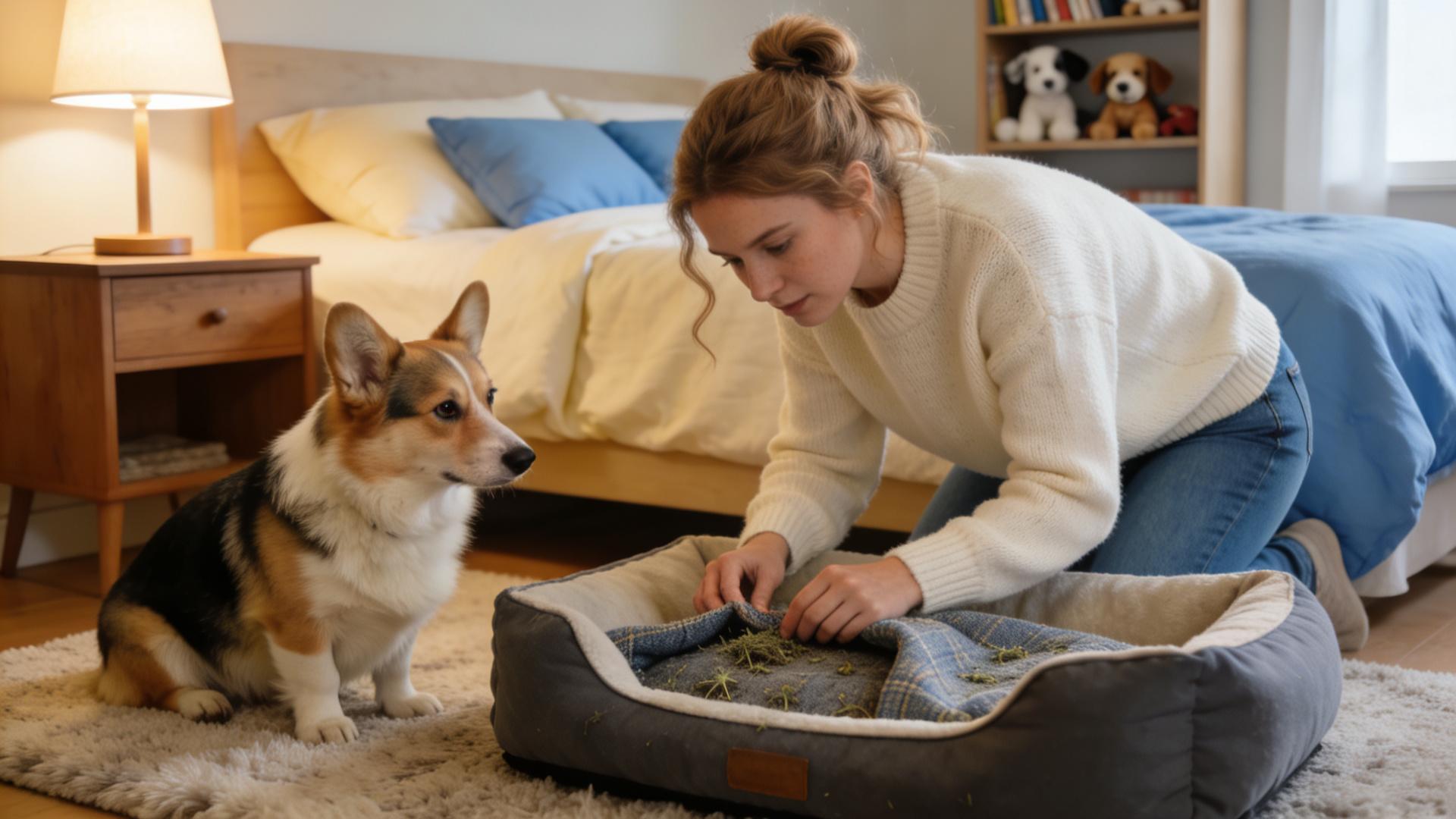
- Shake & Vacuum: Vigorously shake the bed to dislodge loose hair and debris. Follow with a thorough vacuuming using a hose attachment. This removes the bulk of organic matter that fungi feed on.
- Pre-treat Stains: Apply a pet-safe enzyme cleaner directly to any visible stains, especially organic ones like saliva or urine. Enzymes break down proteins and fats at a molecular level.
🔥 Step 2: The Thermal Nuclear Option - Hot Water Wash
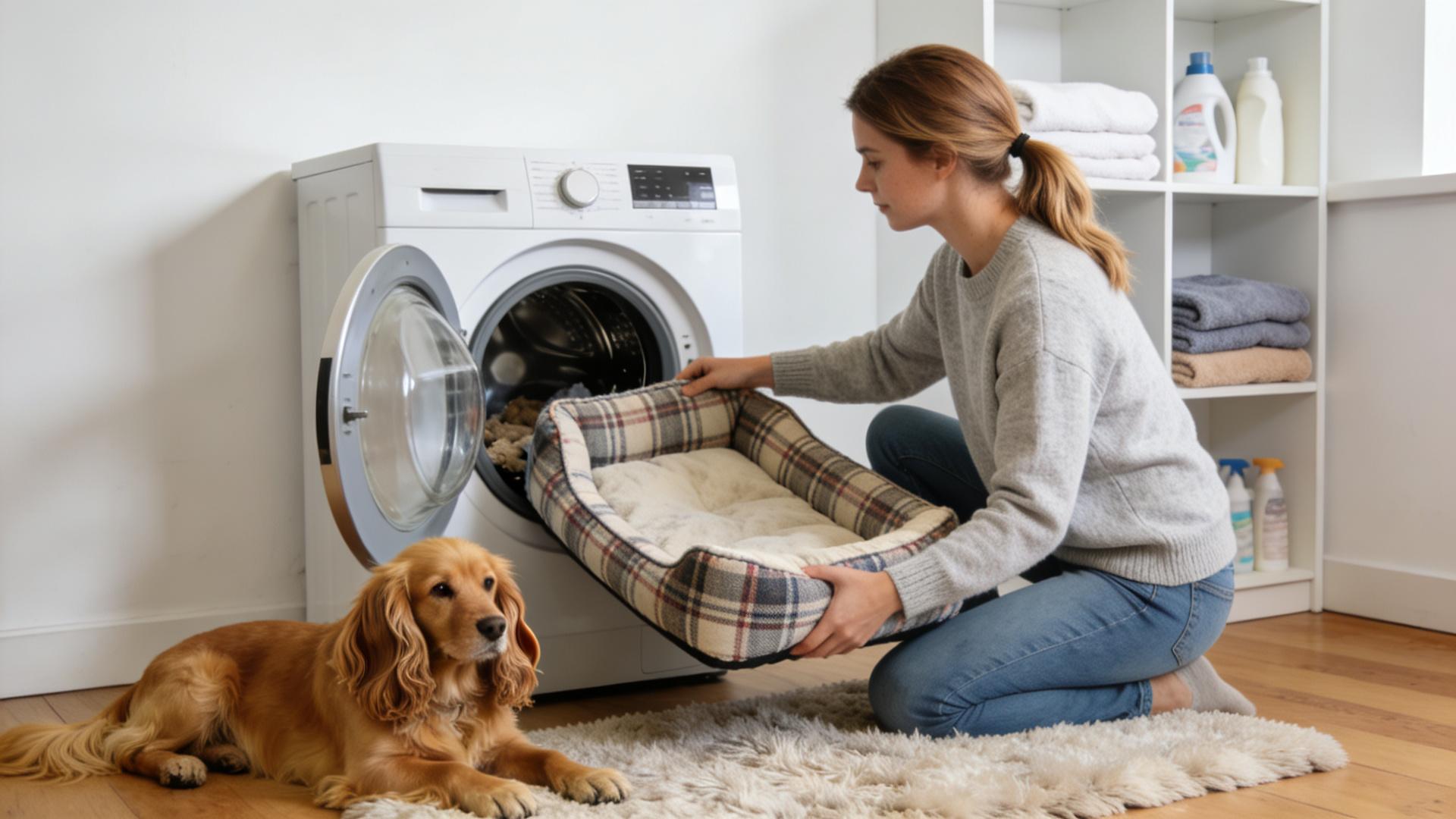
Temperature is your most powerful ally. Most fungal spores are killed at sustained temperatures of 140°F (60°C) or above.
- Special Reminder: Always check the bed's care label first. If it cannot withstand hot water, your disinfectant choice (next step) becomes even more critical.
- Use the highest water level setting to ensure proper agitation and rinsing.
- Add your regular high-quality detergent. For an extra boost, a oxygen-based bleach (like OxiClean) is color-safe and excellent at breaking down biological matter.
🦠 Step 3: The Disinfecting Rinse - Choosing Your Agent
This is the step that moves from cleaning to disinfecting.
- White Vinegar (Natural Choice): Add ½ to 1 cup of white vinegar to the fabric softener dispenser or during the final rinse cycle. Vinegar is a mild antifungal and antibacterial agent that also neutralizes odors and removes detergent residue. Do not mix with bleach.
- Pet-Specific Disinfectants (Clinical Strength): Products containing accelerated hydrogen peroxide (e.g., Rescue™) or other veterinary-grade formulas are designed to be effective yet safe when rinsed thoroughly. Follow dilution instructions meticulously.
- Avoid Overloading: Stuffing the machine prevents water, detergent, and disinfectant from circulating properly. Wash one bed at a time if possible.
☀️ Step 4: The Non-Negotiable: Complete Drying
A damp bed is a failure of the entire process. Fungi can recolonize in hours.
- Tumble Dry: Use the highest heat setting the fabric can tolerate for a full cycle. Consider adding dryer balls to help fluff the filling and improve airflow.
- Solar Power: Sun drying is highly recommended whenever possible. Ultraviolet (UV) radiation from direct sunlight is a potent, natural disinfectant that can kill residual microbes. Leave the bed in the sun for several hours, flipping it once.
- The "Bone Dry" Test: Feel the very center of the bed—it must be completely dry, with no hint of coolness or dampness.
🛡️ Fortifying the Defenses: Additional Prevention Tips for a Holistic Approach
Creating a fungus-resistant environment extends beyond the wash cycle.
🛏️ Choose Your Bedding Wisely
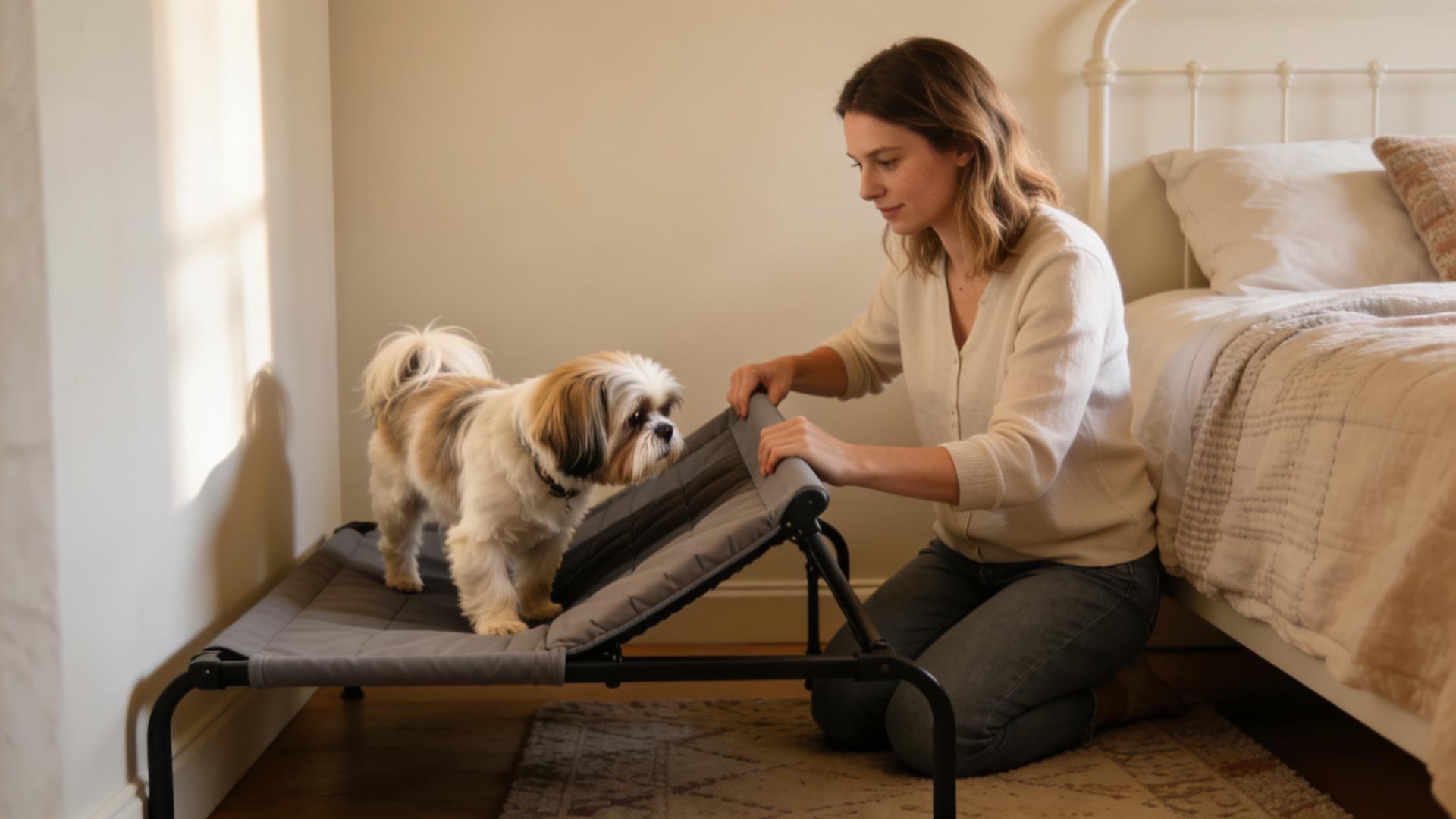
Invest in beds with removable, machine-washable covers made of tight-weave, moisture-resistant fabrics (e.g., some polyester blends, canvas). Avoid complex, non-removable pillow-style beds that are impossible to clean thoroughly. Consider an elevated cot-style bed for maximum airflow.
🚫 Practice Laundry Segregation
Always wash dog bedding separately from human laundry. This prevents cross-contamination of spores, mites, or allergens onto your family's towels and clothes.

🐕 Integrate Regular Grooming
A clean dog means a cleaner bed. Regular brushing reduces the amount of hair and dander shed directly onto the bedding. Bathing your dog with a vet-recommended medicated shampoo during infection periods is also crucial.
🧹 Maintain the Environment
Vacuum the floor around and under your dog's bed at least twice a week. If the bed is on a hard floor, mop the area with a pet-safe disinfectant. Regularly wash any blankets or toys that share the sleeping area.
🔚 Conclusion: Your Diligence is Their Health
Managing the disinfecting frequency of dog bedding and mastering effective dog bed washing techniques are fundamental, yet often underestimated, aspects of responsible pet ownership. By adopting the proactive, science-backed strategies outlined in this guide—from adjusting your schedule based on risk factors to executing the hot-wash, complete-dry protocol—you are doing more than just cleaning. You are actively safeguarding your dog's health, breaking the cycle of recurrent fungal infections, and providing them with a sanctuary that is truly safe. Your consistent effort ensures their comfort spot remains a place of pure rest and recovery, contributing to a longer, happier, and healthier life together. 🐾