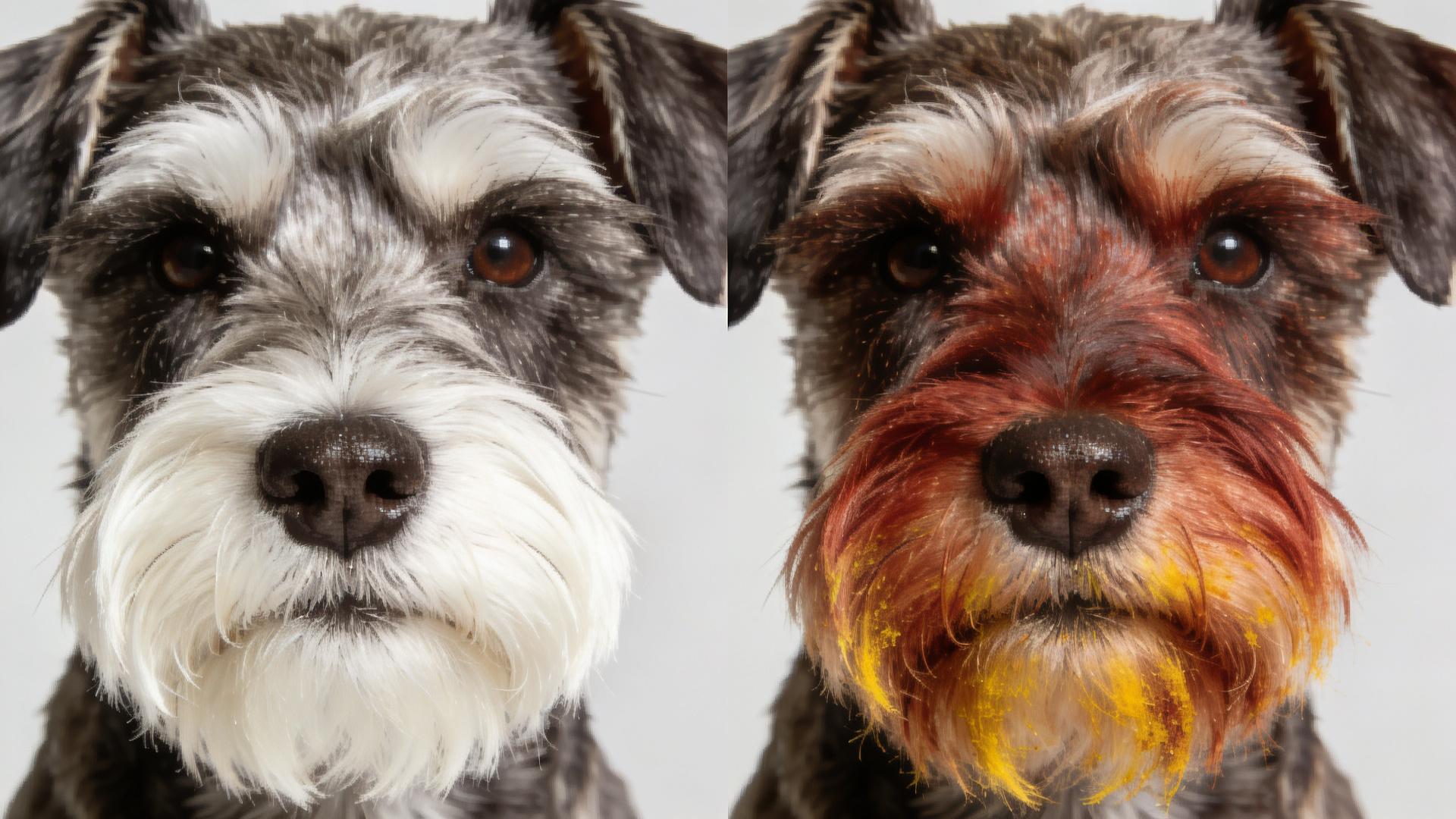
That bright, snowy-white beard is a point of pride for many Schnauzer owners. But all too often, that signature look is marred by unsightly reddish-brown or yellow stains, turning a dapper gentleman into a messy eater. This common frustration, known as "yellow beard" or facial staining, affects many bearded breeds and can feel like a losing battle. More than just a Grooming issue, a stained beard can harbor bacteria and yeast, leading to unpleasant odors and potential skin irritation. But don't despair! With the right knowledge and a consistent routine, you can keep your dog's facial hair clean, white, and healthy. This comprehensive guide will arm you with the science, strategies, and best practices for dog beard care to win the war against stains.
✨ What Exactly is a "Yellow Beard"?
The term "yellow beard" refers to the reddish-brown or yellowish discoloration that develops on the muzzle, chin, and lip area of dogs with light-colored facial hair. It's not just dirt; it's a stain caused by a combination of factors. This staining can make an otherwise well-kept dog look unkempt and can be a sign that the area isn't being kept as clean or dry as it should be. Understanding the root causes is the first step toward effective prevention and cleaning dog facial hair.
🔬 The Science of Stains: What Causes Yellow Beards in Dogs?
The discoloration isn't random. It's the result of specific chemical and biological processes. Here are the primary culprits:
🥤 1. Saliva Enzymes and Pigments
Dog saliva contains enzymes called porphyrins. These iron-containing molecules are natural byproducts of the breakdown of red blood cells and are excreted through saliva, tears, and urine. When your dog licks his beard, these porphyrins are deposited onto the hair. When exposed to air and light, they oxidize and turn a reddish-brown color, creating a persistent stain.
🍖 2. Food and Water Pigments
The pigments in your dog's food and water are a major contributor. Ingredients like beet pulp, carrots, and certain synthetic dyes can leach color into the beard hairs. Even if you feed a high-quality kibble, tiny particles can get trapped in the beard during eating and drinking, providing a food source for bacteria and adding direct color.
💧 3. Water Quality
High mineral content in tap water, particularly iron and magnesium, can leave deposits on your dog's beard. Every time he takes a drink, these minerals can build up on the hair shaft, contributing to a dingy, yellowish appearance.
🦠 4. Bacterial and Yeast Growth
A perpetually damp beard is a paradise for microorganisms. Malassezia yeast and certain bacteria thrive in the warm, moist environment created by dribbled water and saliva. This microbial growth not only causes staining but can also lead to a musty, foul odor known as "Frito feet" smell on the face, and even to skin infections if left unchecked.
🐕 Breeds Most Affected by Facial Staining
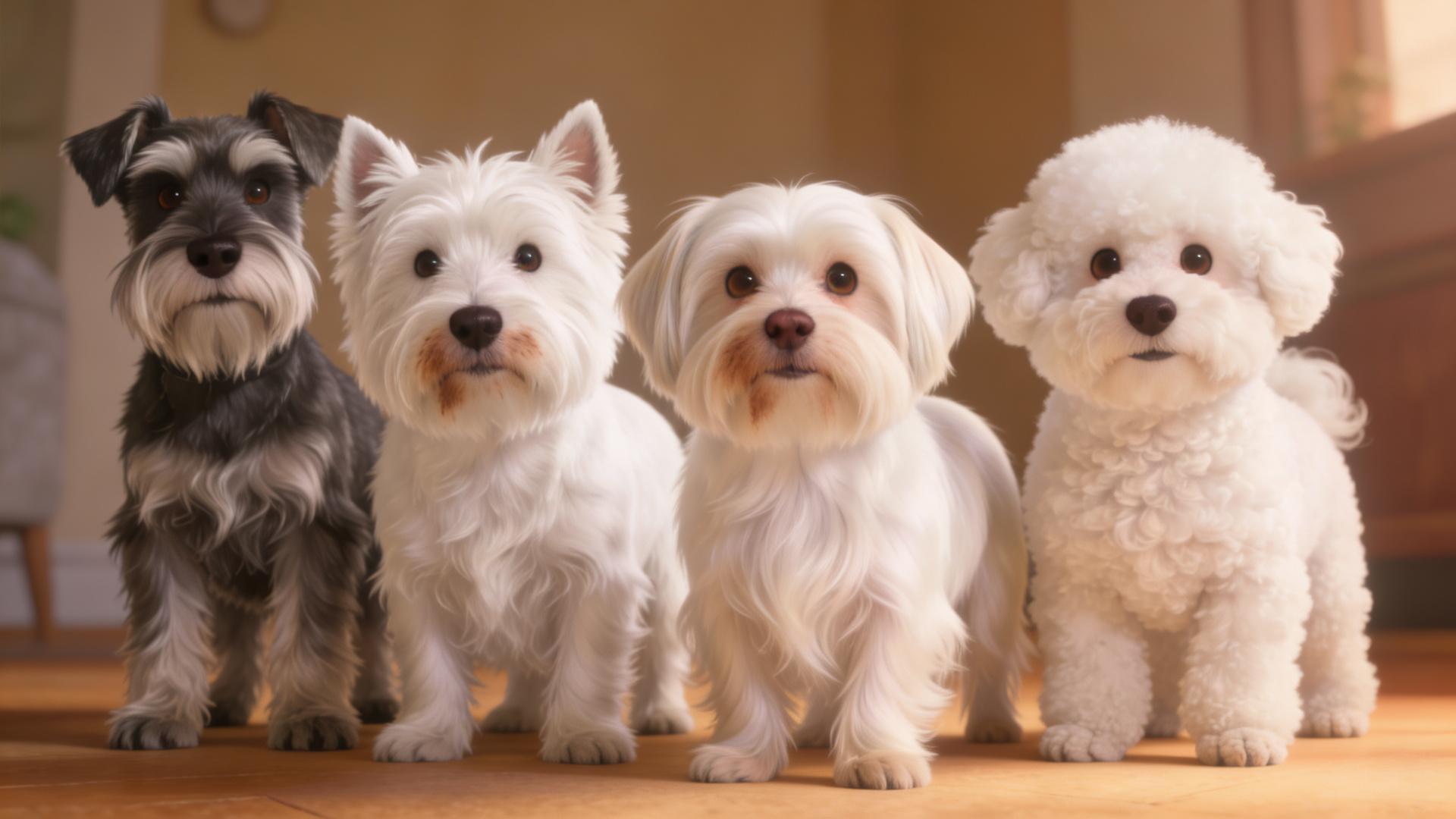
While any dog with light facial hair can develop stains, certain breeds are notoriously prone due to their hair type and facial structure.
- Schnauzers (Miniature, Standard, Giant): The primary breed of concern. Their iconic, wiry beards act like a mop, soaking up every drop of water and piece of food.
- Terrier Breeds: West Highland White Terriers, Scottish Terriers, and Cairn Terriers often have similar coarse facial hair.
- Shih Tzus, Lhasa Apsos, and Maltese: Their long, fine facial hair easily traps moisture and debris.
- Bichon Frise and Poodles: Their curly, light-colored hair around the mouth is highly absorbent.
These breeds are prone to facial staining because their beards physically retain moisture and particles close to the skin, creating the perfect storm for staining agents to work.
🧼 The Ultimate Preventive Grooming Routine
Consistency is your most powerful weapon. A proactive routine prevents stains from setting in, making maintenance far easier than yellow beard removal for dogs after the fact.
📅 Daily Beard Care (After Meals & Drinks)
- Blot, Don't Rub: After your dog drinks, gently blot the beard with a soft, dry towel or paper towel to absorb excess moisture.
- Quick Wipe-Down: After meals, use a dog-safe cleansing wipe designed for faces to remove food particles and saliva. Focus on the chin and lip folds.
- Check and Separate: Feel for any mats or clumps starting to form, especially where the beard meets the chest.
🗓️ Weekly Deep Cleaning & Maintenance
- Pre-Brush: Before wetting, thoroughly brush the beard with a slicker brush or metal comb to remove tangles and loose debris.
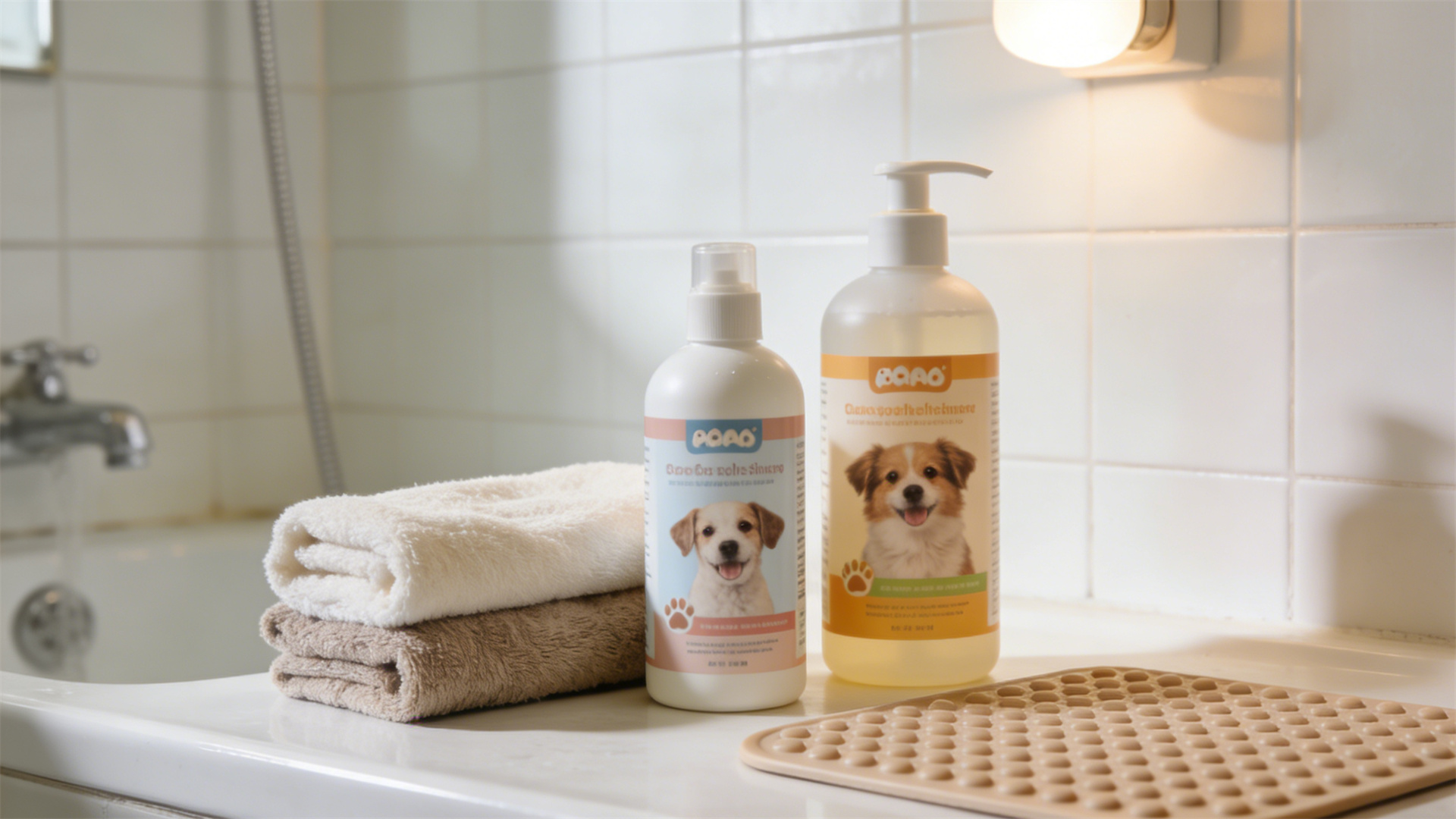
- Washing: Use a clarifying, whitening, or blueberry-based dog shampoo. Lather the beard well, massaging down to the skin. Let the shampoo sit for 5-10 minutes to break down stains.
- The Crucial Rinse: Rinse extensively with lukewarm water. Residual shampoo is a common cause of irritation and can attract dirt.
- The Essential Dry: This is the most critical step for preventing yellow beards in dogs. Use a towel to squeeze out water, then follow with a force dryer (on low, cool setting) to blow the hair completely straight and dry it 100% to the skin. Air-drying is the enemy!
- Final Brush-Out: Once completely dry, brush the beard again to maintain its shape and fluff.
🛒 Product Recommendations for a Pristine Beard
Using the right tools makes all the difference. Look for products that are effective yet gentle.
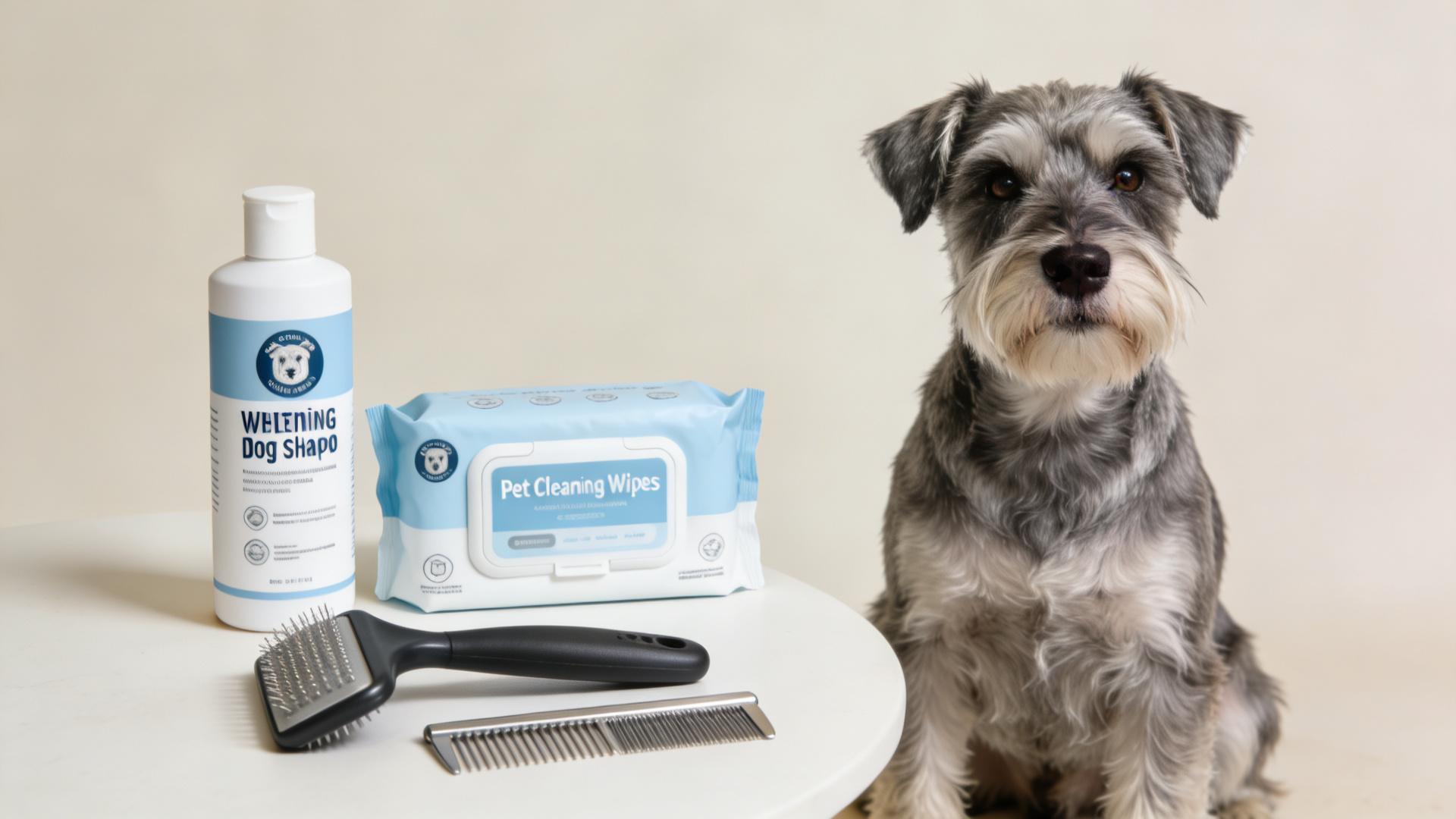
- Shampoos: Chris Christensen White on White Shampoo, Warren London Hydrating Buttercoat Whitening Shampoo, or Earthbath Hypo-Allergenic Shampoo. For a natural option, a blueberry facial shampoo helps neutralize stains.
- Wipes & Sprays: Pogi's Grooming Wipes or Earth Rated Dog Wipes for daily clean-ups. A dog-safe leave-in conditioner spray can help repel water and dirt between washes.
- Grooming Tools for Dog Facial Hair: A slicker brush (like Chris Christensen Big G), a fine-toothed metal comb, and a force dryer (K-9 II or Flying Pig dryer) are non-negotiable investments.
🥘 Dietary and Environmental Adjustments
Grooming starts from the inside out and with your dog's surroundings.
- Food & Water: Consider a food without artificial dyes or heavy pigmented ingredients. Switching to filtered or bottled water can dramatically reduce mineral stains.
- Bowls Matter: Always use stainless steel or ceramic bowls. Plastic bowls can harbor bacteria in microscopic scratches and some dogs are allergic to them, which can increase facial itching and licking.
- Elevated Feeders: For some dogs, a raised bowl can help keep the beard out of the food and water, though this is not recommended for large, deep-chested breeds prone to bloat.
🏡 Natural Home Care Tips and Remedies
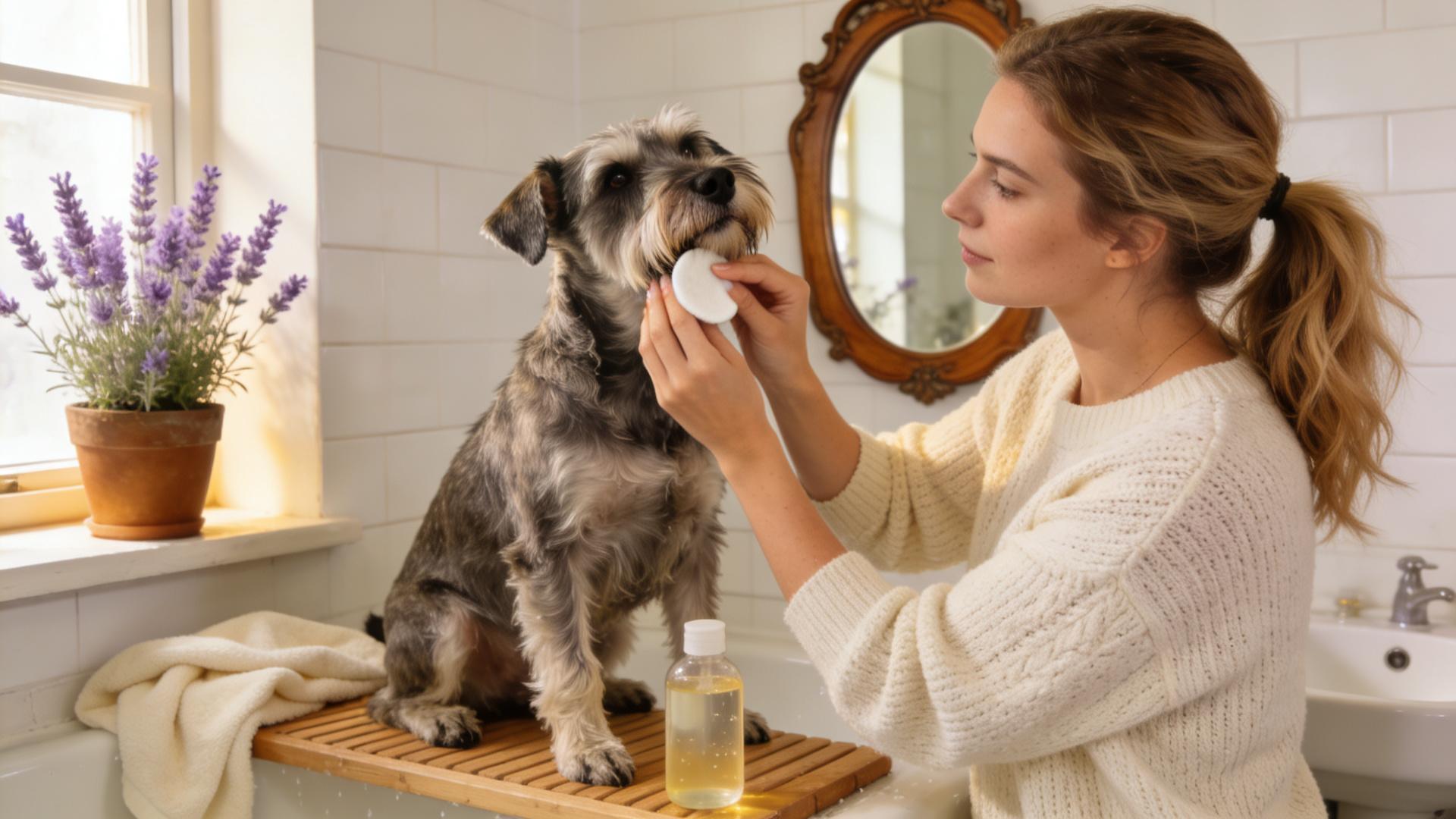
For a gentle touch-up between washes, you can try safe, natural solutions.
- Apple Cider Vinegar Rinse: Mix 1 part raw, unfiltered ACV with 3 parts water. After shampooing, pour this solution through the beard, let it sit for a minute, then rinse thoroughly. The mild acidity helps balance skin pH and has antimicrobial properties. Special Reminder: Avoid this on broken or irritated skin.
- Cornstarch or Baking Soda Paste: For spot-cleaning a dry stain, make a paste with water, apply, let dry, and brush out. This can absorb some oils and pigments.
✂️ Professional Grooming Insights: When to Call the Experts
Even with excellent home care, a professional dog grooming for beards session every 4-6 weeks is invaluable. A groomer can:
- Provide a sanitary trim to shorten hair around the mouth and simplify cleaning.
- Use high-velocity dryers to achieve a level of dryness difficult at home.
- Spot early signs of skin issues hidden under thick hair.
- Perform a deep-cleaning facial with professional-grade products.
When booking, specifically request focus on beard cleaning, drying, and trimming.
❌ Common Mistakes That Worsen Yellowing
Avoid these pitfalls that sabotage your Schnauzer beard maintenance efforts:
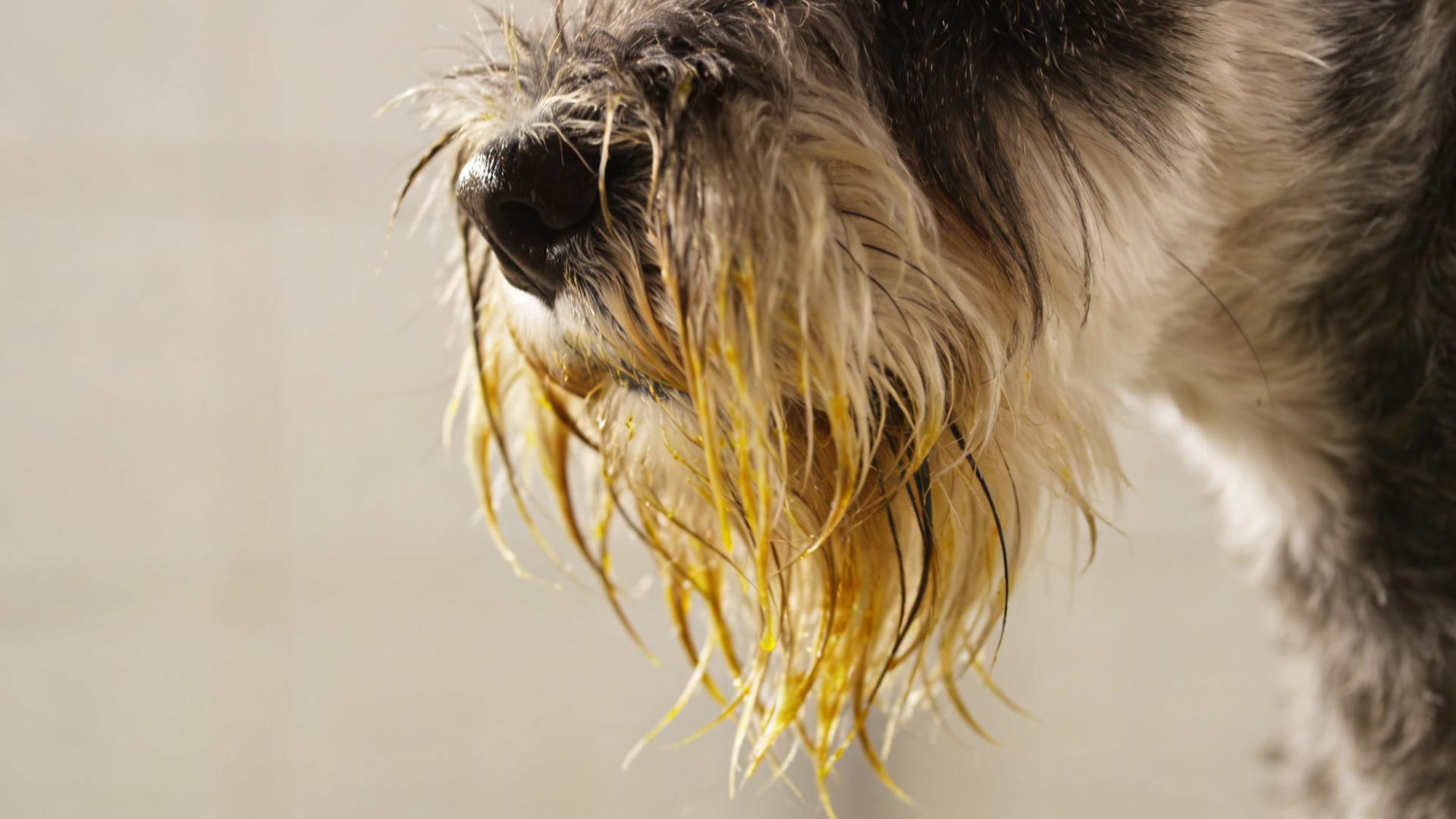
- Letting the Beard Air-Dry: This is the #1 mistake. It keeps the hair and skin damp for hours, promoting stain-causing bacteria and yeast.
- Using Human Products: Human shampoos have the wrong pH for dog skin and can strip natural oils, leading to irritation and more licking.
- Rubbing Stains When Wet: This can push stains deeper into the hair shaft and cause tangling.
- Ignoring the Root: Only cleaning the surface of the beard and not the skin underneath where problems start.
- Over-washing: Stripping natural oils too frequently can cause the skin to overproduce oil, attracting more dirt.
💎 Conclusion: Your Path to a Pristine, White Beard
Banishing and preventing beard stains in Schnauzers and other bearded breeds is a multi-faceted mission. It requires understanding the science of stains, implementing a diligent dog facial hair care routine, making smart dietary choices, and using the right tools. Remember, the goal isn't just aesthetics—it's about the health and comfort of your furry friend. A clean, dry beard is a healthy beard. With patience and consistency, you can proudly showcase your dog's bright, white signature look. Start today—your dog's dapper appearance is worth it!