
You May Have Missed

Canine Sleep Physiology: The Impact of Insufficient Deep Sleep on Body Repair
As a dog owner, you meticulously plan their diet, ensure they get plenty of exercise, and schedule regular vet visits. But how often do you consider the quality of their sleep? Just like humans, dogs require structured, restorative sleep for optimal health. This article delves into the fascinating world of canine sleep physiology, uncovering why deep sleep in dogs is non-negotiable for cellular repair, immune function, and long-term vitality. We'll translate complex science into actionable insights, helping you ensure your best friend isn't just sleeping, but healing.
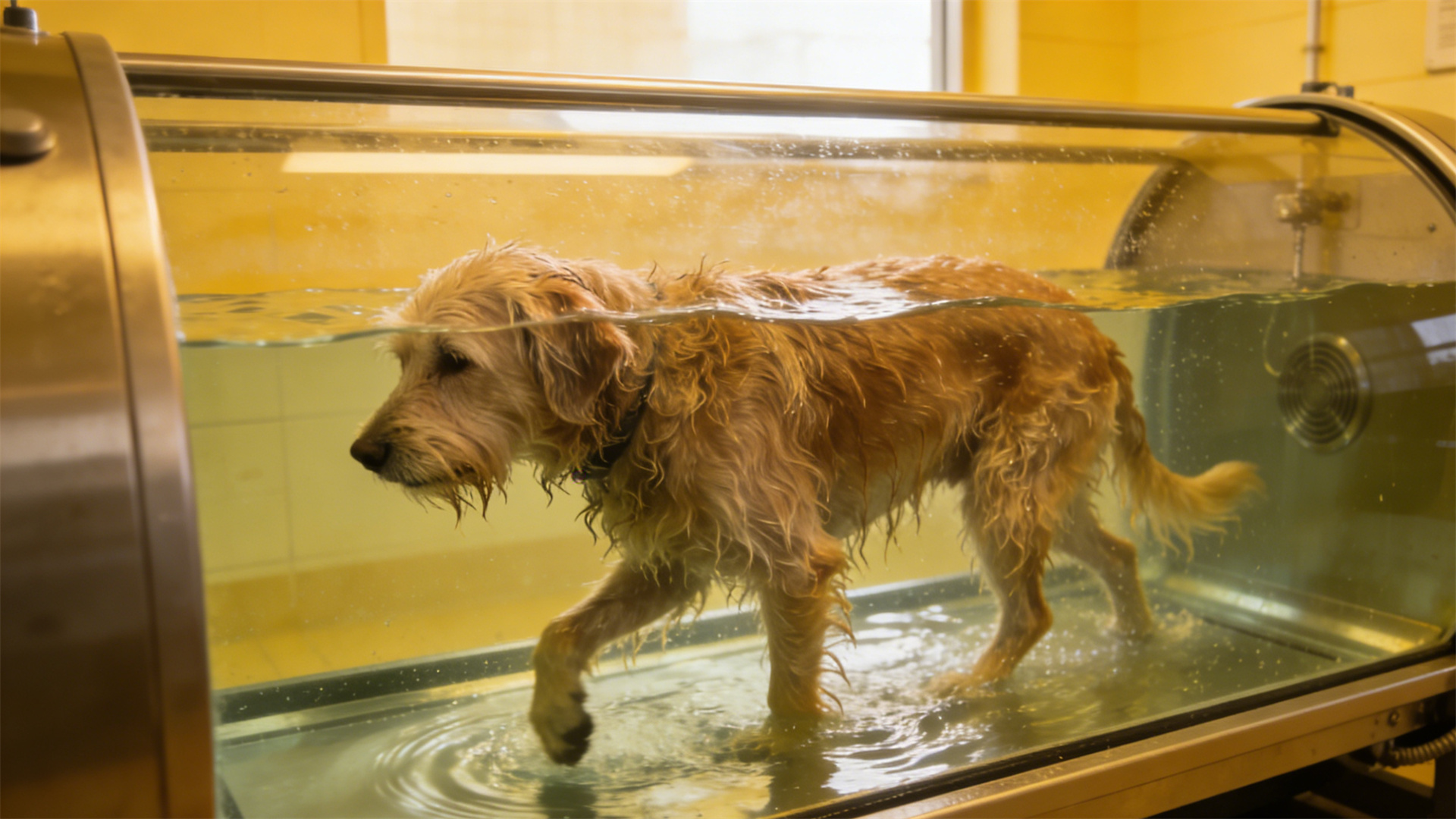
Gentle exercise: Indoor water treadmill rehabilitation program suitable for senior dogs
The golden years with a senior dog are a precious time, filled with shared memories and a deepened bond. As our canine companions age, we naturally seek ways to keep them comfortable, mobile, and engaged with life. Witnessing a once-sprightly dog slow down due to arthritis, muscle loss, or general stiffness can be heart-wrenching for any pet owner. The desire to help is strong, yet the fear of causing further injury with traditional exercise is real. This is where modern veterinary rehabilitation offers a transformative solution: the indoor water treadmill program. Tailored specifically for the needs of aging canines, this therapy provides a gateway to gentle exercise, pain relief, and improved quality of life. This comprehensive guide will explore the profound benefits, practical process, and hopeful future of indoor water treadmill rehabilitation for your cherished senior dog.

Hidden Concerns about Drinking Water Health: The Effects of Tap Water, Purified Water, and Mineral Water on Dogs' Kidneys
For the devoted dog owner, every wag, every bark, and every soulful gaze is a reminder of the profound bond we share. We meticulously choose their food, schedule their exercise, and lavish them with care. Yet, there is one fundamental, often overlooked, element coursing through every aspect of their well-being: water. It is the essence of life, comprising about 60-70% of an adult dog's body weight and playing a critical role in every cellular function. While we ensure the bowl is never empty, have we ever paused to consider what is in that bowl? This article delves into a hidden, long-term concern—the subtle but significant impact of different water types on the cornerstone of your dog's filtration system: their kidneys. We will dissect the profiles of tap water, purified water, and mineral water, moving beyond myth to provide clear, actionable guidance for safeguarding your canine companion's vitality through informed hydration.

Can dogs eat fruit? 2026 "Red and Black List" and recommended intake levels.
As a doting dog parent, you’ve probably wondered, while slicing a watermelon or snacking on blueberries, if your furry friend can join in. That hopeful gaze is hard to resist! The question "can dogs eat fruit" is incredibly common, and the answer is a careful, conditional yes. 🐶 Many fruits are packed with beneficial vitamins, minerals, fiber, and hydration. However, the canine digestive system is not the same as ours, and significant, even lethal, dangers exist with certain fruits. Navigating this fruity landscape requires a clear map. This definitive 2026 guide provides exactly that: a vet-reviewed "Black List" of safe options, a critical "Red List" of toxic hazards, and precise, size-based serving recommendations. Your first and most important rule? Always consult your veterinarian before introducing any new food to your dog's diet.
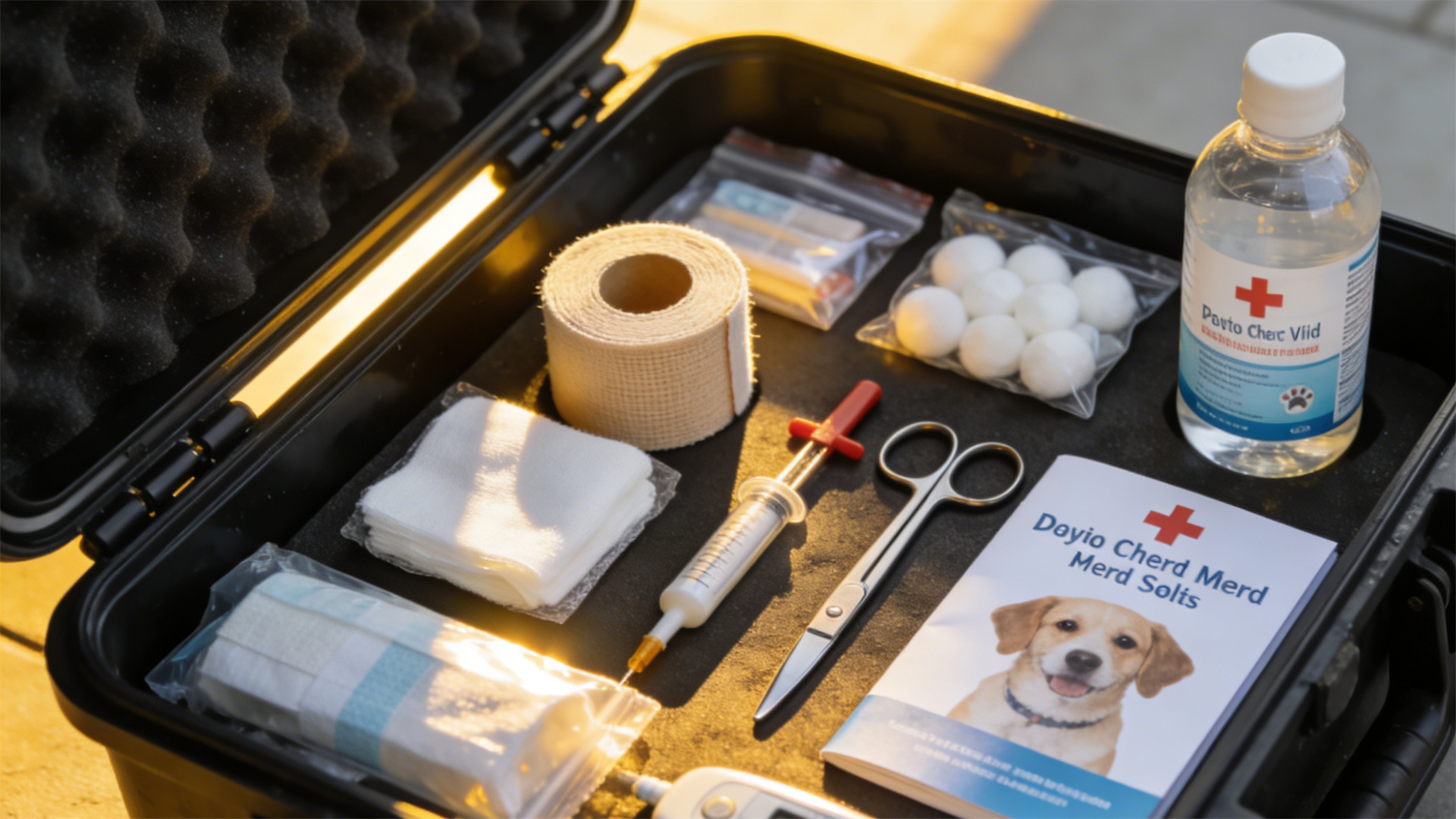
First aid kit and common medicines
As a loving dog owner, you provide the best food, cozy beds, and endless playtime. But what about when the unexpected happens? A sudden limp, a curious encounter with a bee, or an upset stomach can turn an ordinary day into a moment of panic. Preparedness is the cornerstone of responsible pet ownership. Having a well-stocked dog first aid kit and a clear understanding of common medicines for dogs can empower you to act swiftly and effectively in minor situations, bridging the gap between incident and veterinary care. This guide is your comprehensive, actionable resource to build your kit, understand safe medication basics, and always know when to call the vet.

Corgi and Dachshund Spinal Insurance: Home Taboos for Protecting Intervertebral Discs (IVDD)
For the devoted owner of a Corgi, Dachshund, or similar short-legged breed, that joyful, wiggly gait is a constant source of delight. Yet, beneath that charming exterior lies a hidden vulnerability: a significant risk for Intervertebral Disc Disease (IVDD). This condition, where the cushioning discs between the vertebrae degenerate or herniate, can lead to pain, nerve damage, and even paralysis. The financial and emotional toll of treating IVDD can be overwhelming. This comprehensive guide addresses two critical pillars of proactive care: understanding the home taboos essential for prevention and demystifying the vital safety net of Corgi and Dachshund spinal insurance. By mastering both, you can dramatically improve your dog's quality of life and be financially prepared should a crisis arise.