
You May Have Missed
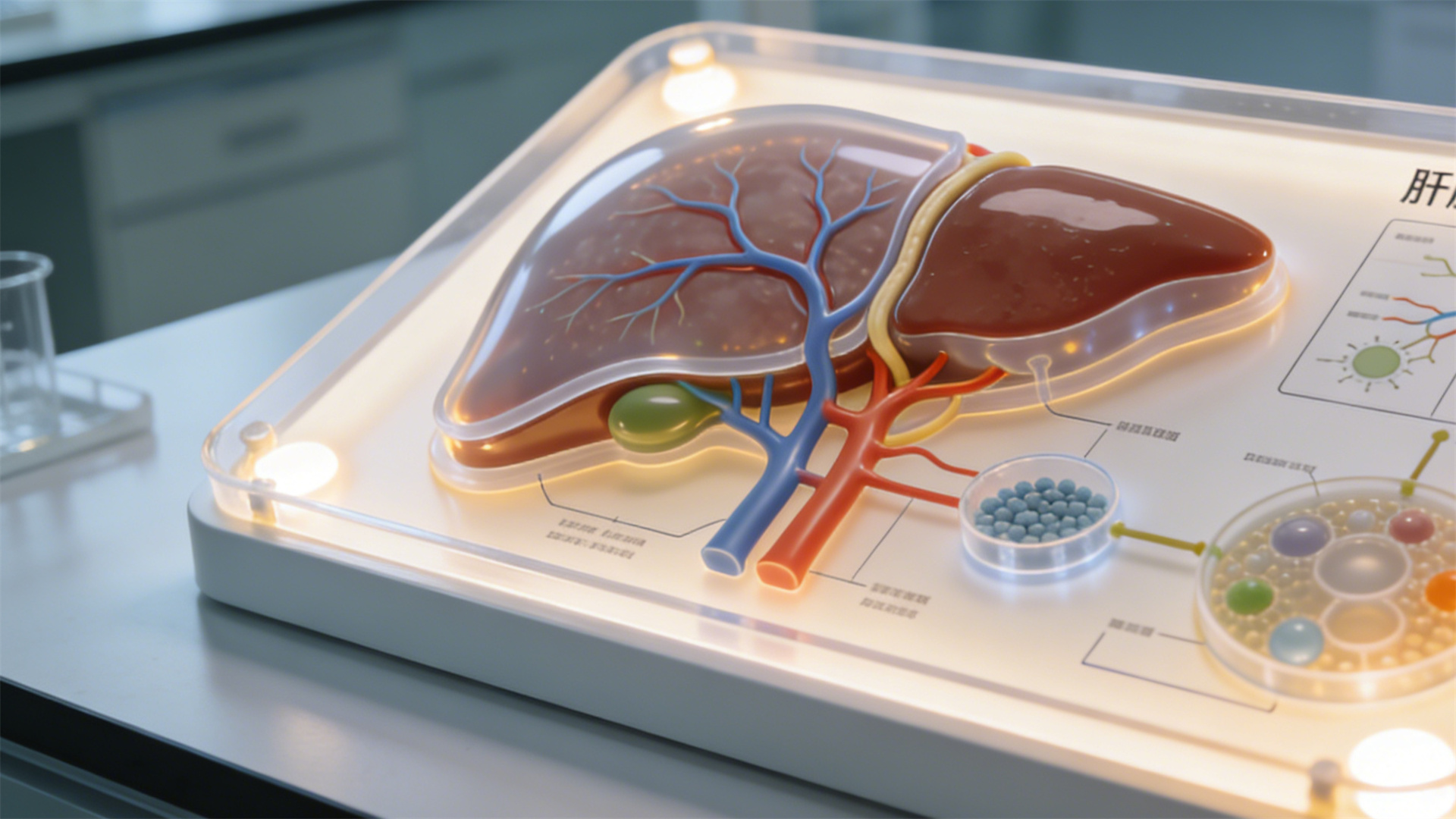
Metabolic stress of deworming medication: How to find a balance between high-frequency deworming and liver protection
As a devoted dog owner, you know that parasite prevention is a non-negotiable pillar of responsible pet care. The image of a healthy, playful pup is one free from the burden of internal worms. But in our quest to protect them, could we be inadvertently stressing another vital system? The very medications designed to safeguard our dogs must be processed by their bodies, primarily through the liver. This creates a scenario of metabolic stress—a hidden cost that demands our attention. This article delves into the science behind this process, explores the debate on deworming frequency, and provides a practical roadmap to balance effective parasite control with robust liver protection for dogs.

Physiological manifestations of separation anxiety: How chronic stress damages a dog's immune system
You notice the shredded couch cushion, the anxious whining as you grab your keys, the frantic greeting when you return—even from a quick grocery run. Most dog owners recognize these as classic signs of separation anxiety. But what many fail to see is the invisible, internal storm brewing beneath the surface. This isn't just a behavioral issue; it's a profound physiological crisis that systematically dismantles your dog's health from the inside out. The chronic stress of separation anxiety doesn't just hurt your dog's feelings; it inflicts measurable, long-term damage to your dog's immune system, opening the door to a host of serious illnesses. Understanding this link is the first, most critical step in protecting your loyal companion's long-term vitality.

2026 Canine Nutrition Standards: The Golden Ratio of Protein, Fat, and Carbohydrates
Canine nutrition is undergoing a revolution. Gone are the days of one-size-fits-all kibble. As research accelerates, we're moving from simply feeding dogs to precision-nourishing them. The question for discerning dog owners and forward-thinking professionals is no longer just "what to feed," but what precise nutritional architecture will optimize health, longevity, and vitality in the years to come. Enter the forward-looking 2026 canine nutrition standards, centered on a refined, dynamic macronutrient balance known as the Golden Ratio. This isn't a fleeting trend; it's the scientific culmination of decades of research, pointing toward a future of personalized canine wellness.

At-home eye care: How to properly use eye wash to relieve tear stains
If you're a dog parent, you've likely seen those rusty-red streaks under your furry friend's eyes. Tear stains are a common Grooming concern, but they can also be a window into your dog's health. While countless wipes and potions promise miracles, the cornerstone of effective management is a simple, vet-approved canine eye wash and a proper technique. This comprehensive guide will empower you with the knowledge and step-by-step process for safe, effective at home dog eye care, turning a potentially stressful task into a bonding ritual that promotes comfort and ocular health.

Early warning of infectious diseases
For every dog owner, the bond with their furry companion is built on love, trust, and a deep-seated responsibility for their health. Infectious diseases pose a silent but significant threat, capable of escalating from mild discomfort to life-threatening emergencies with alarming speed. Early detection is not just beneficial; it is critical. Recognizing the subtle, initial signs of illness can drastically improve treatment outcomes, reduce suffering, and prevent the spread to other animals. This comprehensive guide empowers you to become your dog's first and most important health advocate, detailing the key early warning signs you must monitor and providing actionable insights for superior canine care.

Can dogs eat fruit? 2026 "Red and Black List" and recommended intake levels.
As a doting dog parent, you’ve probably wondered, while slicing a watermelon or snacking on blueberries, if your furry friend can join in. That hopeful gaze is hard to resist! The question "can dogs eat fruit" is incredibly common, and the answer is a careful, conditional yes. 🐶 Many fruits are packed with beneficial vitamins, minerals, fiber, and hydration. However, the canine digestive system is not the same as ours, and significant, even lethal, dangers exist with certain fruits. Navigating this fruity landscape requires a clear map. This definitive 2026 guide provides exactly that: a vet-reviewed "Black List" of safe options, a critical "Red List" of toxic hazards, and precise, size-based serving recommendations. Your first and most important rule? Always consult your veterinarian before introducing any new food to your dog's diet.