
You May Have Missed
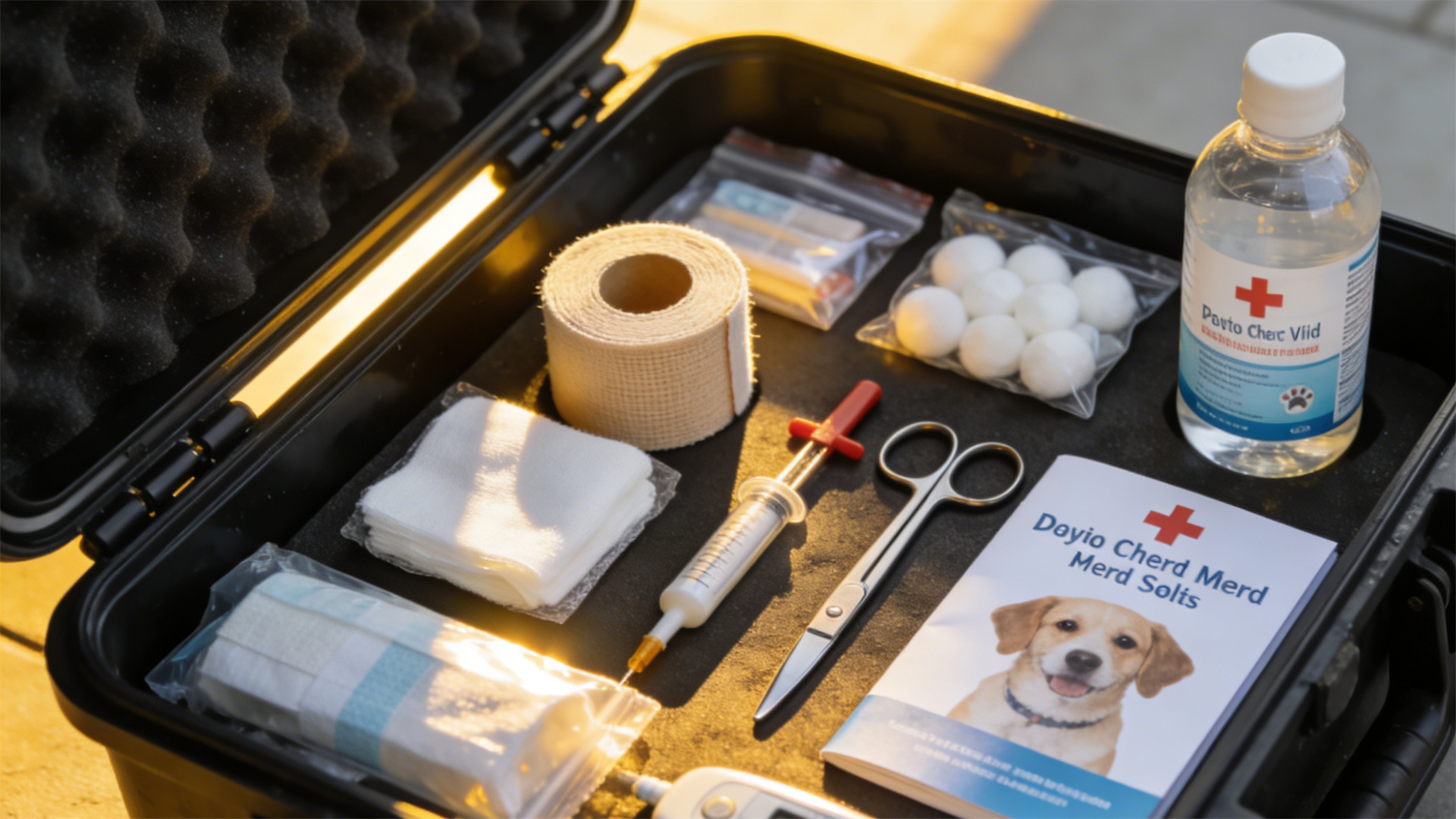
First aid kit and common medicines
As a loving dog owner, you provide the best food, cozy beds, and endless playtime. But what about when the unexpected happens? A sudden limp, a curious encounter with a bee, or an upset stomach can turn an ordinary day into a moment of panic. Preparedness is the cornerstone of responsible pet ownership. Having a well-stocked dog first aid kit and a clear understanding of common medicines for dogs can empower you to act swiftly and effectively in minor situations, bridging the gap between incident and veterinary care. This guide is your comprehensive, actionable resource to build your kit, understand safe medication basics, and always know when to call the vet.
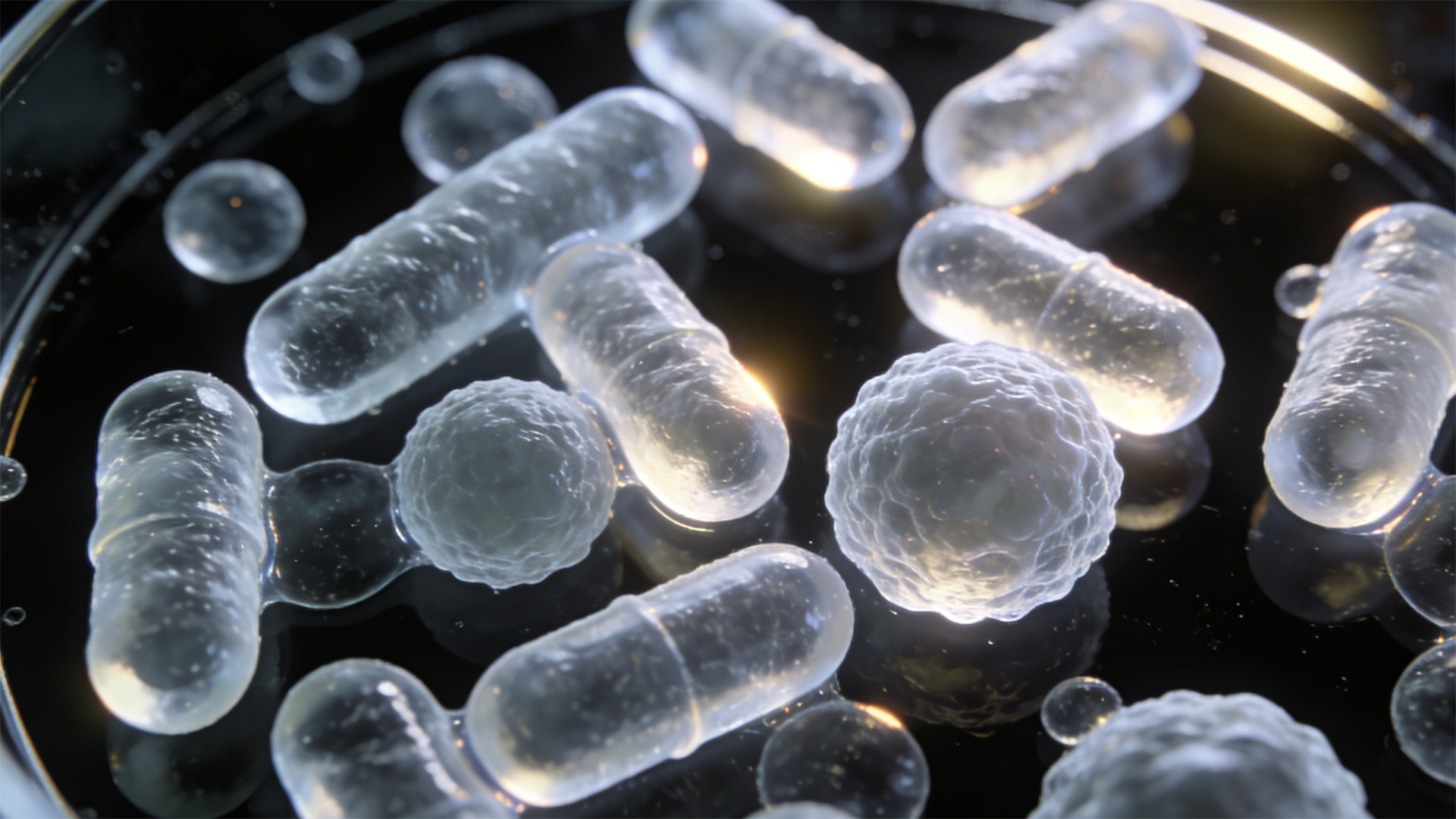
Canine Gut Microbiota: The Practical Role of Probiotics and Prebiotics in Improving Soft Stools
If you're here, you've likely been on the less glamorous end of dog ownership. You're not just a pet parent. You're a poop detective. The sight of a soft, unformed stool where a firm, healthy one should be is a common but frustrating concern. Before you spiral into worry about serious illness or dietary dead-ends, take a deep breath. More often than not, the answer lies not in a dramatic medication, but in the microscopic world within your dog's digestive tract. The solution is often about nurturing balance. This article will guide you through the practical, actionable science of your dog's gut health. We will demystify the canine gut microbiota and explain exactly how two powerful tools—probiotics and prebiotics—can work together to transform your dog's digestion and finally firm up those stools.
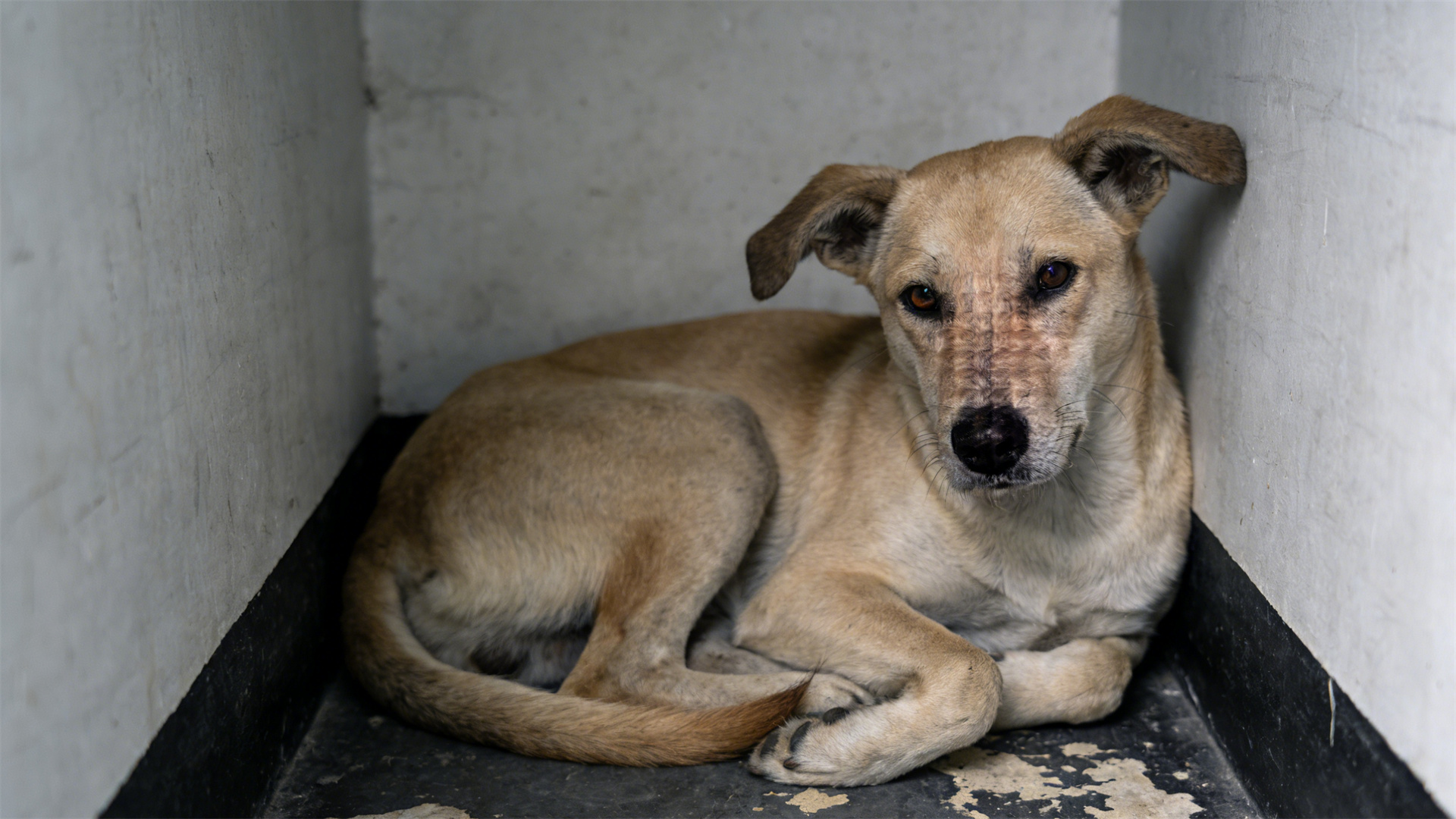
Resource competition pressure in multi-dog households: How to alleviate long-term social stress in dogs
You come home to your two dogs, and instead of a joyful, wiggling greeting, you're met with a subtle tension. One dog is on the couch, stiffening as the other walks by. The younger dog quickly grabs a toy and scurries to another room when the older one glances over. There's no growling, no fights—just a quiet, palpable strain in the air. This is the often-overlooked reality of resource competition in a multi-dog household, and it extends far beyond squabbles over food bowls. Resources include prime sleeping spots, your attention, doorways, and even a clear path to walk through a room. When dogs live in a state of low-grade, perpetual negotiation for these assets, it leads to long-term social stress, a serious health and welfare issue that can manifest in behavioral and physical decline. The good news? This guide provides actionable, evidence-based strategies to transform your home into a more peaceful, predictable, and low-stress environment for every canine member of your family.
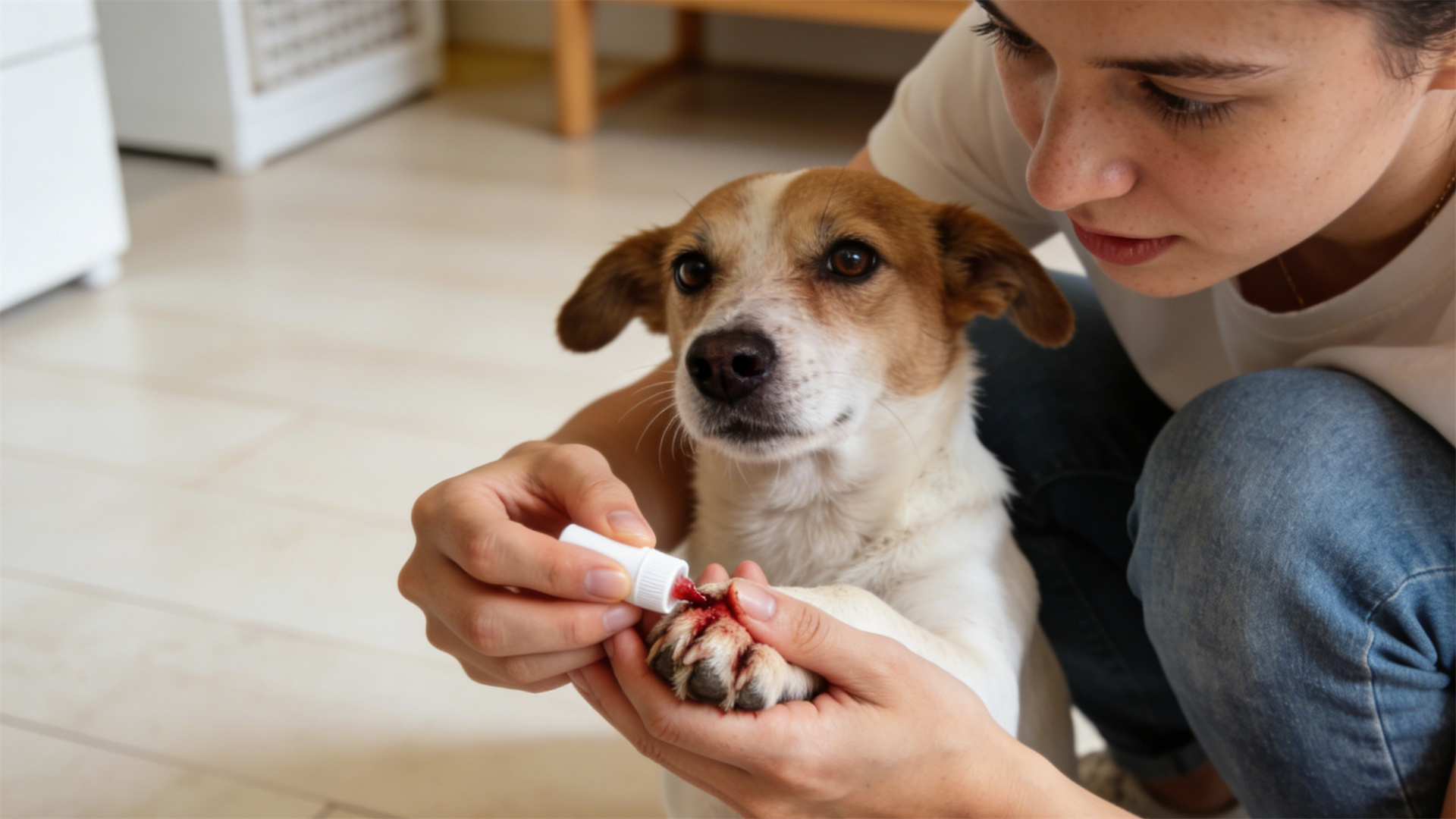
First aid for nails clipped too short: essential home remedies for styptic powder and wound treatment.
The sudden sight of blood after a nail trim can send any dog owner into a panic. Rest assured, accidentally clipping your dog's nail too short and nicking the quick is an incredibly common grooming mishap. This article provides a calm, step-by-step guide to managing this situation at home. Our immediate goals are to stop the bleeding effectively and prevent infection. Understanding a bit of anatomy helps: inside your dog's nail is a living, blood-rich nerve called the quick. In light-colored nails, it's visible as a pinkish area; in dark nails, it's hidden. Cutting into it causes bleeding and discomfort, but with the right first aid, it's a quickly solvable problem.
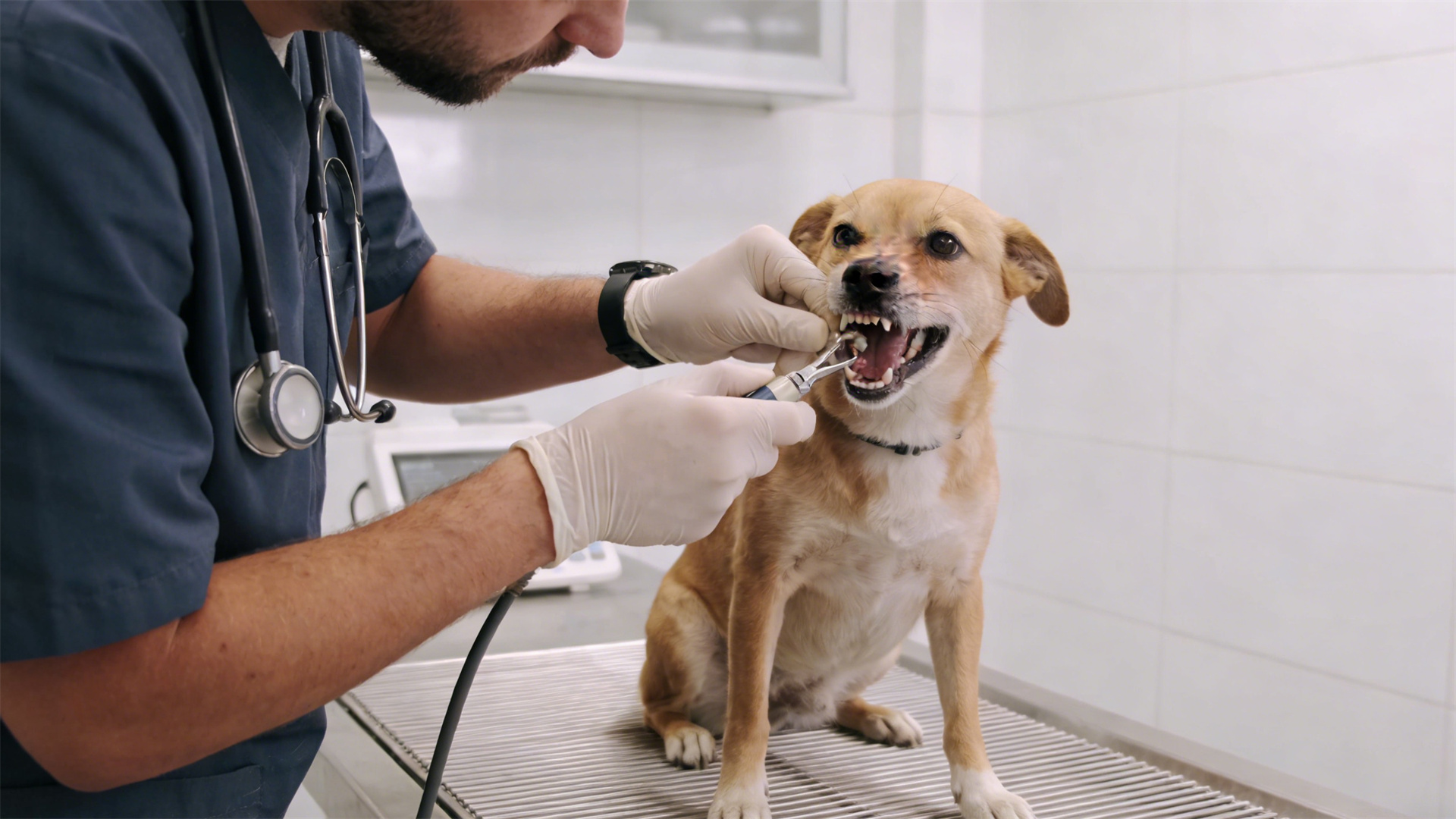
Oral health management
Let's be honest: does your dog's breath smell like a garbage truck on a hot day? 🚚💨 You're not alone. But here's the real question—are you dismissing that foul odor as just "dog breath," or are you recognizing it as the first red flag of a serious health issue? Oral health management for dogs isn't just about fresh kisses; it's a critical pillar of your pet's overall longevity and vitality. In this definitive guide, we'll walk you through everything, from daily dog dental hygiene routines to knowing when it's time for a professional veterinary dental care visit. Ready to transform your dog's dental health? Let's dive in!
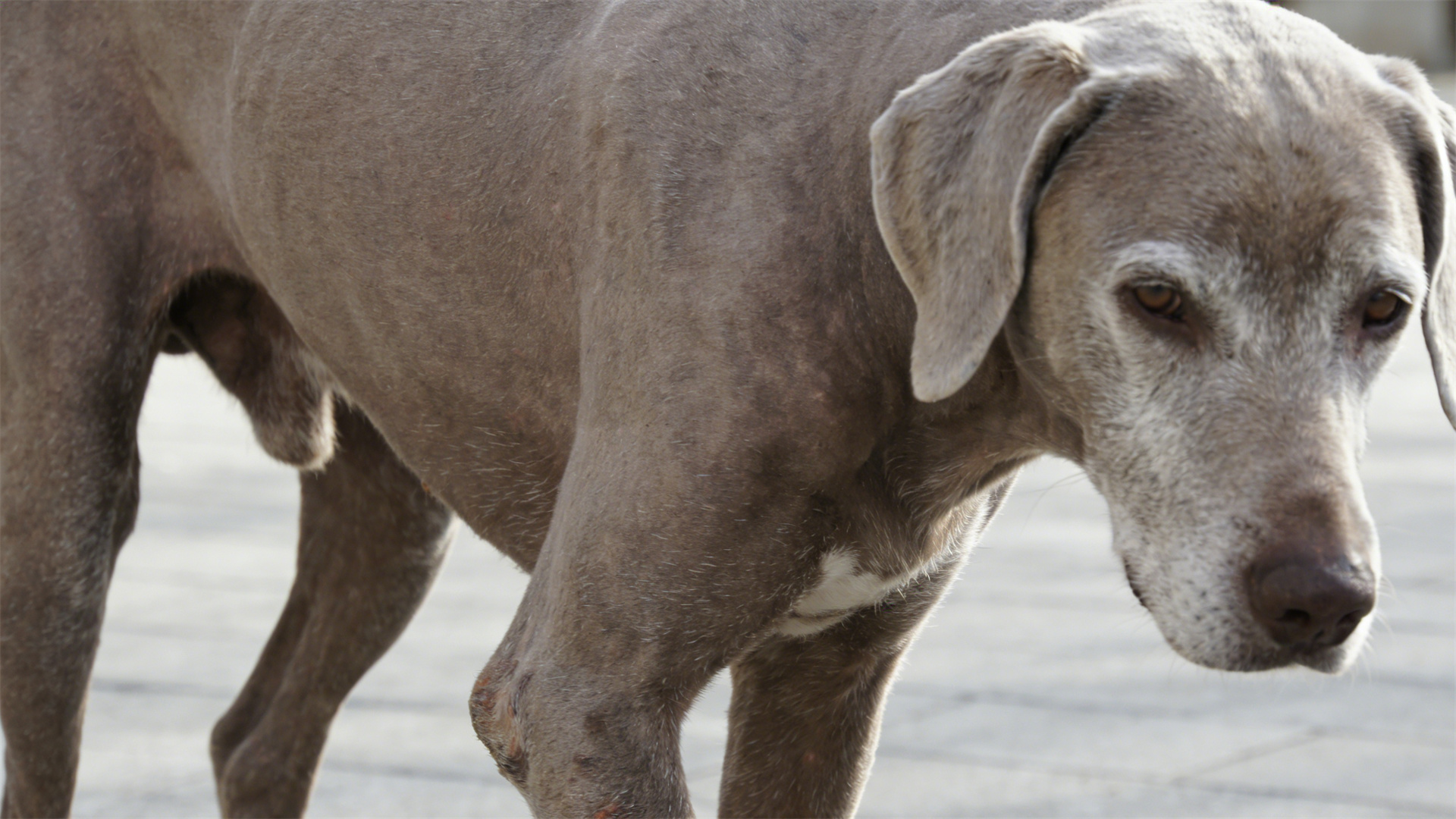
Glucosamine and Chondroitin: The Starting Point for Joint Protection in Large Dogs
Watching your gentle giant struggle to rise from a nap, or hesitate before a short flight of stairs, is a heart-wrenching experience for any large dog owner. The reality is that joint health is one of the most critical, yet vulnerable, aspects of a big breed's well-being. From playful Great Dane puppies to dignified senior Mastiffs, the immense weight and rapid growth that characterize these magnificent animals place unparalleled stress on their joints. This article serves as your comprehensive starting point, delving into the world of glucosamine and chondroitin—the cornerstone supplements for proactive joint protection for large dogs. We'll cut through the confusion, providing you with expert-backed, practical knowledge to help your canine companion move with comfort and confidence throughout every stage of life.