
You May Have Missed
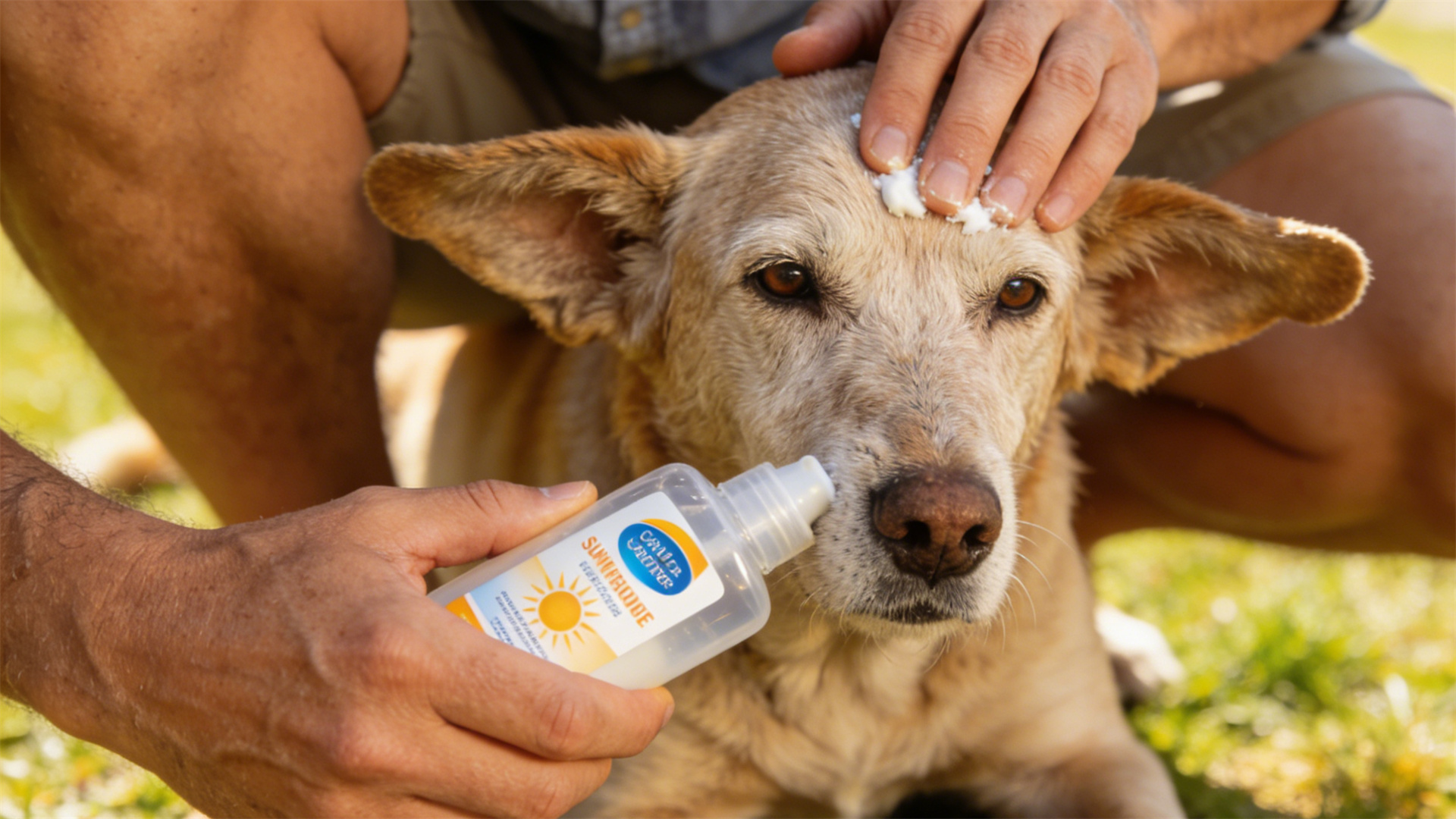
Hair management for senior dogs: Cold and sun protection measures after skin thins
As our canine companions gracefully enter their golden years, their care requirements evolve. One of the most significant yet often overlooked changes involves their skin and coat. What was once a resilient barrier against the elements can become delicate and vulnerable. For the devoted owner, understanding and adapting to these changes isn't a matter of vanity—it's a core component of preventative health and comfort. This comprehensive guide delves into the world of hair management for senior dogs, with a specialized focus on protecting their thinning skin from two opposing threats: biting cold and harsh sunlight.
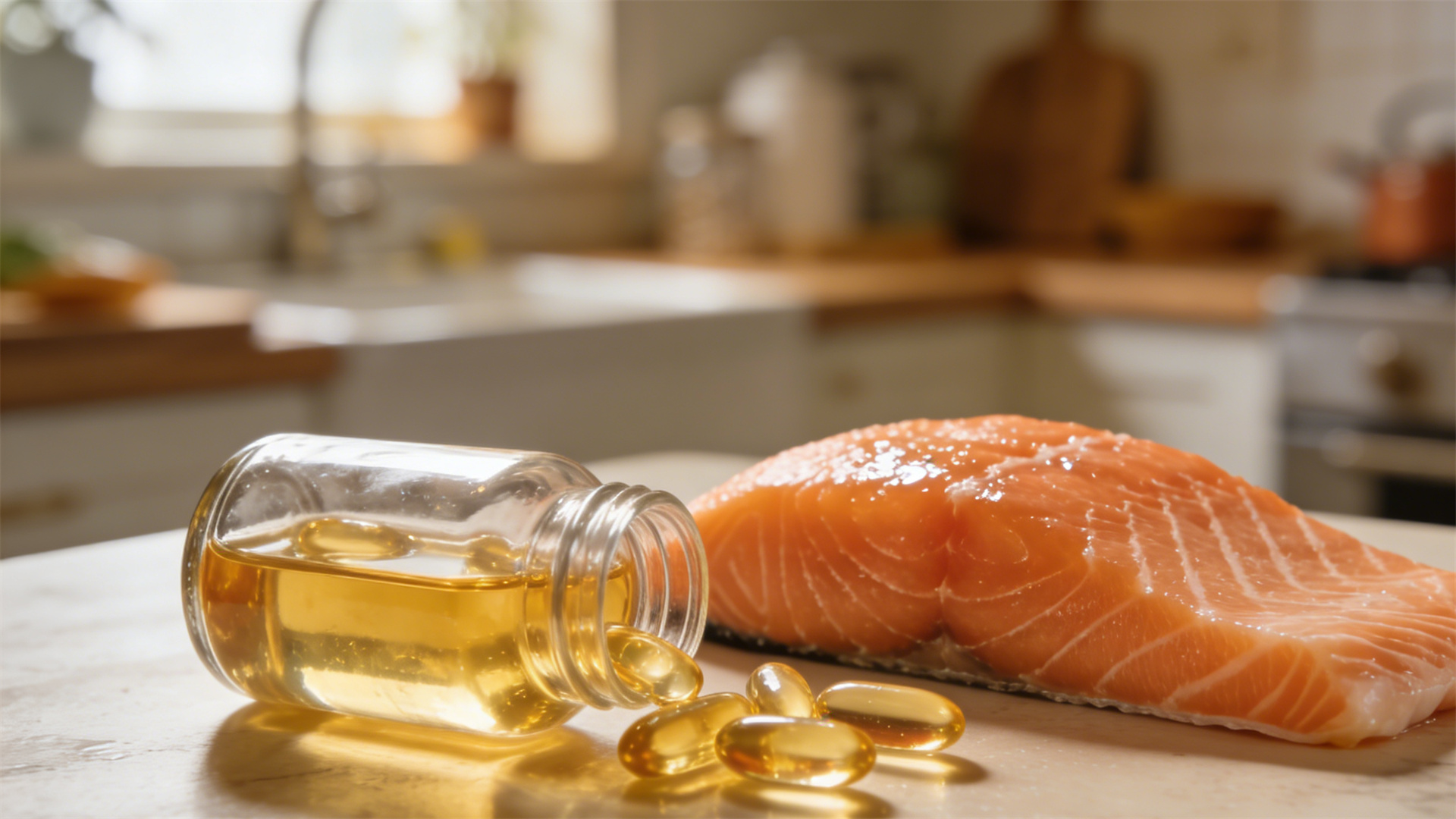
Omega-3 Deep Choice: Fish Oil, Krill Oil, or Algae Oil?
As a devoted dog owner, you want to provide the very best for your furry family member. When it comes to nutritional supplements, Omega-3 fatty acids consistently top the list of veterinarian-recommended additions. These essential fats, specifically EPA (eicosapentaenoic acid) and DHA (docosahexaenoic acid), are powerhouse nutrients that support nearly every system in your dog's body. From nurturing a glossy coat and calming itchy skin to promoting healthy joint mobility and supporting cognitive function, the benefits are profound and well-documented. But walk down the supplement aisle or browse online, and you're faced with a choice: Fish Oil, Krill Oil, or Algae Oil? This isn't just a matter of preference; the source can impact efficacy, sustainability, and suitability for your dog's specific needs. Let's dive deep into the science and practicalities to help you make the most informed Omega-3 for dogs decision.

2026 Canine Nutrition Standards: The Golden Ratio of Protein, Fat, and Carbohydrates
Canine nutrition is undergoing a revolution. Gone are the days of one-size-fits-all kibble. As research accelerates, we're moving from simply feeding dogs to precision-nourishing them. The question for discerning dog owners and forward-thinking professionals is no longer just "what to feed," but what precise nutritional architecture will optimize health, longevity, and vitality in the years to come. Enter the forward-looking 2026 canine nutrition standards, centered on a refined, dynamic macronutrient balance known as the Golden Ratio. This isn't a fleeting trend; it's the scientific culmination of decades of research, pointing toward a future of personalized canine wellness.

First aid kit and common medicines
As a loving dog owner, you provide the best food, cozy beds, and endless playtime. But what about when the unexpected happens? A sudden limp, a curious encounter with a bee, or an upset stomach can turn an ordinary day into a moment of panic. Preparedness is the cornerstone of responsible pet ownership. Having a well-stocked dog first aid kit and a clear understanding of common medicines for dogs can empower you to act swiftly and effectively in minor situations, bridging the gap between incident and veterinary care. This guide is your comprehensive, actionable resource to build your kit, understand safe medication basics, and always know when to call the vet.

Cognitive Enrichment in Urban Dogs: The Anti-Aging Effects of 15 Minutes of Daily Sniffing on the Brain
In the heart of the city, our canine companions navigate a world of concrete, schedules, and limited greenery. While we strive to meet their physical needs with brisk walks, we often overlook their most powerful sense and the brain health benefits it unlocks. The modern urban dog faces a hidden crisis: cognitive under-stimulation. This article delves into the transformative power of a simple, science-backed practice—dedicated sniffing time—and how just 15 minutes daily can serve as a potent form of cognitive enrichment and an anti-aging workout for your dog’s brain.
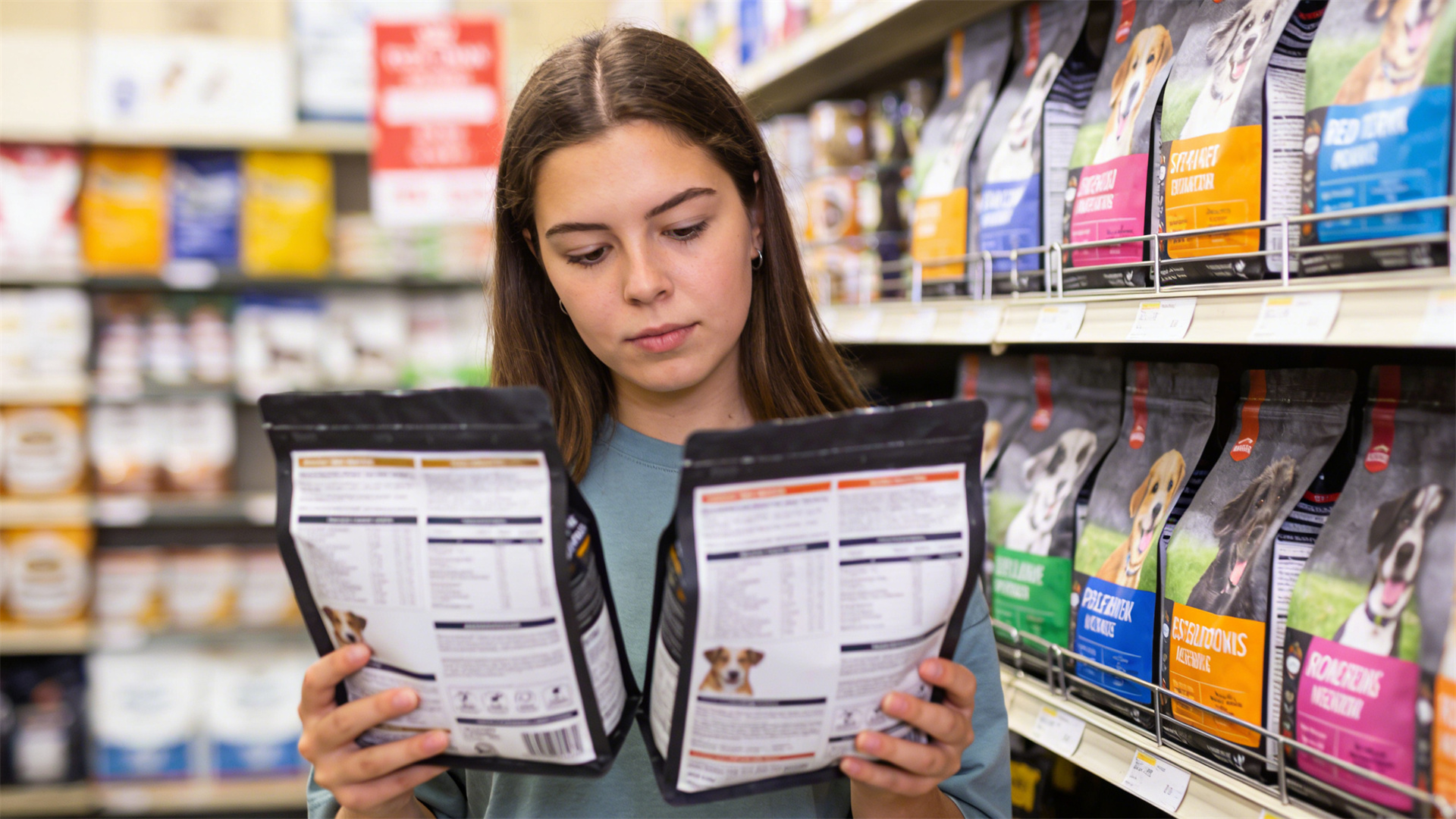
In-depth analysis of dog food ingredient lists: How to identify hidden "appetizer traps"
You stand in the pet store aisle, holding two bags of dog food. Both promise complete nutrition, shiny coats, and boundless energy. You flip the bags over, intent on being a conscientious pet parent, only to be met with a dizzying wall of text: "Poultry by-product meal, corn gluten meal, animal digest, natural flavors..." Your eyes glaze over. Which one is truly better? You’re not alone in this confusion. For millions of dog owners, the ingredient list on a pet food bag is a cryptic puzzle, often designed to appeal to the buyer rather than reveal the full nutritional story for the dog. This article will serve as your decoder ring, empowering you to look beyond the marketing on the front and master the fine print on the back. We will shine a light on the hidden "appetizer traps"—those ingredients added primarily to manipulate palatability artificially—and teach you how to choose a food that nourishes your dog from the inside out. 🐕