
You May Have Missed
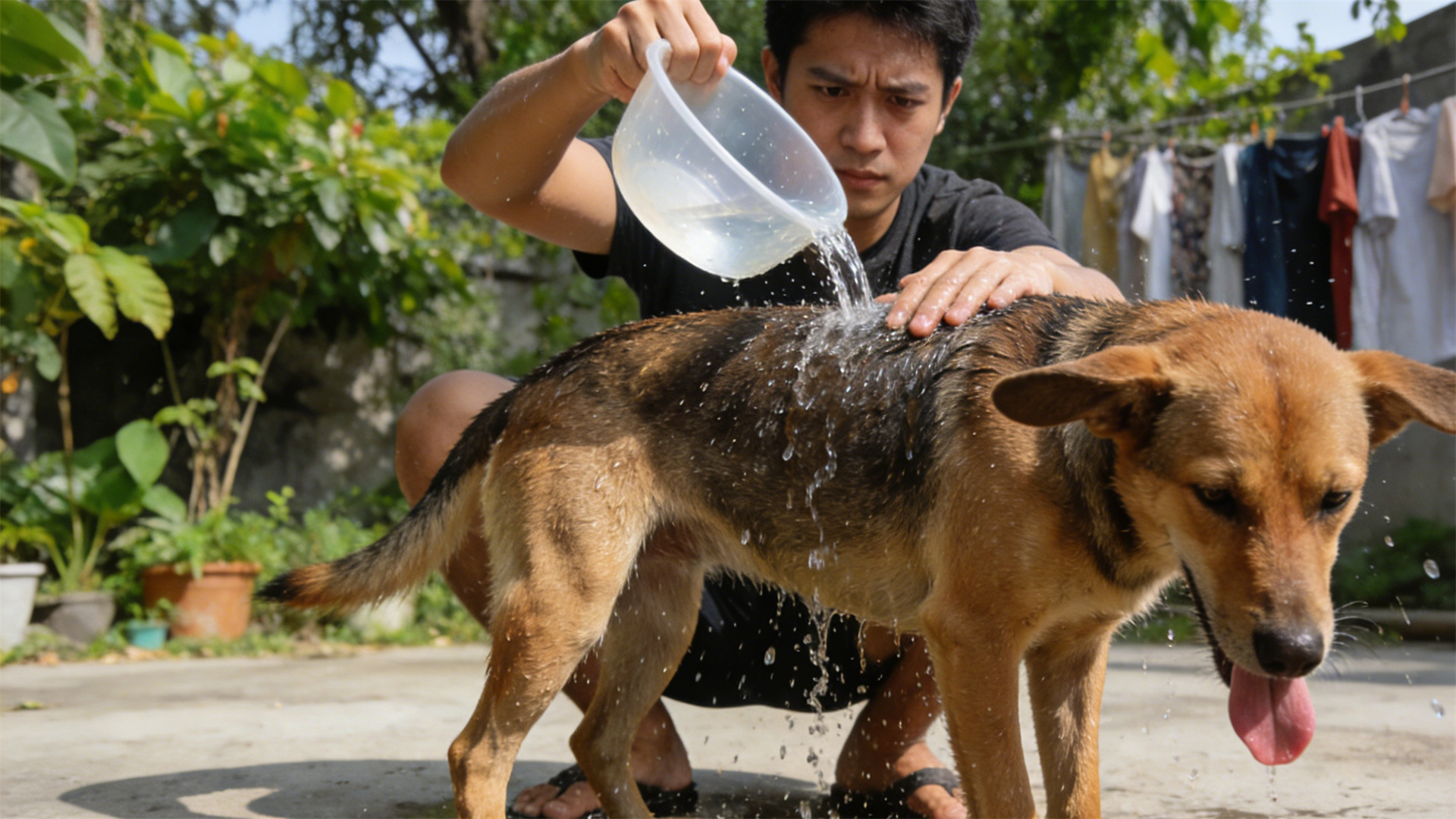
Summer heatstroke first aid: Cooling procedures within the golden 3 minutes and prevention of organ failure
Heatstroke is a true medical emergency that can kill a healthy dog in less than 15 minutes. When your dog's body temperature spirals out of control, a devastating chain reaction begins inside their organs. Your actions in the first golden three minutes are the single most critical factor that will determine whether your pet survives or succumbs to catastrophic organ failure. This guide provides a clear, step-by-step canine heatstroke first aid protocol you must know and the essential knowledge to prevent this crisis from ever happening.
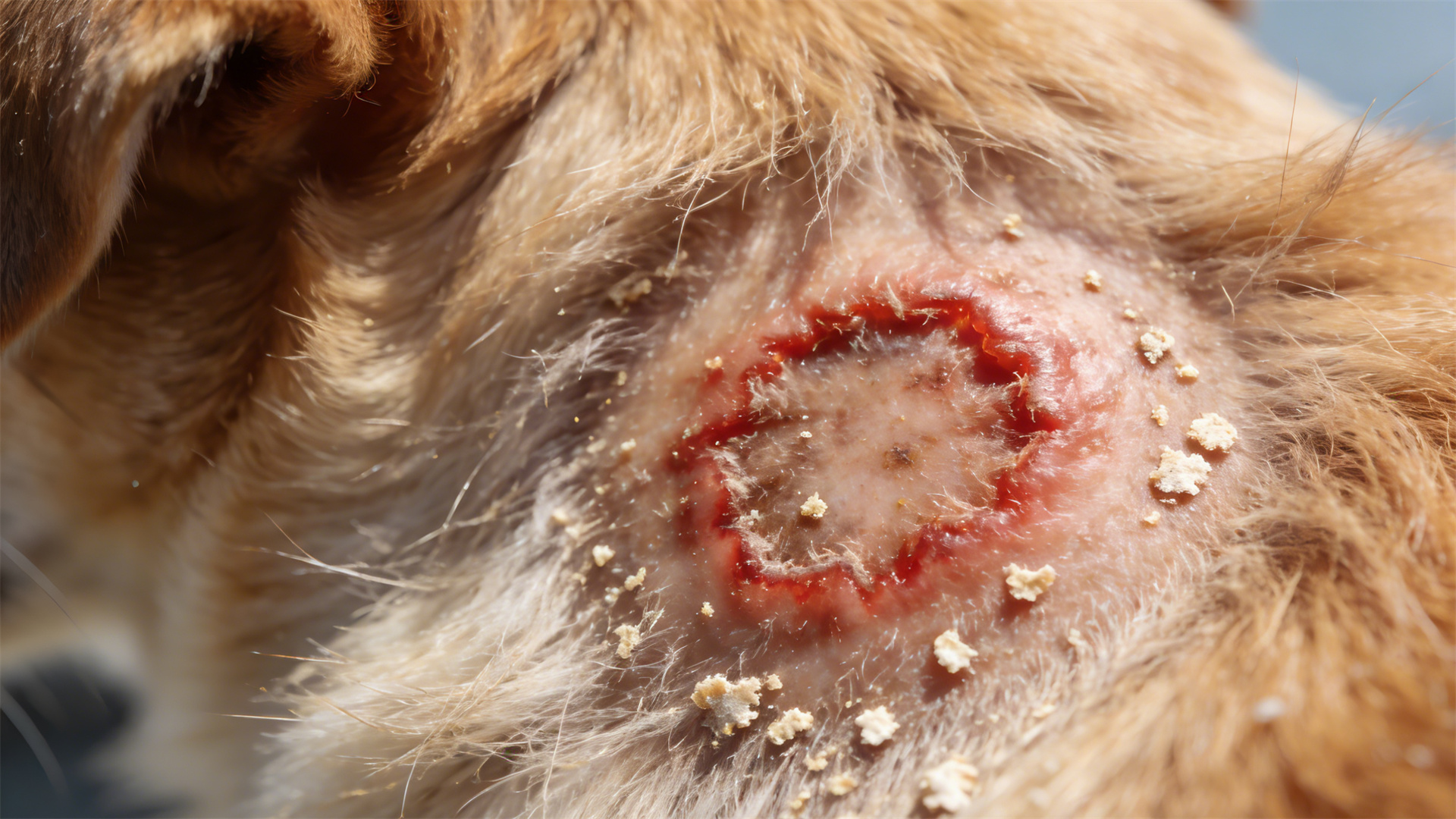
The "detective" approach to canine skin diseases: differentiating between fungal, bacterial, and allergic dermatitis.
As a seasoned content creator and SEO expert in canine care, I know that understanding your dog's skin issues is like solving a complex mystery. 🕵️♂️ Your dog can't tell you what's wrong, and the symptoms—itching, redness, hair loss—often look frustratingly similar. But just like a skilled detective, you can learn to gather clues, examine evidence, and narrow down the suspects. This comprehensive guide will empower you to become a "skin detective" for your furry friend, learning to differentiate between the three most common culprits: fungal, bacterial, and allergic dermatitis. Remember, while this information is an invaluable tool for observation and communication, always consult your veterinarian for a definitive diagnosis and treatment plan. Your vet is the forensic lab and the chief inspector rolled into one.
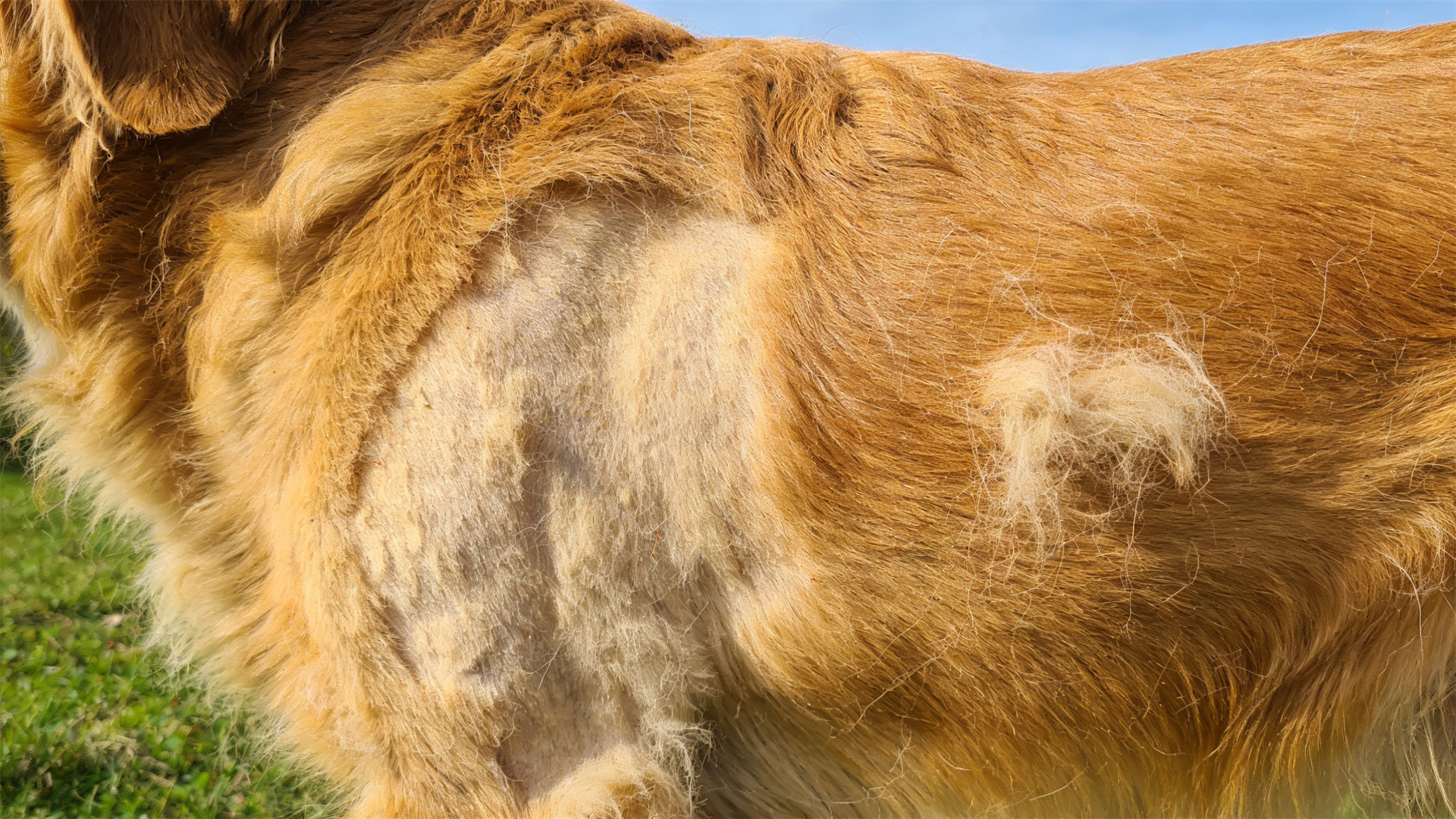
Seasonal hair loss vs. pathological hair loss: A simple trick to distinguish them
For every dog owner, the sight of tufts of fur clinging to the sofa, floating across the floor, or decorating your black pants is a familiar reality. While often jokingly called "dog glitter," this shedding can sometimes spark a wave of worry: Is this normal, or is my dog sick? Understanding the difference between a natural biological process and a sign of an underlying health issue is a cornerstone of responsible pet care. Not all hair loss is created equal. This guide will demystify canine seasonal shedding and pathological hair loss, arming you with the knowledge and a remarkably simple, hands-on trick to tell them apart with confidence.
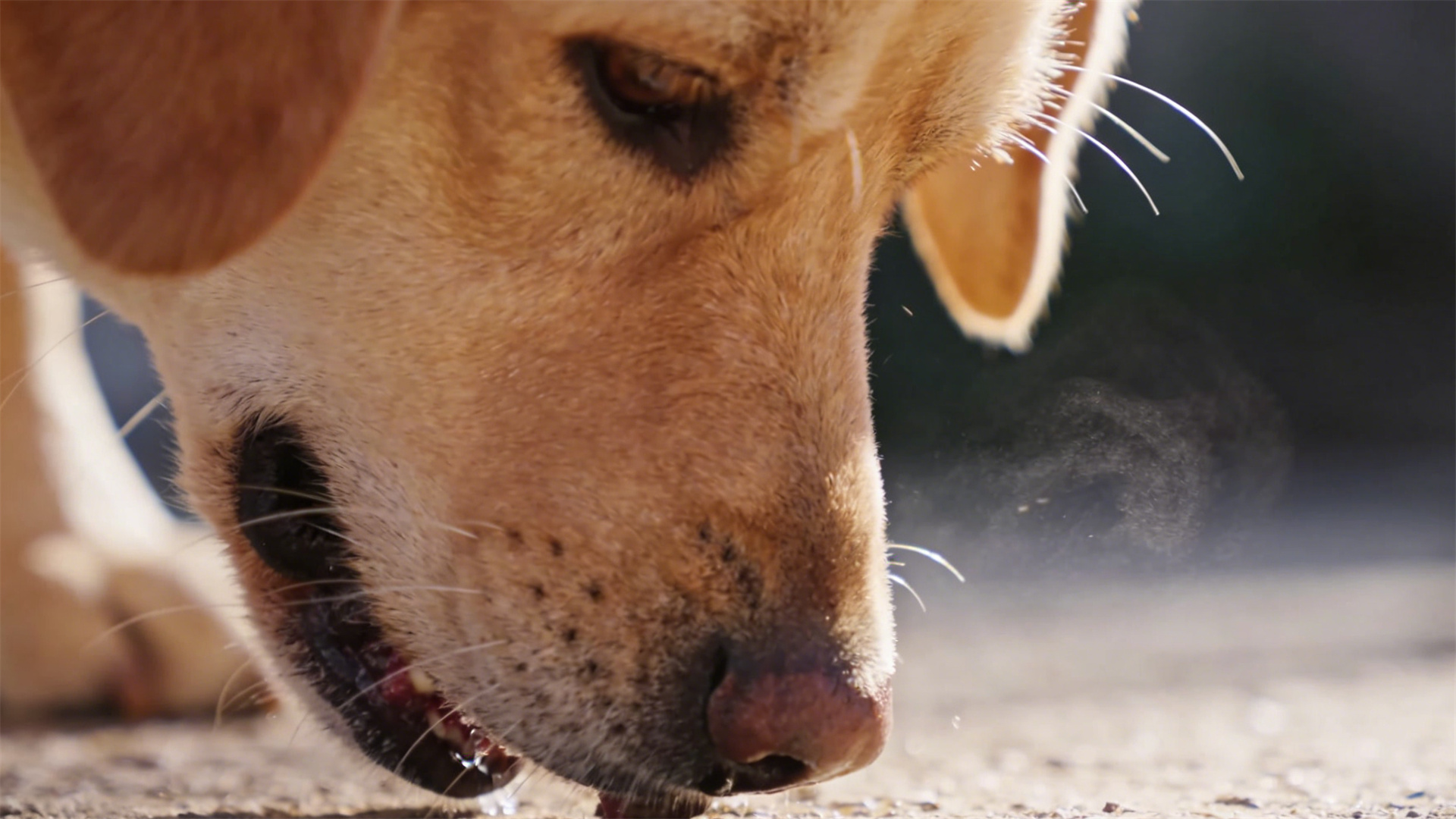
Cognitive Enrichment in Urban Dogs: The Anti-Aging Effects of 15 Minutes of Daily Sniffing on the Brain
In the heart of the city, our canine companions navigate a world of concrete, schedules, and limited greenery. While we strive to meet their physical needs with brisk walks, we often overlook their most powerful sense and the brain health benefits it unlocks. The modern urban dog faces a hidden crisis: cognitive under-stimulation. This article delves into the transformative power of a simple, science-backed practice—dedicated sniffing time—and how just 15 minutes daily can serve as a potent form of cognitive enrichment and an anti-aging workout for your dog’s brain.
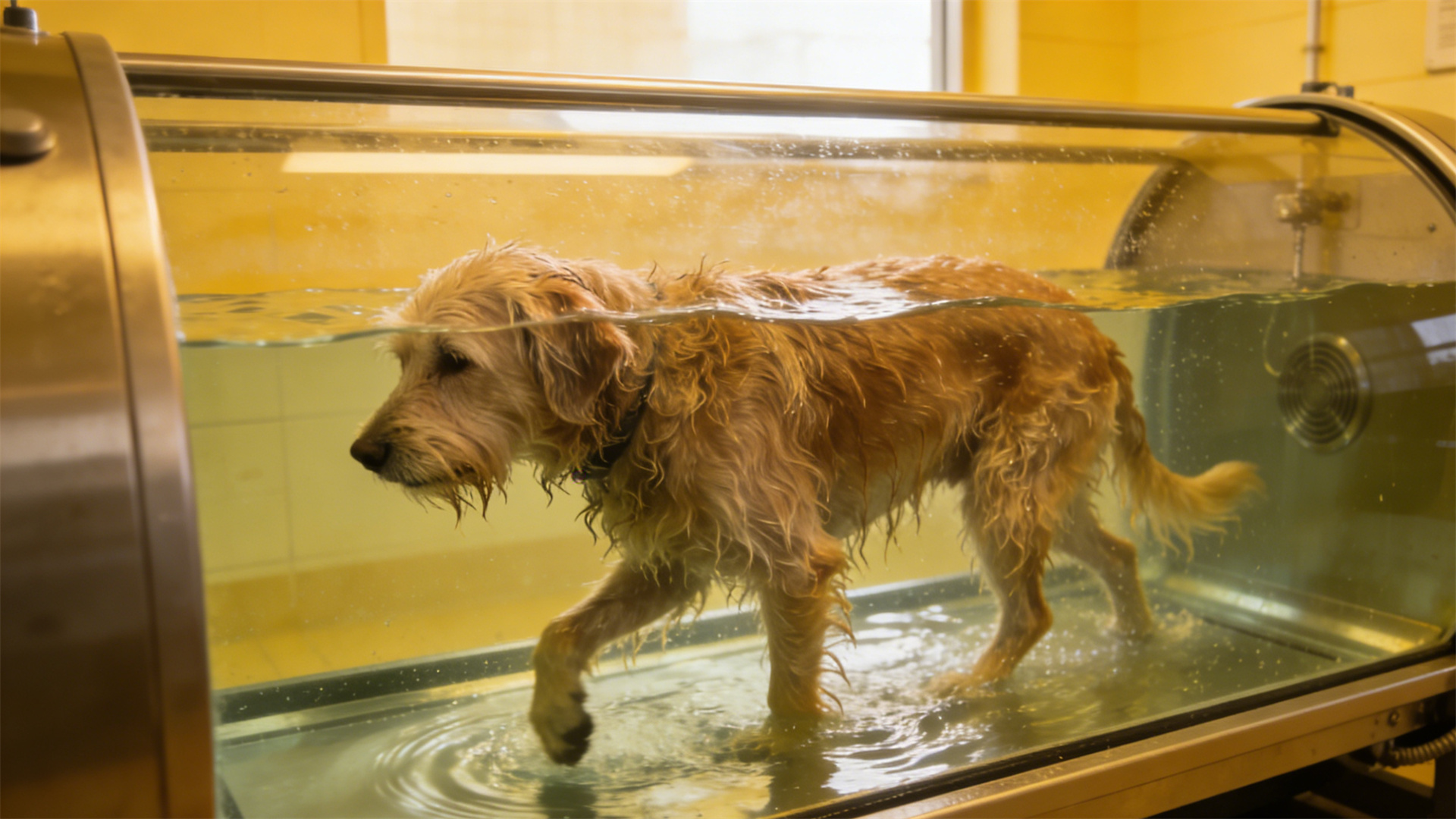
Gentle exercise: Indoor water treadmill rehabilitation program suitable for senior dogs
The golden years with a senior dog are a precious time, filled with shared memories and a deepened bond. As our canine companions age, we naturally seek ways to keep them comfortable, mobile, and engaged with life. Witnessing a once-sprightly dog slow down due to arthritis, muscle loss, or general stiffness can be heart-wrenching for any pet owner. The desire to help is strong, yet the fear of causing further injury with traditional exercise is real. This is where modern veterinary rehabilitation offers a transformative solution: the indoor water treadmill program. Tailored specifically for the needs of aging canines, this therapy provides a gateway to gentle exercise, pain relief, and improved quality of life. This comprehensive guide will explore the profound benefits, practical process, and hopeful future of indoor water treadmill rehabilitation for your cherished senior dog.
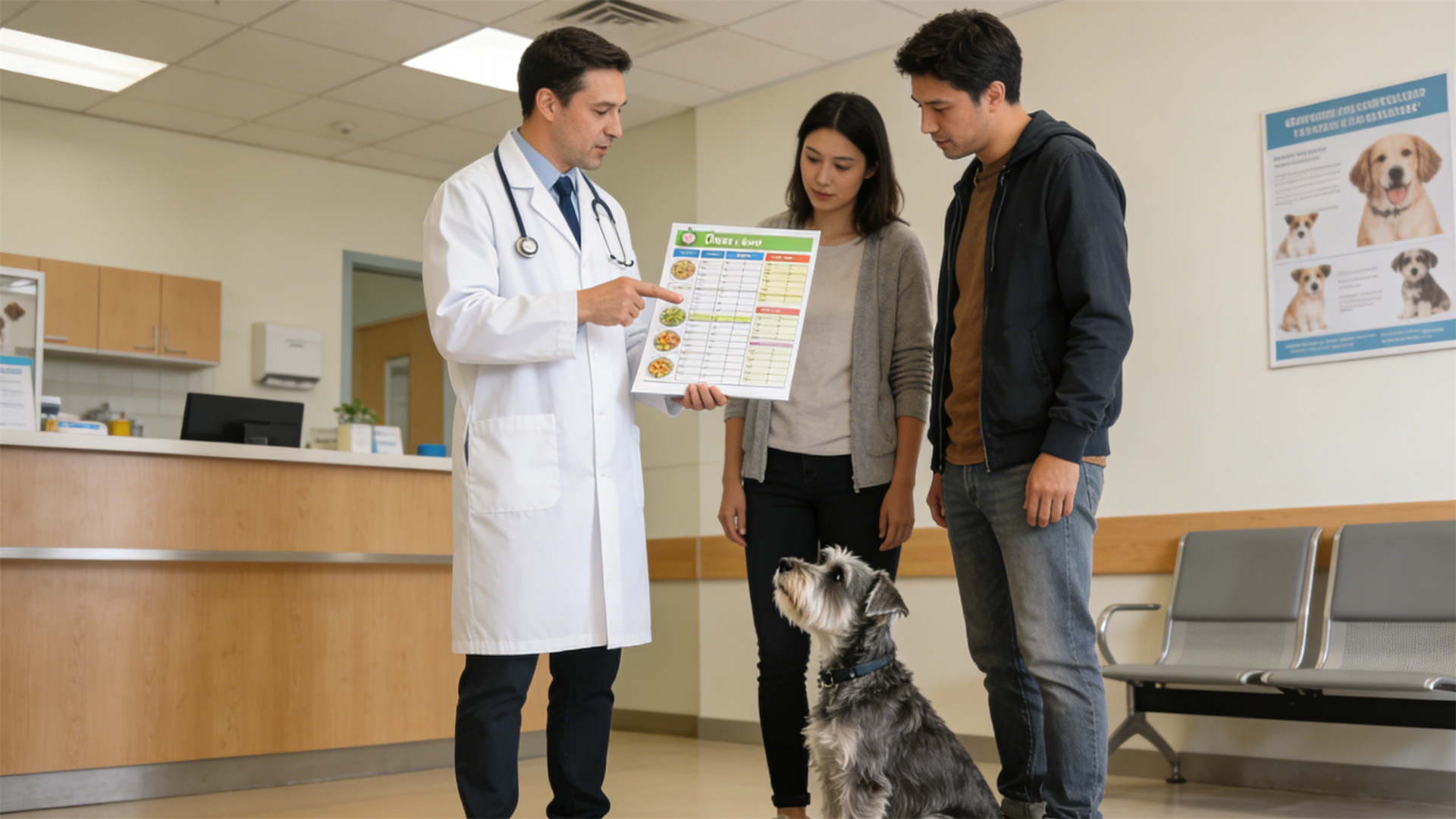
Schnauzer's hyperlipidemia: Why does this breed require a stricter diet with less oil?
With their iconic beards, bushy eyebrows, and spirited personalities, Schnauzers have captured the hearts of dog lovers worldwide. Whether it’s the spunky Miniature, the standard-bearer Standard, or the regal Giant, this breed family is renowned for its intelligence and loyalty. However, beneath that wiry coat lies a hidden, breed-specific metabolic quirk that demands vigilant attention from owners: a profound predisposition to hyperlipidemia. This condition makes a tailored, low-fat Schnauzer diet less oil not just a recommendation, but a critical component of lifelong health. This article delves into the genetic reasons, the potential health fallout, and the practical Schnauzer dietary requirements to manage this silent threat.