
You May Have Missed

Show-quality coat dyeing (for certain breeds/shows only): Compliant and natural color enhancement
Within the meticulous arena of conformation dog shows, presentation is the final, crucial step in showcasing a breed's ideal structure and type. For a select group of breeds, this presentation includes a practice often misunderstood by the general public: temporary, natural color enhancement. This is not about creating rainbow hues or artistic expression. It is a precise, rule-bound craft aimed at one goal: restoring a coat to its genetically intended, breed-standard shade. Sun-bleached black coats can appear brownish; rich sable points can fade. Compliant enhancement seeks to correct these environmental effects, allowing the judge to evaluate the dog's true color as described in its standard. This guide serves as a definitive resource for exhibitors and professional handlers seeking to navigate this nuanced aspect of high-stakes grooming with integrity, compliance, and technical expertise.
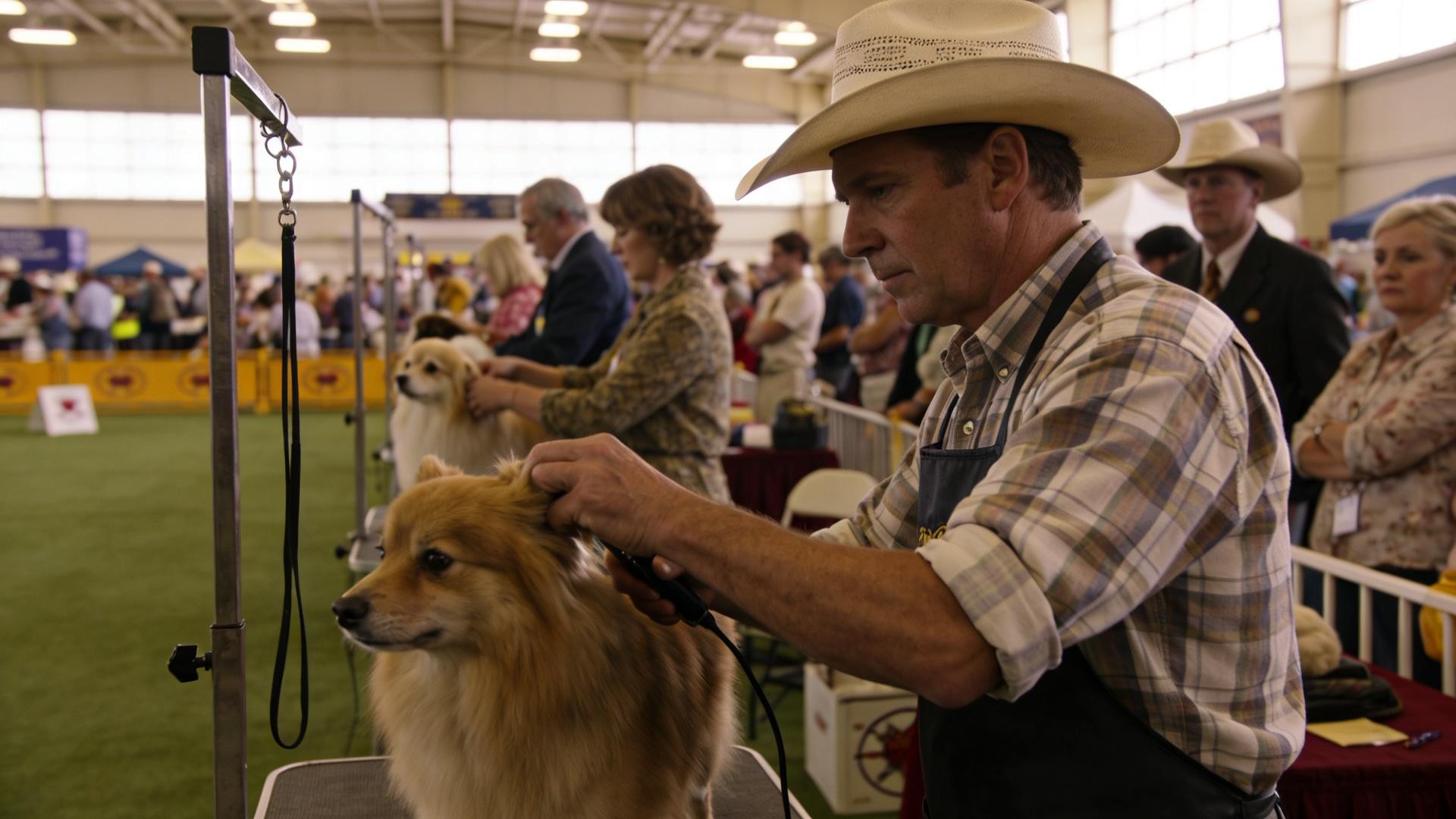
The "Last Five Minutes" of a Competition-Level Beautician: Quick Sideline Touch-ups and Static Removal Techniques
The arena lights are bright, the hum of dryers has faded, and the clock is ticking down. You’ve spent hours, even days, preparing your canine partner for this moment. As you queue at the ring entrance, a final, critical phase begins. This is not the time for major corrections; it’s the moment for surgical precision. The difference between a good groom and a winning groom is often decided in the frantic, final 300 seconds. What secret rituals do top handlers perform in those last moments? It boils down to a practiced, systematic protocol for quick sideline touch-ups and banishing the dreaded enemy: static electricity. Welcome to the art of the final five minutes.
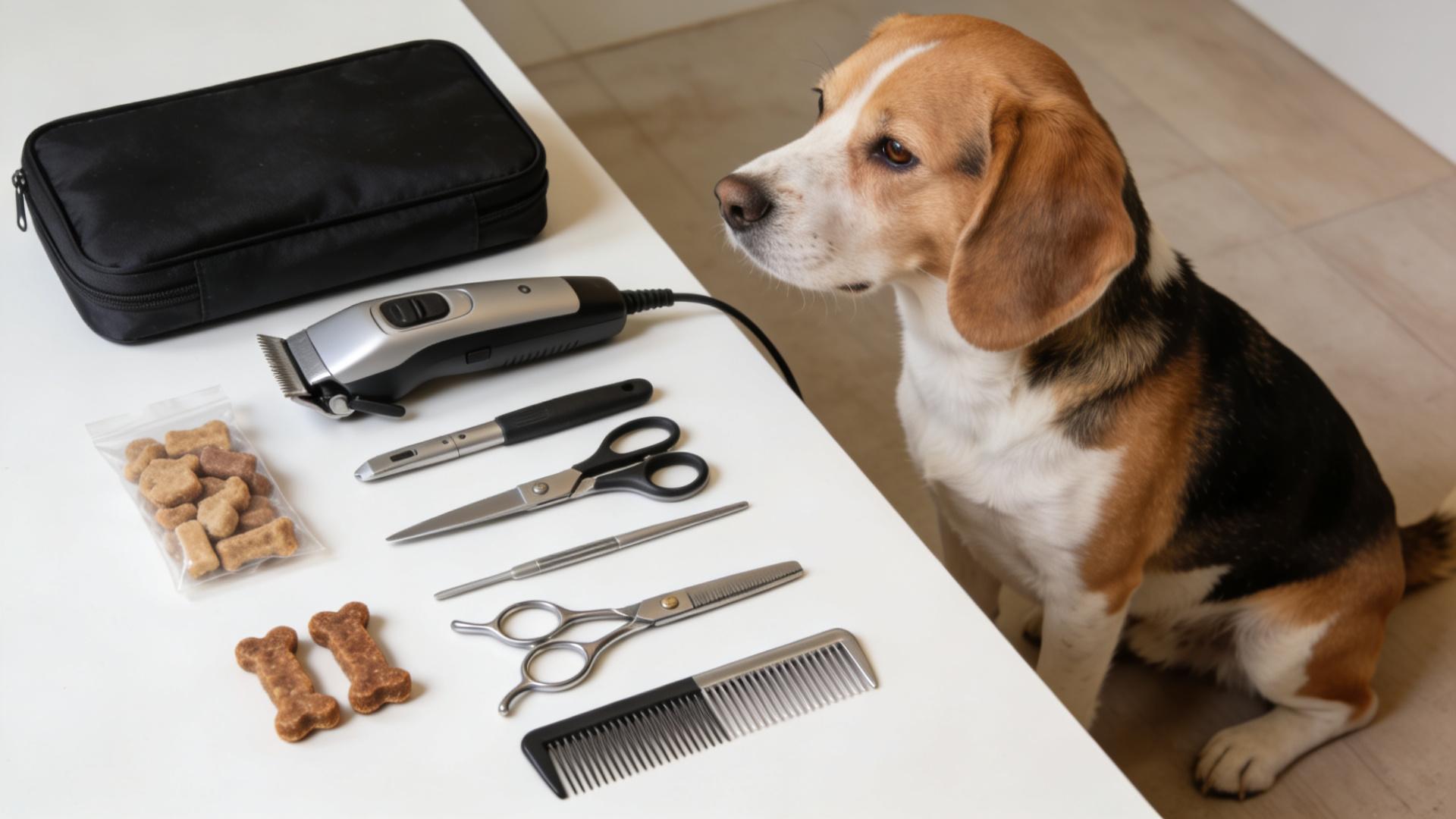
Beginner's Guide to Home Grooming: How to Do a Simple Trim of Your Dog's Paw Hair
Trimming your dog's paw hair is more than just a Grooming touch-up; it's a fundamental aspect of responsible pet care that directly impacts their health and comfort. Excess hair between the pads can trap moisture, dirt, and debris, creating a breeding ground for bacteria and yeast. It can also cause matting, reduce traction on smooth floors, and lead to discomfort with every step. For beginners, the thought of bringing scissors near your pet's paws can be daunting. This guide is designed to demystify the process, providing you with a safe, step-by-step framework to master this essential skill. Not only will you enhance your dog's well-being, but you'll also strengthen your bond through patient, positive grooming sessions. Let's get started on the path to happier, healthier paws.
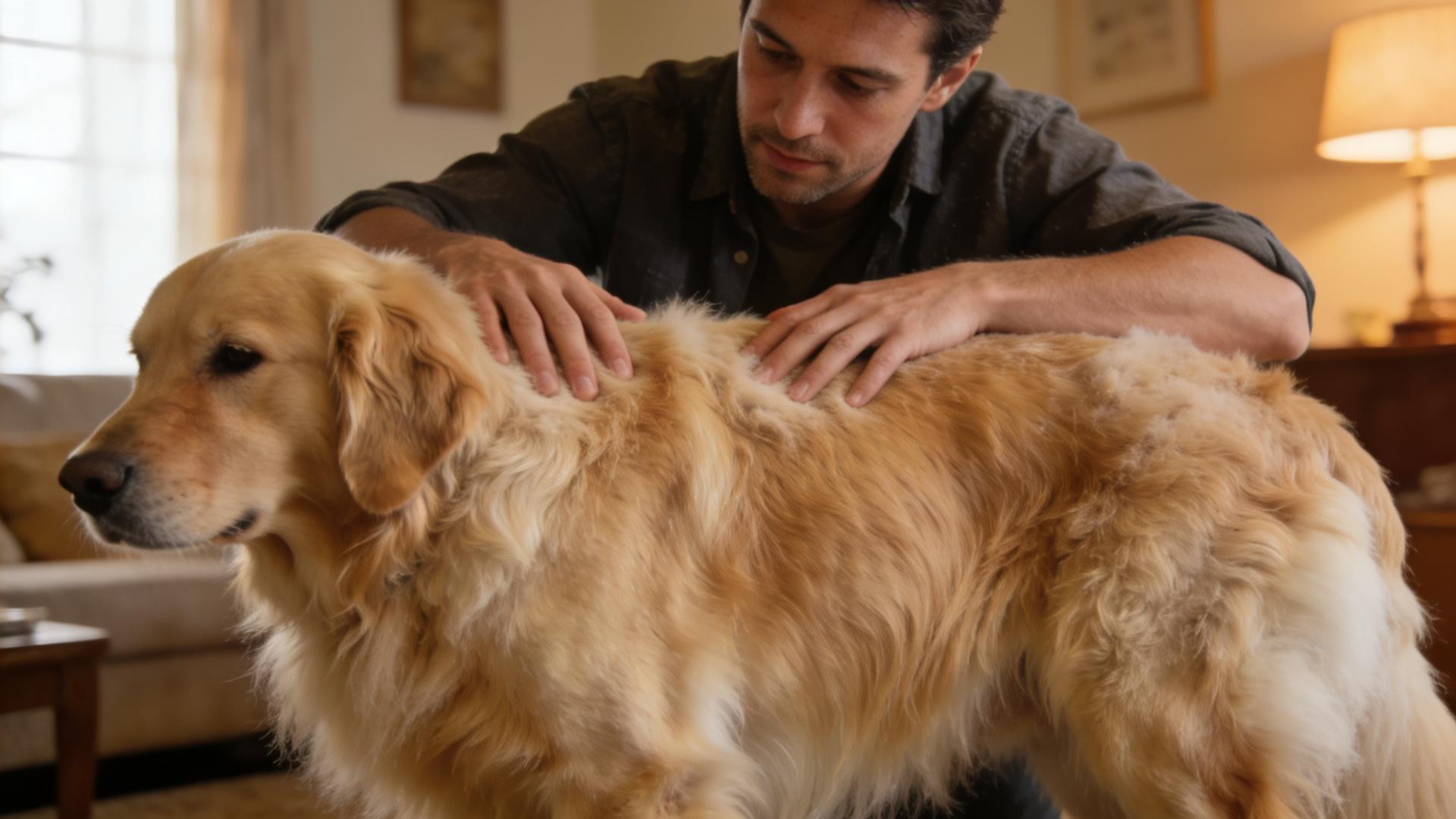
Home grooming safety guidelines: Avoid injuring your dog's skin during trimming.
For many pet parents, grooming at home is an act of love and a way to bond. However, that serene picture can quickly turn stressful at the first sign of a nick or cut. Safe dog trimming is not just about achieving a pretty look. it is a fundamental aspect of pet grooming safety that protects your canine companion from pain, infection, and lasting anxiety. The risks are real. from accidental cutting dog skin while grooming with dull scissors to painful clipper burns and razor rash. This guide, crafted with expertise in canine care, will provide you with the essential dog grooming safety guidelines you need. Master these safe grooming practices to transform grooming from a chore into a confident, safe, and enjoyable routine for you both.
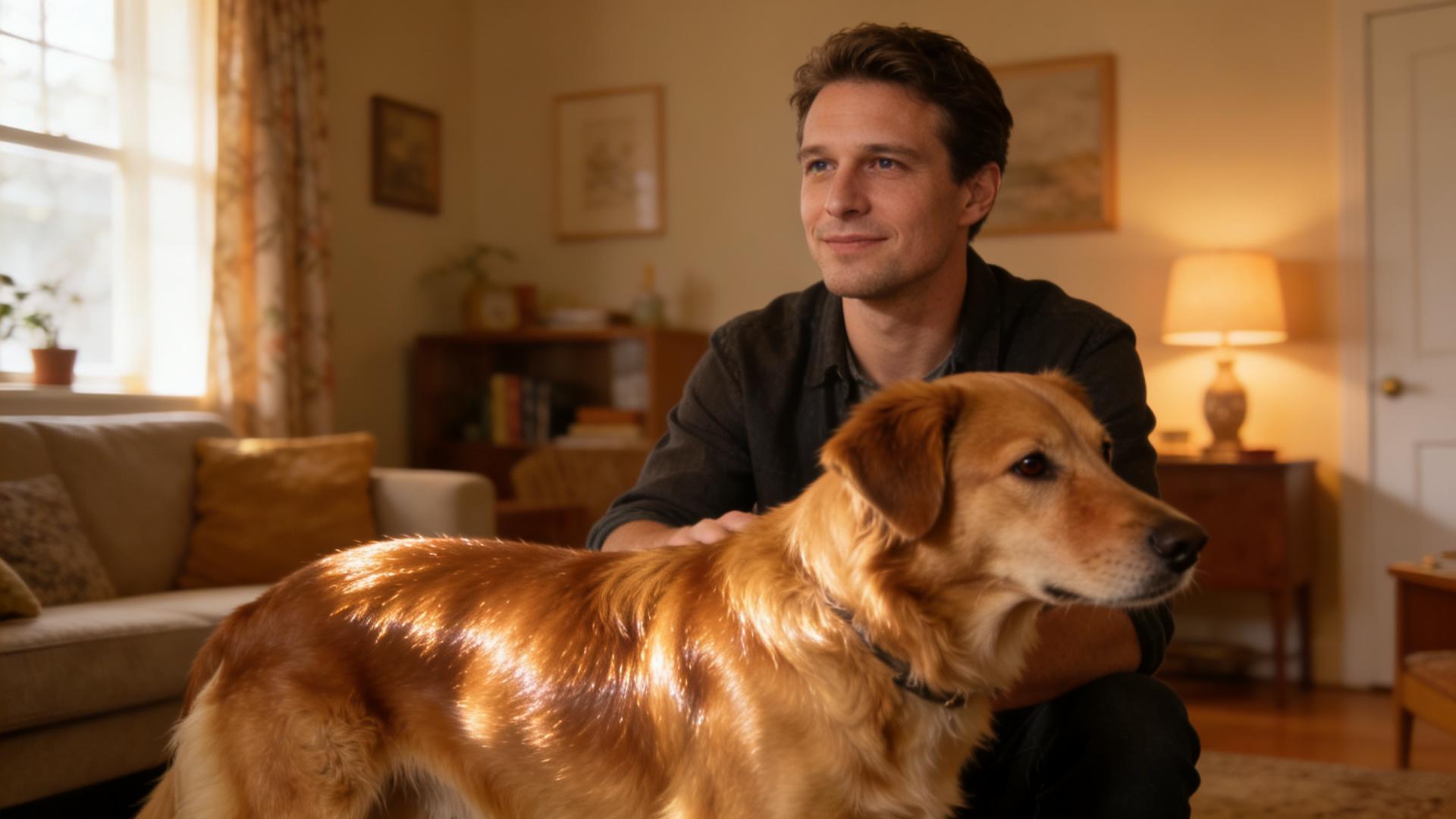
Home coat care: How to improve your dog's coat texture through diet and grooming
A dog’s coat is more than just fur—it’s a mirror of their inner health. A lustrous, soft, and resilient coat speaks volumes about their vitality, while a dull, brittle, or oily coat can be the first sign of nutritional gaps or care missteps. Transforming your dog’s coat from scruffy to stunning isn’t about expensive salon visits; it’s about mastering the synergy between what goes inside their body and what you do on the outside. This definitive guide provides actionable, evidence-backed steps to elevate your dog’s coat texture through strategic diet and grooming. Follow this roadmap, and you’ll witness a noticeable, glowing improvement that reflects a happier, healthier companion.
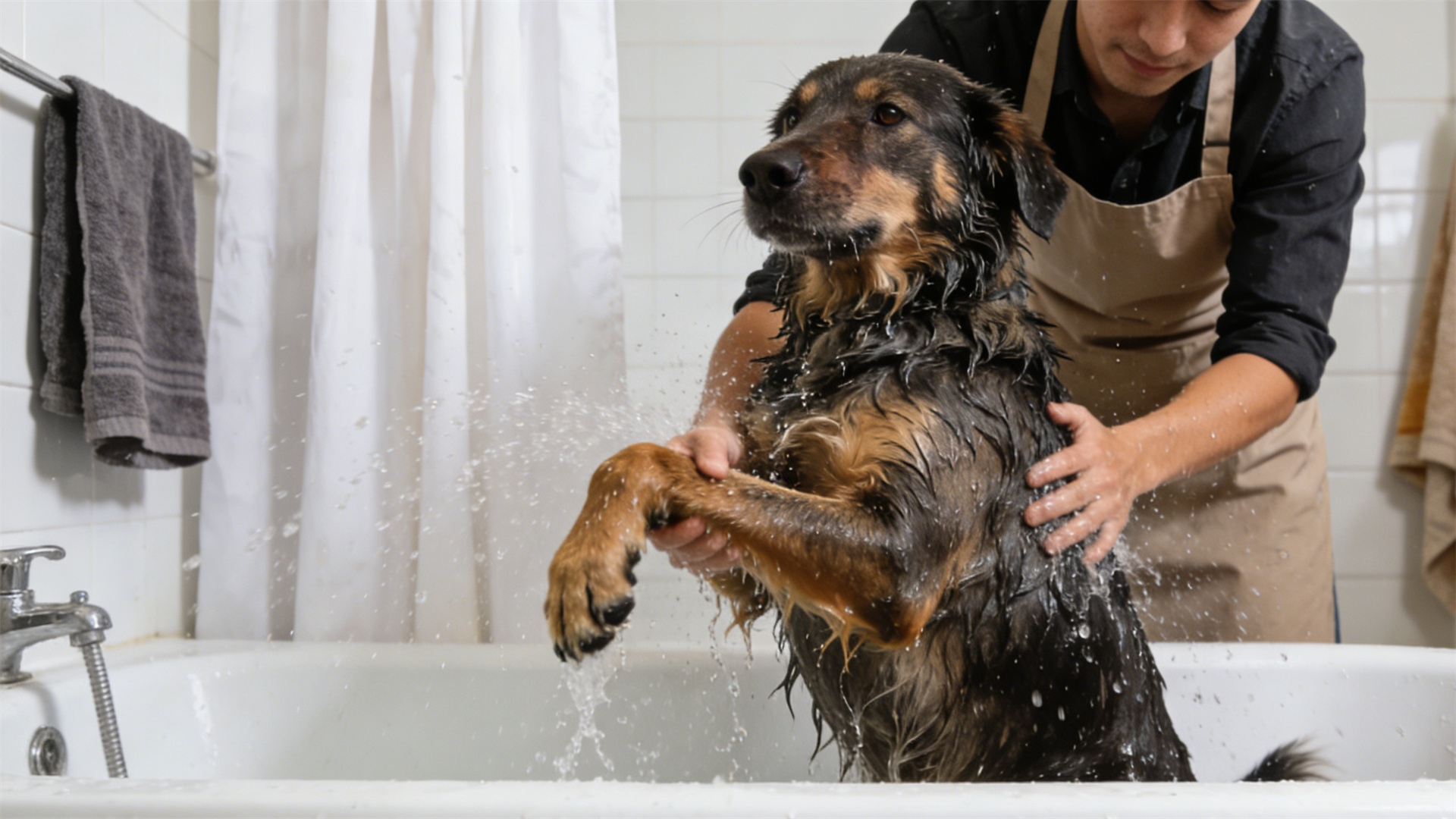
Dog shampoo ingredient analysis: Why must we insist on using a product with a pH value of 6.5-7.5?
You bathe your dog faithfully, lathering them with what you believe is a gentle, loving cleanse. Yet, instead of a glossy coat and happy wags, you're met with constant scratching, flaky skin, and uneasy whimpers. If this scenario sounds familiar, the culprit might be hiding in plain sight, not in the frequency of baths, but in a single, critical number on your shampoo bottle: the pH value. $image$