
You May Have Missed
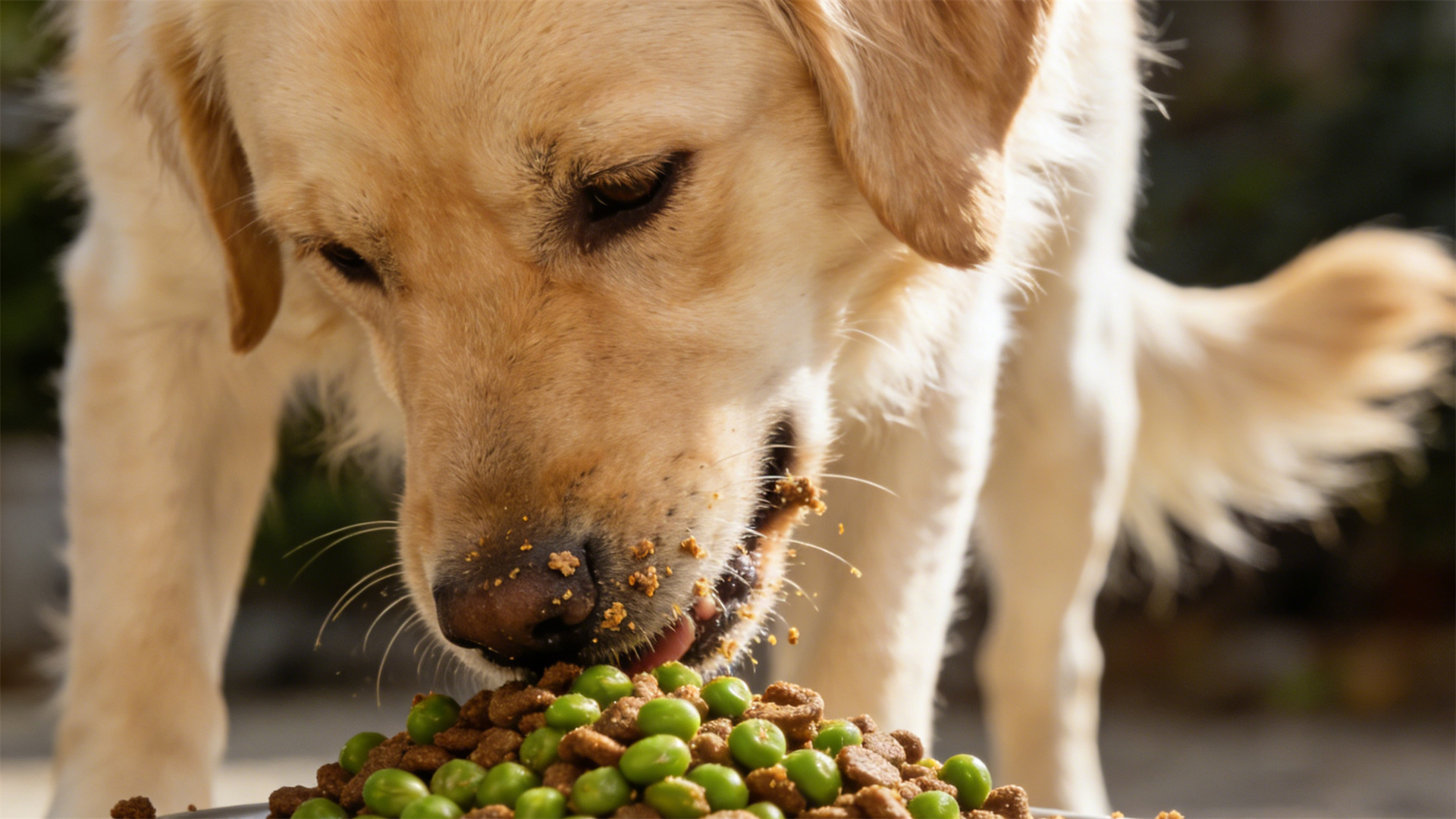
Labrador Retrievers' gluttonous genes: How to control their weight using "pseudo-satiety"
If you share your life with a Labrador Retriever, you know the look all too well. The soulful, unwavering stare at your sandwich. The impressive "counter-surfing" agility for a stray crumb. The profound sadness when their bowl is empty mere seconds after you fill it. You're not imagining it; your Lab's insatiable appetite is a universal struggle, backed by hard science. But what if you could hack their hunger? This article dives into the proven genetic link behind their food obsession and introduces the powerful, compassionate management tool of pseudo satiety. We promise you will leave with a complete, actionable strategy to help your beloved foodie live a healthier, leaner, and longer life.

Moderate stress vs. excessive stress: A mental health assessment while traveling with a dog
The car is packed, the route is mapped, and the adventure awaits. You look in the rearview mirror, excited to share this journey with your furry best friend. But instead of a happy pant, you see wide eyes, a tucked tail, or hear a persistent whine. It’s a moment every traveling dog owner knows: is this just normal travel nerves, or is my dog in real distress? Understanding the difference is the cornerstone of being a responsible, empathetic pet parent on the road. This guide moves beyond simple "calming tips" to provide you with a practical, proactive framework for assessing your dog's mental wellbeing during travel. By learning to distinguish between adaptive stress and overwhelming anxiety, you become your dog's most powerful advocate for a happier, healthier journey.

2026 Canine Nutrition Standards: The Golden Ratio of Protein, Fat, and Carbohydrates
Canine nutrition is undergoing a revolution. Gone are the days of one-size-fits-all kibble. As research accelerates, we're moving from simply feeding dogs to precision-nourishing them. The question for discerning dog owners and forward-thinking professionals is no longer just "what to feed," but what precise nutritional architecture will optimize health, longevity, and vitality in the years to come. Enter the forward-looking 2026 canine nutrition standards, centered on a refined, dynamic macronutrient balance known as the Golden Ratio. This isn't a fleeting trend; it's the scientific culmination of decades of research, pointing toward a future of personalized canine wellness.

Senior dog care: How to adjust home furnishings according to declining vision
Watching your faithful companion age is a journey filled with deep love and, sometimes, quiet concern. Noticing the first signs of vision decline—a hesitant step in dim light, a slight bump into a chair that’s always been there—can pull at your heartstrings. You want to help, to ensure their golden years are safe and comfortable. The wonderful news is that with some thoughtful, simple adjustments to your home, you can dramatically reduce your senior dog’s anxiety and risk of injury, transforming your shared space into a sanctuary of confidence. This guide will walk you through creating a vision-friendly home, an act of profound love that supports their independence and deepens your bond.

Physical recovery for working dogs: the science of electrolyte replenishment after high-intensity exercise
In the world of canine athletes, victory and reliability are forged not only in the intensity of the work but in the quality of the recovery that follows. For the working dog—be it a police K9, a search-and-rescue hero, an agility champion, or a dedicated sport partner—high-intensity exercise is a routine demand. While we meticulously plan their training and fuel their drive, the science of physical recovery, particularly electrolyte replenishment for dogs, is often the unsung hero of sustained performance and long-term health. This article delves beyond simple hydration, exploring the critical physiological processes and providing a practical, evidence-based roadmap for optimizing your canine partner's post-work reset.
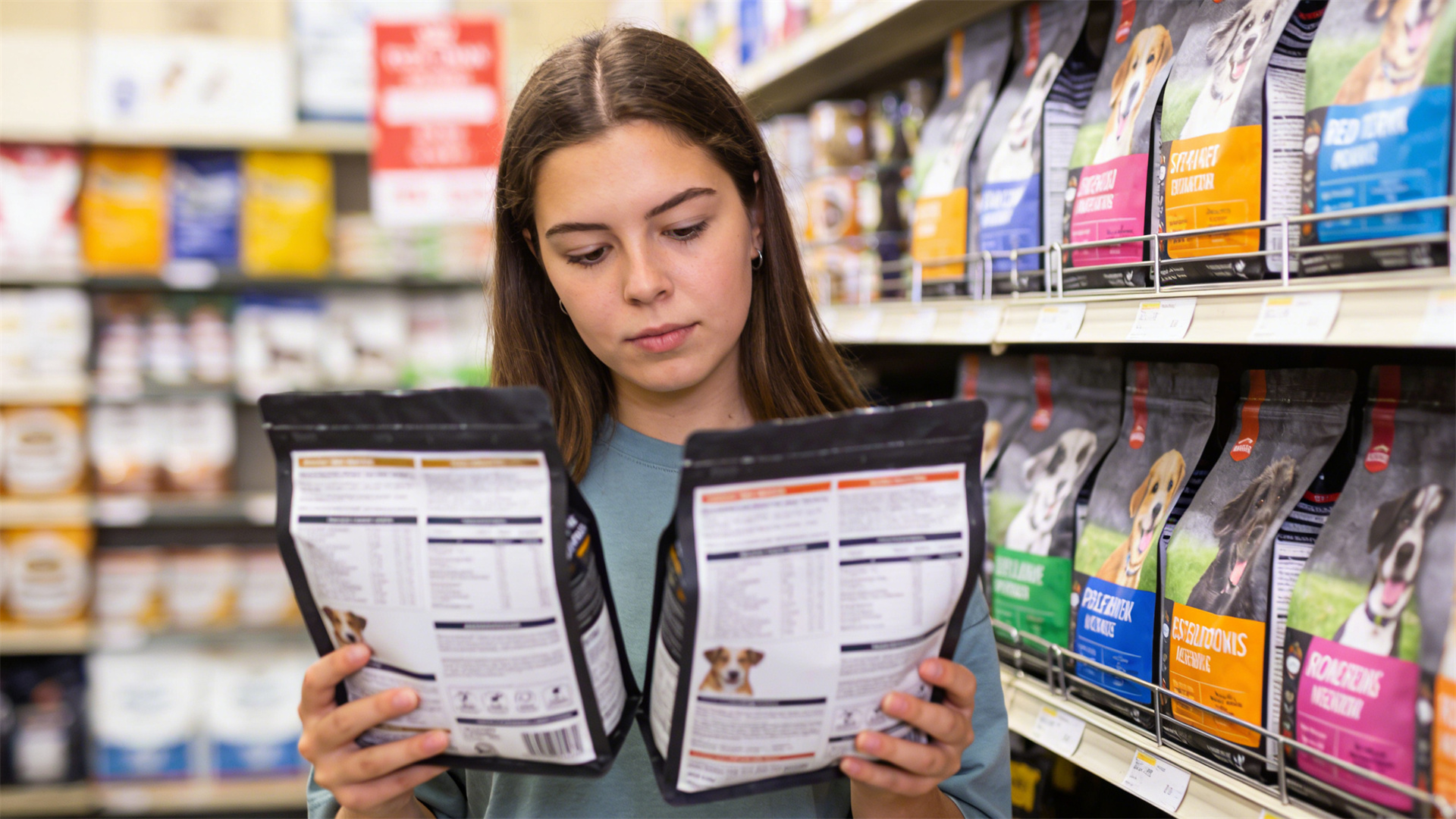
In-depth analysis of dog food ingredient lists: How to identify hidden "appetizer traps"
You stand in the pet store aisle, holding two bags of dog food. Both promise complete nutrition, shiny coats, and boundless energy. You flip the bags over, intent on being a conscientious pet parent, only to be met with a dizzying wall of text: "Poultry by-product meal, corn gluten meal, animal digest, natural flavors..." Your eyes glaze over. Which one is truly better? You’re not alone in this confusion. For millions of dog owners, the ingredient list on a pet food bag is a cryptic puzzle, often designed to appeal to the buyer rather than reveal the full nutritional story for the dog. This article will serve as your decoder ring, empowering you to look beyond the marketing on the front and master the fine print on the back. We will shine a light on the hidden "appetizer traps"—those ingredients added primarily to manipulate palatability artificially—and teach you how to choose a food that nourishes your dog from the inside out. 🐕