
You May Have Missed

Canine Sleep Physiology: The Impact of Insufficient Deep Sleep on Body Repair
As a dog owner, you meticulously plan their diet, ensure they get plenty of exercise, and schedule regular vet visits. But how often do you consider the quality of their sleep? Just like humans, dogs require structured, restorative sleep for optimal health. This article delves into the fascinating world of canine sleep physiology, uncovering why deep sleep in dogs is non-negotiable for cellular repair, immune function, and long-term vitality. We'll translate complex science into actionable insights, helping you ensure your best friend isn't just sleeping, but healing.

2026 Canine Nutrition Standards: The Golden Ratio of Protein, Fat, and Carbohydrates
Canine nutrition is undergoing a revolution. Gone are the days of one-size-fits-all kibble. As research accelerates, we're moving from simply feeding dogs to precision-nourishing them. The question for discerning dog owners and forward-thinking professionals is no longer just "what to feed," but what precise nutritional architecture will optimize health, longevity, and vitality in the years to come. Enter the forward-looking 2026 canine nutrition standards, centered on a refined, dynamic macronutrient balance known as the Golden Ratio. This isn't a fleeting trend; it's the scientific culmination of decades of research, pointing toward a future of personalized canine wellness.
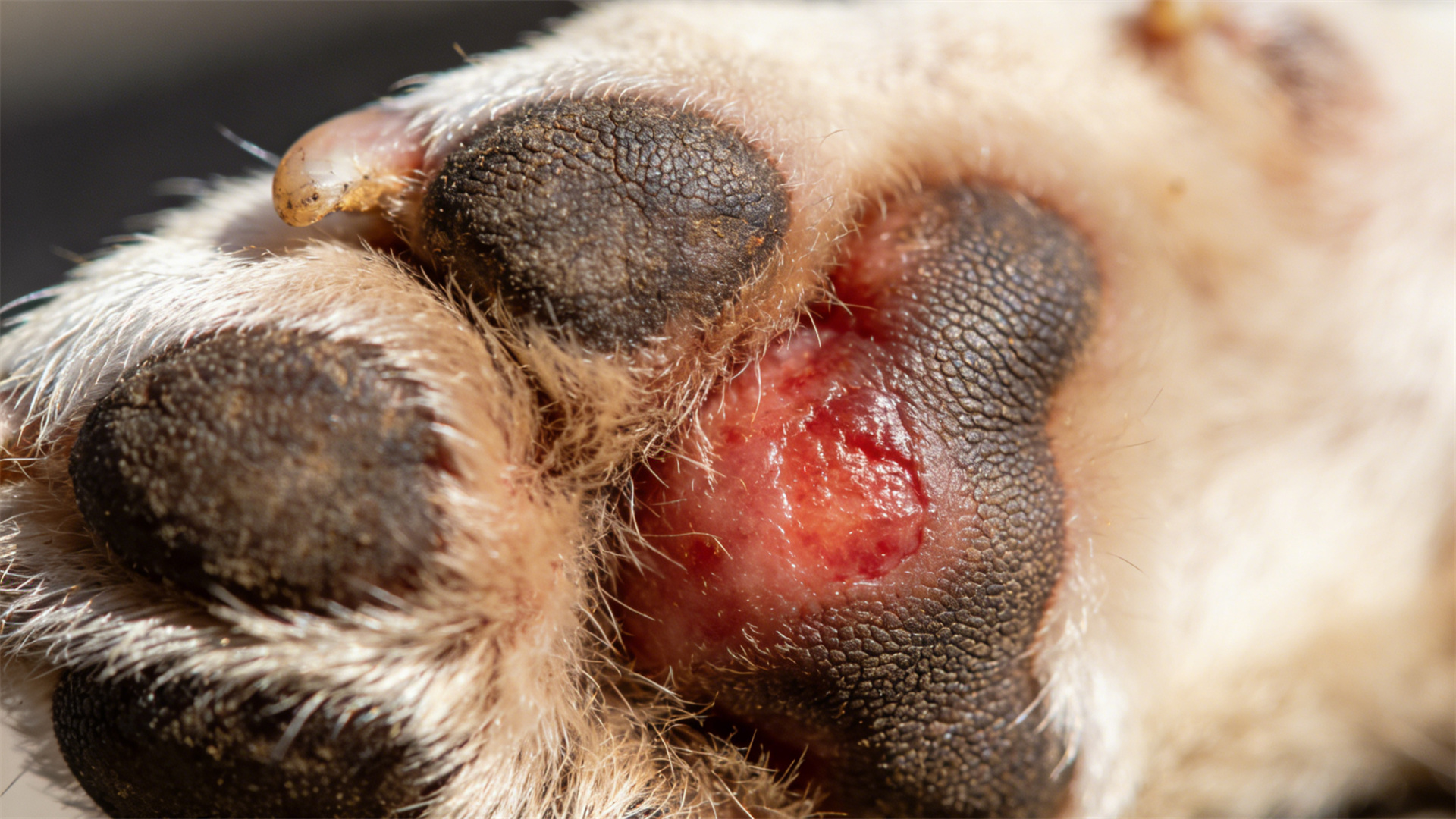
Health signals from between the toes: Thorough prevention and intervention for interdigital dermatitis
You’ve seen it a hundred times: your beloved dog curled up, intently focused on licking or chewing at their paws. It might seem like a harmless, quirky habit. But what if that persistent nibbling is a distress signal, a plea for help written in the language of discomfort? The spaces between your dog’s toes—the interdigital spaces—are more than just gaps; they are sensitive, vital health monitors. Ignoring their signals can lead your pet down a path of pain and chronic infection. This guide will empower you to become an expert in recognizing, preventing, and tackling interdigital dermatitis, one of the most common yet misunderstood canine ailments.
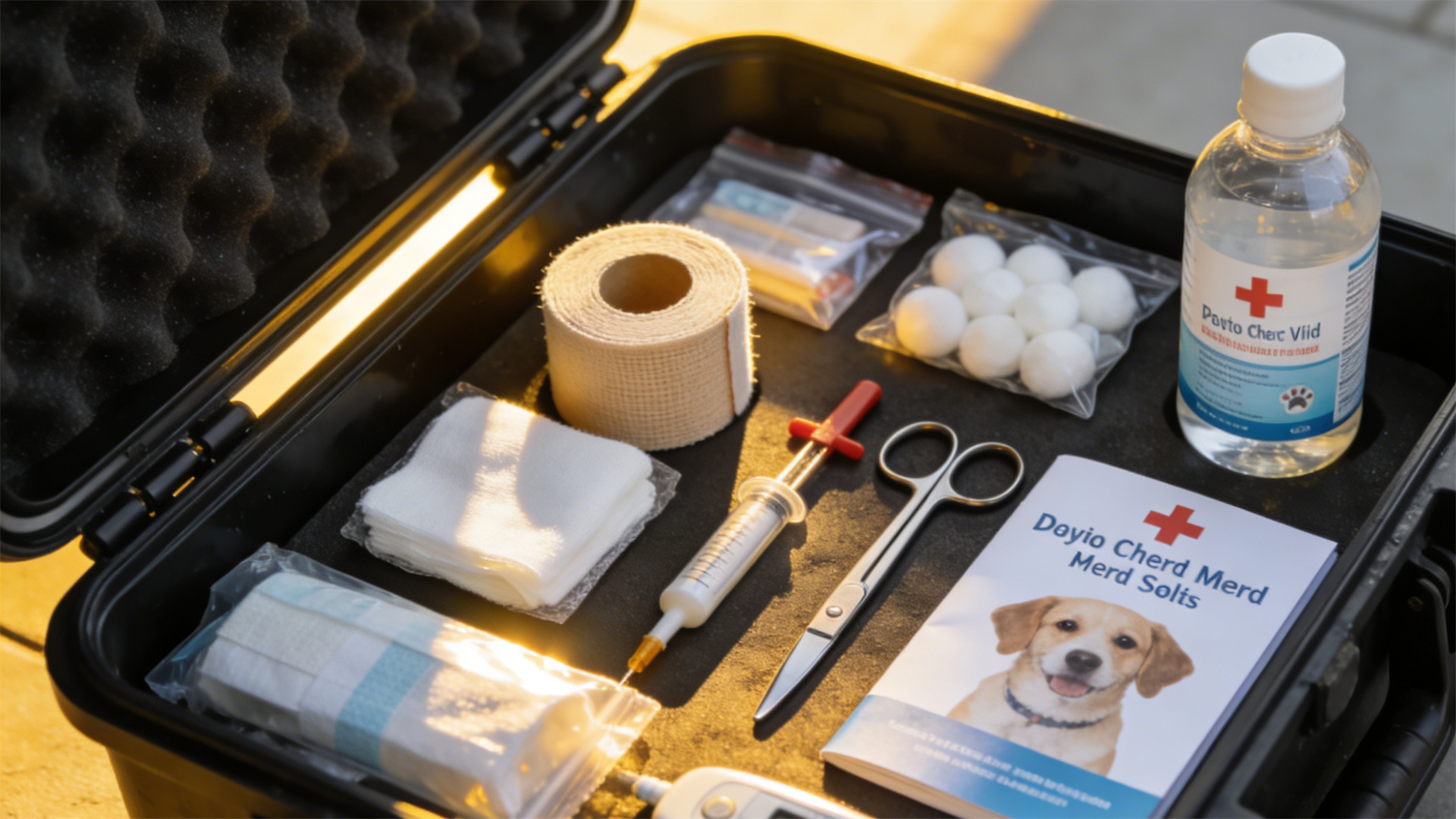
First aid kit and common medicines
As a loving dog owner, you provide the best food, cozy beds, and endless playtime. But what about when the unexpected happens? A sudden limp, a curious encounter with a bee, or an upset stomach can turn an ordinary day into a moment of panic. Preparedness is the cornerstone of responsible pet ownership. Having a well-stocked dog first aid kit and a clear understanding of common medicines for dogs can empower you to act swiftly and effectively in minor situations, bridging the gap between incident and veterinary care. This guide is your comprehensive, actionable resource to build your kit, understand safe medication basics, and always know when to call the vet.
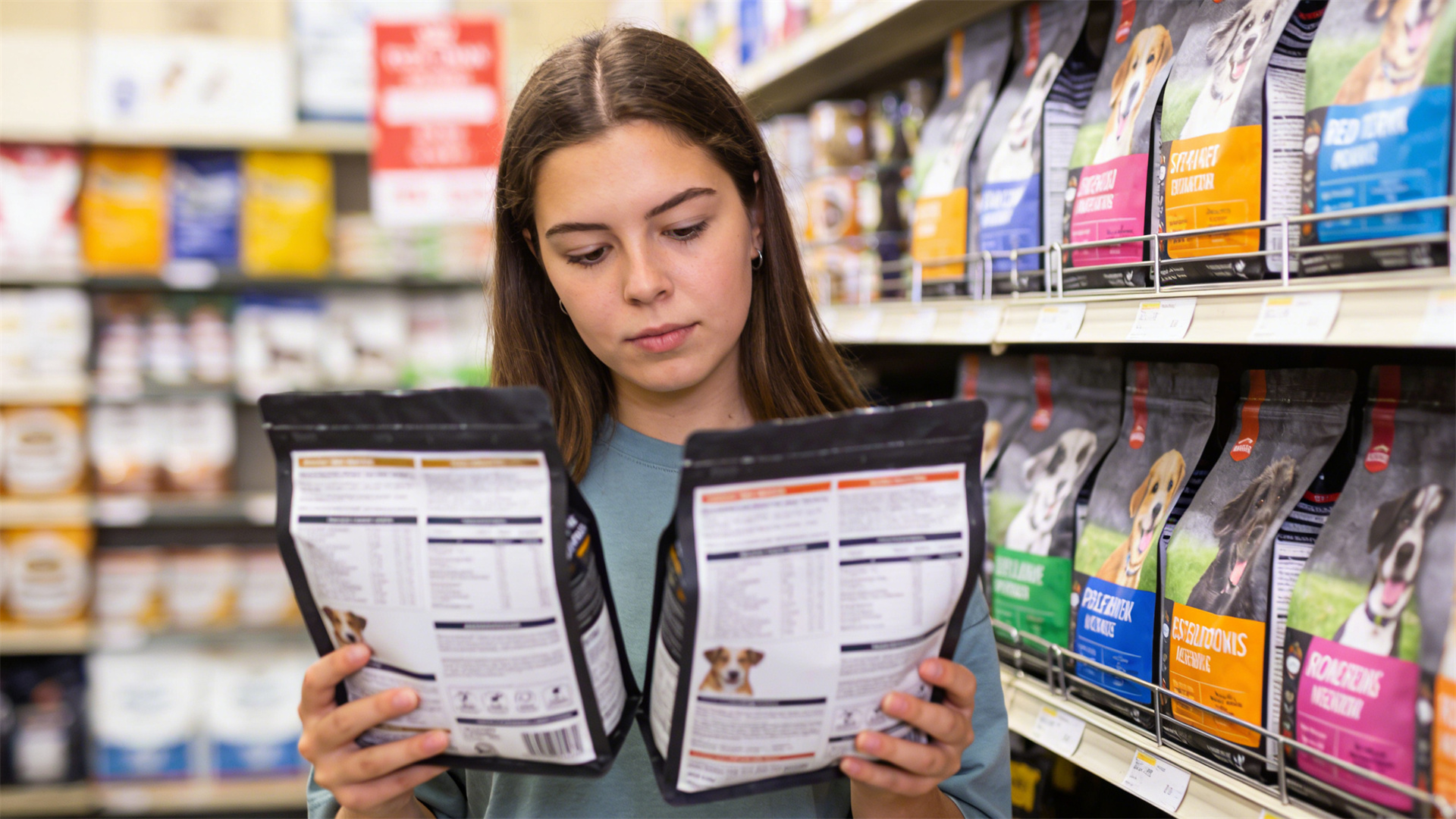
In-depth analysis of dog food ingredient lists: How to identify hidden "appetizer traps"
You stand in the pet store aisle, holding two bags of dog food. Both promise complete nutrition, shiny coats, and boundless energy. You flip the bags over, intent on being a conscientious pet parent, only to be met with a dizzying wall of text: "Poultry by-product meal, corn gluten meal, animal digest, natural flavors..." Your eyes glaze over. Which one is truly better? You’re not alone in this confusion. For millions of dog owners, the ingredient list on a pet food bag is a cryptic puzzle, often designed to appeal to the buyer rather than reveal the full nutritional story for the dog. This article will serve as your decoder ring, empowering you to look beyond the marketing on the front and master the fine print on the back. We will shine a light on the hidden "appetizer traps"—those ingredients added primarily to manipulate palatability artificially—and teach you how to choose a food that nourishes your dog from the inside out. 🐕

Hypoglycemia in Small Dogs: Details of Managing Small, Frequent Meals in Puppies
For owners of tiny companions—a Chihuahua, Yorkie, Pomeranian, or any other petite breed—the joy of a new puppy is immense. Yet, this joy comes with a significant responsibility unique to their size: guarding against hypoglycemia, or dangerously low blood sugar. This condition isn't just a minor concern; it's a potentially life-threatening emergency that can escalate with frightening speed. The cornerstone of prevention and management lies in a deceptively simple strategy: small, frequent meals. This article is your comprehensive guide to understanding why this is non-negotiable for toy and small breed puppies and exactly how to implement it to ensure your furry friend thrives.