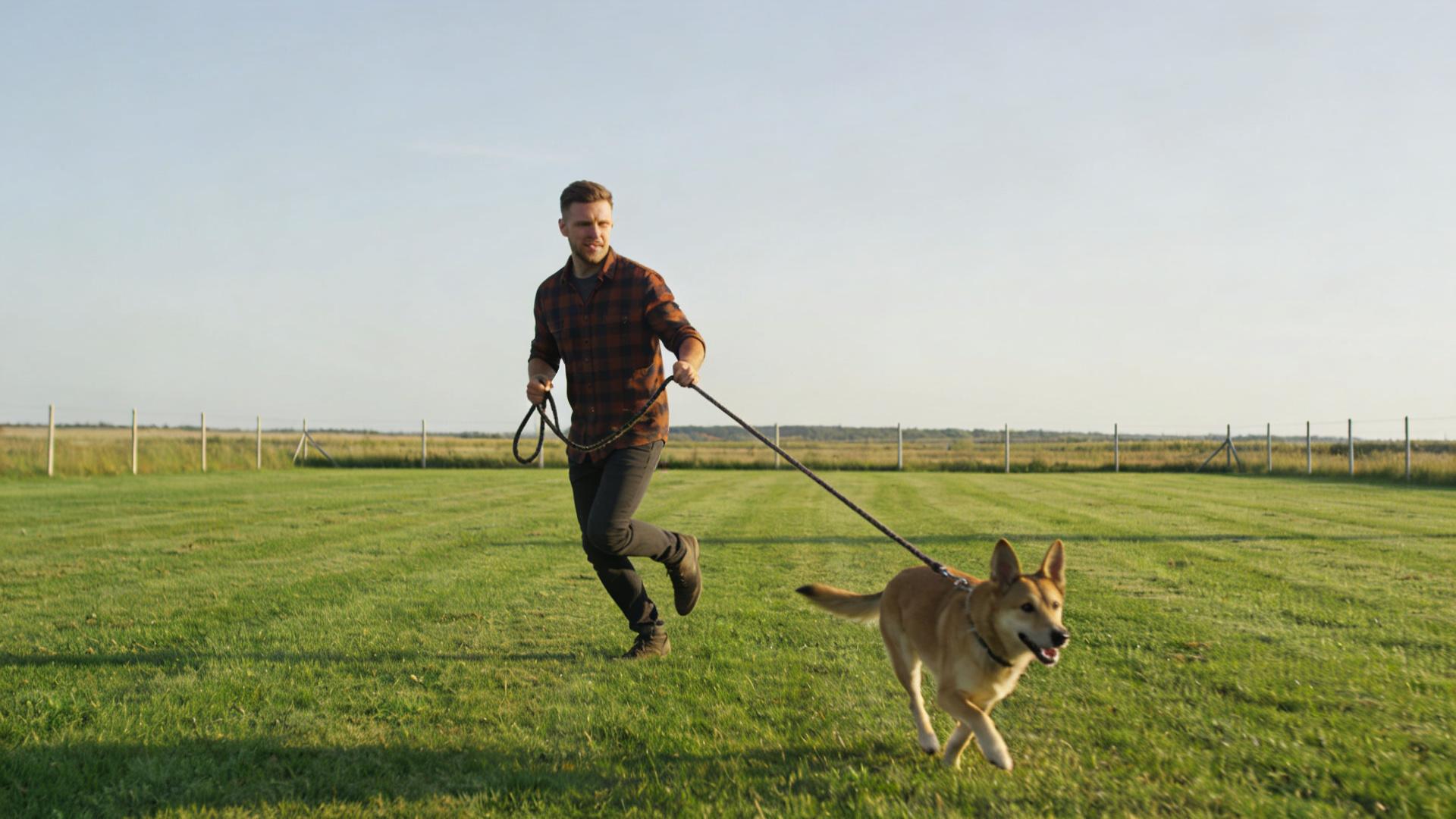
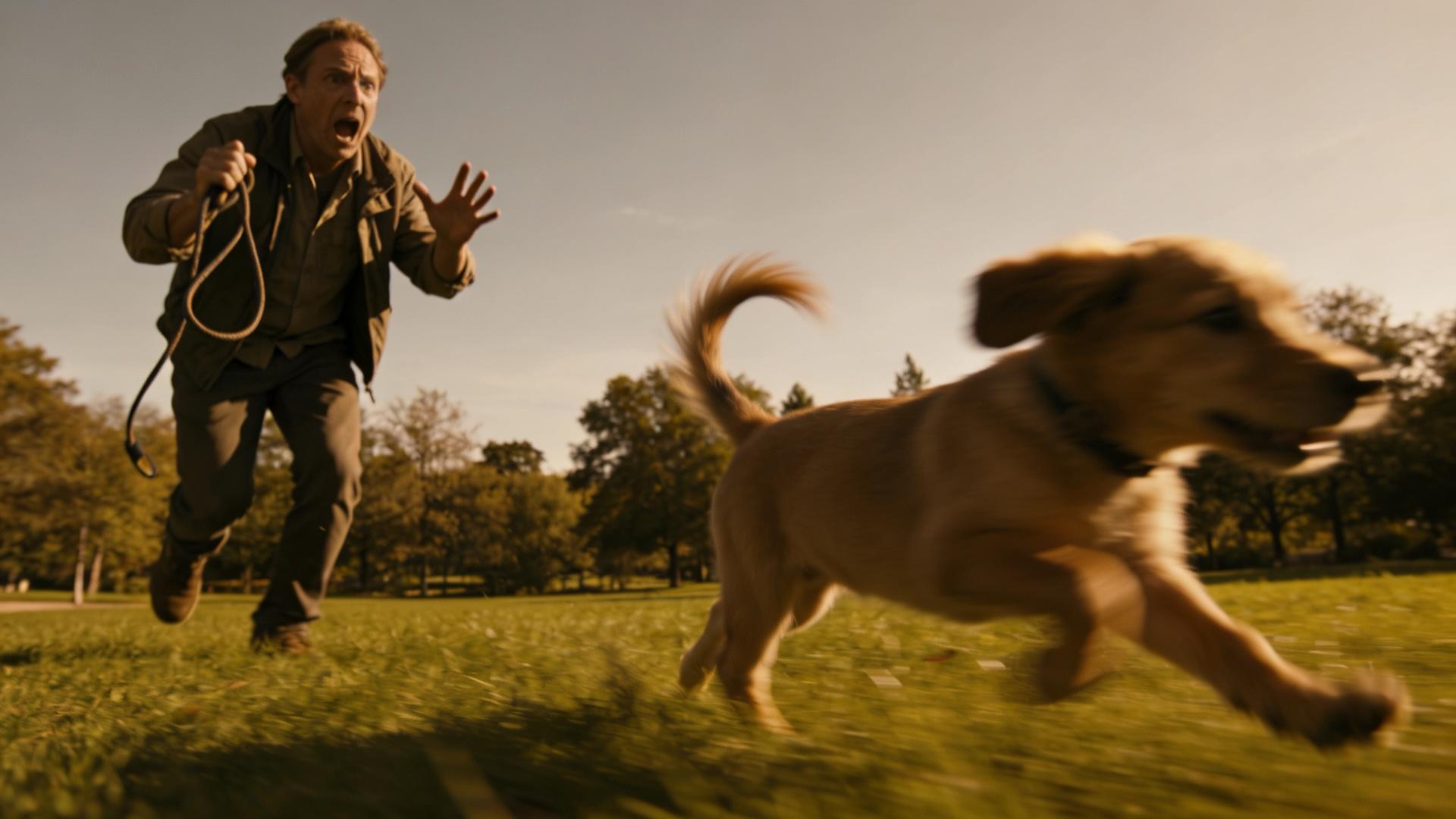
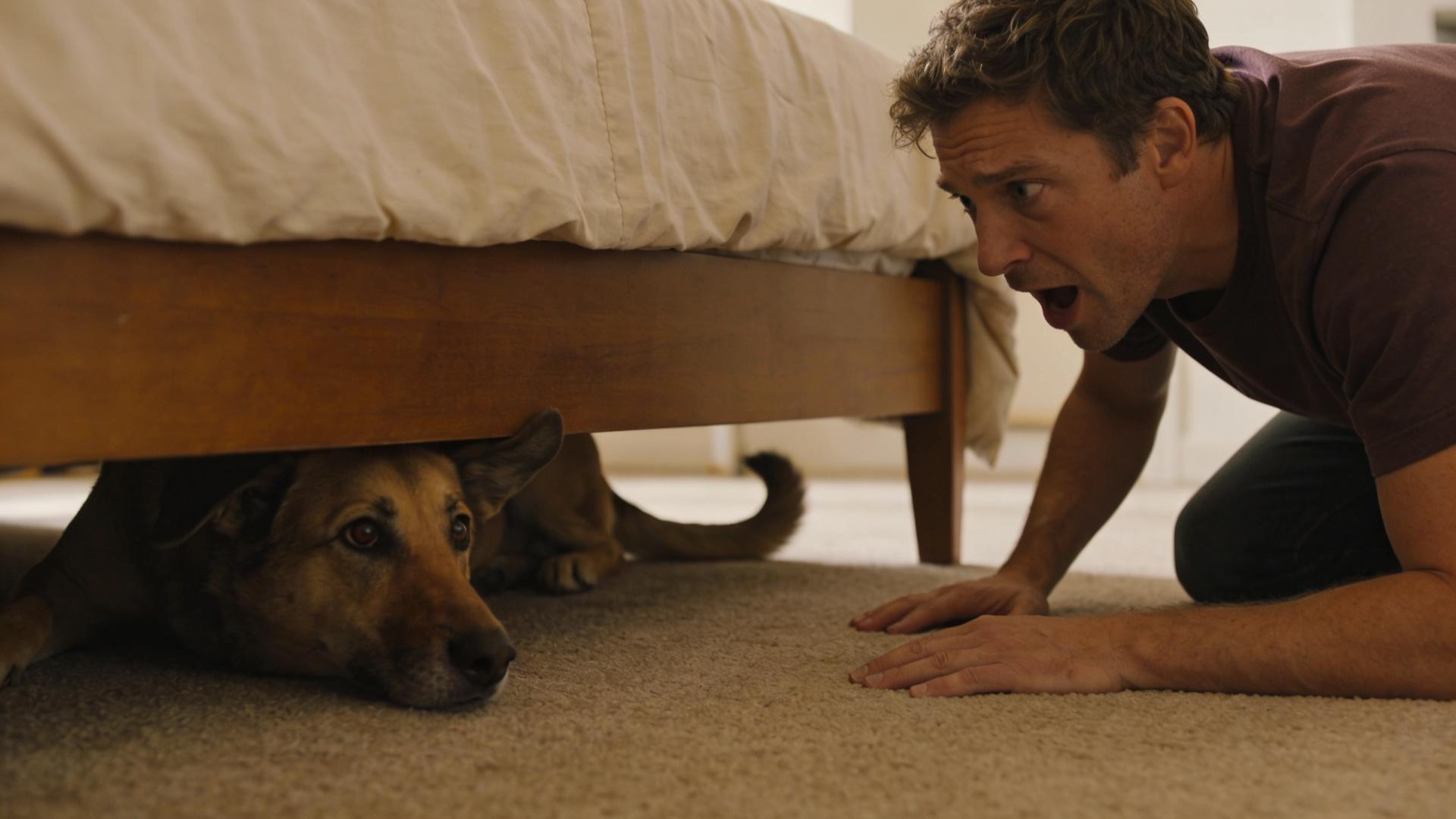
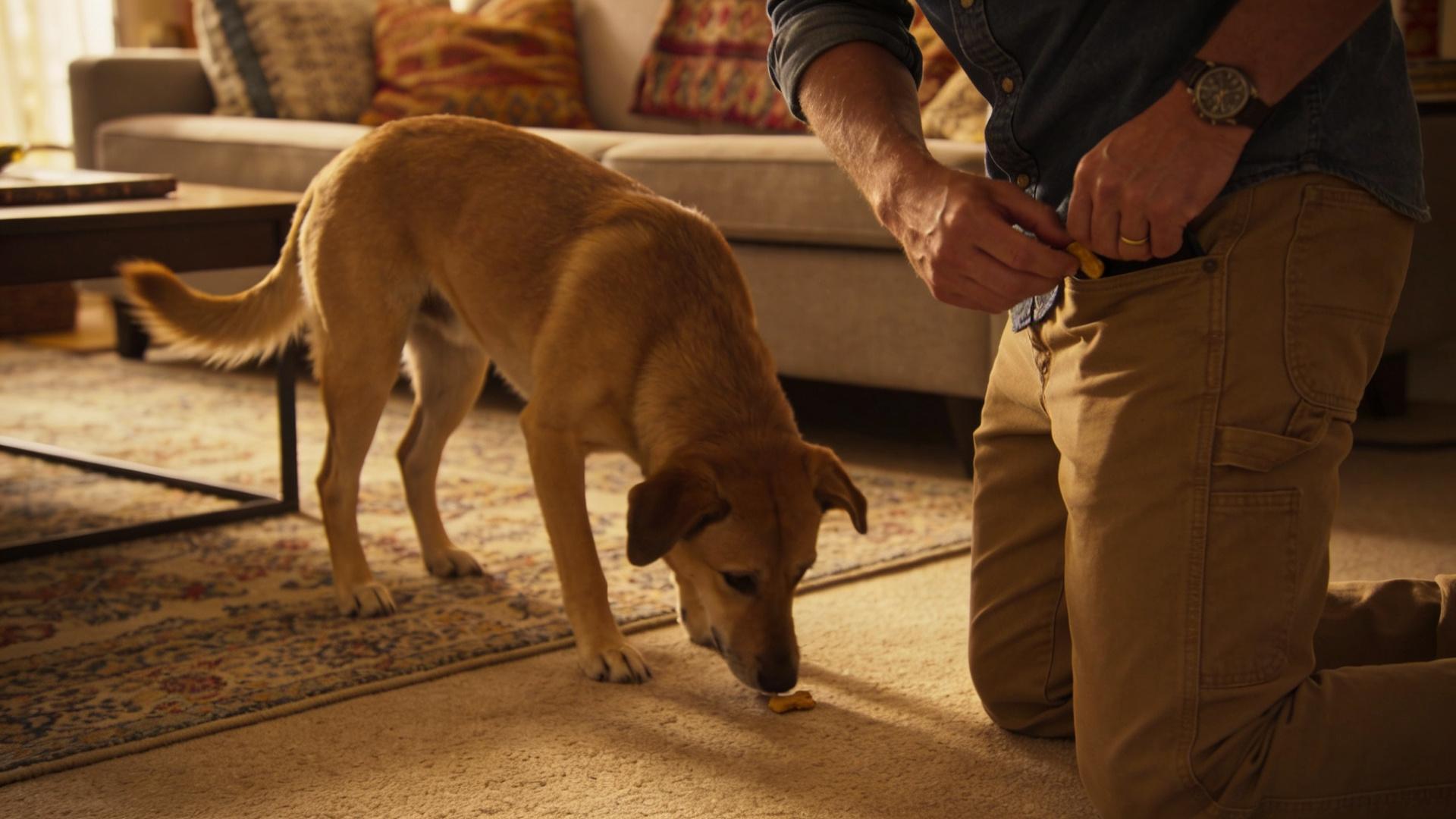
Picture this: you’ve set aside a precious Saturday afternoon to finally get serious about your dog's training. You have treats, a clicker, and boundless determination. But fifteen minutes in, your dog is sniffing the grass, staring at a squirrel, or lying down with a sigh. Your two-hour "training marathon" dissolves into a cycle of frustration and distracted refocusing. Sound familiar? If so, you’re asking the right question: What is the optimal dog training frequency? The answer, backed by science and experience, challenges the marathon mentality. In essence, short, daily dog training sessions are profoundly more effective than infrequent, lengthy ones. Let's explore why the 10-minute daily habit reigns supreme.

🐕 The Canine Brain: Understanding Memory and Attention Spans
To train effectively, we must understand how dogs learn. Canine cognition operates differently than human cognition, particularly regarding two key concepts: attention span and working memory.
Attention Span: Dogs are brilliant, but they are not built for prolonged, passive focus on a single task. Their attention is naturally drawn to novel stimuli in their environment. For most dogs, especially puppies, a focused attention span for structured learning is remarkably short. We're talking 3 to 10 minutes before mental fatigue sets in. Asking for more is like expecting a young child to sit through a two-hour lecture.
Working Memory & Habit Formation: Dogs learn through repetition and association. When you teach a cue, you are creating a neural pathway. This pathway is reinforced and strengthened each time it's used correctly. However, canine working memory—the ability to hold and process new information—is limited. Small, frequent repetitions are the most efficient way to "cement" that pathway into long-term memory and, eventually, into a reliable habit. Think of it as building a brick wall: consistent, daily effort lays a strong, sturdy structure. A once-a-week deluge of bricks leads to a messy, unstable pile.
📊 The Science of Spaced Repetition: Daily vs. Weekly Impact
Let's directly compare the two schedules and their impact on learning retention and skill acquisition.
The 2-Hour Weekly Marathon: A Recipe for Overload
This approach often leads to diminishing returns. The first 10-15 minutes might be productive, but as the dog's attention wanes, the quality of practice plummets. Mistakes become more frequent, frustration (for both parties) rises, and the dog begins to associate training with boredom and pressure. Crucially, the long gap between sessions allows for significant memory decay. By the next Saturday, your dog may have forgotten much of what it "learned," forcing you to start nearly from scratch each time. It’s an inefficient cycle of learn, forget, re-learn.
The 10-Minute Daily Session: The Power of Consistency
This method leverages the psychological principle of spaced repetition. By revisiting a skill or concept every 24 hours, you reinforce the neural pathway before it has a chance to fade significantly. The learning curve becomes a steady, upward climb. Each short session ends on a high note—before fatigue sets in—keeping the dog's motivation and enthusiasm sky-high. Over a week, these daily snippets (70 minutes total) far outperform a single 120-minute slog in terms of actual retained learning and reliable behavior.

✨ The Multifaceted Benefits of Short, Daily Training
Beyond raw learning efficiency, a consistent dog training routine of brief daily sessions offers transformative advantages.
Reduced Boredom & Increased Engagement: Short sessions keep training feeling like a fun game, not a chore. Your dog will be more eager to participate, leading to faster progress and a more positive attitude toward learning.
Stronger Human-Canine Bond: These daily, positive interactions are relationship-building blocks. They foster clear communication, mutual trust, and a deep sense of partnership. You become a source of fun and guidance, not just commands.
Superior Habit Formation Behavior is shaped by consistent practice. Want a dog that automatically sits at curbs? Daily practice in short, real-world bursts embeds the behavior into their daily routine more effectively than a single, contrived weekly drill.
Ideal for Mental Stimulation: Training is a fantastic workout for your dog's brain. A daily 10-minute puzzle is the perfect dose of mental stimulation for dogs, which can help prevent destructive behaviors born from boredom and excess energy.

🛠️ Your Blueprint: Implementing a 10-Minute Daily Routine
Convinced? Here’s how to put this dog training theory into action with a practical, sustainable plan.
Step 1: Schedule It
Treat it like a vital appointment. Link it to an existing habit—right after your morning coffee, during your lunch break, or before the evening walk. Consistency in timing helps both you and your dog get into the rhythm.
Step 2: Prepare for Success
Have a pouch of high-value treats ready. Choose a quiet, low-distraction environment to start. Decide on one or two specific goals for the session (e.g., "polish 'stay' and introduce 'touch'").
Step 3: Structure Your Session
Minute 1-2: Warm-up with an easy, well-known command (like "sit") for a quick success and reward.
Minute 3-7: Focus on your main training objective. Work in short, clear repetitions. Keep your cues upbeat.
Minute 8-9: Practice a fun, previously mastered skill to end positively.
Minute 10: Big celebration! Play with a toy or give a special treat. Session over.
Step 4: Vary the Content
Mix obedience with trick training, scent work, or impulse control games. Variety keeps your dog's brain engaged. Need ideas for quick dog training exercises? Review foundational skills with our guide on basic dog commands every dog should know.

Conclusion: Consistency is the Cornerstone of Canine Learning
The evidence is clear. When it comes to dog training frequency, the quality and consistency of practice overwhelmingly trump the quantity of time in a single sitting. The theory of spaced repetition, tailored to the canine attention span, proves that ten focused minutes a day builds reliable behaviors, a joyful learner, and an unbreakable bond far more effectively than sporadic, lengthy ordeals. It’s the practical, sustainable secret to a well-trained dog, especially for busy owners seeking an easy dog training routine.
Your Call to Action: Start Your Training Log Today!
Don't just take our word for it. Put this dog training plan for consistency to the test. Start a simple training log. Note the date, skill worked on, and a one-sentence summary of how it went. Commit to the 10-minute daily method for just two weeks.