
You May Have Missed

Compulsive behaviors (such as tail chasing): Is it naughtiness or brain damage?
As a dog owner, few sights are as simultaneously amusing and perplexing as watching your dog spin in frantic circles, determined to catch that elusive tail. It’s a classic canine quirk, often laughed off as a moment of goofy antics. But when the spinning becomes a daily ritual, when it intensifies to the point of exhaustion or injury, that amusement can quickly curdle into concern. Is this just a naughty phase, a silly habit? Or could it be a red flag for something more serious, like brain damage or a neurological disorder? Understanding the stark difference between playful behavior and a pathological compulsion is not just academic—it’s crucial for the long-term health and happiness of your four-legged family member.
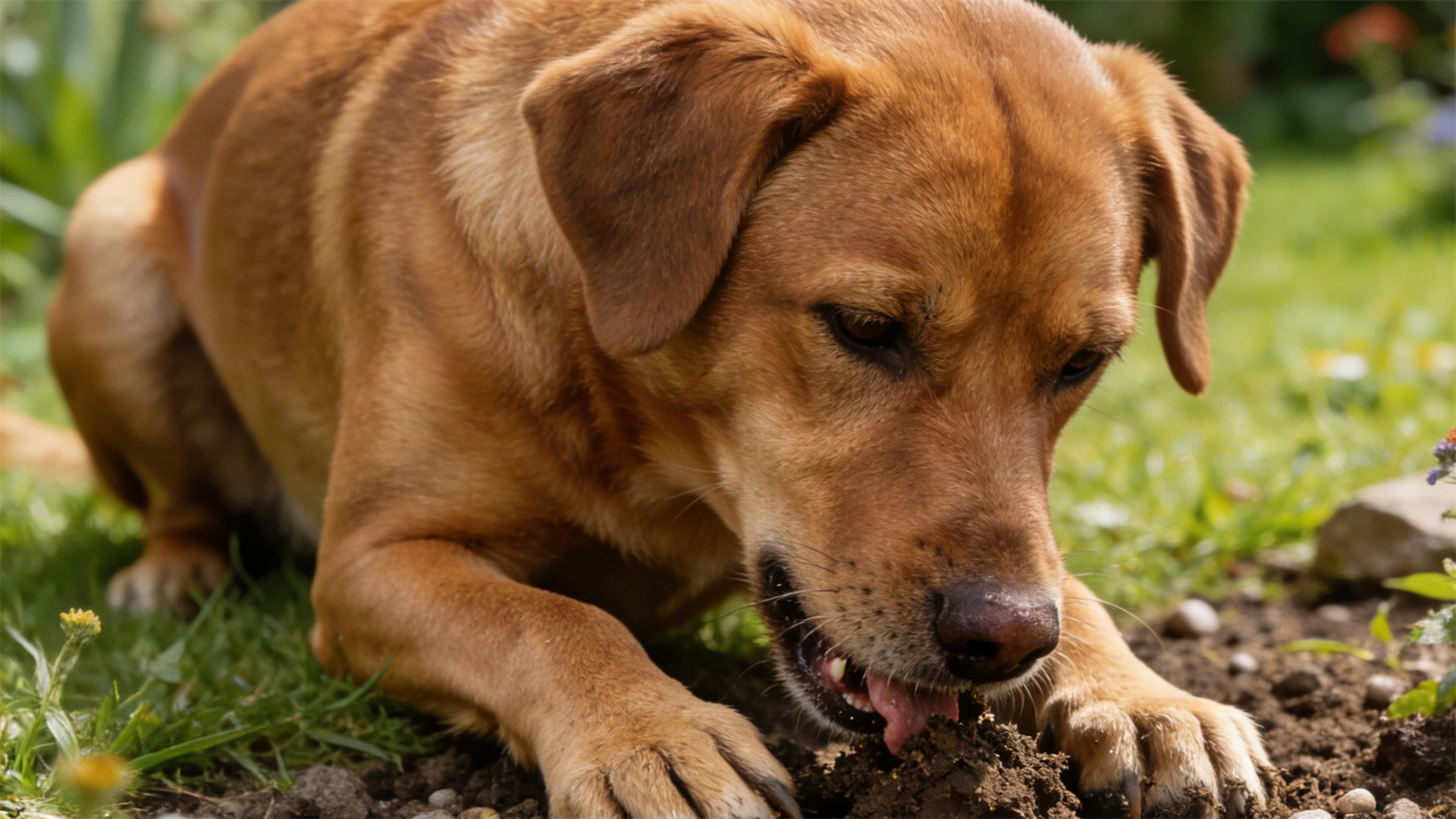
Micronutrient deficiencies in dogs: The underlying logic behind brittle nails, soil-eating, and pica.
You notice your dog’s nails seem to split or flake easily during a trim. Later, you catch them intently munching on dirt in the garden. Perhaps they’ve even graduated to chewing on rocks, socks, or drywall. As a concerned dog owner, you might write these off as odd behaviors or minor quirks. But what if these seemingly unrelated issues were connected? What if they were your dog’s way of sending a nutritional distress signal? The common thread often lies in micronutrient deficiencies in dogs—a subtle but significant imbalance that impacts health from the inside out.
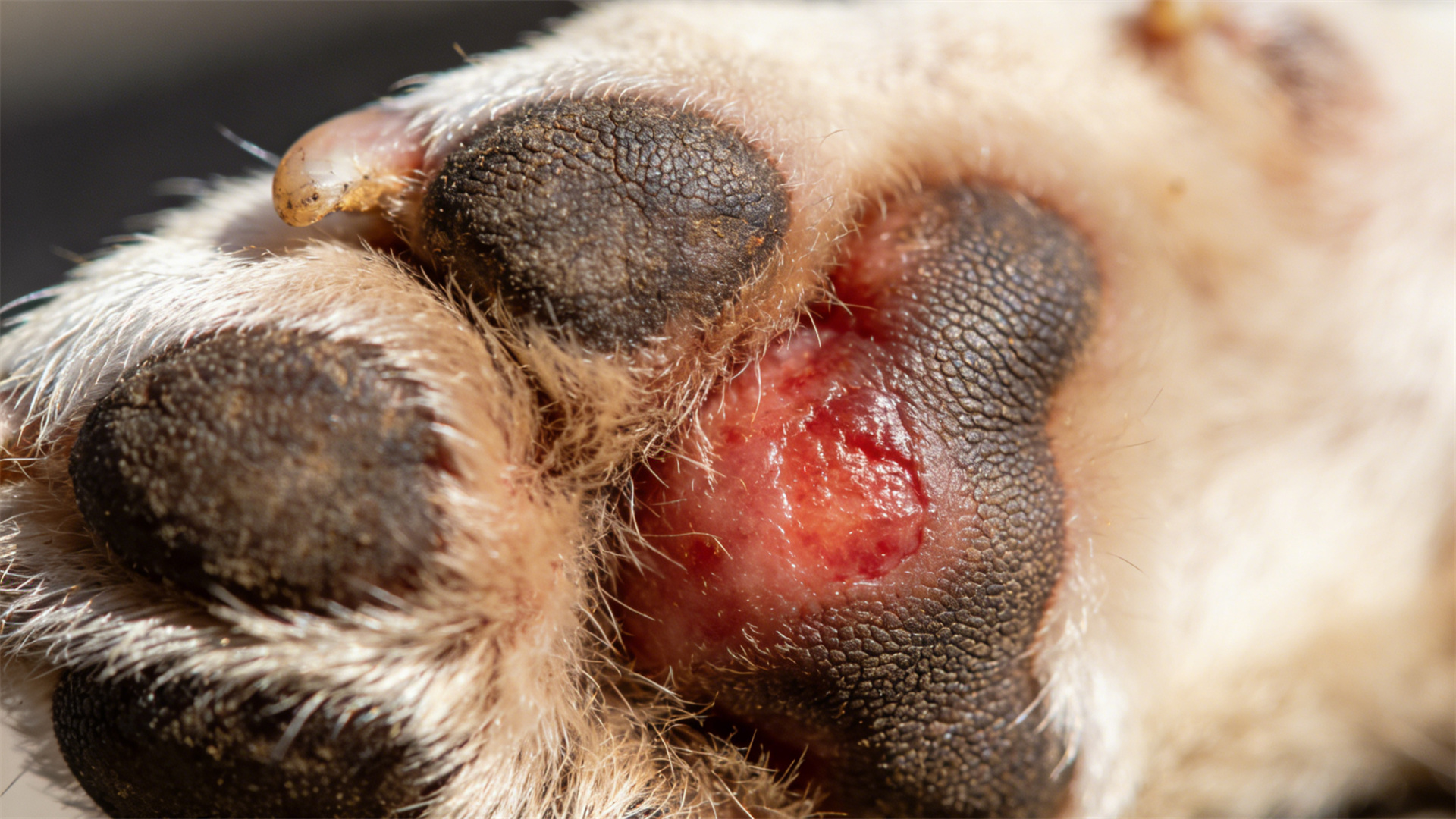
Health signals from between the toes: Thorough prevention and intervention for interdigital dermatitis
You’ve seen it a hundred times: your beloved dog curled up, intently focused on licking or chewing at their paws. It might seem like a harmless, quirky habit. But what if that persistent nibbling is a distress signal, a plea for help written in the language of discomfort? The spaces between your dog’s toes—the interdigital spaces—are more than just gaps; they are sensitive, vital health monitors. Ignoring their signals can lead your pet down a path of pain and chronic infection. This guide will empower you to become an expert in recognizing, preventing, and tackling interdigital dermatitis, one of the most common yet misunderstood canine ailments.

Do dogs suffer from PTSD? Understanding the psychological rebuilding process after abuse or homelessness.
For anyone who has welcomed a rescue dog into their home, witnessed a formerly confident pup become fearful after an accident, or simply looked into the eyes of a dog with a mysterious past, a poignant question often arises: Can dogs experience something akin to our human Post-Traumatic Stress Disorder? The answer, resoundingly supported by veterinary behaviorists and modern science, is yes. Canine PTSD is a very real, diagnosable, and treatable condition. Dogs who have endured profound trauma—be it abuse, neglect, a violent attack, a natural disaster, or the relentless stress of homelessness—can bear lasting psychological wounds. Understanding this reality is not an exercise in anthropomorphism; it is the crucial first step toward providing the compassionate, informed care these resilient animals need. This comprehensive guide will delve into the signs of canine PTSD, explore the roots of trauma, and most importantly, map out the patient, nuanced journey of psychological rebuilding. $image$

Can dogs eat fruit? 2026 "Red and Black List" and recommended intake levels.
As a doting dog parent, you’ve probably wondered, while slicing a watermelon or snacking on blueberries, if your furry friend can join in. That hopeful gaze is hard to resist! The question "can dogs eat fruit" is incredibly common, and the answer is a careful, conditional yes. 🐶 Many fruits are packed with beneficial vitamins, minerals, fiber, and hydration. However, the canine digestive system is not the same as ours, and significant, even lethal, dangers exist with certain fruits. Navigating this fruity landscape requires a clear map. This definitive 2026 guide provides exactly that: a vet-reviewed "Black List" of safe options, a critical "Red List" of toxic hazards, and precise, size-based serving recommendations. Your first and most important rule? Always consult your veterinarian before introducing any new food to your dog's diet.
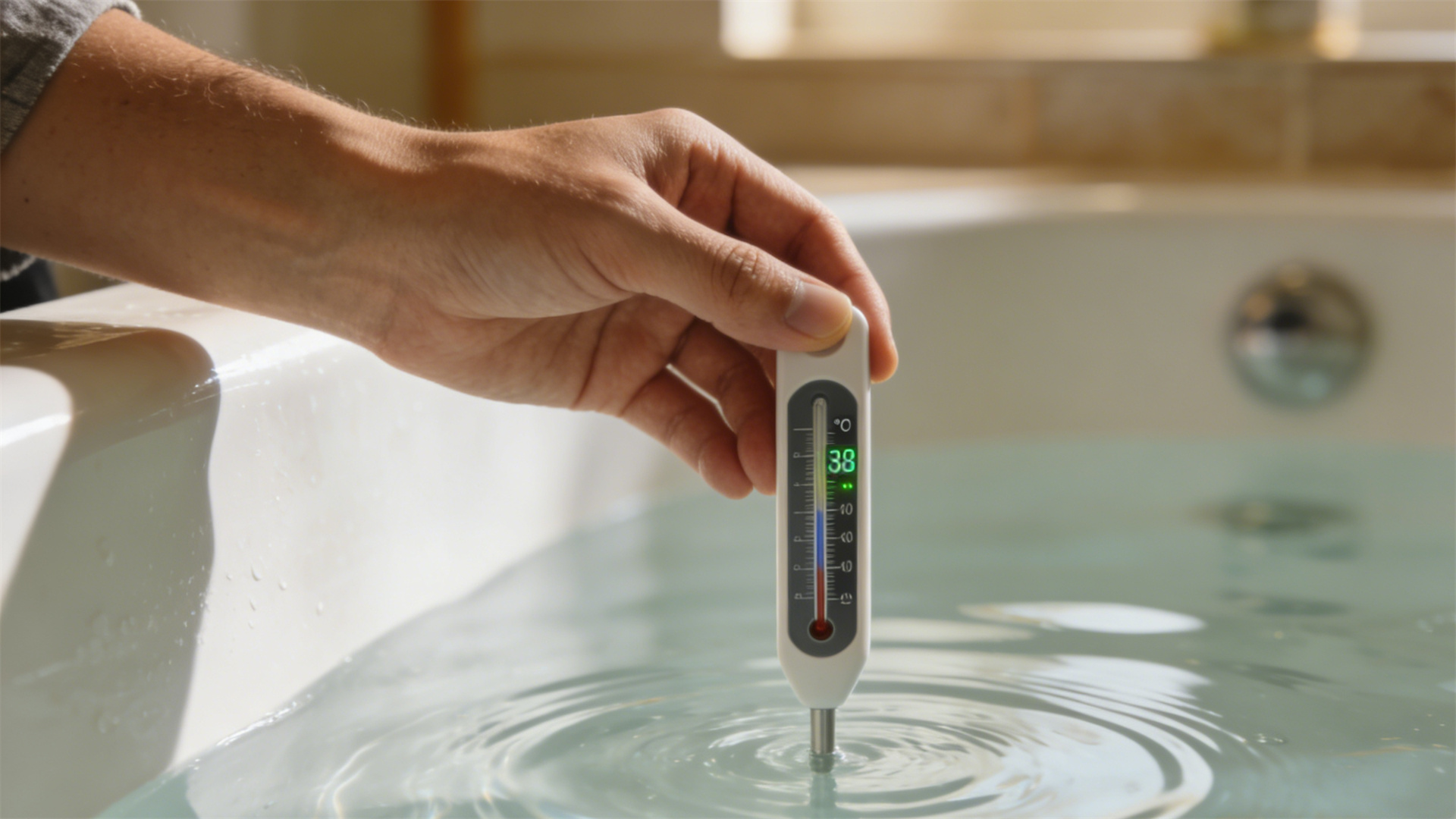
The perfect temperature for dog bath water: scientific advice for protecting the skin's natural oil layer.
For many dog owners, bath time is a routine chore—a necessary step in the journey of pet parenthood. We lather, we rinse, we dry, hoping for a cleaner, fresher-smelling companion. Yet, nestled within this simple ritual is a critical variable that often goes overlooked: the temperature of the water. Far from being a minor detail, the water temperature you choose is a pivotal factor in your dog’s dermatological health. Using water that is too hot can be as damaging as neglecting the bath altogether, stripping away the very foundation of healthy skin. This guide delves into the scientific rationale behind the perfect bath water temperature, offering actionable advice to transform bath time from a potential hazard into a cornerstone of proactive canine wellness.